Try to imagine stepping outside and taking a breath in the age of dinosaurs. The sky is familiar, blue and bright, but the air itself is not quite the same. It is thicker in some eras, more oxygen rich or carbon heavy in others, and quietly steering everything from which plants dominate to how big animals can grow. The world looks wild on the surface, but the real action is happening in the invisible ocean of gases wrapped around the planet.
We tend to picture dinosaurs as movie monsters stomping through jungles, but the truth is much stranger and more interesting. Their world was shaped by subtle shifts in carbon dioxide, oxygen, and climate over tens of millions of years, and those shifts wrote the rules of life and death long before humans existed. Understanding that atmosphere is not just a nerdy detail for paleontology fans; it is a mirror for our own future. The same planetary system that once fed giant sauropods is now reacting to our tailpipes and smokestacks, and that should make all of us just a little more curious – and a bit uneasy.
Breathing in the Mesozoic: Not One Atmosphere, But Many
One of the most surprising truths is that there was no single “dinosaur atmosphere.” Dinosaurs roamed from roughly the late Triassic through the Jurassic and Cretaceous, a span of about 165 million years, and Earth’s air changed dramatically during that time. Carbon dioxide levels, for example, swung from several times higher than today to periods that were closer to modern values, and oxygen levels rose and fell as forests thrived or burned and oceans breathed in and out carbon.
If you could time‑jump randomly into the Mesozoic, sometimes you might feel like you were breathing in a greenhouse, sometimes a steam room, and sometimes something closer to a muggy tropical day. These long, slow shifts did not just tweak the weather; they altered which plants could grow, how fast rocks weathered, and how much energy the planet trapped from the Sun. Dinosaurs did not simply “live in a warm world” – they evolved through rolling atmospheric experiments that tested what life could handle.
Carbon Dioxide and a Greenhouse World: Why the Age of Dinosaurs Was So Warm
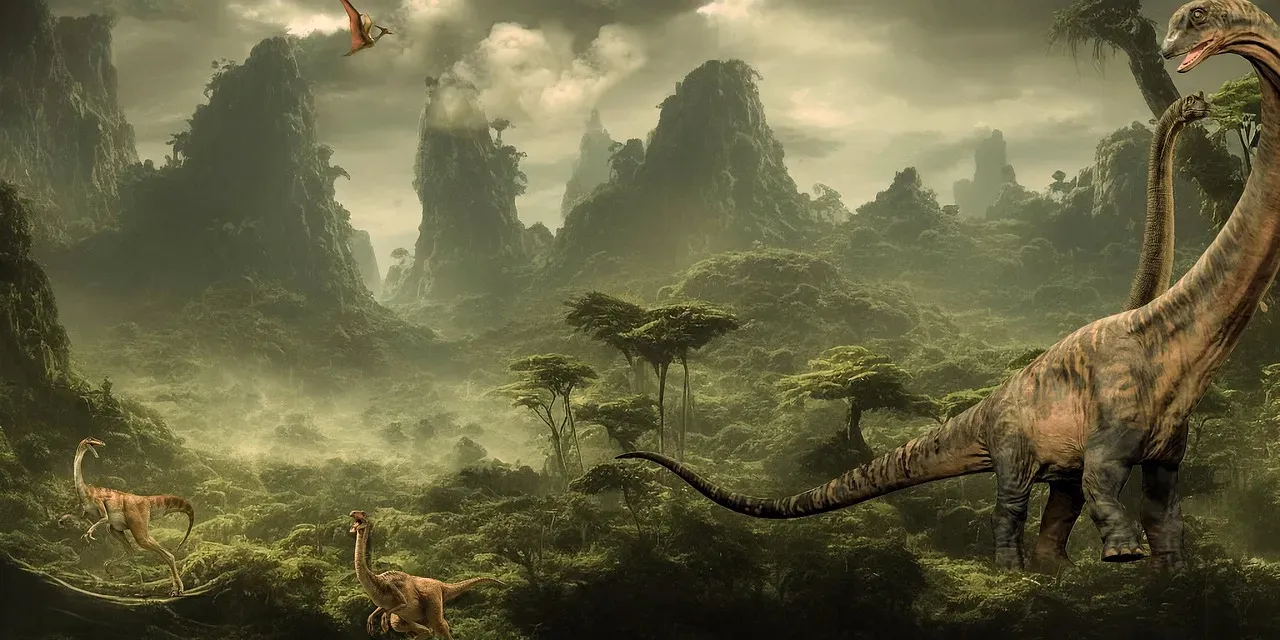
When people say the dinosaur world was hot, they are not exaggerating. For long stretches of the Mesozoic, carbon dioxide in the atmosphere was significantly higher than today, sometimes several times greater, creating a powerful greenhouse effect. That thick CO₂ blanket trapped more heat, meaning no continental ice sheets, milder winters even at high latitudes, and vast regions that today are cool or temperate turning into lush or semi‑tropical environments.
This greenhouse warmth reshaped the map of life. Forests pushed closer to the poles, deserts and monsoon belts shifted, and coastlines flooded as higher temperatures expanded the oceans and melted what little ice existed. Dinosaurs followed the warmth and the food, spreading into polar regions where some species may have endured long periods of dim winter light but not brutal cold. The idea of “snowy dinosaurs” is largely a modern fantasy; across most of their reign, they walked a planet turned up a few notches on the global thermostat.
Oxygen Ups and Downs: Did High O₂ Help Giant Dinosaurs Thrive?
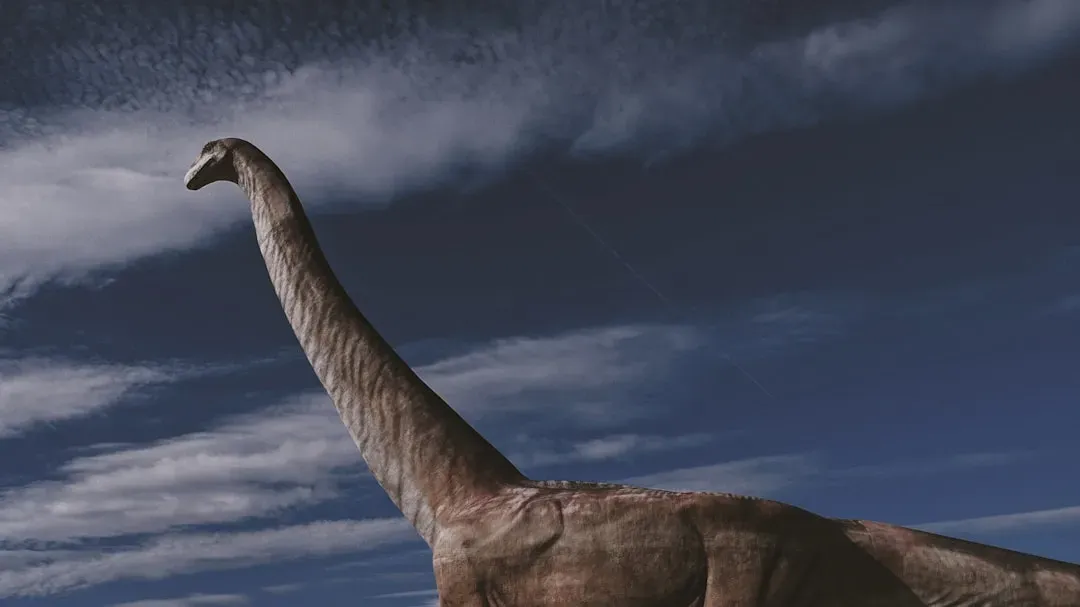
Popular science sometimes claims that dinosaurs were huge because oxygen was dramatically higher, but the real story is more nuanced. Reconstructions of past oxygen levels, based on things like ancient soils, coal deposits, and models of the global carbon cycle, suggest that O₂ during the Mesozoic wobbled above and below modern levels rather than staying insanely high. There were intervals when oxygen climbed higher than today, and other times when it dipped lower, and those shifts would have influenced things like wildfire frequency, metabolism, and where animals could comfortably live.
Higher oxygen can make bodies run a bit “easier,” which might support more active lifestyles or denser ecosystems, but it is too simplistic to say it single‑handedly made sauropods gigantic. Body size in dinosaurs has more to do with evolutionary innovation, food supply, and growth strategies than just air chemistry. Still, changes in oxygen would have affected how animals handled exertion, how high mountains could host big ecosystems, and how often huge fires raged across landscapes. The atmosphere was not just a backdrop; it was part of the fitness test every organism had to pass.
Plants, Forests, and the Air They Made: A Feedback Loop in Action
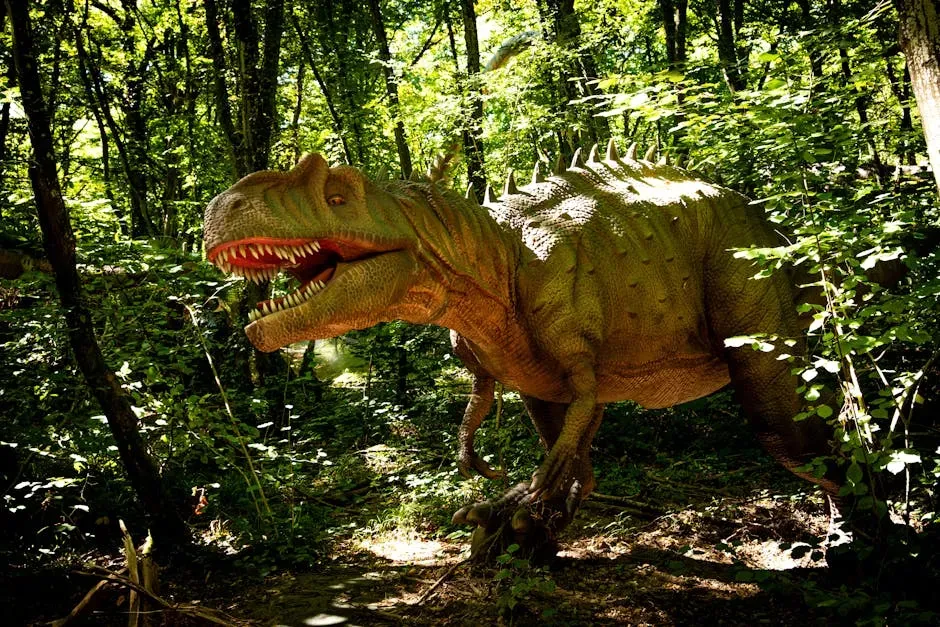
The atmosphere of dinosaur times did not just control plants; plants also reshaped the atmosphere. When vast conifer forests or later flowering plant forests spread, they pulled carbon dioxide from the air for photosynthesis and locked some of that carbon away in wood and soils. Over millions of years, the slow burial of this organic matter in sediments could nudge CO₂ downward, slightly cooling the planet and altering rainfall patterns. In that sense, forests were not just scenery in dinosaur documentaries; they were planetary machines quietly adjusting the climate knobs.
On the flip side, when climates warmed or sea levels rose, forests could burn more often or be drowned or eroded, releasing stored carbon back into the air. Volcanoes added another twist by pumping out fresh CO₂ from Earth’s interior. The result was a dynamic feedback loop: plants influenced the air, the air changed the climate, the climate rearranged vegetation, and the cycle continued. Dinosaurs lived inside this swirling interaction, their migrations, diets, and evolutionary paths guided by a system whose engine room was largely invisible.
Extreme Events: Volcanic Outbursts, Mass Extinctions, and Atmospheric Shock
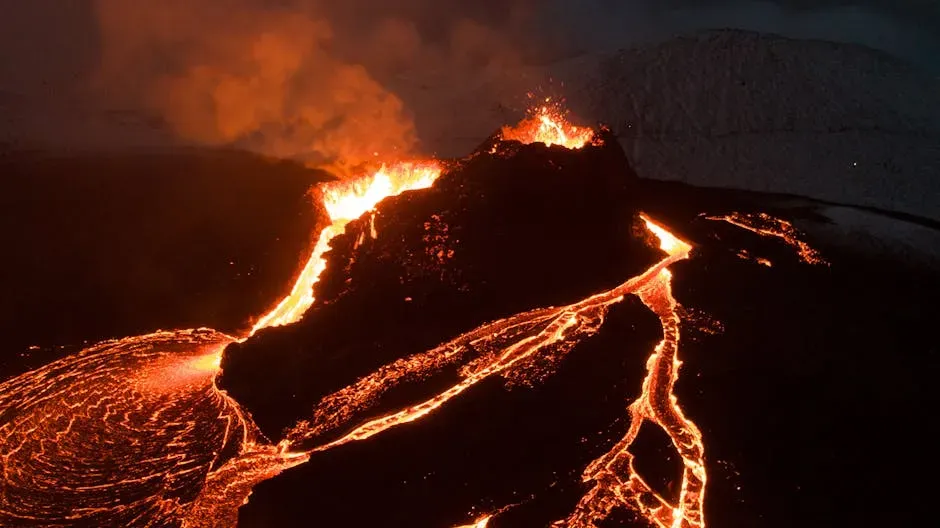
For all its slow changes, the dinosaur world also suffered atmospheric shocks. Massive volcanic eruptions, such as those that built enormous lava plateaus, belched huge amounts of carbon dioxide and other gases into the sky over geologically short intervals. These pulses of greenhouse gases could spike temperatures, acidify oceans, and trigger ecological chaos. Some extinction events near the beginning and middle of the Mesozoic are linked to exactly these kinds of volcanic onslaughts and the sudden atmospheric jolts they caused.
Toward the end of the Cretaceous, the famous asteroid impact added a different type of atmospheric trauma. In addition to shock waves and tsunamis, the collision blasted dust and aerosols high into the atmosphere, darkening skies and disrupting photosynthesis worldwide. Combined with ongoing volcanic activity, this likely whipped the climate from short‑term cooling and darkness into longer‑term warming and chemical disruption. Dinosaurs were not just unlucky victims of bad rocks from space; they were inhabitants of a planet whose atmospheric balance could be violently reordered by geology on a scale we still struggle to fully grasp.
When we talk about long‑past atmospheres, it is easy to forget that air interacts with oceans in deeply intimate ways. During the Mesozoic, high carbon dioxide levels did not just warm the climate; they also seeped into seawater, influencing ocean chemistry and the health of marine life. Warmer oceans hold less dissolved oxygen, so in some intervals, large areas of the seafloor became low‑oxygen or even almost devoid of oxygen. These “dead zones” left their fingerprints in dark, carbon‑rich sediments that geologists still find today.
Such episodes can be devastating to marine ecosystems, reshuffling which species dominate and wiping out others. For marine reptiles, early birds, and fish that lived alongside dinosaurs, the atmosphere and ocean system could flip between supporting booming diversity and imposing harsh bottlenecks. Dinosaurs on land may have been spared the worst of some of these marine crises, but the principle is the same: shift the balance of gases enough, and entire ecosystems tilt. The boundary between air and water is not a barrier; it is a busy exchange desk where planetary health is negotiated every second.
Why Dinosaur Air Matters Now: Lessons for a Human‑Heated Planet
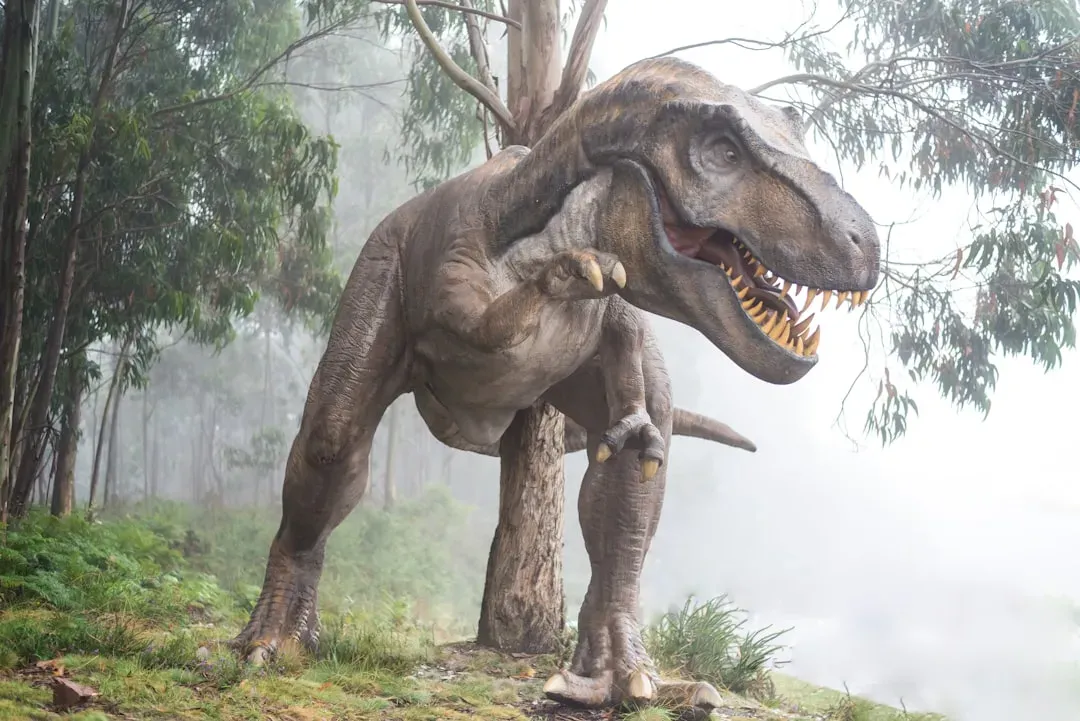
It is tempting to treat the dinosaur atmosphere as a fun piece of trivia, like a movie backdrop, but it is actually a powerful cautionary tale. The Mesozoic shows that when carbon dioxide climbs high enough and stays there, the planet settles into a much warmer state with no big ice sheets, higher sea levels, and altered rainfall patterns. Life does eventually adapt and often flourishes in new forms, but those transitions are brutal for many existing species. In other words, Earth is resilient; individual ecosystems and familiar organisms often are not.
The troubling twist is that the amount of carbon humans are now dumping into the atmosphere on a time scale of centuries rivals some of the faster pulses seen in the deep past. What took volcanoes tens of thousands of years to do, we are doing in a tiny slice of geological time, and the climate system is responding with rising temperatures, shifting storms, and creeping sea levels. We are not about to recreate the exact Mesozoic, but we are pushing the same basic greenhouse lever the planet responded to back then, and pretending that we are exempt from the same physics is wishful thinking.
Conclusion: The Air That Built Dinosaurs Is Warning Us
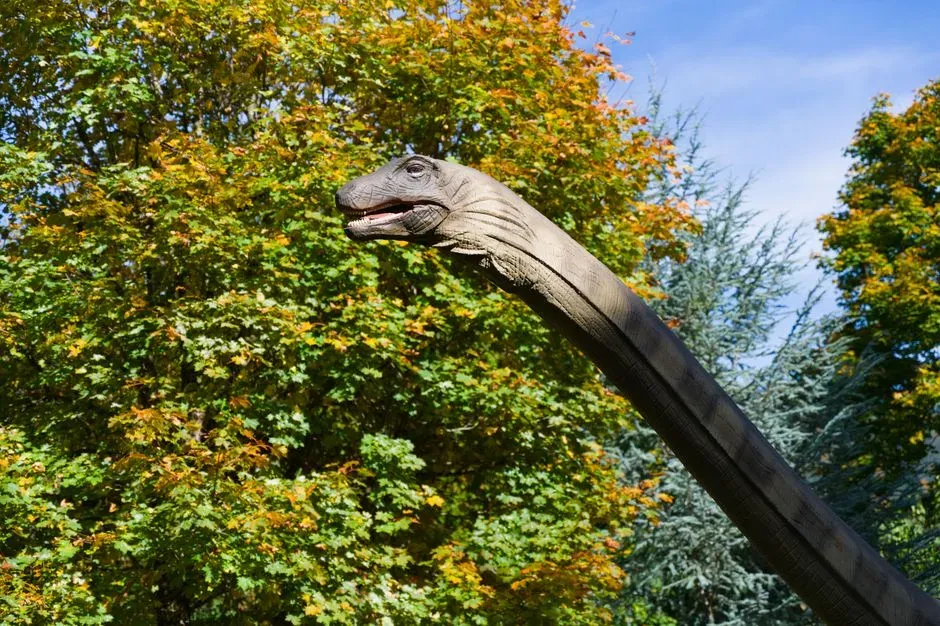
When I think about dinosaur air, I do not picture some exotic alien atmosphere; I picture the same basic gases we breathe today, rearranged into different recipes with very different consequences. Higher carbon dioxide, shifting oxygen, and feedbacks with forests and oceans sculpted a world where giant reptiles dominated, polar regions were mild, and mass extinctions reset the evolutionary board more than once. The atmosphere was both cradle and executioner, nurturing diversity in one era and yanking the rug away in the next. That story should feel uncomfortably familiar to anyone paying attention to the headlines.
My opinion is that the real lesson here is not that Earth will be fine no matter what we do, but that it will change, with or without our consent, in response to the same atmospheric forces that shaped dinosaur evolution. We are not separate from that system; we are a particularly loud and reckless part of it, turning knobs faster than almost anything in the fossil record. The air that once fed sauropods is now absorbing the exhaust of our cars and factories, and it will answer in its own slow, implacable language of temperature, ice, and storms. The real question is whether we decide to listen to those ancient warnings, or wait to be taught the same lesson the hard way again.