I still remember the first time I watched Jurassic Park as a kid and then later learned that real velociraptors were about the size of a turkey. It was like discovering Santa wasn’t real all over again, but in a weird way, I respected the movie even more. It was doing horror, not a nature documentary. It bent science, but it at least tried to dance with it: actual paleontologists were involved, real debates about bird–dinosaur links were baked into the script, and the movie took its own premise surprisingly seriously.
Jurassic World, on the other hand, walks into the room, shrugs, and pretty much says: science, who? It treats genetics like a color palette in a phone app, ecosystems like theme park props, and animal behavior like an arcade game. The result is fun in a loud, popcorn-movie way, but if you care even a little about biology, evolution, or basic physics, it starts to feel like watching someone drive a Ferrari into a wall in slow motion. Let’s unpack why Jurassic World manages to be even more scientifically indefensible than the original films – and why, strangely, that might also be part of its problem.
The Original Jurassic Park Bent Science; Jurassic World Mostly Breaks It
Jurassic Park was never scientifically perfect, but it at least pretended to live in our universe. The whole “amber with mosquito blood” idea has problems, but it came from real scientific speculation at the time, and the film wrapped it in explanations about DNA degradation and filling gaps with frog genes. Was that accurate? Not really. Was it rooted in actual questions scientists were asking in the early 1990s? Absolutely, and that gave the illusion of plausibility, which is often all good sci‑fi needs.
Jurassic World does not really bother with that illusion. The first film treated resurrecting dinosaurs as a hubristic, cutting‑edge gamble; Jurassic World treats it like upgrading the operating system on your phone. Making new species is presented as a marketing decision, not a terrifying, uncertain leap into the unknown. The story stops trying to plausibly explain what is happening and instead leans into a vague “we can just splice anything with anything” vibe, which is about as close to actual genetics as spell‑casting is to neurosurgery.
Indominus Rex: A Frankenstein Monster That Makes No Biological Sense
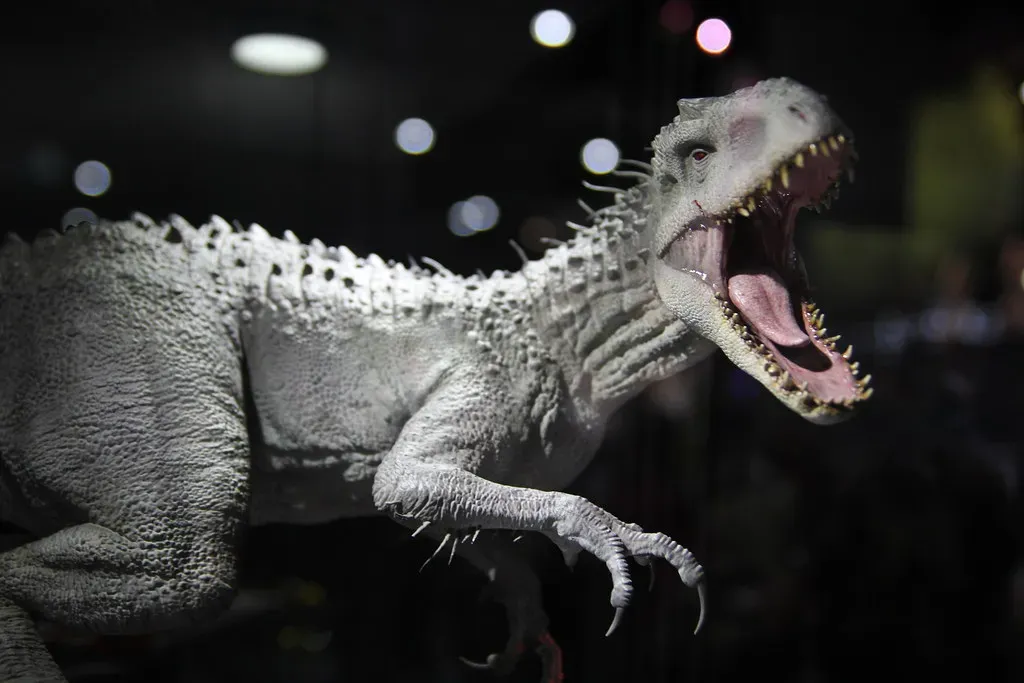
Indominus rex is marketed in the movie as the “first genetically modified hybrid,” which is already ridiculous, because literally every dinosaur in the franchise is a genetic hybrid thanks to all that non‑dinosaur DNA filling. Jurassic World doubles down, though, by describing Indominus as a mash‑up of T. rex, cuttlefish, tree frog, raptor, and whatever else the plot needs that day. Instead of exploring how those combinations might actually work, the movie uses them as a magic vending machine: need camouflage? Toss in cuttlefish. Need thermal regulation? Add frog. Need absurd intelligence and coordination? Sprinkle in “raptor.”
In reality, genes are not a buffet bar where you casually pile traits on your plate and they all just work together. Complex traits like camouflage or infrared evasion arise from whole networks of genes, developmental pathways, and environmental pressures acting over millions of years. You do not get a stealth kaiju by throwing unrelated genes into a blender and hoping for the best. If anything, a creature like Indominus would almost certainly die in the egg or be riddled with deformities and incompatibilities, not emerge as a flawless, seven‑ton super‑predator with perfect teeth and plot‑convenient powers.
Behavior, Intelligence, and Pack Dynamics Straight Out of a Video Game
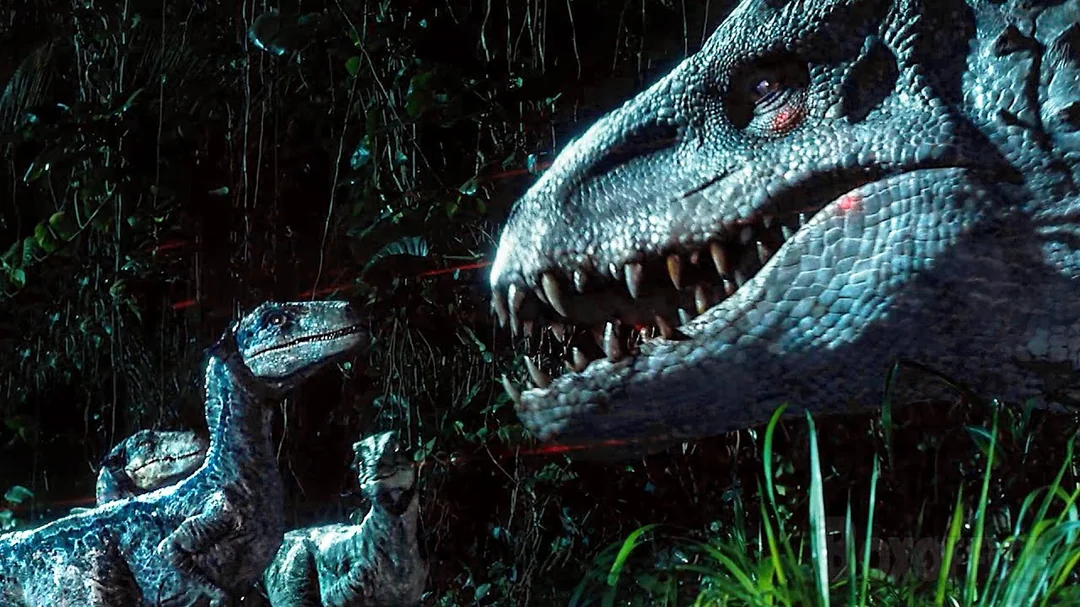
One of the most jarring things about Jurassic World is how it treats dinosaur behavior as pure narrative convenience. Indominus rex does not just escape; it casually manipulates humans, sets traps, and fakes injuries like a cartoon supervillain. It works out how to remove its embedded tracker and seems to understand the park’s security systems almost instinctively. That is not heightened animal intelligence; that is basically giving it a human brain with a dinosaur skin and calling it science. Even the most intelligent living animals – such as crows, dolphins, or great apes – do not spontaneously grasp complex technology they have never seen before.
Then there are the “motorcycle with raptors” sequences, where highly social, presumably wild animals are treated like barely trained war dogs that will listen until they suddenly will not. The movie flirts with interesting ideas about pack hierarchy, imprinting, and trust, but then blows through them at such an absurd speed that it lands in pure fantasy. Real animals with that level of intelligence and social complexity would be far less predictable, and certainly not safely weaponizable by a single mildly charismatic handler in a leather vest.
The Park’s Design Ignores Everything We Know About Ecology and Risk
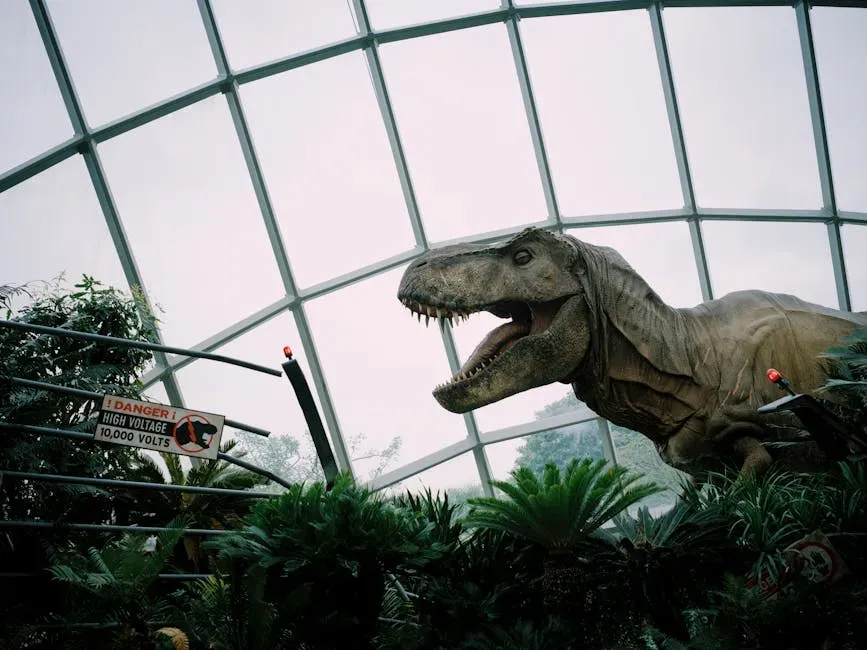
The original Jurassic Park at least pretended to understand that putting apex predators on an island might create problems. It visually hinted at ecosystems, fences, redundancy, and the idea that nature resists being neatly boxed in. Jurassic World, by contrast, stacks implausibility on implausibility. The park is somehow fully operational, wildly popular, and economically viable, even though keeping a stable population of gigantic, slow‑breeding, genetically manufactured animals alive would be a logistical nightmare. Food chains, disease, and genetic bottlenecks are all quietly ignored so the park can feel like a souped‑up SeaWorld with teeth.
On top of that, the actual enclosure design makes almost no sense if you take safety or behavior seriously. A predator as large and experimental as Indominus rex is kept near guest areas with clearly inadequate redundancy and laughable fail‑safes. There is little sign of practical principles that real zoos and wildlife parks use every day: multiple containment layers, strict no‑go buffer zones, emergency fallback habitats, and behavioral monitoring that does not depend on one overworked tech looking at a screen. The whole park feels like a tech demo built by people who have never once asked, “What does this animal need to live, and what happens when it gets bored?”
Genetics as Magic: Jurassic World Gives Up on Even Pretending
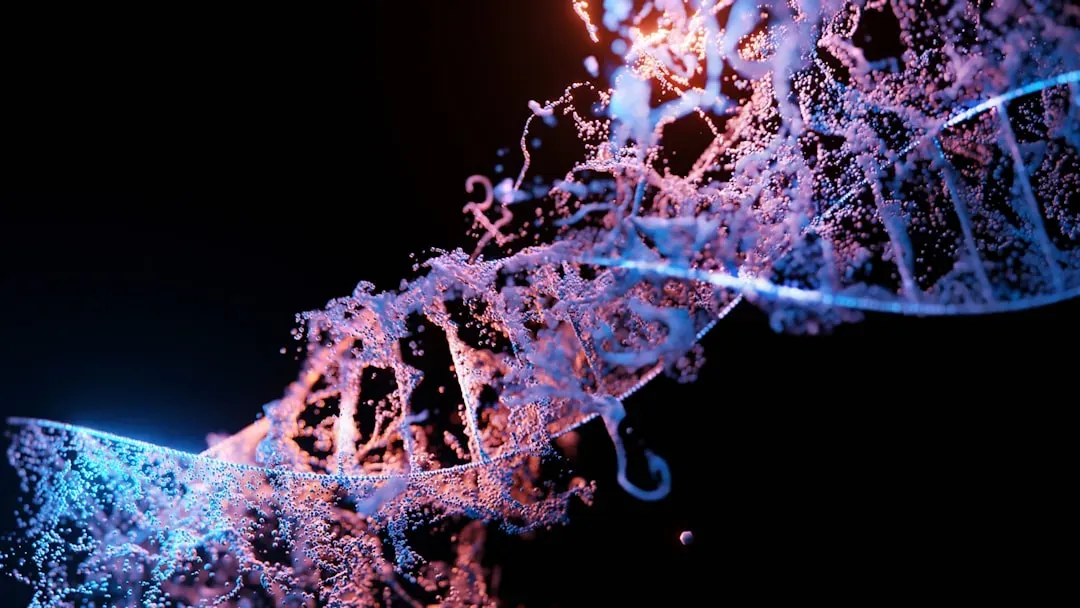
Jurassic Park at least tried to explain its genetic hand‑waving in a way that lined up loosely with what the public was hearing about cloning and DNA at the time. There was talk about incomplete genomes, degradation, and the problems of resurrecting something from deep time. Jurassic World updates the visuals – slicker labs, fancier screens – but not the ideas. It leans hard into a fantasy version of genetics where you can mix traits like paint colors and where complexity is solved not by careful trial and error but by a single ominous line about “going too far.” It is less science fiction and more science as window dressing.
Modern genetics is actually far more fascinating and far weirder than anything the movie suggests. We know that gene expression depends heavily on timing, environment, developmental context, and interactions with countless other genes. A single change can ripple unpredictably through an organism. Jurassic World ignores this intricate, messy reality and behaves as if there is a menu of discrete powers you can order: invisibility, thermal masking, super intelligence. The film could have used hybridization as a way to explore real questions about ethics, control, and unintended consequences; instead, it turns genetics into a superhero origin story generator.
From Thoughtful Horror to Theme-Park Spectacle: Why It Matters
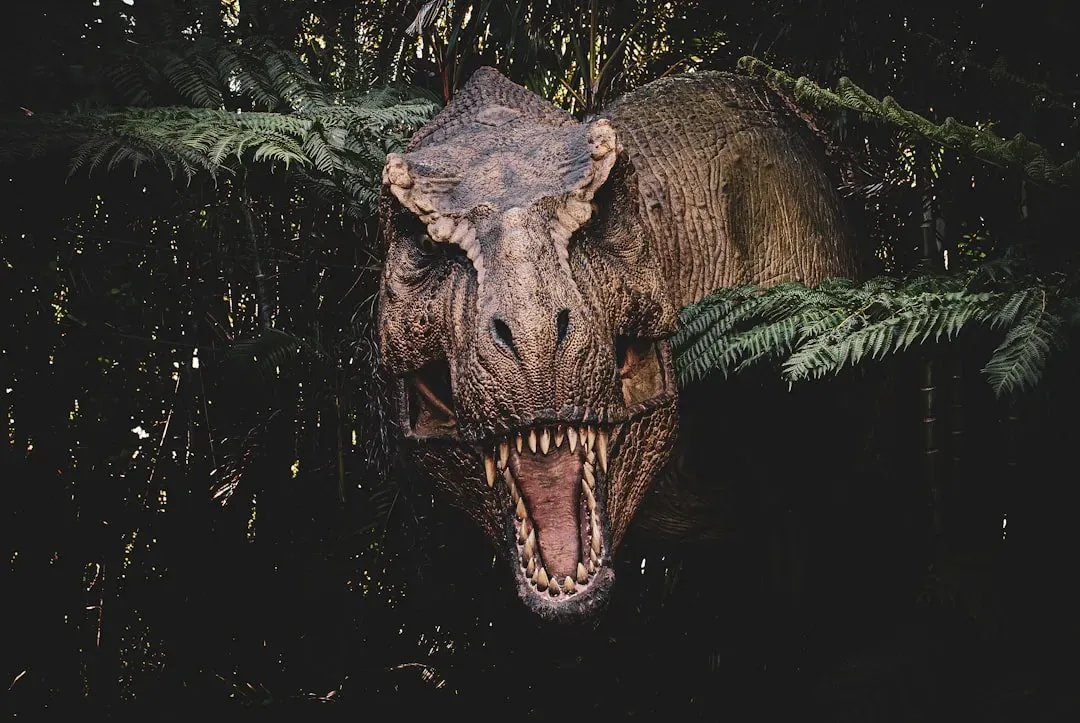
Here is where Jurassic World really loses the thread: the original movie used its scientific semi‑plausibility to tell a story about hubris, unintended consequences, and our limited understanding of nature. The inaccuracies were real, but they served a thoughtful theme. Jurassic World mostly uses science as an excuse for bigger monsters and louder set pieces. That shift matters, because when you stop caring whether anything lines up with how nature actually works, you also lose some of the awe and terror that made the first film so haunting. Dinosaurs stop feeling like animals and start feeling like reskinned boss fights.
Personally, I do not need a dinosaur movie to be a perfect lecture in paleontology, but I do want it to respect the basic idea that reality is interesting. When you flatten genetics into magic and animal behavior into plot tricks, you are not just offending nitpicky science nerds; you are leaving a lot of potential emotional depth on the table. Imagine a Jurassic World that really leaned into the strange, bird‑like, socially complex, sometimes fragile reality of dinosaurs, and the messy truths of bioengineering. It could still be wild and spectacular – but it would also say something sharper about us, our tech obsessions, and our habit of turning living things into entertainment.
Conclusion: A Great Ride, A Messy Message
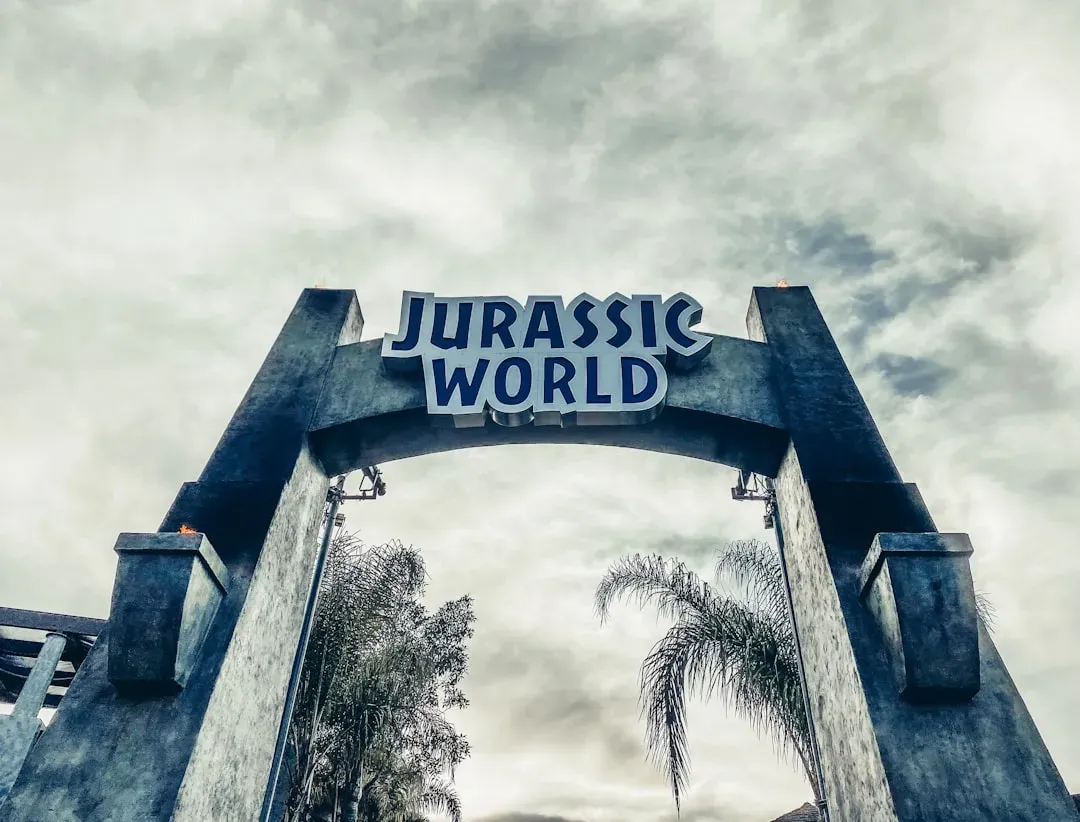
Jurassic World can be a fun ride if you switch off the parts of your brain that care about biology, engineering, or even basic common sense. But when you compare it to the original Jurassic Park, it is striking how much more casually it throws science out the window. Indominus rex as a genetic patchwork superhero, raptors as half‑domesticated motorbike sidekicks, a functioning mega‑zoo built on hand‑waving and hope – it all adds up to a movie that wants the visual coolness of science without the responsibility of engaging with what science actually implies.
In the end, that is what makes Jurassic World more scientifically indefensible than its ancestor: it is not just wrong, it is uninterested. It treats genetics, ecology, and animal minds as toy boxes to rummage through, instead of powerful, unpredictable systems that can bite back. You might still enjoy the spectacle – many people do – but it is hard not to feel that something deeper was lost along the way, some of the uneasy respect the first film had for nature and for our own limits. Maybe the real question now is not whether we should make dinosaurs, but whether we are still willing to let science make our stories stranger, scarier, and more honest than pure fantasy ever could.