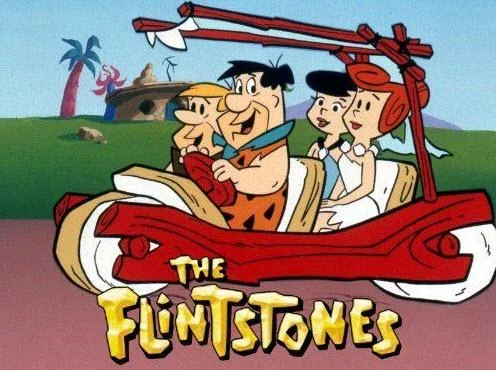
If your mental picture of prehistoric life involves a shouting man in a tiger-print tunic devouring giant brontosaurus ribs, you’re not alone. For a lot of people, Fred Flintstone is still the default image of a “caveman,” right down to the oversized meat slabs and endless steaks. It feels familiar, funny, and strangely cozy – but it is also wildly out of step with what scientists now know about real prehistoric diets.
Looking closely at what Fred eats – and what he never eats – is like holding up a mirror to mid‑20th‑century pop culture. It reveals far more about the dreams, anxieties, and blind spots of 1960s America than it does about early humans. Once you start unpacking it, you realize just how much stone‑age life was reimagined to fit a post‑war, suburban, TV‑friendly fantasy.
Supersized “Brontosaurus Ribs” And The Myth Of Endless Meat
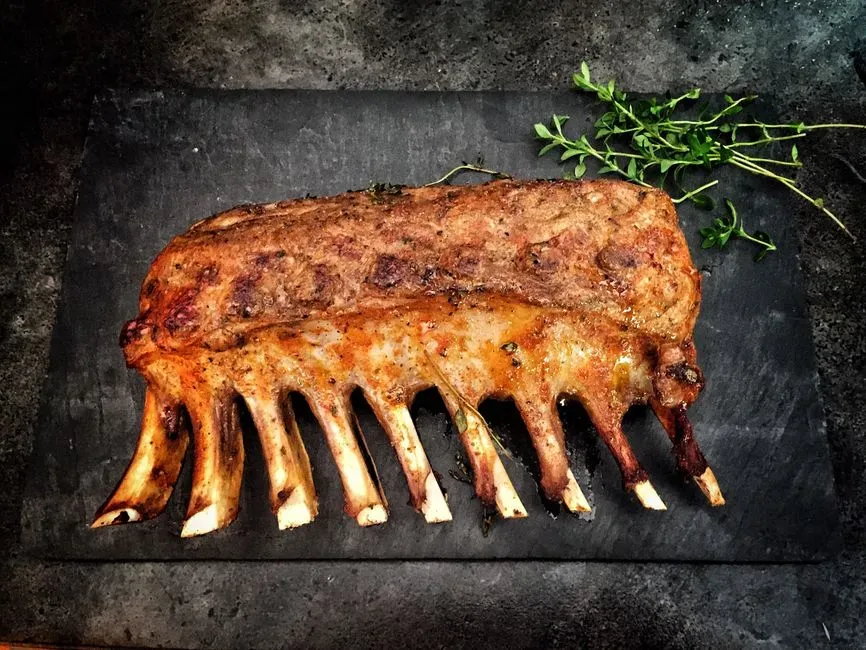
One of the most iconic images from The Flintstones is Fred ordering a rack of brontosaurus ribs so huge it tips over his car. It’s hilarious, sure, but it also tells you exactly how 1960s TV wanted you to think about the distant past: meat was everywhere, gigantic, and basically free for the taking. The joke only lands because viewers already assumed “cavemen” just chased giant beasts and feasted like cartoon kings afterward.
Anthropology and archaeology paint a different picture. Prehistoric humans did hunt large animals, but it was dangerous, rare, and often unsuccessful. For vast stretches of time, people survived mostly on smaller animals, plants, tubers, seeds, and whatever they could reliably gather. The idea of a daily mega‑rib dinner would have sounded like science fiction to most real Paleolithic groups, yet it fit perfectly into a 1960s TV world built around backyard barbecues and steak‑centric family dinners.
Where Are The Berries, Roots, And Bugs? Erasing The Real Staples
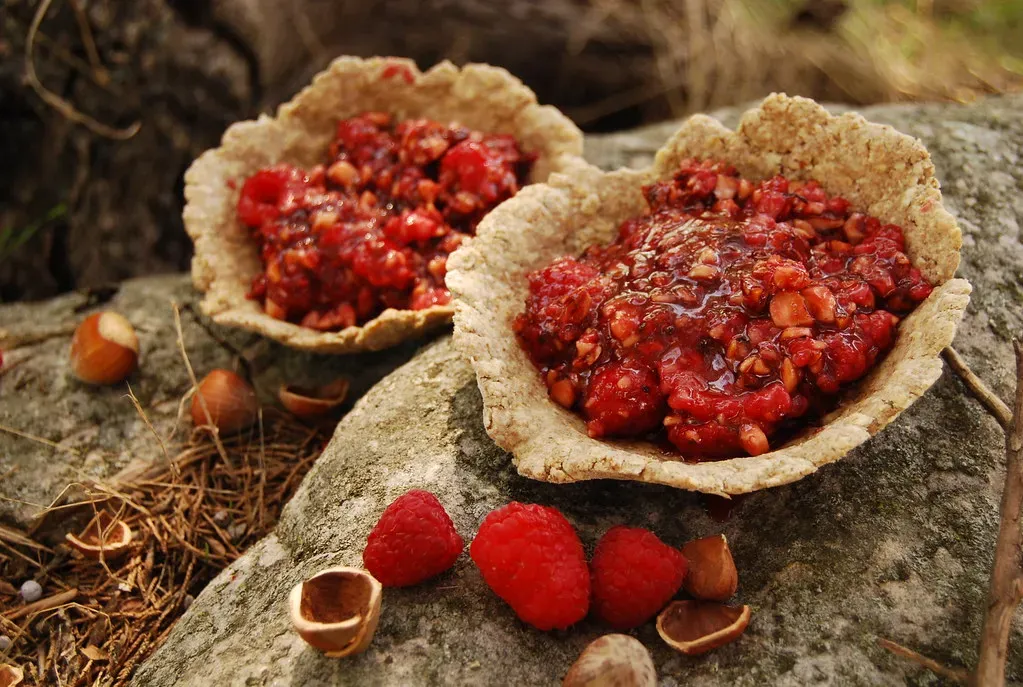
Watch a handful of Flintstones episodes and you’ll notice something glaring: almost no one ever eats fruits, nuts, roots, or insects, even though those likely made up a huge share of prehistoric calories. Instead, the show leans heavily on recognizable, modern‑style meals – meat with sides, sandwiches, roasts – because that’s what a mid‑century audience expected to see on a family sitcom. Primitive setting, yes; primitive menu, not really.
Archaeological evidence and studies of modern hunter‑gatherer groups suggest that plant foods and small, easy‑to-catch creatures were the everyday heroes of human survival. Think of women and men digging for tubers, gathering wild grains, or collecting shellfish along a shoreline. Compared to that messy, varied, and sometimes unglamorous reality, The Flintstones trims the menu down to a meat‑centric highlight reel that flatters modern tastes more than it reflects actual prehistory.
The 1960s Dinner Table Smuggled Into The Stone Age
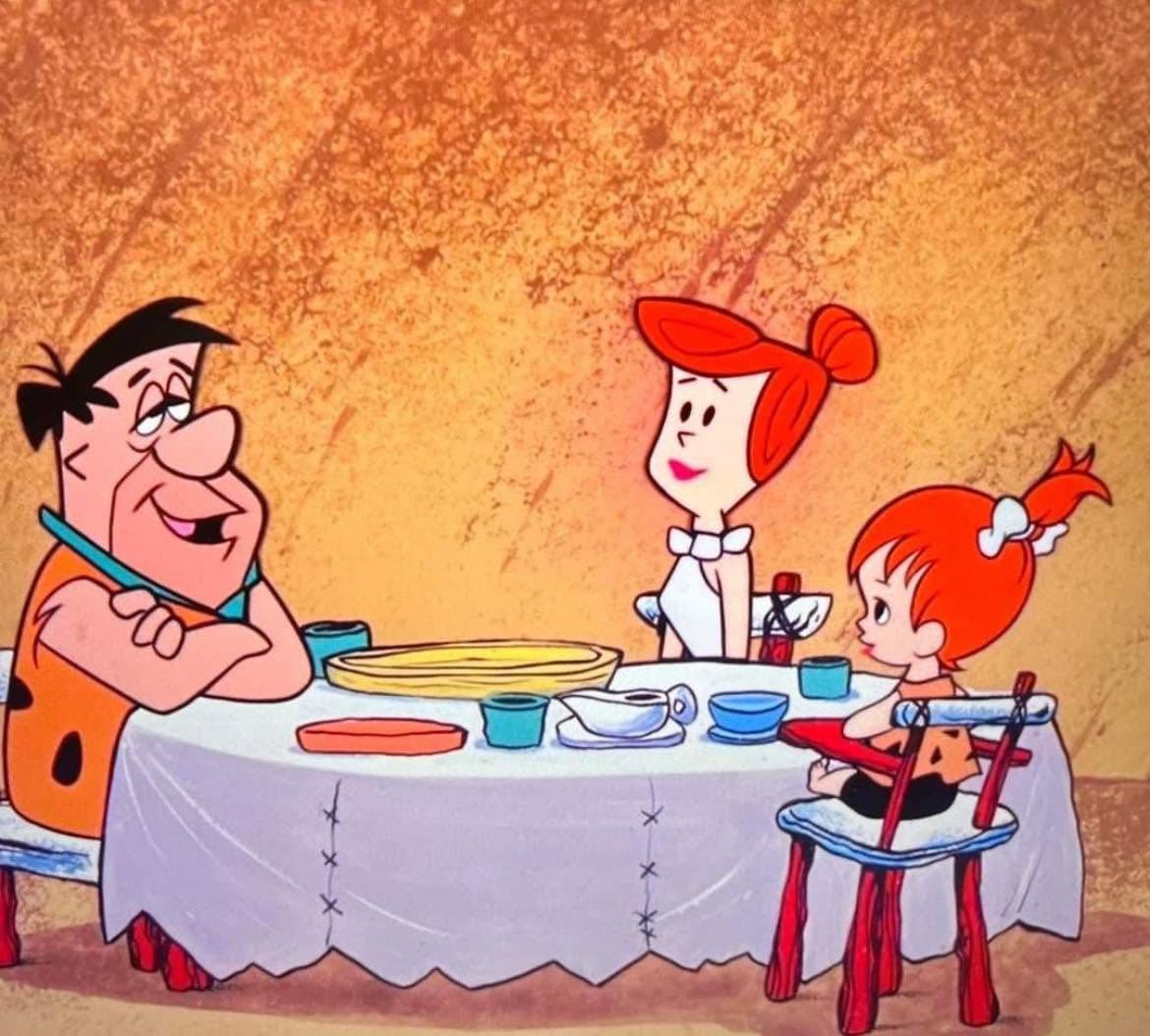
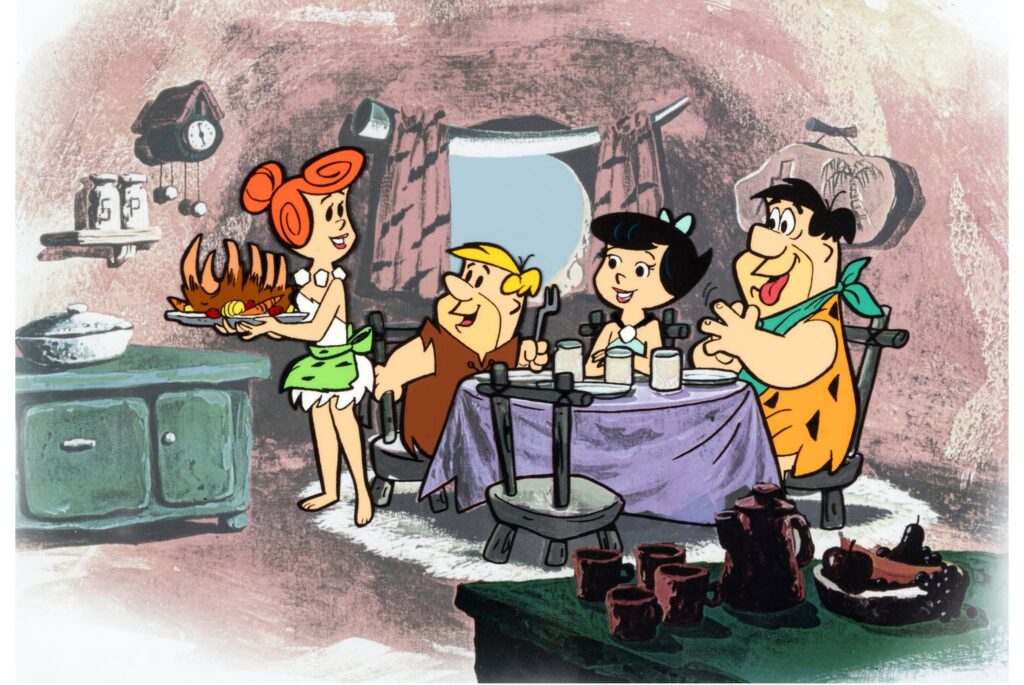
Fred’s diet makes the most sense when you stop thinking about caves and start thinking about 1960s American kitchens. You see Sunday roasts, soda‑shop burgers, mammoth roasts carved like holiday turkey, and even parody versions of fast food. The show basically teleports the post‑war US dinner table into a world of stone wheels and dinosaur appliances, right down to the gender roles of who cooks and who “brings home the mammoth.”
This is where the historical distortion becomes really obvious. Instead of using food to explore how different prehistoric life might have been, the series uses it to comfort the viewer: look, they eat like you, argue like you, and go out for dinner like you. As a kid, I barely questioned it; of course “cavemen” ate ribs and burgers, because everyone I knew did too. Only later did it sink in that this was less about the past and more about reassuring a 1960s audience that, deep down, their stone‑age stand‑ins were just a laugh track away from their own suburban reality.
From Opportunistic Foragers To Cartoon Carnivores
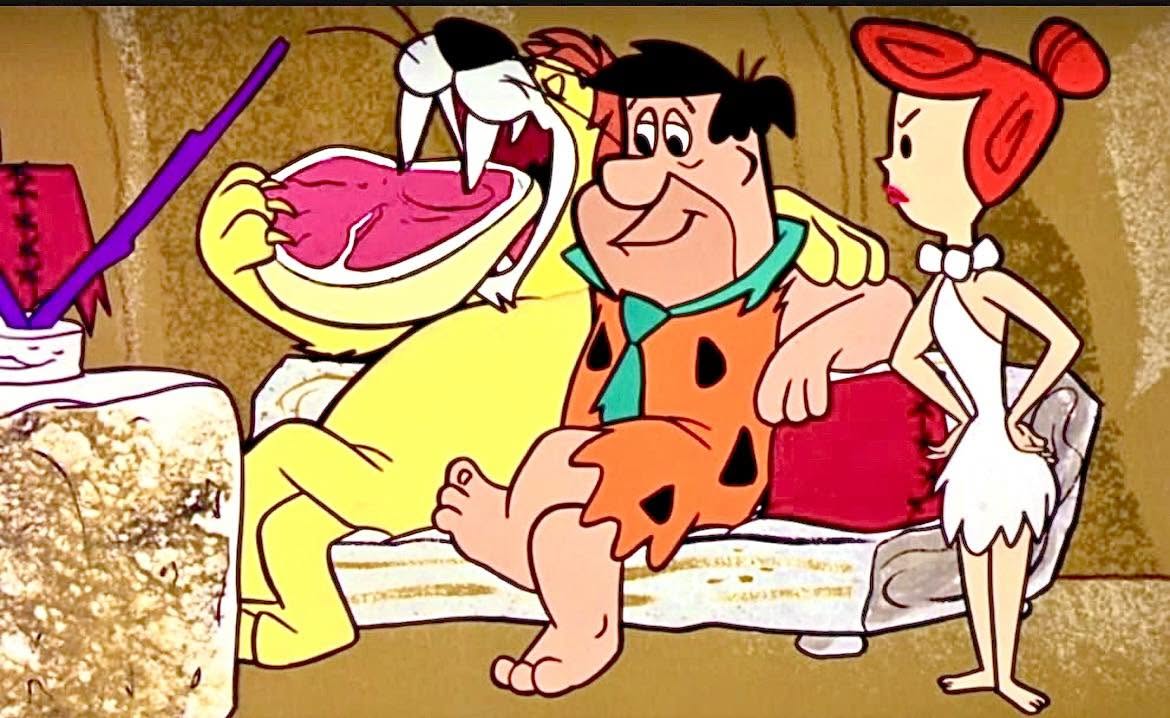
Real prehistoric diets were opportunistic, flexible, and deeply dependent on landscape and season. Early humans ate fish in coastal zones, more plants in some regions, more meat in others, and constantly shifted strategies to survive droughts, migrations, and climate swings. That messy, adaptive foraging strategy is part of what made our species so resilient. It also makes for complicated storytelling – which 1960s television mostly had no patience for.
The Flintstones flattens all of that into one tidy, easy‑to‑recognize stereotype: humans as eternal carnivores whose main job is to hunt the biggest animal in sight. It erases the reality that many early human groups probably spent huge chunks of their days gathering small, nutrient‑dense foods, not chasing oversized dinosaurs. The show’s world suggests that real survival was about bravery and brute force, when in truth it was just as much about patience, knowledge of the land, and sheer nutritional creativity.
Dinosaur Steaks And Timeline Nightmares
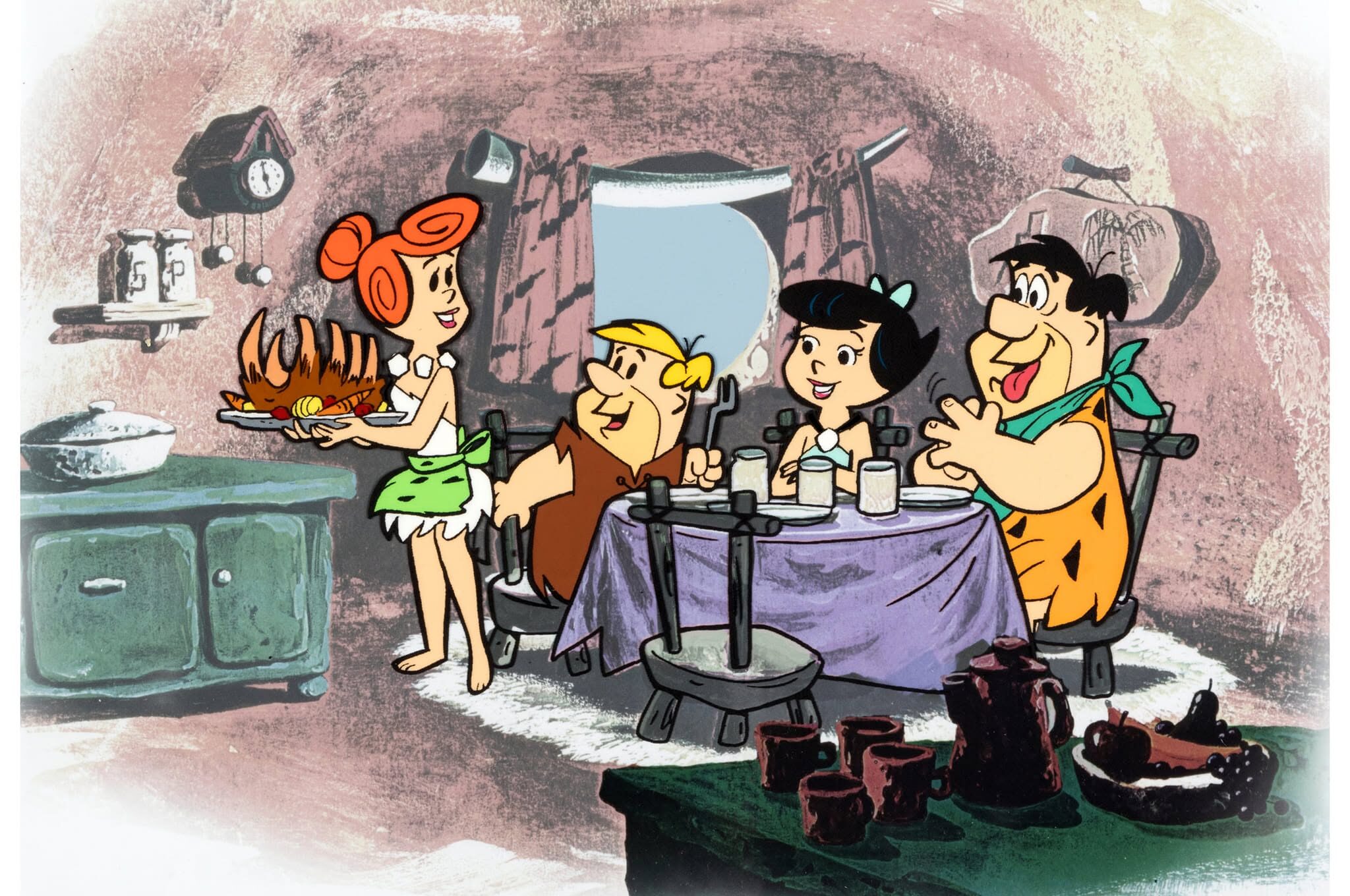
Then there’s the elephant – or rather, the sauropod – in the room: humans and non‑avian dinosaurs never lived together. By the time early modern humans appeared, the big dinosaurs had been gone for tens of millions of years. Yet in The Flintstones, dinosaur steaks, dino eggs, and dino burgers are treated as everyday grocery items, like poultry or beef in a supermarket. The timeline mash‑up is so familiar it almost slides by unnoticed.
What this reveals is not so much ignorance as indifference. For a 1960s children’s cartoon aimed at family audiences, scientific accuracy was far less important than visual comedy and novelty. Dinosaurs were cool, giant, and instantly recognizable, so they became fodder for sight gags at the dinner table. This gave generations of kids the subconscious impression that “cavemen ate dinosaurs,” and it shows how casually TV collapsed hundreds of millions of years of history into one cartoon neighborhood for the sake of a joke.
Marketing, Masculinity, And The Meat‑Obsessed “Caveman”
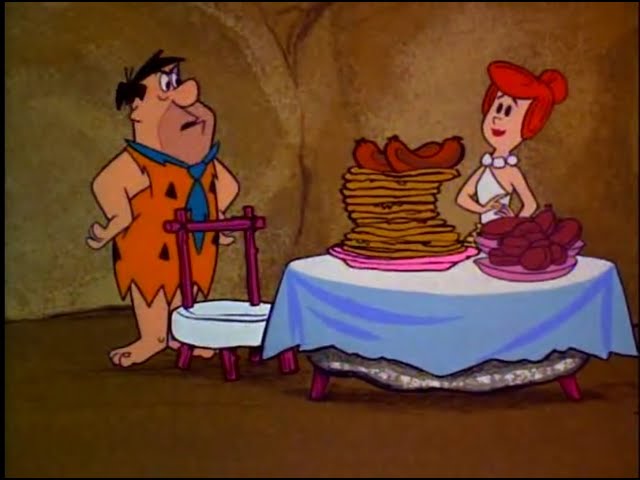
The Flintstones did more than shape how people imagined prehistory; it also fed into bigger cultural stories about masculinity and meat. Fred’s love of huge portions and greasy feasts lined up perfectly with mid‑century advertising that tied manliness to steaks, burgers, and backyard grilling. Later, the character even became a real‑world pitchman for meat‑heavy products, which only blurred the line between fictional stone‑age appetite and modern consumer desire.
This merger of cartoon caveman and meat marketing helped cement the idea that men, by nature, are meat‑hungry predators and always have been. It ignores evidence that early human food work was often shared and that gathering could be just as critical as hunting. In that sense, Fred’s diet is less a window into the distant past and more a billboard for 1960s ideals: a big man with a big appetite, whose towering rack of ribs is treated not as a rare stroke of luck, but as a nightly birthright.
What Fred’s Plate Gets Wrong – And Why It Still Matters
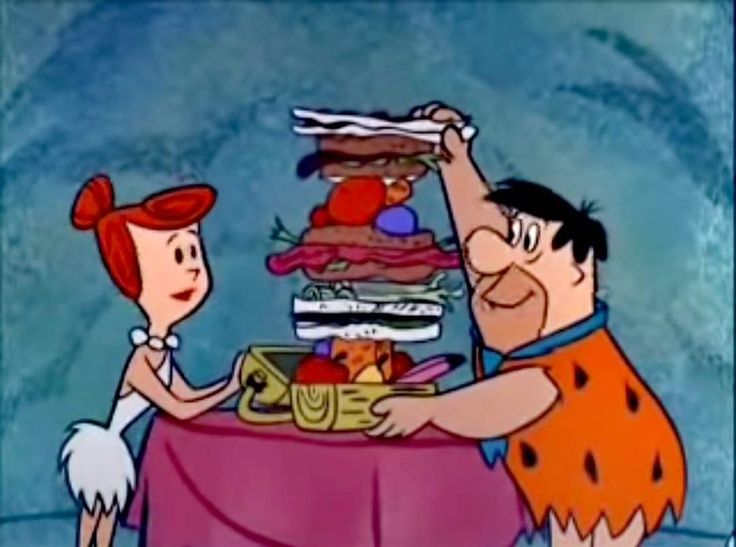
When you stack Flintstones food jokes against what we now know from archaeology, Fred’s diet looks like a cheerful fantasy: endless meat, dinosaur drumsticks, no real scarcity, and almost none of the gritty, plant‑heavy reality of prehistoric life. The show is not just a little off; it is fundamentally built on the assumption that the past must mirror the present, only with stone gadgets and animal puns. That tells you more about the comfort needs of 1960s television than about actual human evolution.
I think that matters, not because a cartoon must behave like a documentary, but because these images quietly shape how people think about human nature. When we absorb the idea that our ancestors were meat‑obsessed, simple, and unchanging, we underestimate how adaptable and creative humans really are. Fred Flintstone’s dinner plate is a fun relic of its time, but it’s also a reminder to question the stories we inherit about who we have always been. Next time you picture a “caveman” meal, are you really imagining the Paleolithic – or just remembering a stone‑age sitcom rerun?