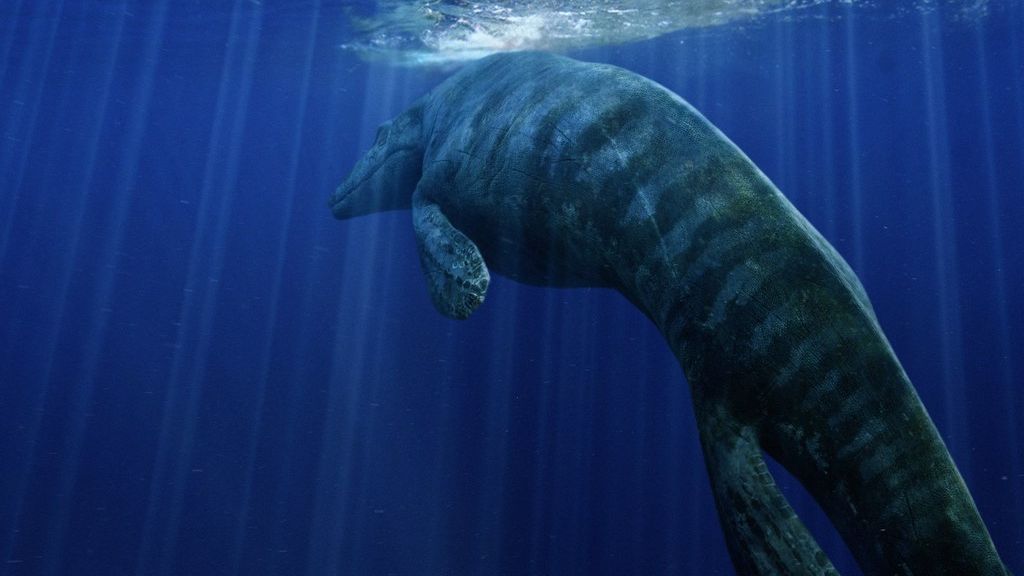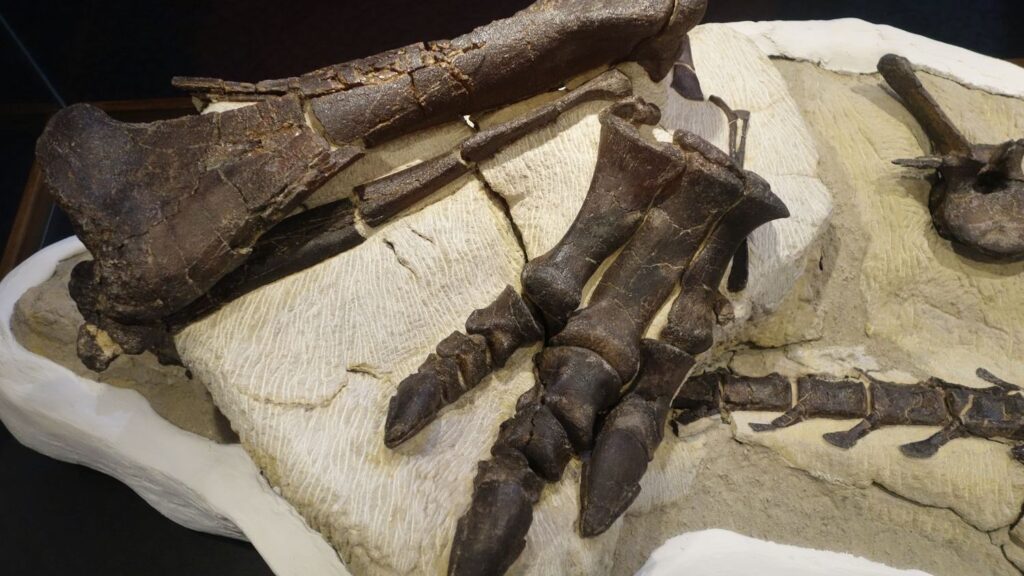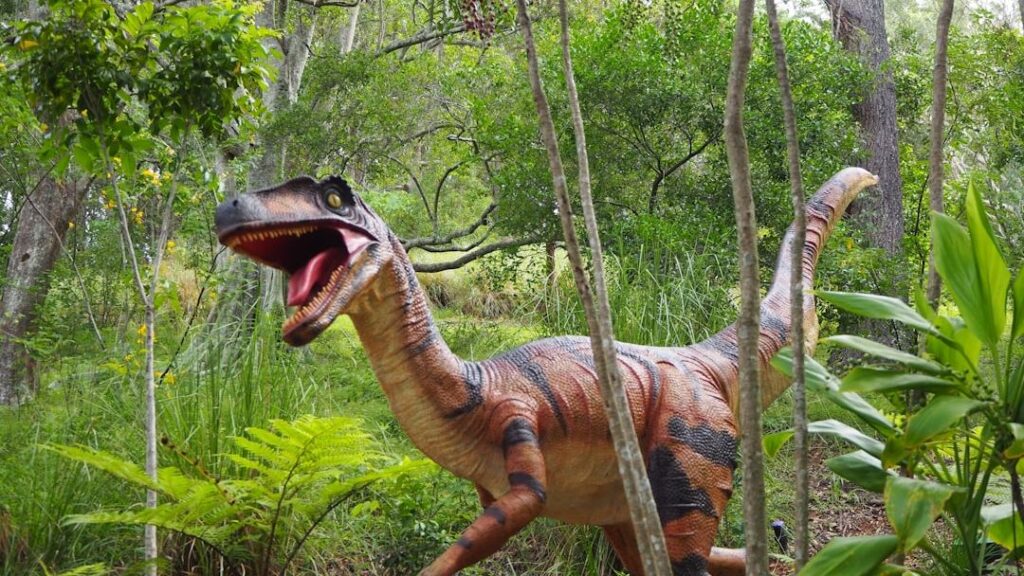
Imagine stepping outside and looking up at a sky crossed not by airplanes, but by enormous feathered hunters gliding between hundred‑meter trees. The ground shakes now and then, not from subway trains, but from multi‑ton reptiles moving through steaming forests. In this alternate Earth, you are not the dominant force. You are a curious, probably short‑lived side note in a world still ruled by dinosaurs.
Thinking through this scenario is more than a flashy thought experiment; it forces you to ask what really made your world possible. You start to see how fragile your own story is: one asteroid impact, one mass extinction, and everything that followed for mammals was a lucky consequence, not an inevitability. When you explore what might have happened instead, you confront an uncomfortable idea: intelligence like yours might not be the universe’s default setting at all, but a strange, contingent accident.
A World Where the Asteroid Missed
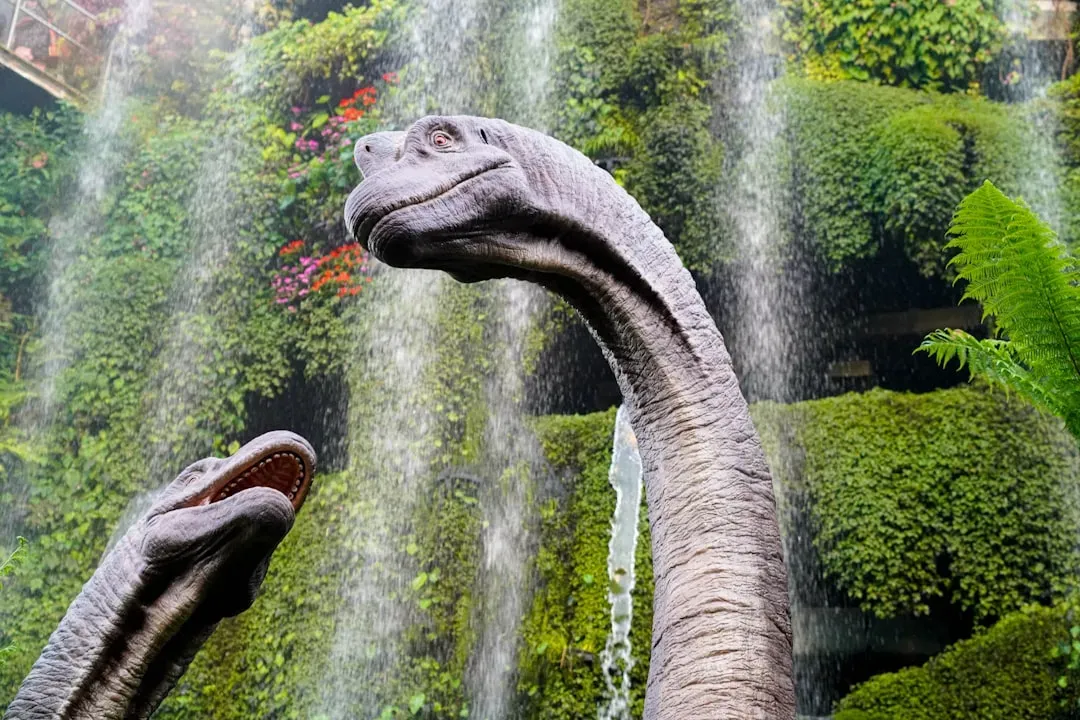
To picture this alternate timeline, you first need to remove one event: the massive asteroid impact about sixty‑six million years ago that wiped out most dinosaurs and opened the door for mammals. If that rock had skimmed past Earth, broken up earlier, or hit a less catastrophic target like deep ocean, non‑avian dinosaurs likely would have continued dominating land ecosystems. The sudden volcanic winters, wildfires, and food chain collapse that shaped your modern world simply would not have happened.
In that version of Earth, you’d still see birds as descendants of certain small theropods, but their larger dinosaur relatives would never have disappeared. Giant sauropods could still roam vast lowland plains, while horned dinosaurs and duck‑billed plant‑eaters might pack the forests the way deer or bison do today. Predators the size of buses would remain the top land carnivores, and the entire structure of ecosystems would be built around huge, slow‑breeding reptiles instead of quick, flexible mammals.
No Mammalian Rise: What Changes First?
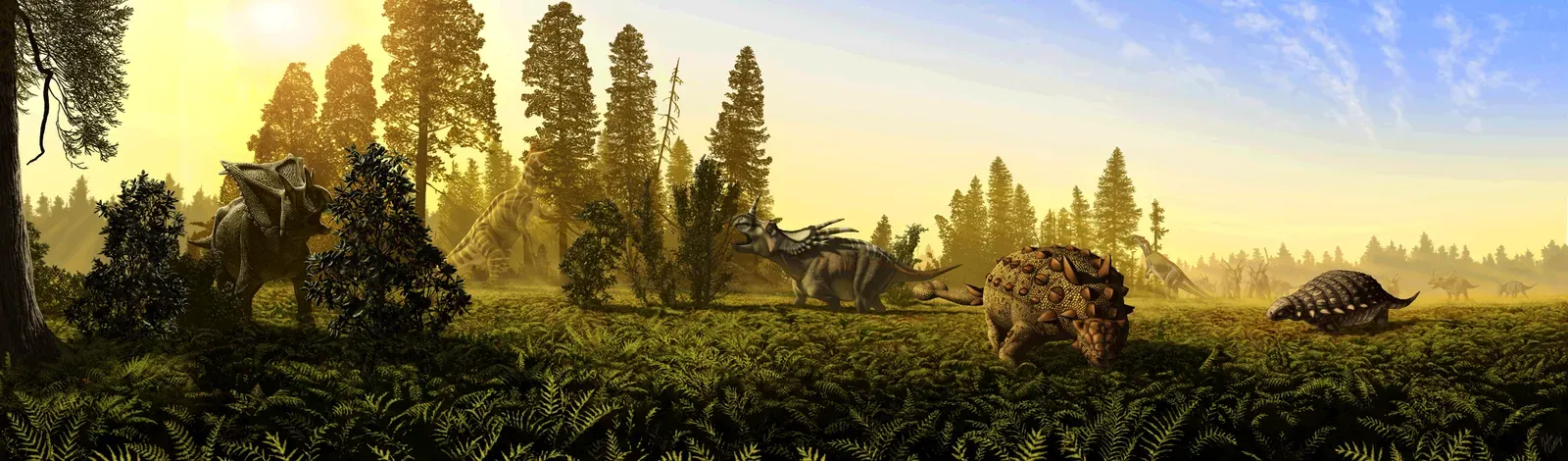
Without the extinction event, mammals would likely stay stuck in the background as small, mostly nocturnal creatures hiding in the ecological shadows of dinosaurs. You probably would not see large grazing mammals, ocean‑going whales, or clever primates exploring trees and savannas. That whole cascade of evolutionary experiments depends on freed‑up niches, and in this timeline those niches stay firmly occupied by reptiles that never left. Any mammals that did survive would probably remain tiny insect‑eaters or opportunistic scavengers, constantly on the edge of being wiped out by much larger neighbors.
That means the geography of life on Earth would feel utterly different to you. No herds of antelope or wildebeest thundering over grasslands, no great apes navigating forests, and no dolphins or seals cutting through coastal waters. The sounds around you would probably be dominated by reptilian calls, birdlike screeches from dinosaur throats, and the grind of enormous bodies moving through vegetation. You’d be walking on a planet where warm‑blooded fur is rare and reptilian scales and feathers set the visual tone nearly everywhere you look.
Could Dinosaurs Have Become Smart Like You?
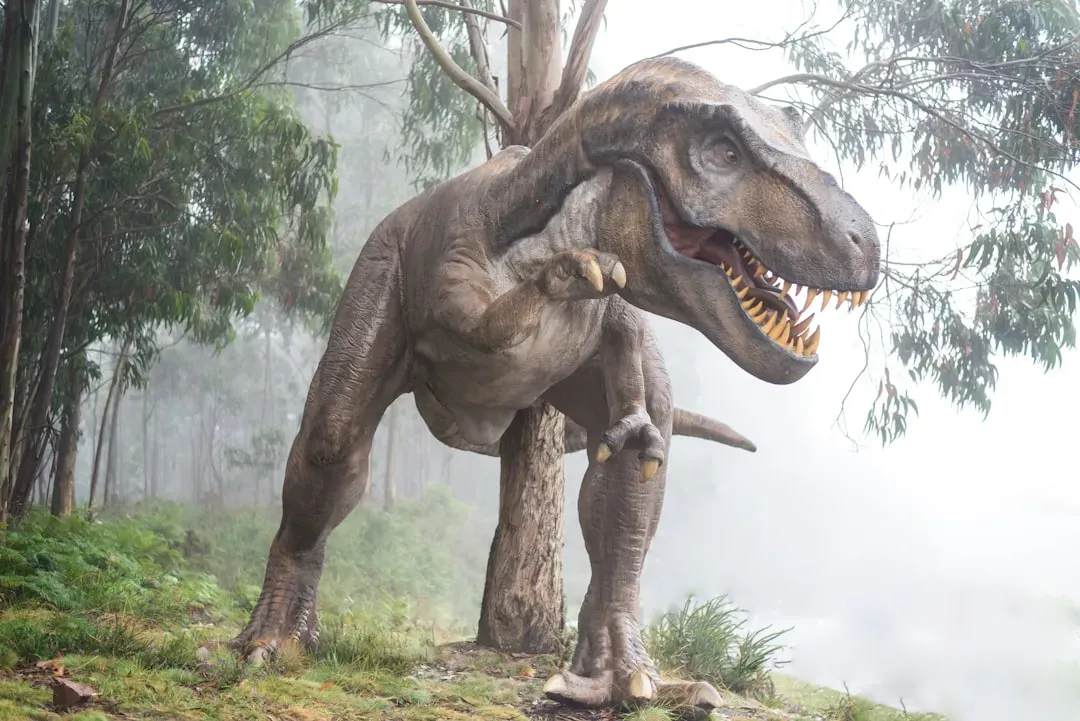
At some point, you probably wonder whether one lineage of dinosaurs could have evolved large brains, tool use, or even civilization. After all, some theropods already had relatively big brains for their body size, good vision, and complex behavior, and modern birds show impressive problem‑solving and communication. If you give those lines tens of millions more years, it is plausible that a few could have become far more cognitively sophisticated, exploring strategies that vaguely resemble what primates later developed.
But you also have to stay honest about how speculative this gets. You do not have any fossil evidence of dinosaurs making tools, shaping objects, or building complex nests the way some mammals and birds do today. The raw ingredients for higher intelligence existed, but that does not guarantee a dinosaur equivalent of a human city or a written language. In your alternate world, you might get very smart, social predators or cooperative herbivores with complex calls and rituals, but nothing says they would ever follow your specific path toward technology, science, and global dominance.
Climate, Continents, and Gigantic Reptiles
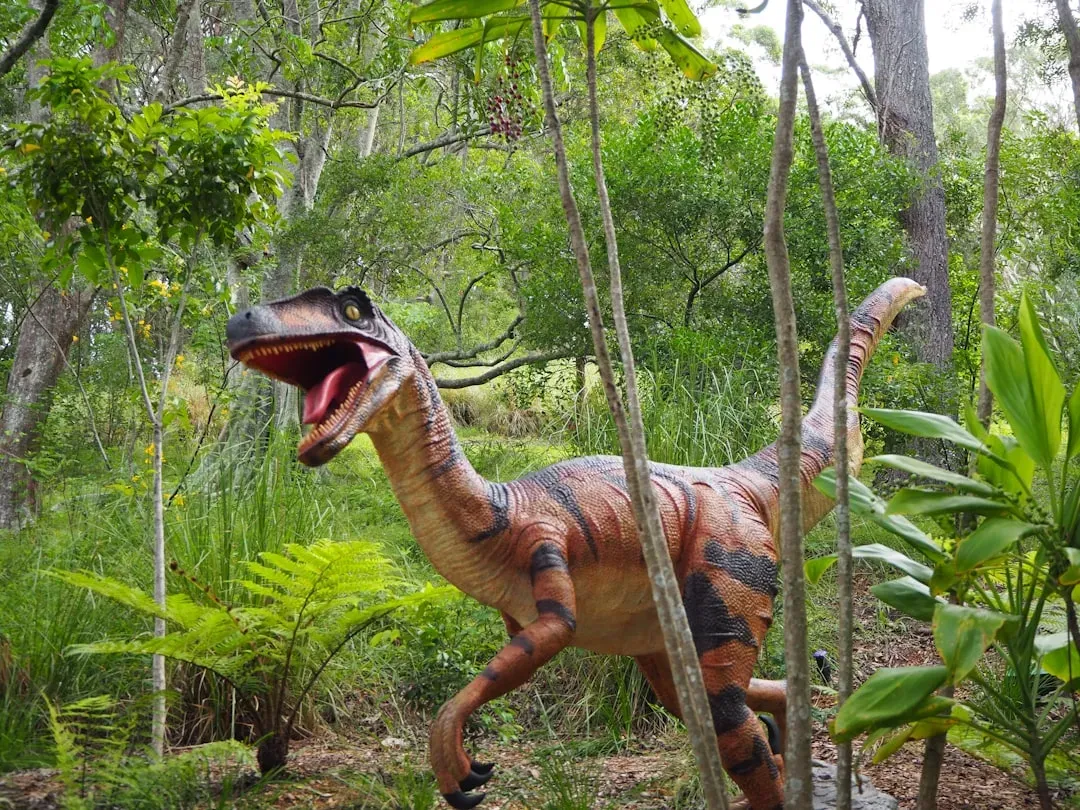
The climate of this dinosaur‑dominated Earth would shape your everyday experience even before you meet any large predator. During much of the dinosaur era, the planet was warmer, with no permanent ice at the poles and higher sea levels. If that style of climate had persisted, you would live under more humid skies, with broad tropical and subtropical bands stretching far into the latitudes that now host your temperate forests and cities. Coastlines would be different, shallow seas could cover what are currently inland regions, and storms might be more intense and frequent.
Those conditions favor large ectothermic or partly warm‑blooded reptiles and feathered dinosaurs that can exploit heat and long growing seasons. You would likely see dense, lush vegetation in many regions, supporting herds and packs of enormous animals that shape their environment through constant feeding and movement. Think of elephants on steroids, but with tails, armor, or plumage the size of small trees. In that kind of world, your daily landscape would feel closer to a living, roaring greenhouse than the relatively cool, mammal‑friendly Earth you know now.
Food Webs Without Familiar Animals
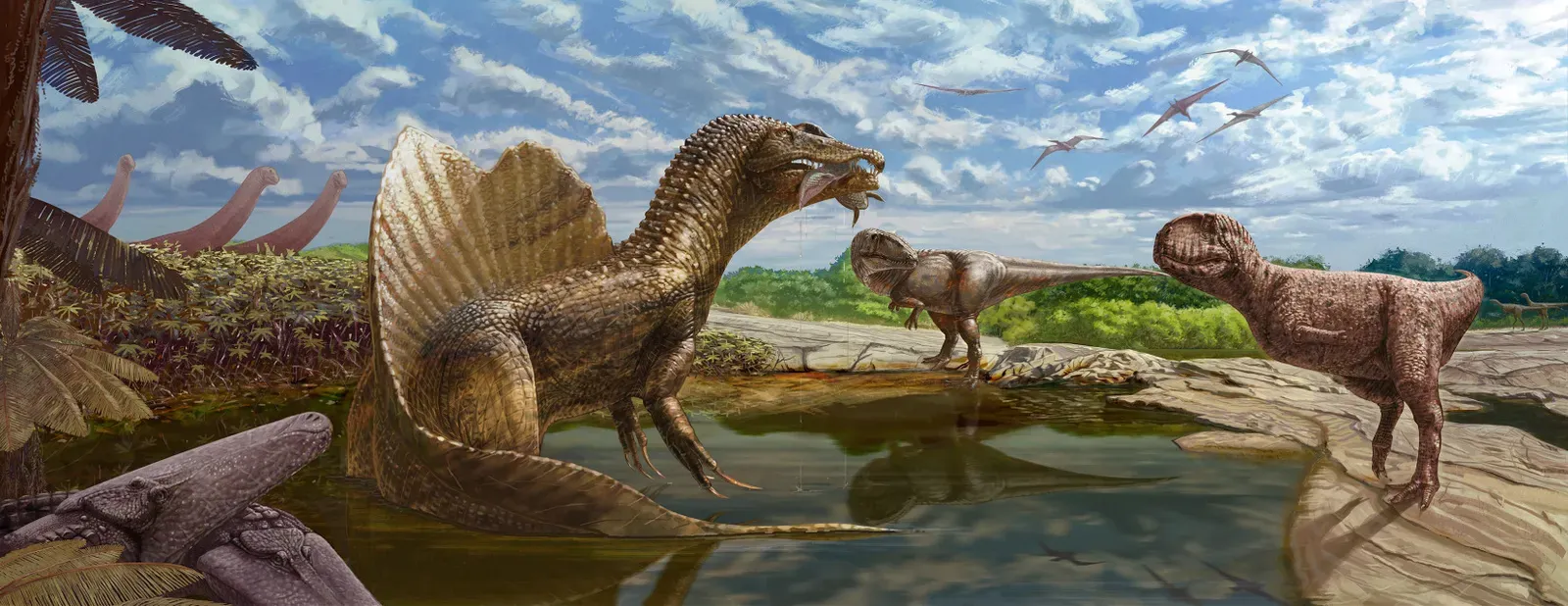
When you strip out the rise of mammals, you also rewrite almost every food web you take for granted. No cows grazing fields, no pigs rooting through soil, no rodents scurrying in city alleys, and no cats or dogs curled up in your lap. In their place, you might have smaller dinosaur species filling rodentlike roles, reptilian omnivores scavenging around larger carcasses, and bird‑like dinosaurs hunting insects and small vertebrates. The very idea of a farm as you know it becomes strange, because domestication relies heavily on mammalian behavior patterns and reproduction.
If dinosaurs had continued to diversify, you would probably see ecosystems rich in specialized herbivores with beaks and dental batteries instead of chewing mammalian teeth, and predators relying on speed, claws, and strong beaks rather than flexible paws and jaws. Insects and plants would still coevolve, but their main vertebrate partners and threats would be cold‑blooded or mesothermic reptiles rather than furry, warm‑blooded mammals. Even something as ordinary as milk, a mammalian invention, would be rare or absent, changing how young vertebrates are fed and how parental care evolves across species.
Would Technology or Civilization Ever Appear?
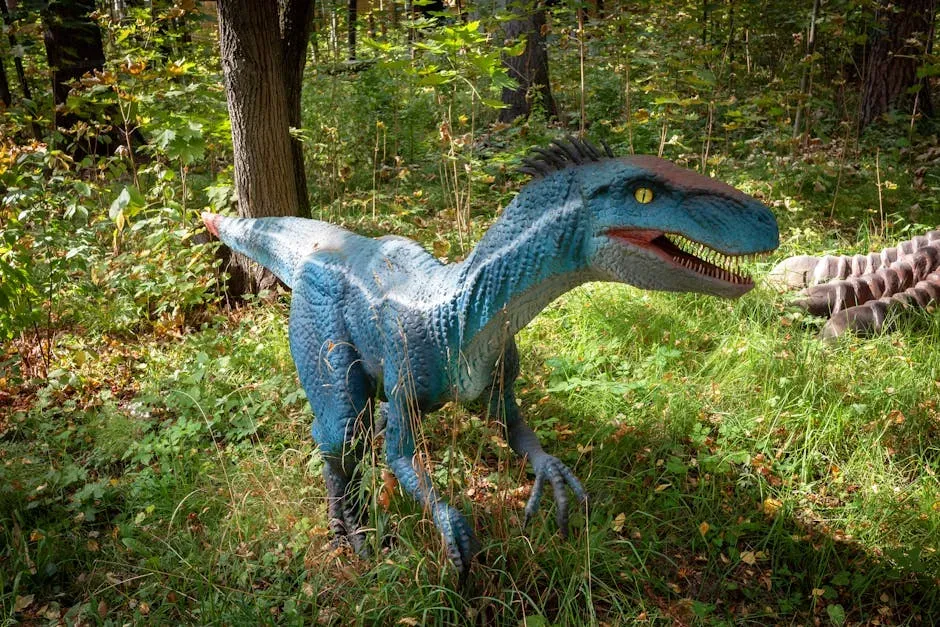
Here you run straight into one of the most sobering questions this scenario raises: is a technological civilization like yours likely to appear more than once on a life‑bearing planet, or did you just get extremely lucky? Without the rise of primates, there is no obvious candidate for a bipedal, manipulative, big‑brained species with hands adapted to precision work and a long childhood for learning. Some dinosaurs had grasping forelimbs and decent coordination, but you do not have any evidence that they were under strong pressure to evolve fine motor skills comparable to your fingers.
Even if a line of dinosaurs did become unusually intelligent, there is no guarantee they would move in a technological direction. They might invest more in social complexity, vocal communication, or elaborate displays and rituals rather than inventing tools, fire, and machines. That means your alternate Earth could easily end up as a world full of advanced animal minds without any factories, satellites, or written records. You might have sophisticated predators managing territories and alliances in ways you could only guess at, but there would be no dinosaur equivalent of a smartphone for you to hold in your hand.
How Your Own Story Looks Different From This Angle
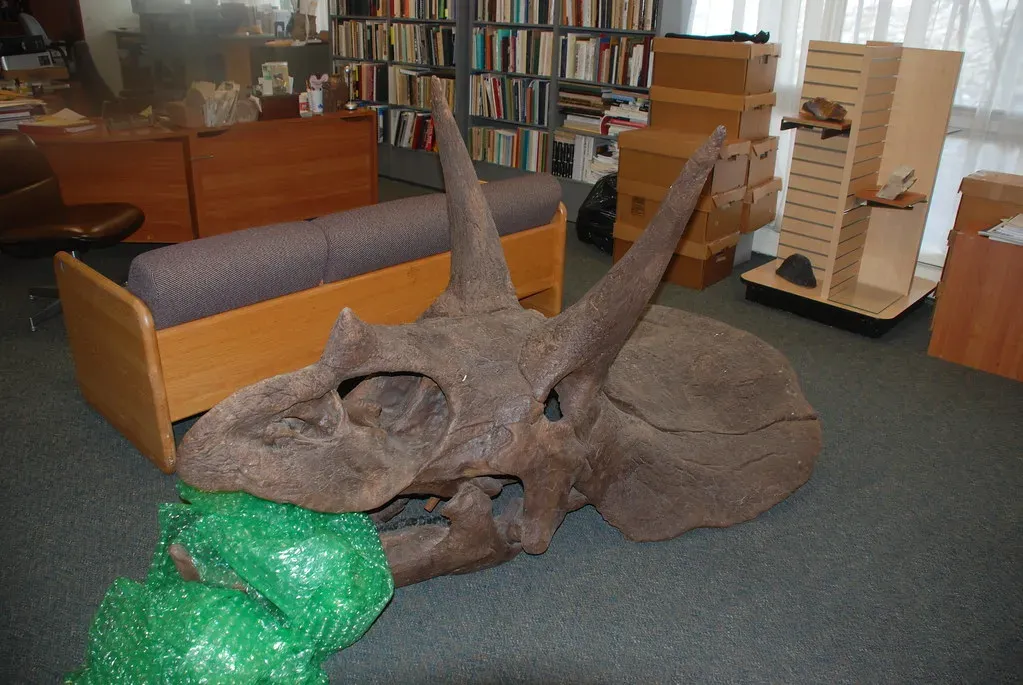
When you look at this dinosaur‑first planet, your own history starts to feel less like a straight line and more like a narrow bridge across a canyon. Without the asteroid, mammals do not get their chance to expand into big, diverse forms; without those mammals, primates do not appear; without primates, there is no you. In other words, your existence depends not only on evolution working, but on catastrophe clearing away competitors at just the right time. If you had grown up in that alternate world, you might be nothing more than an obscure, easily overlooked species hiding from reptilian giants.
This perspective can make your current moment feel both fragile and strangely precious. Instead of assuming that intelligence like yours is the obvious end point of evolution, you start to see it as a rare experiment that happened to work under very specific conditions. The dinosaurs were incredibly successful for tens of millions of years without anything resembling your culture or technology, and in another roll of the cosmic dice they might still be here, thriving, with no need for creatures like you at all. It puts your sense of importance into sharp, humbling focus.
What This “Dinosaur Earth” Teaches You About Chance
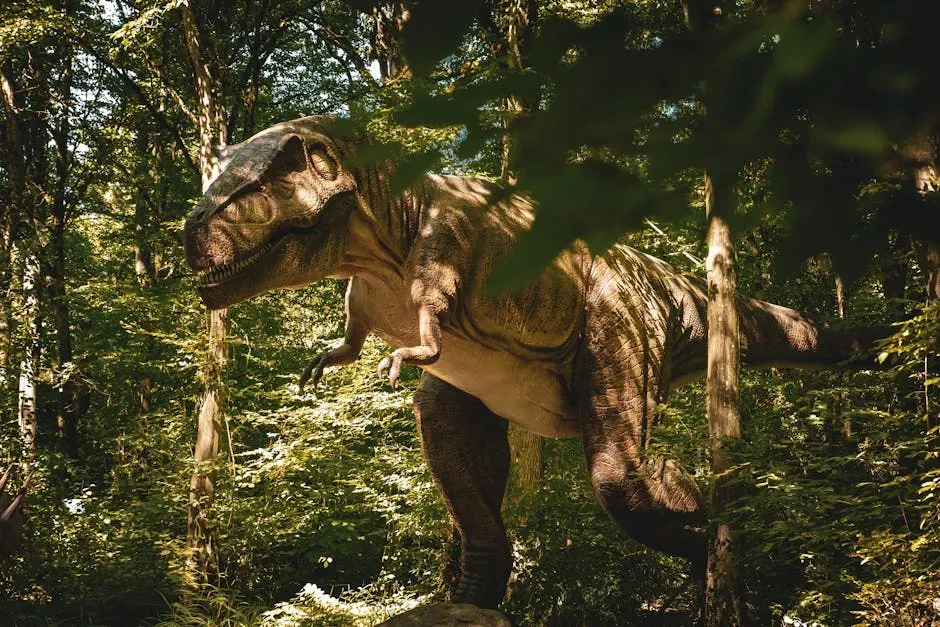
Thinking seriously about a world where dinosaurs never went away keeps pulling you back to one theme: chance. You like to tell stories that make your existence feel planned or inevitable, but when you follow the science, you see a chain of accidents and turning points instead. A slightly different asteroid path, another volcanic eruption, a few altered climate cycles, and the entire course of life on Earth would have gone somewhere else. In that alternate reality, the sky might still be ruled by great feathered hunters, while your branch of the tree of life never escapes obscurity.
This does not make your achievements meaningless; it just reminds you that they rest on events you never controlled and could never repeat. You are living through one particular outcome among countless possible histories, and in many of those, dinosaurs keep their crown and mammals never even get close to it. When you remember that, it becomes harder to see yourself as the obvious main character of Earth’s story, and easier to feel awe at the sheer improbability of being here at all, asking what might have been if the reptiles had stayed in charge.
In the end, imagining a dinosaur‑ruled Earth is less about giant teeth and more about perspective. You realize that your own rise depended on a disaster that almost did not happen, and that a few different rolls of cosmic dice could have left your planet full of spectacular, successful life with no humans anywhere. That thought can be unsettling, but it can also be strangely freeing: if your existence is this contingent, then every moment of it is also incredibly rare. When you look up at the sky tonight, will you picture the world that is, or the one that might have been under the shadow of dinosaur wings?