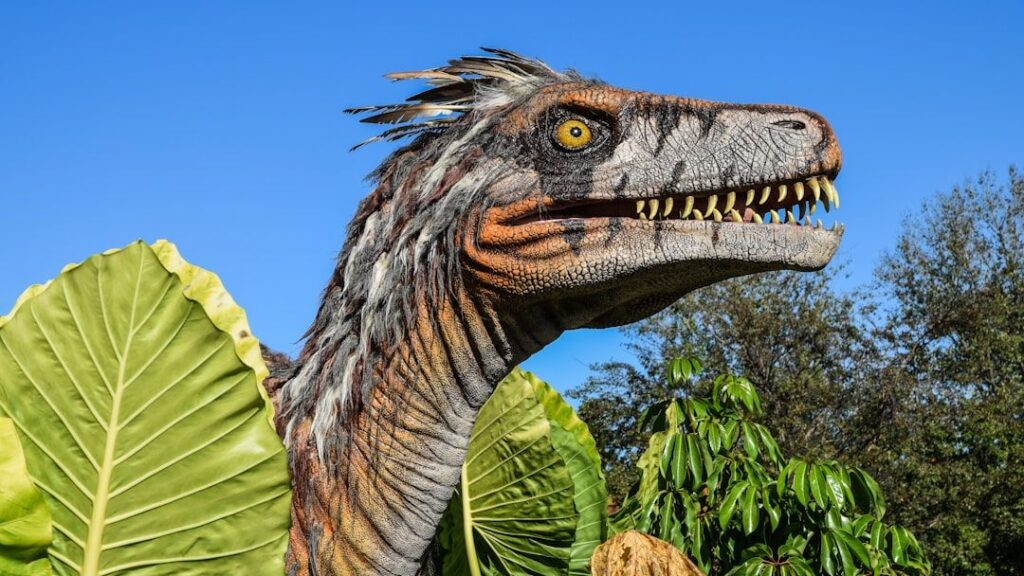
Picture this: you wake up, check your messages, and instead of arguing with another human online, you are debating climate policy with a feathered, sharp-eyed descendant of Velociraptor. That image sounds like pure science fiction, but buried under the drama is a serious scientific question that paleontologists and evolutionary biologists have quietly toyed with for years. If the asteroid had missed, could some dinosaurs have become as smart as us – or even smarter?
This idea sits right at the edge of what we can say based on evidence and what we can only guess. We know a lot about dinosaur brains, behavior, and evolution, but projecting a hundred million extra years onto their story is still a huge leap. So let’s walk the line carefully: grounding ourselves in what the fossil record actually shows, then stretching it just enough to explore how an intelligent dinosaur civilization might really have looked, felt, and changed our own place in the universe.
The Intelligence Seeds Dinosaurs Already Had
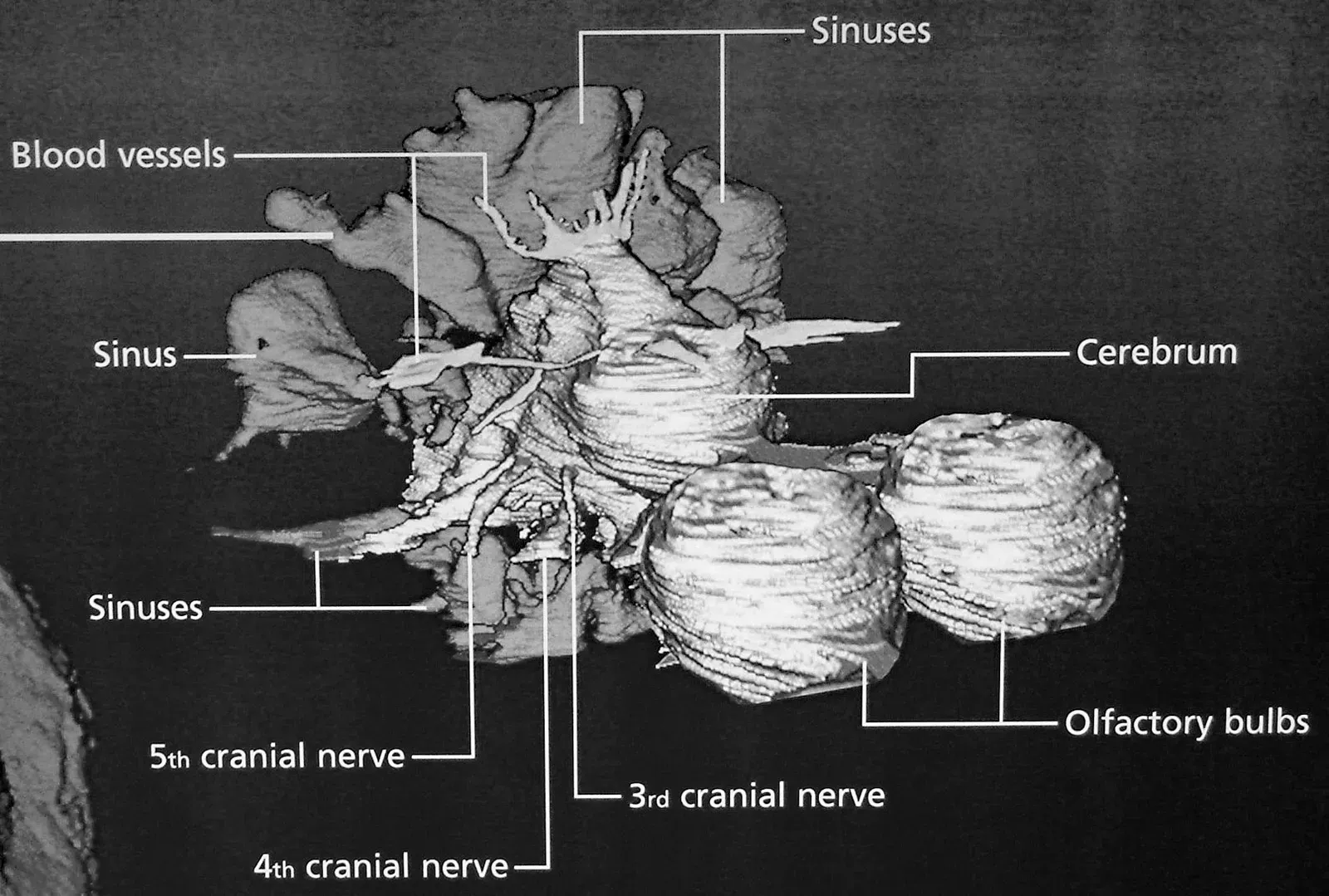
It is tempting to think of dinosaurs as giant, slow-witted monsters, but that image is decades out of date. Fossils of smaller theropods show braincases that, relative to their body size, were surprisingly large, especially in regions tied to vision, balance, and coordination. Some of these dinosaurs likely had mental capacities on par with or above today’s birds and reptiles, which already show impressive problem-solving skills. Corvids, parrots, and some raptors give us a living hint that dinosaur brains were not a biological dead end.
Even more telling are the behaviors that scientists infer from trackways and bonebeds. Evidence of group movement patterns, nesting colonies, and parental care all suggest that at least some dinosaur species lived complex social lives. Intelligence tends to flourish where animals need to coordinate, compete, and communicate within groups. The raw ingredients – sociality, sensory sophistication, and flexible behavior – were already there. Intelligence was not an alien add‑on to the dinosaur story; it was quietly growing in the background.
Could Evolution Really Produce “Dinosapiens”?
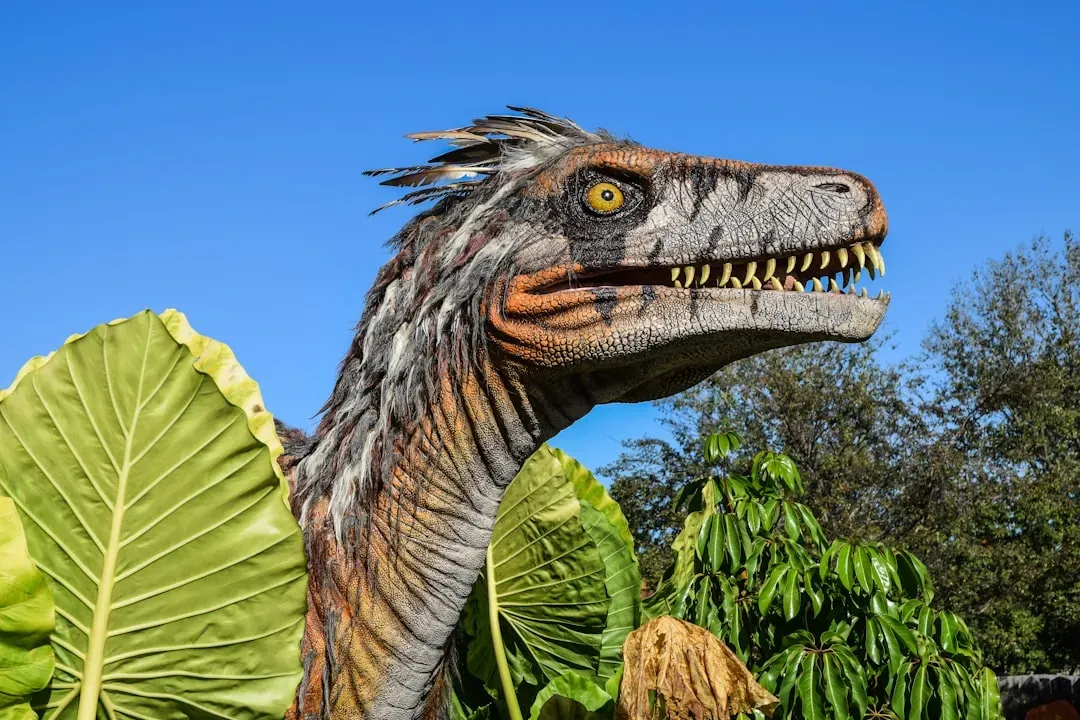
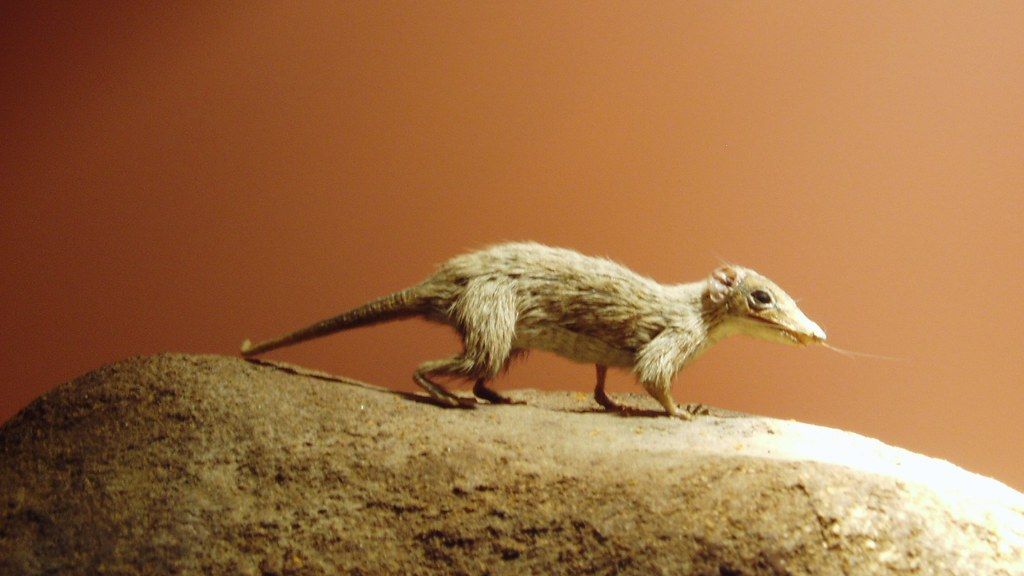
The big question is whether natural selection would have ever pushed those seeds of intelligence as far as it pushed ours. On the one hand, there is no law saying that large brains must evolve, and many successful animals manage just fine with straightforward instincts. On the other hand, dinosaurs had tens of millions of years to experiment with new niches, and brains are powerful tools whenever the environment becomes unpredictable or competitive. If mammals could go from shrew-like creatures to humans in a similar timespan, it is not unreasonable to imagine a dinosaur lineage making a comparable leap.
Still, we have to be careful not to force our own path onto them. An intelligent dinosaur might not look like a green human with scales, or even solve problems the way we do. Different body plans and senses could favor different forms of intelligence – more visual than verbal, more spatial than symbolic, more about reading subtle movements than inventing writing systems. Evolution has no script; it just tinkers. If an intelligent dinosaur did evolve, it would be less a mirror of us and more like a distant cousin that took a wildly different route to the same destination: flexible minds navigating a complicated world.
How an Intelligent Dinosaur Might Have Looked and Moved
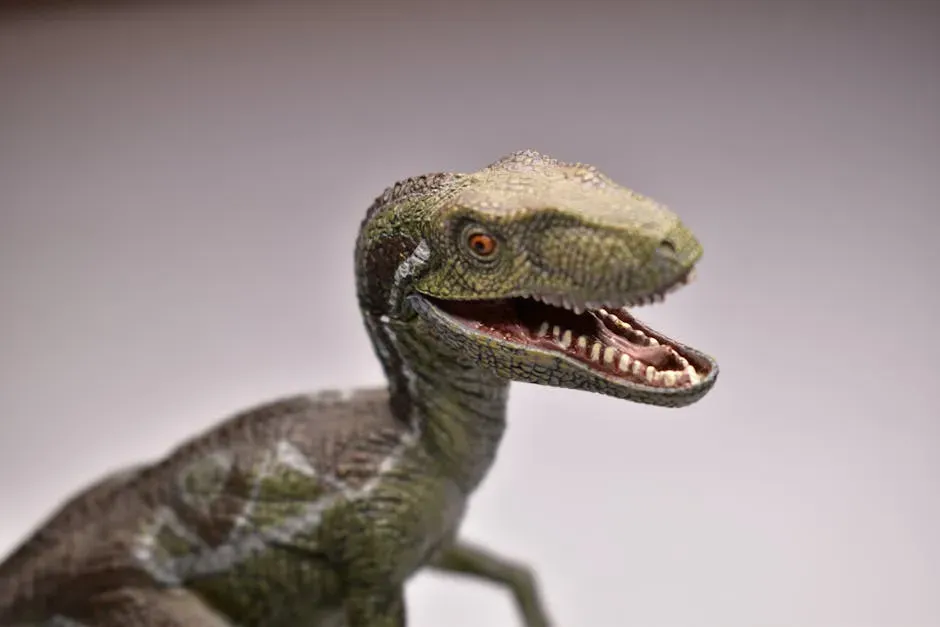
If you start from what we know about theropods – bipedal, agile, often feathered – it is not crazy to picture an intelligent dinosaur standing upright, with forelimbs increasingly freed for manipulation. But hands are not guaranteed. Many dinosaurs had limited grasping ability, and even in birds today, some remarkable problem solvers use beaks and feet instead of human‑style fingers. An intelligent dinosaur civilization might have been built on dexterous claws and tool-wielding feet rather than delicate five‑fingered hands.
Vision would almost certainly have been a major strength. Many predatory dinosaurs had forward-facing eyes, hinting at depth perception and keen visual tracking. Instead of our word-heavy thinking, their cognition might have leaned heavily on complex visual pattern recognition: reading tiny shifts in posture, flicks of feathers, and changes in light the way we read lines of text. Imagine an artistically inclined dinosaur not writing poems, but weaving shimmering feather displays and color patterns that carried layered meanings, the way we use both language and abstract art.
Dinosaur Societies: Packs, Hierarchies, and High Drama
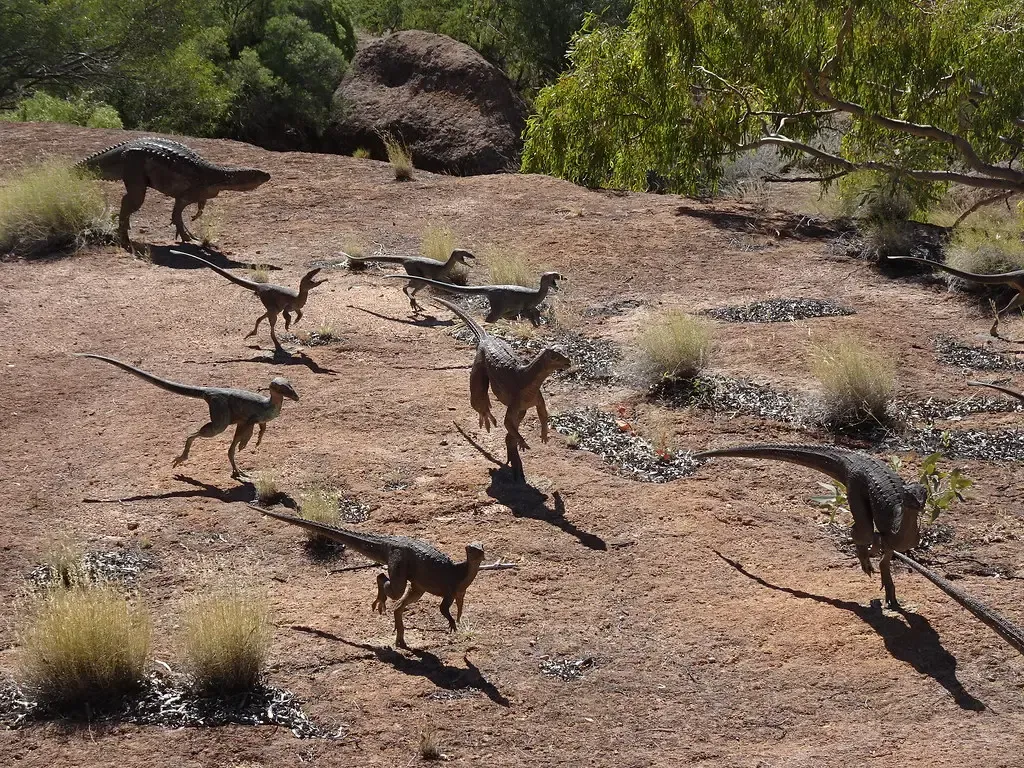
Social structure would shape everything about an intelligent dinosaur world. If they evolved from pack‑hunting predators, you might see societies built on tight cooperative units, with deep loyalty and fierce competition between groups. Hierarchies could be intense, anchored in body size, display structures like crests or feathers, and elaborate threat rituals instead of simple verbal arguments. Where humans often use contracts and institutions to regulate conflict, they might have relied more on ritualized dominance displays and ceremonial duels to keep tensions in check.
On the flip side, if intelligence emerged from herbivorous species that relied on group defense and alertness, you might get societies oriented around collective safety and surveillance. Picture sprawling nesting grounds managed like living cities, with individuals specializing in lookout duties, resource scouting, and mediation between family clusters. Either way, status would probably still matter; evolution loves competition. The drama of social life – a mix of cooperation, rivalry, affection, and betrayal – would not vanish. It would just be played out with talons, crests, and feathers instead of suits, smartphones, and signatures.
Technology in a World of Claws and Feathers
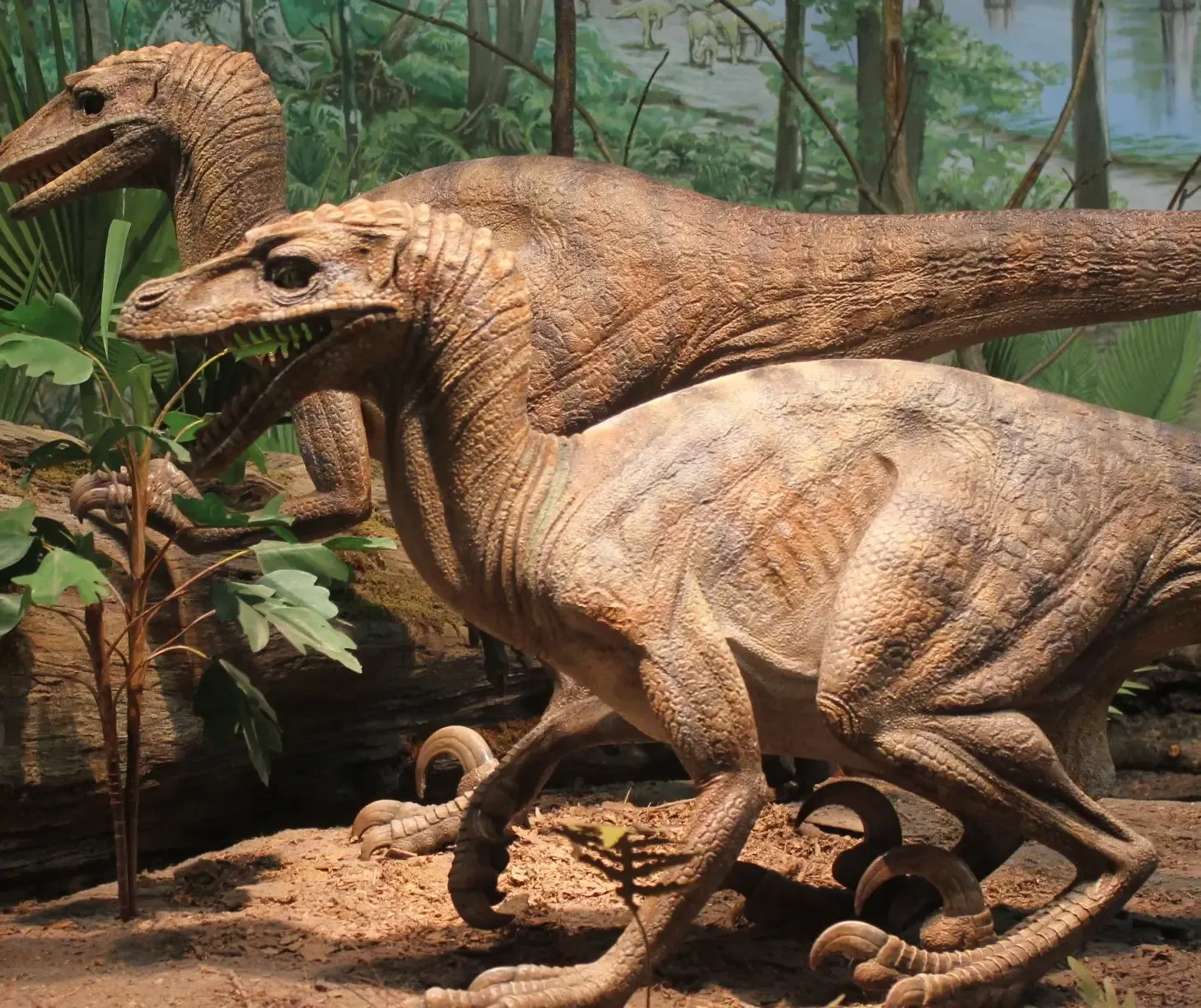
The leap from clever animal to technological species is massive, and it is not guaranteed. Dexterous manipulation, fire control, and long-term planning have to line up just right. Dinosaurs with beaks or clawed hands might have been limited at first to simpler tools: shaped stones, woven plant fibers, and arranged objects used for hunting or display. Over very long timescales, though, repeated small improvements could add up, the same way they did for early humans who began with stone flakes and sticks before reaching metallurgy and machines.
Fire is a particularly interesting hurdle. Reptilian and birdlike physiology might have changed how they used heat, shelter, and cooking, and some lineages might have been less dependent on fire than early humans. But once you have a brain capable of experimentation, sooner or later someone plays with lightning-struck branches, volcanic vents, or natural gas seeps. From there, their technological path might diverge sharply from ours, perhaps leaning more into bioengineering, domestication, and environmental shaping instead of heavy industry. A dinosaur civilization could have learned to sculpt ecosystems more than metals, turning forests, wetlands, and reefs into living infrastructure.
Dinosaur Cities and an Altered Planet
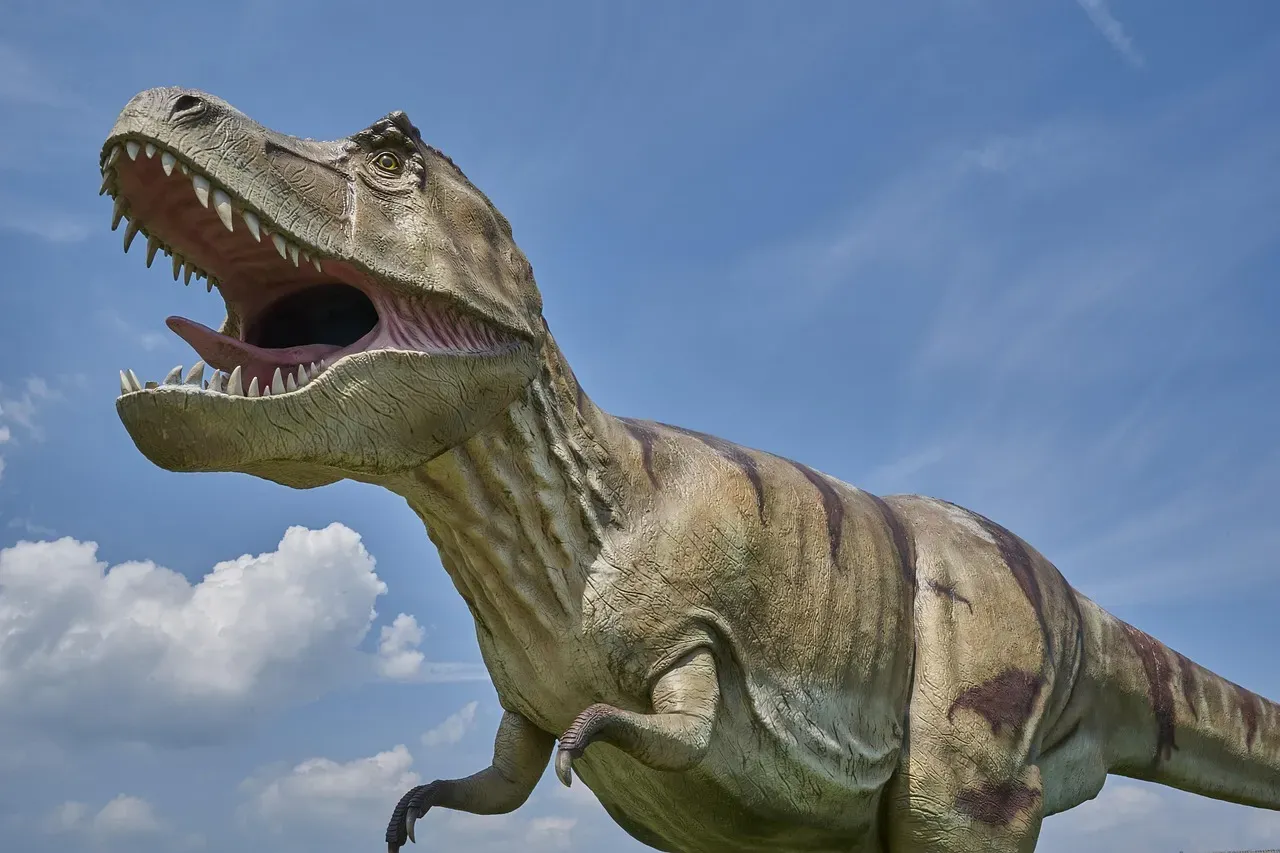
If dinosaurs had reached a technological stage, their cities would not have been copies of ours with a reptilian paint job. Urban spaces might have been terraced vertically to make use of climbing abilities, with layered platforms weaving through ancient forests or canyon walls. Architecture could have blended built structures with living plants, using vast root systems and tree trunks as natural supports, more like three‑dimensional gardens than rigid concrete grids. Nightlife would feel alien too, especially if their senses were tuned to different light levels or ultraviolet patterns invisible to us.
On a planetary scale, their impact might still have been profound. Any technological species that harnesses large amounts of energy ends up altering climate, landscapes, and other species’ fates. But a dinosaur civilization that remained more tightly embedded in ecosystems, perhaps inspired by a long evolutionary history of living in dynamic, predator‑prey webs, might have approached resource use differently. They might still have overexploited some habitats or driven extinctions, but they also could have developed cultural taboos and sophisticated ecological models much earlier, treating the planet less like a warehouse and more like a sacred hunting ground they could not afford to break.
Would There Still Be Room for Mammals – and for Us?
Here is the uncomfortable twist: if intelligent dinosaurs had taken off, mammals might never have had the chance to dominate large land ecosystems. Without the mass extinction event that cleared so many ecological niches, most mammals would likely have remained small, nocturnal, and overshadowed by their dinosaur neighbors. Under those conditions, the odds of a primate‑like lineage evolving big brains, language, and technology drop dramatically. Our entire story depends on a catastrophe that removed the reigning giants.
In other words, an intelligent dinosaur world almost certainly means a world without humans as we know ourselves. At best, our ancestors would have existed as minor background characters, clever little insectivores avoiding the attention of their towering, feathered neighbors. That idea stings a bit, but it is also strangely freeing. It reminds us that our existence is not the inevitable end point of evolution, but one of many possible branches that could have blossomed – or been clipped – depending on random events in deep time.
What This Thought Experiment Really Says About Us
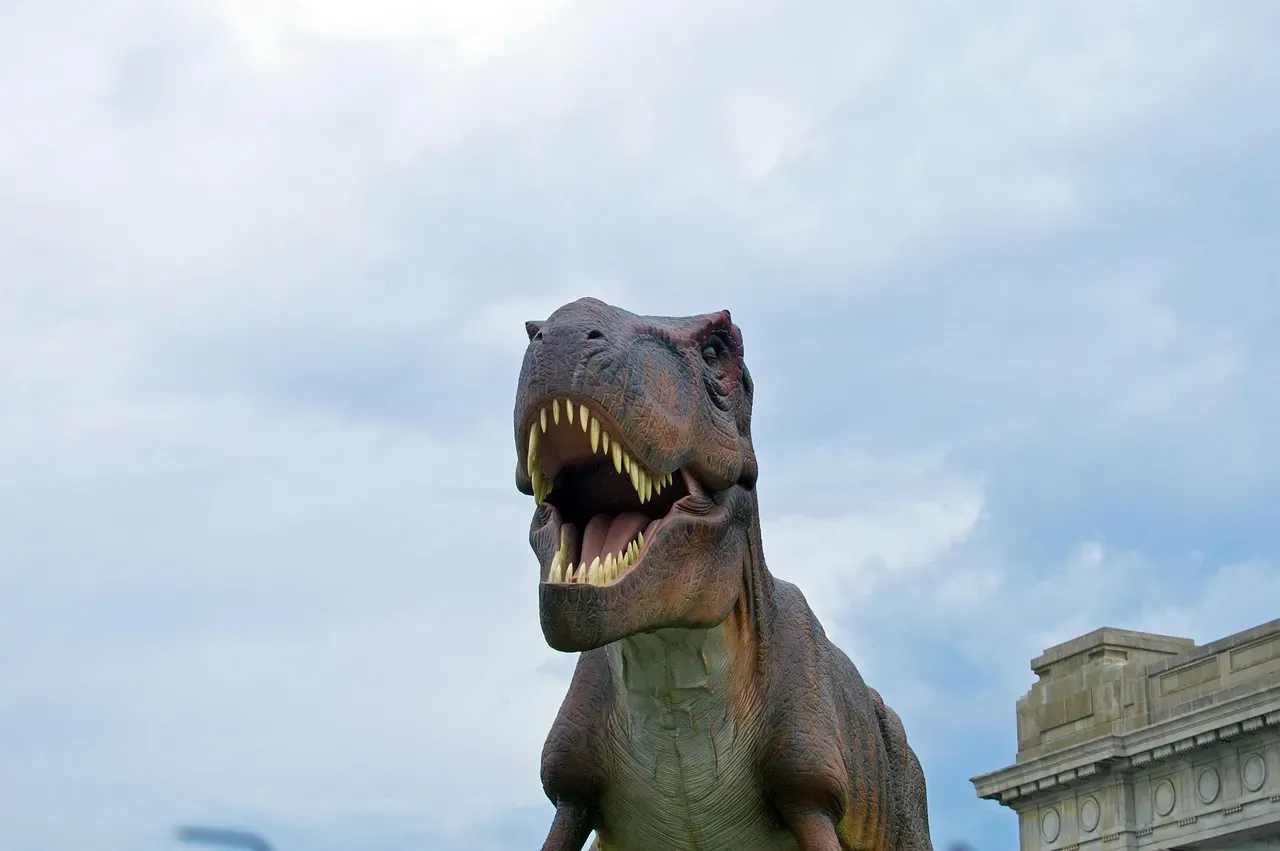
In the end, the most honest answer is that we cannot say for sure whether dinosaurs would have evolved human‑level intelligence, only that they had some of the right tools and plenty of time. Thinking about “dinosapiens” is less about predicting a parallel history and more about testing our assumptions. It challenges the quiet belief that big brains and high technology were somehow destined to appear, and that they had to look like us. Evolution does not care about destiny; it only cares about what works well enough, right now, to leave descendants.
My own opinion is that if dinosaurs had survived, some lineage probably would have pushed intelligence much farther than most animals ever do, but the result would have been strange in ways we can barely imagine. They might have built cities of living trees, mastered genetics before metallurgy, and crafted philosophies grounded in predation and interdependence instead of individuality and ownership. We like to think of ourselves as the measure of all minds, yet this scenario hints that we might just be one odd solution among many. The real question is not whether dinosaurs could have become like us, but whether we are ready to admit that intelligence, in the grand story of life, never belonged to humans alone.