Few questions fire up the imagination quite like this one. Imagine looking out your window and seeing something other than pigeons in the sky. Something feathered, yes, but also ancient, enormous, and deeply strange. The world you know, with its sprawling cities, mammals, and human civilization, exists almost entirely because of a single cosmic accident 66 million years ago. One rock. One day. One very different planet.
The truth is, the more scientists dig into this question, the weirder and more surprising the answers become. You might expect a simple “dinosaurs rule, mammals drool” kind of conclusion. The reality runs much deeper than that. Buckle up, because this alternate history lesson is unlike anything you learned in school. Let’s dive in.
The Day Everything Could Have Been Different
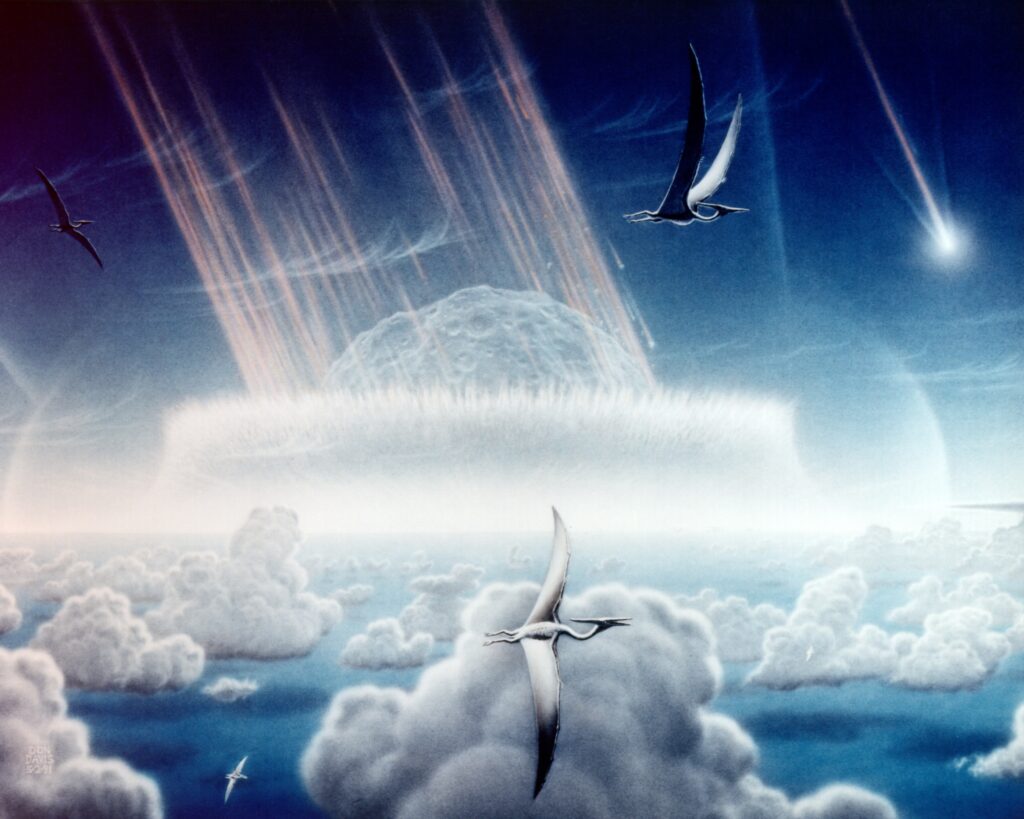
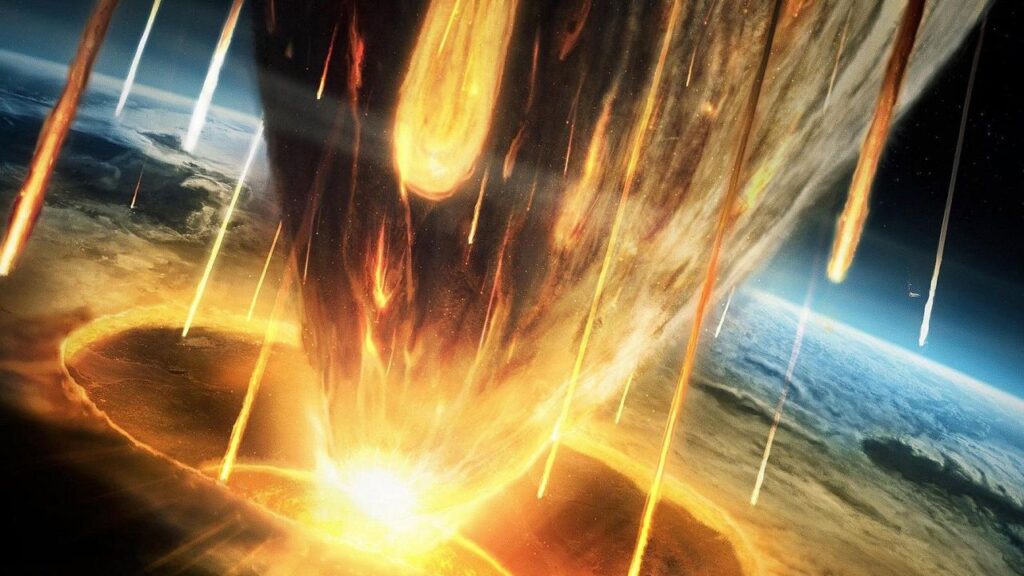
Here is a fact that should genuinely shake you: you are alive today largely because of terrible luck that struck another species. Sixty-six million years ago, an asteroid hit the Earth with the force of a hundred billion hydrogen bombs. Dust and soot were shot into the atmosphere, plunging the planet into darkness. Photosynthesis stopped, plants died, and the animals that ate them followed. That is not a slow, gradual fading out. That is a planetary catastrophe of almost unimaginable scale.
An estimated fifteen billion tonnes of soot spread through the atmosphere, creating one long night that lasted several years. It heralded an endless winter that saw average temperatures fall by as much as 28 degrees Celsius. Think about that. A decade of darkness. No sunlight, no crops, no food chain. Around three-quarters of all species went extinct and no animal bigger than a Labrador dog survived. The world that came after was essentially a blank canvas, and the tiny, shivering mammals still alive were about to inherit it all.
Dinosaurs Were Not Going Anywhere – Until They Were
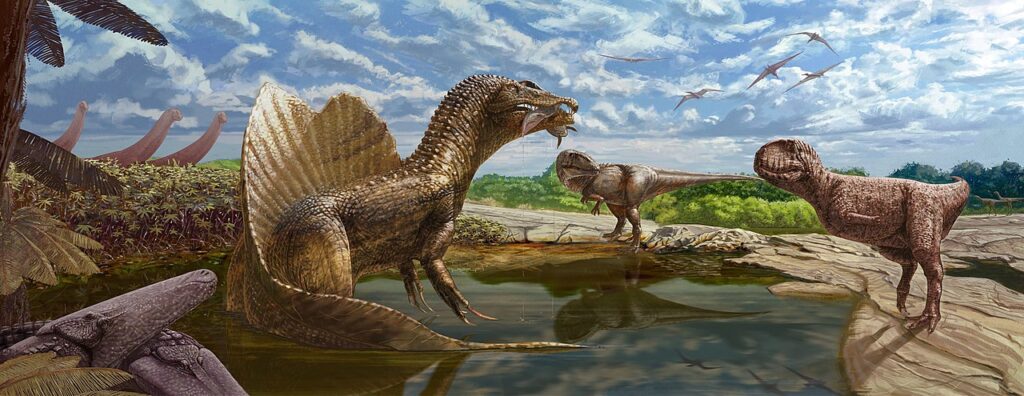
There is a popular myth worth destroying right now: that dinosaurs were already on the way out, slow and clumsy, doomed by their own evolutionary failure. The fossil record tells a completely different story. The idea that dinosaurs were evolutionary dead ends, lumbering toward inevitable extinction, doesn’t hold up. Fossil records show a pulse of diversification during the Campanian stage, roughly 72 to 84 million years ago, with new species of horned dinosaurs, duck-billed hadrosaurs, and tyrannosaurs spreading across multiple continents.
There is evidence of a decline in genus-level diversity during the final few million years of the Cretaceous, but this drop may reflect environmental shifts like volcanic activity and changing sea levels rather than any fundamental weakness in dinosaur biology. The point is that dinosaurs were not a spent force. They were still adapting, still filling new niches. Honestly, if you were placing bets on which group of animals would dominate Earth for the next million years at the time of the asteroid impact, you would not have bet on the tiny nocturnal furballs hiding underground. You would have bet on dinosaurs, every single time.
A World Ruled by Scales and Feathers: What Earth Would Look Like
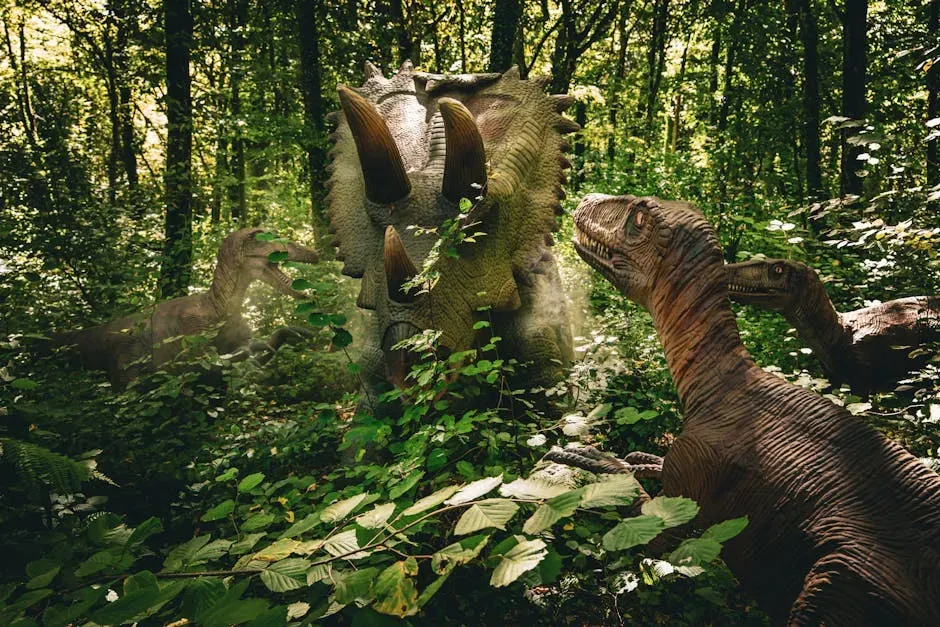
If you could visit this alternate Earth today, you would find an alien world. If the asteroid had missed, dinosaurs would likely still dominate most large-animal niches on the planet, and the world you know would be unrecognizable. Mammals, including the lineage that produced humans, would have remained small, nocturnal, and ecologically marginal. The forests, grasslands, and oceans would be shaped by entirely different evolutionary pressures, and intelligent life as we understand it may never have emerged.
Without that mass extinction, ecological dominance would have remained largely in reptilian hands. Dinosaurs were not a single type of creature but an extraordinarily diverse group that had adapted to nearly every environment on land, from polar forests to deserts. Their continued survival would have meant ongoing evolutionary competition, refinement, and diversification, shaping the planet in ways both familiar and alien. Think of it like this: if mammals are the software running on today’s Earth, dinosaurs would have been a completely different operating system. Nothing about the user interface would feel familiar.
What Would Happen to Mammals – Including Your Ancestors?
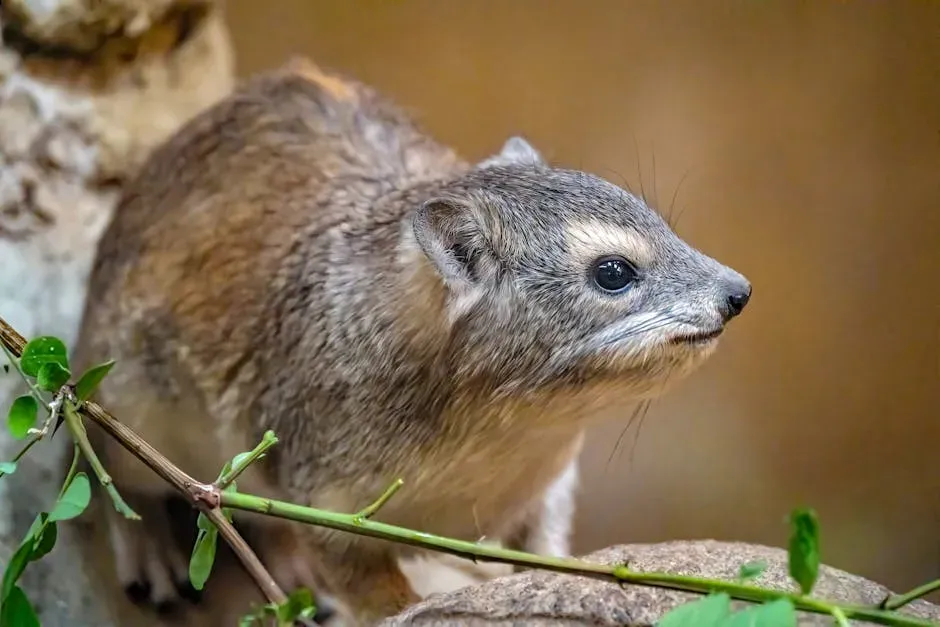
Let’s be real, this is the part that feels closest to home. Without the extinction event, mammals might have remained small and nocturnal, as they would compete for resources with the dominant dinosaurs. The evolutionary journey that produced humans might never have occurred, or taken a vastly different path on a world still ruled by dinosaurs. Your entire family tree, all the way back to every ancestor you have ever had, hinges on that one cosmic event.
In the age of dinosaurs, mammals already existed, but they were generally small, nocturnal, and ecologically constrained. They survived by avoiding competition with dominant reptiles. If dinosaurs had never disappeared, mammals would likely have remained marginal for much longer. Large mammals such as elephants, whales, and big cats probably would not exist. It is a humbling thought. Every impressive mammal you have ever admired, from the blue whale to the elephant to the chimpanzee, likely owes its very existence to the death of the dinosaurs. Without that clearing of the ecological playing field, the oxygen boost that helped fuel the evolution of placental development, the reproductive strategy that eventually allowed mammals to grow large and diversify, would have had no ecological opportunities to exploit. Without the extinction clearing the playing field, those opportunities simply wouldn’t have existed.
Could Dinosaurs Have Evolved Intelligence?
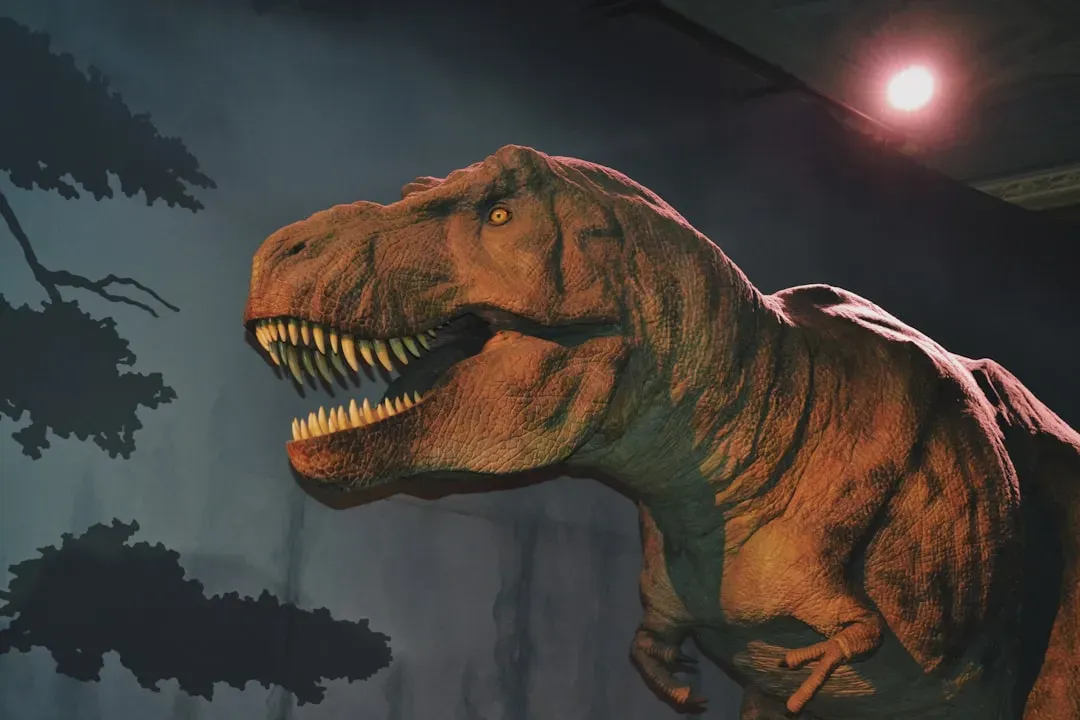
This is where things get genuinely fascinating, and a little controversial. Back in 1982, paleontologist Dale Russell proposed one of science’s most memorable thought experiments. Russell wondered whether troodontid dinosaurs could have evolved sentience had they not died in the end-Cretaceous mass extinction, dubbing them humanoid dinosaurs, or dinosauroids. He based this on the fact that one species of troodontid already had a large brain, stereoscopic vision, opposable fingers, and bipedal stature, and might have evolved to have an encephalization quotient similar to that of Homo sapiens if it had survived.
It sounds exciting, but most scientists urge caution. Most paleontologists consider this too speculative, essentially projecting human evolution onto a very different animal. The underlying observation is real though: some dinosaur lineages were trending toward larger brains and more complex behavior. Whether that trend would have continued, stalled, or reversed over tens of millions of years is impossible to know. Here is the thing though: today, a few dinosaur descendants, birds like crows and parrots, have complex brains and can use tools, talk, and count. They are, in a very real sense, the living proof that the dinosaur lineage was capable of remarkable cognitive evolution. Whether non-avian dinosaurs would have followed the same path remains the great unanswered question.
Birds, Flight, and a Sky That Would Look Nothing Like Today’s
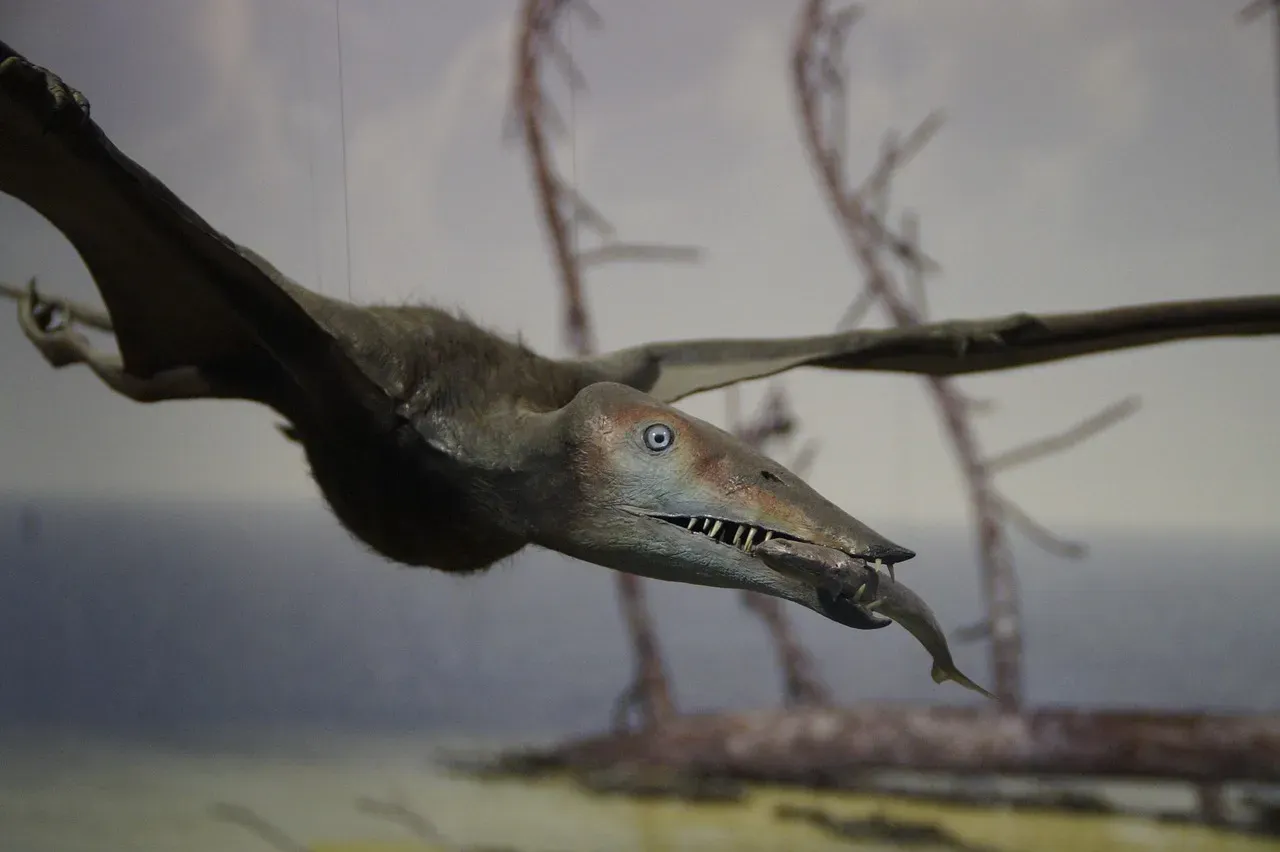
Here is something most people overlook entirely: birds are dinosaurs. They did not evolve from dinosaurs or resemble them from a distance. Birds are technically dinosaurs, the last surviving lineage of theropods. In our world, their success is partly due to the extinction of their larger relatives. In a world where dinosaurs never went extinct, birds would still exist, but their evolutionary path would likely be very different.
Some bird lineages might remain small and specialized, while others could compete directly with larger feathered dinosaurs. Flight would still offer advantages, but airspace would be more crowded, with giant pterosaurs or bird-like dinosaurs dominating skies and coastlines. The diversity of flying animals might exceed anything we see today, reshaping ecosystems from forests to oceans. Imagine looking up at a sky filled not just with sparrows and hawks, but enormous winged reptiles competing with a hundred different feathered theropods. Without the mass extinction, maybe birds wouldn’t be as diverse and successful as they are today, and maybe we wouldn’t have things like songbirds, parrots, hawks, or hummingbirds at all. The skies above an alternate Earth would be unrecognizable, and honestly, quite a bit more terrifying.
Conclusion: The Accident That Made You Possible
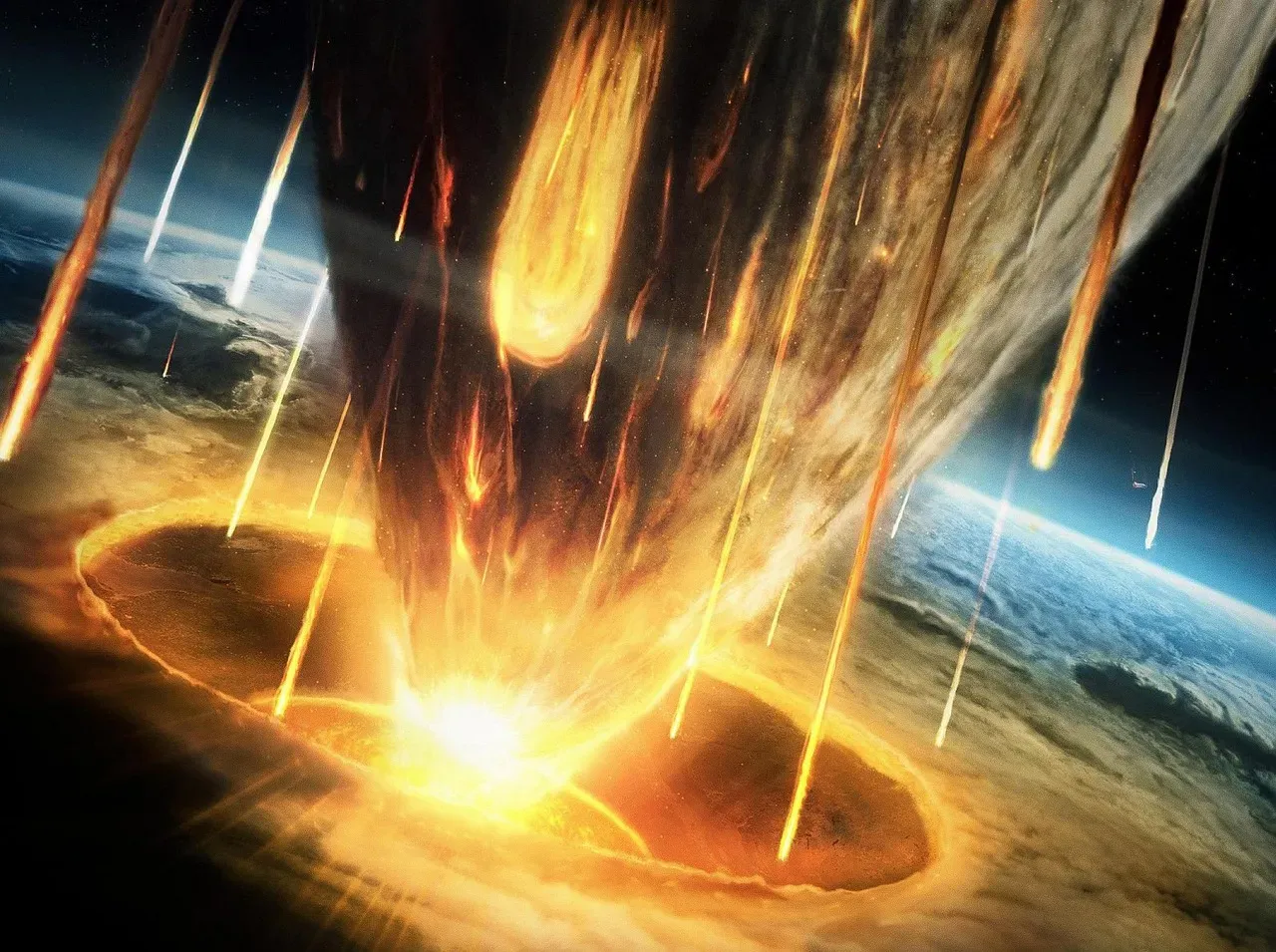
When you step back and look at the full picture, something quietly remarkable emerges. Every mammal alive today, every human civilization, every city, every piece of music ever written, all of it traces back to a random rock hitting a specific patch of shallow water near the Yucatan Peninsula at just the right angle and speed. As Stephen Jay Gould pointed out, we cannot go back to some critical moment in evolutionary history and replay life’s tape to see how nature might have been altered. We can be certain of one thing though: modern dinosaurs would be significantly different than anything we know from the fossil record.
This thought experiment might sound like bad science fiction, but it gets at some deep philosophical questions about evolution. Is humanity just here by chance, or is the evolution of intelligent tool-users inevitable? The honest answer seems to be: probably chance, with a generous side of luck. Even with the dinosaurs gone, even starting with mammals as a beginning point, the evolution of human-like intelligence still needed something else, a rare combination of opportunity and luck.
You exist because of the most extraordinary accident in the history of life. You are not the inevitable outcome of evolution marching forward. You are a lucky fluke in a universe that mostly just makes dinosaurs. What do you think – does that make human existence feel more precious, or more precarious? Tell us in the comments.