Imagine taking a deep breath on Earth hundreds of millions of years ago and instantly tasting a world where oxygen was scarce, volcanoes ruled the skyline, and the seas fizzed faintly with dissolved metals. That sounds like pure science fiction, but it is now drifting into the realm of measurable reality. With new tools that can read rocks like time-stamped chemical diaries, scientists are getting close enough to say, in plain language, what ancient air, water, and soil would have felt like to a human tongue and nose.
This isn’t about some vague “primordial soup” anymore. We are talking about specific molecules, subtle flavors of acidity, hints of salt, metal, and even whiffs of volcanic gases that once filled the sky. The more researchers refine their reconstructions of prehistoric chemistry, the more it feels as if we could step into a time machine and immediately know we’re not in the twenty‑first century just by how harsh, metallic, or oddly flat everything tastes. It’s unsettling, weirdly intimate, and incredibly exciting.
The science of tasting a planet you can’t visit
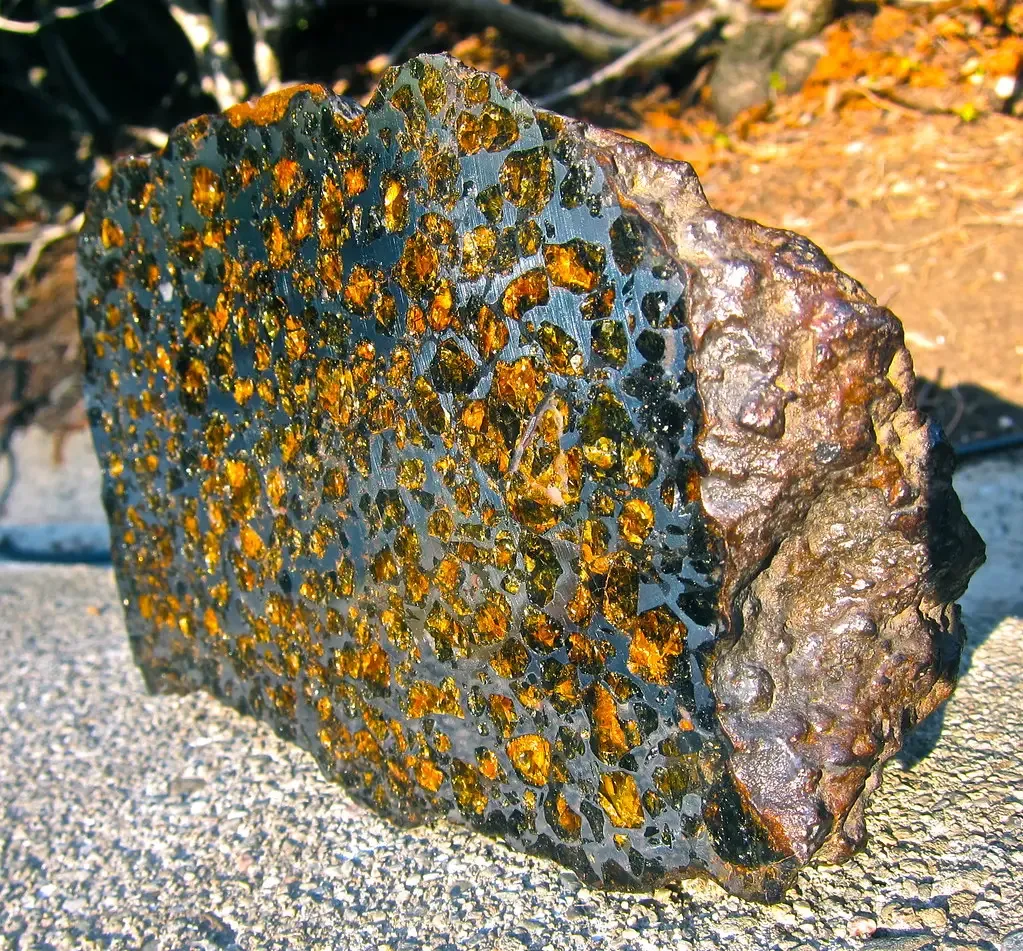
The strange thing about this whole idea is that no one is literally licking a dinosaur‑age pebble and calling it a tasting note. Instead, scientists are using chemical fingerprints locked into minerals, ice cores, ancient salts, and sediment layers to rebuild the mix of gases in the air, the ions in the water, and the nutrients in the soil. It’s a little like reverse‑engineering a long‑evaporated perfume by studying the residue left on the glass. You do not have the original fragrance, but you can reconstruct it molecule by molecule with enough data and patience.
Techniques like isotope analysis, fluid inclusions (tiny bubbles of ancient water trapped in crystals), and trace‑element measurements serve as proxies for long‑vanished environments. When researchers say they can estimate ancient carbon dioxide or oxygen levels, they are really translating these measurements into a story about how thick, sharp, or breathable old air might have felt. At that point it becomes surprisingly reasonable to ask: would that atmosphere have felt heavy on the tongue, bitter from volcanic sulfur, or oddly bland because of low oxygen? We are still building those answers, but the outlines are no longer guesswork.
Breathing the Archean: a metallic, suffocating sky
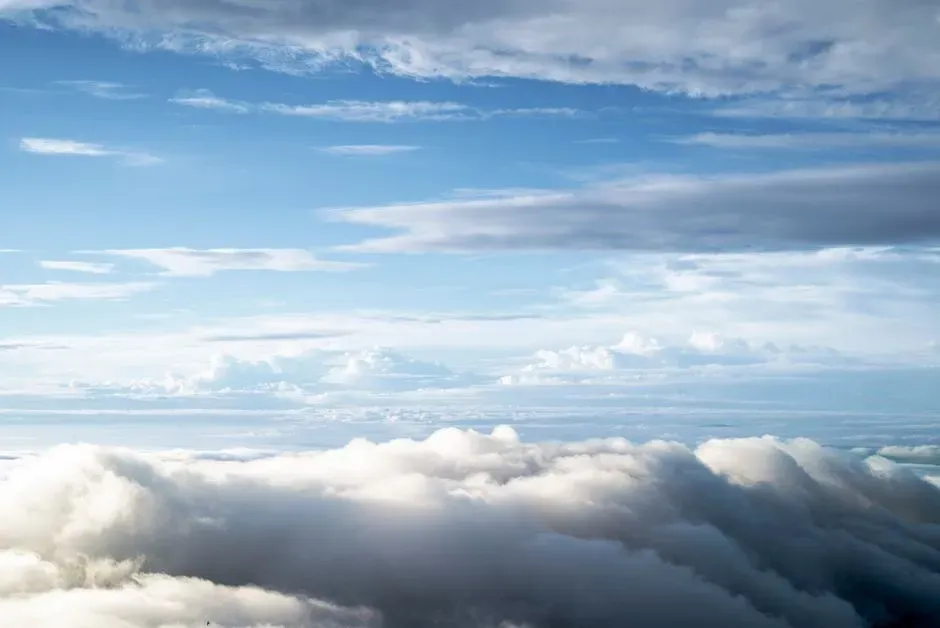
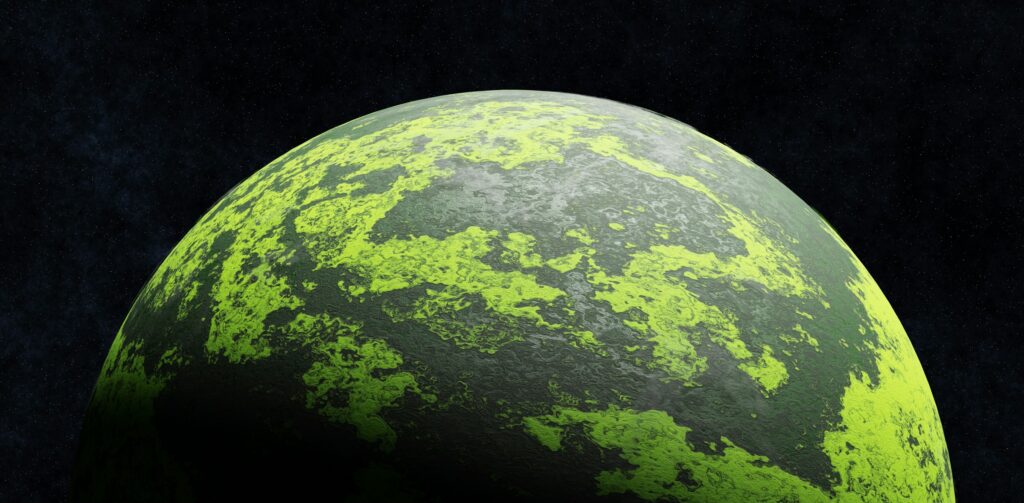
If you could time‑travel back more than two and a half billion years, inhale deeply, and somehow survive, the air would feel brutally alien. Oxygen would be almost nonexistent, replaced by a mix dominated by nitrogen, carbon dioxide, and a cocktail of volcanic gases like methane and hydrogen sulfide. To a human tongue and nose, that atmosphere would likely come across as acrid and slightly rotten, somewhat like standing too close to a geothermal vent or a badly ventilated hot spring field.
Without a protective ozone layer and with a sky hazy from organic aerosols and volcanic output, the air might also carry a metallic tang from particles and reduced gases that simply do not linger in today’s oxidizing atmosphere. It would not have the fresh, crisp quality most of us associate with mountain air after rain; instead, it would feel heavy, slightly choking, and strangely “thick.” You could think of it as living inside the exhaust of a young, overactive planet that has not yet learned how to breathe cleanly.
Ancient oceans: sour, salty, and laced with metals
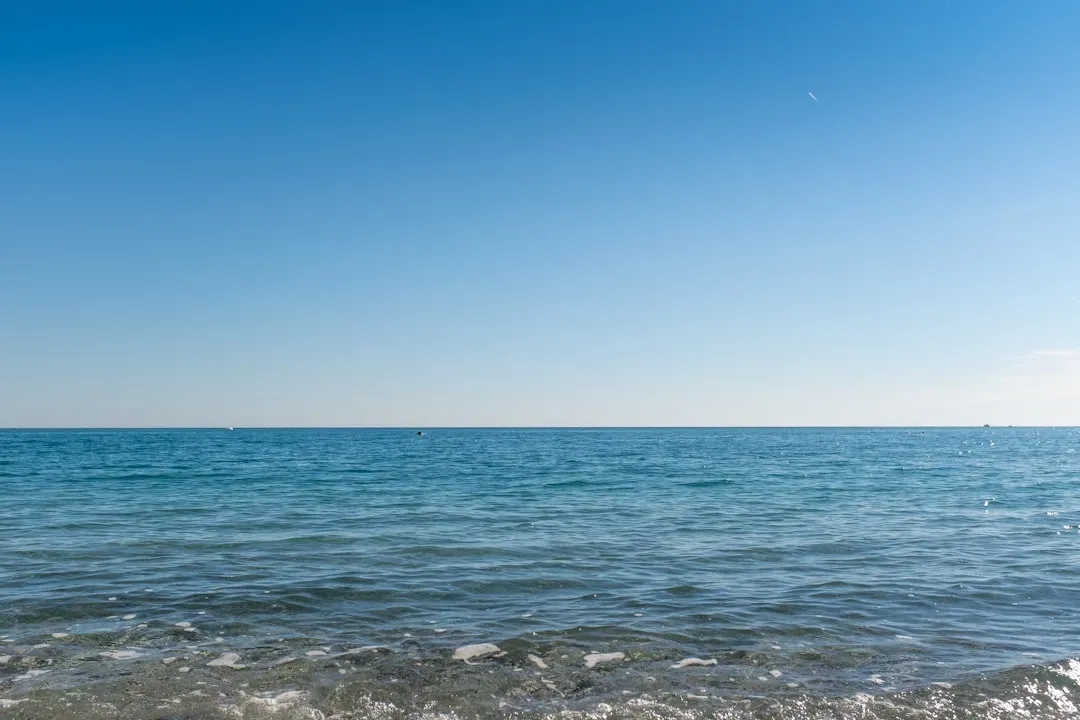
Now picture cupping your hands in an ocean from the deep past and bringing that water to your lips. Even in Earth’s earliest eras, the seas were salty, but the taste profile would have been more complicated and probably less pleasant than what we know today. Higher levels of dissolved carbon dioxide would have made those oceans more acidic, giving them a slightly sour bite, a bit like very diluted mineral water with too much fizz and a pinch of bitterness.
On top of that, the chemistry of early seawater was loaded with iron and other reduced metals that have long since rusted out and settled into banded iron formations. That means the water might have carried a noticeable metallic taste, closer to licking a bloodied lip or a rusty nail than drinking from a modern shoreline. As oxygen slowly increased and metals precipitated to the seafloor, the oceans would have gradually shifted toward a cleaner, more familiar flavor, but for long stretches of time, prehistoric seas would have seemed murky, sharp, and a little aggressive on the tongue.
Soils before forests: dusty, mineral, and nutrient‑poor
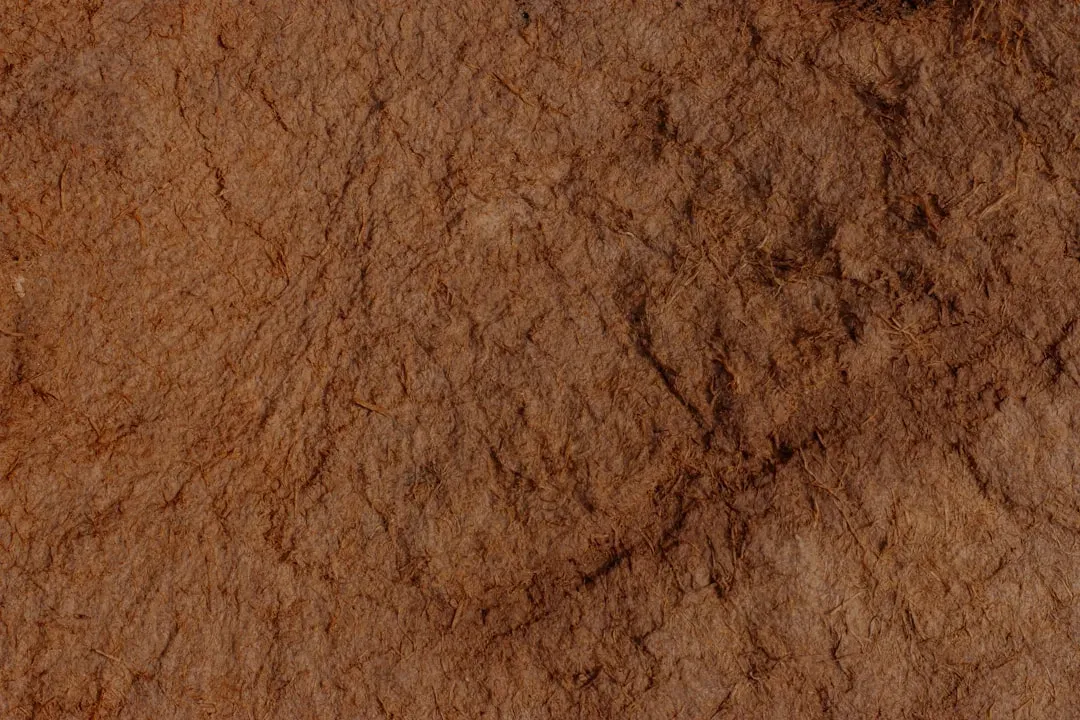
Walk across land before plants took over, and the ground itself would taste and feel different in a way that is hard to overstate. Before deep‑rooted vegetation and complex microbial communities, much of Earth’s surface was dominated by bare rock, thin crusts, and early primitive soils that barely resemble the rich dark earth gardeners love today. Scoop some of that material into your mouth – purely in theory – and you’d probably get an overwhelmingly dusty, chalky, mineral taste with very little organic character.
Modern soil has a certain earthy aroma and flavor, thanks to decaying leaves, fungi, bacteria, and a whole living web. Prehistoric soils, especially before land plants spread widely, would have lacked that complexity, leaning more toward ground stone and windblown dust than anything we’d call “earthy” in a pleasant sense. It would be more like biting into powdered rock or brick than tasting the forest floor after rain. Only when roots, worms, and vast microbial mats started to churn and enrich the ground did soil chemistry – and therefore its taste – move toward something richer and more familiar.
The Great Oxygenation: when the air finally started to crisp up
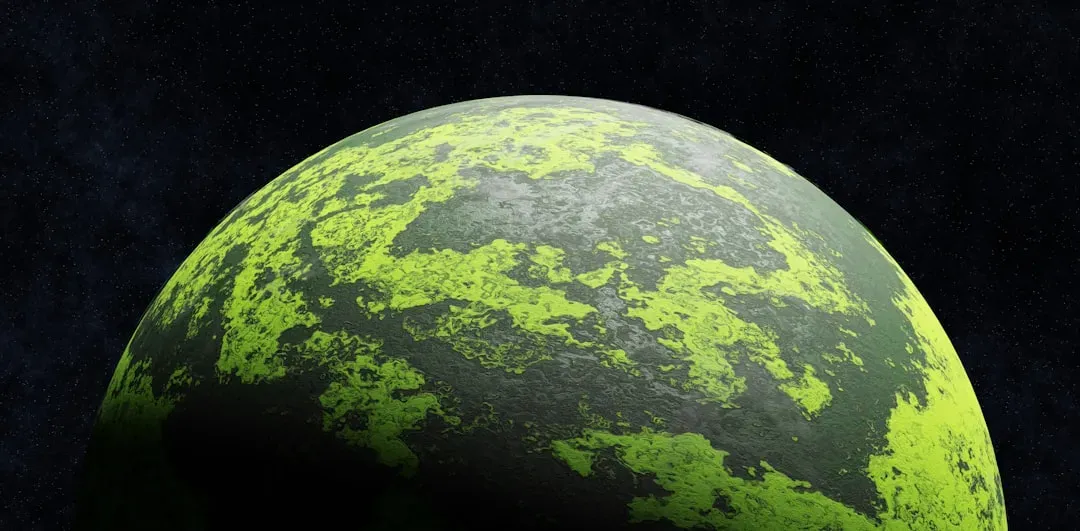
One of the most dramatic taste shifts in Earth’s history came with the rise of oxygen produced by photosynthetic microbes. Over hundreds of millions of years, oxygen began building up in the atmosphere, slowly displacing the choking mix of reduced gases. If you could taste the air before and after this Great Oxygenation Event, the difference would be like moving from the inside of a smoky industrial furnace to the breezy edge of a lake at dawn. Oxygen itself is not strongly flavored, but its presence cleans up other gases, changes how metals and sulfur behave, and alters the subtle feel of air in the lungs and on the tongue.
As oxygen rose, sulfur‑rich, rotten‑egg aromas likely faded in many regions, replaced by a sharper, cleaner, more neutral atmosphere. Iron that once stayed dissolved in the oceans began to oxidize and settle out, reducing that metallic hint in seawater and helping clear the chemistry of both air and sea. From a human perspective, the world would have started to smell and taste less like a volcanic factory floor and more like something you could actually live in long term. In a way, oxygen did not just enable complex life; it refined the planet’s whole sensory palette.
Dinosaur‑age climates: lush, heavy air and mineral‑rich rain
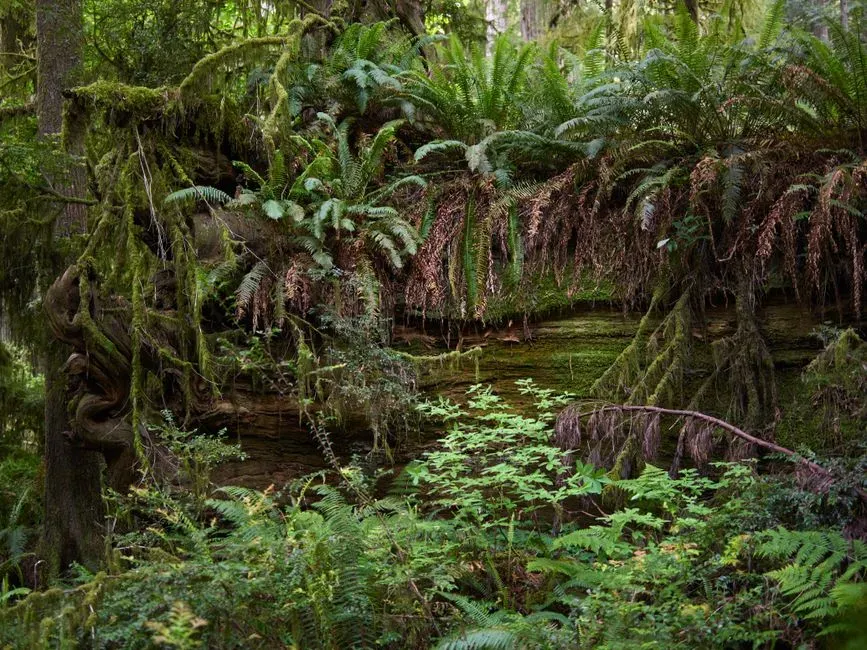
Jump forward to the age of dinosaurs, and Earth’s air, water, and soil would feel strangely familiar yet noticeably turned up a notch. Carbon dioxide levels were generally higher than today, which likely made the air feel denser and slightly warmer, especially in tropical regions. If you could taste the atmosphere on a humid Cretaceous afternoon, you might notice a heavier, almost greenhouse‑like thickness, similar to stepping into a crowded greenhouse or walking through a subtropical storm front where every breath feels saturated.
Warm temperatures, active volcanism, and intense weathering would have fed minerals and nutrients into rivers and soils, making them rich but also chemically dynamic. Rainwater trickling over volcanic rocks and lush, fast‑growing vegetation could pick up more dissolved ions than many of today’s more stable landscapes. That might have given puddles, streams, and even raindrops a slightly stronger mineral taste, not necessarily unpleasant, but more pronounced. It is easy to imagine dinosaur‑era Earth as a place where everything – from the smell of wet soil to the tang of a river – felt just a bit more amplified than the modern world.
Reconstructing taste with modern tech: from isotopes to simulations
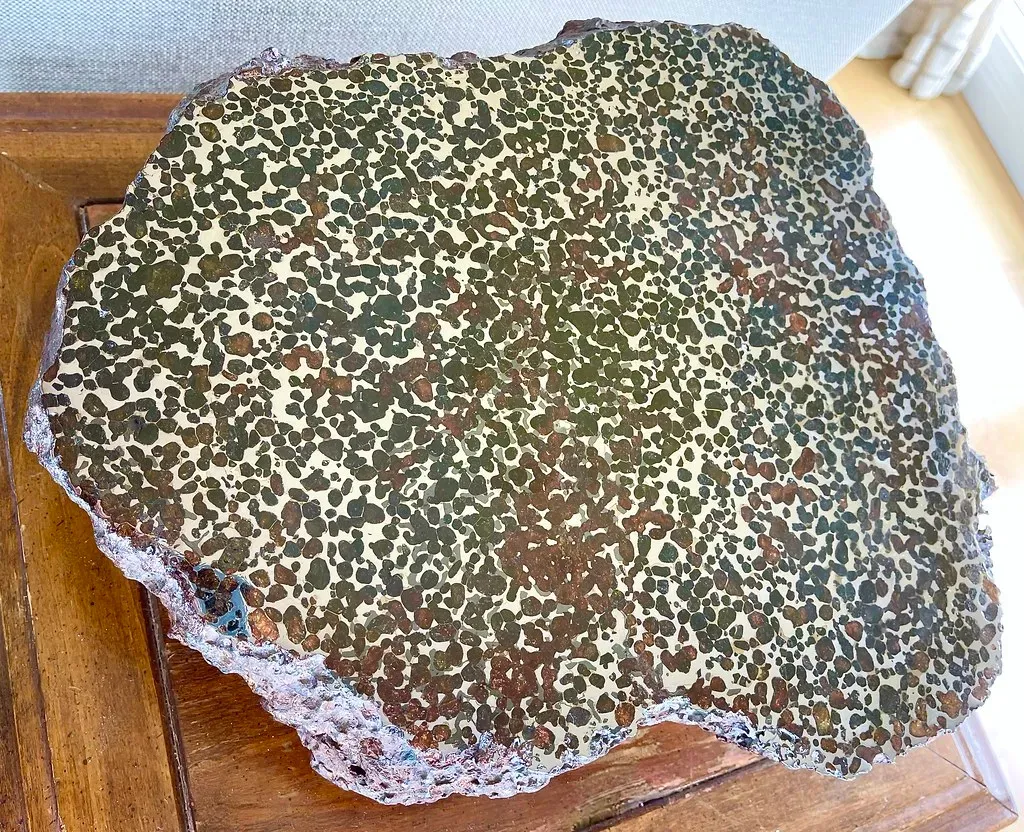
All of these sensory reconstructions depend on a quiet revolution in geochemistry and climate modeling. Scientists now use ultra‑precise measurements of isotopes in oxygen, carbon, sulfur, and other elements to infer ancient temperatures, gas levels, and acidity. With fluid inclusions, they can analyze tiny trapped droplets of ancient seawater or groundwater and deduce their salinity and composition. It is like having microscopic time capsules buried inside crystals, waiting to be opened with lasers and mass spectrometers instead of keys.
Those data sets feed into sophisticated climate and ocean chemistry models that simulate how gases and ions would behave under different conditions of volcanic activity, sunlight, and biology. While no one is printing out an exact flavor chart for “Triassic river water” or “late Archean atmosphere” yet, the gap between abstract numbers and lived sensory experience is shrinking. As the reconstructions sharpen, it becomes less of a stretch to say the air back then would have smelled harsher, the water would have tasted more metallic or sour, and the soil would have felt thinner or richer. The science is not about romantic fantasy; it is about translating solid chemistry into something a human body can intuitively understand.
Would you actually want to taste prehistoric Earth? A blunt conclusion
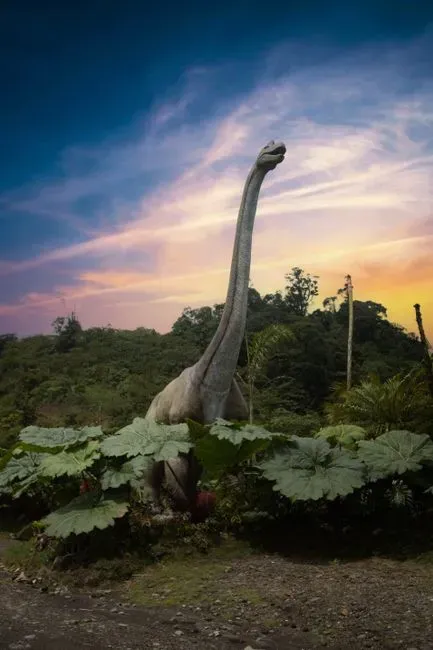
Here is the uncomfortable truth: for most of Earth’s history, you would not have wanted to taste much of anything outdoors and live to tell the story. Prehistoric air was often suffocating, prehistoric oceans could be acidic and metal‑laden, and early soils were closer to crushed rock than the comforting earth we know. Romantic imagery of emerald seas and primeval mists hides the reality that, for a human mouth, much of that world would have come across as harsh, bitter, and frankly hostile. The planet had to work through a long, messy chemical adolescence before it became even remotely palatable to us.
My own bias is that this makes modern Earth feel almost shockingly lucky. We live at a chemical sweet spot where the air is breathable and mostly bland, the oceans are salty but not vicious, and the soil is packed with the flavors of life rather than the taste of raw stone. When scientists reconstruct ancient chemistry closely enough that we can talk about taste and smell, they are not just telling a neat trivia story; they are reminding us that our everyday breath is the end result of billions of years of brutal experimentation. Knowing that, it is hard not to look around and wonder: if Earth has tasted this different before, how much are we willing to risk changing its flavor again?