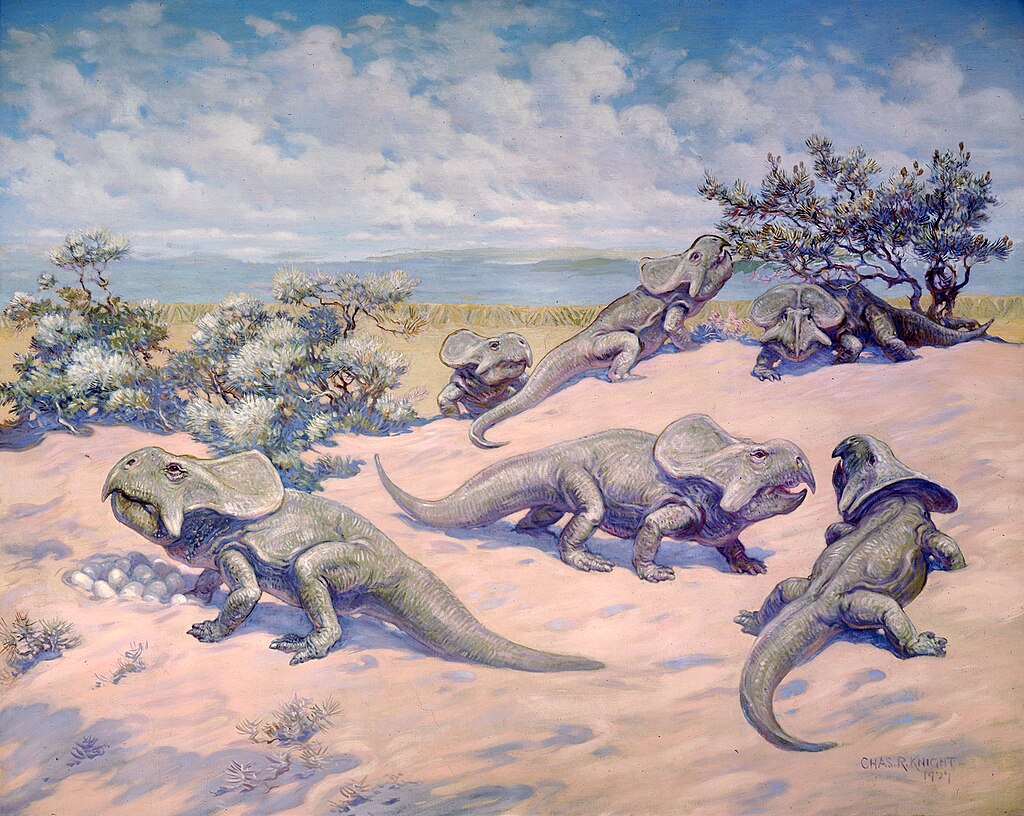
The Mesozoic Era, from approximately 252 to 66 million years ago, represents one of the most fascinating chapters in Earth’s history. While we can visualize dinosaurs through fossils and artistic reconstructions, imagining the sounds of this ancient world presents a unique challenge. Scientists have made remarkable progress in reconstructing this lost soundscape through paleontological evidence, comparative anatomy, and ecological modeling. From the thunderous footfalls of titanosaurs to the gentle rustling of primitive flowering plants, the acoustic environment of the Mesozoic differed dramatically from our modern world. This article explores what we know—and what we can reasonably infer—about the sounds that filled the air during the Age of Dinosaurs.
The Silent Fossil Record: How Scientists Reconstruct Ancient Sounds
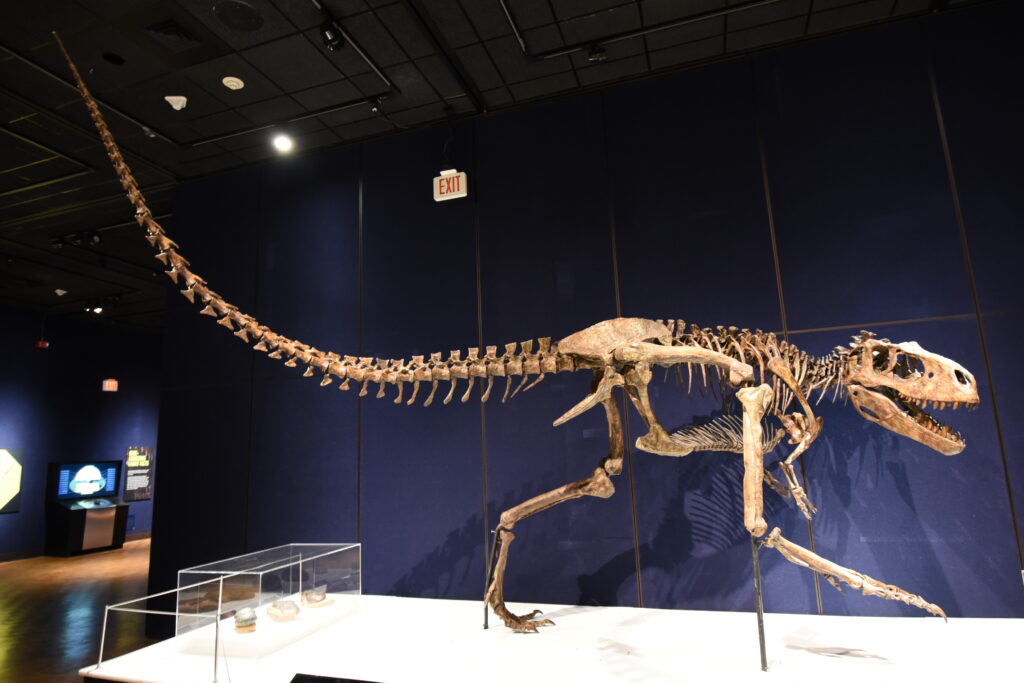
Reconstructing the soundscape of the Mesozoic Era presents unique challenges since sound waves don’t fossilize. Paleontologists must rely on indirect evidence, employing various scientific approaches to make educated inferences about prehistoric acoustics. By studying the morphology of fossilized sound-producing structures, such as the syrinx in birds or the larynx in mammals, researchers can make comparisons with modern animals to hypothesize about vocal capabilities. Computer modeling has become increasingly important, allowing scientists to simulate how air might have moved through reconstructed vocal tracts. Additionally, the study of ear structures in fossil specimens provides clues about what frequencies these animals could detect, indirectly suggesting what sounds were ecologically relevant in their environment. This interdisciplinary approach, combining paleontology, comparative anatomy, acoustics, and ecological modeling, offers our best window into a world of sound that vanished millions of years ago.
The Dinosaur Roar Misconception: What Evidence Tells Us

The iconic dinosaur roar popularized in films like Jurassic Park likely bears little resemblance to actual dinosaur vocalizations. Contrary to popular depiction, there’s no scientific evidence supporting the notion that dinosaurs produced loud, lion-like roars. Most dinosaurs lacked a larynx—the voice box that mammals use to vocalize—suggesting they produced sounds through fundamentally different mechanisms. Paleontological evidence indicates that dinosaurs more likely produced sounds similar to their closest living relatives: birds and crocodilians. Many non-avian dinosaurs probably generated closed-mouth vocalizations involving resonance chambers, similar to modern crocodilians’ deep bellows and grunts. Some analyses of skull structures suggest certain dinosaurs may have produced infrasound—extremely low-frequency sounds below human hearing range—which would have traveled great distances across prehistoric landscapes. This scientific understanding may not match cinematic portrayals, but it provides a more accurate foundation for reimagining Mesozoic soundscapes.
The Earliest Bird Songs: Vocal Evolution During the Mesozoic
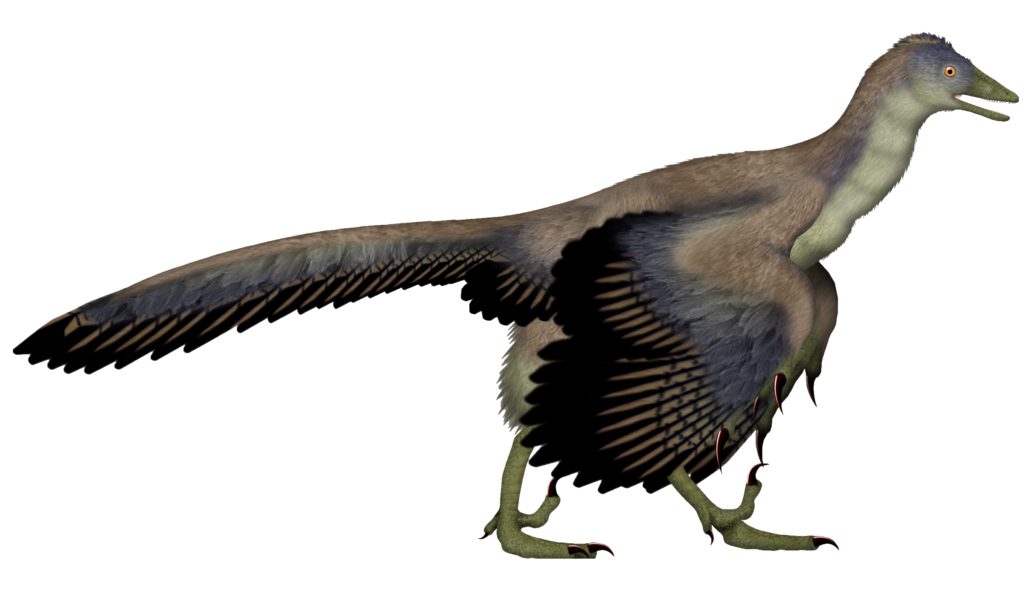
The evolution of bird song represents one of the most significant acoustic developments during the Mesozoic Era. Birds evolved from theropod dinosaurs during the Jurassic period, with early avians like Archaeopteryx appearing around 150 million years ago. Fossil evidence of a syrinx—the specialized vocal organ in birds—dates back to the Late Cretaceous, approximately 66-69 million years ago, discovered in Vegavis iaai, an ancient relative of ducks and geese. This discovery suggests that sophisticated vocal abilities evolved before the end of the Mesozoic Era. The syrinx allows modern birds to produce complex, melodious songs and likely provided similar capabilities to their Mesozoic ancestors. Though the specific songs of these prehistoric birds remain unknown, their vocalizations would have added new acoustic dimensions to ecosystems previously dominated by the simpler calls of reptiles. As birds diversified throughout the Cretaceous period, their evolving vocal repertoires would have increasingly filled the prehistoric air with chirps, trills, and calls somewhat recognizable to modern ears.
The Symphony of Insects: Buzzing and Chirping Through Prehistoric Forests
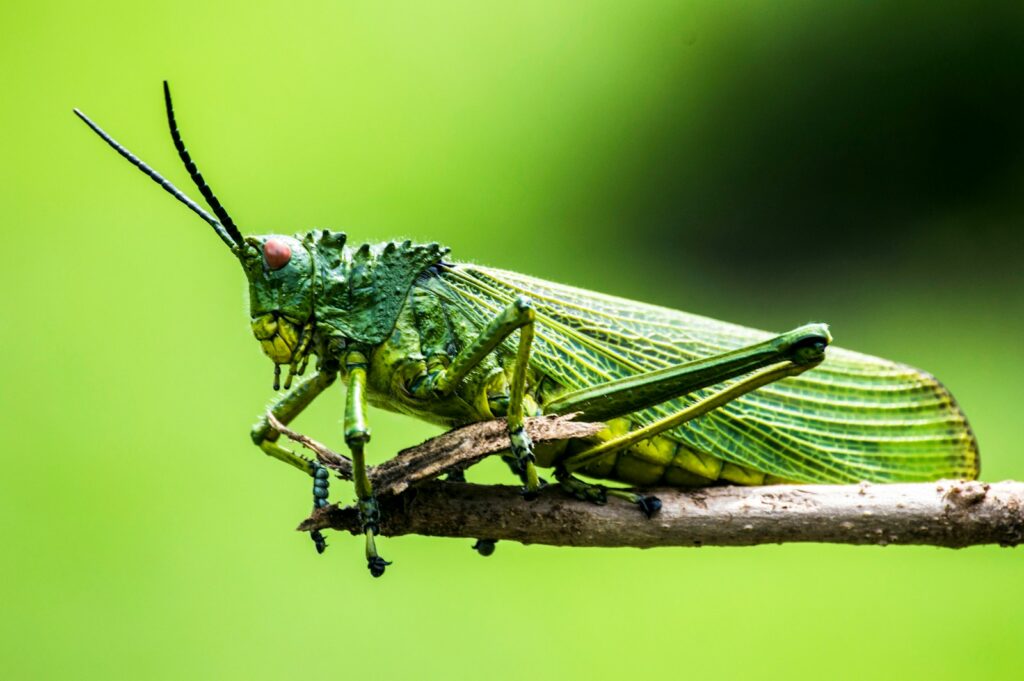
Insects formed a crucial component of the Mesozoic soundscape, creating background acoustics that would be somewhat familiar to modern listeners. Orthopterans—crickets and grasshoppers—had already evolved by the Triassic period, with fossil evidence suggesting they possessed sound-producing mechanisms similar to their modern descendants. These insects likely created rhythmic chirping sounds by stridulation—rubbing specialized body parts together. The distinctive buzz of flying insects would have been common, as beetles diversified explosively during the Mesozoic, and early flies appeared by the Triassic period. Cockroaches, already ancient by dinosaur standards, contributed their scuttling sounds to the forest floor. The emergence of social hymenopterans (bees and wasps) during the Cretaceous period added the gentle humming of pollinators visiting the newly evolved flowering plants. While individually quiet, the combined acoustic effect of countless insects would have created a continuous sonic backdrop that permeated Mesozoic forests, particularly noticeable during warm periods when insect activity peaked.
The Sound of Thunder: Footfalls of the Titans
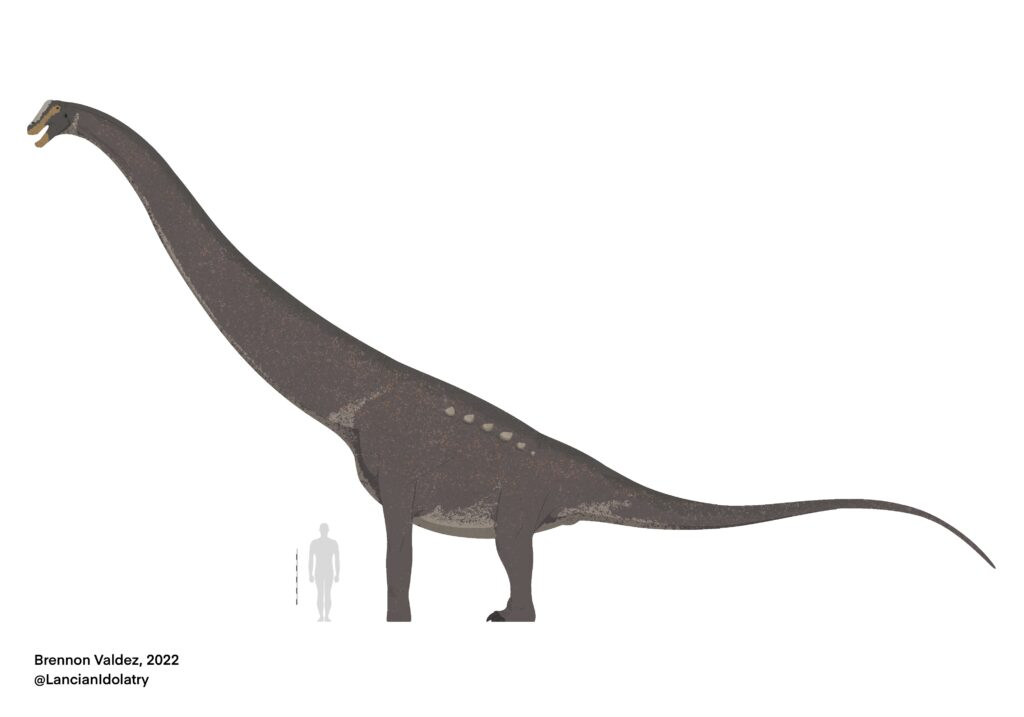
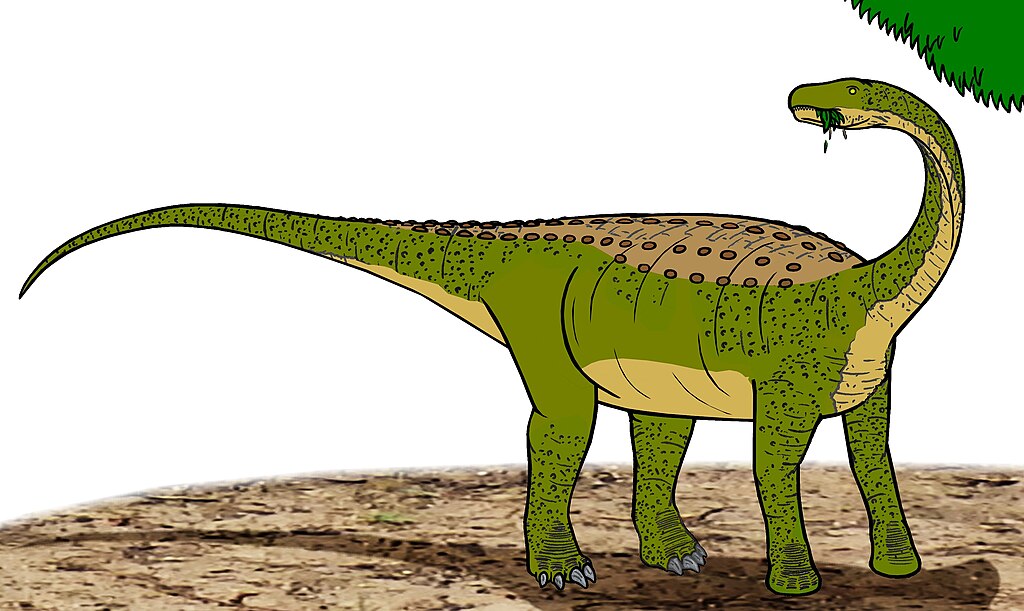
The massive sauropods and other large dinosaurs likely produced substantial seismic sounds through their movement across the landscape. Weighing up to 70 tons, titanosaurs and their relatives would have generated low-frequency vibrations with each step, potentially creating “seismic thunder” that could travel considerable distances through the ground. Computer modeling suggests these vibrations might have been below the range of human hearing but would have been detectable by many contemporaneous animals. Experimental studies with elephants, our largest modern terrestrial animals, show they can communicate through ground-transmitted rumbles over several kilometers, suggesting similar capabilities in large dinosaurs. The collective movement of sauropod herds would have amplified this effect, potentially creating a persistent seismic background that smaller animals could have used for detecting approaching predators or locating distant herds. These ground-transmitted vibrations represent a sound dimension often overlooked in reconstructions of Mesozoic acoustics but would have been an integral part of how animals perceived their environment.
Marine Soundscapes: The Noise Beneath Prehistoric Waves
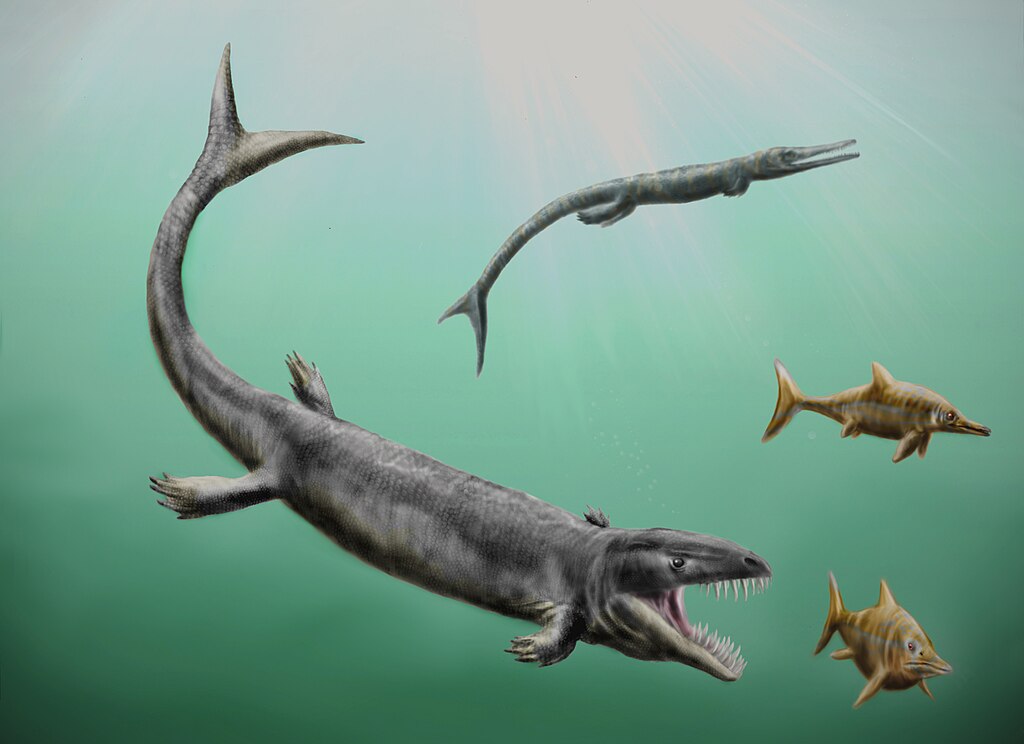
The Mesozoic oceans hosted their distinctive soundscape, dominated by both familiar and alien acoustic signatures. Marine reptiles like ichthyosaurs, plesiosaurs, and mosasaurs lacked vocal cords but likely produced sounds through other mechanisms similar to modern sea turtles and crocodilians, including percussive noises from jaw claps or air released during surfacing. The earliest ancestors of whales and dolphins had not yet evolved, meaning the complex vocalizations of modern cetaceans were absent from Mesozoic seas. Instead, the underwater acoustic environment would have been dominated by the ambient sounds of water movement, the clicking and snapping of arthropods like crustaceans, and the distinctive sounds of fish, which can produce remarkably diverse vocalizations through swim bladders, teeth grinding, and other mechanisms. Reef environments, which began recovering from the Permian extinction during the Triassic and flourished during the Jurassic, would have created acoustic hotspots where biological sounds concentrated. These ancient underwater soundscapes would have been simultaneously recognizable yet distinctly different from modern oceans, lacking many familiar modern elements while containing vocalizations from creatures long extinct.
Pterosaur Calls: The Voices From Above
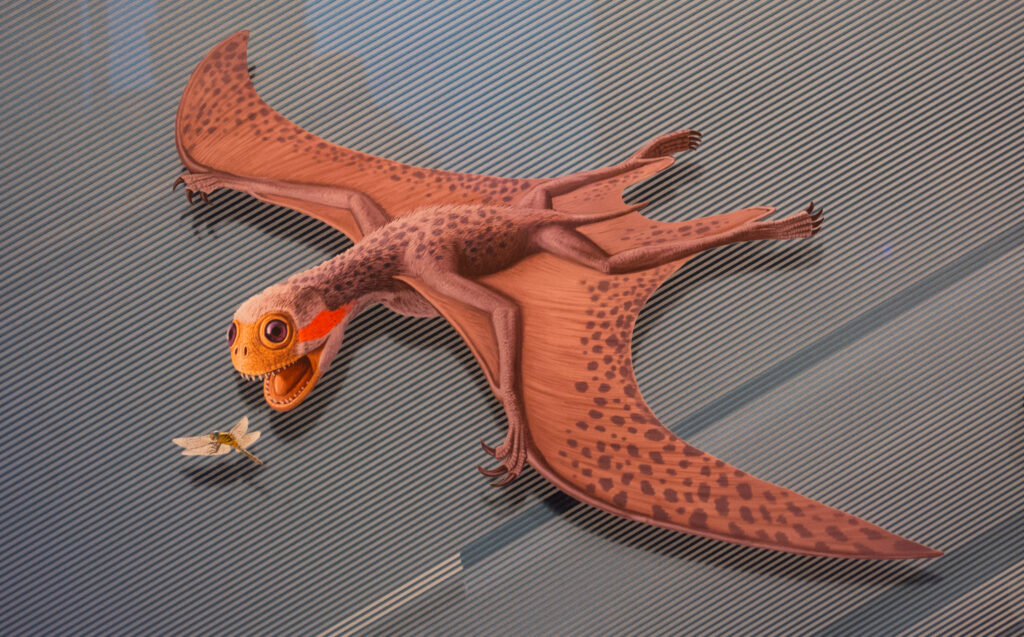
Pterosaurs, the flying reptiles that dominated Mesozoic skies, likely contributed unique vocalizations to the prehistoric soundscape. Anatomical studies suggest many pterosaur species possessed throat pouches and cranial crests that potentially served as resonating chambers for vocalizations. The elaborate head crests of pterosaurs like Pteranodon and Tapejara may have amplified calls, functioning similarly to the resonating chambers in modern birds and crocodilians. Analysis of pterosaur brain endocasts indicates well-developed hearing capabilities, suggesting vocalization played an important role in their social behavior. Their calls likely served various functions, including territory defense, mate attraction, and communication between parents and offspring in colonial nesting sites. Evidence from the distribution of pterosaur fossils indicates many species were highly social, gathering in large colonies for breeding, in environments that would have been filled with constant calling. While the specific sounds remain speculative, comparative studies with modern archosaurs suggest pterosaur vocalizations may have resembled a combination of crocodilian bellows and bird calls, creating distinctive sounds unlike anything in today’s skies.
The Crocodilian Chorus: Ancient Bellows and Hisses
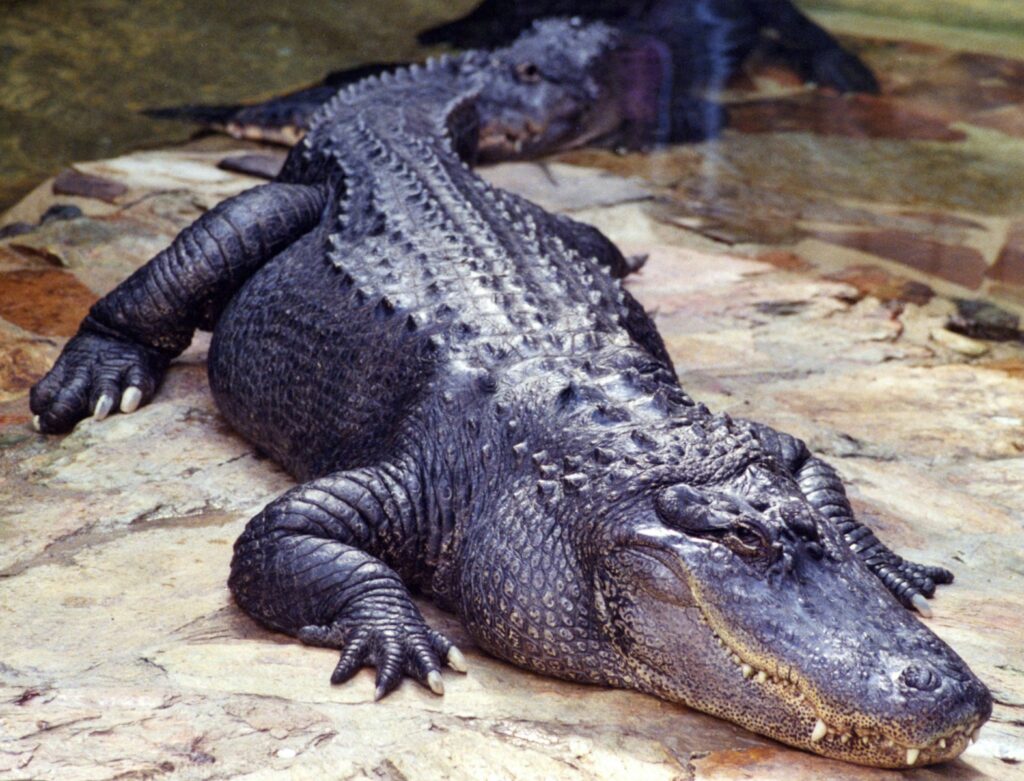
Crocodilians were already ancient by the time dinosaurs appeared, having evolved during the Triassic period, and their vocalizations likely formed a distinctive component of the Mesozoic soundscape. Modern crocodilians produce an array of sounds, including deep bellows, hisses, and growls that almost certainly have ancient origins. These sounds are generated without a mammalian-type larynx, instead utilizing specialized anatomical features that were likely present in their Mesozoic ancestors. Fossil evidence shows that many prehistoric crocodiliforms had similar throat and skull structures to modern species, suggesting comparable vocalization capabilities. The infamous “water boil” display seen in modern alligators—where infrasonic bellows vibrate the water around them—likely evolved early in crocodilian history and would have been common in Mesozoic wetlands. Nocturnal environments would have especially featured these sounds, as crocodilians called to establish territories and attract mates. The diversity of crocodiliform species during the Mesozoic was much greater than today, including fully terrestrial and even arboreal forms, suggesting their vocalizations would have been heard across a wider range of habitats than in the modern world.
The Sounds of Flora: Rustling Ferns and Emerging Flowers
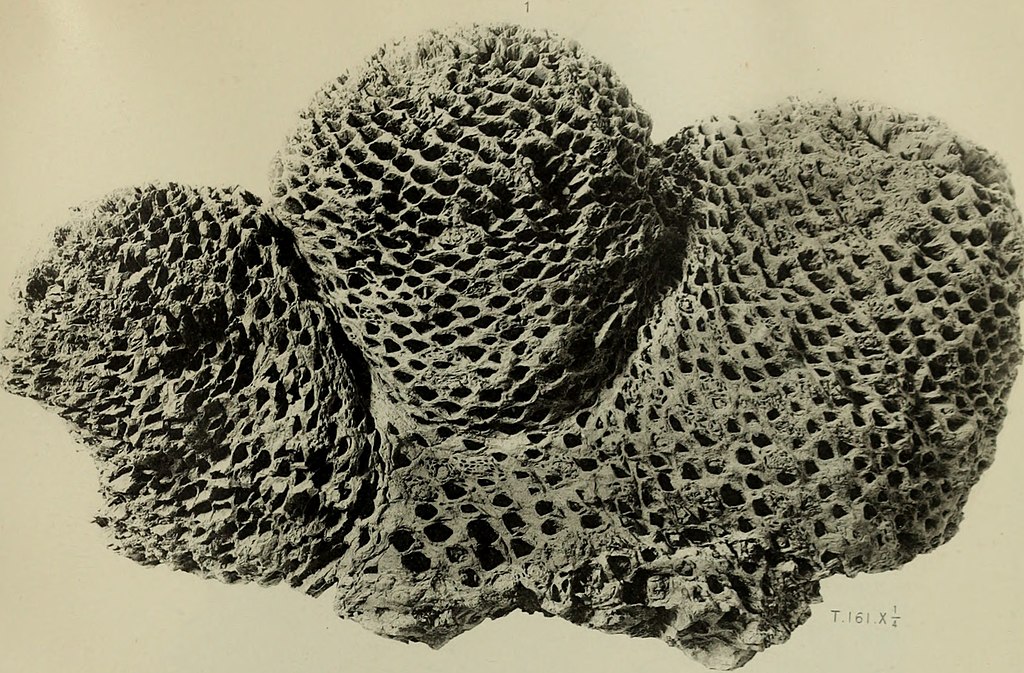
Plant life created its acoustic dimension within the Mesozoic soundscape through interaction with wind, rain, and animal movement. The early Mesozoic was dominated by gymnosperms like conifers, cycads, and ginkgoes, which produce distinctive sounds as wind moves through their rigid structures. The rustle of massive fern understories would have created a gentler background sound throughout forests and wetlands. The Cretaceous period saw the emergence and rapid diversification of angiosperms (flowering plants), introducing new acoustic textures as wind passed through their broader, more varied leaf structures. Falling pine cones and the movement of large, primitive seeds would have created percussive elements within the plant-based soundscape. The interaction between plants and rainfall would have produced distinctive sounds, particularly during the typically warm, wet climate that characterized much of the Mesozoic. While plants themselves produce no intentional sounds, their physical structures shape the acoustic environment by determining how environmental elements like wind and water create sound, forming a crucial backdrop against which animal vocalizations are heard.
The Evolution of Mammalian Sounds: From Whimpers to Roars

Early mammals existed throughout the entire Mesozoic Era but remained small and relatively inconspicuous compared to their dinosaur contemporaries. Despite their size limitations, these early mammals possessed true vocal cords—un, ike their reptilian neighbors, allowing them to produce sounds similar in mechanism (though not necessarily volume or complexity) to modern mammals. Fossil evidence of middle ear structures in Mesozoic mammals suggests they had acute hearing, particularly in the high-frequency range, indicating their vocalizations likely included high-pitched squeaks, chirps, and ultrasonic elements similar to modern rodents and small insectivores. These sounds would have formed a subtle but persistent acoustic layer, particularly noticeable at night when many early mammals were active. The small size of Mesozoic mammals restricted the volume of their vocalizations, forcing them to communicate over short distances—a limitation that likely influenced their social structures and territories. Their sounds would have been familiar to modern ears but relegated to a background acoustic niche, heard primarily in the undergrowth and during nighttime hours when the dominant dinosaurs were less active.
Acoustic Adaptations: How Mesozoic Animals Evolved to Hear Their World

The sound-receiving structures of Mesozoic animals reveal fascinating adaptations to their acoustic environment. Research on dinosaur skulls indicates variation in hearing capabilities across different groups, with some specialized for detecting particular frequency ranges. Tyrannosaurus rex, for instance, appears to have had specialized hearing for low-frequency sounds, potentially allowing it to detect the movements and vocalizations of other large dinosaurs over significant distances. Many herbivorous dinosaurs show ear adaptations suggesting sensitivity to a broader range of frequencies, likely an adaptation to detect approaching predators. The incredibly long cochlea of hadrosaurids (duck-billed dinosaurs) suggests highly developed hearing, potentially related to their complex social vocalizations. Flying animals like pterosaurs and early birds developed middle ear structures optimized for detecting airborne sounds, crucial for aerial navigation and communication. The convergent evolution of tympanic membranes (eardrums) across multiple lineages highlights the importance of sound perception in Mesozoic ecosystems. These varying adaptations created an intricate network of acoustic niches, where different animals evolved to produce and detect sounds within specific frequency ranges that minimized competition and interference with others sharing their environment.
Regional Variations: How Climate and Geography Shaped Mesozoic Soundscapes
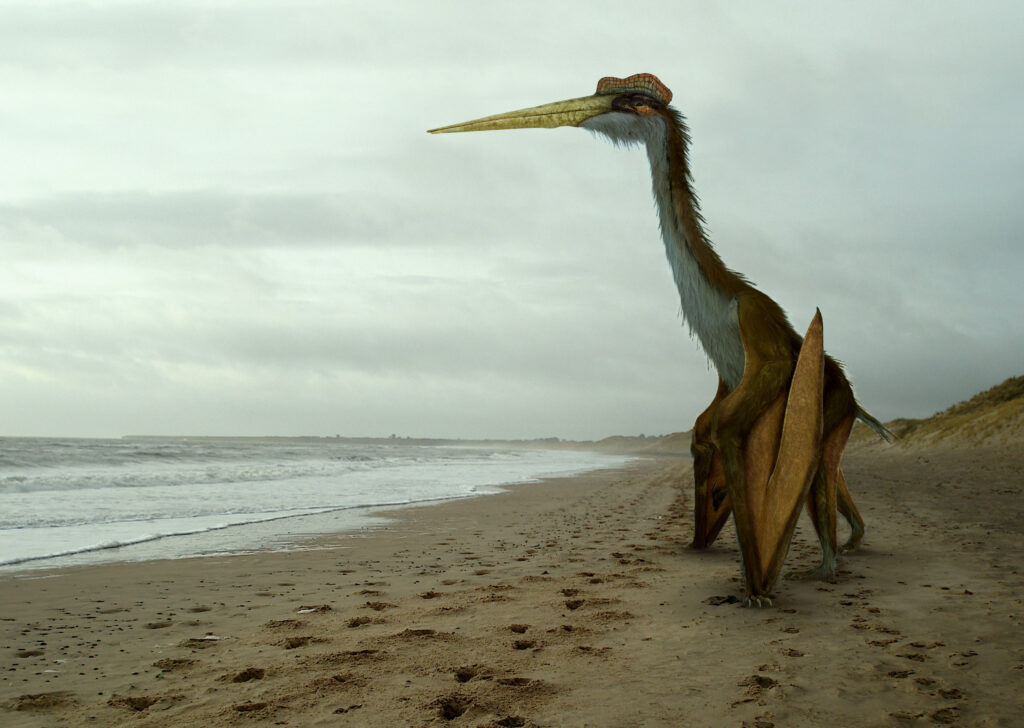
The Mesozoic Era witnessed dramatic shifts in global climate and geography that created distinctive regional acoustic environments. The breakup of the supercontinent Pangaea throughout the Mesozoic created increasingly isolated ecosystems with unique acoustic signatures based on their endemic species. Polar regions, which were warmer than today but still experienced extended periods of darkness, would have had seasonal sound patterns dramatically different from equatorial zones, with distinctive breeding calls and migratory choruses marking the changing light periods. Desert environments, expanding during drier periods of the Mesozoic, would have featured sparse but highly specialized acoustic communities, with sounds carrying farther in the open air and across hard surfaces. Island ecosystems, increasingly common as continents separated, developed isolated soundscapes with unique vocal evolutions comparable to the distinctive calls found on modern islands. Mountainous regions created by tectonic activity provided vertical zonation of sounds, with different acoustic communities at various elevations. The intense volcanic activity of certain Mesozoic periods would have periodically introduced dramatic soundscape disruptions—periods of eruptive noise followed by acoustic “dead zones” as local ecosystems recovered. These geographic variations meant that a global traveler during the Mesozoic would have encountered dramatically different soundscapes across different latitudes and environments.
The Great Silence: How the K-Pg Extinction Changed Earth’s Soundscape
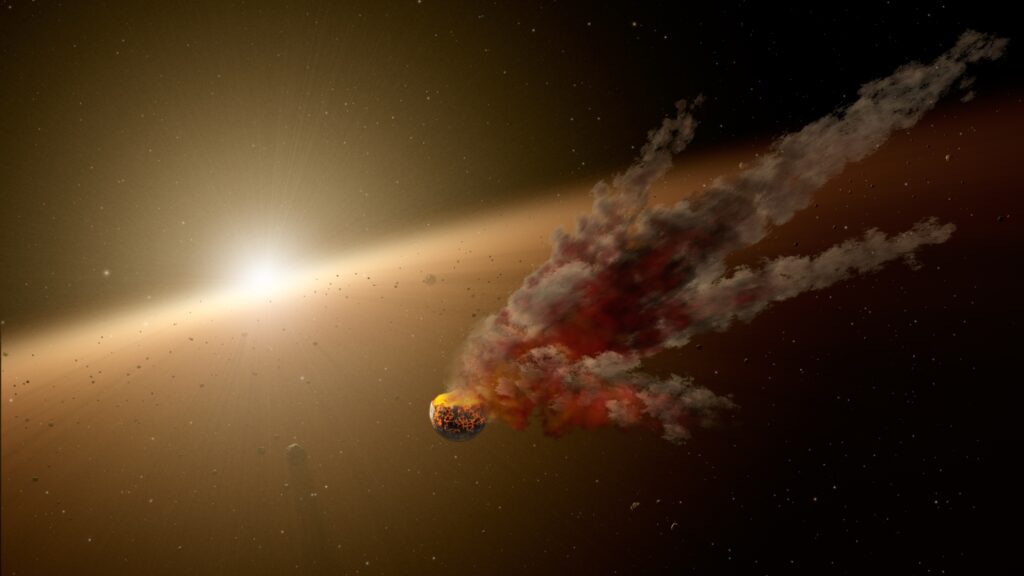
The catastrophic Cretaceous-Paleogene (K-Pg) extinction event approximately 66 million years ago not only eliminated roughly 75% of all species but also fundamentally transformed Earth’s acoustic environment. The immediate aftermath of the Chicxulub asteroid impact would have created a period of profound acoustic disruption—initially the deafening sound of the impact itself, followed by global wildfires, tsunamis, and intense storm systems that created a chaotic soundscape of geological and atmospheric violence. As dust and aerosols blocked sunlight in the following months, the resulting cold and darkness would have silenced many of the day-active species, creating an eerie acoustic emptiness unprecedented in the previous 186 million years of Mesozoic time. The permanent disappearance of non-avian dinosaurs eliminated their distinctive vocalizations and the seismic effects of large-bodied species. The subsequent Paleogene period featured a markedly different soundscape dominated by the calls of surviving birds, amphibians, insects, and the gradually diversifying mammals that began to fill ecological niches left vacant. This acoustic reorganization represents one of the most dramatic soundscapes transitions in Earth’s history, marking the definitive end of the Mesozoic acoustic environment and establishing the foundations for our modern world of sound.
Conclusion
The soundscape of the Mesozoic Era represents a fascinating intersection of paleontology, biology, and acoustics. While we can never hear these lost sounds directly, scientific approaches have provided increasingly sophisticated reconstructions of this vanished world. The Mesozoic soundscape was neither completely alien nor entirely familiar—a complex acoustic environment featuring elements recognizable to modern ears alongside sounds that have no contemporary equivalent. From the deep infrasonic calls of titanosaurs to the earliest bird songs, from the buzzing insect background to the distinctive calls of pterosaurs, these sounds reflected the incredible biodiversity of an era that shaped our planet for over 180 million years. As our understanding of ancient life continues to evolve through new fossil discoveries and analytical techniques, our acoustic reconstructions of the Mesozoic will likewise become more refined, allowing us to better imagine a world where the sounds of life were simultaneously recognizable yet hauntingly different from those that fill our ears today.