Sixty-six million years ago, Earth was a world teeming with life on a scale we can barely picture today. Giant creatures roamed lush floodplains, crested dinosaurs bellowed across river valleys, and predators the size of city buses stalked through ancient forests. It was, by almost any measure, a planet in full swing. The Age of Dinosaurs was not winding down. It was very much alive.
Most people imagine the last dinosaurs as tired, dwindling survivors already marching toward some inevitable end. Honestly, the fossil evidence tells a far more surprising story. What you might not expect is just how rich, complex, and vibrant their world really was right up to the moment everything changed. Let’s dive in.
A World Still Thriving: Were the Dinosaurs in Decline?
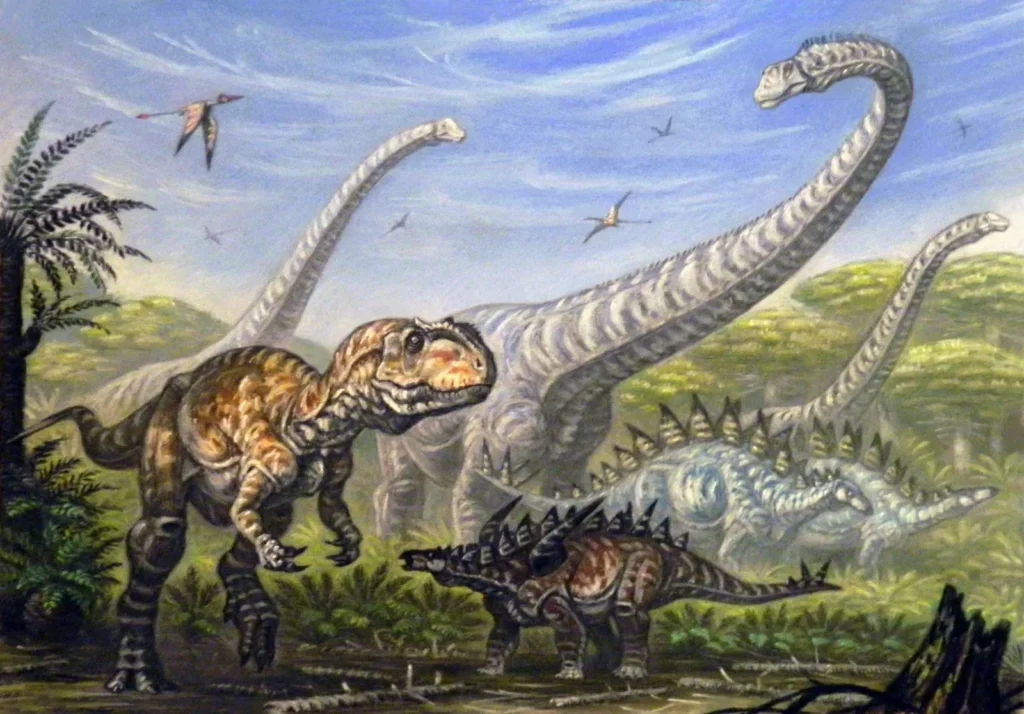
Here’s the thing – for decades, paleontologists debated whether dinosaurs were already fading before the asteroid hit. You’d be forgiven for assuming they were. But recent research flips that assumption on its head. Fresh insights into the habitats and food types that supported the dinosaurs suggest their environments were robust and thriving until the fateful day at the end of the Cretaceous period, and the findings provide the strongest evidence yet that the dinosaurs were struck down in their prime and were not in decline at the time the asteroid hit.
Fossils of crested hadrosaurs, long-necked sauropods, and a variety of plants all point to a flourishing ecosystem, and new dating of the rocks reveals this thriving scene existed not long before an asteroid slammed into Earth 66 million years ago. The analysis bolsters evidence that dinosaurs weren’t necessarily on a slow march to extinction before the asteroid dealt the final blow. Think of it like a game that gets cut short, not because the players are exhausted, but because the stadium collapses around them.
The Giant Neighbors: Who Was Sharing the Cretaceous World?
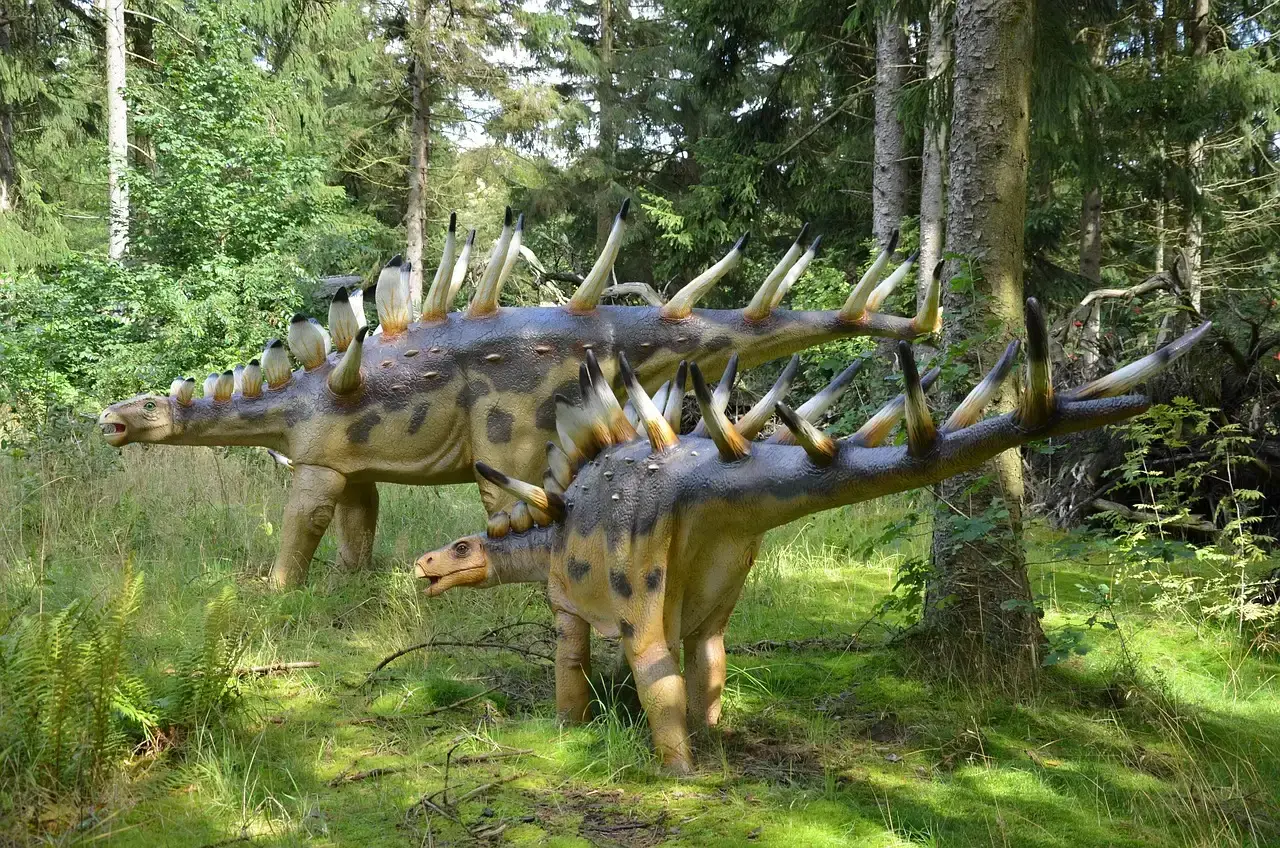
The late Maastrichtian rocks contain the largest members of several major clades: Tyrannosaurus, Ankylosaurus, Pachycephalosaurus, Triceratops, and Torosaurus, which suggests food was plentiful immediately prior to the extinction. You would have shared your landscape with animals so enormous they make modern elephants look modest. The largest dinosaur to wander Cretaceous New Mexico, Alamosaurus, could exceed 80 feet in length and weigh more than 30 tons, and it marked the return of large sauropod dinosaurs to western North America from titanosaur ancestors that lived further to the south.
Dinosaurs were the dominant group of land animals, especially “duck-billed” dinosaurs known as hadrosaurs, such as Shantungosaurus, and horned forms such as Triceratops. Giant marine reptiles such as ichthyosaurs, mosasaurs, and plesiosaurs were common in the seas, and flying reptiles dominated the sky. The sheer variety of creatures sharing the planet during this period was staggering. It was a world with depth and complexity in every ecosystem, on land, in the skies, and beneath the waves.
Eating Like a Dinosaur: What and How They Fed
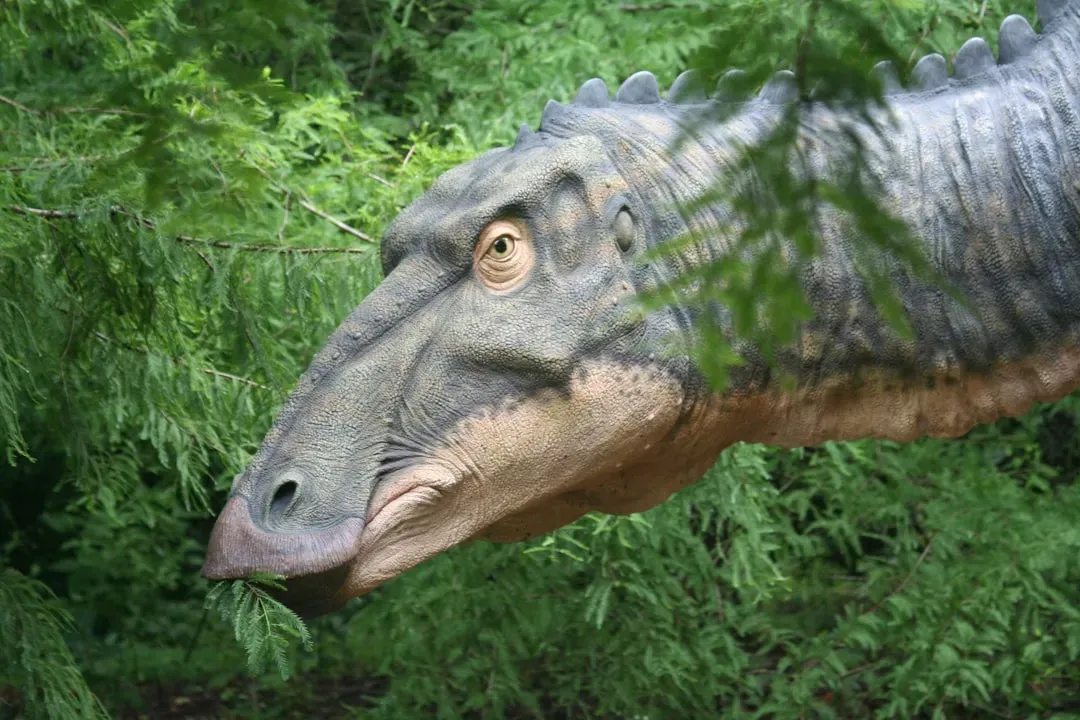
At the end of the Cretaceous, the duck-billed hadrosaurs were the most advanced herbivores on Earth. New research has revealed just how voracious these dinosaurs were, with their average tooth worn away in less than two months as they consumed enormous amounts of plants. That’s a remarkable design – teeth wearing down faster than a pencil eraser, with hundreds more waiting in reserve behind them. Until the Late Cretaceous, horsetails, ferns, and conifers would have been much more common for dinosaurs looking for something to eat.
Giant sauropods would have stripped cellulose-rich leaves off conifers and these may have taken a long time to process in their digestive systems. They might have also eaten the cones from these trees. Meanwhile, herbivorous dinosaurs might also have been ecosystem engineers, meaning they changed the places where they lived through their behavior. When these dinosaurs ate plant seeds, they may have passed through their guts and out in their droppings, which helped to spread the seeds across the animal’s habitat as they moved around. In other words, you can thank dinosaur dung for shaping ancient forests.
Regional Communities: Not One World, But Many
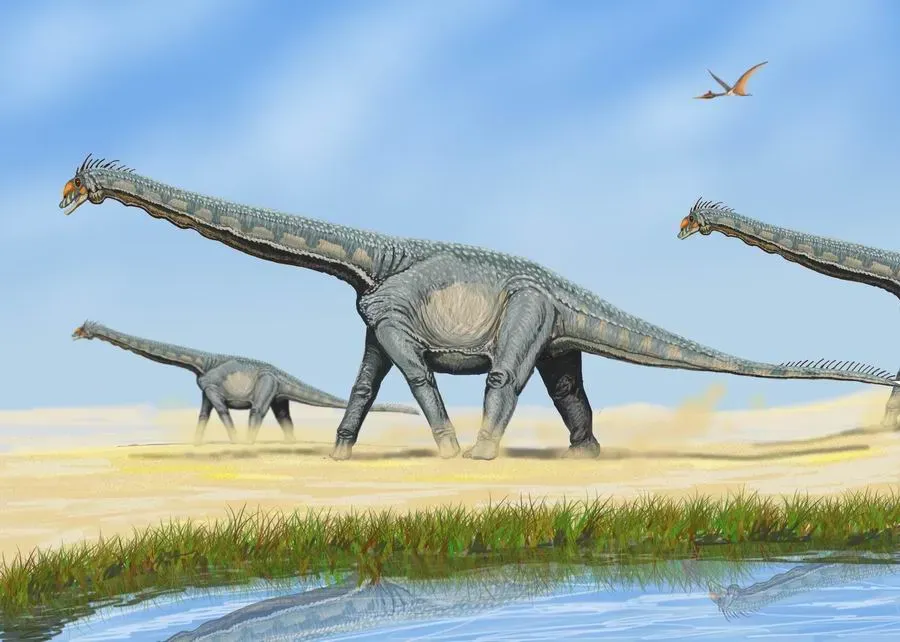
One of the most fascinating revelations from recent science is that dinosaur life wasn’t uniform across the planet. The team’s findings add to a growing body of evidence that ancient life formed regional communities of different species rather than a single dinosaur community spanning the whole continent. The main feature that divided the northern and southern dinosaur communities was temperature. It’s a bit like how tropical rainforests and arctic tundra today support radically different wildlife, despite being on the same planet.
The dominant herbivore in New Mexico was the sauropod Alamosaurus. A type of crested duck-billed hadrosaur called lambeosaurine was also present. In contrast, Hell Creek had hadrosaurs without crests and lacked Alamosauruses altogether. Flynn says the sauropods were likely sensitive to colder temperatures, suggesting climate played a big role in determining which animals lived where, not just geography. I think that regional variety is genuinely underappreciated – it makes the Late Cretaceous feel more like our modern world than most people realize.
A Sky Full of Change: The Plants and Insects Around Them
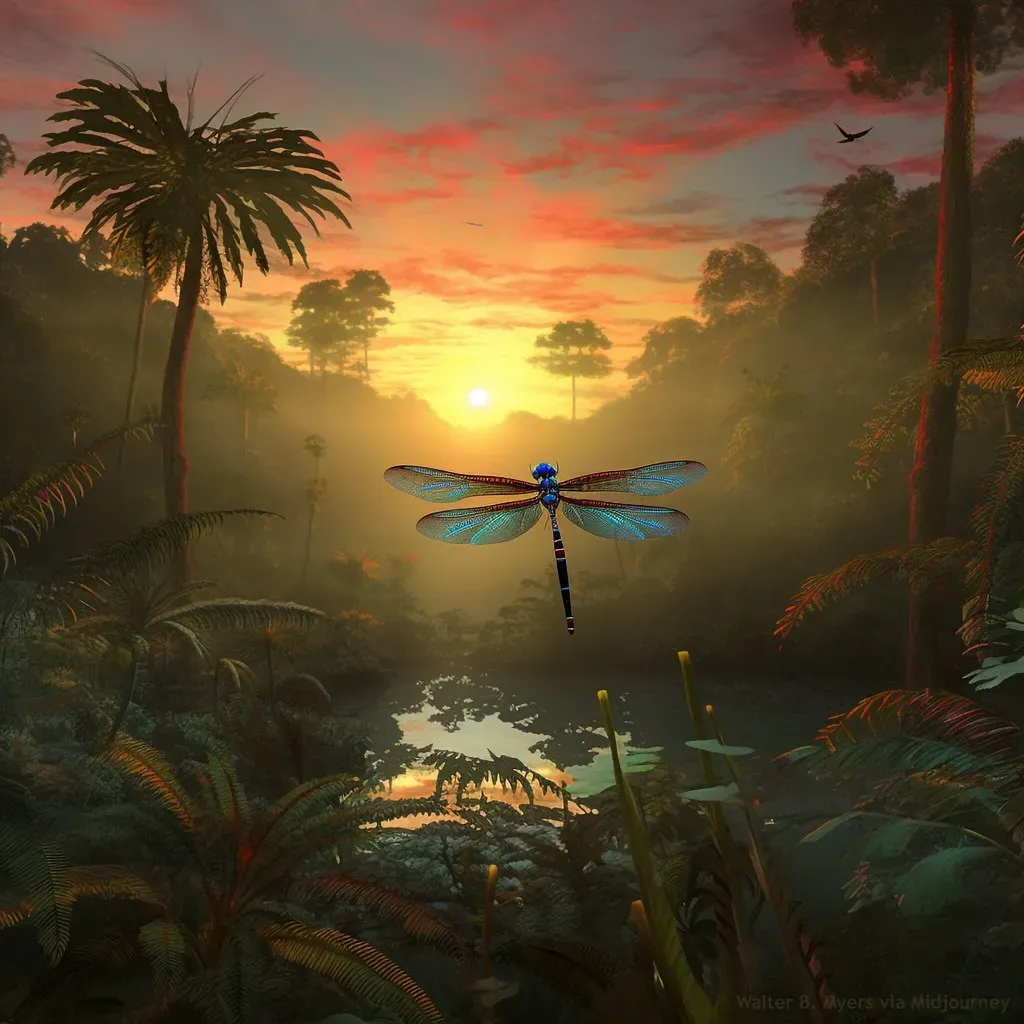
During the Early Cretaceous, flowering plants appeared and began to rapidly diversify, becoming the dominant group of plants across the Earth by the end of the Cretaceous, coincident with the decline and extinction of previously widespread gymnosperm groups. The world the last dinosaurs walked through was being quietly redecorated by flowering plants, buzzing with new insects and alive with the earliest ancestors of animals you’d recognize today. At about the same time, many modern groups of insects were beginning to diversify, and the oldest known ants and butterflies appeared. Aphids, grasshoppers, and gall wasps appeared in the Cretaceous, as well as termites and ants in the later part of the period. Another important insect to evolve was the eusocial bee, which was integral to the ecology and evolution of flowering plants.
Paleontologists have long known that many small mammals lived alongside the dinosaurs. This research reveals that these mammals were diversifying their diets, adapting to their environments, and becoming more important components of ecosystems as the Cretaceous unfolded. Meanwhile, the dinosaurs were entrenched in stable ecological niches to which they were supremely well adapted. Ironically, that very stability may have been a vulnerability hiding in plain sight.
The Warning Signs: Volcanoes, Climate, and a World Under Stress
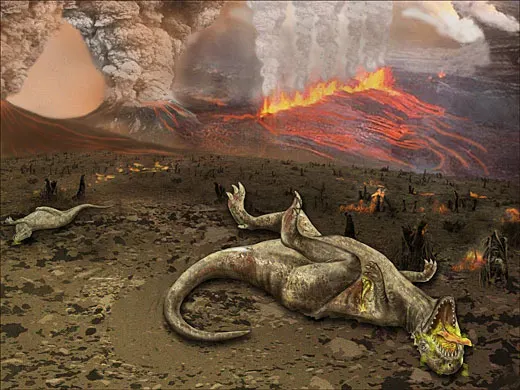
In what is now central India, there was substantial volcanic activity that, although unrelated to the asteroid impact, was causing problems of its own. The resulting lava outcrop is now known as the Deccan Traps. Imagine living on a planet where, in addition to your daily routine, enormous volcanoes are silently rewriting the chemistry of your atmosphere. The release of volcanic gases, particularly sulfur dioxide, during the formation of the Deccan Traps may have contributed to climate change, and an average drop in temperature of about 2°C was recorded during this period.
The Deccan Traps had been erupting for roughly 300,000 years before the Chicxulub asteroid. During their nearly 1 million years of eruptions, the Traps are estimated to have pumped up to 10.4 trillion tons of carbon dioxide and 9.3 trillion tons of sulfur into the atmosphere. That is a staggering number. Yet the dinosaurs adapted, endured, and continued thriving. The results of one key study suggest that dinosaurs as a whole were adaptable animals, capable of coping with the environmental changes and climatic fluctuations that happened during the last few million years of the Late Cretaceous. The dinosaurs were not broken by the volcanism. What came next was something else entirely.
Conclusion: Struck Down in Their Prime
The picture painted by science today is not one of a dynasty in slow collapse. These location-based differences in fauna help back up the idea that dinosaurs were part of complex, fully functioning ecosystems that could have continued longer if the asteroid hadn’t interrupted them. You were looking at a world that had every reason to keep going. Diverse, adaptive, regionally rich, and ecologically complex.
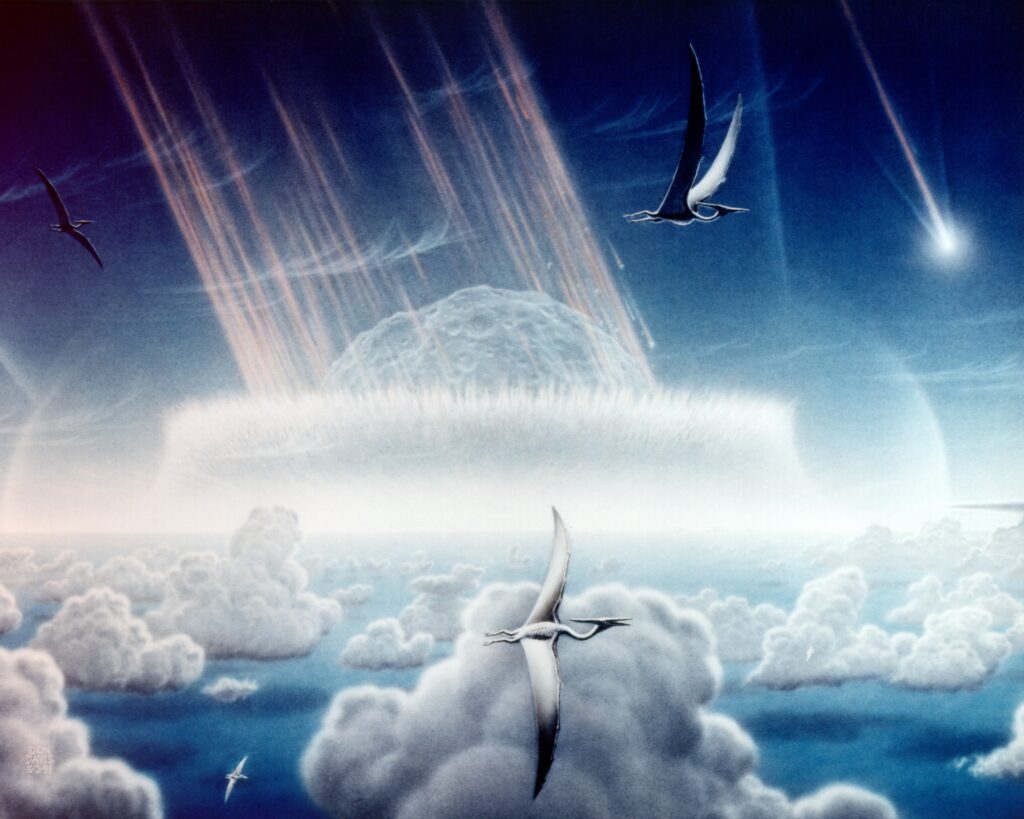
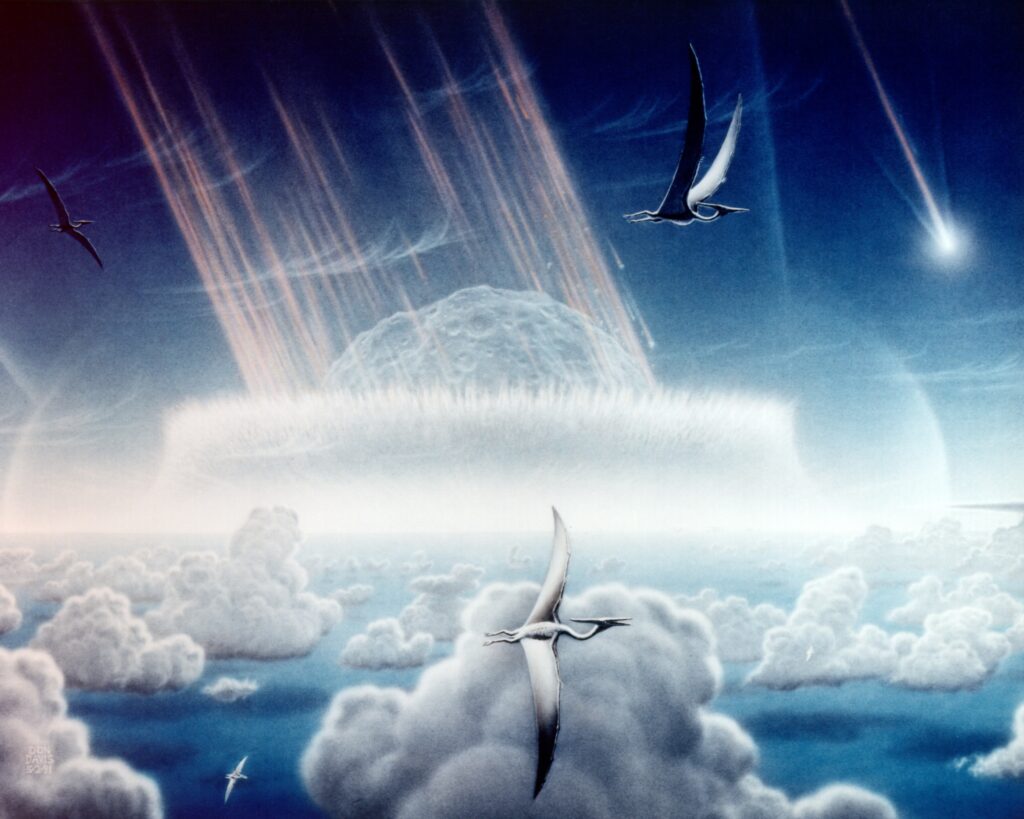
It seems that the stable ecology of the last dinosaurs actually hindered their survival in the wake of the asteroid impact, which abruptly changed the ecological rules of the time. Conversely, some birds, mammals, crocodilians, and turtles had previously been better adapted to unstable and rapid shifts in their environments, which might have made them better able to survive when things suddenly went bad. The lesson is almost poetic, really. Being perfectly suited to your world can be a weakness the moment that world suddenly disappears. The last dinosaurs were not failures. They were just unlucky inhabitants of a world that changed faster than anything living could adapt to.
What do you think would have happened if the asteroid had missed? Would dinosaurs still walk the Earth today? Share your thoughts in the comments.