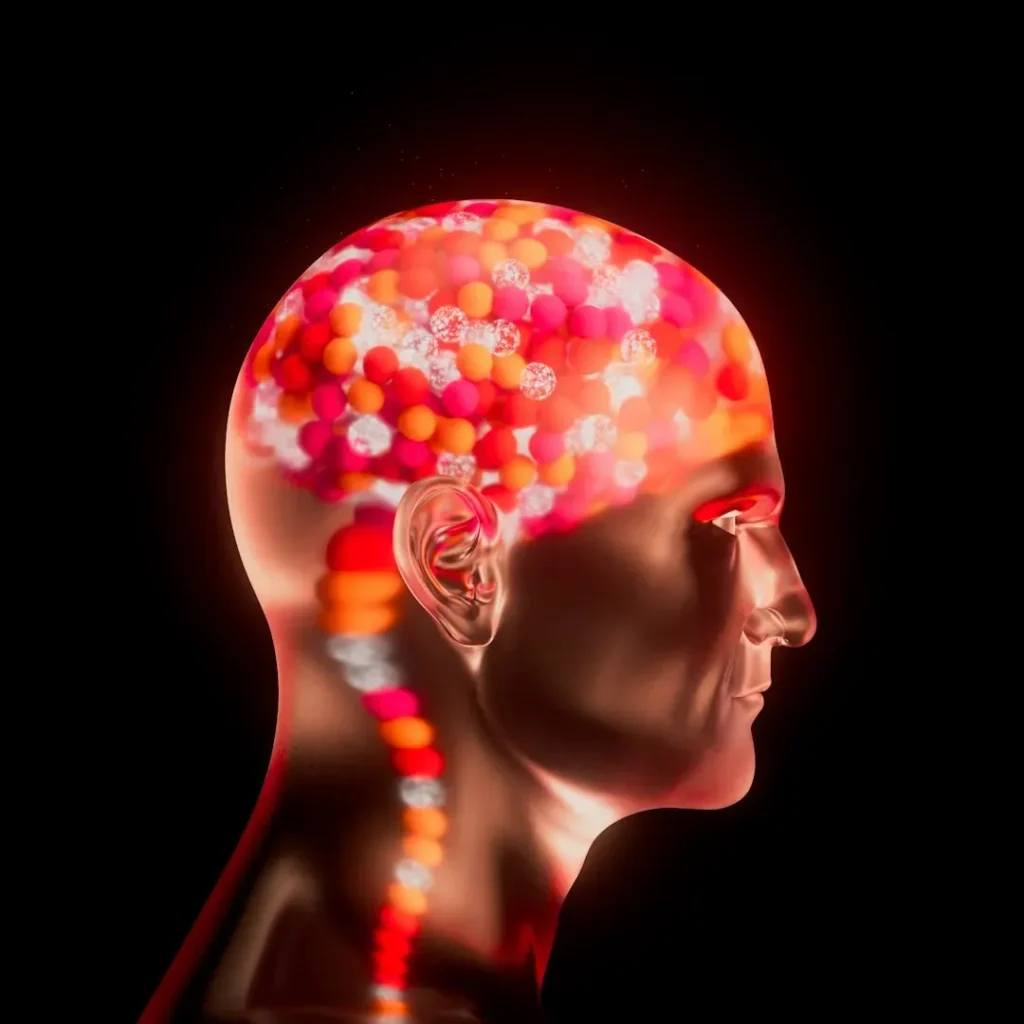
When you ask yourself when consciousness began, you are really asking when a lump of matter first started having an inner life. That is a staggering thought: at some point in deep time, the universe went from being quiet on the inside to containing feelings, pains, colors, and thoughts. You live inside that long story, even if most of it took place hundreds of millions of years before your species appeared.
Scientists have not pinned down a single moment when consciousness switched on, and they probably never will. Instead, you have a trail of clues in fossils, nervous systems, and behavior that let you sketch an outline. If you follow that trail carefully, you start to see consciousness not as a sudden miracle, but as a gradual unfolding of awareness, stitched together out of .
The First Glimmers: From Reflexes to Feelings
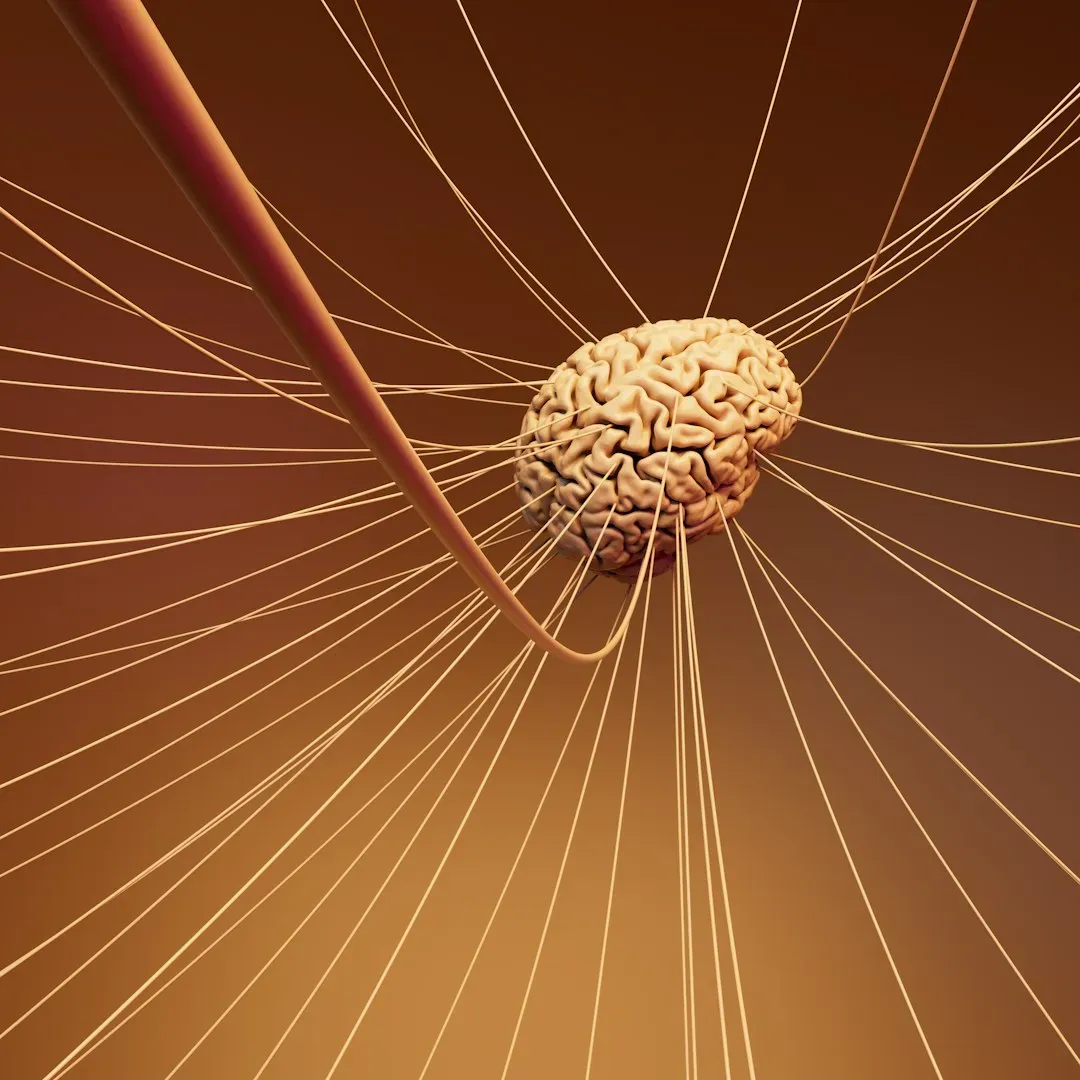
Imagine a world of simple creatures that only react, like tiny biological machines: light hits them, they move; chemicals float by, they turn. At first glance, you might think there is nothing it is like to be them, only automatic reflexes. Yet somewhere between a bare stimulus-response loop and your rich inner life, there has to be a first faint sense of “something happening,” the spark of experience instead of pure machinery.
You can already see the building blocks in the most basic animals with nervous systems, such as tiny jellyfish relatives and comb jellies, which coordinate their bodies using simple nerve nets. These networks integrate signals from different parts of the body and environment, producing something more flexible than a single switch. That extra flexibility is your first hint that processing might be moving from pure reaction toward a very low-level kind of feeling, even if it is still unimaginably simple compared to your own awareness.
Ancient Nerve Nets: Did Jellyfish Feel Anything?
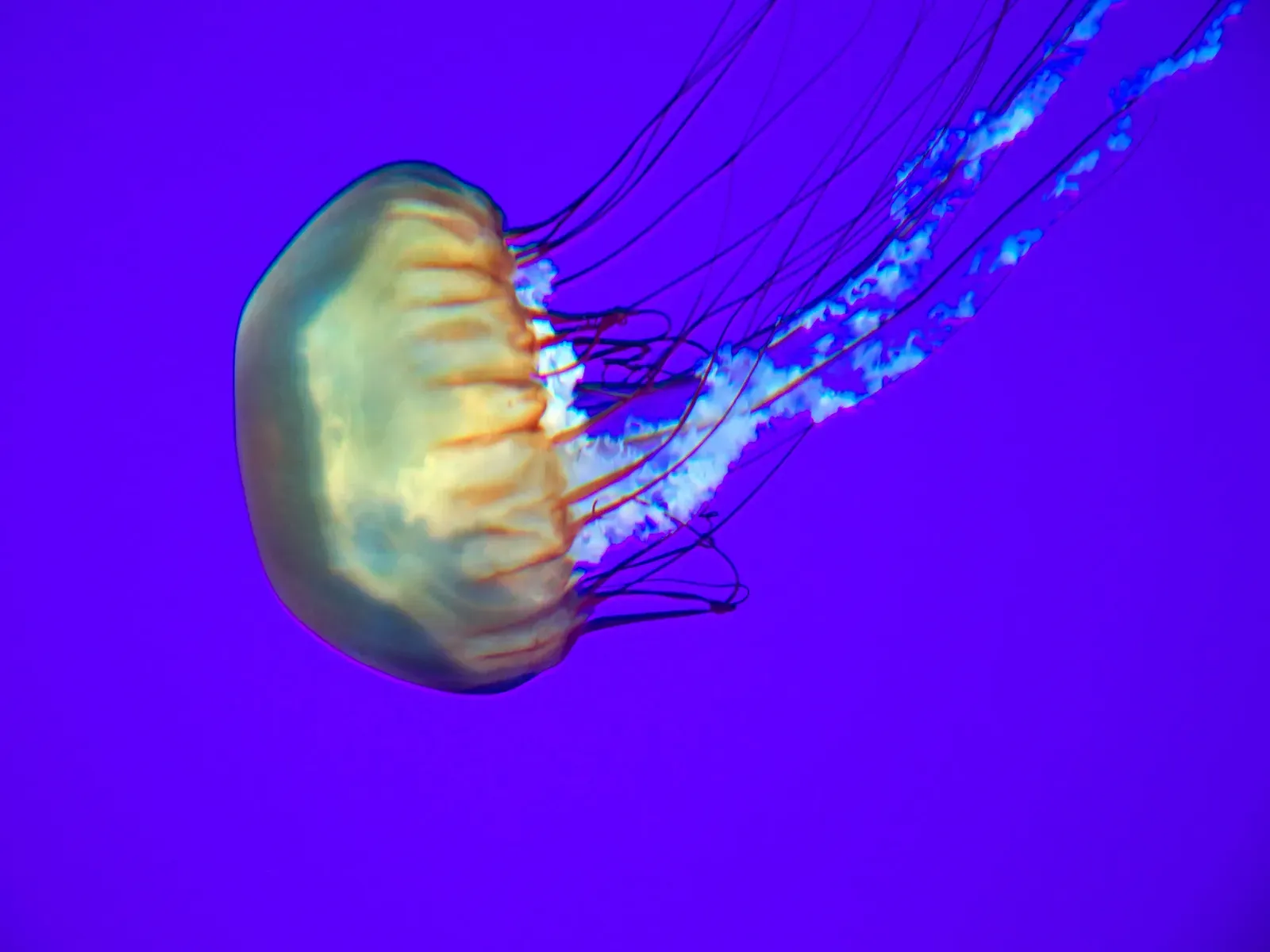
When you look at jellyfish, sea anemones, and their cousins, you are seeing some of the earliest-style nervous systems on Earth. They do not have a central brain; instead, they rely on diffuse nerve nets spread through their bodies. These networks can coordinate swimming, stinging, and feeding, and they let the animal respond in more than one rigid way. You might think of them as a living web of wires rather than a command center.
Whether that web supports real consciousness is still an open question. You could argue that a jellyfish might have vague sensations of light, pressure, or internal states, because it integrates signals and modulates its actions. But you can also see how minimal those capacities are compared to animals that actively explore the world, learn quickly, and form memories over years. If consciousness exists here at all, you are probably looking at its dimmest twilight, not the bright daylight of human-like awareness.
The Cambrian Explosion: Brains, Eyes, and Predators

About half a billion years ago, during the Cambrian period, animal life on Earth changed in a way that directly matters for your question. You suddenly see fossils of animals with complex eyes, jointed limbs, and armor plates. This is the era when predators and prey arms races seem to have taken off, pushing nervous systems to become faster, smarter, and more coordinated. When an animal hunts and another flees, simple reflexes start to look dangerously inadequate.
With eyes that can form images and bodies that can move in many different ways, these Cambrian animals likely needed internal maps of their surroundings, predictions about where prey or danger would move, and quick decisions under uncertainty. That kind of internal modeling is a prime candidate for supporting some form of conscious experience. You still cannot point to a specific fossil and say it definitely had an inner world, but you can reasonably guess that by this point, some animals were not just reacting; they were experiencing.
Fish Minds and the Rise of the Vertebrate Brain
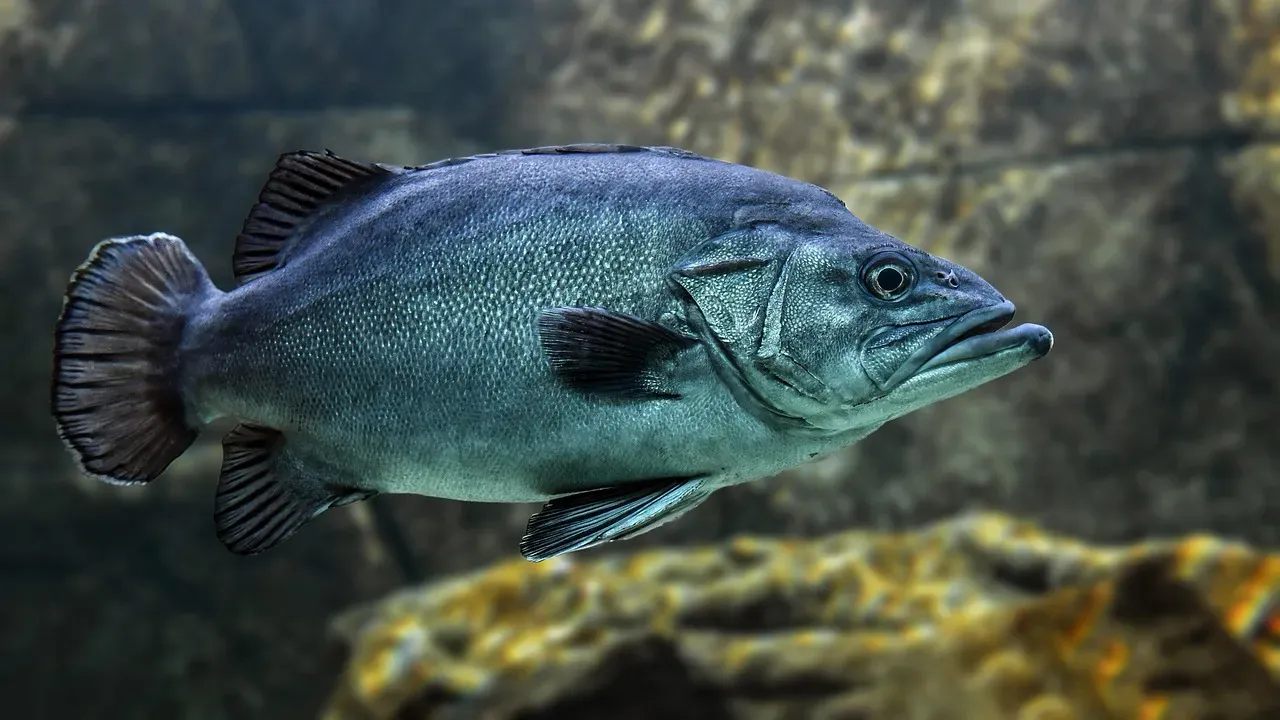
As vertebrates evolved, you get clearer evidence that nervous systems were becoming more like the ones you recognize today. Early jawed fishes developed more structured brains, with regions for processing sensory input, coordinating movement, and learning from experience. You can see living descendants of these ancient designs in today’s sharks, rays, and bony fish, many of which show flexible learning and complex social behavior. That suggests more than just hard-wired reactions.
When a fish can learn to navigate a maze, remember safe and dangerous places, and change its strategies, you are watching a brain capable of building and updating a model of the world. Some modern fish appear to recognize individuals, cooperate in hunts, and even show signs of emotional states like stress and relief. From your perspective, those are strong hints that conscious experience – at least in a minimal, fish-like form – was probably already present in their ancestors hundreds of millions of years ago.
Insect Brains and the Puzzle of Tiny Consciousness
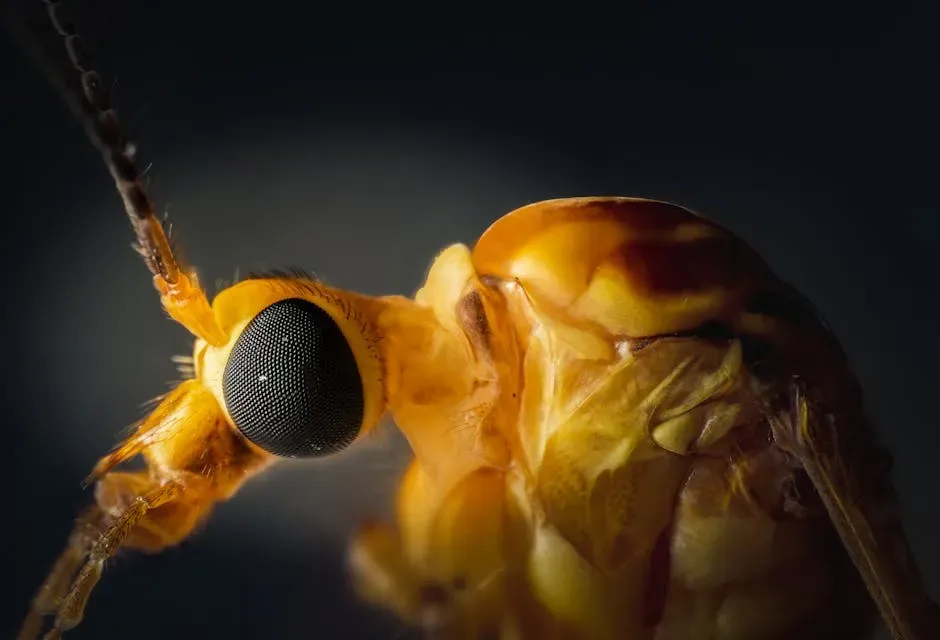
Insects add a fascinating twist to your story of early minds. Their brains are tiny compared to yours, yet many insects do remarkably sophisticated things: honeybees navigate long distances and communicate locations, ants farm fungi and wage organized wars, and some wasps solve simple problems and learn from experience. Their central brains and mushroom bodies integrate visual, smell, and spatial information in ways that echo larger animals, just on a miniature scale.
Because insects diverged from your lineage so long ago, their minds – if they have them – would represent a separate path toward consciousness. You can easily picture a bee having at least some simple experience of color, direction, and reward when it flies from flower to flower. At the same time, the small size and different architecture of insect brains keep the debate open. You are left with an intriguing possibility: consciousness might have appeared more than once in evolution, in different flavors and intensities.
Birds, Reptiles, and the Non-Mammal Route to Awareness
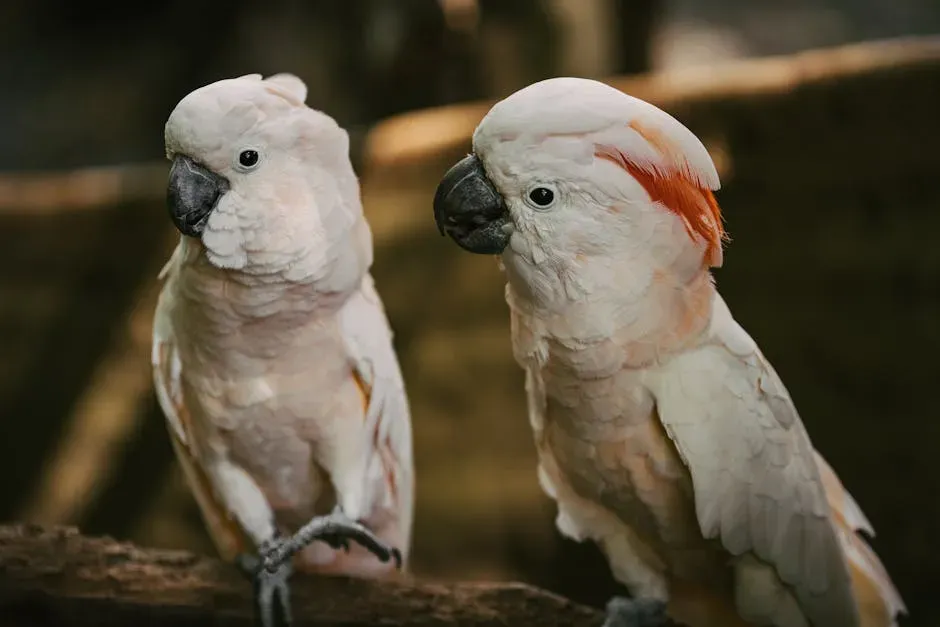
If you look at birds and reptiles, you might expect them to be less impressive than mammals, because their brains are structured differently and often smaller relative to body size. But birds, especially crows and parrots, repeatedly surprise you. They make tools, plan ahead, recognize individuals, and seem to understand cause-and-effect in some situations. Their brains do not have the same layered cortex as mammals, yet they pack neurons densely and use alternative circuits that support sophisticated cognition.
Reptiles, traditionally seen as slow and simple, are also being reconsidered. Some lizards and turtles can navigate mazes, remember locations, and even learn socially by watching others. These abilities hint that a flexible, feeling mind may not require a particular mammal-style brain layout. Instead, what seems to matter is the capacity to integrate information across senses, track time, learn from the past, and simulate possible actions – abilities that likely stretch deep into your distant reptile and bird-like ancestors.
Mammals and the Deep Roots of Human-Like Experience
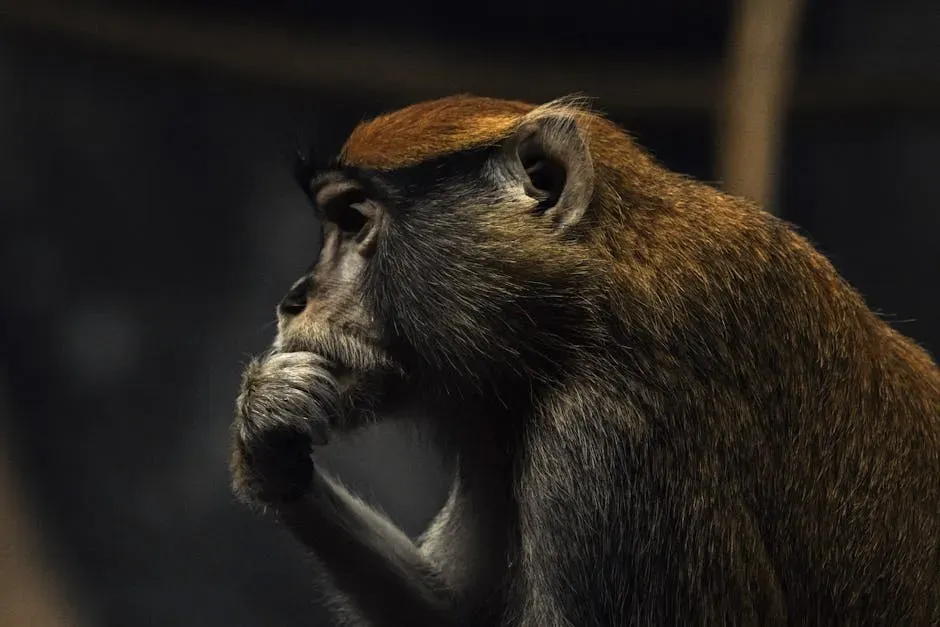
When you shift your focus to mammals, the evidence for consciousness becomes even harder to ignore. Many mammals show complex emotions, long-term social bonds, playfulness, and clear responses that look very much like joy, fear, curiosity, and grief. Their brains include structures like the cortex and thalamus that in you are strongly tied to conscious experience. This continuity makes it hard to draw a sharp line where animals below are mere automatons and mammals above suddenly light up inside.
If you accept that dogs, elephants, dolphins, and many others likely have some form of inner life, then you are implicitly placing the roots of that experience far back in mammalian evolution. You are talking about more than two hundred million years of history. The early mammal-like creatures that skulked in the shadows of dinosaurs probably had at least modest forms of pain, fear, and basic perception. From that ancient baseline, consciousness seems to have been refined and expanded, not created from scratch.
Why You May Never Get a Single “Start Date”
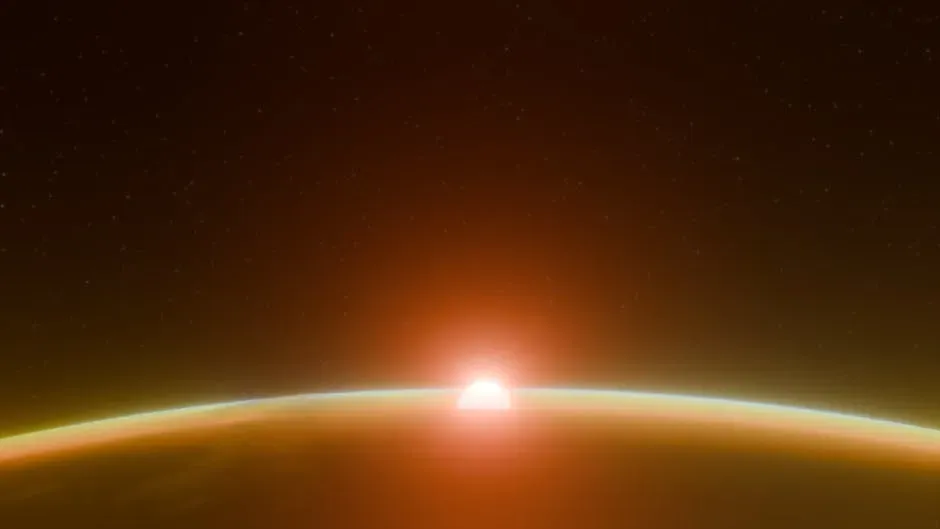
At this point, you might feel tempted to ask for a specific time on the evolutionary timeline when consciousness began, like a switch being flipped. The problem is that consciousness does not behave like that. It is more like a sunrise than a light bulb, with a long slow brightening where you cannot point to the exact second when night became day. Nervous systems grew more complex, behavior became more flexible, and inner models of the world became richer, step by step.
Because you can never travel back to watch the inner experience of an ancient fish or worm, you are forced to infer from anatomy, behavior, and evolutionary continuity. Those clues tell you that consciousness likely emerged gradually, perhaps first as a faint feeling of bodily states and simple sensations, then as richer perceptions and emotions, and eventually as self-aware thought. Instead of one clear birthday for consciousness, you are left with a long, branching story in which many creatures along the way probably had their own versions of being someone rather than something.
Conclusion: Living in a Very Old Stream of Mind
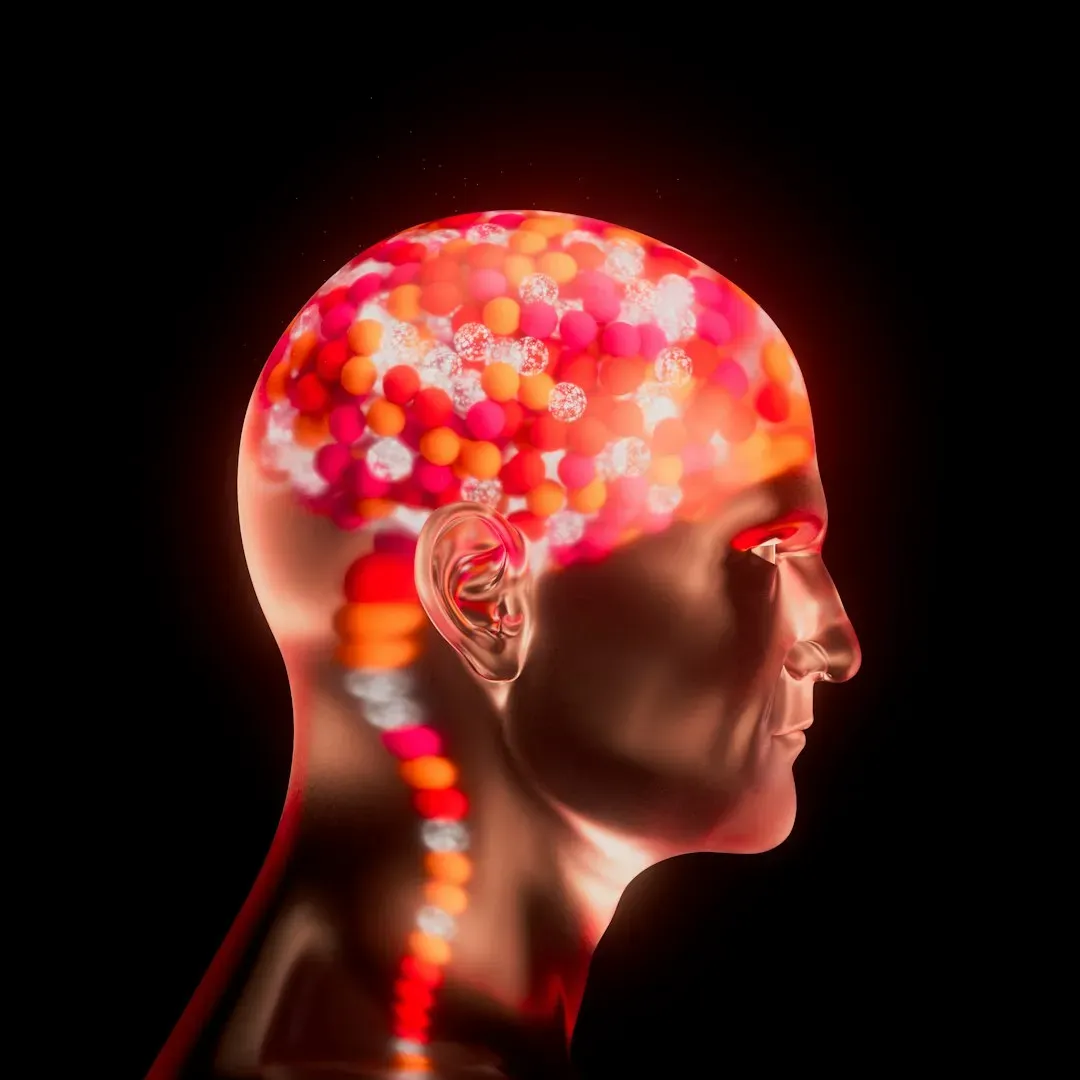
When you wonder when consciousness began, you are really dipping your hand into a deep river that started flowing long before humans appeared. Ancient nerve nets, Cambrian hunters, early fish, insects, reptiles, birds, and mammals all represent different experiments in turning matter into minds. Although you cannot mark a precise starting line, the weight of evidence suggests that some recognizable form of experience has been around for hundreds of millions of years, in countless small, flickering minds.
Your own awareness, with its memories, worries, and daydreams, is just the latest twist in that river rather than something wholly new. Every time you watch a bird solve a problem or a dog respond with affection, you are seeing echoes of that shared, ancient history. Maybe the most humbling realization is this: you are not standing above the rest of life, but participating in a vast, ongoing experiment in feeling and knowing. When you look at other creatures now, can you really be sure how far back the light inside them goes?