You probably take your consciousness so much for granted that you rarely stop to ask when it actually began. Not your own, but the kind of awareness that lets you imagine tomorrow, remember yesterday, and silently talk to yourself about both. That inner movie running in your head feels obvious, yet when you zoom out across millions of years of evolution, it suddenly becomes a mystery: at what point did those inner lights turn on for our ancestors?
The uncomfortable truth is that no scientist can tell you the exact moment when human consciousness appeared, like a date on a calendar. What you can do, though, is follow the clues left in fossils, stone tools, brain anatomy, genetics, and even cave art to narrow down the story. As you walk through that story, you start to see that consciousness is probably not a magic switch that flipped on one day, but more like a dimmer slowly turning up, generation after generation, until you get to something that feels a lot like your mind today.
The Deep Evolutionary Roots Of Your Aware Mind

If you want to understand when consciousness first appeared , you have to start long before humans existed. Your brain did not pop out of nowhere; it is the latest version of a design that has been under construction for hundreds of millions of years. Even simple animals like insects and fish show signs of basic awareness: they navigate, learn from experience, and change their behavior in ways that hint at some primitive inner life. You sit at the tip of that long evolutionary branch, not outside it.
As you move forward along that branch, you see animals with bigger brains and richer behavior: birds that cache food and remember where they hid it, mammals that form social alliances and grieve, apes that recognize themselves in mirrors and plan ahead. By the time you reach early hominins – your distant human-like ancestors – nature has already been layering memory, emotion, and decision-making systems for ages. Consciousness likely grew out of these older building blocks, not as a sudden miracle, but as an upgraded version of abilities many other creatures already partly share with you.
From Apes To Hominins: When Brains Started To Scale Up
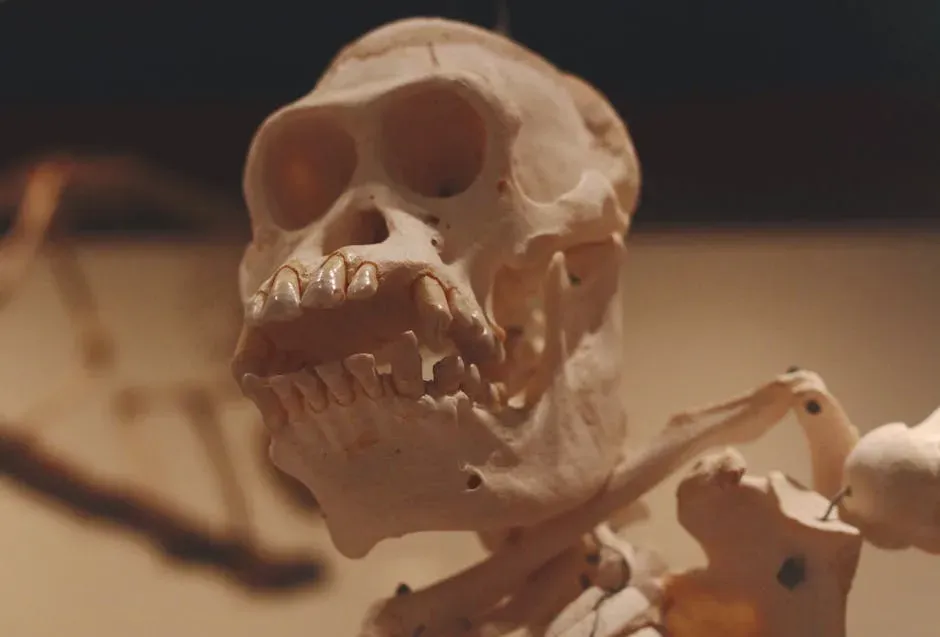
To get closer to the human line, you look at the split between your ancestors and those of chimpanzees several million years ago. Early hominins like Australopithecus had brains only a bit larger than modern apes, yet they were already walking upright, navigating open landscapes, and likely coordinating socially in more complex groups. You can imagine that kind of life demanding sharper awareness of threats, allies, and opportunities, nudging the brain to become more flexible and anticipatory over many generations.
As brain size began to increase across later hominin species, especially in the genus Homo, you see more evidence of advanced planning in the archaeological record. Simple stone tools give way to more refined designs that require steps in a sequence and the ability to hold a goal in mind long enough to shape it in stone. That kind of goal-directed, multi-step behavior is exactly the kind of thing your own conscious thinking is good at, and it suggests that the mental stage on which your thoughts play out was already being built in those early humans.
The Big-Brain Shift: Homo Erectus And Early Human Minds
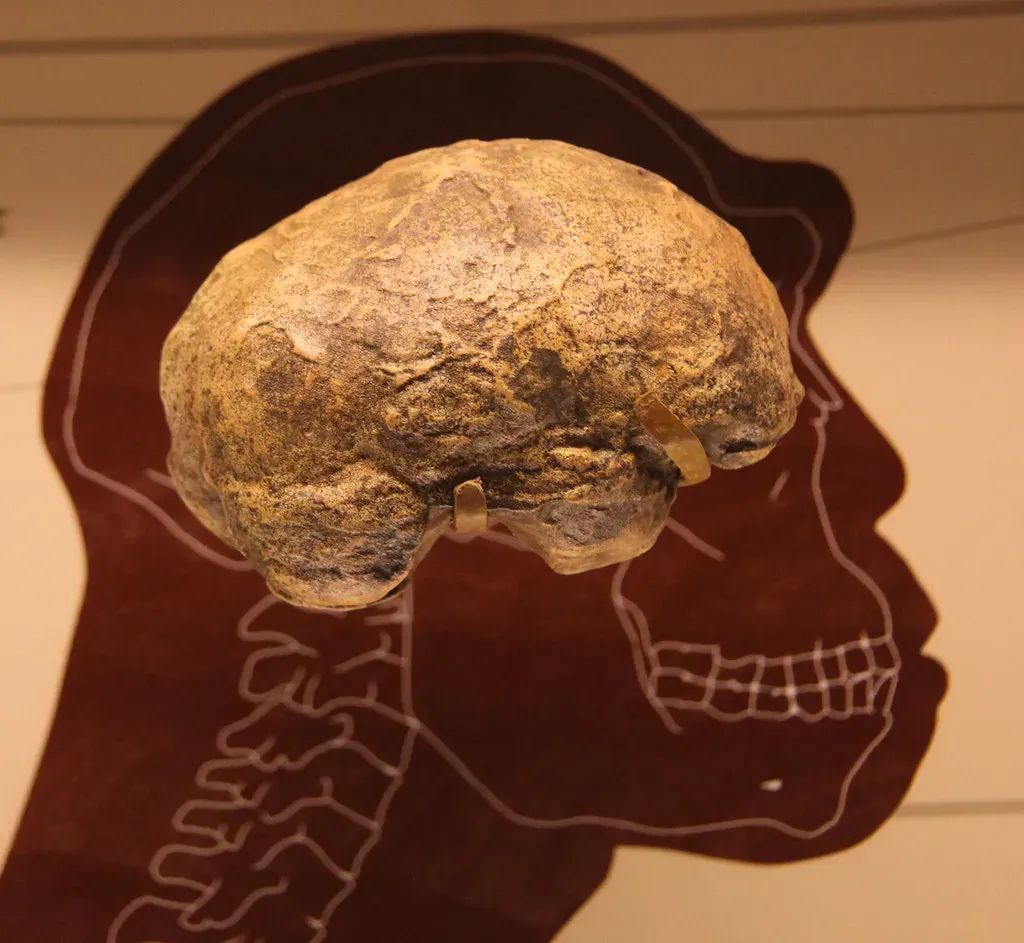
When you arrive at Homo erectus, living more than a million years ago, you meet a species with a brain much closer in size to yours than to an ape’s. These people-like ancestors spread over vast distances, controlled fire, and crafted symmetrical hand axes that required not just strength but a mental template. To make such tools, you need to imagine a shape that does not yet exist and then slowly carve reality to match it, something you yourself do every time you cook a recipe or assemble furniture.
This is where you can reasonably suspect that some form of conscious planning, self-monitoring, and maybe even a rudimentary sense of “me” was getting stronger. Homo erectus seems to have survived in varied environments, adapted to different climates, and possibly cared for group members who were injured or vulnerable. All of that points to more than simple instinct – it hints at minds that could juggle needs, futures, and relationships in ways you would recognize, even if you could not talk to them.
Symbolic Spark: When Your Ancestors Started To Think In Symbols
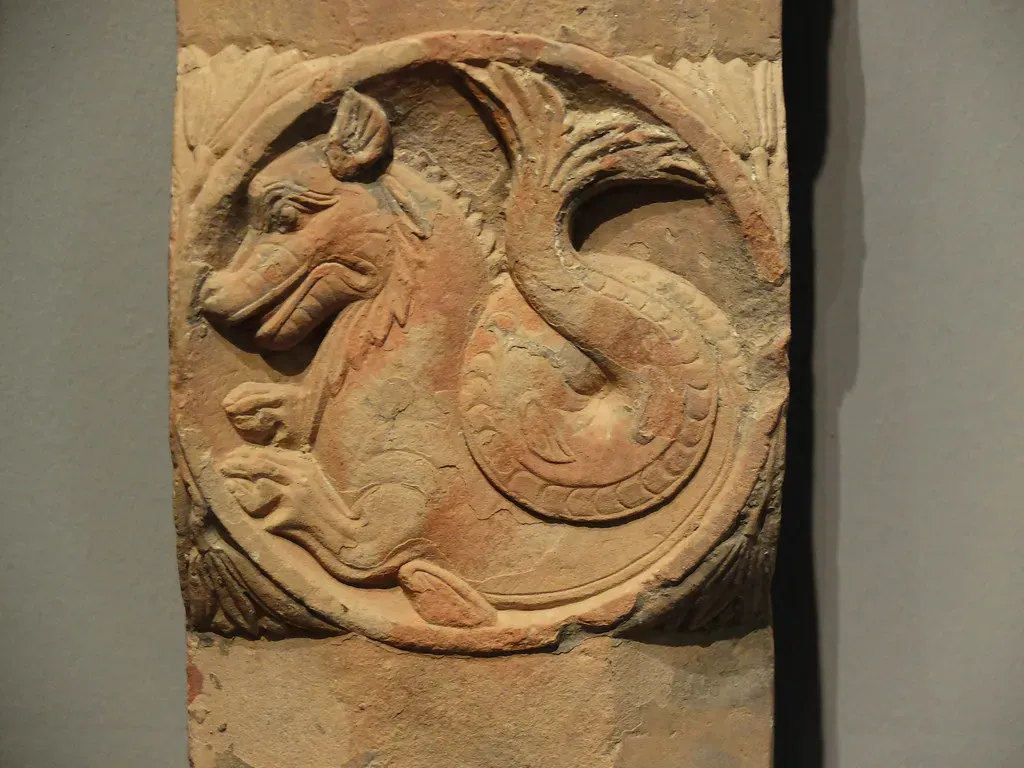
One of the clearest signs that a mind like yours is present is symbolic behavior, where objects or marks stand for something else in a shared understanding. When you see beads, pigments, or deliberate engravings in ancient sites, you are not just seeing decoration; you are peeking into thoughts about identity, status, or belief. Around tens of thousands of years ago, especially with early Homo sapiens, you start to see more of these symbolic traces, which strongly suggests a richer inner world.
Think about what it takes for you to wear a necklace or paint your body: you are not just putting on a thing, you are sending a message about who you are or how you want others to see you. When your ancestors did the same, they were likely doing something very similar in their minds. Symbolic behavior tells you that they were not only aware of the physical world but also living inside shared stories, roles, and meanings – exactly the kind of narrative-rich consciousness you experience every day.
Cave Art, Ritual, And The Birth Of Your Inner Storyteller

When you look at ancient cave paintings, hand stencils, and carved figurines, you are seeing more than pretty pictures; you are witnessing minds that could imagine things that were not right in front of them. To paint animals on cave walls, your ancestors had to recall details from memory and perhaps envision scenes that never actually happened. That ability to mentally time travel – to relive the past and simulate the future – is at the core of the conscious stream of experience you live inside.
There are also hints of ritual practices, burials, and possible beliefs about death, which imply that your ancestors were contemplating questions far beyond immediate survival. If they were worrying about what happens after life, or honoring the dead, they were almost certainly running complex stories in their heads about identity, continuity, and meaning. In doing so, they were using the same kind of narrative consciousness you use when you lie awake at night replaying a conversation or imagining how tomorrow might go.
The Brain Hardware Behind Your Conscious Awareness
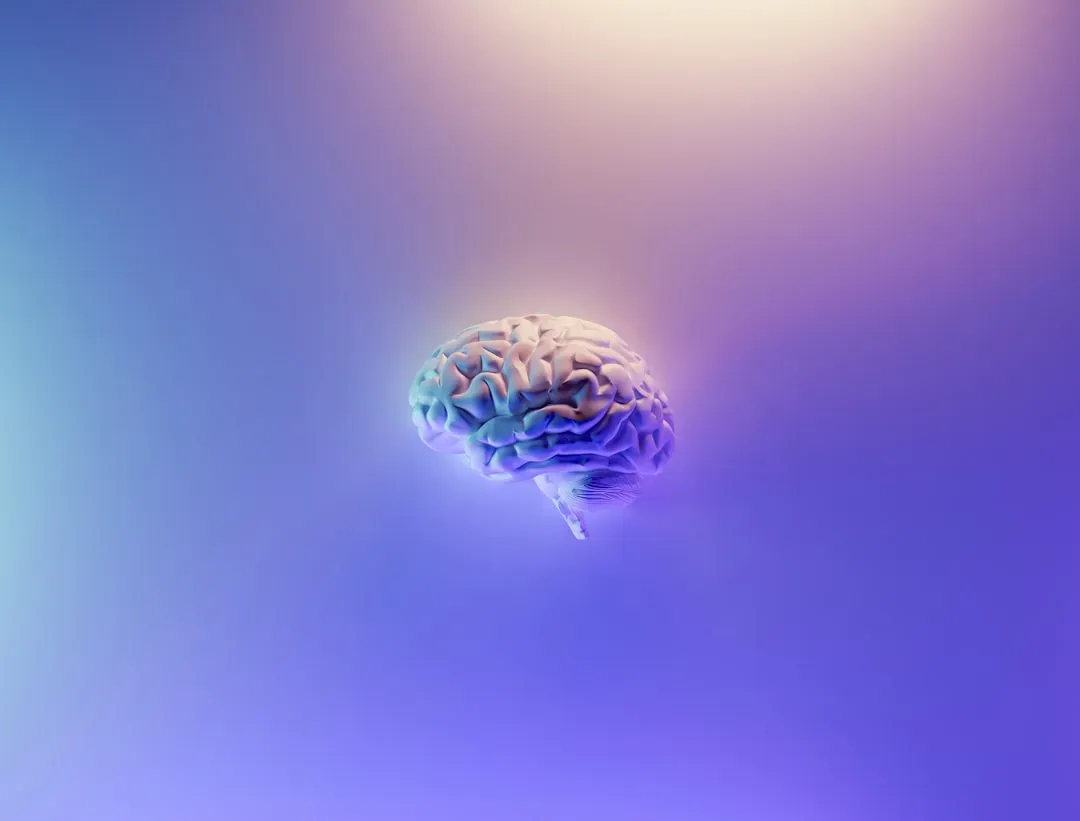
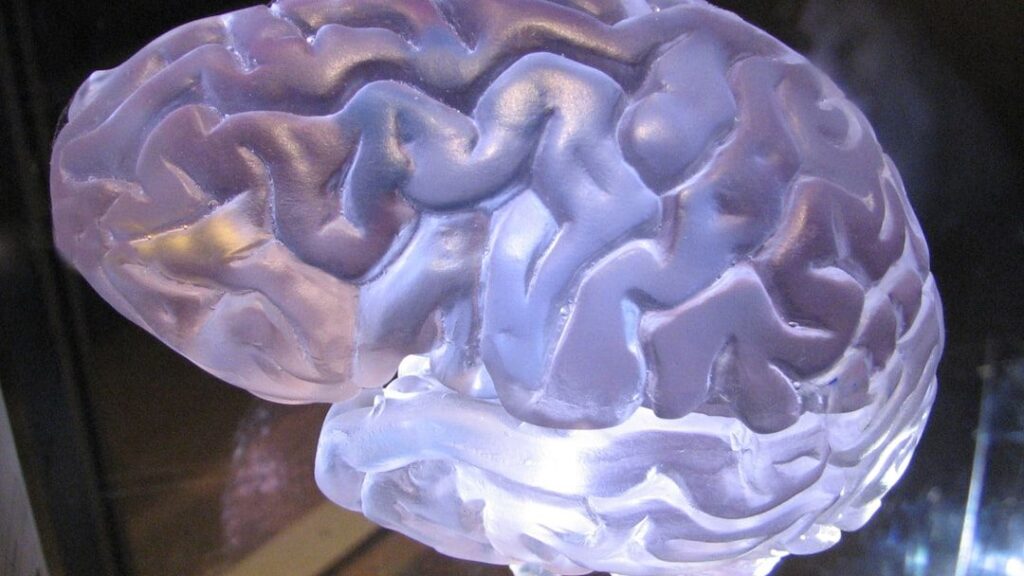
To ground all of this in biology, you can look at the structure of the human brain itself. Compared to other primates, you have a dramatically expanded cerebral cortex, particularly in the frontal and parietal areas that are linked to planning, self-control, and attention. These regions talk to each other in rich networks, and that constant back-and-forth seems to be tightly linked to the feeling of being awake, aware, and able to report your experiences. When those networks are disrupted by injury or anesthesia, your conscious experience can fade or vanish.
What this suggests for evolution is that as these networks became more complex and better connected in your ancestors, the likelihood of a full-blown conscious field of experience increased. You can picture it like upgrading an old radio: at first you only get static and faint signals, but as the circuitry improves, suddenly the music comes through loud and clear. The hominin lineage appears to be a long story of such upgrades, culminating in a brain that can not only sense the world but also reflect on itself as sensing, thinking, and feeling.
Language, Culture, And The Refinement Of Your Inner Voice

Even if some form of consciousness appeared before modern humans, language and culture likely sharpened it into the rich, self-reflective style of awareness you know. When you learn words as a child, you gain tools to label experiences, negotiate with others, and rehearse ideas silently in your head. That inner voice you hear when you read or think is tightly tied to language, and there is good reason to believe that as language became more complex and widespread in early humans, it made consciousness more structured, more shareable, and more vivid.
Culture adds another layer by handing you stories, norms, and shared meanings that shape how you see yourself and the world. You do not just experience pain; you interpret it through ideas about illness, fairness, or destiny that you picked up from others. The same is true for joy, fear, and love. As early humans built myths, traditions, and social rules, they were effectively scripting their inner lives, giving their conscious minds new ways to make sense of everything that happened to them.
The Gradual Dawn: Why There Is No Single Birthday For Consciousness
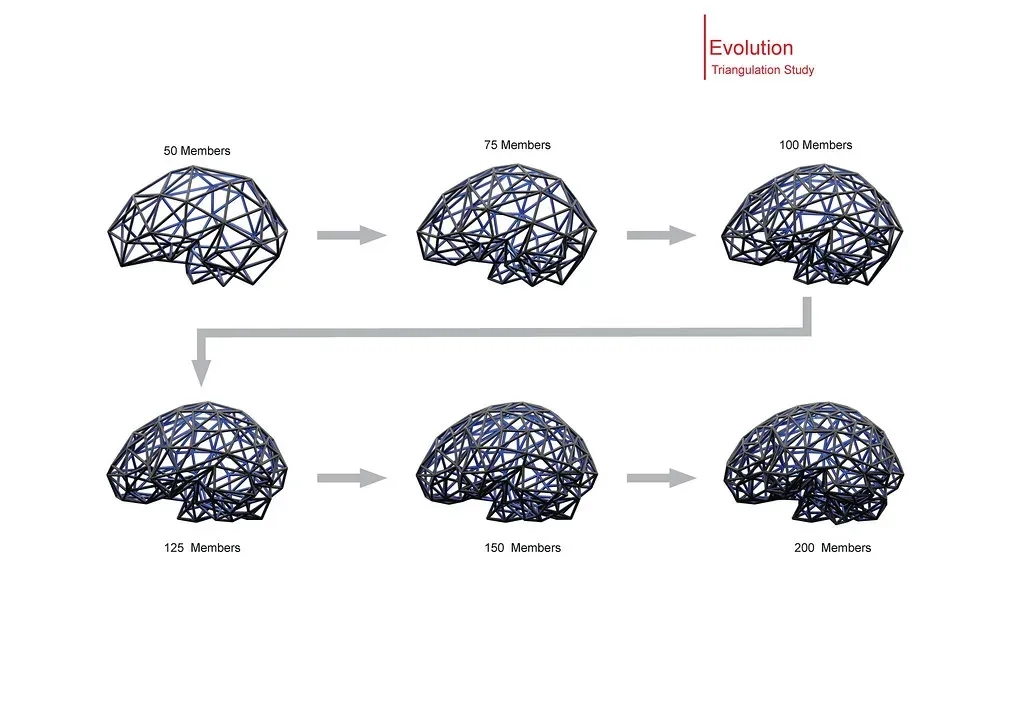
After following all these clues, you might hope for one clear answer, like a date when consciousness finally “clicked” into place. But the evidence really pushes you toward a different picture: consciousness probably did not appear in an instant; it slowly emerged and intensified over many species and many millennia. Early hominins likely had some version of it, perhaps simpler and more limited, while later humans, especially anatomically modern Homo sapiens, carried a more flexible, introspective, and symbol-heavy version that feels much closer to yours.
This gradual view matters because it reminds you that consciousness is not a mysterious add-on but a natural outcome of brains getting more complex, more social, and more future-oriented over time. When you look at your own mind – with its wandering thoughts, vivid memories, and constant self-talk – you are seeing the latest chapter of a very long evolutionary story, not something separate from it. Instead of asking for a single moment when it first appeared, it might be more honest to ask how far back along that story you are willing to recognize a version of what you feel right now.
Conclusion: Living With An Ancient, Ongoing Mystery
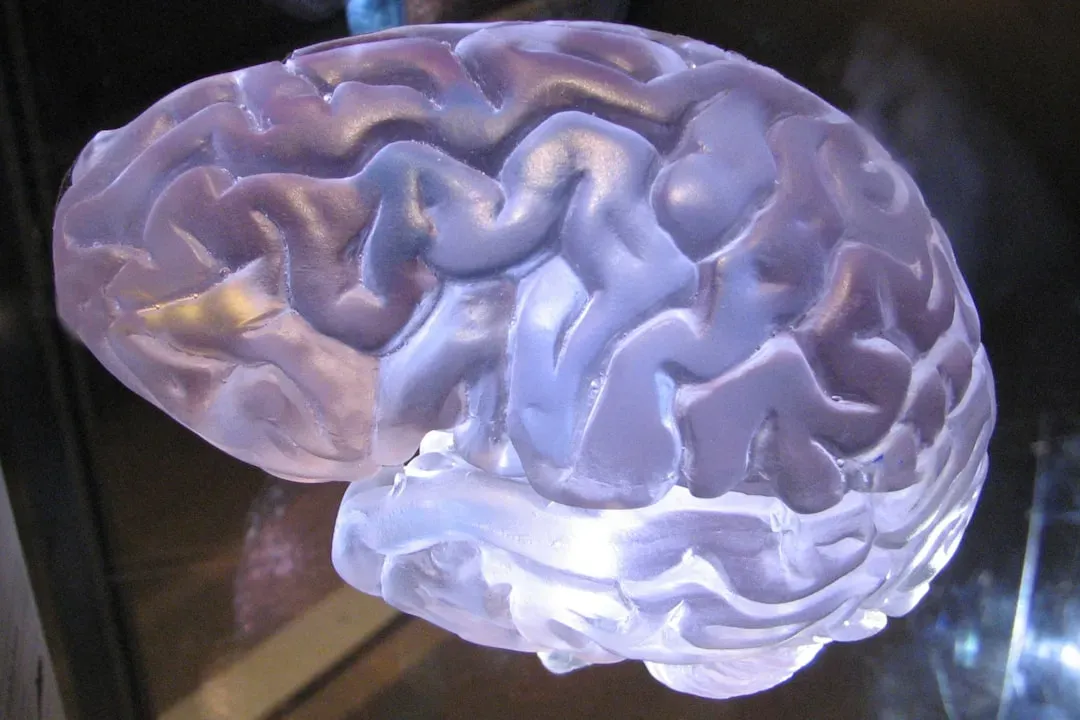
When you step back from the fossil sites, brain scans, and ancient artworks, you are left with a humbling realization: your consciousness is both incredibly familiar and deeply mysterious. You can trace many of its likely roots back through early hominins, symbolic behavior, language, and culture, yet you still cannot point to one clean origin point. What you can say is that by the time your species appeared, the lights were burning brightly enough for art, ritual, storytelling, and the endlessly complicated social worlds you still navigate today.
In practical terms, that means your conscious mind is not a fragile, isolated miracle; it is a robust, evolved tool that has been pressure-tested across countless generations. Knowing that, you might treat your own awareness with a bit more respect and curiosity, as something shaped by deep time but still unfolding in each moment you are alive. Next time you catch yourself lost in thought, you could remember that you are participating in a very old experiment: a brain trying to know itself. Given all that history humming inside your skull, how early would you say the story of your own consciousness really begins?