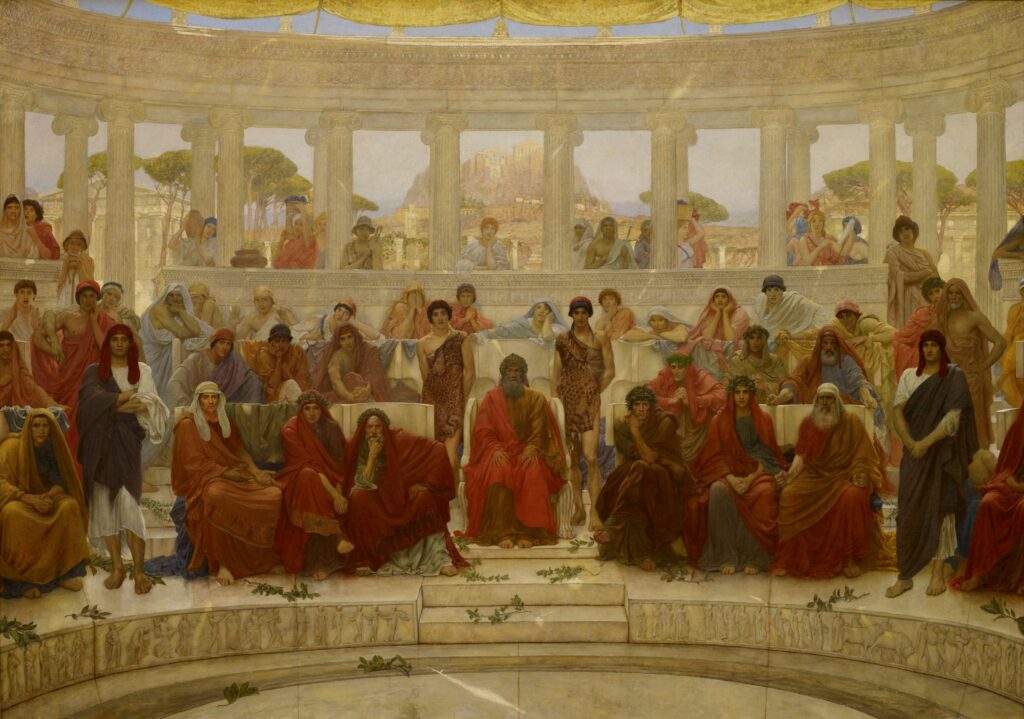
Imagine walking into an ancient village thousands of years ago: the fires are burning, tools are clinking, people are trading, arguing, laughing, or silently weaving in the shadows. Now imagine that they instantly size you up. Are you the kind of person they’d pull into the circle, feed, protect, and maybe even promote to leadership? Or are you the outsider they would quietly keep at arm’s length, watching you like a possible threat? The truth is, some societies were far more open to difference, while others demanded strict conformity just to survive.
We obviously can’t run personality tests on people who died five thousand years ago. But archaeology gives us surprisingly rich clues: how they buried their dead, how equal or unequal their homes were, how often they traded with strangers, how violent they were to outsiders, and how much room they left for individual expression. Based on those patterns, we can sketch out which cultures would probably have welcomed your quirks and which would have expected you to fit a very narrow mold. As you read, see where you’d thrive, and where you’d be in constant trouble just for being yourself.
1. Highly Curious and Adventurous: The Phoenician Maritime Traders
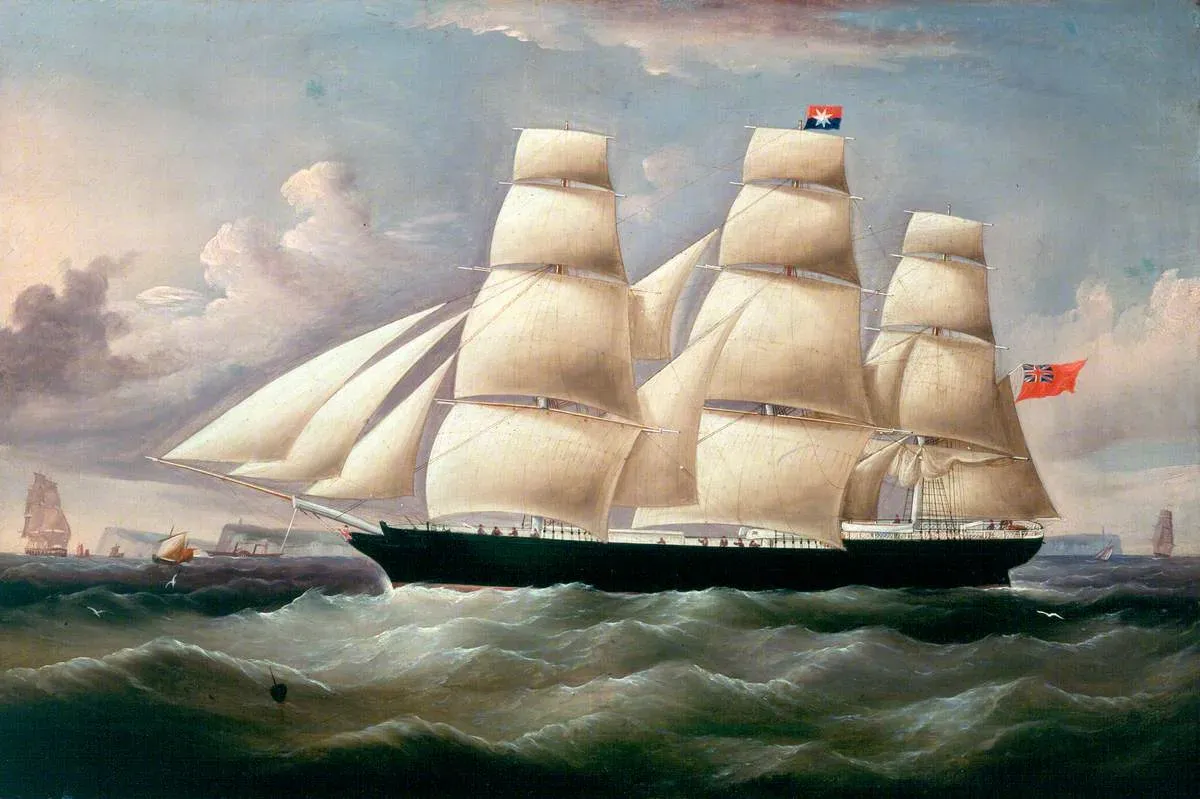
If you’re the kind of person who gets restless staying in one place, loves new cities, and feels oddly calm in airports and train stations, you might have fit right in with the ancient Phoenicians. Archaeology shows they built far‑flung trading colonies across the Mediterranean, left their alphabet all over the map, and filled shipwrecks with exotic cargo from different cultures. That pattern of long‑distance exchange hints at a culture where curiosity about the unknown was not just tolerated but essential to survival.
In a Phoenician port like Tyre or Carthage, a personality that loves negotiation, navigation, and risk would have been an asset, not a problem. You’d be bartering with strangers, learning new languages, and constantly adapting to shifting political alliances. If you prefer safe routines and familiar faces, though, you might have felt like a liability on those voyages. This was a world that rewarded calculated risk‑takers and flexible, outward‑looking minds over people who just wanted to stay home and tend a small patch of land.
2. Strongly Introverted and Community‑Loyal: Neolithic European Farming Villages

Now flip the script. If your idea of a perfect life is a small community where everyone knows everyone, where the pace is slow and predictable, early Neolithic farming villages in Europe might have felt surprisingly comfortable. Archaeologists have uncovered longhouses and clustered homes where extended families lived side by side for generations, sharing fields, tools, and workloads. Burials and house layouts often suggest tightly knit kin groups, with little sign of dramatic inequality or constant upheaval.
In that kind of world, a deeply introverted but dependable person would probably be valued as long as you did your share. You did not need to be loud or flashy; you needed to show up, harvest on time, help repair the house, and respect seasonal rituals. But if you were that type who always wants to reinvent things, challenge traditions, or strike off on your own, you could have clashed badly with the norms. Villages that depended heavily on predictable cooperation left limited room for eccentric individualism; repeated nonconformity could easily be seen as threatening rather than charming.
3. Fiercely Independent and Status‑Driven: Warrior Elites of Mycenaean Greece
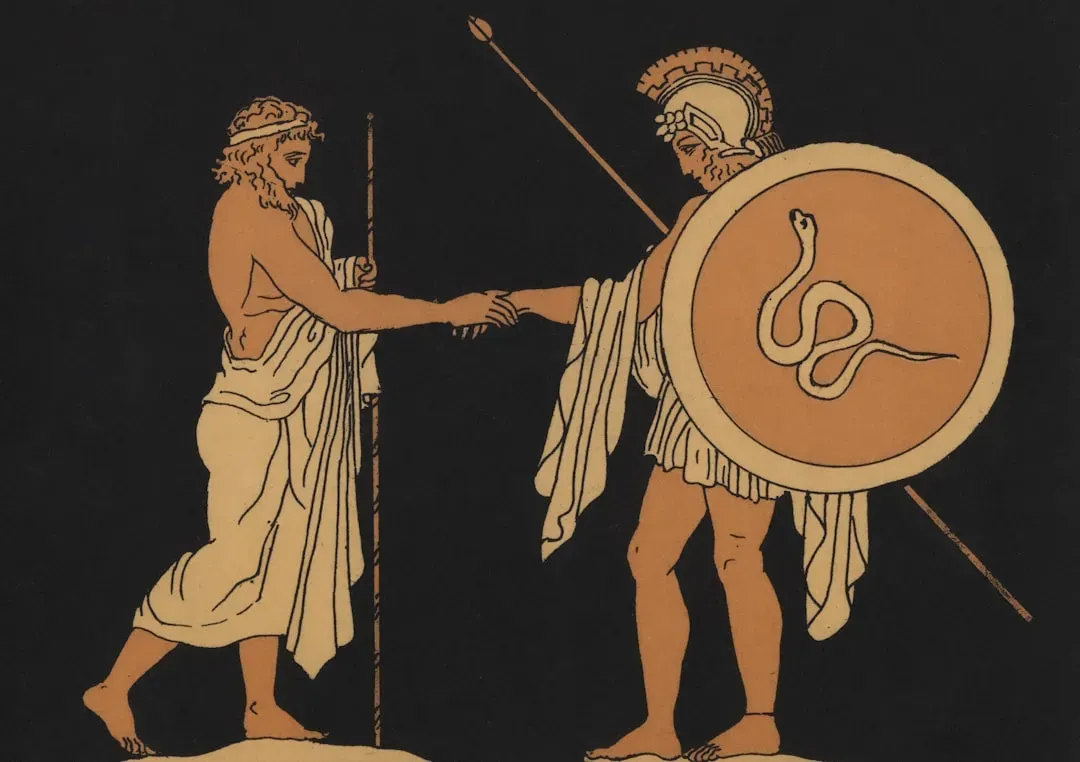
If you’re ambitious, competitive, and secretly love hierarchy because you plan to be at the top of it, the palace societies of Mycenaean Greece might have been your kind of arena. Archaeologists have uncovered lavish shaft graves, gold masks, ornate weapons, and towering citadels that scream status, conquest, and display. These were societies that poured resources into war gear and monumental architecture, signaling that asserting dominance mattered a lot.
For a strong‑willed, glory‑oriented personality, this environment would likely welcome you – provided you backed up your confidence with skill. A bold fighter, charismatic leader, or master networker could climb the ranks of such a system. On the other hand, if you dislike competition, feel uncomfortable with rigid rank, or hate the idea of proving yourself through conflict, this world would probably have chewed you up. This was not a place that rewarded quiet humility; it admired visible strength and loyalty to a warrior elite.
4. Deeply Spiritual and Contemplative: Monastic Traditions in Early Buddhist Communities
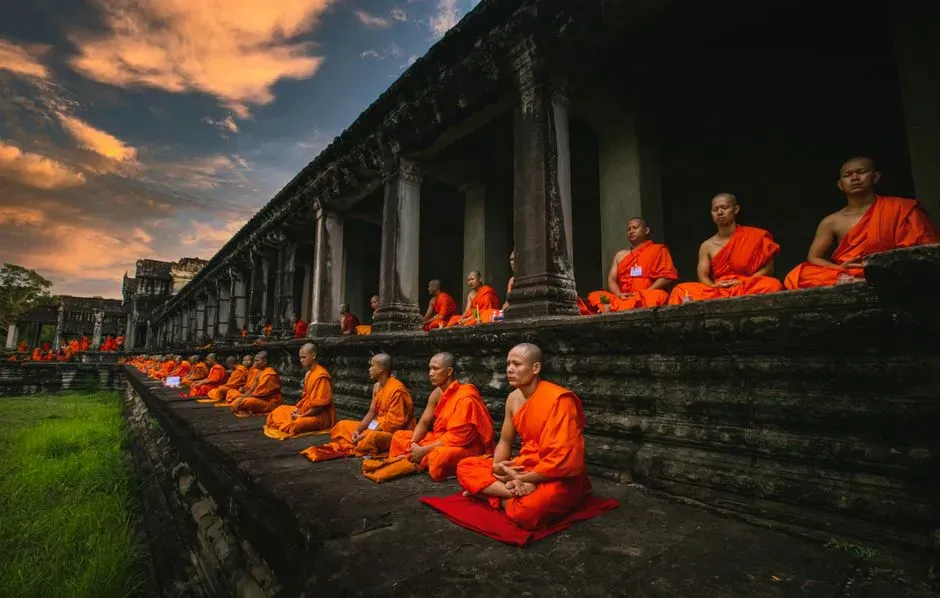
If your personality leans toward reflection, inner peace, and a desire to understand the mind rather than conquer the world, early Buddhist monastic communities across South and Southeast Asia might have embraced you. Archaeological remains of monasteries, carved stupas, and meditation caves point to a way of life built around simplicity, learning, and disciplined spiritual practice. Material markers of status are often modest, suggesting a deliberate downplaying of ego and wealth.
In these communities, someone who can sit still, observe their own thoughts, and find meaning in routine would likely thrive. The rhythm of chanting, studying, and meditating rewards discipline over drama and steadiness over impulsiveness. But if you crave intense stimulation, constant novelty, or social power, the daily life in a monastery might have felt suffocating. While they could welcome seekers and questioners, they were not built around personal ambition or self‑promotion, which makes them a hard fit for more outwardly driven personalities.
5. Highly Artistic, Expressive, and Symbol‑Obsessed: The Minoans of Bronze Age Crete
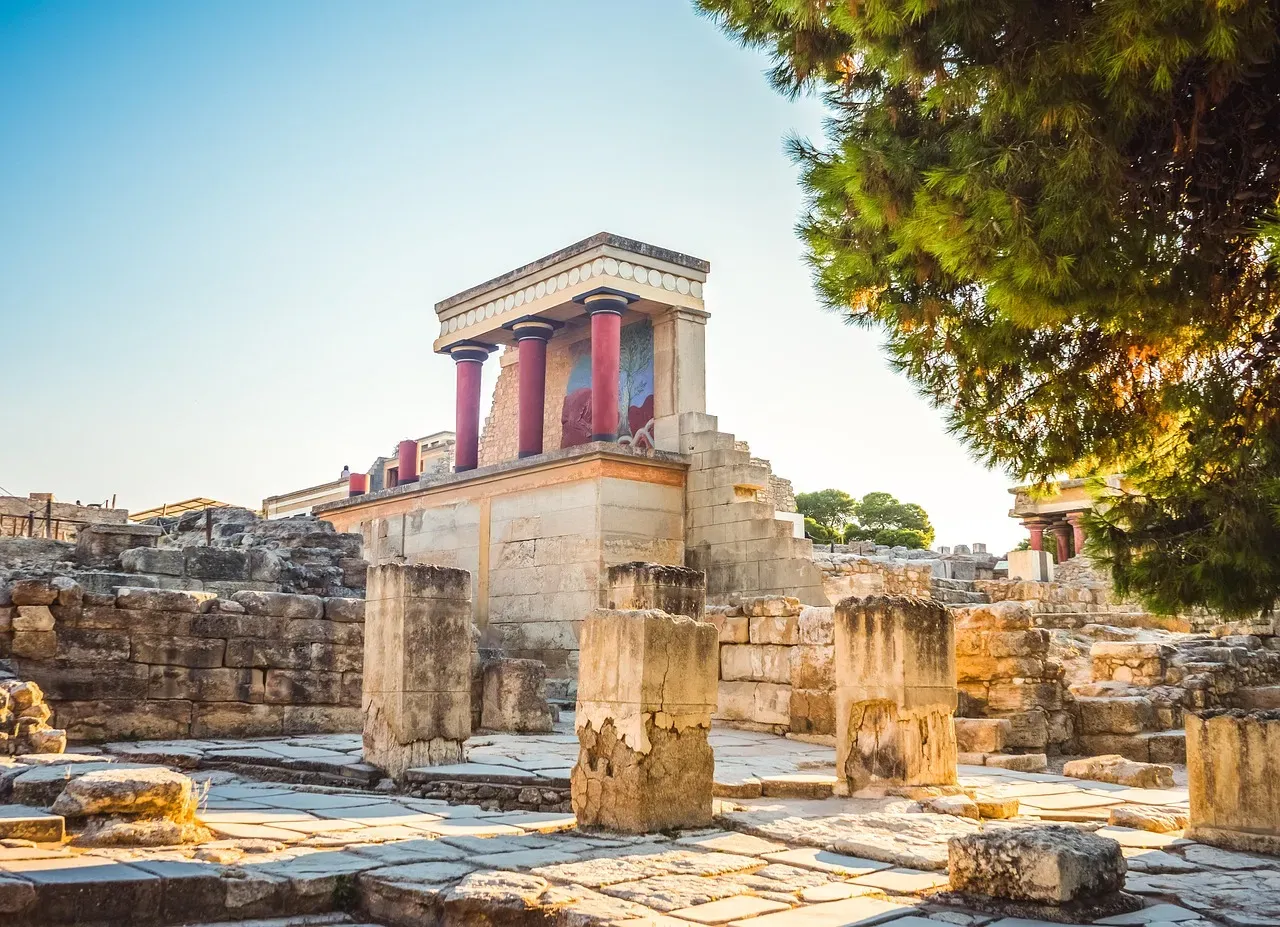
Some people process life primarily through images, colors, and patterns; if that sounds like you, the Minoan culture of Bronze Age Crete looks like a dream. Excavations at sites like Knossos and Akrotiri have revealed walls covered in vibrant frescoes, intricate pottery designs, and sophisticated jewelry. Their art features dynamic scenes of nature, processions, and what appear to be ritual moments, hinting at a society where visual symbolism played a major role in everyday life and possibly religion.
An expressive, aesthetically sensitive personality would likely have found purpose in such an environment, whether in crafting objects, organizing ceremonies, or decorating spaces. There’s evidence of complex rituals and perhaps even performances, suggesting that theatrical, imaginative people had real roles to play. However, if you are hyper‑practical, easily dismissive of symbolism, and impatient with ceremony, you might have felt out of place. In a culture where imagery and ritual carried social weight, indifference to those things could be read as disrespectful or shallow.
6. Strictly Ordered, Duty‑First, and Rule‑Respecting: The Bureaucrats of Ancient Egypt
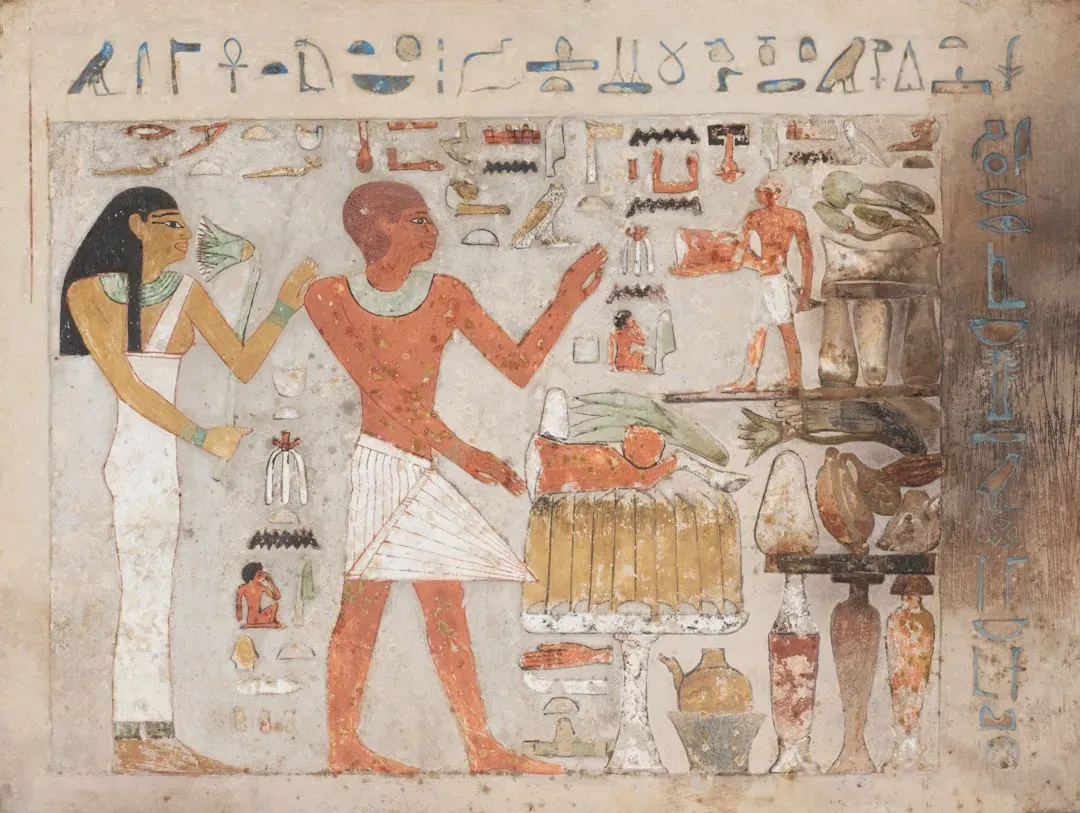
If you actually like clear rules, love checklists, and get satisfaction from everything being in its proper place, the administrative world of ancient Egypt might have suited you. Archaeological finds from administrative centers, temple complexes, and tomb inscriptions reveal a heavily organized society, with scribes and officials tracking food, labor, taxes, and religious observances. Even their monumental tombs show an obsession with order, continuity, and proper procedures for the afterlife.
In such a setting, a personality that respects hierarchy, follows protocol, and finds meaning in institutional roles would likely be rewarded. You could have been the reliable scribe, the meticulous overseer, the person who ensures every offering and record is correct. People who bristle at authority, improvise constantly, or hate routine might not fare as well. In a system where cosmic balance was tied to social order, those who pushed too hard against structure risked being perceived as dangerous rather than innovative.
7. Extremely Egalitarian and Cooperative: The Indus Valley Urban Planners
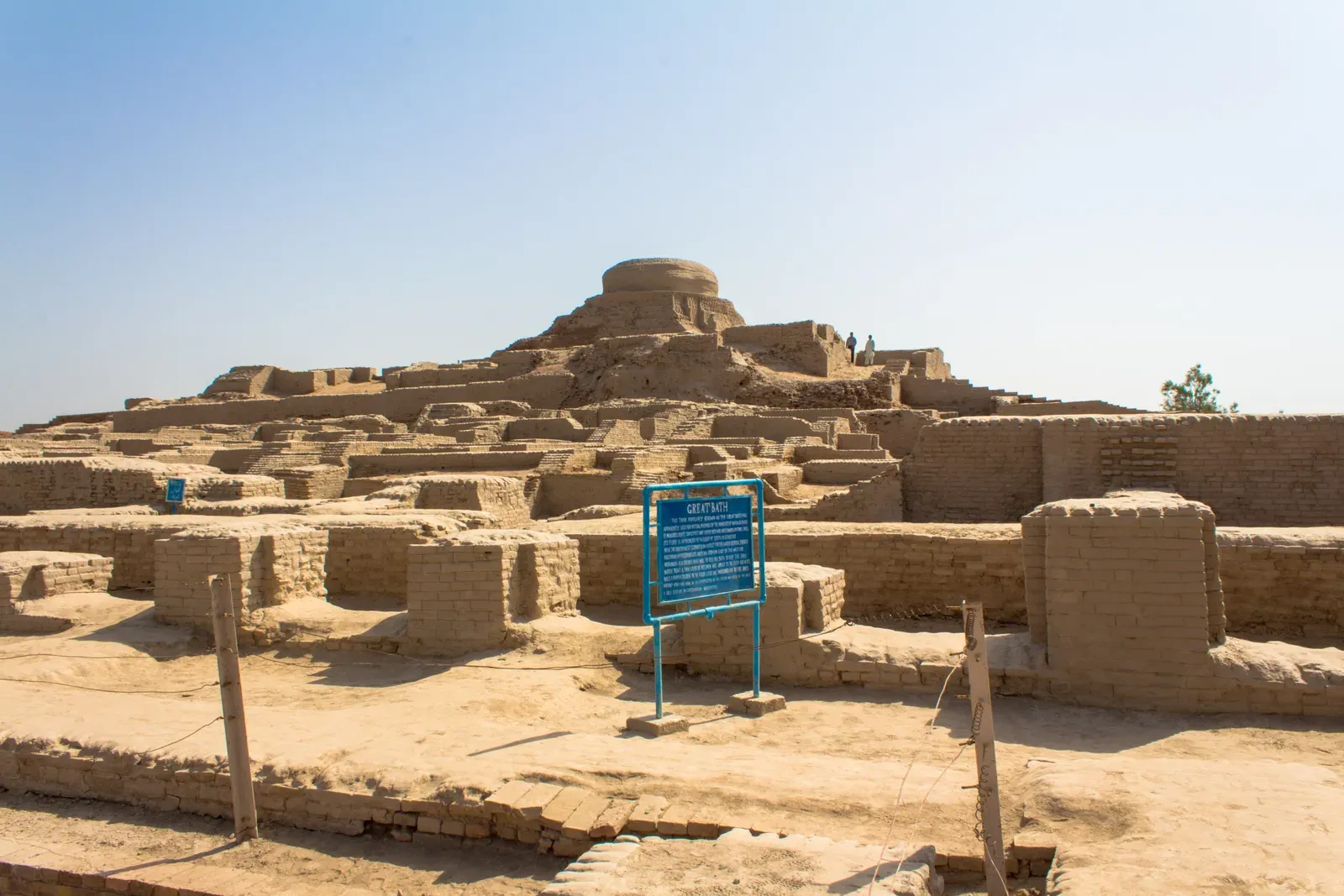
If you believe deeply in fairness, shared responsibility, and well‑designed cities instead of grand palaces, you might resonate with the Indus Valley Civilization. Archaeologists studying cities like Mohenjo‑Daro and Harappa point out their grid‑like streets, standardized weights, sophisticated drainage, and relatively modest, uniform housing. There is strikingly little evidence of massive royal tombs or obviously towering palaces compared with some neighboring cultures, which suggests a more balanced social structure.
For someone who values collaboration over personal glory, this sort of urban environment would probably feel like home. Your talent for organizing systems, respecting common resources, and working without flashy recognition would align with how these cities seem to have functioned. Hyper‑individualistic or dominance‑seeking people, however, might have been frustrated by the apparent lack of ostentatious hierarchy. If your personality feeds on visible symbols of superiority, a system that emphasizes standardization and shared norms might feel emotionally flat.
8. Bold, Reckless, and Adventure‑Hungry: Steppe Nomads of the Eurasian Grasslands
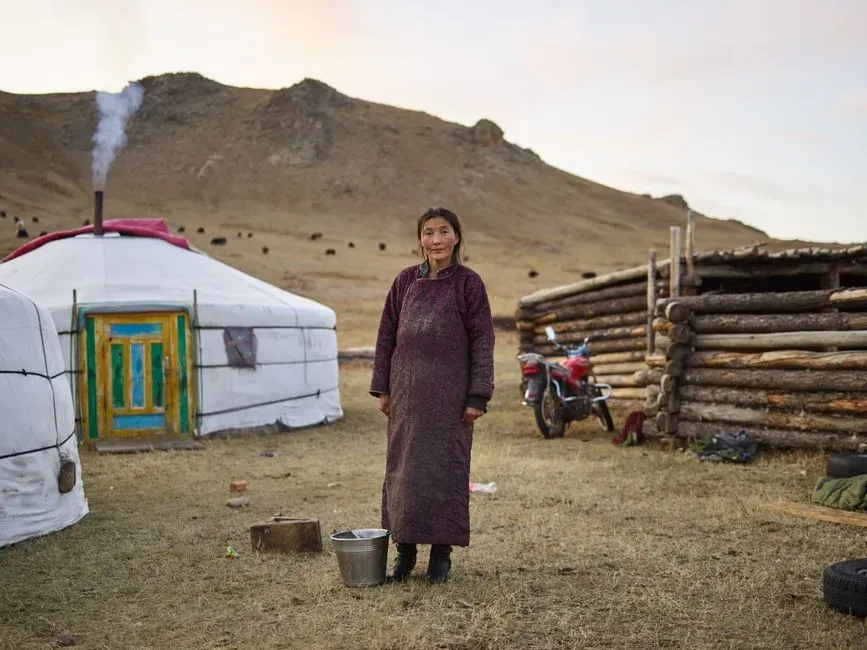
If your favorite stories are about long journeys, sudden battles, and dramatic changes in fortune, the life of steppe nomads on the Eurasian plains might have matched your temperament. Archaeological evidence from burial mounds and horse gear points to mobile societies oriented around herding, raiding, and rapid movement across vast distances. Their graves often include weapons, horse trappings, and portable objects, hinting at a culture that expected and valued physical courage and readiness.
A thrill‑seeking personality, comfortable with risk and improvisation, would have been welcomed as long as loyalty to the group held firm. You would be moving with the herd, scouting territory, and taking part in high‑stakes decisions about when to fight or relocate. In contrast, someone deeply attached to stability, emotionally shaken by danger, or slow to adapt might have been a liability. These societies survived by responding quickly to opportunities and threats; excessive caution could be seen as weakness that endangered everyone.
9. Quietly Independent Thinkers: Classical Athenian Intellectual Circles

If you enjoy arguing over ideas, questioning traditions, and playing with thought experiments more than physical dominance, the intellectual circles of classical Athens might have taken to you. Archaeological remains of schools, inscriptions, and gathering spaces, alongside the material context of libraries and philosophical schools, all point to urban environments that made space for debate and education. Wealthy patrons supported teachers, and young citizens were expected to engage with rhetoric and political reasoning.
This does not mean Athens was free‑for‑all tolerant, but it did carve out unusual room for people who liked to think out loud and challenge assumptions. A personality that mixes curiosity with some social skill could navigate that landscape, gaining influence by speaking well and raising provocative ideas. However, if you were too radical, too dismissive of common values, or uninterested in public life, even Athens might have turned on you. The city still expected citizens to fit certain roles; complete misfits or uncompromising outsiders risked exile or worse.
10. Deeply Conformist and Ritual‑Bound: Shang Dynasty Court Culture in Ancient China

If you feel safe in clearly defined traditions, instinctively respect elders, and prefer not to stand out too much, the court culture of the Shang Dynasty might actually have suited your personality. Archaeological excavations from royal centers show elaborate bronze ritual vessels, highly structured burials, and evidence of complex ancestor worship. These patterns reflect a world where order, hierarchy, and ritual were woven into every layer of political and spiritual life.
A person who naturally follows established customs and takes genuine comfort in doing things the correct way would likely find a stable place in this kind of society. You could serve in a role where your reliability and deference to tradition are strengths rather than hindrances. On the flip side, if you like to experiment with belief systems, challenge authority openly, or ignore ceremonial expectations, this environment would probably reject you. To them, your individualism would look less like authenticity and more like a dangerous break from cosmic and social harmony.
11. Highly Communal, Care‑Focused, and Kin‑Oriented: Early Celtic Hillfort Communities
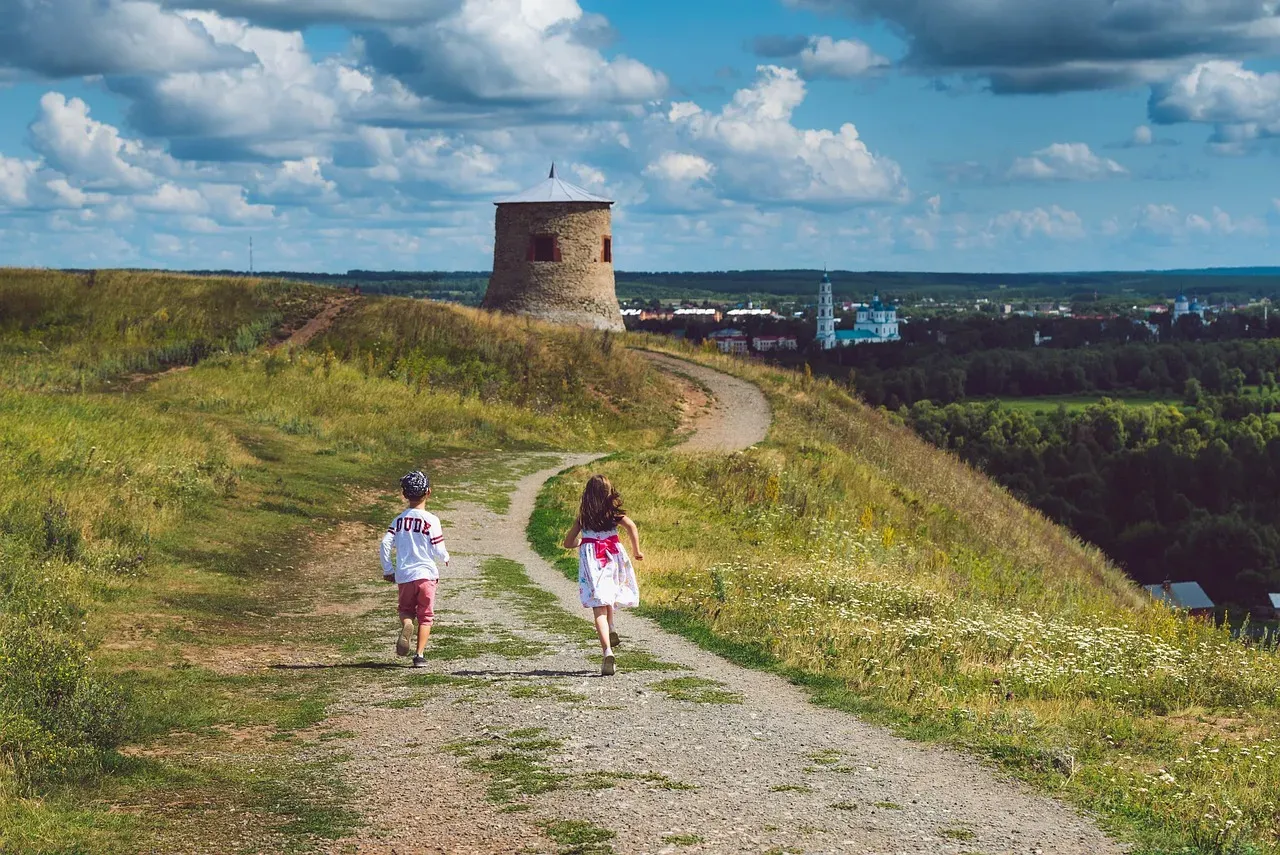
If your personality leans toward nurturing, sharing, and strong kin loyalty, early Celtic hillfort communities in Iron Age Europe might have embraced you. Archaeological finds from these sites reveal clusters of roundhouses, shared storage pits, and evidence of feasting, suggesting lively social interaction anchored in family groups. Personal ornaments and weapons appear, but so do everyday tools that hint at people investing care in both home life and group gatherings.
In such settings, someone who loves cooking for others, mediating disputes, or keeping the household running smoothly would be valued. Strong emotional bonds and responsibilities to kin would shape your identity far more than individual titles or careers. Highly solitary personalities or people who resist family obligations might have struggled, though. A refusal to participate in shared work or communal rituals would not just be seen as unusual; it might be taken as a rejection of the group itself.
12. Technically Minded, Patient, and Detail‑Obsessed: Bronze and Iron Age Metalworkers
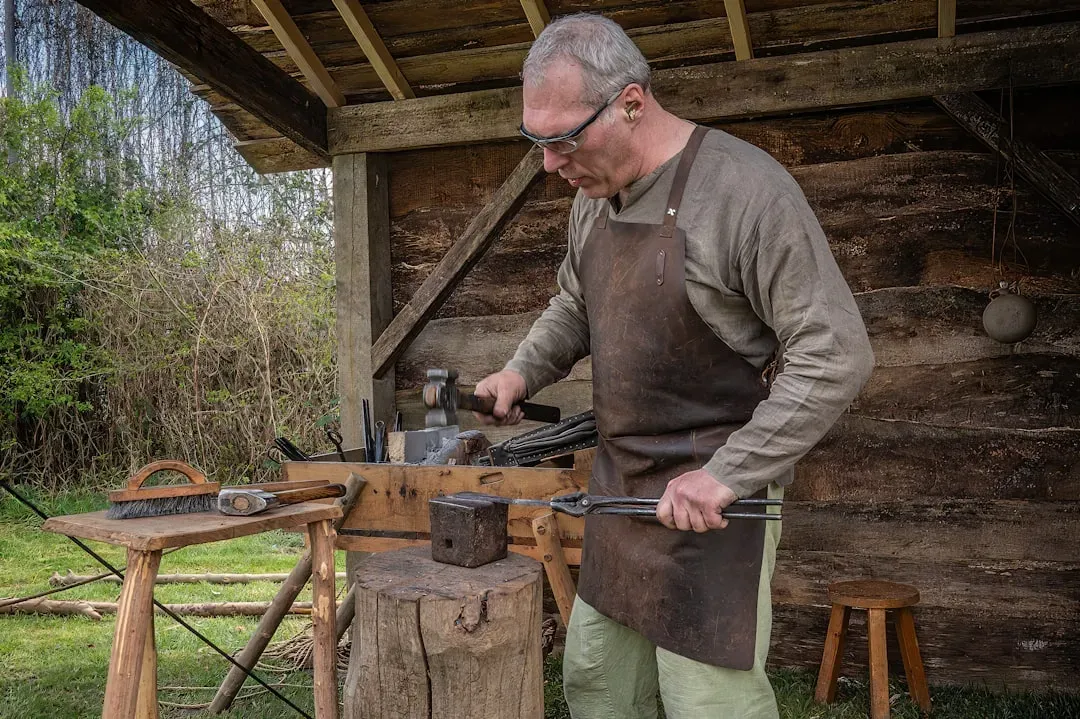
If you lose track of time when you are tinkering, refining, and perfecting a craft, ancient metalworking communities would probably have given you both purpose and status. Archaeological evidence from metalworking sites across Europe, the Near East, and Asia shows specialized workshops, furnaces, and elaborate tools that demanded deep knowledge and steady competence. The ability to control fire and transform raw ore into functional and beautiful objects was almost magical in its social power.
A personality that can tolerate repetition, stay calm around dangerous tools, and slowly master complex techniques would thrive here. Your work would speak for you, and your reputation would grow with every well‑made blade or ornament. Impulsive or impatient people, however, would be unwelcome in these spaces; one careless moment could ruin a batch or injure others. In this arena, careful, almost obsessive attention to detail was not a quirk; it was the price of admission.
13. Socially Flexible, Mixed‑Identity, and Adaptable: Multicultural Hubs like Ancient Alexandria
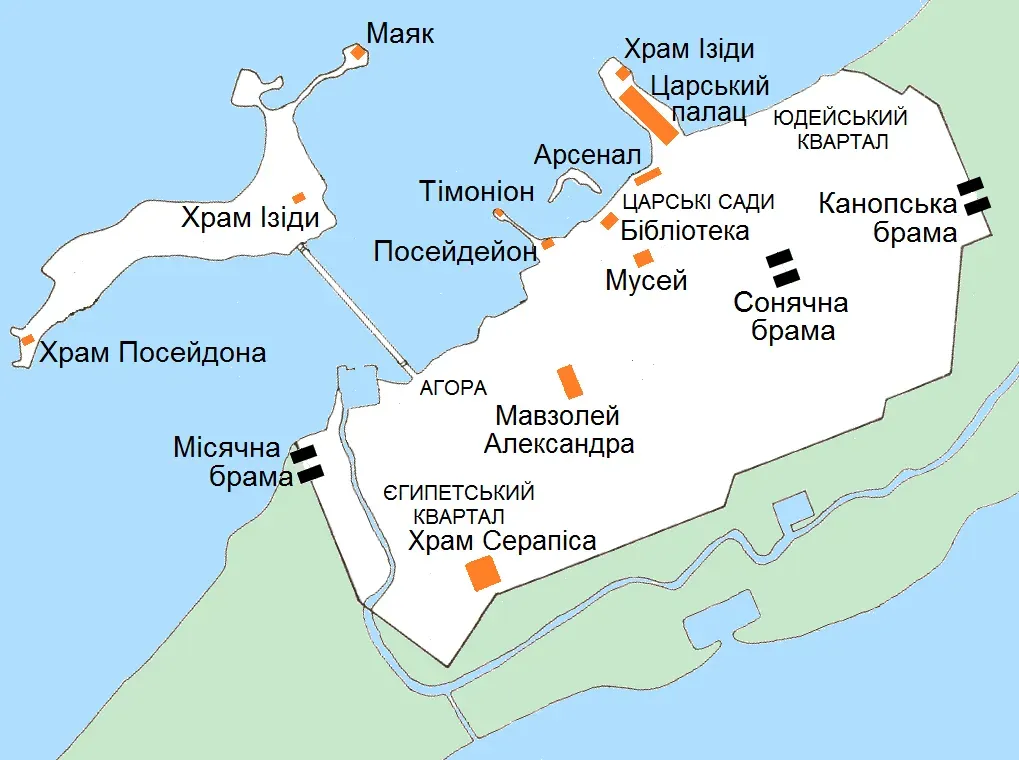
If you feel at home in multicultural cities, easily slip between social groups, and enjoy reinventing yourself, ancient cosmopolitan centers like Alexandria would likely have welcomed you. Archaeology from such cities shows layers of different architectural styles, varied burial practices, and material remains from multiple cultures coexisting in the same space. Markets, ports, and neighborhoods became crossroads where identities mixed and evolved.
This world favored people who could navigate cultural differences without losing their footing, who were comfortable with ambiguity and constant change. You might work with merchants, scholars, sailors, and artisans from different backgrounds in a single day. For personalities that crave a single, unchanging identity or resist any blending of customs, these cities could be deeply unsettling. The very fluidity that energizes some people can feel like erosion to others, exposing a fault line between those who adapt and those who anchor hard into one way of being.
14. Hard‑Line Guardians and Boundary‑Setters: The Spartan Military Society

If you are naturally disciplined, stoic, and willing to subsume your private self to a larger mission, classical Sparta might have seen you as one of its own. Archaeological findings from Spartan territory, while more austere than some Greek neighbors, point to a society highly focused on military training, shared meals, and strict communal norms. The absence of lavish tombs and palaces compared with other city‑states reflects a deliberate choice to prioritize toughness and equality among warrior citizens.
Someone who thrives under strict routines, values physical excellence, and takes pride in guarding boundaries would find a clear path to acceptance. Your emotional restraint and focus would be seen as virtues rather than quirks. But if your personality is sensitive, artistic in a non‑martial way, or resistant to harsh communal discipline, this system would likely reject or crush you. In a culture that placed survival and martial cohesion above personal fulfillment, soft edges were liabilities rather than lovable traits.
15. Earth‑Tuned, Patient, and Seasonally Rhythmic: Ancient Rice‑Farming Communities of East and Southeast Asia

If you feel most at peace working with your hands, attuned to seasons and cycles, ancient rice‑farming communities might have been your best possible match. Archaeologists have uncovered terraced fields, irrigation systems, and village layouts that reveal a deep, generational investment in managing water and soil together. This type of agriculture demands long‑term thinking, shared labor, and a fine sense of timing, especially when several households rely on the same waterworks.
For a calm, steady personality that does not mind repetitive work or delayed rewards, this life would bring a quiet form of dignity. You would mark time by planting, transplanting, and harvest, measuring success not by personal glory but by whether everyone had enough to eat. Hyper‑restless or impulsive people might struggle with the slow pace and shared constraints. When a community’s survival depends on coordinated, predictable action, dramatic improvisations are rarely seen as charming experiments; they are too risky to tolerate.
16. Radical Individualists and Restless Outsiders: Where Would You Actually Be Rejected?

Some personality types would have had a tough time almost everywhere in the ancient world, especially radical individualists who resist any kind of communal obligation. Archaeology, across continents, keeps pointing back to one hard reality: survival depended on cooperation, shared labor, and at least some submission to group norms. Whether it was irrigation, defense, herding, or trade caravans, no community could afford someone who endlessly took without giving or constantly violated basic expectations.
If you are the sort who refuses any authority, avoids long‑term commitments, and treats every group as temporary, you might have slid between societies rather than being fully welcomed into any one of them. You might have survived as a wandering mercenary, an itinerant trader, or a perpetual guest, never completely trusted but always somewhat useful. In that sense, the tribe most likely to reject you would not be a specific culture but any group at the moment when your insistence on absolute freedom threatened their fragile balance. The ancient world had room for many kinds of people – but not for personalities that denied the very idea of belonging itself.
Conclusion: Would the Ancient World Really Have Wanted You?
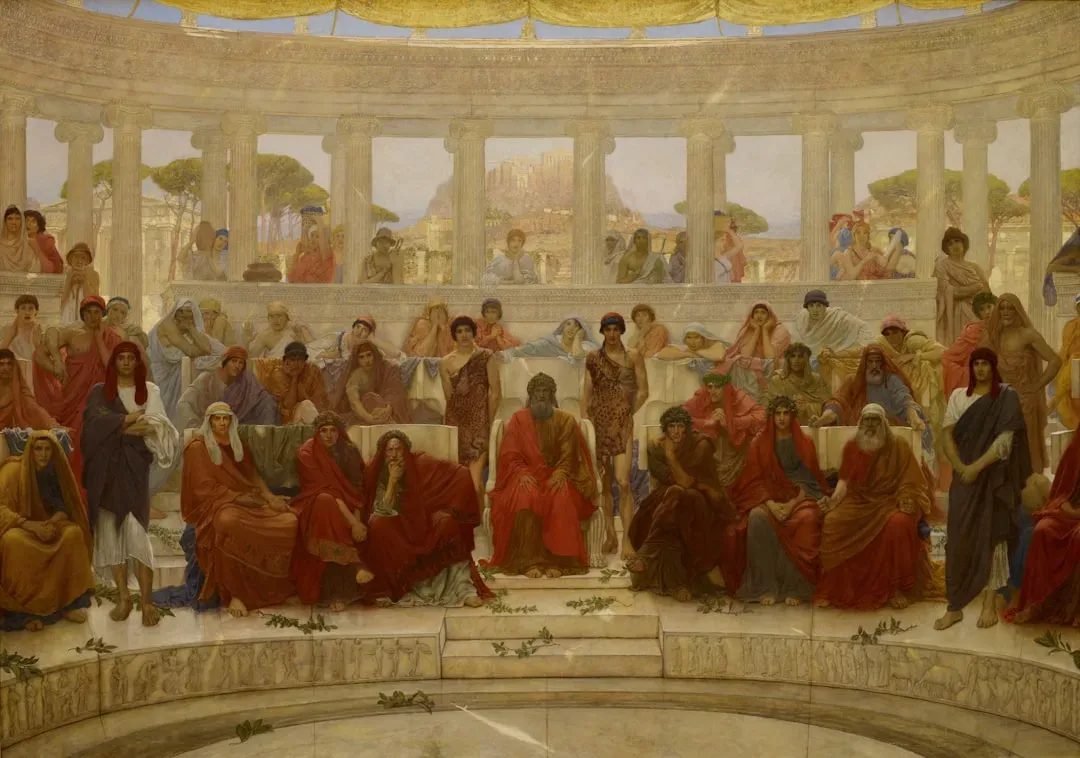
Looking at the archaeological record through a personality lens is humbling, because it shows how narrow our modern range of acceptable behavior really is. Today, we like to imagine that every personality type can find its niche, but most ancient societies were brutally clear about their limits. Adventurous risk‑takers thrived in trading ports and on the steppe, while quiet cooperators were anchored in villages and terrace fields; disciplined rule‑followers kept bureaucracies running, and bold thinkers carved out rare spaces in intellectual hubs. Across all of them, though, the baseline expectation was simple: you contributed, or you were a problem.
To me, the most striking thing is that the people many of us romanticize today – the intense individualist, the pure rebel, the person who answers to no one – would probably have had the hardest time of all. Ancient cultures seem to have tolerated eccentricity only when it came packaged with clear value to the group: a genius craftsperson, a savvy trader, a visionary ritual leader. So if you wonder where you would have been welcomed, the real question might be this: not which tribe would love your personality in the abstract, but which one would see your quirks as indispensable to their survival. In that world, would you be a cherished asset or an impossible luxury?