
Imagine walking across an ancient Earth where the sky is busy with wings the size of small planes, oceans are patrolled by reptilian torpedoes, and forests shake under the footsteps of animals heavier than buses. Now imagine that somewhere in that primeval chaos is a creature that moves, reacts, hunts, or protects just like you do. That is the idea behind matching each zodiac sign with an extinct giant: not some cute personality quiz, but a playful way of seeing your core patterns reflected in the deep-time past.
In astrology, your sun sign is supposed to capture how you burn in the world: your style of courage, your fears, your way of loving and fighting. Paleontology, on the other hand, shows us what actually survived, thrived, or vanished under real pressure. When you put those together, you get something surprisingly powerful: twelve legendary creatures that mirror the survival strategies, power, and flaws of each sign. Some are elegant, some are terrifying, some are just weird – but all of them are unforgettable.
Aries – Tyrannosaurus rex, the Relentless Apex
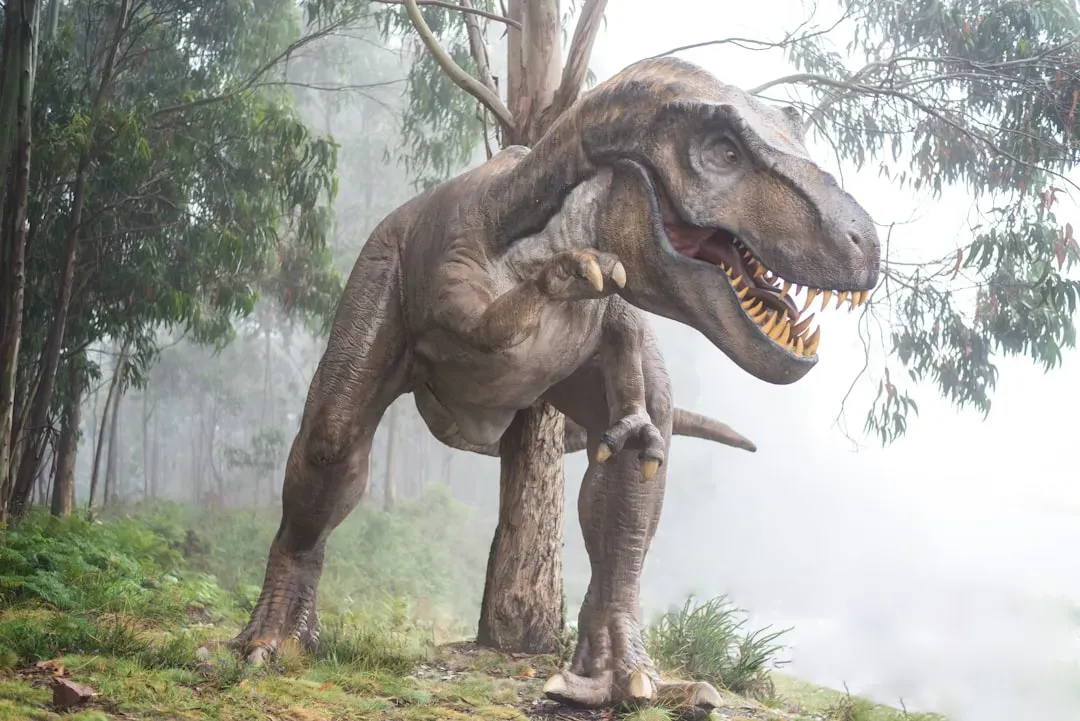
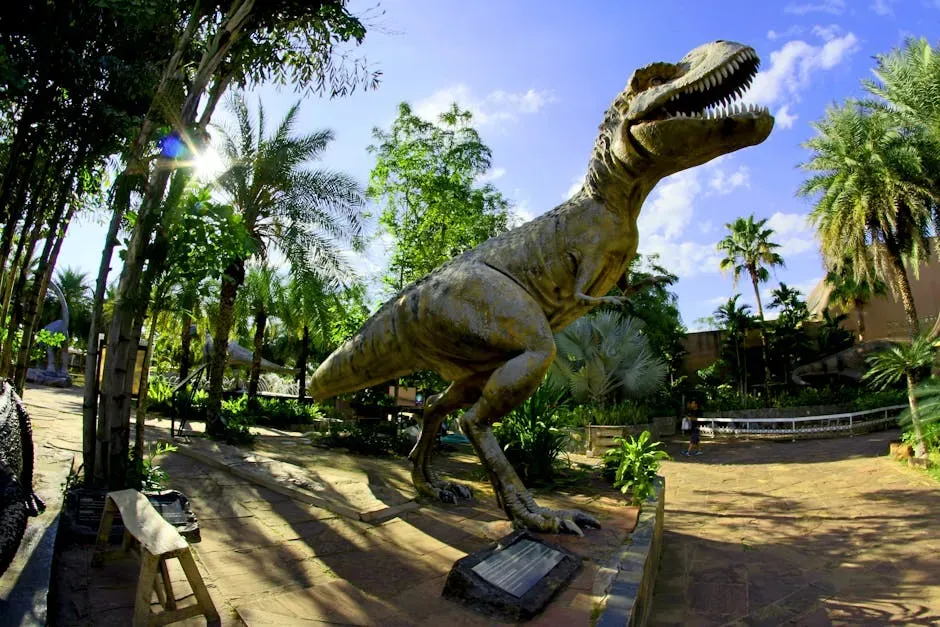
Aries is raw momentum in human form, and Tyrannosaurus rex is that energy scaled up to nightmare size. This carnivore was not the fastest runner in its ecosystem, but it did not need to be; it combined massive jaws, bone-crushing bite force, and terrifying focus into a single, decisive strike. That is very Aries: not always subtle, but when it commits, it goes all in and expects the world to move out of the way. Even its giant, muscular tail feels like an Aries signature – pure propulsion and balance designed for the chase.
Like many Aries people I know (including me on my worst days), T. rex probably did not waste a lot of time overthinking. It seized opportunities, likely mixed hunting with scavenging, and dominated any scene it walked into. The downside is also familiar: when you live by impact and intimidation, you do not always play well with others, and you burn out ecosystems, friendships, or jobs if you are not careful. But as a symbol of fearless, unapologetic drive, no extinct giant matches Aries better than this infamous king of the tyrant lizards.
Taurus – Paraceratherium, the Gentle Colossus
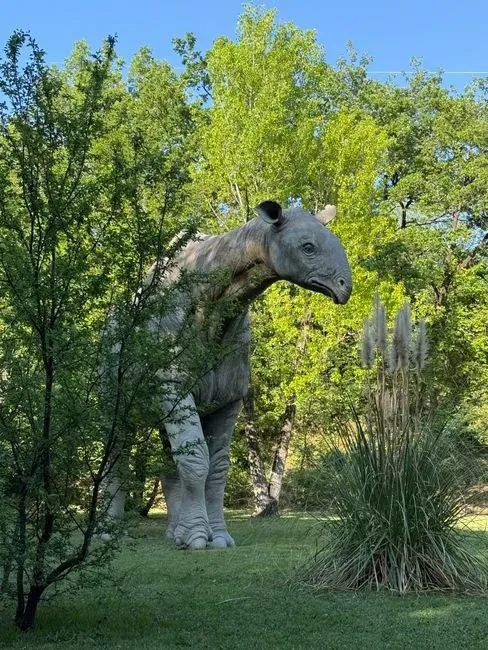
Taurus is steady, grounded, and stubbornly loyal, and Paraceratherium – one of the largest land mammals to ever live – is that energy turned into a walking skyscraper. This hornless relative of modern rhinos likely browsed on high foliage, moving slowly but confidently through ancient landscapes. Its sheer size was its armor; like a classic Taurus, it did not need aggression to stay safe. Just being itself was enough to command respect and create a calm, dependable presence wherever it went.
People with strong Taurus energy tend to build life like a long, slow meal: rich, stable, and comforting. Paraceratherium fits that vibe perfectly, using patient feeding and low drama to maintain its enormous body. It probably lived in small groups or loosely connected populations, echoing the way Taurus values a tight circle over chaotic crowds. The catch, of course, is that once a creature or a person invests deeply in comfort and routine, it hates being pushed to change. Just like this gentle colossus, Taurus can be peacefully grazing one moment and immovable as a mountain the next.
Gemini – Archaeopteryx, the Curious In-Between
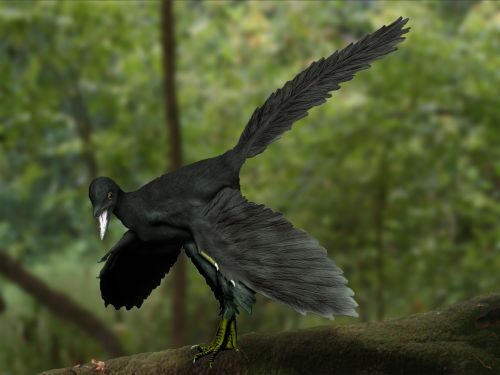
Gemini is the sign of duality, quick thinking, and playful adaptation, so it makes sense to pair it with Archaeopteryx, that famous “in-between” animal that looks part dinosaur, part bird. This small, feathered creature lived in a world of trees, branches, and sudden movement, and it likely relied on agility, keen senses, and experimental behaviors to survive. It is the perfect symbol of transition, which is exactly where Gemini thrives: between ideas, between people, between possibilities.
Just like Gemini energy, Archaeopteryx is hard to pin down. Was it more of a climber or a glider? Did it flap strongly or just assist its jumps? Scientists still debate the details, and that ambiguity feels very Gemini – it refuses to be only one thing. In daily life, Gemini people do something similar: they collect information, shift perspectives, and switch social roles like this little proto-bird might have hopped between branches. The downside is scattering attention, but the upside is brilliant improvisation. In a changing world, the in-between creatures and the in-between people are often the ones who leap first.
Cancer – Megatherium, the Protective Ground Sloth
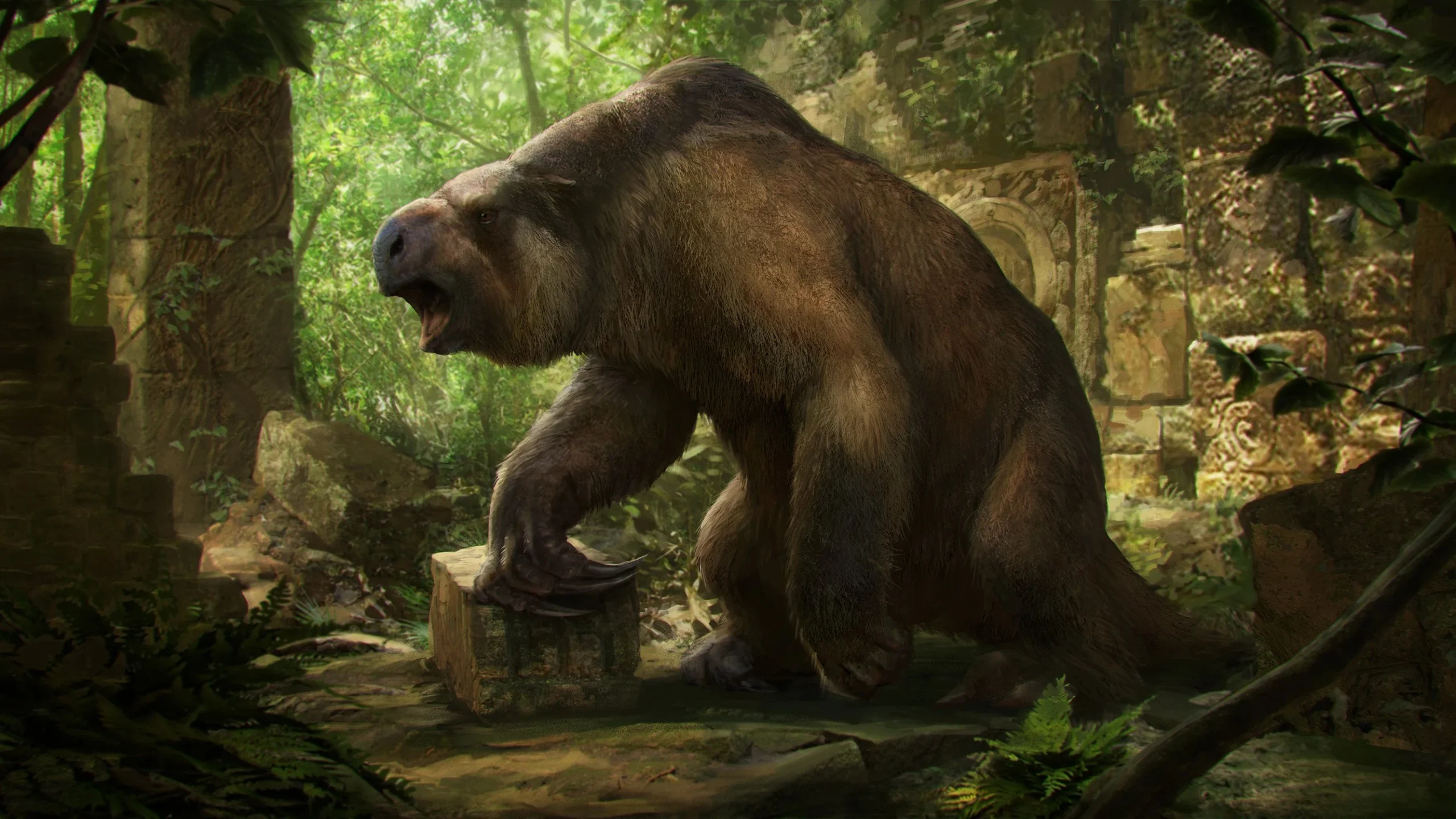
Cancer has a reputation for being soft and emotional, but underneath that shell is serious strength and a fierce urge to protect. Megatherium, the giant ground sloth of South America, matches that energy almost perfectly. Massive, slow-moving, and likely herbivorous, this animal was not built to constantly fight, yet it carried enormous claws and a powerful body that could rear up to intimidating heights when needed. That combination of gentleness and hidden ferocity is textbook Cancer.
In my experience, Cancer people move through life like Megatherium moved through ancient forests: carefully, attuned to what feels safe, and deeply anchored to home territory. They are often underestimated until something threatens their loved ones or their emotional security, and then the claws come out. Megatherium probably used its size and strength to ward off predators rather than seeking conflict, which is exactly how Cancer handles confrontation: reluctant but unyielding. The lesson from this extinct giant is that nurturing is not the opposite of power; sometimes, it is the clearest sign of it.
Leo – Quetzalcoatlus, the Sky Ruler
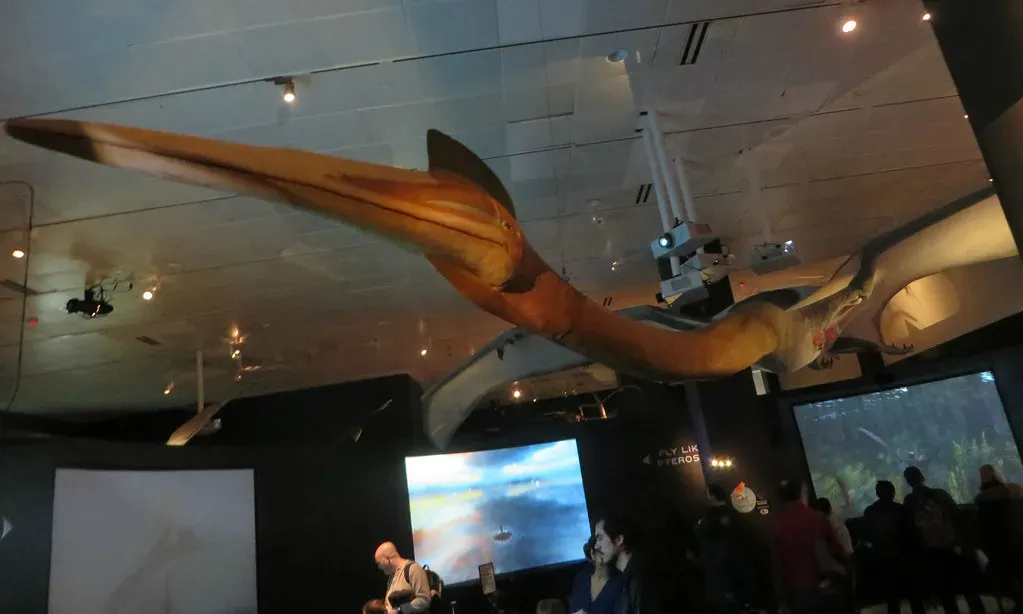
Leo needs a creature that does not just live in the world but owns the stage, and Quetzalcoatlus, one of the largest known flying animals, delivers that in dramatic fashion. With a wingspan that rivaled small aircraft and a towering, giraffe-like stance on land, this pterosaur would have been impossible to ignore. Picture it gliding over prehistoric rivers, casting a huge shadow that announces its presence long before it lands. That is pure Leo energy: visible, theatrical, and impossible to pretend you did not notice.
Leos are often drawn to the spotlight not just out of vanity, but because they feel alive when they can express their full radiance. Quetzalcoatlus embodies that same unapologetic visibility. Its long neck and sharp beak suggest a hunter or scavenger that scanned vast territories, much like Leo scans social scenes for opportunities to shine, lead, or protect. Of course, the risk with this kind of magnetism is believing your own legend a little too much. But when held with even a bit of humility, Leo’s sky-giant energy can inspire everyone around it to lift their eyes and play bigger.
Virgo – Thescelosaurus, the Quiet Survivor
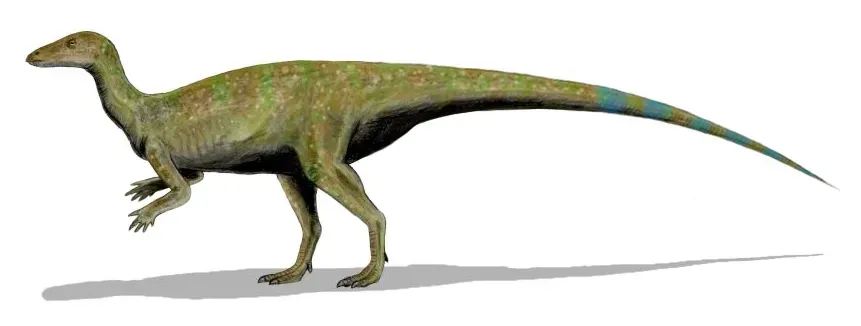
Virgo is often misunderstood because it is not flashy; it is precise, observant, and quietly resilient. Thescelosaurus, a small herbivorous dinosaur found near the end of the Cretaceous, mirrors that understated power. It was not the biggest, fastest, or most armed, but its anatomy suggests a nimble, alert animal that likely relied on quick decisions, good timing, and situational awareness. That is pure Virgo style: survive and thrive not by drama, but by paying attention to details others miss.
I see a lot of Virgo energy in the way Thescelosaurus seems optimized for everyday life rather than spectacular battles. Virgo people often build their strength through routines, thoughtful planning, and a sharp eye for what might go wrong. They might not roar like a T. rex, but they outlast chaos by being better organized than it is. The drawback is perfectionism, the same way an animal too focused on scanning might miss chances to explore. Still, in a world that punishes carelessness, this quiet survivor shows that careful is not boring; it is often the smartest strategy there is.
Libra – Uintatherium, the Oddly Balanced Heavyweight
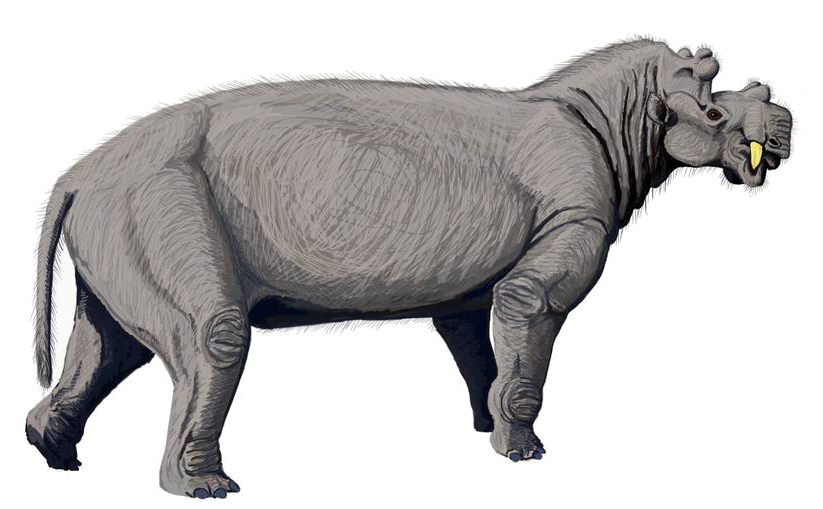
Libra is about harmony, elegance, and balance, but it is not always about being delicate. Uintatherium, a large prehistoric mammal with a heavy build, elaborate skull bumps, and saber-like upper canines, is a great match for Libra’s more complex side. At first glance, this creature looks almost overdesigned: thick bones, weird horn-like structures, and a powerful body. But look closer and you see a kind of functional symmetry, as if nature experimented with how to balance display, defense, and durability in one package.
Libra people often try to balance competing needs in a similar way: social grace and honesty, beauty and practicality, self and others. Uintatherium may have used its skull ornaments for signaling, mate competition, or intimidation, echoing how Libra subtly uses aesthetics and social cues to shape environments. The potential trap is overcompromise – ending up awkward where you meant to be elegant. Still, there is something very Libra about a creature that wears its complexity on its head and tries to hold its ground without always resorting to brute force.
Scorpio – Dunkleosteus, the Armored Enigma
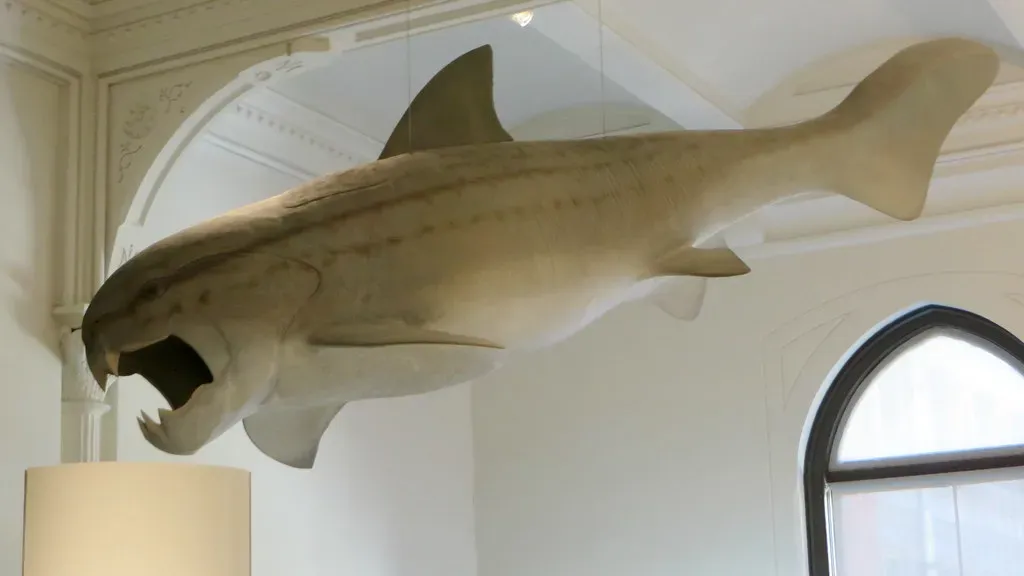
Scorpio needs a creature that is intense, secretive, and a little terrifying, and Dunkleosteus fits that brief almost too well. This ancient armored fish, living long before dinosaurs, carried massive bony plates around its head and jaw, with a bite powerful enough to crush armored prey. It likely lurked in ancient seas as an ambush predator, striking with explosive force after a moment of stillness. That pattern – calm on the surface, volcanic underneath – is exactly how Scorpio energy often works.
Many Scorpios I know are not loud about their power. They study people, wait for the right opening, and only then reveal how sharp their insight or their defenses really are. Dunkleosteus, with its heavy armor and bladed jaw edges, embodies that same combination of protection and deadly efficiency. The downside of this style is intensity fatigue: staying armored and hyper-aware can be exhausting. But as an extinct mirror of Scorpio’s depth and danger, this ancient ocean enigma reminds us that some of the most transformative forces move below the surface, where most eyes cannot see.
Sagittarius – Argentinosaurus, the Boundless Wanderer
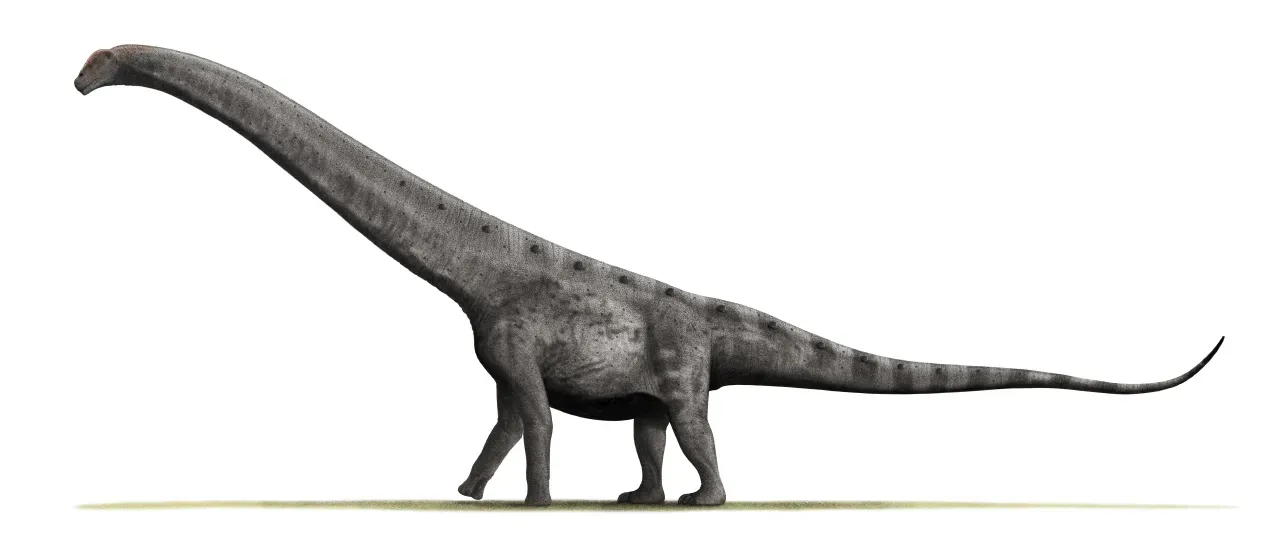
Sagittarius is the traveler, the seeker of horizons, and Argentinosaurus – one of the largest known land animals in Earth’s history – carries that spirit in an exaggerated, almost comical way. This giant sauropod would have roamed vast territories, moving its colossal body across ancient floodplains in search of enough plants to fuel its constant growth. Its long neck, sweeping tail, and sheer scale suggest an animal built for big distances and big appetites, both literal and metaphorical.
People with strong Sagittarius energy often seem oversized in the same way: their plans, their curiosity, their laughs, even their mistakes. Argentinosaurus probably could not do anything in small doses; just existing meant leaving huge footprints and reshaping the landscapes it passed through. Sagittarius does that emotionally and socially – expanding conversations, beliefs, and experiences into something larger than life. The risk is overextension, taking on more than any one creature or person can handle. But the gift is a sense of freedom that refuses to live inside small fences.
Capricorn – Woolly Mammoth, the Stoic Strategist
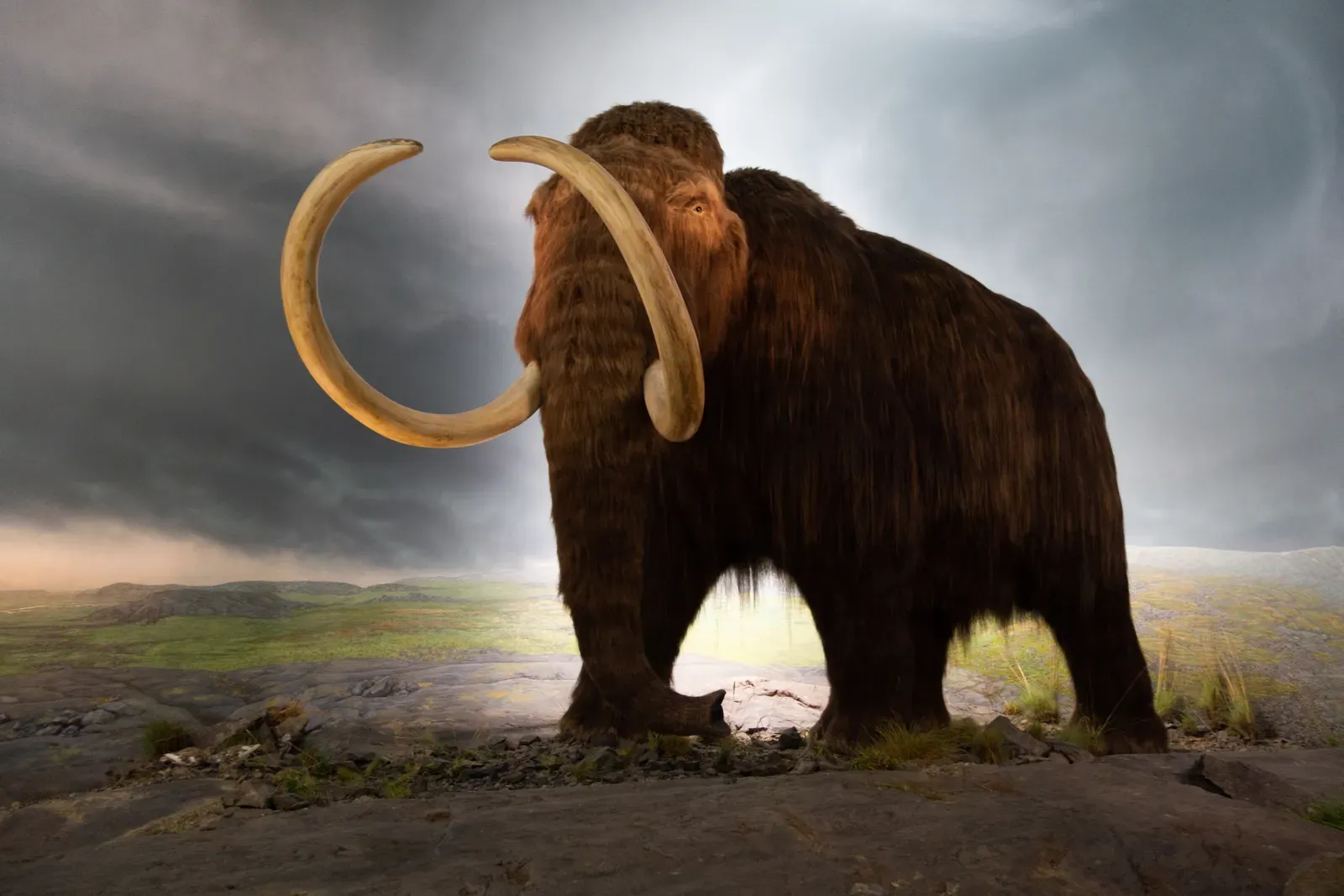
Capricorn is ambition, endurance, and realism, and the woolly mammoth is almost its mascot from another age. Built for harsh Ice Age environments, mammoths carried thick fur, insulating fat, and curved tusks that helped them dig through snow and ice to reach food. They were planners by necessity, surviving seasonal extremes by migrating, storing energy, and sticking with the herd. That long-game mindset is exactly how Capricorn operates in career, relationships, and personal growth.
Capricorn people often get labeled as serious or cold, but underneath that is a deep loyalty and a willingness to suffer short-term hardship for long-term stability. Woolly mammoths lived through cycles of climate change, competition, and human pressure, and for a long time, they managed it through sheer persistence and adaptation. The tragedy is that even the best strategy sometimes meets forces it cannot beat, a lesson Capricorn understands well. Still, as a symbol, the mammoth shows the nobility of steady effort – of choosing to keep walking through the snow even when the path ahead is unclear.
Aquarius – Therizinosaurus, the Eccentric Visionary
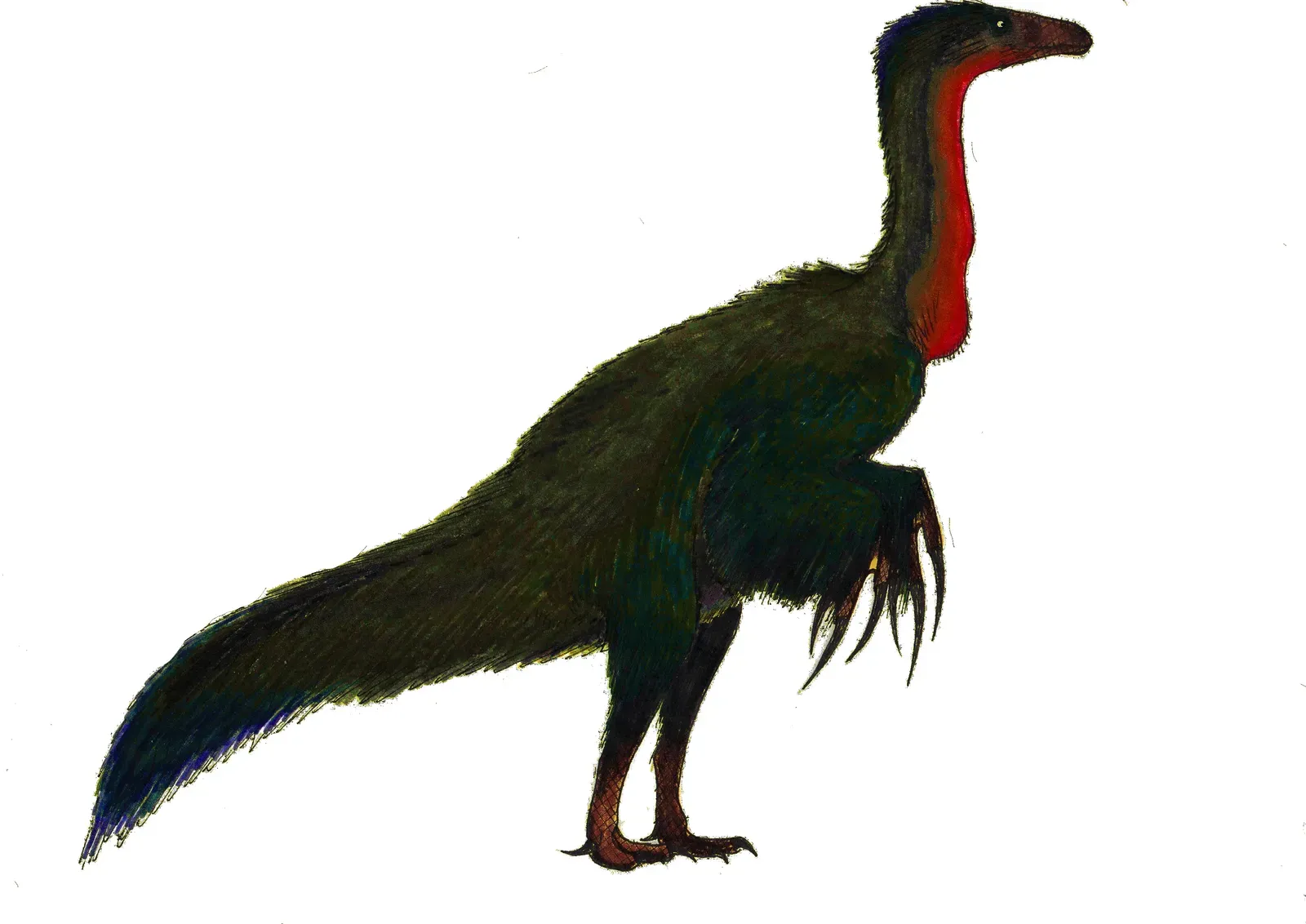
Aquarius is the sign of the outsider, the innovator, and the lovable weirdo, and Therizinosaurus might be the strangest dinosaur to ever roam the Earth. Picture a tall, feathered creature with a potbelly, long neck, and absolutely enormous scythe-like claws on its forelimbs. For decades, scientists were not even sure what to make of it: predator, herbivore, or something in between. That confusion feels very Aquarius – a being that does not fit the molds and probably does not want to.
Aquarius people often live a few steps ahead of the crowd, experimenting with ideas, looks, or lifestyles that others need time to understand. Therizinosaurus appears to have ended up as a mostly herbivorous or omnivorous creature, using those dramatic claws more for foraging or defense than for hunting. It is as if evolution handed it the pieces for a monster and it said, thanks, but I am going to do something weirder with this. In a world obsessed with fitting in, that Aquarian refusal to be normal is not just quirky; it is a quiet rebellion that can reshape what everyone else thinks is possible.
Pisces – Elasmosaurus, the Dreaming Deep-Diver
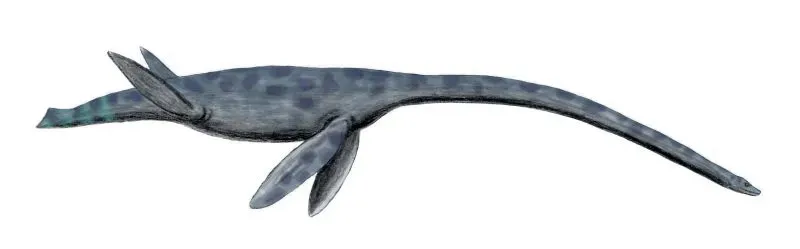
Pisces lives in emotional oceans even on dry land, so it feels right to connect it with Elasmosaurus, a long-necked marine reptile that haunted ancient seas. With a small head on a ridiculously elongated neck and a torpedo-shaped body ending in flippers, this creature moved through water with an eerie grace. It probably hunted fish and other sea life with sweeping, almost hypnotic motions, turning its head through schools of prey like a dream cutting across the subconscious.
Pisces people often navigate life more by feeling than by logic, drifting toward or away from experiences based on subtle inner tides. Elasmosaurus mirrors that fluid style of movement: not abrupt or mechanical, but continuous and flowing. The risk, for both, is getting lost in vastness – of ocean, of emotion, of imagination. Yet that same quality makes Pisces and its ancient mirror so valuable. They remind the rest of us that not every journey is meant to be linear and that some of the most important treasures are found when you surrender, sink deeper, and let the currents show you where to go.
Conclusion – Your Inner Fossil Is Not Here to Be Tame
Linking zodiac signs with extinct giants is not about pretending we know your destiny from a birth chart or a fossil bed; it is about seeing the raw, unruly patterns in you as part of something older and wilder than modern life admits. Whether you see yourself in the relentless bite of Tyrannosaurus, the gentle bulk of Paraceratherium, or the eccentric claws of Therizinosaurus, each pairing is a reminder that your style of surviving, loving, and struggling is not random. It is one more variation in a very long experiment that Earth has been running on courage, caution, curiosity, and connection.
Personally, I like thinking that somewhere in deep time, a creature moved through forests or oceans with problems not so different from mine: find food, avoid danger, protect the ones you care about, make it through another season. The astrology layer just gives that story a language we recognize, turning those instincts into archetypes you can actually work with. You do not have to believe in horoscopes to feel the pull of a giant that moves like you in some secret way – you just have to be willing to ask: if this was my inner fossil, what would it demand I stop apologizing for and finally grow into?