
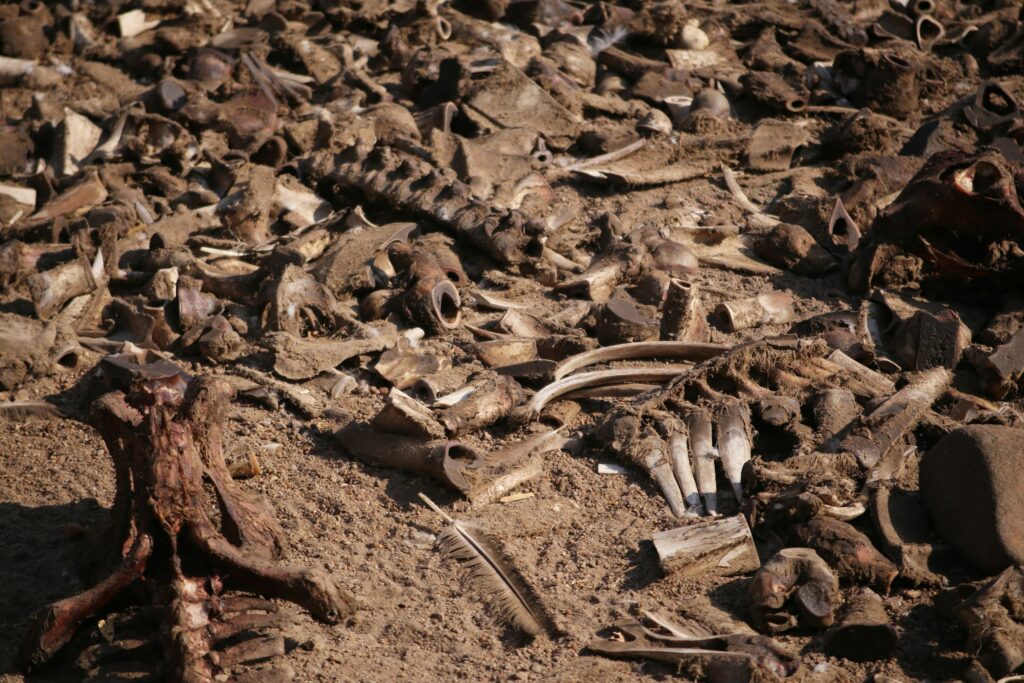
Imagine the sky turning orange, oceans turning toxic, and continents on fire while species vanish faster than you can reload a news feed. Earth has been through at least five of these planetary wipeouts, and somehow life keeps respawning like the most hardcore survival game ever made. Now picture your zodiac sign dropped into those ancient crises: who keeps going, and who taps out early?
This is where science meets playful astrology. We know a lot about the Big Five mass extinctions: giant volcanic eruptions, asteroid impacts, runaway climate change, poisoned oceans. We also know each sign has a style of coping, panicking, adapting, or just pure vibing through chaos. So let’s mix real extinction scenarios with the zodiac’s personalities and see: in which apocalypse would your sign have the best odds of making it to the sequel?
Aries – The Late Devonian Survivor (Because You Don’t Know When to Quit)
The Late Devonian extinction, around three hundred seventy to three hundred fifty nine million years ago, was not a single dramatic blow; it was a long, dragging series of crises that hammered marine life again and again. Think repeated oxygen crashes in the oceans, cooling climates, and ecosystems failing in slow motion rather than one giant Hollywood asteroid moment. That kind of stop‑start misery favors raw stubbornness and the ability to sprint through repeated waves of bad news.
That is peak Aries energy. You are built for charging headfirst into problems, then doing it again when the problem mutates, then somehow still having the nerve to try one more time. In a world where the environment keeps changing and the rules reset every few million years, your impulsive, test‑me attitude actually helps; you would not wait politely for conditions to stabilize, you would move, fight, adapt, and keep trying new strategies. If any sign could white‑knuckle its way through a drawn‑out existential grind like the Late Devonian, it is the one that treats life like a never‑ending boss battle.
Taurus – The Cretaceous–Paleogene Survivor (Slow, Steady, and Hard to Kill)
The Cretaceous–Paleogene extinction, about sixty six million years ago, is the famous dinosaur‑killer: asteroid impact, global fires, dust blocking sunlight, food chains collapsing from the plants up. Yet many small, generalist, ground‑dwelling species survived: certain birds, mammals, and hardy plants that could wait it out, burrow, or live on almost anything. Survival here was about endurance, resourcefulness, and conserving energy when the lights literally went out.
Taurus thrives exactly in that lane. You might not be the flashiest in a crisis, but you are relentlessly practical, stubborn, and good at riding out long, slow recoveries. In that post‑impact world, you would focus on basics: secure shelter, reliable food sources, repeatable routines that keep you alive while flashier personalities burn themselves out. The same grounded patience that sometimes makes you seem boring in everyday life becomes a superpower when the planet needs years to heal and only the most durable mindsets last.
Gemini – The End‑Triassic Survivor (When the Rules Change Overnight)
The end‑Triassic extinction, roughly two hundred million years ago, was driven by massive volcanic eruptions as the supercontinent Pangaea started to break apart. Rapid climate shifts, carbon dioxide spikes, and chaotic ecosystems opened the door for new kinds of life, including the rise of dinosaurs afterward. In short: the rulebook of who wins and who loses got shredded and rewritten at high speed.
Gemini was born for that kind of chaos. Your superpower is mental agility: you pivot fast, gather information from every direction, and try ten different strategies before breakfast. In a world where new niches open and close quickly, the ability to experiment and shift identities is gold. While others cling to familiar patterns that no longer work, you would constantly test new habitats, diets, alliances, and ways of living. You survive the end‑Triassic not by being the strongest, but by being the fastest to realize the game has changed and acting like it.
Cancer – The Permian–Triassic Survivor (Surviving by Building Safe Havens)
The Permian–Triassic extinction, about two hundred fifty two million years ago, was the worst known extinction in Earth’s history. Enormous volcanic eruptions, extreme warming, ocean acidification, and oxygen depletion wiped out the vast majority of marine species and many land animals. It was not just one bad day; it was an extended era of lethal conditions where only the most resilient strategies and refuges mattered.
Cancer is emotionally wired for protection, home‑building, and retreating into safe shells when the outside world turns hostile. In the worst of all apocalypses, that instinct to create secure, sheltered spaces would be a lifeline. Rather than constantly roaming through deadly environments, you would focus on pockets of survivable conditions, nurturing small communities and guarding resources with fierce loyalty. In a universe where everything is burning or choking, the sign that knows how to find or build a safe place and fiercely defend it has a genuine shot at making it across the deadliest threshold of all.
Leo – The Late Ordovician Survivor (When Visibility and Courage Matter)
The Late Ordovician extinction, roughly four hundred forty five million years ago, seems to have been driven by intense glaciations followed by rapid warming, causing sea levels to crash and then surge. Most life then was in the oceans, and species that could move, track shifting coastlines, and exploit newly opened spaces did comparatively better. It was a time when being active, exploratory, and bold mattered more than hiding and hoping.
Leo shines in any scenario where stepping forward, not shrinking back, is rewarded. In a world of retreating seas and reshaped habitats, you would not wait to be told where to go; you would actively seek new territory, take leadership in groups trying to migrate, and inspire others to follow when they are scared. That confident, center‑stage energy might seem like pure ego on calm days, but in a crisis it translates into visible, decisive action. In the shifting landscapes of the Late Ordovician, your willingness to move first and proudly claim new ground could be the edge that keeps you alive.
Virgo – The Cretaceous–Paleogene Survivor (Again, but with Better Planning)
The asteroid that marked the end of the Cretaceous did not just reward toughness; it rewarded order in a world that suddenly lost it. Ash darkened skies, temperatures plunged, fires raged, and food webs snapped. Species able to switch diets, exploit overlooked resources, and adapt their behaviors in disciplined ways were more likely to persist through the years of recovery.
Virgo’s survival edge is the ability to plan, optimize, and improve systems under stress. You are naturally wired to notice small details, track what works, and quietly refine routines until they are efficient and resilient. In a post‑impact world, you would be the one methodically rationing food, timing foraging trips, mapping safe zones, and continually adjusting strategies based on what reality is actually doing, not what people wish it were doing. Where others panic or romanticize the past, you would keep your focus on logistics, and in a shattered ecosystem, logistics are everything.
Libra – The End‑Triassic Survivor (By Mastering Alliances in a Shattered World)
When huge volcanic provinces erupted at the end of the Triassic, climate swings, carbon spikes, and shifting continents tore apart established ecosystems. New players rose, old rulers vanished, and every species was effectively thrown into a global reshuffle. In such a world, survival was not only about physical traits; it was also about how organisms interacted, competed, and filled or shared ecological roles.
Libra’s strength lies in navigating relationships, balancing competing needs, and creating cooperative structures out of potential chaos. Translate that psychologically into a survival scenario and you get someone who understands that you do not get through a planetary reboot alone. In a constantly rearranging world, you would be skilled at building networks, sharing information, trading resources, and smoothing over conflicts before they become lethal. Your instinct for fairness might even be adaptive: groups that do not tear themselves apart from the inside are more likely to handle the external catastrophe pressing in from all sides.
Scorpio – The Permian–Triassic Survivor (Born for the Absolute Worst‑Case Scenario)
The Great Dying at the end of the Permian was the closest Earth has come to pressing a hard reset on complex life. Oceans turned anoxic and possibly toxic, temperatures soared, and ecosystems collapsed almost everywhere. Surviving meant enduring extreme stress, low oxygen, strange chemistry, and a world that looked more like a nightmare than a home.
Scorpio is psychologically tuned to extremes: you understand fear, obsession, and transformation at a depth that other signs often shy away from. In a Permian‑style hellscape, your willingness to stare into darkness, adapt to it, and even draw power from it becomes a survival trait. While others shut down or cling to a vanished normal, you would be more capable of making brutal decisions, shedding old identities, and reinventing yourself to fit an alien world. If any sign could walk straight through the ugliest chapter in Earth’s history and come out changed but still alive, it is Scorpio.
Sagittarius – The Late Devonian Survivor (Roaming Until You Find a Better World)
The drawn‑out crises of the Late Devonian pummeled reefs and many marine groups, but pockets of relative stability likely remained here and there as climates shifted and sea levels changed. Species with mobility, flexible lifestyles, and the ability to explore new habitats rather than cling to old ones had a better chance of stumbling into these refuges and thriving when conditions improved.
Sagittarius lives for exploration and wide horizons. You are naturally inclined to move, wander, and look for new opportunities rather than staying trapped in crumbling situations. In a Devonian‑style, on‑again‑off‑again catastrophe, your restless spirit would push you to keep searching instead of sinking with a failing ecosystem. That optimism others sometimes tease you for is actually adaptive here: without the belief that something better might exist beyond the next ridge or coastline, nobody would have the courage to go and find it.
Capricorn – The Ordovician–Silurian Survivor (Climbing Through the Ice Ages)
The Ordovician–Silurian extinction, more than four hundred forty million years ago, is strongly linked to intense ice ages and sea‑level falls that devastated shallow‑water life. Organisms that could tolerate cold, handle long‑term environmental pressure, or shift into deeper or alternative habitats were more likely to make it through the icy bottleneck and into the warmer Silurian that followed.
Capricorn is basically the zodiac’s mountaineer: disciplined, patient, and strangely comfortable pushing through long, harsh conditions for a distant payoff. In an ice‑driven extinction, your tolerance for delayed gratification and grueling effort would serve you well. Rather than burning out early or giving up when resources get scarce, you would quietly climb into new niches, conserve what little you have, and outlast rivals who crash from exhaustion. When the ice finally retreats and new space opens, you are the one still standing, already halfway up the next metaphorical mountain.
Aquarius – The Future Anthropocene‑Style Crisis Survivor (Hacking the System)
Many scientists argue we are currently pushing the Earth into a new human‑driven extinction event through habitat loss, pollution, overexploitation, and rapid climate change. This emerging crisis is different from ancient ones because technology, global communication, and conscious decision‑making are now in the mix. Survival here is not just about physical adaptation, but about inventiveness, policy, and collective behavior.
Aquarius is wired for big‑picture thinking, radical ideas, and systems‑level change. You look at patterns, question assumptions, and imagine futures that do not exist yet. In a modern extinction scenario, your best survival move is not hiding; it is hacking the rules of the game: building new technologies, reorganizing societies, and pushing for unconventional solutions that lower the damage or help life persist in new ways. While other signs might focus on personal safety, you would be drawn to redesigning the entire playing field, and that might be exactly what survival on a human‑changed planet requires.
Pisces – The Long‑Recovery Survivor (Healing After the Chaos)
After every major extinction, there is a long, messy recovery phase where new ecosystems slowly assemble from the survivors. Diversity rebuilds, new species radiate into emptied niches, and entirely new ways of life appear. This period is less about brute survival against immediate disaster and more about sensitivity, flexibility, and connection as life knits itself back together across a wounded planet.
Pisces resonates with that quiet, in‑between energy. You are empathetic, intuitive, and often more tuned into subtle emotional and environmental undercurrents than loud, obvious threats. In a post‑extinction world, this sensitivity becomes a strength: you would sense where new opportunities are emerging, where cooperation is possible, and how to flow rather than fight against the new reality. You may not be the sign leading charge during the impact itself, but when it is time to heal, adapt, and dream new possibilities into existence, Pisces is exactly the kind of energy a recovering biosphere would lean on.
Conclusion – Your Sign’s Apocalypse Is Really About Your Style of Survival
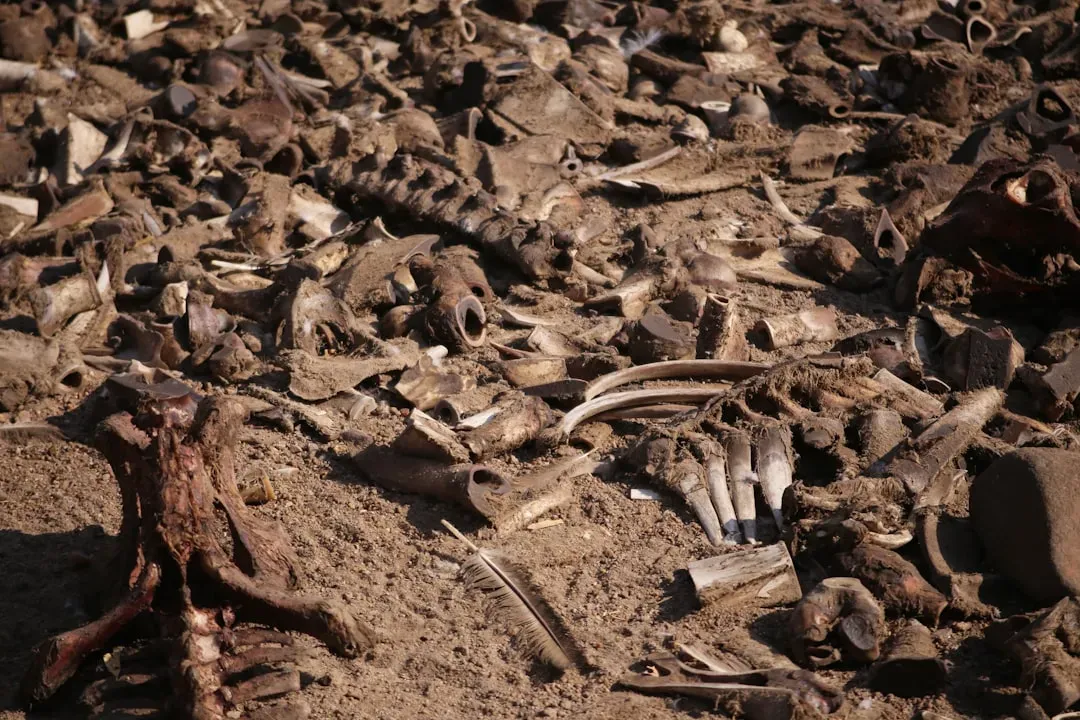
When you line up the mass extinctions against the zodiac, you start to see something revealing: the question is not whether your sign is strong or weak, but what kind of disaster your natural coping style is built for. Some signs thrive in drawn‑out stress, others in sudden shocks, others in the slow healing afterward. None of this changes the scientific reality of past extinctions, yet it gives a strangely human lens on what survival actually looks like: stubbornness, curiosity, community, endurance, reinvention, and hope.
My own take is that the sign you resonate with says less about which cosmic catastrophe you would literally survive, and more about how you tend to respond when your personal world falls apart. Do you charge, hide, plan, connect, invent, or surrender and then quietly rebuild? In that sense, every sign has its own extinction it was born to outlast. So if the sky ever does turn orange for real, which style of survivor do you think you’d be?