
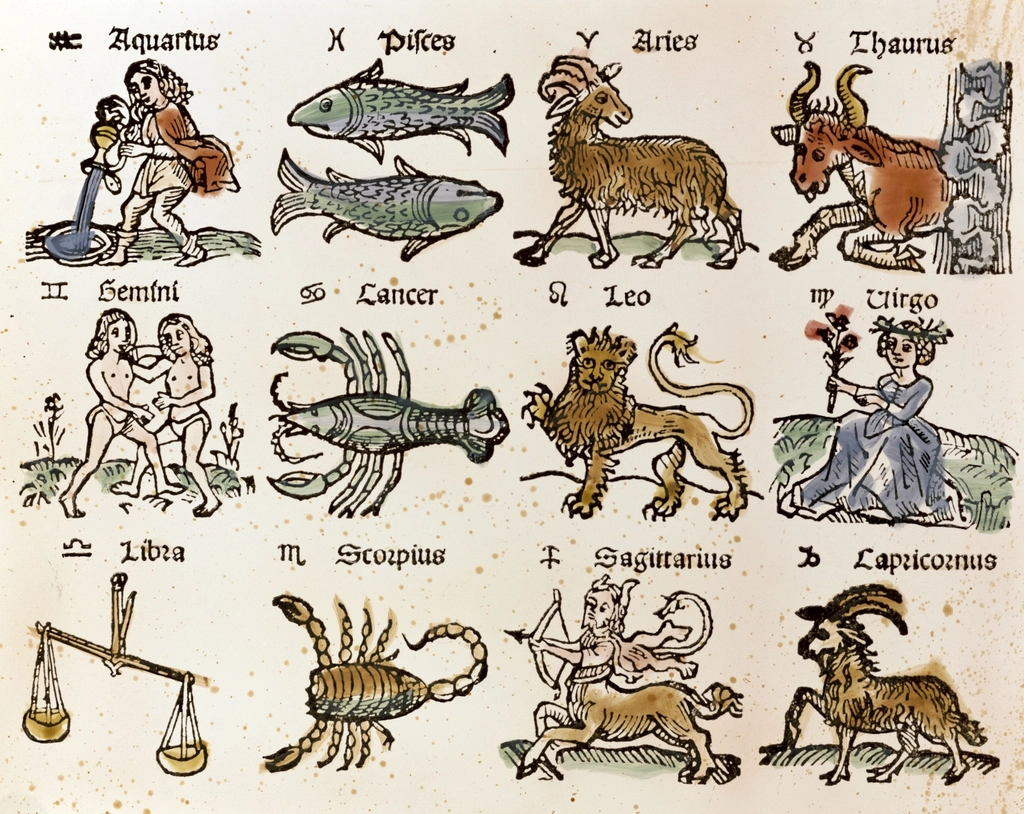
Imagine dropping each zodiac sign into a prehistoric safari with zero warning. No documentaries, no textbooks, just instincts and vibes. Who would calmly identify a massive Ice Age predator, and who would confidently point at a harmless herbivore and decide it’s basically a weird cow? That gap between what something really is and what our brains insist it looks like is where this gets fun.
In reality, many prehistoric animals truly do resemble modern creatures at a glance. But when you look closer, the details are wild: sails on backs, claws like scythes, beaks with teeth, giant armadillo tanks, and birds that look like they were designed by a sleep‑deprived video‑game artist. In this article, we’re playing a what‑if game: which ancient animal would each sign most likely mistake for something else, and why does that actually fit the sign’s personality a little too well?
Aries: The Charging Woolly Rhinoceros (Mistaken for a Fuzzy Tank of a Cow)
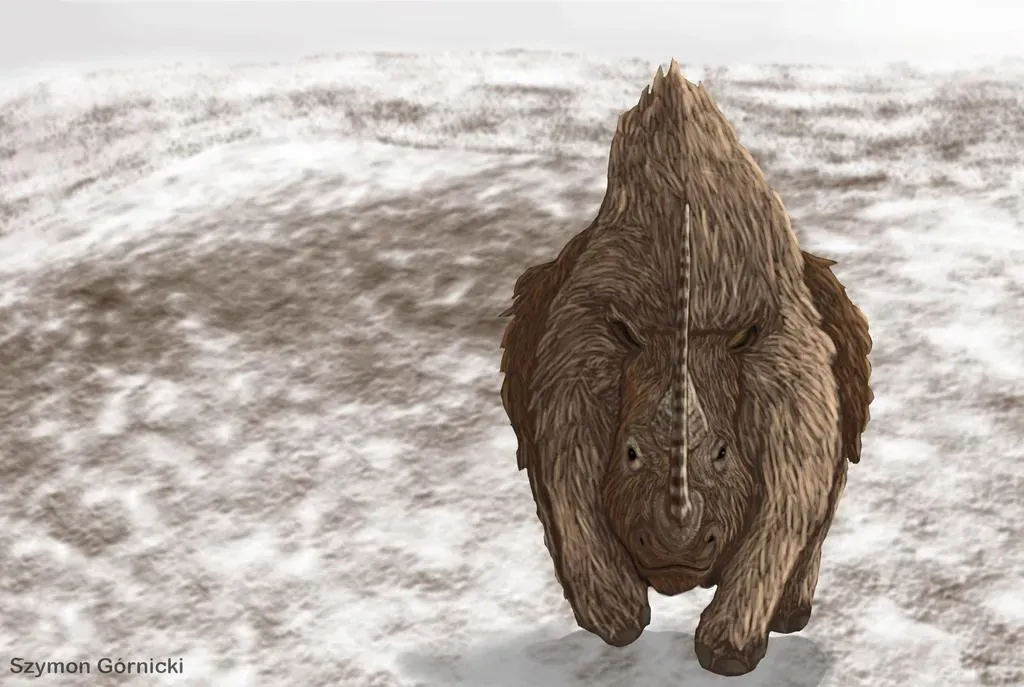
Aries would spot the woolly rhinoceros thundering across an Ice Age steppe and blurt out that it’s basically a very determined, extra‑fluffy cow. On a shallow glance, that tracks: big body, grazing habit, horns on the head, thick fur, and a huge presence on those cold northern plains. The woolly rhino really did spend a lot of time doing very cow‑like things, like browsing tough vegetation and stomping across frozen ground in search of food.
But look a bit deeper and the comparison falls apart in the most Aries way possible. This animal was powerful, heavily built, and armed with a long, thick horn that shows clear signs of scraping snow and maybe even jousting rivals. It lived in harsh conditions and had to fight for survival, much closer in spirit to a biological battering ram than a peaceful farm cow. Aries would be drawn to that intense, charge‑first energy without even realizing it, confidently mislabeling it while secretly choosing the most Aries animal in the room.
Taurus: The Glyptodon (Mistaken for a Giant, Comfy Armadillo Beanbag)
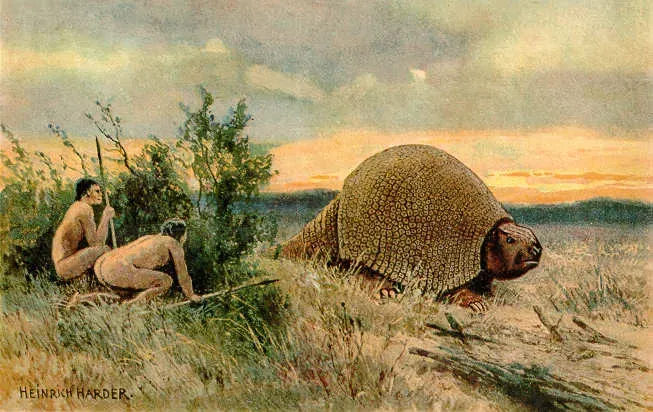
Taurus would walk up to a glyptodon, take in the rounded shell, sturdy body, and squat little legs, and decide they’ve just met the ultimate oversized armadillo or possibly a living stone ottoman. Glyptodons were huge armored mammals from South America, weighing as much as a small car, with a domed shell made of bony plates and sometimes a club‑like tail. At first glance, they really do look like an armadillo dragged into a fantasy game and scaled up absurdly.
However, beneath that “big, cozy pet” vibe was a serious survival machine. The shell was not there to be sat on; it was a fortress against predators, and some species had reinforced tails that could deal serious damage. Taurus tends to see the comfort potential in everything, and glyptodon screams safety, solidity, and slow movement. They’d probably underestimate how tough this creature really was, treating it mentally like a gentle, portable piece of prehistoric furniture, when in truth it was a tank that just happened to mind its own business while grazing.
Gemini: Microraptor (Mistaken for an Overly Dramatic Crow With Extra Accessories)
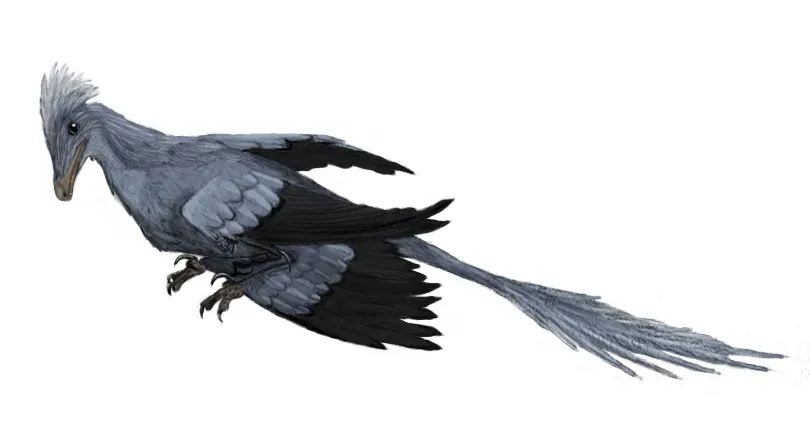
Gemini would look at microraptor and insist it’s just a crow, but make it fashion. This small, feathered dinosaur had wings not only on its arms but also on its legs, creating a four‑winged silhouette that seems almost theatrical. Fossil evidence suggests dark plumage and aerodynamic feathers, giving microraptor a sleek, birdlike appearance that is surprisingly modern at first glance.
To a quick‑thinking, easily distracted Gemini, microraptor would feel like a showy version of familiar urban birds – just one that got a little too enthusiastic with cosplay. But this animal was not just a fancy crow; it was a skilled glider or flyer, preying on small animals and navigating complex forest environments. While Gemini is busy cracking jokes about how it looks like a bird that could not decide where wings should go, they would be missing the fact that this is a dinosaur in full evolutionary transition, carrying deep clues about how flight evolved.
Cancer: Megatherium (Mistaken for a Gentle, Oversized Tree‑Hugging Sloth)
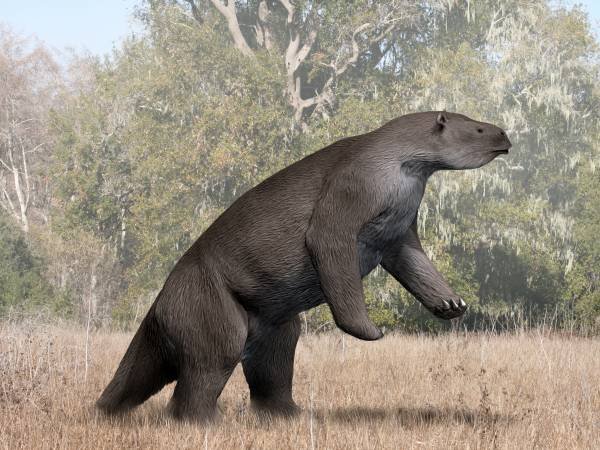
Cancer would emotionally imprint on megatherium in about three seconds and immediately decide it is just a huge, misunderstood sloth that wants hugs and leaves. Megatherium was a giant ground sloth from South America, towering over humans when it reared up, with massive claws and a bulky, robust frame. The modern sloth’s reputation as a slow, sleepy, harmless creature makes it easy to project the same kindly image onto its prehistoric cousin.
Yet megatherium was more complicated than a gentle giant stereotype. Its claws were serious tools that could have been used for pulling down branches, digging, or defending against predators. It was slow, yes, but not defenseless; this was a heavyweight herbivore that held its own in a dangerous ecosystem filled with large predators. Cancer’s nurturing instincts would make them focus on its big body, placid posture, and plant‑eating habits, turning it into a kind of emotional support monster – even while underestimating how formidable it truly was.
Leo: Therizinosaurus (Mistaken for a Glamorous, Ridiculous Oversized Flamingo)
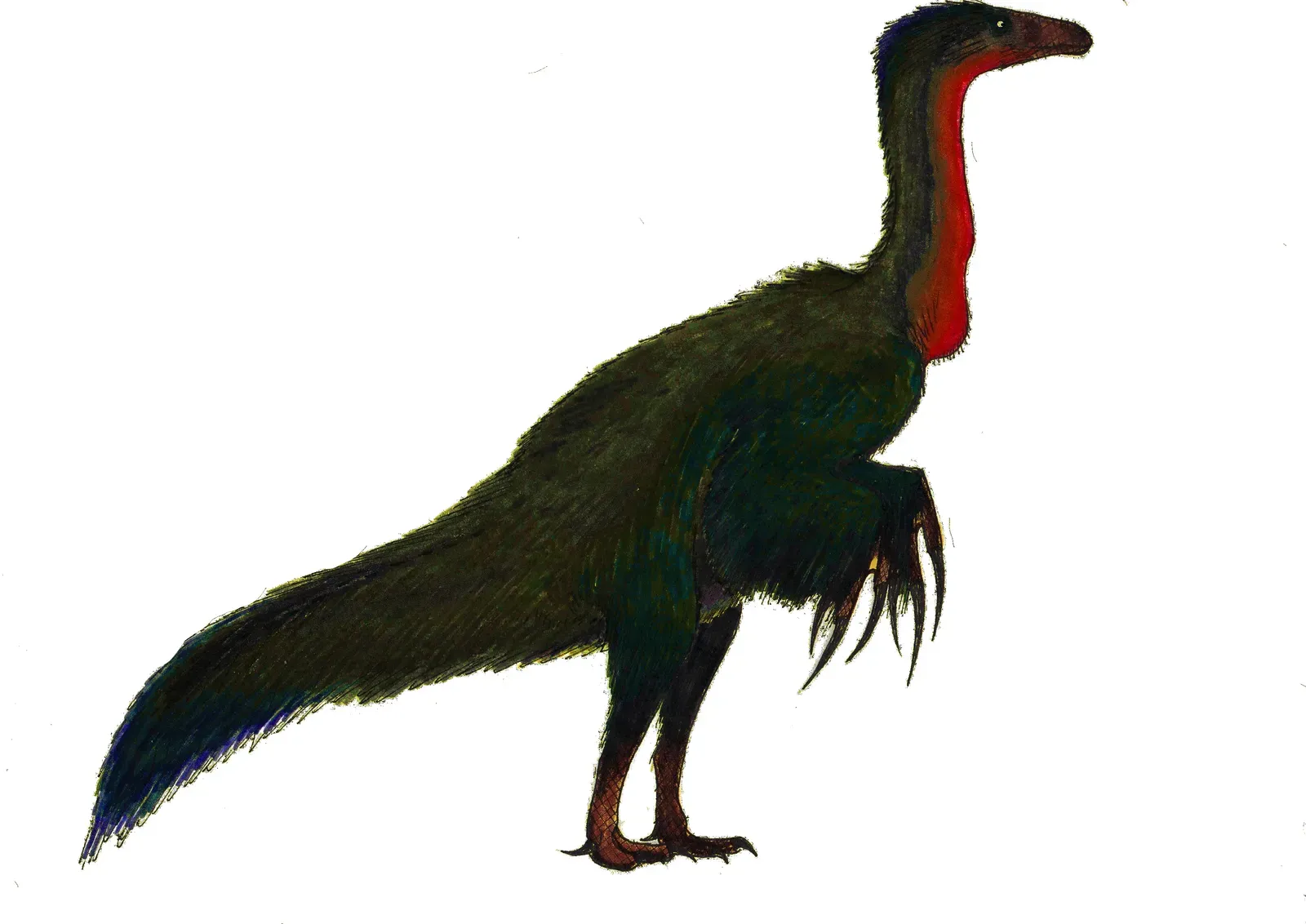
Leo would take one look at therizinosaurus – tall, long‑necked, with a potbelly and giant claws – and insist it’s some kind of prehistoric flamingo that took things way too far. With its long arms ending in absurdly elongated claws, likely feather‑covered body, and odd posture, therizinosaurus already looks like it wants attention just for being bizarre. Early reconstructions even confused scientists, and it took time to realize this was a mostly plant‑eating theropod, not a classic carnivorous predator.
In Leo’s imagination, this creature becomes a dramatic, high‑fashion bird posing in a shallow lake, even though the reality is more complex. Those claws may have been used to pull down vegetation, and its body structure suggests an herbivorous or omnivorous lifestyle rather than a sleek, fish‑eating bird. Still, the exaggerated proportions and theatrical silhouette fit Leo’s love of spectacle. They would probably keep describing it as a diva flamingo with knives for hands, while paleontologists quietly point out that it belongs on the dinosaur family tree, not in a flock of wading birds.
Virgo: Heterodontosaurus (Mistaken for a Confusing, Overachieving Squirrel)
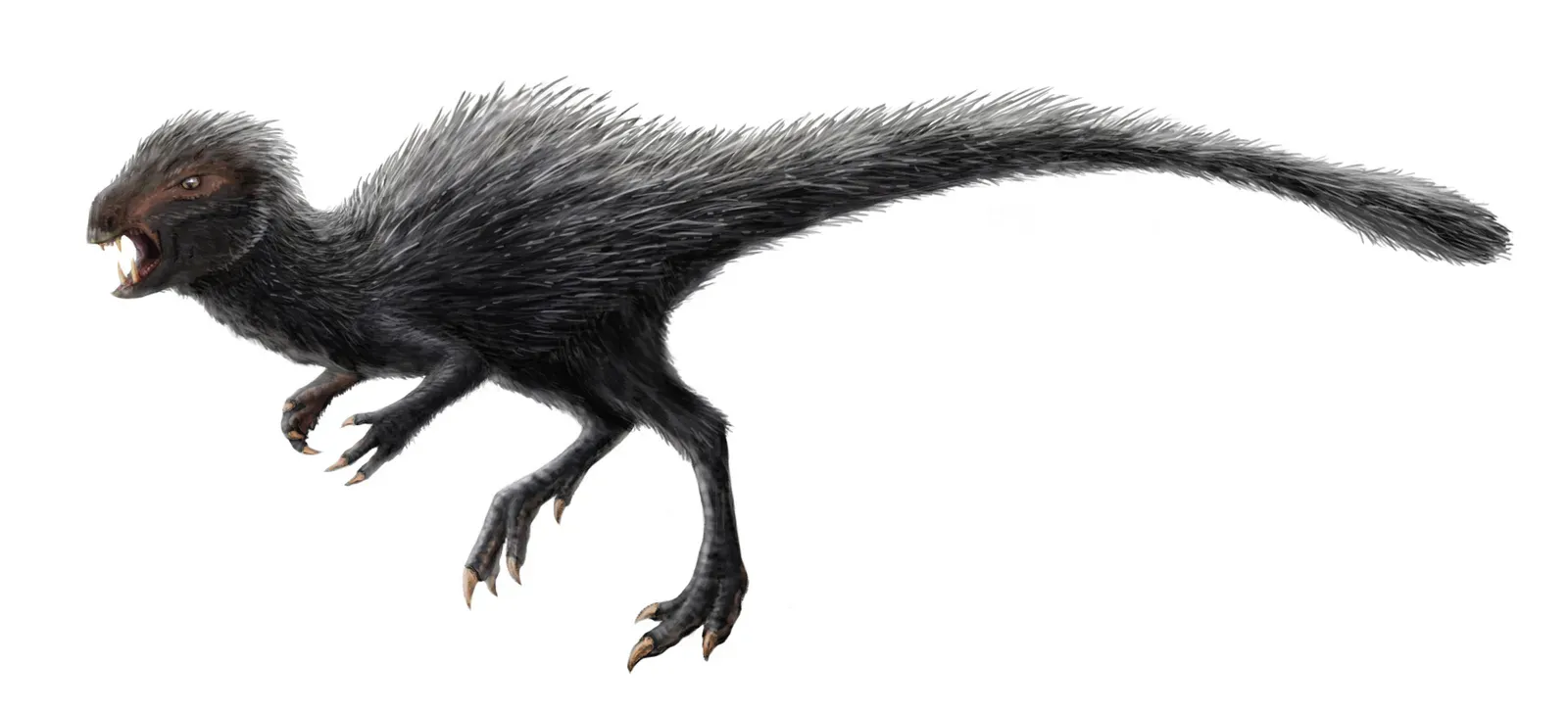
Virgo would zero in on heterodontosaurus and immediately feel suspicious, then dismiss it as a squirrel that tried too hard. This small dinosaur had an odd mix of teeth: some suited for slicing, others more like grinding plant material, plus tusk‑like canines in certain species. Its compact body, agile limbs, and potential for quick movement give it a twitchy, rodent‑adjacent appearance, especially when imagined darting through undergrowth.
But under the surface, heterodontosaurus is a puzzle of early dinosaur evolution, hinting at experiments in diet and lifestyle. It might have been omnivorous, switching between plants and small animals, using its varied teeth as a multipurpose toolkit. Virgo, who likes things to be categorized cleanly, would be tempted to simplify it into “weird prehistoric squirrel” and move on. In doing so, they’d downplay how much information this little animal holds about adaptability, dietary flexibility, and how early dinosaurs explored different ecological roles.
Libra: Pteranodon (Mistaken for a Regular Seagull That Got Into Cosplay)
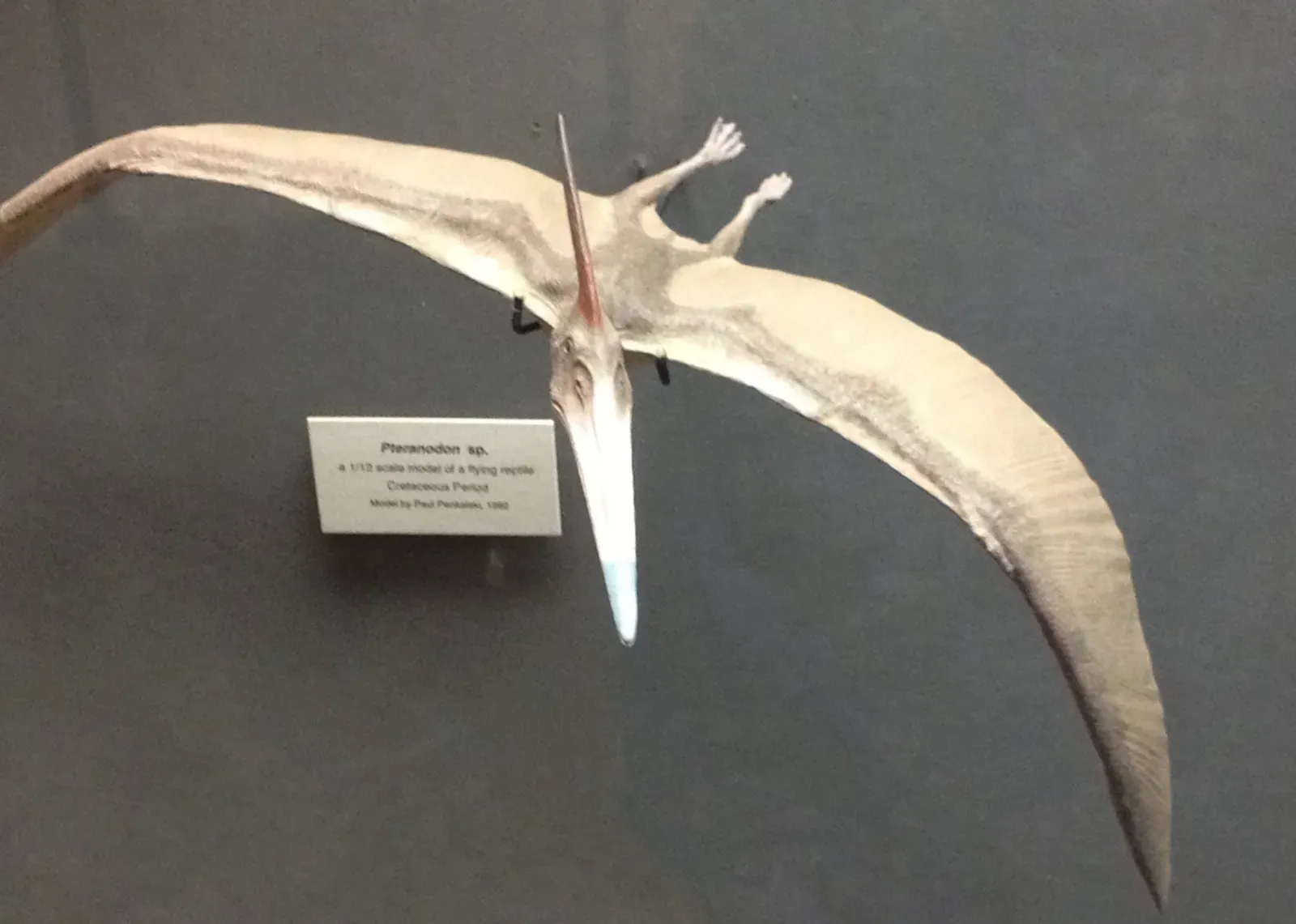
Libra standing near a coastline in the Late Cretaceous would see pteranodons gliding overhead and label them as extremely dramatic seagulls or pelicans with better wingspans. Pteranodon was a large pterosaur with a long, beaklike snout and often a prominent crest at the back of the head. Its wings were formed from a membrane of skin and muscle, supported by a highly elongated fourth finger, giving it a completely different structure from modern birds even though the silhouette reads as “flying coastal animal.”
This animal almost certainly spent a lot of time soaring over oceans, catching fish, and using air currents efficiently, which feels very similar to seabirds today. Libra, obsessed with symmetry and balance, would be enchanted by its graceful flight and clean, minimal design, but might gloss over the fact that it is not a bird at all. By mentally classifying it as an upgraded seagull, Libra would miss the deeper story: this is an entirely separate branch of flying vertebrates, evolving parallel to birds but not directly related to them in the way a casual glance might suggest.
Scorpio: Smilodon (Mistaken for an Overly Intense Sabertooth Big Cat – and Missing the Nuance)
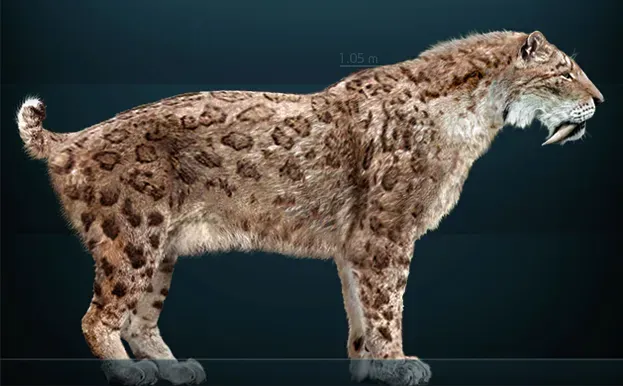
Scorpio would lock eyes with smilodon and instantly identify it as a hyper‑dramatic big cat, like a prehistoric panther with built‑in daggers. Known commonly as the sabertooth cat, smilodon lived in the Americas during the Ice Age and had incredibly elongated upper canine teeth that dominate most illustrations. At first glimpse, it looks like a lion or tiger with a few sliders pushed too far in character creation, and that is usually where casual understanding stops.
However, anatomically, smilodon was not just a lion with long fangs. It had a more robust body, powerful forelimbs, and a jaw that may have opened wider than modern big cats, possibly using its teeth in a very different hunting strategy. Some evidence suggests ambush predation rather than long chases, and its social behavior is still debated. Scorpio would be attracted to its intense, dangerous aura and might romanticize it as the ultimate solitary predator, while the science hints at a more layered, maybe even social, animal that does not fit neatly into one dark, brooding archetype.
Sagittarius: Titanoboa (Mistaken for Just a Really, Really Committed Anaconda)
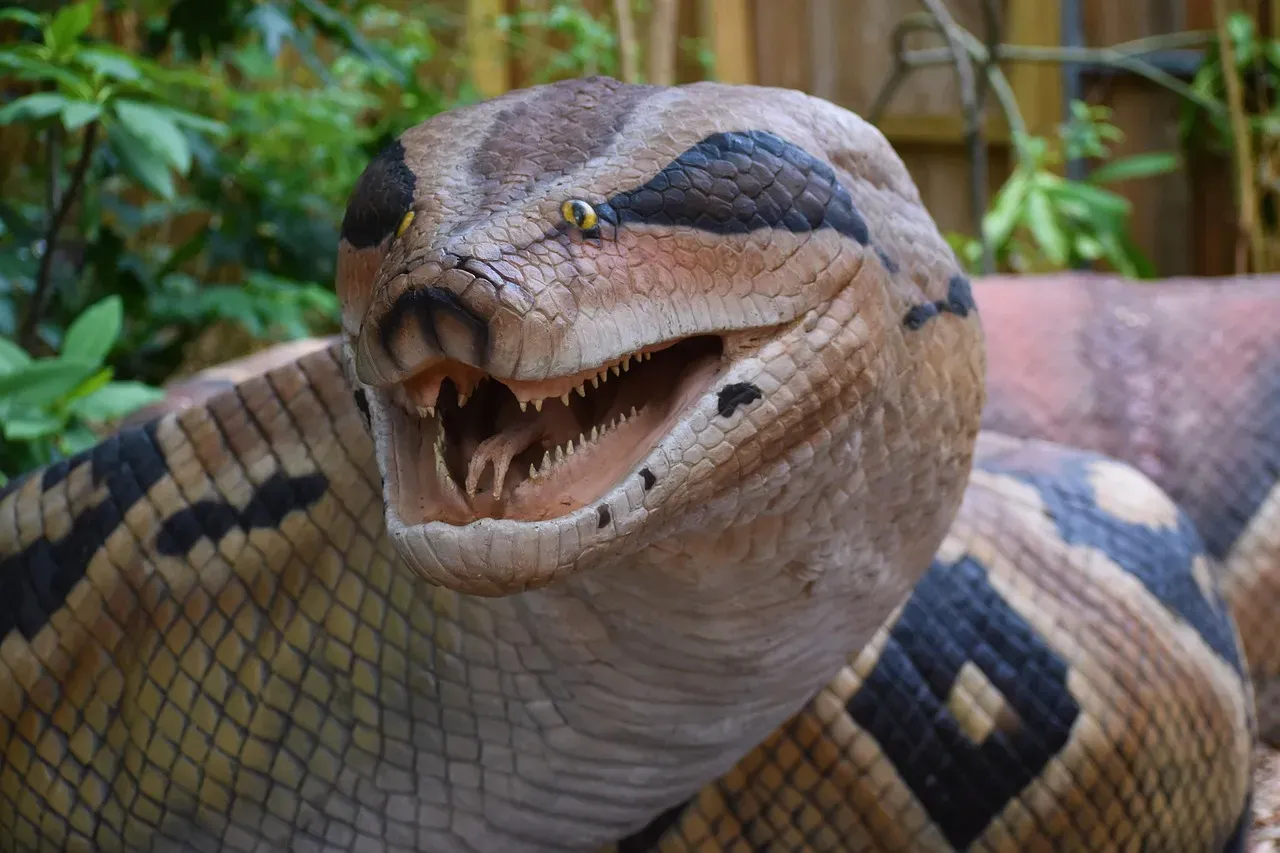
Sagittarius would probably spot titanoboa and declare it an anaconda that simply refused to set limits. Titanoboa was a gigantic prehistoric snake from what is now South America, living in hot, swampy forests after the age of the dinosaurs. It could reach lengths far beyond any snake alive today, with a body as thick as an oil drum in some reconstructions, curling through murky water in a way that looks disturbingly familiar to anyone who’s seen modern large constrictors.
The mistake here is understandable: titanoboa did occupy a similar ecological role to big snakes today, likely ambushing prey in or near water and relying on strength rather than venom. But its sheer scale was possible only because the climate was warmer and the ecosystems supported such massive reptiles. Sagittarius, drawn to anything that screams “epic,” would focus on size and drama, treating titanoboa like an anaconda that unlocked a cheat code. In doing so, they’d blur the important distinctions between adaptation to ancient climates and the limits that modern ecosystems impose on living reptiles.
Capricorn: Moschops (Mistaken for a Grumpy Prehistoric Cow‑Hippo Hybrid)
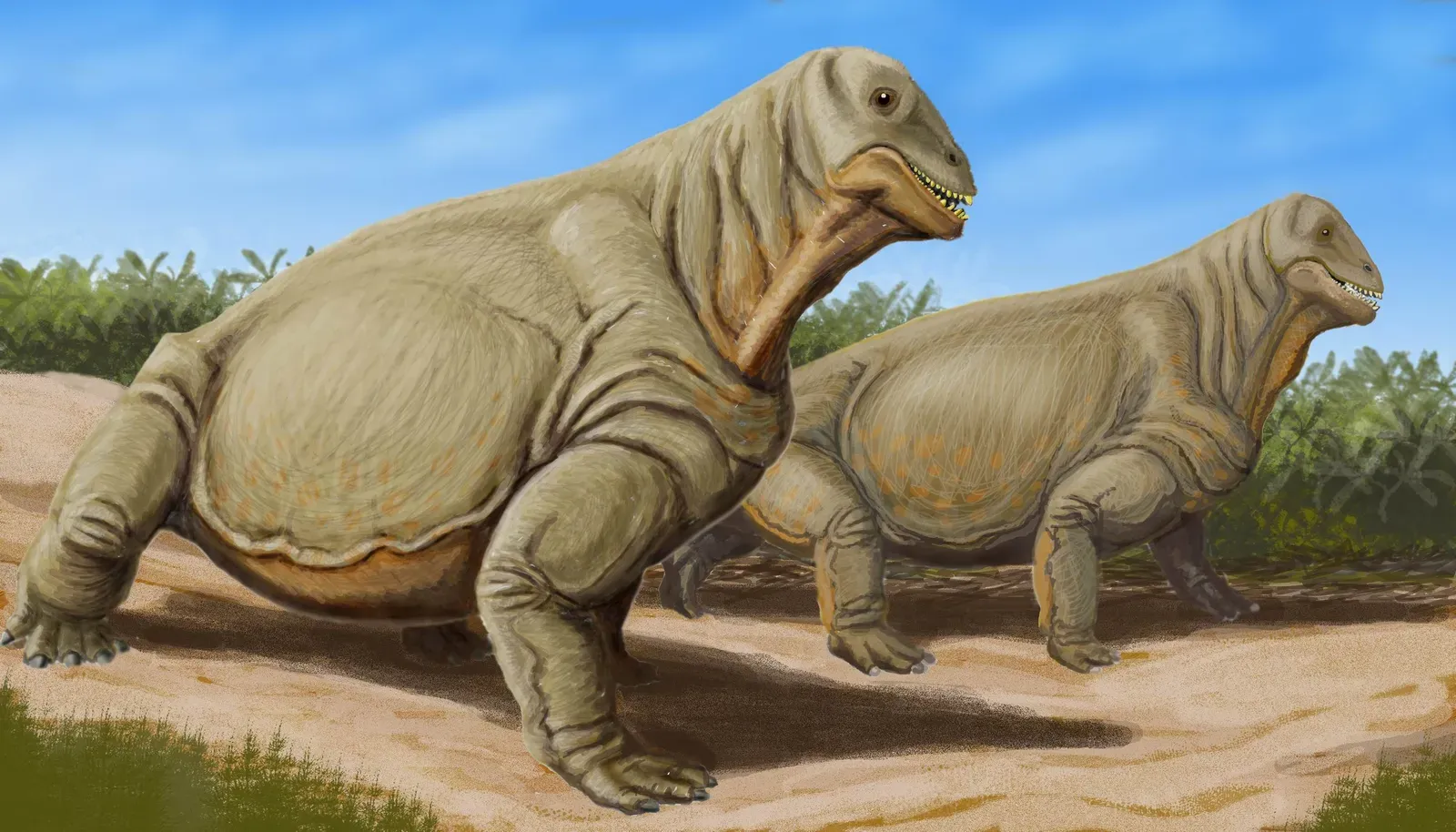
Capricorn would glance at moschops and label it, with mild irritation, as a squat, grumpy cow‑hippo mashup that looks permanently stressed about taxes. Moschops was a bulky, four‑legged synapsid from the Permian period, with a massive, thick skull and a somewhat awkward, low‑slung body. Its wide, heavy head and sturdy jaws suggest a plant‑eating lifestyle, browsing tough vegetation in hot, seasonal environments long before true mammals appeared.
The resemblance to modern grazing or wallowing animals is mostly about body plan, not ancestry. Moschops belonged to a group more closely related to the distant ancestors of mammals than to any living cow or hippo. Capricorn, who appreciates workhorse energy and animals that look like they get things done, would mentally file it alongside livestock and semi‑aquatic grazers. That neat categorization hides the truth: this creature is part of a deep evolutionary prequel, representing early experiments in big, plant‑eating land animals that set the stage for what would come millions of years later.
Aquarius: Hallucigenia (Mistaken for a Glitched‑Out Sea Worm From a Sci‑Fi Game)
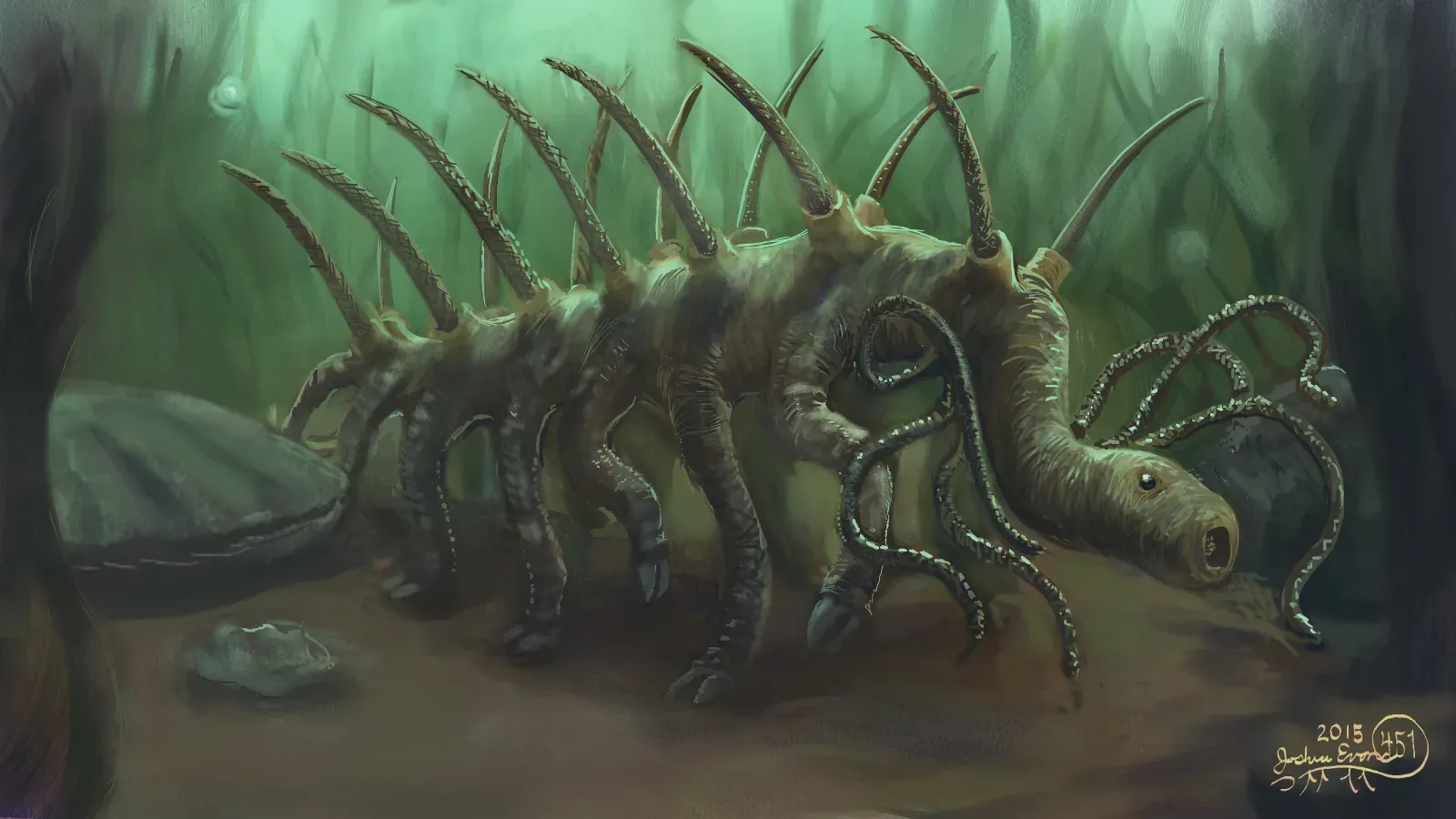
Aquarius would absolutely adore hallucigenia, immediately describing it as a sea worm designed by a gaming studio after three days without sleep. Hallucigenia is a tiny, bizarre Cambrian creature known from soft‑bodied fossils, with spines along one side and multiple pairs of soft, tentacle‑like limbs on the other. For years, scientists were not even sure which way up it went, and early reconstructions famously showed it upside down, with the spines on the ground and the legs pointing upwards.
Even once reinterpreted, hallucigenia still looks surreal: like a walking toothpick with flexible legs and a simple, tube‑like body, part of a broader explosion of experimental animal forms in early oceans. Aquarius would get caught up in its weirdness and declare it a glitch in evolution, something that feels more conceptual than real. By reducing it to a novelty character, they might overlook how important creatures like this are in understanding the early branching of animal body plans and the wild experimentation that took place during the Cambrian period.
Pisces: Ichthyosaurus (Mistaken for a Friendly Prehistoric Dolphin)

Pisces would see ichthyosaurus slicing through ancient seas and instantly fall in love, assuming it is just a sweet prehistoric dolphin with a slightly edgier look. Ichthyosaurs were marine reptiles, not mammals, but many evolved streamlined bodies, dorsal fins, and tails that look strikingly similar to modern dolphins and some fish. This is a classic case of convergent evolution, where unrelated groups develop similar shapes because they live in similar environments and face similar physical demands.
To Pisces, who tends to romanticize ocean life, ichthyosaurus would radiate familiar, gentle energy, even though some species were active predators with sharp teeth and large eyes adapted for hunting. It navigated open water, gave birth to live young in some cases, and thrived for millions of years before declining. By mentally folding it into the dolphin category, Pisces would miss the powerful message here: that the sea has a way of sculpting bodies into certain efficient designs again and again, regardless of which lineage evolution starts with.
Conclusion: What Our Snap Judgments About Prehistoric Creatures Say About Us
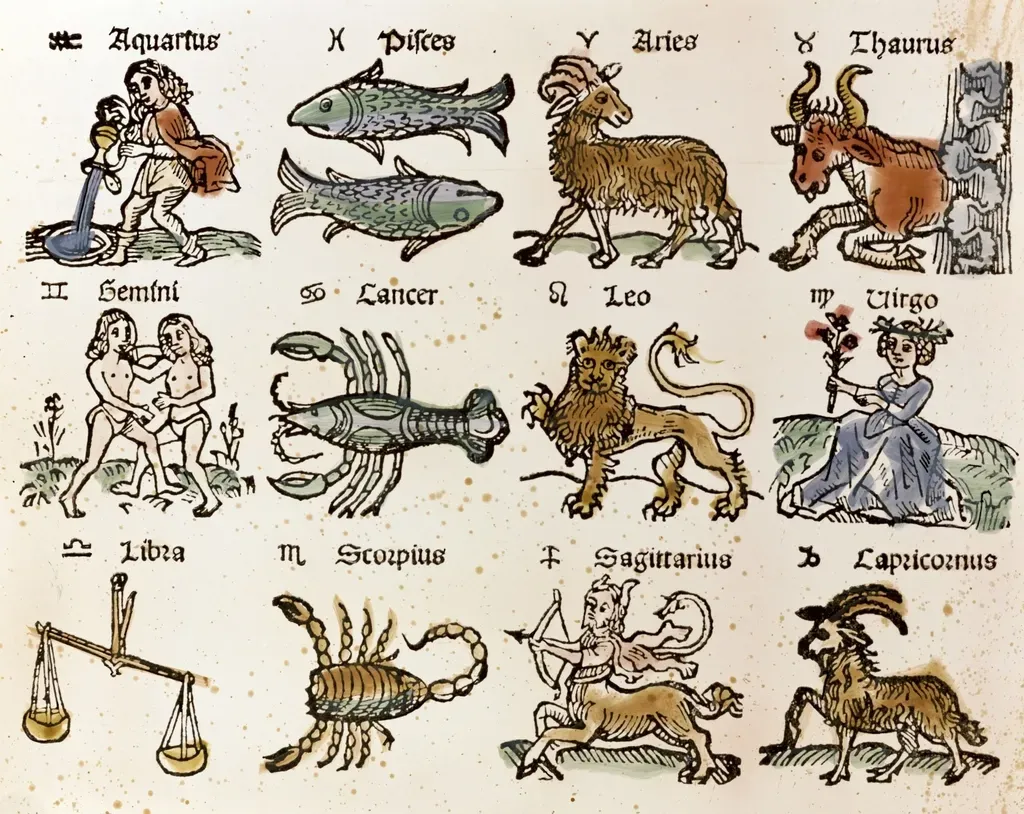
Putting each zodiac sign into a prehistoric setting is obviously a playful thought experiment, but it highlights something real about how our brains work. We lean hard on comparison and familiarity, grabbing the closest modern animal and slapping that label onto something ancient and strange. When Aries mistakes a woolly rhino for a cow or Pisces sees a dolphin where there is actually a reptile, it shows how fast we smooth over complexity just to feel like we understand what we are looking at.
Prehistoric life was far stranger and more varied than any quick comparison can capture, and our zodiac‑flavored misidentifications are a reminder of that. The more we learn, the more the simple labels fall apart, replaced by richer stories about adaptation, climate, and deep time. Personally, I think that tension – between “looks like a giant armadillo” and “actually a heavily armored evolutionary experiment” – is what makes these creatures so addictive to read about. Next time you see a reconstruction of some long‑extinct animal and your brain whispers “oh, that’s just a weird bird,” will you trust that first impression, or pause and wonder what you are probably getting wrong?