
Imagine if your birth chart did not just speak in symbols and elements, but in teeth, claws, feathers and thunderous footsteps. If your sign were not just a ram or a lion, but a towering sauropod, an oceanic monster, or a saber‑toothed powerhouse, which ancient titan would echo your energy the most? It is a slightly wild idea, but that is exactly why it is so fun: blending solid paleontology with the archetypal language of astrology to see what kind of prehistoric force you secretly carry around.
Of course, this is personality play, not hard science. Dinosaurs did not care about your rising sign. Still, some prehistoric animals line up uncannily well with classic zodiac traits: boldness, stubbornness, intensity, adaptability. Think of it as a mash‑up between your favorite space app and a natural history museum. Let’s walk era by era, sign by sign, and see which giant from deep time feels like your ancient alter ego.
Aries – Tyrannosaurus rex, the Fearless Apex
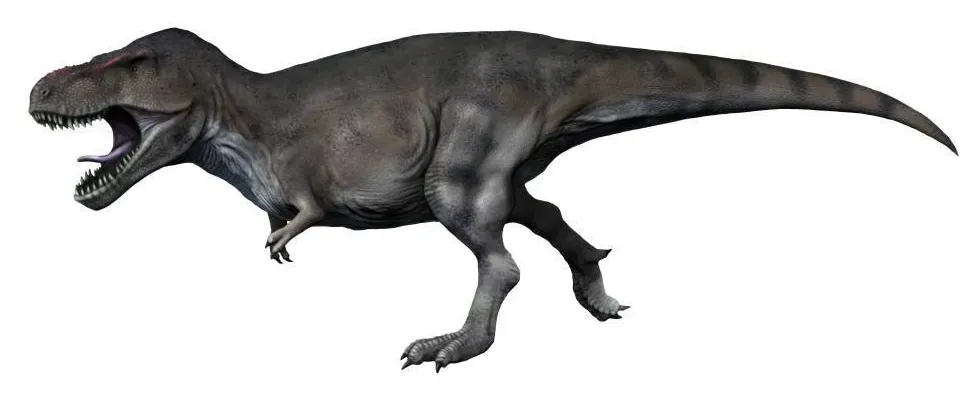
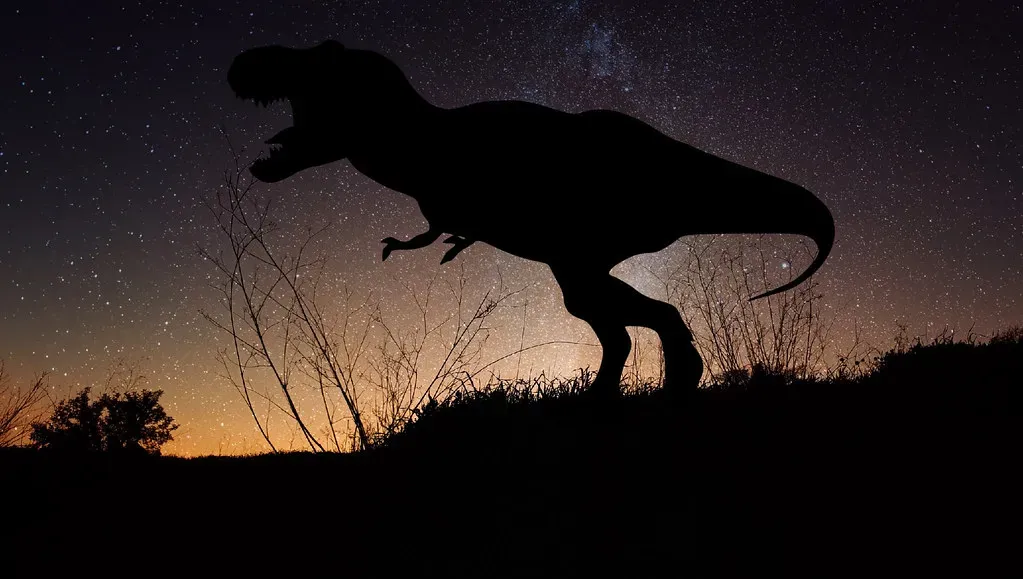
Aries is raw ignition energy: decisive, blunt, and unwilling to sit quietly in the background. That is why Tyrannosaurus rex fits almost too perfectly. This massive theropod from late Cretaceous North America was one of the largest land predators known, with a colossal skull, bone‑crushing bite, and a build that screams main character. Aries people tend to rush in where others hesitate, and T. rex certainly was no background extra in its ecosystem.
There is also that iconic factor: whenever anyone thinks “dinosaur,” T. rex is usually the first name that shows up. Aries loves that kind of immediate recognition and commanding presence. Just like the ram will sometimes charge first and figure out the details later, T. rex was all about direct, overwhelming force rather than delicate subtlety. If your chart is heavy on Aries, your prehistoric energy is that of a giant hunter who takes up space, owns it, and does not apologize.
Taurus – Triceratops, the Grounded Guardian
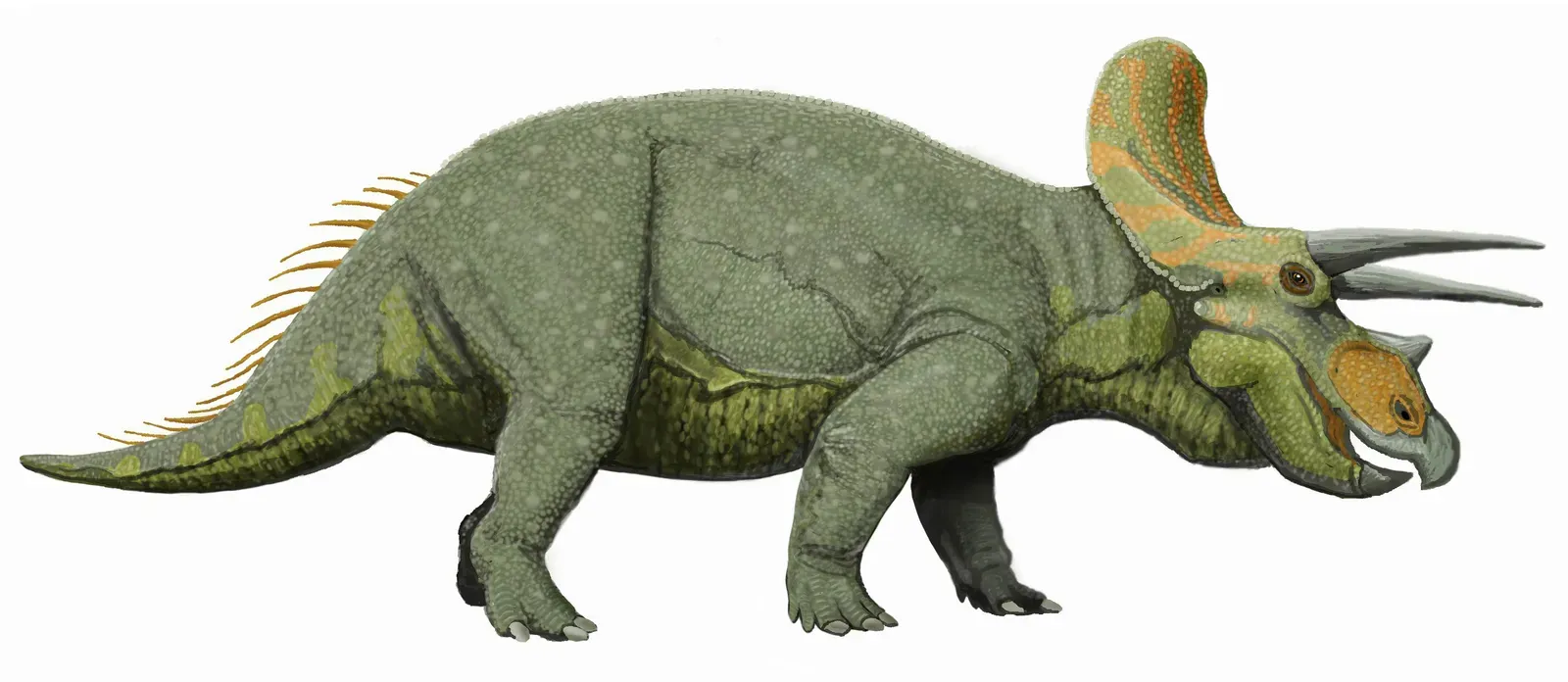
Taurus is steady, sensual, and stubborn in the best and worst ways, so Triceratops is its natural prehistoric twin. This large herbivore, famous for its three horns and massive head shield, lived in the same world as T. rex but played a very different role. It was built like a tank: heavy, low to the ground, and capable of standing its ground against attacks rather than sprinting off dramatically. Tauruses are the same with life’s storms: slow to move, but nearly impossible to push once they commit.
There is also a quiet beauty in Triceratops’ design that matches Taurus’ appreciation for aesthetics and comfort. That elaborate frill, the sweeping horns, the solid body – there is a kind of prehistoric elegance there. Taurus energy values security, reliable routines, and physical pleasure; Triceratops spent its life browsing plants and defending its turf, not seeking chaos. If you are a Taurus, your inner prehistoric giant does not chase drama; it plants its feet and creates a safe, lush territory that no one invades lightly.
Gemini – Archaeopteryx, the Quick‑Witted Link
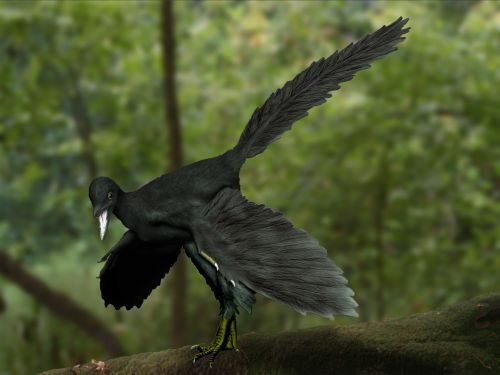
Gemini thrives on curiosity, conversation, and change, always living at the crossroads between one thing and the next. Archaeopteryx, often described as a transitional fossil between non‑avian dinosaurs and birds, echoes that in a striking way. It had feathers and wings but also teeth and a long bony tail, sitting at the edge of two evolutionary worlds. That liminal, in‑between quality is pure Gemini energy: part this, part that, always pivoting.
Archaeopteryx was small and likely agile, not a lumbering behemoth, making it perfect for Gemini’s mental quickness and social restlessness. Where other signs get stuck, Geminis adapt on the fly, leaping from idea to idea the way early birdlike dinosaurs may have flitted between trees and ground. Your prehistoric alter ego is not the biggest or scariest; it is the one constantly rewriting the rules and refusing to be pinned down as just one thing.
Cancer – Woolly Mammoth, the Emotional Protector
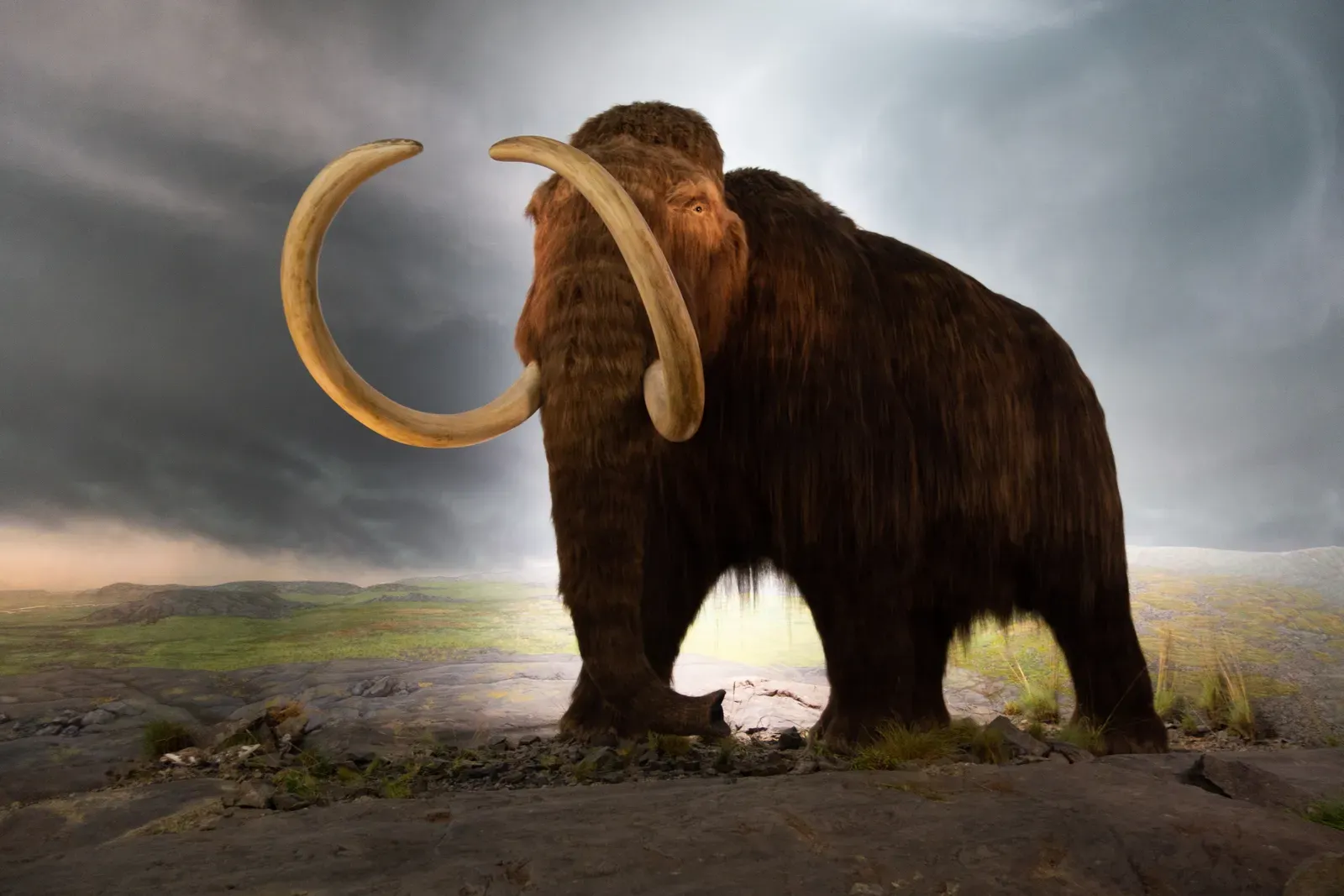
Cancer is all about emotional depth, memory, and a fierce instinct to nurture their chosen people, even if they pretend they are not that soft. The woolly mammoth, a giant of the Ice Age, fits that vibe beautifully. These shaggy relatives of modern elephants lived in social groups, and evidence from elephant behavior today suggests strong family bonds, complex communication, and long‑lasting memories. That is basically Cancer’s emotional blueprint in a prehistoric body.
The thick fur, curved tusks, and ability to endure harsh, freezing environments parallel Cancer’s protective shell. On the outside, they can seem tough, guarded, or hard to read, yet underneath there is warmth and loyalty that does not fade easily. Like mammoths trudging together across icy plains, Cancer energy moves with its herd, carrying histories and attachments across time. If you are a Cancer, your prehistoric giant is not the flashiest, but it is the one that will walk beside its loved ones through any blizzard.
Leo – Spinosaurus, the Dramatic Showstopper
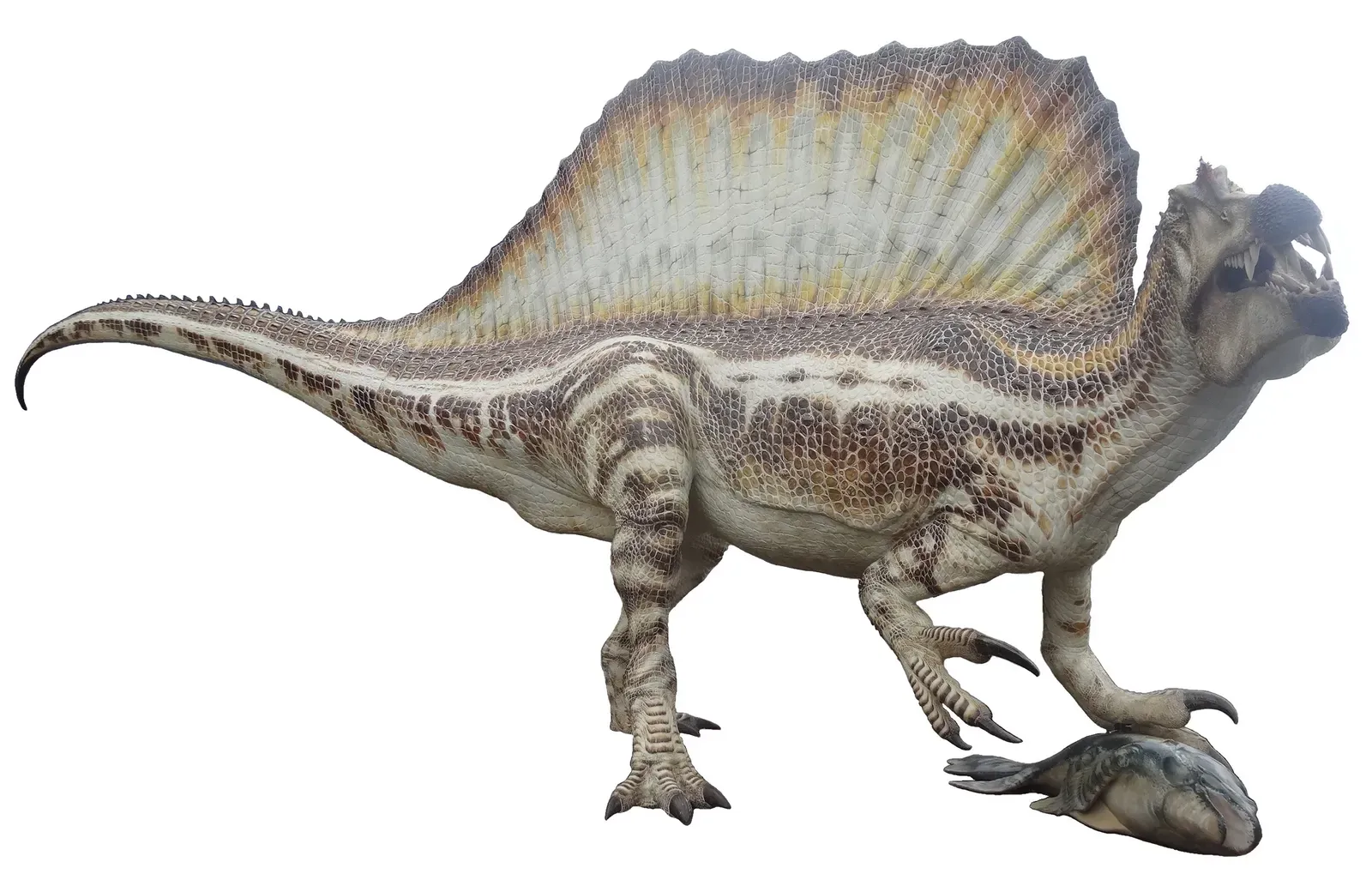
Leo energy is theatrical, proud, and magnetically hard to ignore, which is exactly the impression Spinosaurus gives in the fossil record. This enormous theropod, larger than T. rex by many estimates, had a striking sail on its back and a crocodile‑like snout adapted for hunting fish. It stood out visually in a way that feels almost designed for spectacle. Leos are drawn to that bold, unmistakable signature that says: look at me, I am not like the rest.
Spinosaurus likely spent a lot of time around water, and that blend of predator power with a distinctive look feels very Leo: dangerous, charismatic, and unforgettable. While other carnivores kept things relatively simple, this one rolled with a towering sail and unusual lifestyle. That is the Leo story in prehistoric form – never content with being average, always adding some dramatic flair. If you are a Leo, your inner giant is a living billboard for its own legend, and frankly, you would not have it any other way.
Virgo – Stegosaurus, the Precise Strategist
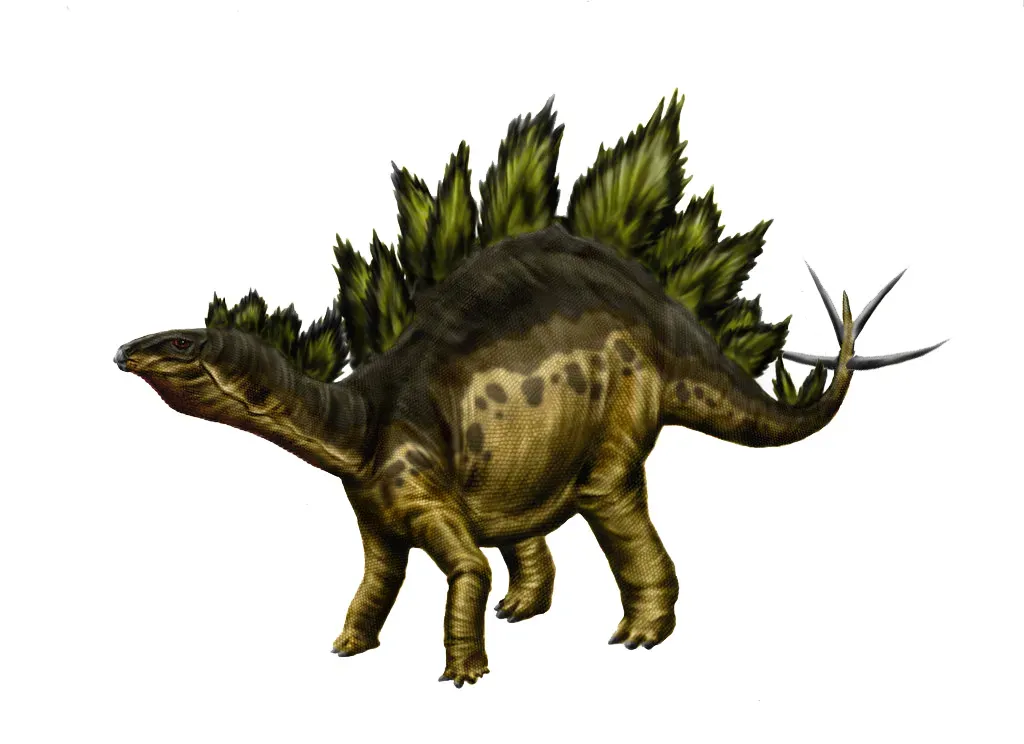
Virgo gets stereotyped as the overthinking perfectionist, but underneath that is a deep talent for practical problem‑solving and quiet resilience. Stegosaurus, the plated herbivore from the Jurassic, carries that same underestimated strength. It had a relatively small brain compared to its body, which has been the butt of jokes for years, but its body design is subtly brilliant: armored plates along the back, intimidating tail spikes, and a low center of gravity that made it hard to topple.
Virgo energy is not about flashy drama; it is about systems that work and defenses that are thought through. Stegosaurus did not need huge teeth or claws; it relied on calculated protection and a well‑equipped tail. Virgos, similarly, often protect themselves with planning, analysis, and boundaries that are sharper than they look at first. Your prehistoric counterpart does not shout for attention – it simply endures, survives, and quietly outsmarts whatever tries to test it.
Libra – Pteranodon, the Graceful Glider
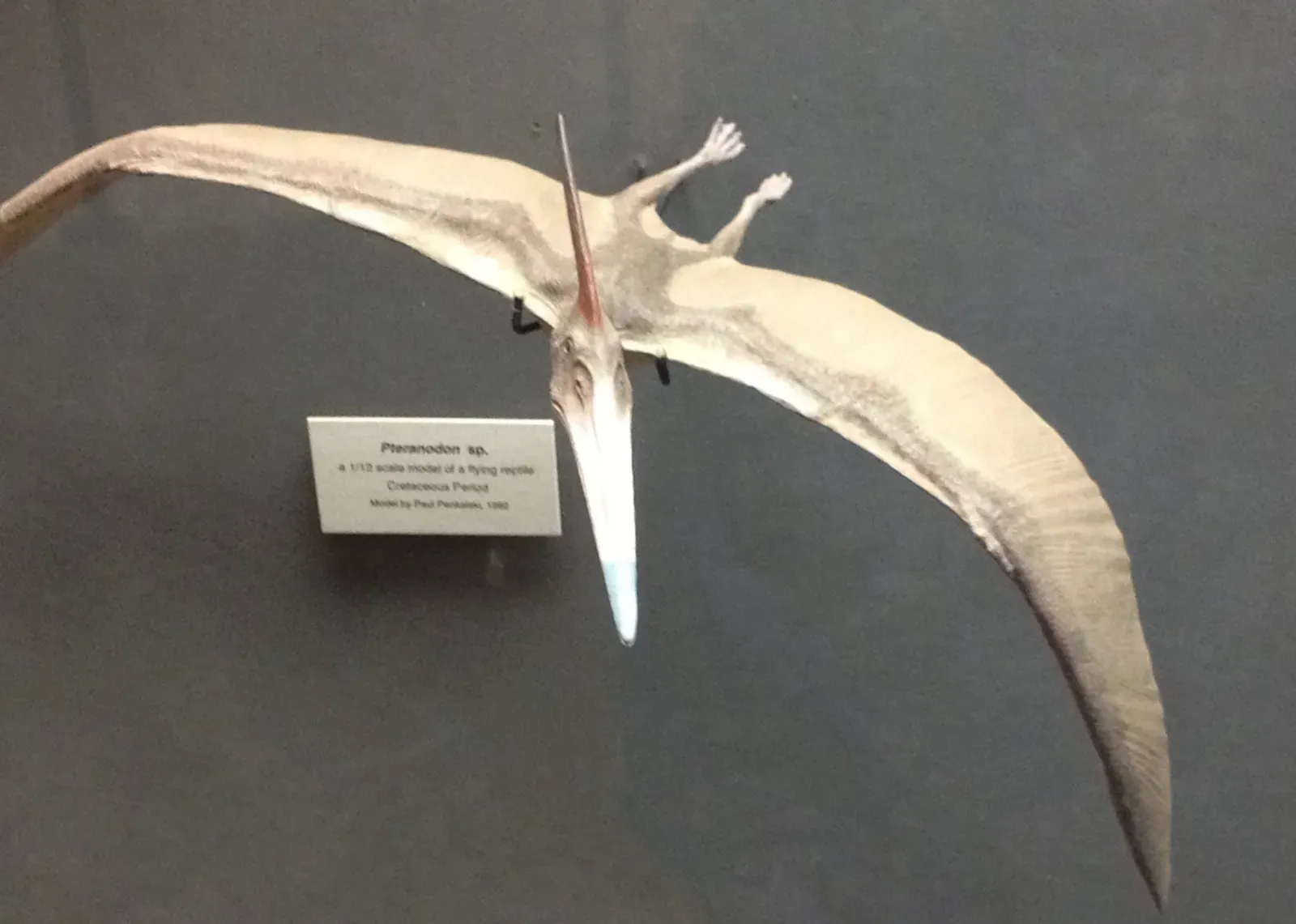
Libra is associated with balance, aesthetics, and an instinct for harmony, so a soaring, sky‑ruling creature suits it perfectly. Pteranodon, a large pterosaur with a dramatic head crest and long, elegant wings, embodies that airy grace. It was not a dinosaur in the strict technical sense, but it shared their world and ruled a different element: the sky. Just like Libra navigates social currents, Pteranodon rode thermals and winds, gliding rather than brute‑forcing its way through life.
There is a visual symmetry to Pteranodon that feels in tune with Libra’s eye for proportion and beauty. Its bones were lightweight yet strong, a perfect compromise between fragility and function. Libras do something similar in relationships: they balance needs, mediate conflicts, and try to keep the whole structure from crashing down. If you are a Libra, your prehistoric match is the creature that chooses elegance and strategy over brute strength, soaring past drama instead of diving straight into it.
Scorpio – Mosasaurus, the Deep‑Water Intensity
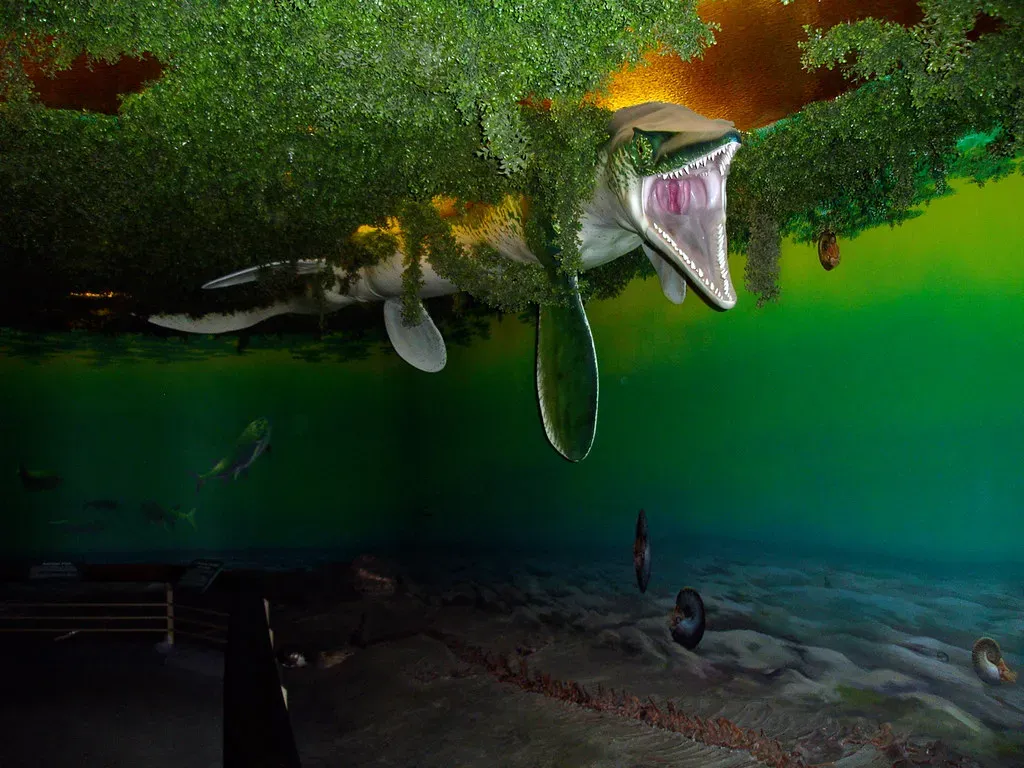
Scorpio’s energy is deep, intense, and a little bit terrifying when it really shows itself. Mosasaurus, a massive marine reptile from the late Cretaceous seas, channels that mood eerily well. This predator dominated ancient oceans, with a powerful tail, strong jaws, and a body built for surging through dark water. There is something about that hidden depth that screamed Scorpio long before astrology blogs existed.
Scorpios often live below the surface emotionally, feeling things others never see, and Mosasaurus literally lived beneath the waves. It was not interested in the chatter happening on land; its focus was on what moved quietly through its own realm. That secretive, all‑or‑nothing energy matches Scorpio’s refusal to play at half‑power. If you are a Scorpio, your prehistoric self is not the loudest, but it is the most quietly dangerous, carrying an ocean of intensity behind every move.
Sagittarius – Utahraptor, the Adventurous Pack Hunter
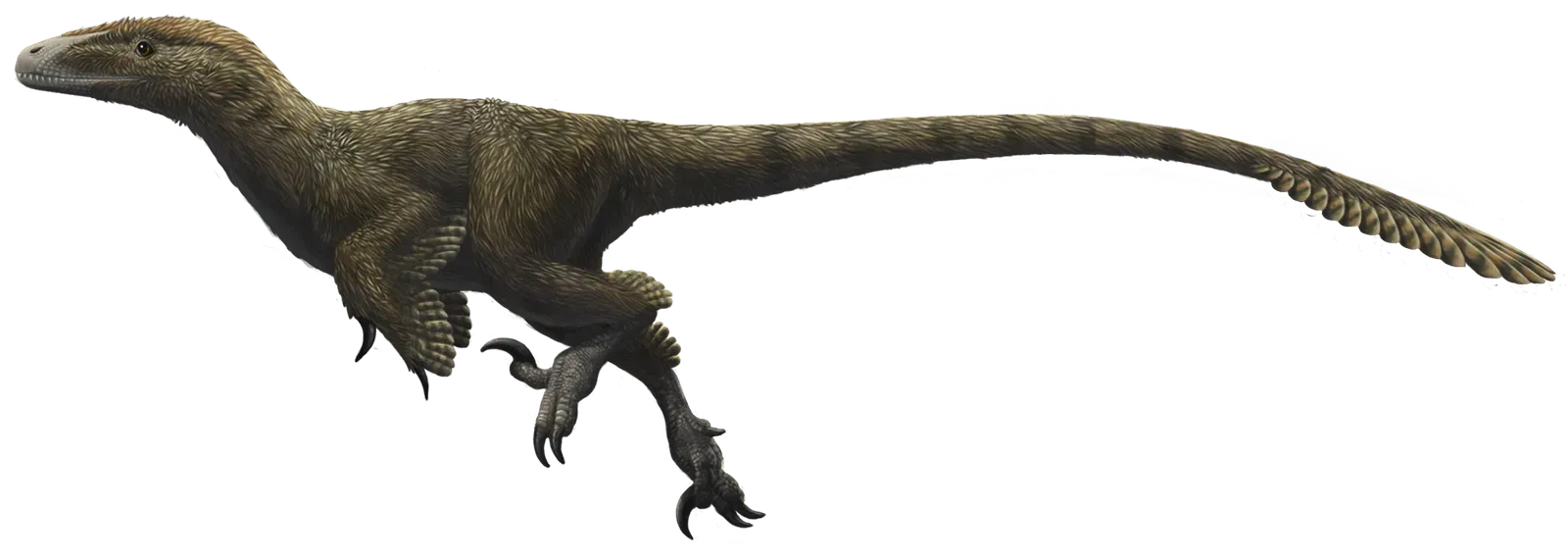
Sagittarius is restlessness and exploration in human form, always chasing something bigger: a new idea, a new place, a new story. Utahraptor, a large dromaeosaur from what is now North America, fits that restless, active, roaming quality. Bigger and more robust than its more famous cousin Velociraptor, Utahraptor likely moved quickly and may have hunted in groups, turning the landscape into its playground and hunting ground all at once.
Sagittarius energy loves freedom and motion, and a dynamic predator like Utahraptor mirrors that. There is a mix of brains and brawn there, plus the probable social element of group behavior, which suits Sagittarius’ love of traveling with friends or communities. If your chart leans Sag, your prehistoric alter ego is the alert, agile hunter racing across open terrain, more interested in the thrill of the chase than sitting still in a safe corner.
Capricorn – Brachiosaurus, the Ambitious Tower
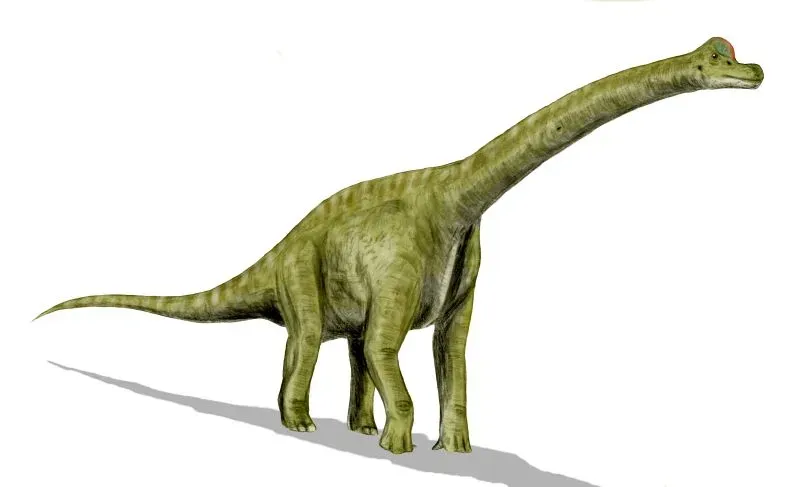
Capricorn is disciplined, ambitious, and patient enough to build something that lasts. Brachiosaurus, one of the truly giant sauropods, is the physical expression of that long‑game strategy. With its long neck reaching high into the canopy, massive legs, and sheer size, it owned a vertical niche other animals could not touch. Capricorn energy works the same way: it methodically climbs where others give up, eventually standing above the crowd simply because it kept going.
There is nothing fast or impulsive about a sauropod’s life history. Growing to that size took time, steady growth, and a constant intake of resources – a slow burn rather than a spark. Capricorns are often accused of being too serious, but like Brachiosaurus, they know that real greatness is built over years, not moments. If you are a Capricorn, your prehistoric giant is the quiet skyscraper of the dinosaur world, a living reminder that endurance is its own kind of power.
Aquarius – Therizinosaurus, the Eccentric Rebel
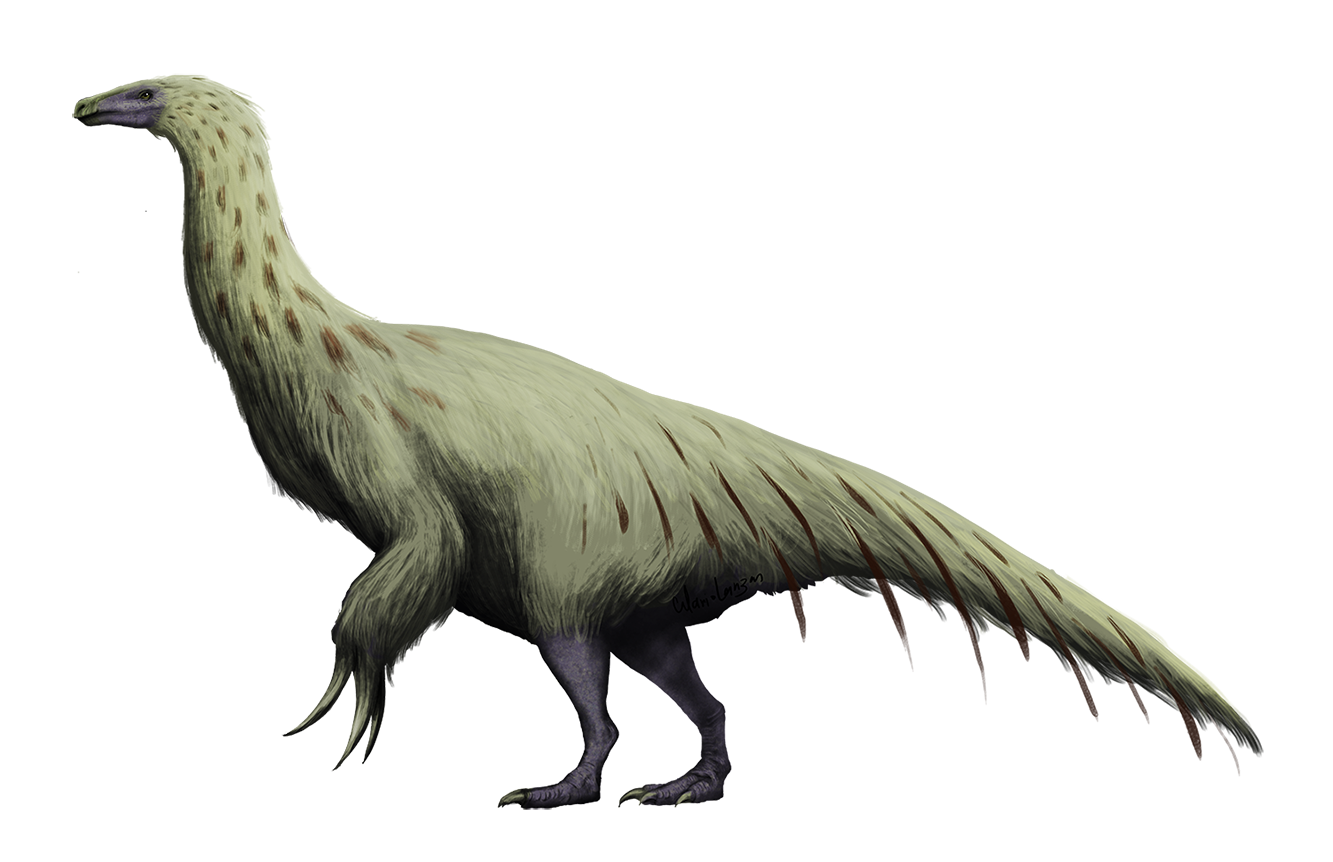
Aquarius is the sign that refuses to fit neatly into any box, and Therizinosaurus seems to have evolved entirely to confuse expectations. This bizarre theropod had enormous clawed forelimbs, a pot‑bellied herbivorous body, and a generally odd silhouette compared to the usual sleek carnivores. For a long time, its fossilized claws puzzled paleontologists, and even now it still feels like an evolutionary curveball. That unconventional nature is exactly what Aquarius thrives on.
Aquarians love being ahead of their time, misunderstood at first and then suddenly very on‑trend once everyone catches up. Therizinosaurus embodied that same outsider energy: it broke the visual script for what a so‑called “predator‑type” dinosaur should look like. If you are an Aquarius, your prehistoric twin is the weirdo genius of the Mesozoic, reminding the rest of the world that progress and originality rarely look normal at first glance.
Pisces – Elasmosaurus, the Dreamy Drifter
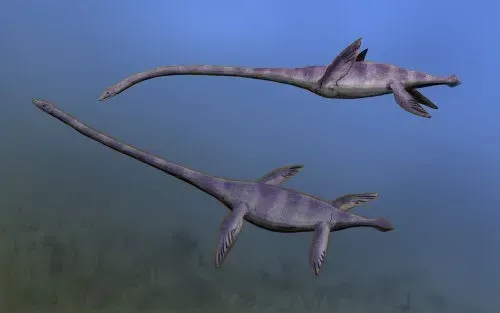
Pisces lives in a world of emotion, intuition, and imagination, always half‑connected to some inner ocean of feeling. Elasmosaurus, a long‑necked marine reptile with an almost surreal body plan, captures that dreamy quality. With a very long neck, paddle‑like limbs, and a body built for gliding through water, it seems like something out of a fantasy illustration rather than strict reality. That soft, flowing presence reflects Pisces’ tendency to blur boundaries and drift between worlds.
Life in ancient seas was both peaceful and dangerous, a perfect metaphor for Pisces’ emotional landscape. Elasmosaurus likely spent much of its time cruising through open water, turning and twisting gracefully rather than charging in straight lines. Pisces, too, tends to move in curves – following feelings, hunches, and stories rather than rigid plans. If you are a Pisces, your ancient counterpart is the gentle, otherworldly swimmer of prehistory, forever moving between light and shadow beneath the waves.
Conclusion – Owning Your Inner Prehistoric Giant
Matching zodiac signs with prehistoric giants is obviously symbolic, but that does not make it shallow. Each of these creatures embodied a different survival strategy: brute force, endurance, cooperation, stealth, adaptability, and sheer weirdness. That is not far off from the range of human personalities we see walking around today. When you claim your sign’s ancient twin, you are really claiming a style of facing the world, whether that is charging ahead like T. rex or quietly towering like Brachiosaurus.
Personally, I love how this lens makes the zodiac feel less like a flat meme and more like a living ecosystem of instincts and strengths. You are not just your sun sign; you are an entire tiny universe of drives that might match several of these giants at once. The real power is in noticing which energy you lean on too much, and which you might want to invite in. So, now that you have met your prehistoric counterpart, are you willing to let that ancient energy shape the way you move through your own era – or did you secretly see yourself as a completely different giant all along?