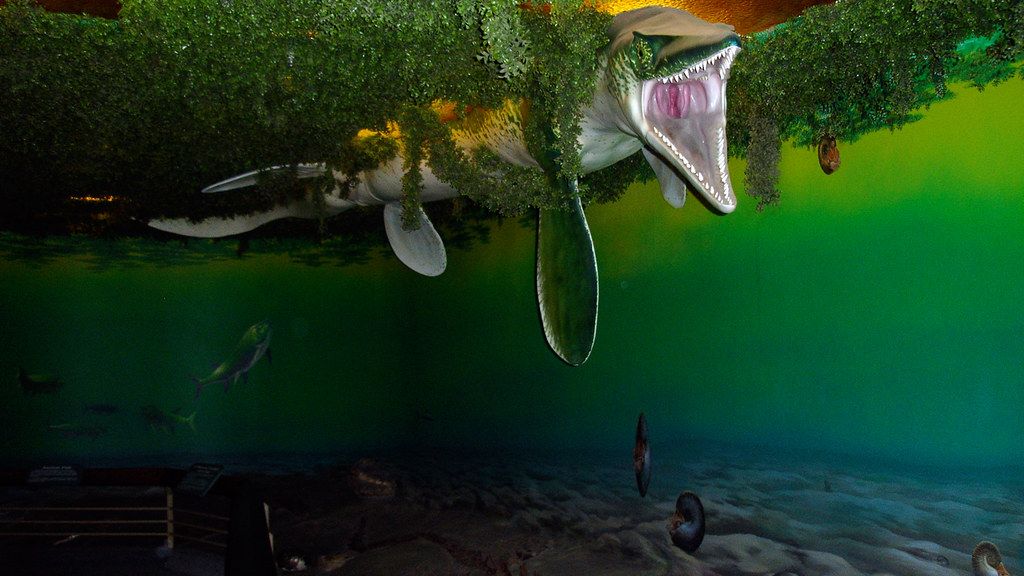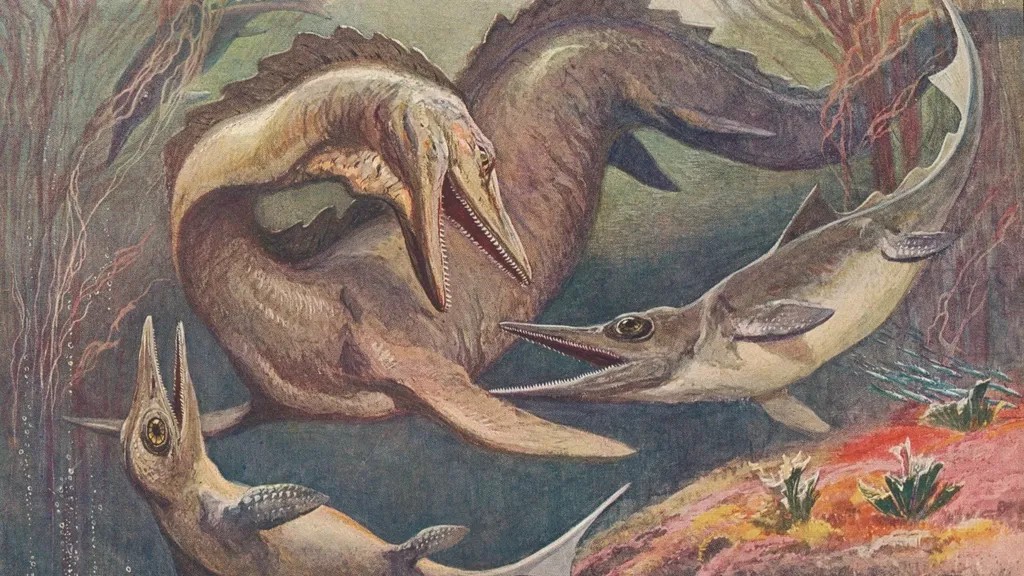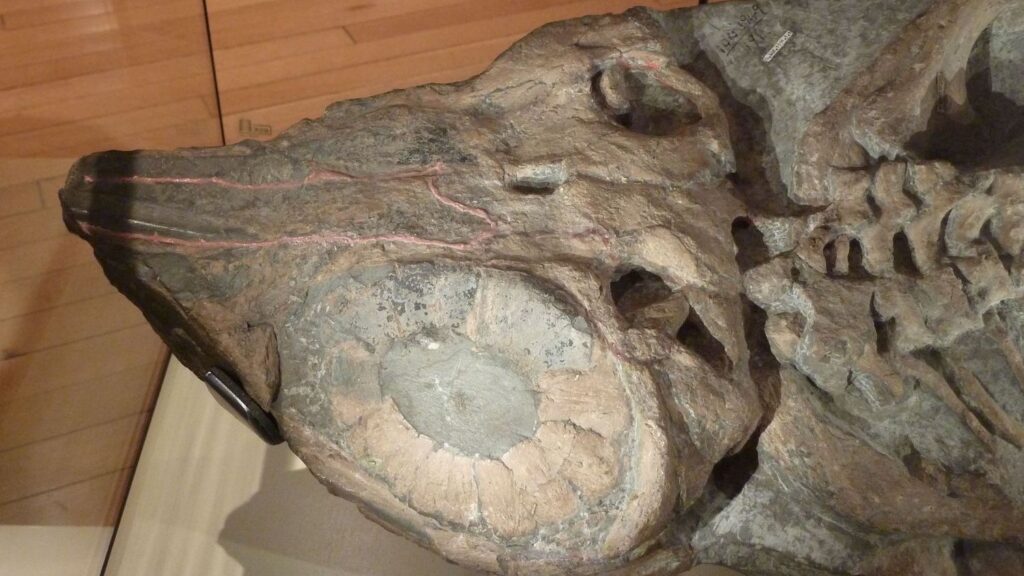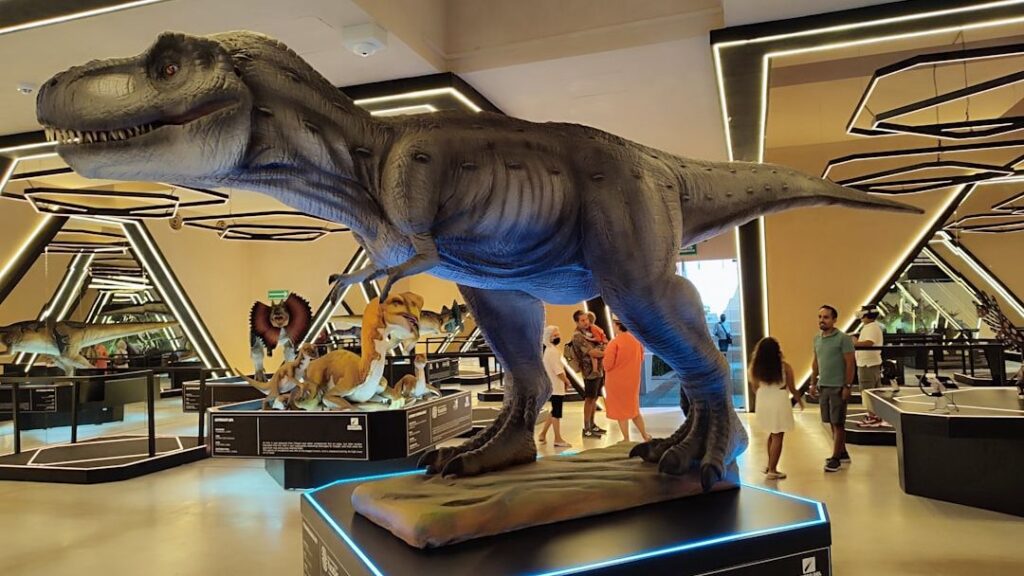
There is something almost electric about the word “dinosaur.” Even before you know the difference between a tyrannosaur and a triceratops, your brain starts painting pictures: skyscraper‑sized reptiles, thunderous footsteps, teeth like knives, worlds swallowed by jungle. Dinosaurs plug straight into that part of us that craves the gigantic and the impossible, yet they were completely real. They walked on the same planet you are standing on right now; the only thing separating you is time, not imagination.
That mix of reality and unreality is exactly why they never let go of us. They feel like fantasy creatures that somehow escaped from a movie script into the fossil record. When I first stood beneath a mounted sauropod skeleton in a museum, I remember thinking it felt more like a cathedral than a science exhibit. Your neck aches from looking up, and some quiet voice in your head goes: how was this ever alive? That question, whispered in awe, is the heartbeat of dinosaur wonder.
The Sheer Scale That Breaks Your Brain
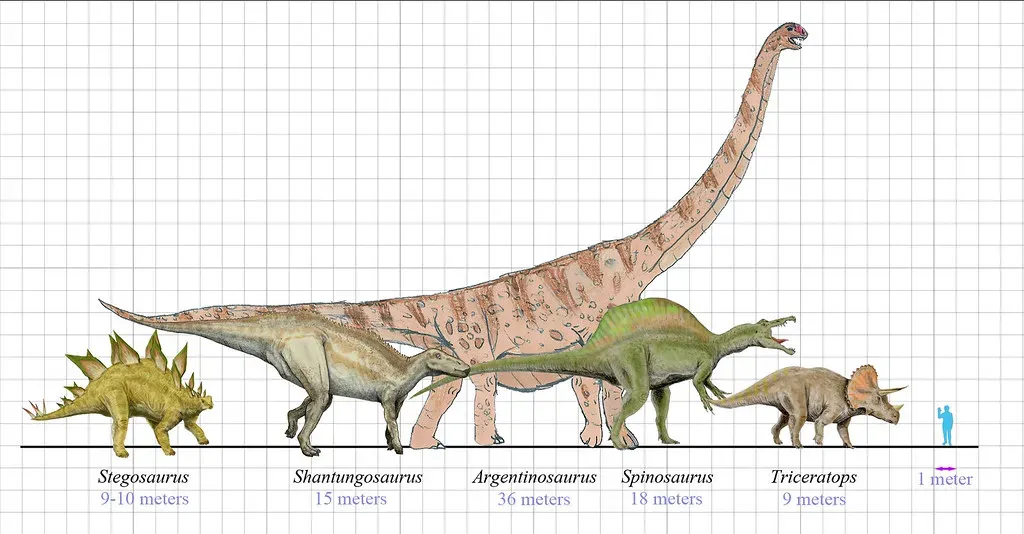
One of the most obvious reasons dinosaurs grip us is brutally simple: they were huge in a way our brains are not really built to handle. Hearing that an Argentinosaurus might have weighed as much as a line of loaded trucks parked end to end is one thing; standing under its reconstructed vertebrae and realizing each bone is wider than your chest is another. Our sense of scale works fine for cars, houses, and maybe whales, but sauropods push it past the point where comparison actually helps.
That mental overload triggers a kind of delightful confusion. You try to imagine this mountain of living muscle walking, breathing, eating, and your everyday intuition just snaps. It is like trying to picture a city picking itself up and going for a stroll. Instead of shutting down, though, your mind leans in; the impossibility is exactly what makes it addictive. We love to be dwarfed, whether it is by skyscrapers, canyons, or storm clouds, and dinosaurs were moving, breathing versions of all three.
A Lost World That Really Existed
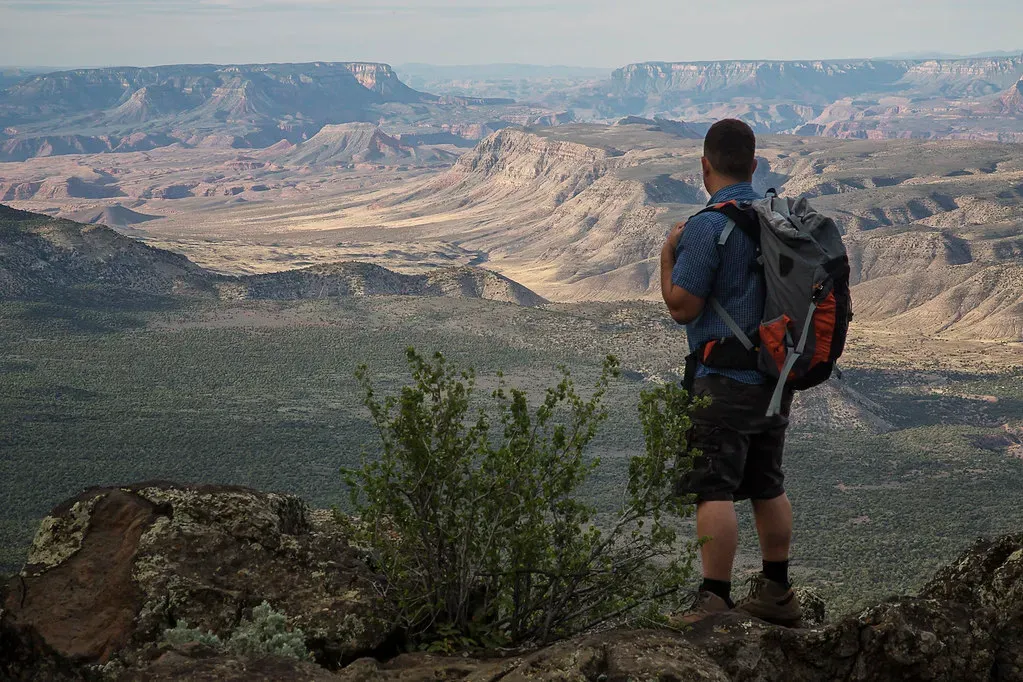
Dinosaurs sit in a sweet spot between fantasy and history: they lived in a world so different from ours that it feels alien, yet we can map it in detail. For much of the Mesozoic, Earth was warmer, with no polar ice caps, higher sea levels, and strange inland seas carving across continents. Tropical forests reached into regions that are temperate today, and entirely different plant lineups dominated the landscape. This was not just “our world but with dinosaurs added”; it was an ecosystem built around them.
That sense of a vanished planet stirs the same part of us that aches when we look at old photos of cities before they were modernized, multiplied by a few hundred million years. Dinosaurs become guides to this unreachable place, like tour leaders for a vacation destination you can never actually visit. Every fossil is a postcard from that world: a footprint locked in stone, a tooth, an eggshell. The more we reconstruct their habitats, climates, and food webs, the more it feels like we are slowly opening a window into a timeline that ran parallel to ours and then ended in silence.
The Mystery of Extinction and Survival
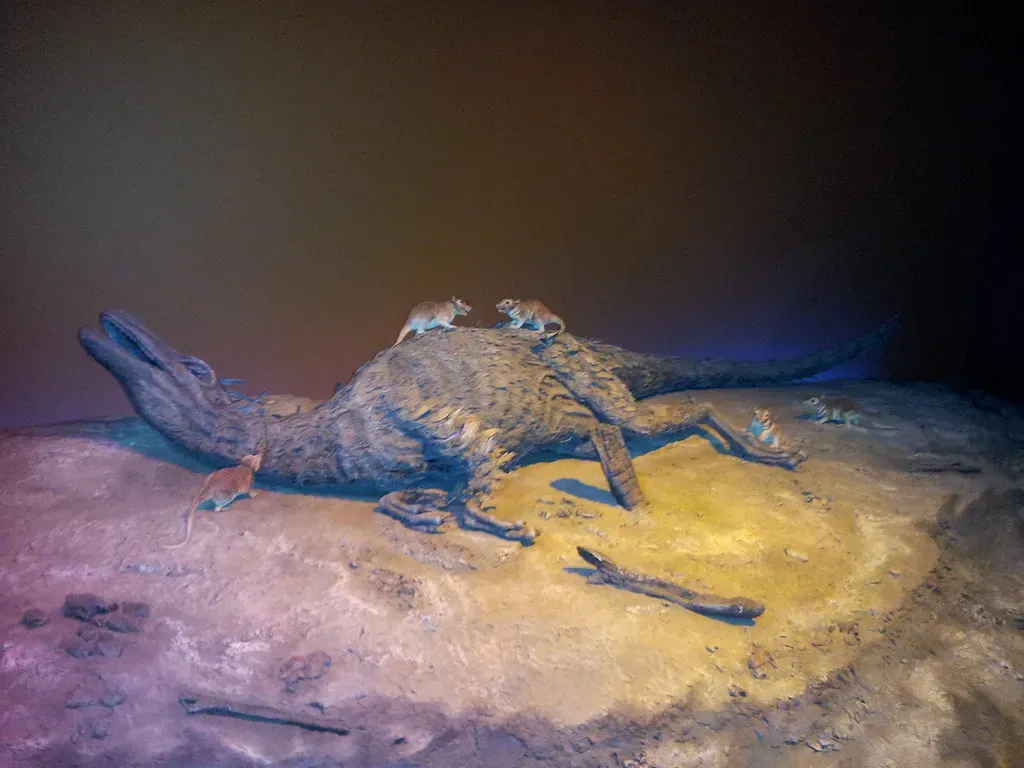
There is also the unforgettable drama of their ending. The idea that a chunk of rock from space slammed into Earth and helped wipe out the non‑avian dinosaurs is one of those stories that would sound over the top in fiction, yet all the evidence points straight at it. Layers of debris, shock‑altered minerals, global patterns of extinction: it is an apocalyptic forensic case spread across the planet. Knowing that nearly everything large and land‑dwelling vanished in the aftermath gives their skeletons a tragic weight.
At the same time, the twist that birds are surviving dinosaurs adds a layer of strange comfort. Next time you watch a pigeon bob across a sidewalk or a hawk wheel overhead, you are looking at the last chapter of the dinosaur story still being written. That blend of catastrophe and continuity feels almost mythic: a civilization brought to its knees, with a tiny remnant slipping through the cracks and reinventing itself. Wonder thrives on high stakes, and it is hard to top a tale where an entire dynasty of animals nearly disappears, yet still sings in the trees outside your window.
The Detective Story Written in Stone
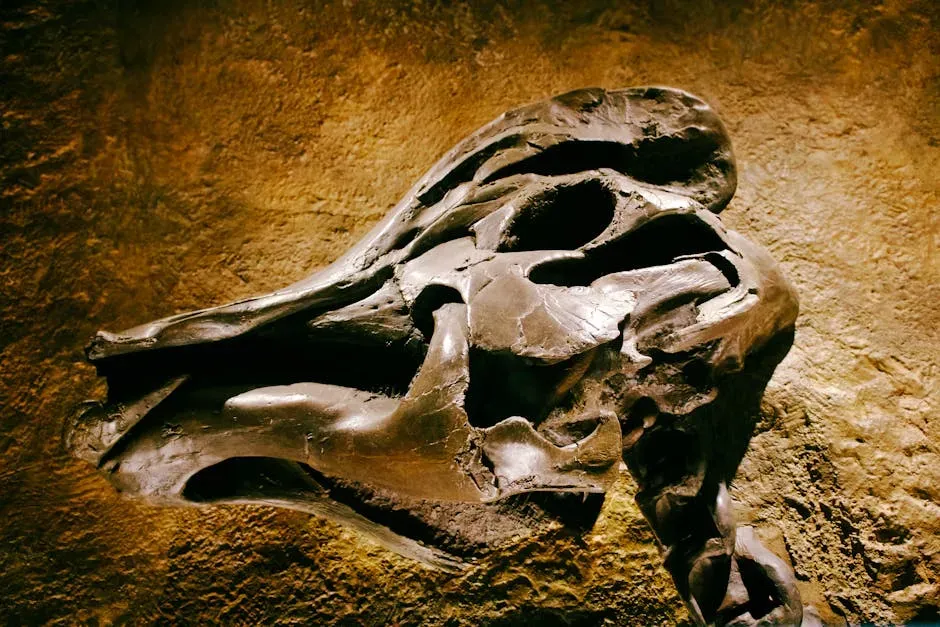
Dinosaurs also trigger wonder because they turn science into a full‑blown detective thriller. Paleontologists start with scattered bones, teeth, trackways, and sometimes skin impressions or feather traces, then slowly assemble an animal that has not drawn breath for tens of millions of years. They are essentially reconstructing the cast, costumes, and choreography of a movie when all they have is a handful of burned film frames. It is part forensics, part engineering, part art.
Every new method of analysis feels like another tool in the detective kit: scanning fossils in 3D, slicing thin sections of bone to read growth patterns like rings in a tree, comparing dinosaur braincases to understand senses and behavior. As these techniques improve, old fossils suddenly tell new stories. A skeleton brushed off decades ago as “just another predator” might be reexamined and reveal feathers, caring behavior, or unexpected speed. That sense that the evidence is right in front of us, but our ability to read it keeps evolving, keeps people hooked like fans of a never‑ending crime series.
They Rewrite Themselves Every Few Years
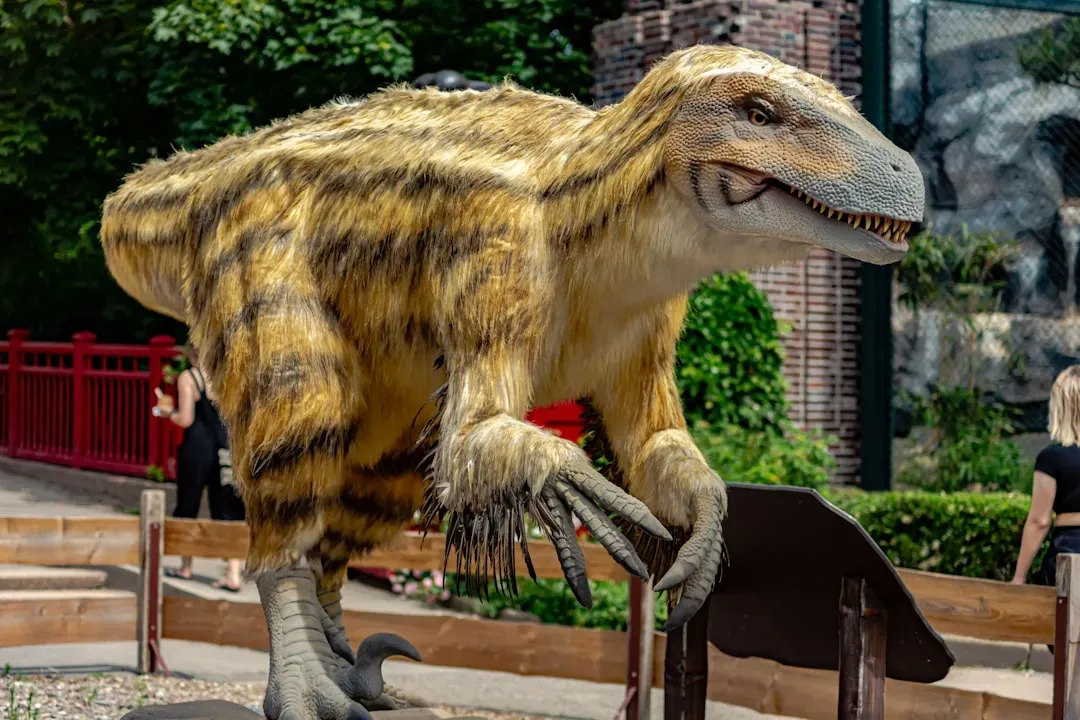
Another reason dinosaurs never get old is that the story refuses to stay still. The dinosaurs most adults grew up with were lizard‑skinned, tail‑dragging, and often portrayed as slow, swamp‑lurking monsters. Fast‑forward a few decades, and we now see many of them as dynamic, warm‑blooded animals, with active parenting, complex social behavior, and in many cases, feathers. In a way, your childhood toy dinosaur is now halfway obsolete, and that constant revision is thrilling rather than disappointing.
We have watched entire groups flip from purely speculative to strikingly detailed as new fossils appear, especially from regions that were under‑explored before. One well‑preserved skeleton can change how we draw hundreds of others, correcting postures, adding plumage, or updating what they might have eaten. For kids and adults alike, it sends a powerful message: science is not a static pile of facts but a living conversation. Dinosaurs become a gateway to understanding how knowledge grows, corrects itself, and sometimes joyfully proves our favorite pictures wrong.
They Sit Exactly Between Familiar and Alien
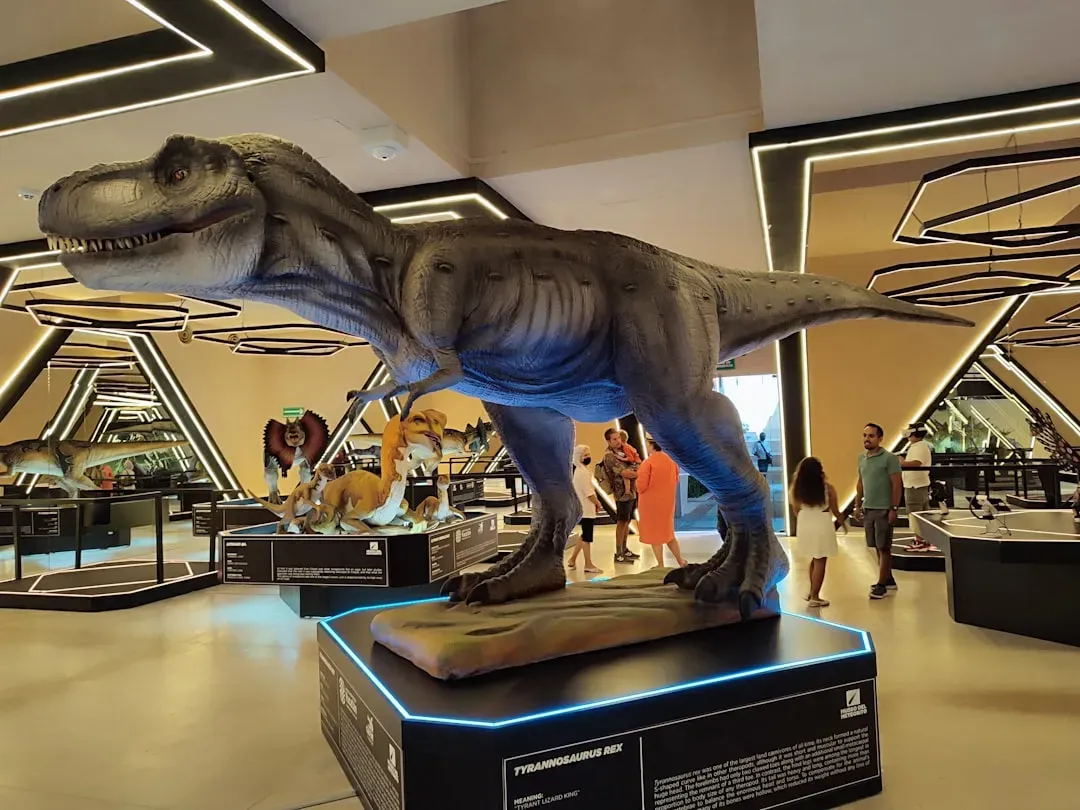
Part of the magic is that dinosaurs feel just close enough to modern animals that we can relate to them, but far enough away that they still look like visitors from another planet. Two legs or four, heads with eyes and mouths, tails for balance: the basic animal blueprint is firmly there. You can imagine a theropod stalking prey like a big cat or a ceratopsian defending itself like a rhino. That familiarity lets our empathy kick in; we can picture them hunting, nesting, fighting, even resting in the shade.
And yet the details slam us back into strangeness: skull frills bigger than doors, claws like scythes, sails of bone along the spine, and those iconic teeth and horns. Some dinosaurs sported head crests that probably echoed sound like built‑in musical instruments, or bright displays of feathers that would make tropical birds look modest. They sit right at the edge of what we recognize as “animal” before it tips into “monster.” That balancing act feeds our curiosity, because we see just enough of ourselves and our world in them to care, while still being pulled into the shock of the unfamiliar.
They Tap Straight Into Childhood Imagination

On a personal level, dinosaurs often mark one of the first times a child realizes the world used to be radically different. For a lot of kids, they arrive before hard history timelines or serious physics; they land like rumors that the backyard was once a jungle full of roaring giants. That early exposure comes loaded with colorful books, plastic figures, animated movies, and museum trips that feel like time travel. When you fall in love with dinosaurs at six, you are not just learning facts; you are being handed the keys to deep time.
What is surprising is how often that first love never fully fades. Even people who do not think of themselves as science‑minded light up when there is news of a new species discovery or a spectacular fossil find. Dinosaurs become a shared cultural language, bridging generations and backgrounds. They are the rare topic where a five‑year‑old and a fifty‑year‑old can be equally excited, equally opinionated, and equally wrong in charming ways. That communal, almost nostalgic layer of wonder might be the most powerful of all, because it ties big, abstract ideas about evolution and extinction to small, very human memories of bedtime stories and museum gift shops.
Dinosaurs Make Us Question Our Place in Time
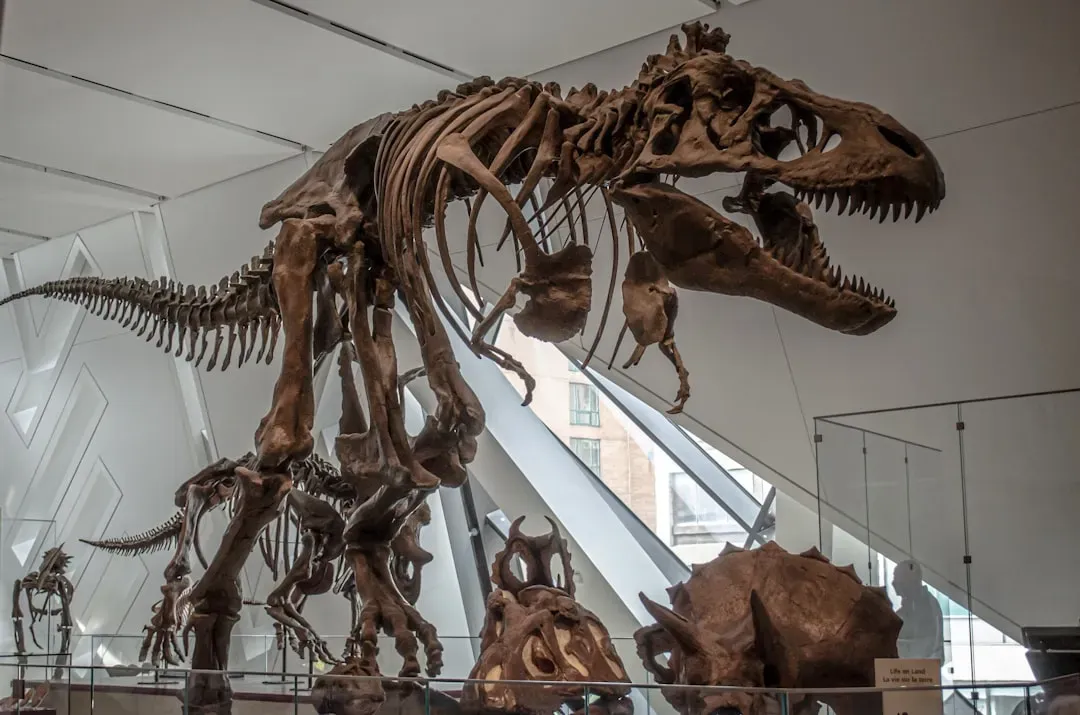
Ultimately, dinosaurs fascinate us because they mess with our sense of importance. They remind us that humans are incredibly recent arrivals on a planet that has already hosted multiple spectacular dramas before we showed up. Dinosaurs ruled land ecosystems for tens of millions of years, through climate shifts and continental rearrangements, only to vanish (at least in their classic form) while the planet kept on spinning. Standing in front of their bones, you can almost feel your own timeline shrinking to a thin line on a much bigger canvas.
That can be unsettling, but it is also strangely liberating. If entire dynasties of creatures can rise and fall, then our current moment is both precious and provisional. Dinosaurs push us to think about resilience, luck, and the sheer contingency of survival. Birds flying past a city skyline become symbols of deep time threaded into the present. In that sense, wondering about dinosaurs is really wondering about ourselves: how long we will last, what traces we will leave, and which future minds might one day piece together our story from the rubble.
Conclusion: Our Favorite Ghosts of Deep Time
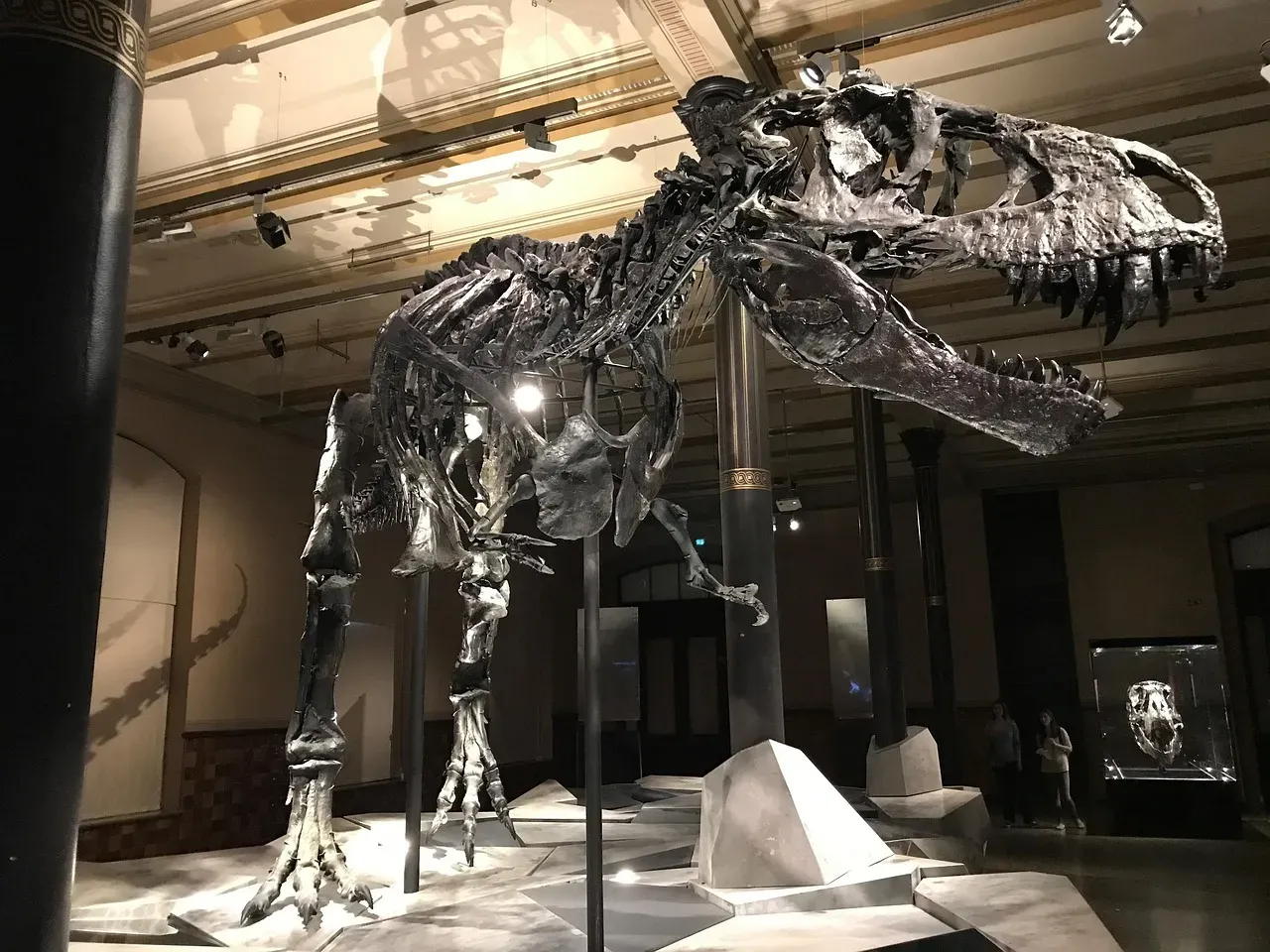
In the end, dinosaurs are more than just big reptiles with cool teeth; they are the planet’s most charismatic reminders that reality can outdo fantasy. They hit us from every angle at once: staggering size, tragic endings, ongoing scientific plot twists, and a haunted sense of lost worlds overlapping with our own. For me, the most honest reaction to a dinosaur skeleton is not polished scientific admiration but a simple gut punch of disbelief: this actually lived here. That disbelief is not a failure to understand; it is proof that the world is richer and stranger than our everyday assumptions.
I think that is why dinosaurs keep winning our attention over superheroes, robots, and dragons. Those are stories we deliberately invent; dinosaurs are the unbelievable story we discovered by accident, after it had already played out. They force us to admit that we arrived late to the party, that we are walking on the graves of giants, and that we still barely grasp the script. That humility, mixed with awe, is a powerful cocktail. In a noisy, fast‑spinning world, dinosaurs quietly ask us a sharp question: if reality has already held creatures like this, what else might we be underestimating about the universe we live in?