You’ve probably done it today already. Maybe you made a snap judgment about someone on the bus based on how they were dressed. Perhaps you sized up a colleague before they even opened their mouth. It’s uncomfortable to admit, really, yet judging others seems almost baked into your very nature. Why does your mind leap to conclusions so quickly, often unfairly? What’s happening in the depths of your psychology that makes prejudice feel so automatic, even when you consciously strive to be fair?
The truth is that prejudice isn’t just about bad people making terrible choices. It’s a complex psychological phenomenon rooted in how your brain processes the overwhelming amount of information it encounters every single day. Understanding why you judge others harshly can reveal not only the mechanisms of your own mind but also pathways toward becoming more aware, more empathetic, and ultimately more fair in your interactions with the world around you. Let’s get started.
Your Brain Is Wired for Quick Judgments
Think of your brain as a survival machine, constantly scanning for threats and opportunities. People who are prejudiced feel a much stronger need to make quick and firm judgments and decisions in order to reduce ambiguity. This isn’t necessarily because you’re a bad person. It’s because your brain abhors uncertainty.
When you encounter a new person, your brain immediately starts categorizing them based on visual cues like race, gender, age, or clothing. This happens in milliseconds, long before your conscious mind catches up. People who aren’t comfortable with ambiguity and want to make quick and firm decisions are also prone to making generalizations about others. Your brain essentially uses mental shortcuts to navigate a complex social world, and while these shortcuts saved your ancestors from danger, they now lead to unfair snap judgments in modern society.
Cognitive Biases Are Your Mind’s Favorite Shortcuts
Let’s be real: your brain is lazy. Well, not exactly lazy, more like efficient to a fault. Our brain tends to selectively focus on specific pieces of information that ‘resonate’ with what we already know or expect. This selective focus leads to what psychologists call cognitive biases.
These biases aren’t random glitches. When making judgments under uncertainty, people rely on mental shortcuts or heuristics, which provide swift estimates about the possibility of uncertain occurrences. You might judge someone negatively because they remind you of a person who wronged you in the past. That’s your availability heuristic at work, making recent or emotionally charged memories feel more relevant than they actually are. The problem is that these mental shortcuts, while fast, sacrifice accuracy for speed.
Social Categorization Happens Before You Even Realize It

Here’s the thing: Social identity is detected rapidly in the brain: Neural processing of a person’s group membership, based on race, ethnicity, gender, or even arbitrary social categories, begins immediately upon viewing their face. You’re not consciously deciding to categorize people. It just happens.
We commonly say that we “should not label” others but we cannot help but do so. We categorize people according to their citizenship, gender, allegiance to a sports team, and university affiliation, among other qualities. Your brain sorts people into groups almost reflexively. Once someone is mentally filed into a category, you unconsciously apply whatever stereotypes you associate with that group. It’s an uncomfortable reality, yet it’s one you need to acknowledge if you ever hope to overcome it.
The Role of Stereotypes in Feeding Prejudice

Stereotypes are oversimplified beliefs about entire groups of people. A stereotype is an oversimplified and widely held standardized idea used to describe a person or group. They might seem harmless at first, like thinking all librarians are quiet or all athletes are competitive. The danger lies in how stereotypes shape your expectations and judgments.
People who need to make quick judgments will judge a new person based on what they already believe about their category. Imagine meeting someone for the first time and instantly assuming things about their personality, intelligence, or trustworthiness based solely on their appearance or background. That’s stereotyping in action, and it happens faster than you can blink. Stereotypes become the foundation upon which prejudice is built, turning generalized beliefs into emotional biases that influence how you feel about individuals before you truly know them.
Fear and Uncertainty Fuel Harsh Judgments

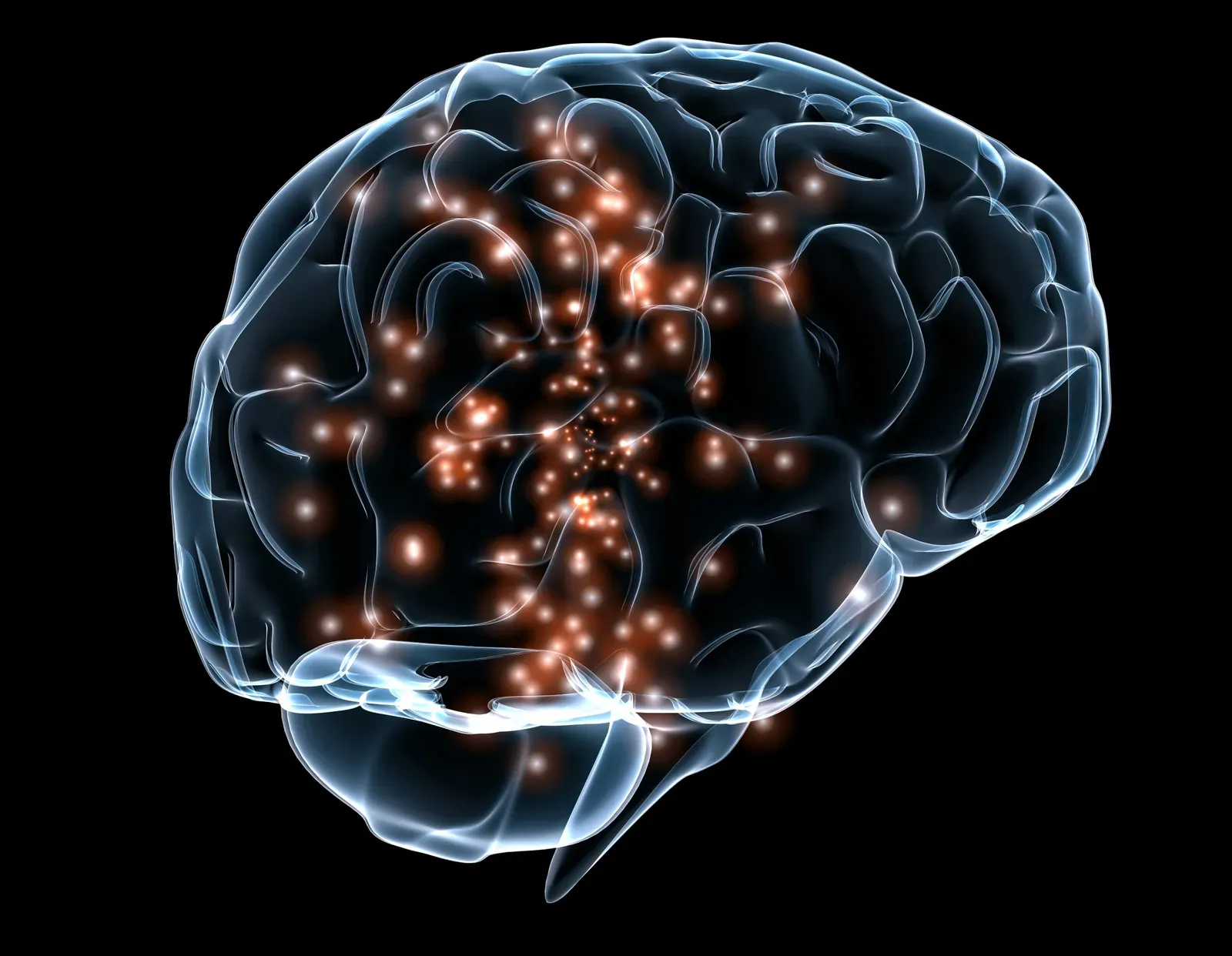
Fear is a powerful motivator, especially when it comes to judging others. Recent research in social neuroscience has revealed that prejudiced reactions are linked to rapidly activated structures in the brain – parts of the brain associated with fear and disgust, likely developed long ago in our evolutionary history. Your amygdala, a small almond-shaped structure deep in your brain, lights up when you perceive potential threats.
Honestly, this makes sense from an evolutionary perspective. Your ancestors survived by quickly identifying who was part of their tribe and who was a stranger, potentially dangerous. Yet in today’s diverse, interconnected world, this ancient wiring can backfire spectacularly. When you feel uncertain or threatened by someone different from you, your brain’s fear response kicks in, leading to harsher judgments. It’s not rational, yet it’s deeply ingrained.
Social Identity and the Need to Belong
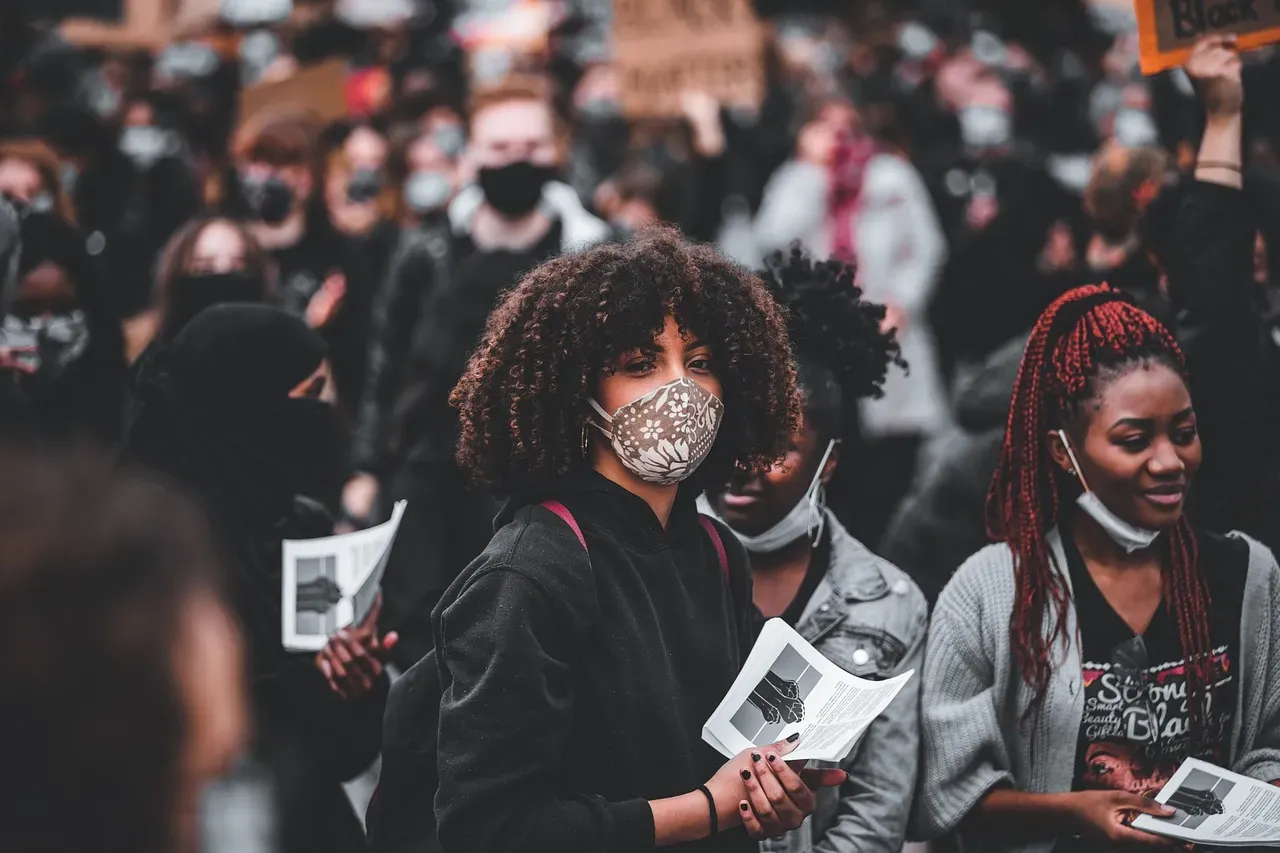
According to the Social Identity Theory, it is the sense of belonging to a group, also called social identity, that leads to prejudice. From our social identity, we derive a sense of self-esteem. Therefore, to protect our sense of self-esteem, we tend to judge our groups more favourably and attribute negative characteristics to outside groups. Think about how passionately you might defend your favorite sports team, political party, or even your hometown.
This ingroup bias makes you view members of your own group as more trustworthy, intelligent, and morally upright than outsiders. The flip side? You’re more likely to judge outsiders harshly, attributing negative traits to them simply because they don’t share your group identity. It’s a psychological trick your mind plays to boost your own self-worth, yet it comes at the cost of fairness and accuracy.
Negativity Bias Makes Bad Impressions Stick

You’ve probably noticed that negative experiences tend to linger longer than positive ones. Negativity bias: Social judgments are more influenced by negative information than positive information. If someone does something that rubs you the wrong way, that single negative impression can overshadow multiple positive interactions.
This bias means you’re more likely to remember and weigh negative traits or behaviors more heavily when judging others. One rude comment, one mistake, one moment of perceived disrespect, and your opinion of that person can sour permanently. It’s hard to say for sure, but this tendency probably evolved to keep your ancestors vigilant against potential threats. In modern contexts, though, it leads to disproportionately harsh judgments that ignore the full complexity of who people actually are.
The Uncomfortable Truth About Implicit Bias
Moreover, as norms have become more egalitarian, prejudices seem to have ‘gone underground’, operating covertly and often unconsciously, such that they are difficult to detect and control. You might genuinely believe you’re fair and unprejudiced. Many people do. The problem is that implicit biases operate below your conscious awareness.
When bias occurs outside of the perceiver’s awareness, it is classified as implicit bias. These hidden biases influence your decisions, from hiring choices to how you interact with strangers on the street. You can pass implicit association tests that reveal biases you’d swear you don’t have. Coming to terms with your own implicit biases is uncomfortable, yet it’s a necessary step toward reducing the harsh judgments you unconsciously make every day.
How You Can Override Automatic Prejudice
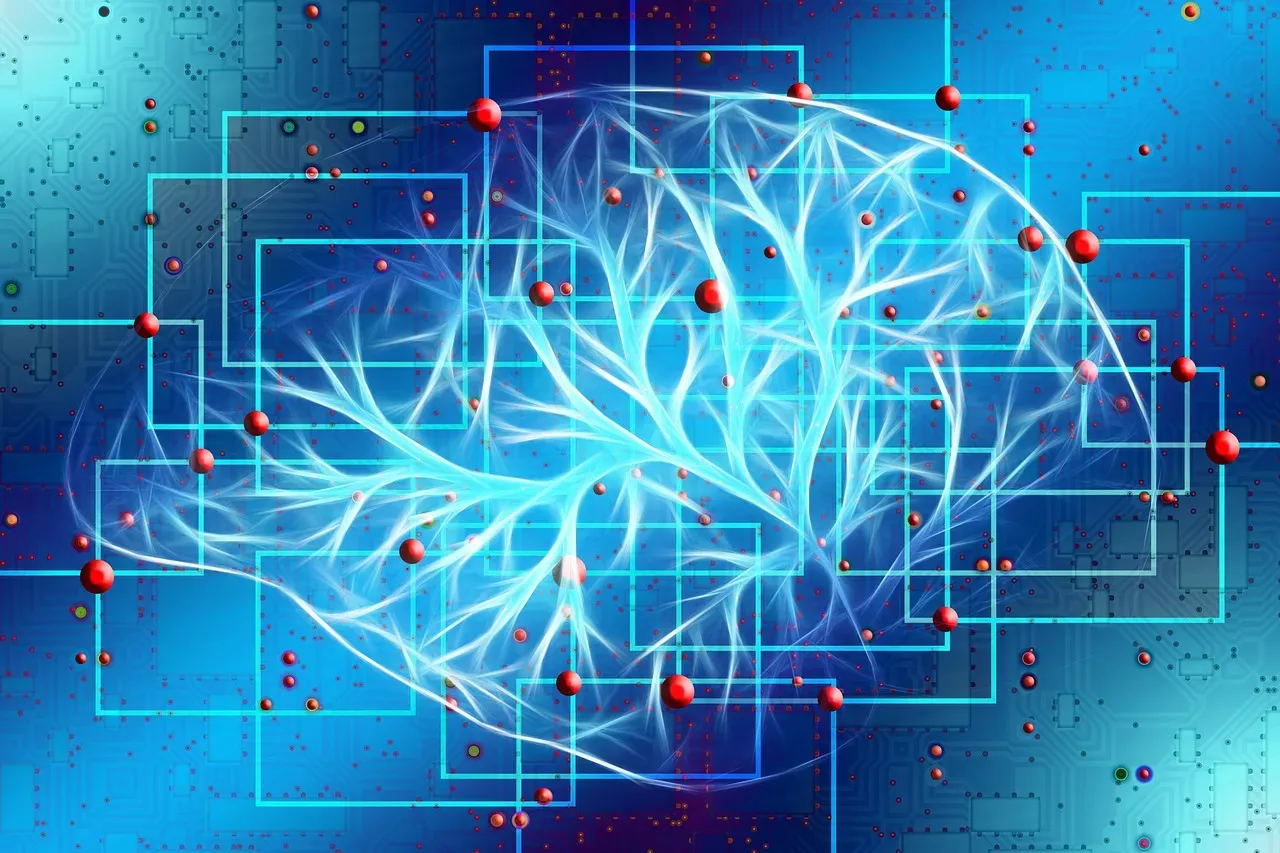
The good news? One of the things we also know from neuroscience is that the human brain is built for flexibility in how we respond to our social environment. While normal responses that promote our safety and survival can lead to inadvertent prejudices, causing automatic reactions of alarm and distrust when we perceive someone from another racial group, there’s more to the human brain than fear. We are also wired for cooperation and fairness. Research on the neuroscience of prejudice is simultaneously discovering the roots of egalitarianism – and revealing new ways in which the brain can overcome our initial fears and biases.
Your prefrontal cortex, the part of your brain responsible for complex thinking and self-control, can override those automatic judgments. Neuroscience models of cognitive control suggest that this involves two processes: an evaluative (or monitoring) process, supported by the dACC, which detects conflict between a biased tendency and one’s response goal, and a regulative process, supported by the lateral PFC, which implements an intended response. With practice, awareness, and deliberate effort, you can train yourself to pause before judging, question your assumptions, and seek out information that challenges your stereotypes. It’s not easy, yet it’s entirely possible.
Moving Toward Fairer Judgments
Understanding why you judge others harshly is the first step toward real change. Your brain’s tendency to categorize, stereotype, and react with fear or bias isn’t a moral failing. It’s simply how your mind operates under the weight of evolutionary history and cognitive limitations. The real question is what you choose to do with that knowledge.
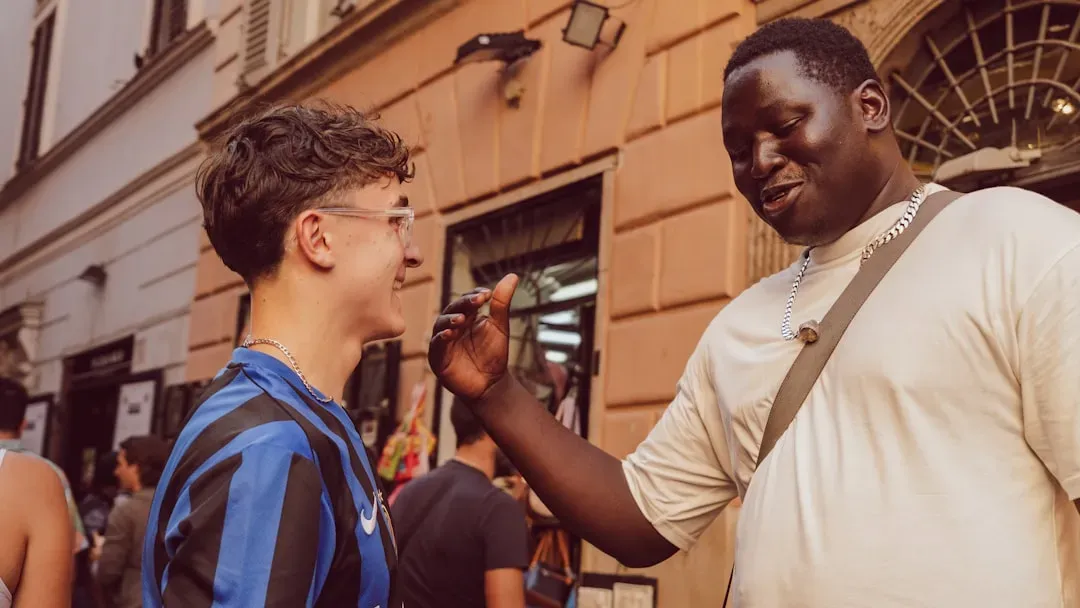
If people who need quick answers meet people from other groups and like them personally, they are likely to use this positive experience to form their views of the whole group. Meaningful interactions, diverse relationships, and conscious efforts to challenge your biases can rewire your thinking over time. It takes humility to admit that you judge others unfairly. It takes courage to confront your own implicit biases. Yet by doing so, you open the door to more compassionate, accurate, and fair evaluations of the people around you. What would your relationships look like if you paused before judging? How might your world change if you gave others the benefit of the doubt you wish they’d give you?