
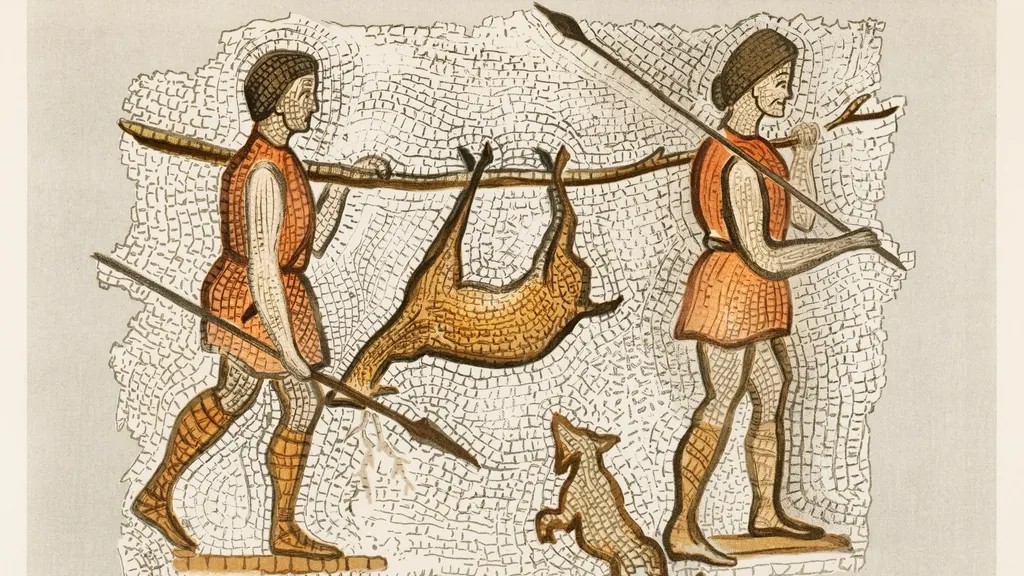
When most of us picture early humans, we see a Hollywood fever dream: ragged figures shivering in caves, clubs in hand, doomed to die before thirty from infection, predators, or random violence. It is a powerful image, but it is also badly distorted. The more we learn from archaeology, anthropology, and genetics, the more that cinematic vision starts to crumble.
Early human life could be harsh, yes, but it was not an endless scream of suffering. People laughed, sang, raised children, loved, cooperated, and planned ahead. They had skills that would put most of us to shame. I still remember the first time I watched a researcher calmly knap a stone tool in a lab; the precision and control looked more like a violinist tuning a performance than a desperate caveman hacking at rocks. Once you see that, it is hard to believe the caricature ever again.
Why “Dying at 30” Is Mostly a Myth
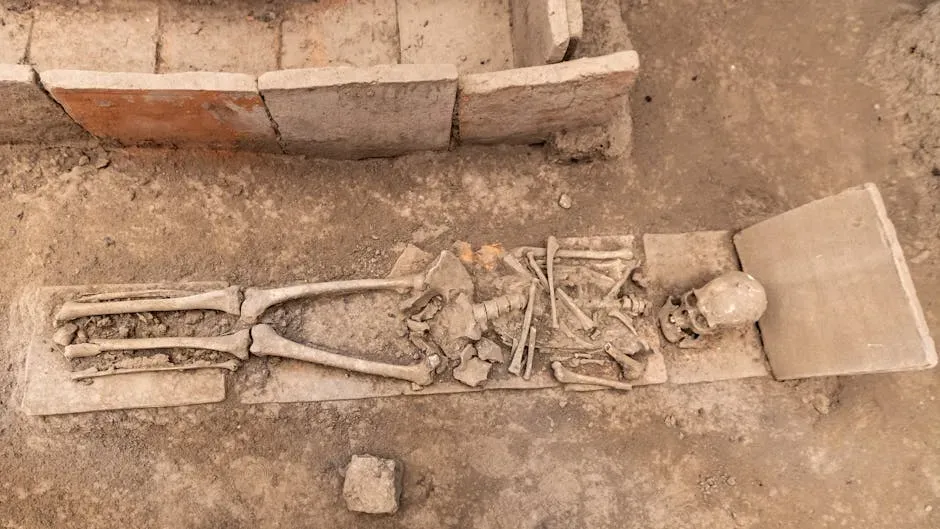
One of the most stubborn ideas about early humans is that they all died ridiculously young. You often hear that the “average” lifespan was somewhere around thirty, as if everyone just keeled over in their twenties. What that statistic usually hides, though, is brutal infant and child mortality. When many babies and young children die, it drags the average down dramatically, even if plenty of adults live into their fifties or beyond.
When anthropologists look at skeletal remains, they routinely find evidence of individuals who made it into middle and even older adulthood. Healed fractures, worn joints, and tooth wear patterns tell stories of long, active lives. Imagine a society where some children do not survive, but those who do often grow into strong adults who may see their grandchildren. That is much closer to what the data actually suggests than the cartoon image of a species that barely made it out of adolescence.
Small, Tight-Knit Groups Were Often Protective, Not Chaotic
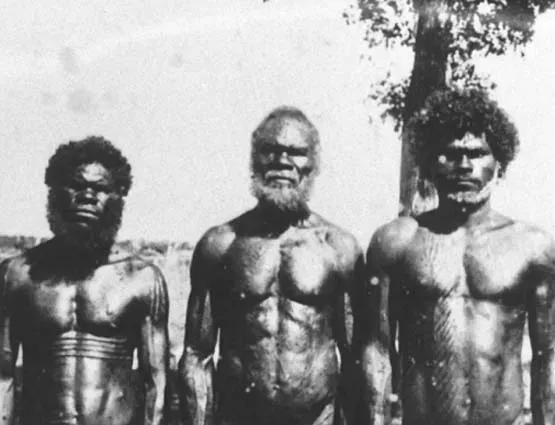
Movies love to show prehistoric groups as unstable and violent, constantly erupting into chaos or betraying one another for scraps of food. Yet when researchers study modern small-scale societies that still hunt, gather, or herd, a very different picture emerges. These groups rely on cooperation and mutual support because, in a world without supermarkets or hospitals, your best insurance policy is your social network.
Evidence from ancient campsites and burial sites backs this up. We see patterns that suggest shared food, long-term care for injured or disabled individuals, and consistent group territories. It is genuinely hard to keep a small group alive year after year unless people are pretty good at getting along. Were there conflicts? Of course. But constant, chaotic brutality tends to tear communities apart, and the communities that survived long enough to leave a mark in the archaeological record were usually the ones that figured out how to reduce that chaos.
Violence Was Real, But Not a 24/7 Bloodbath
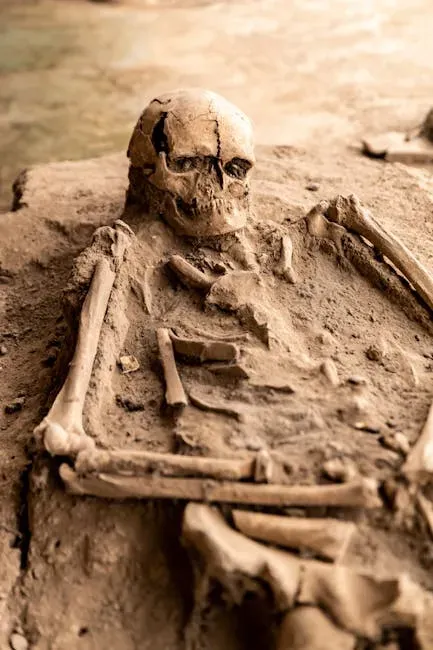
Another favorite cinematic trope is the idea that early humans were basically always at war: clubbing enemies over the head, raiding nearby groups, and casually murdering rivals for mates. There is no denying that violence existed; some skeletons show signs of trauma from weapons, and there are sites that look like mass killings. But when anthropologists zoom out and look at long periods and many regions, the picture becomes more complicated and far less like a nonstop war movie.
Some prehistoric communities appear to have gone centuries with little clear evidence of organized violence, while others experienced intense episodes that might have been wars, feuds, or raids. If anything, the pattern looks more like waves than a baseline of constant bloodshed. That does not make early humans peaceful saints, but it does suggest they spent much of their lives doing ordinary human things: gathering plants, hunting, telling stories around fires, parenting, negotiating, and trying not to get hurt. Hollywood has no patience for the slow, quiet bits, but the slow, quiet bits probably took up most of their time.
Daily Life Was Physically Demanding, But Not Pure Misery
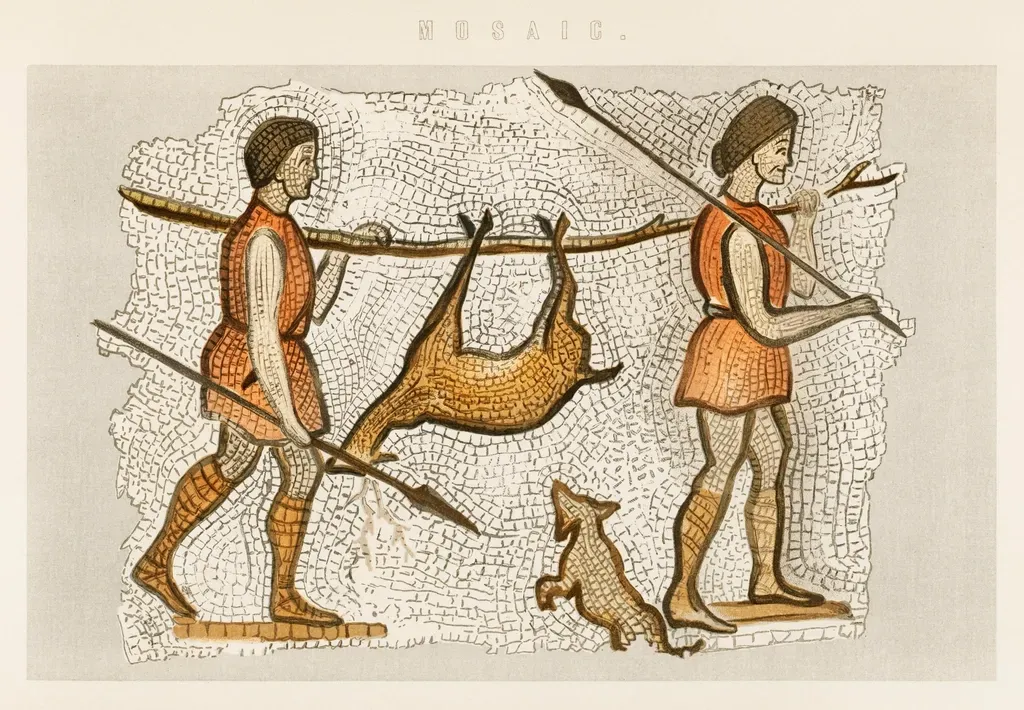
Think of how movies show prehistoric life: people always filthy, freezing, starving, and gasping with exhaustion. The truth is more nuanced. Early humans had to work hard for their food, without question. Hunting big game, gathering wild plants, and traveling long distances demanded serious stamina. But their bodies were also shaped by the environments and lifestyles they lived in, and many were astonishingly well adapted to that physical world.
When we look at their bones, we often see strong muscle attachments, good alignment, and relatively low rates of some of the chronic conditions that plague modern people who sit most of the day. That does not mean they were living in a wellness retreat; injuries, hunger, and infections were always lurking. Still, for many, the daily rhythm of moving, making tools, cooking, talking, and sleeping may have been less miserable than we imagine. If you have ever felt how satisfying a full day of physical work can be compared to eight hours under fluorescent lights, you already have a hint that “hard” and “brutal” are not the same thing.
Care, Compassion, and Long-Term Support Existed

One of the most quietly shocking discoveries in the study of early humans is just how much care some individuals received over many years. Archaeologists have uncovered skeletons of people who lived a long time with serious injuries, disabilities, or diseases that would have made solo survival almost impossible. That implies that someone was bringing them food, protecting them, and helping them move or stay warm.
These finds do not fit comfortably with the idea of a purely ruthless world where only the strongest survived and everyone else was abandoned. Instead, they point to a social fabric where empathy and obligation mattered. You can almost picture an older person with damaged joints sitting near the fire, telling stories or sharing knowledge, while younger group members bring meat or roots. In that sense, early humans were not just physically tough; they were socially resilient. They made room for each other, even when it was costly.
Culture, Play, and Meaning Made Life Richer
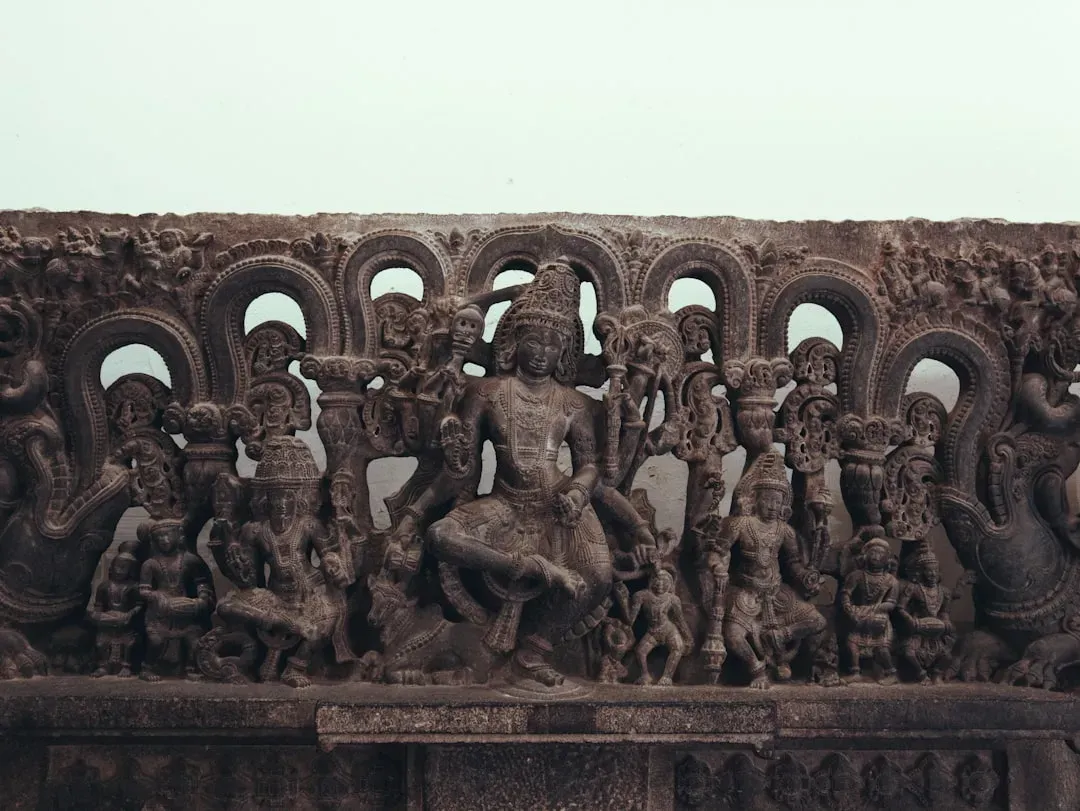
Brutal survival stories usually skip over something that humans are almost addicted to: meaning. Even tens of thousands of years ago, people were making art, decorating objects, painting walls, carving figurines, and burying their dead with care. None of that is strictly necessary if life is only about scraping through each day. It suggests that people had the mental and emotional bandwidth to create and to care about more than immediate survival.
Children probably played, just as they do in small-scale societies today, learning skills through games, imitation, and playful experiments. Adults likely told complex stories that stitched together the past, present, and imagined worlds. That is a far cry from the grim, silent marches we see on screen. As strange as their beliefs and rituals might seem to us now, they likely made life feel coherent and valuable to the people living it. In other words, their days held not just fear and hunger, but joy, wonder, and deep connection.
Why Our “Brutal Caveman” Obsession Persists
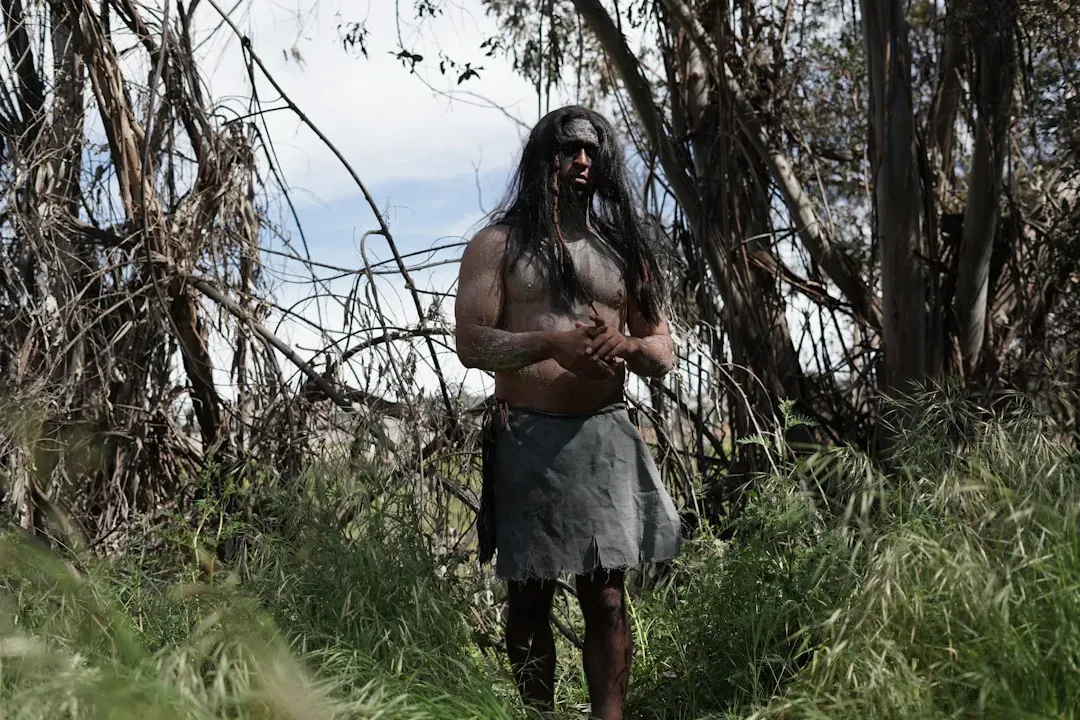
So if the evidence pushes back against the darkest myths, why do we keep clinging to them? Part of it is storytelling: danger, violence, and despair sell tickets. Nobody greenlights a big-budget movie where early humans spend most of the runtime gossiping, foraging, and laughing around a fire. Another part, though, is psychological. It is oddly comforting to think of the past as savage, because it makes our present feel more advanced and justified, even when modern life delivers its own forms of stress and cruelty.
There is also a kind of moral shortcut in the brutal-caveman story. If we tell ourselves that humans have always been vicious, then our current problems can feel inevitable, as if nothing better is possible. Personally, I think that is a cop-out. The real story is more challenging: early humans were capable of both violence and care, of both short bursts of horror and long stretches of cooperation. That means our behavior is more flexible and more open to change than the lazy “we are just savages in suits” line allows.
Reclaiming a More Honest, Less Cynical View of Our Past
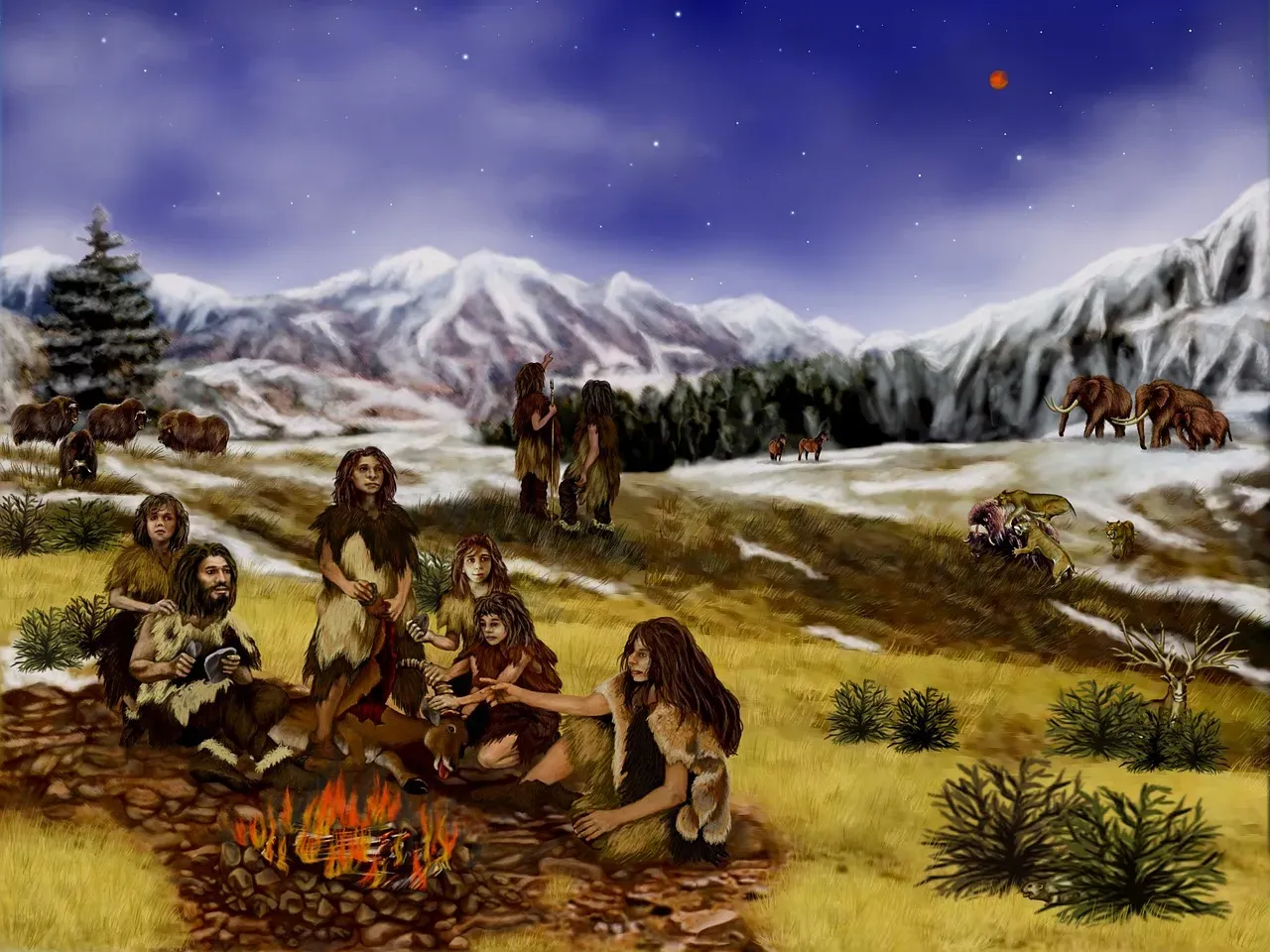
When you strip away the movie filters and sit with the actual evidence, early human life looks neither like a paradise nor a nonstop nightmare. It was a world of hard work, sudden risks, deep relationships, and surprisingly rich culture. People died young more often than we do now, but many also lived long enough to become elders. They faced violence, yes, but also built communities held together by care, obligation, and shared stories. To me, that is not a tale of brute survival; it is a story of rough-edged humanity.
Here is my opinionated take: the myth of the endlessly brutal early human is not just wrong, it is harmful. It lets us shrug off cruelty today as something baked into our nature instead of something we choose, tolerate, or change. If our ancestors could nurse the injured, raise children in uncertain landscapes, and still find time to make art and meaning, then our bar for what is “just human nature” should be a lot higher. Maybe the real question is not how brutal they were, but how much kinder and more imaginative we might become if we stopped telling ourselves that brutality is all we have ever known. Did you expect that?