At first glance, Triceratops seems to get all the glory: movie cameos, toys, T‑shirts, and endless museum love. But quietly sitting in the same family tree is a lesser‑known heavy hitter with a name that sounds like a sci‑fi villain: Eotriceratops. If you have not heard of it, you are not alone – and that is exactly why it is so fun to talk about.
Eotriceratops was not some awkward prototype that evolution quickly tossed aside. In many ways, it was the full triceratopsian package long before Triceratops became a superstar. Once you look at its size, anatomy, and place in dinosaur history, it starts to feel less like a side character and more like that underrated band that did it first, before the big act made it famous.
A Giant in Its Own Right: Eotriceratops Was Absolutely Massive
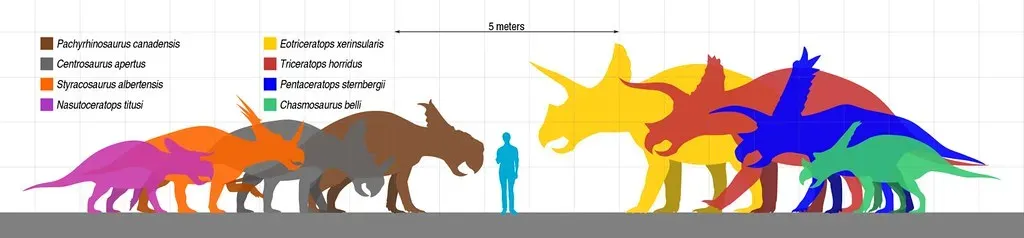
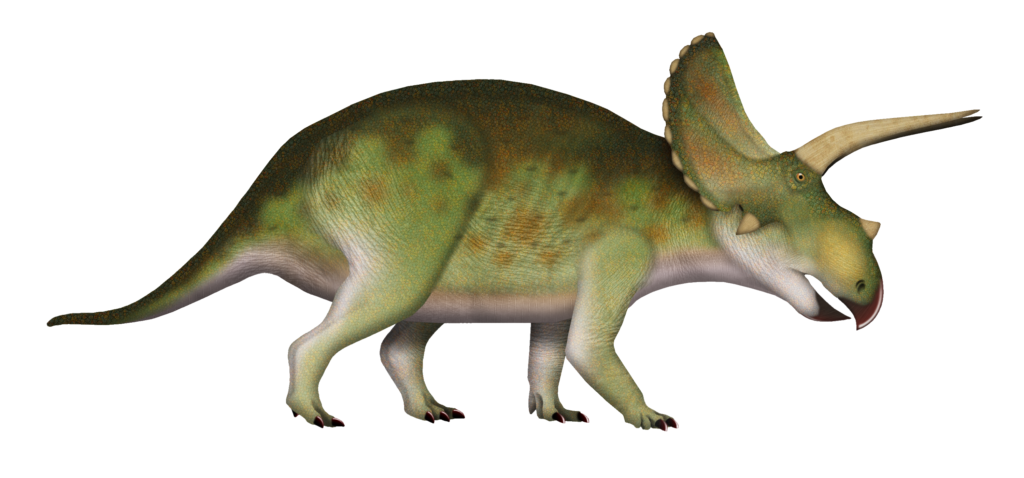
People often picture Triceratops as the ultimate dinosaur tank: low, wide, and ridiculously heavy. Eotriceratops fits that same description, and in some estimates, it might even edge Triceratops out in overall length. Some reconstructions put Eotriceratops at more than nine meters from beak to tail, with a body mass right up there with the biggest known horned dinosaurs.
That means you are dealing with an animal roughly the size of a modern African elephant in weight, but stretched out and wrapped in bone, muscle, and armor‑like skin. Imagine walking into a Late Cretaceous floodplain and seeing not just one, but herds of these multi‑ton herbivores lumbering through the ferns. The sheer physical presence of Eotriceratops would have been every bit as awe‑inspiring as any Triceratops, and probably just as terrifying if you were a predator sizing up your chances.
Those Iconic Horns and Frill: Not Triceratops’ Exclusive Look
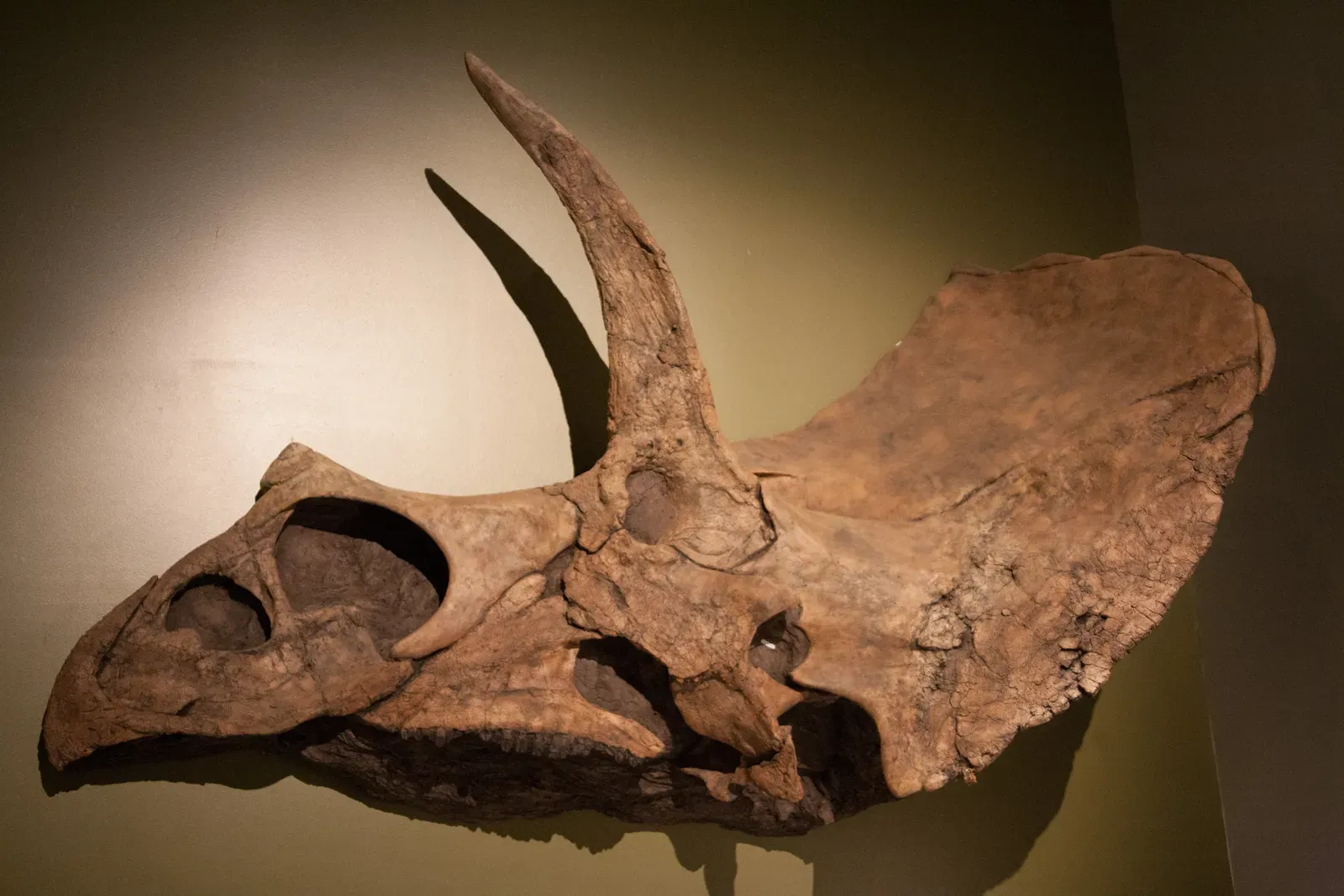
When people think “horned dinosaur,” they instantly picture the Triceratops face: two massive brow horns and a shorter nose horn fronting a broad, bony frill. Eotriceratops played in the same style, with a very similar skull layout that would instantly read as “classic ceratopsian” to any dinosaur fan. Its brow horns were long and forward‑sweeping, the kind of weapons you do not want pointed in your direction if you are a hungry tyrannosaur testing your luck.
The frill of Eotriceratops was also big, ornamented, and visually striking, with subtle variations in shape and detail compared to Triceratops. That frill was not just a passive shield; it was essentially a built‑in billboard for display, recognition, and possibly intimidation. From a distance, a herd of Eotriceratops lifting their massive heads in unison would have created the same dramatic visual effect that artists love to paint for Triceratops, proving the look was never exclusive to the more famous cousin.
An Earlier Heavyweight: Eotriceratops as a Pioneering Titan
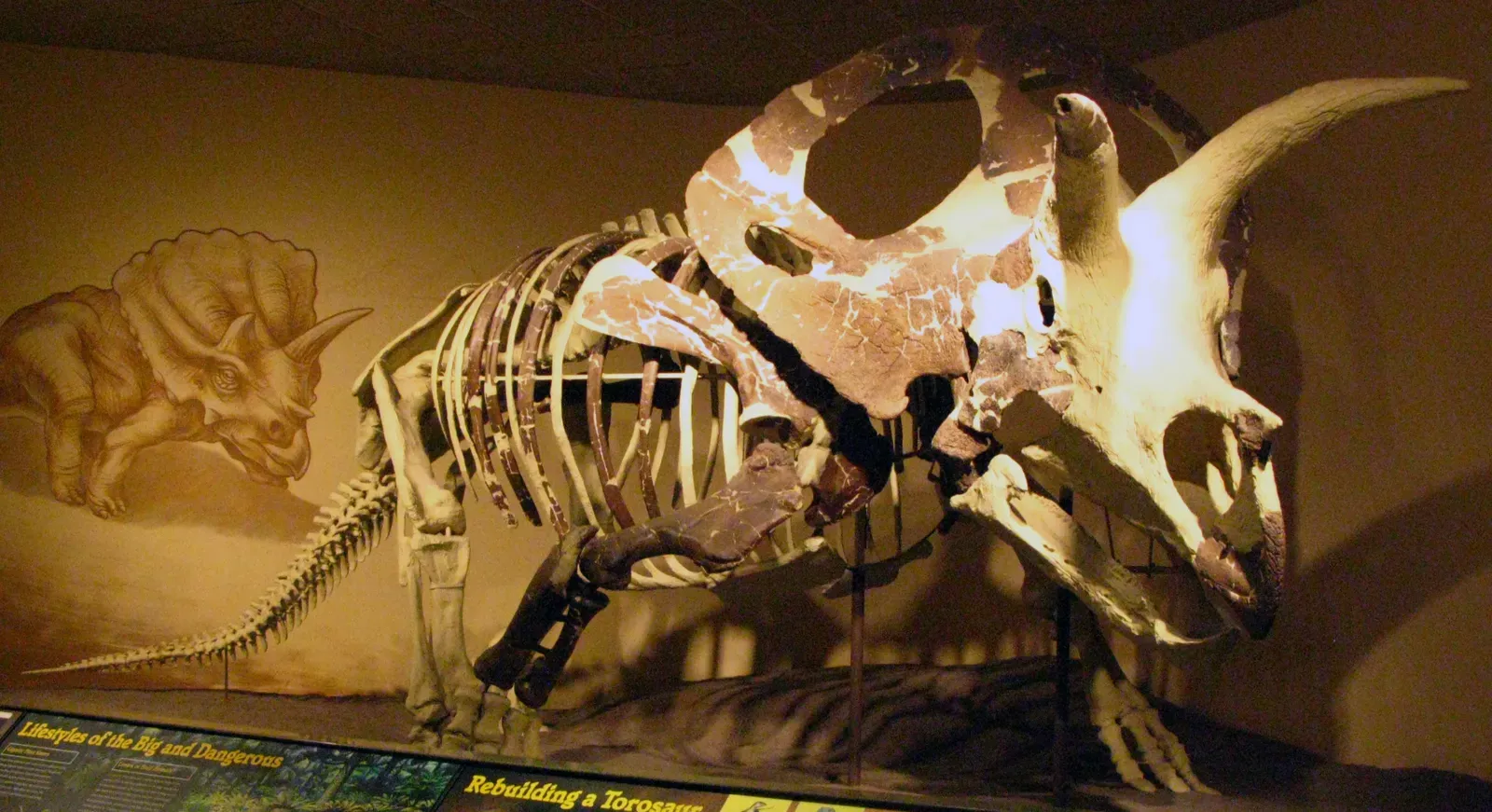
Eotriceratops lived slightly earlier than the classic late‑stage Triceratops species, which is where its name comes from: “dawn Triceratops.” That does not mean it was primitive or unimpressive; it means it stood near the base of the final wave of giant horned dinosaurs in North America. Think of it as the opening act of the last great ceratopsian performance, not a rough draft that got tossed aside.
In evolutionary terms, Eotriceratops shows that the blueprint for enormous, tank‑like, horn‑faced dinosaurs was already perfected before Triceratops dominated the very end of the Cretaceous. It helps bridge the story between earlier, somewhat smaller relatives and the absolute giants that roamed right up to the extinction event. That gives it a kind of historical prestige: Eotriceratops proves that being big, dangerous‑looking, and highly successful did not start and end with Triceratops.
Built for the Same Harsh World: Ecology, Diet, and Lifestyle
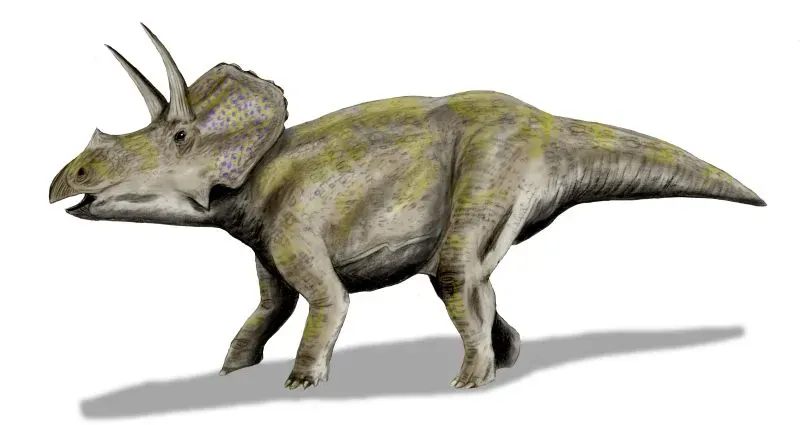
Both Eotriceratops and Triceratops were large herbivores living in complex, seasonal environments filled with rivers, floodplains, and forests. Eotriceratops would have browsed on tough vegetation, using its parrot‑like beak to shear plants and its battery of slicing cheek teeth to grind them down. That tooth arrangement was like a built‑in conveyor belt, constantly replacing worn teeth so it could keep chewing fibrous plants that many other animals could not handle efficiently.
Sharing the landscape with big predators like tyrannosaurs, Eotriceratops needed more than just teeth; it needed a whole lifestyle geared toward defense and survival. Living in groups likely offered safety in numbers, and sheer body size alone made it a risky target. Pair that with a reinforced skull, a neck shield of bone, and forward‑facing horns that could turn a charging predator into a very bad statistic, and you have an animal just as well adapted as Triceratops to the brutal realities of the Late Cretaceous.
Skull Drama: Subtle Differences, Same Level of Wow
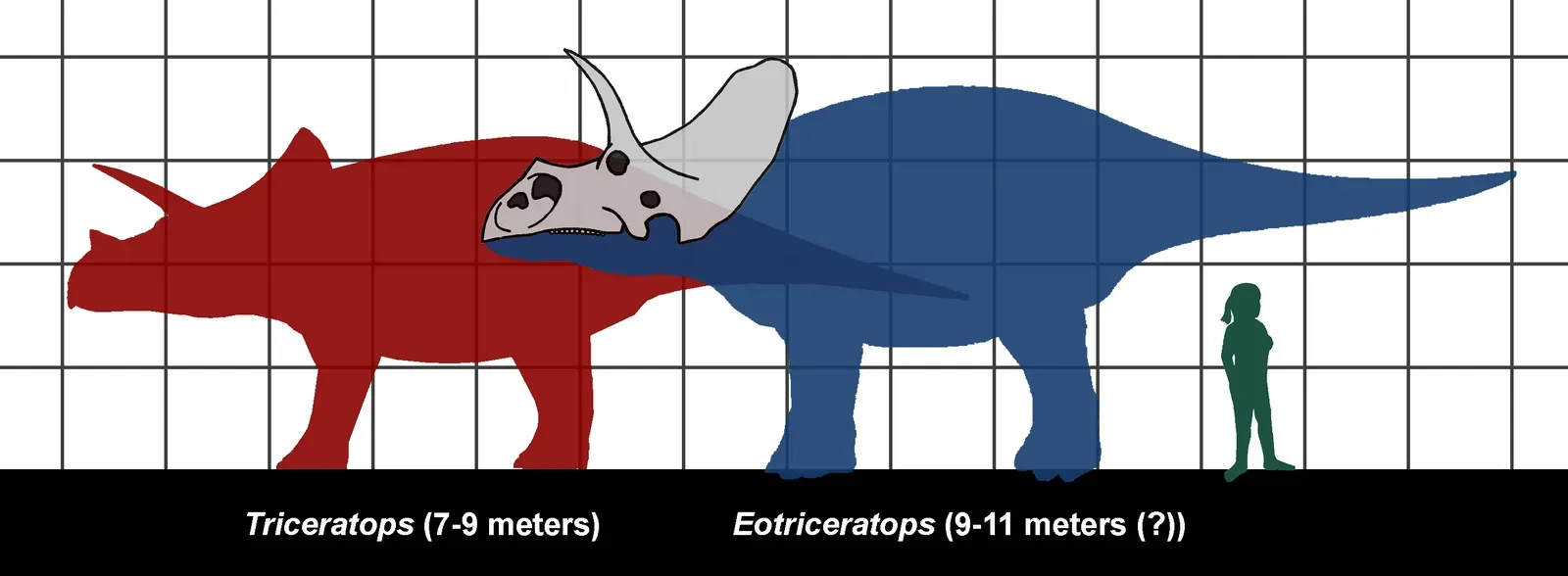
The single known skull of Eotriceratops is enormous and heavily built, even compared to the famously huge skulls of Triceratops. When paleontologists first examined it, they were struck by how similar it was to Triceratops, yet with its own personality in the details: slightly different proportions, variations in the frill edge, and unique surface textures. These are the kinds of small anatomical quirks that help researchers tease apart species, but for a casual observer, the overall impression is the same staggering sense of scale.
From a display standpoint, that skull would have done everything a Triceratops skull could do: create a recognizable face to members of its own species, signal strength and maturity, and act as a weapon when things got physical. If you mounted an Eotriceratops skull in a museum next to a Triceratops, most visitors would not walk away thinking one was “less” impressive. They would see two variations on the same outrageous design – a reminder that nature rarely settles for just one version of a great idea.
Personally, I think this is where Eotriceratops really shines: it is familiar enough to feel iconic, but just different enough to feel like you have unlocked a hidden “bonus level” of the dinosaurs you thought you already knew.
Why the Fame Gap? Triceratops the Star, Eotriceratops the Underdog
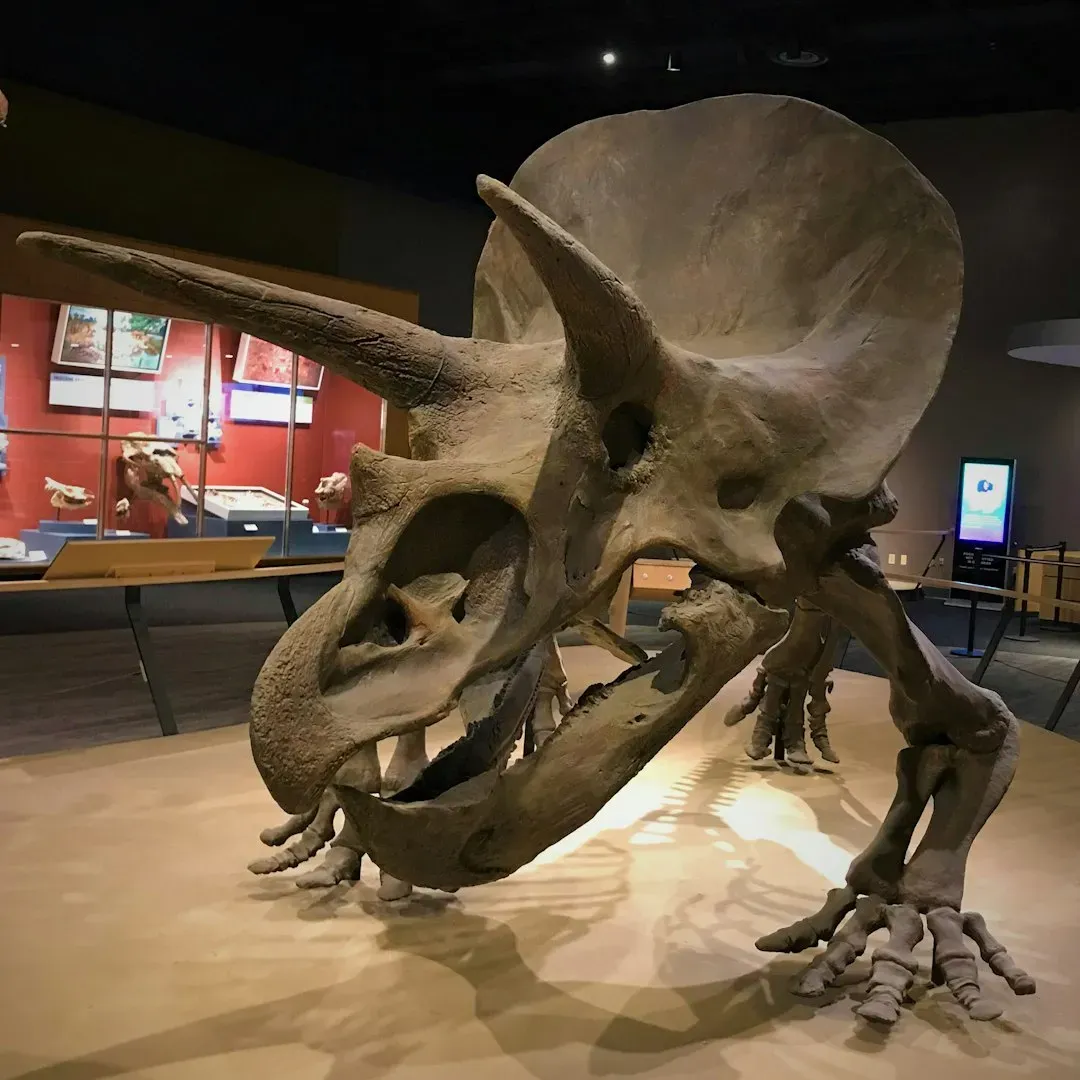
Triceratops has a media empire by now: documentaries, blockbuster films, endless books, and kids who can say its name before they can spell their own. Eotriceratops, on the other hand, was described much more recently and from far fewer fossils, which naturally keeps it out of the spotlight. You cannot build a franchise around a dinosaur most people have never even seen in a picture book, no matter how spectacular the science says it was.
That fame gap can trick us into thinking Triceratops was somehow uniquely special, when in reality it is partly a story of timing, marketing, and sheer fossil luck. Eotriceratops simply has less complete material and less cultural history behind it, not less raw impressiveness. To me, that makes it more interesting, not less: there is something appealing about rooting for the underdog dinosaur that could stand horn‑to‑horn with Triceratops but just never got the same PR team.
Conclusion: Eotriceratops Deserves a Spot in the Dinosaur Hall of Legends
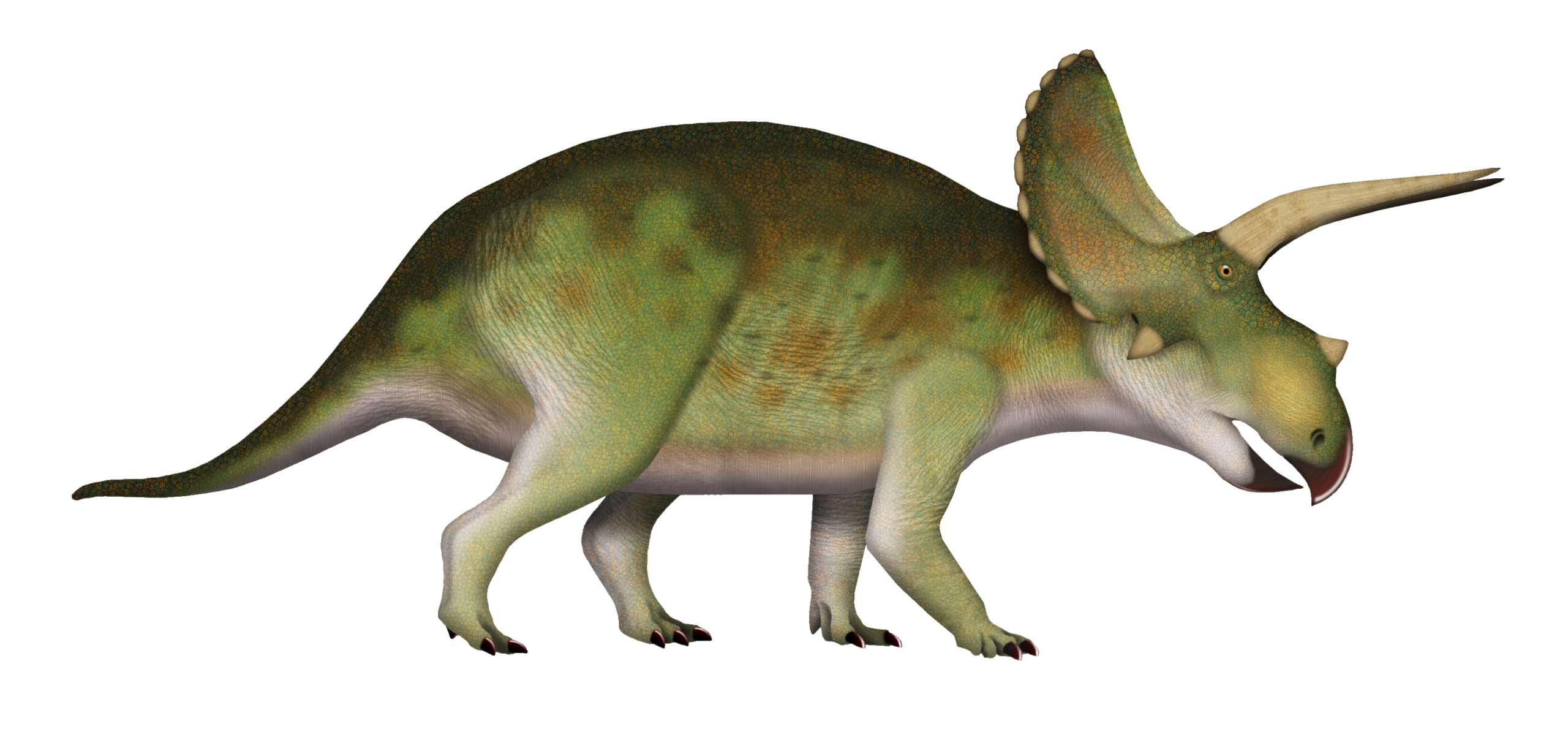
When you strip away the brand recognition and movie fame, Eotriceratops and Triceratops are clearly playing in the same league: gigantic, heavily armed herbivores with massive skulls, lethal horns, and a way of life tuned to one of the toughest ecosystems Earth has ever known. Eotriceratops was not a rough sketch or a background extra in the story of horned dinosaurs; it was one of the main characters, just written into an earlier chapter that most people have not read yet. Size, anatomy, ecological role – on every meaningful metric, it holds its own.
If anything, the story of Eotriceratops exposes how much our sense of “iconic” is shaped by pop culture rather than scientific substance. In my view, that makes Eotriceratops the kind of dinosaur we should be talking about more: it forces us to look beyond the usual headliners and appreciate the depth of the prehistoric cast. Next time someone says Triceratops was the ultimate horned dinosaur, you will have a solid case for saying, gently but firmly, that Eotriceratops belongs right beside it. Knowing that, which one would you have guessed was the real heavyweight champion before you read this?