There’s something almost unfair about giant prehistoric sharks. It’s like nature looked at normal sharks, decided they were already nightmare fuel, and then hit an absurd upgrade button: bigger jaws, thicker teeth, heavier armor, freakier hunting strategies. No wonder every time a new fossil turns up, the headlines read like another supervillain has just been added to the roster.
Of course, these animals weren’t evil. They were just very, very good at doing what evolution built them to do: dominate their oceans. But when you look at the size of their teeth, the way they hunted, and the terrifying environments they ruled, it honestly feels like every one of them could’ve headlined its own horror movie. Let’s dive into why these giant prehistoric sharks seem custom-built to play the villain in Earth’s ancient underwater saga.
The Megalodon: The Original Ocean Final Boss
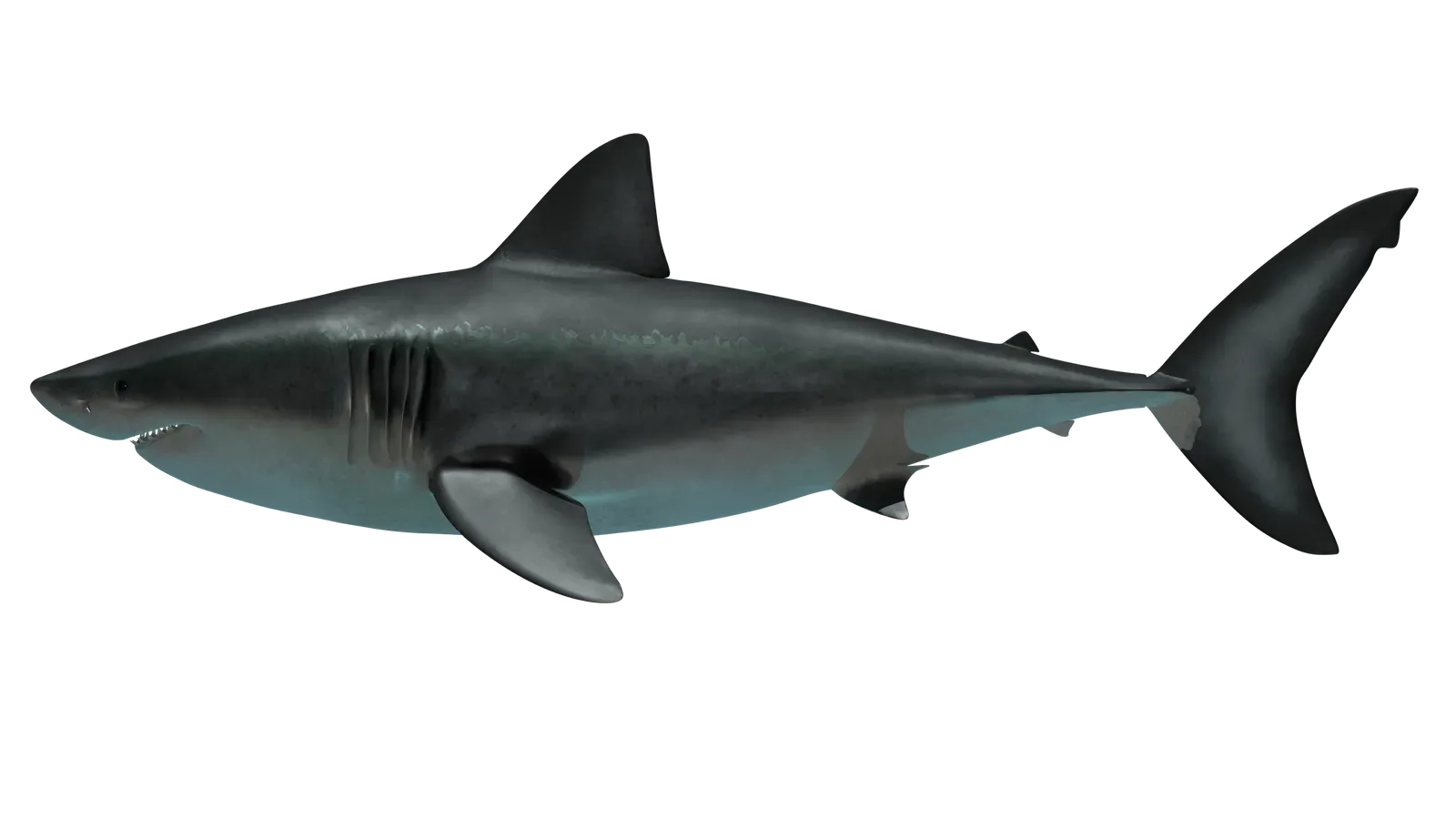
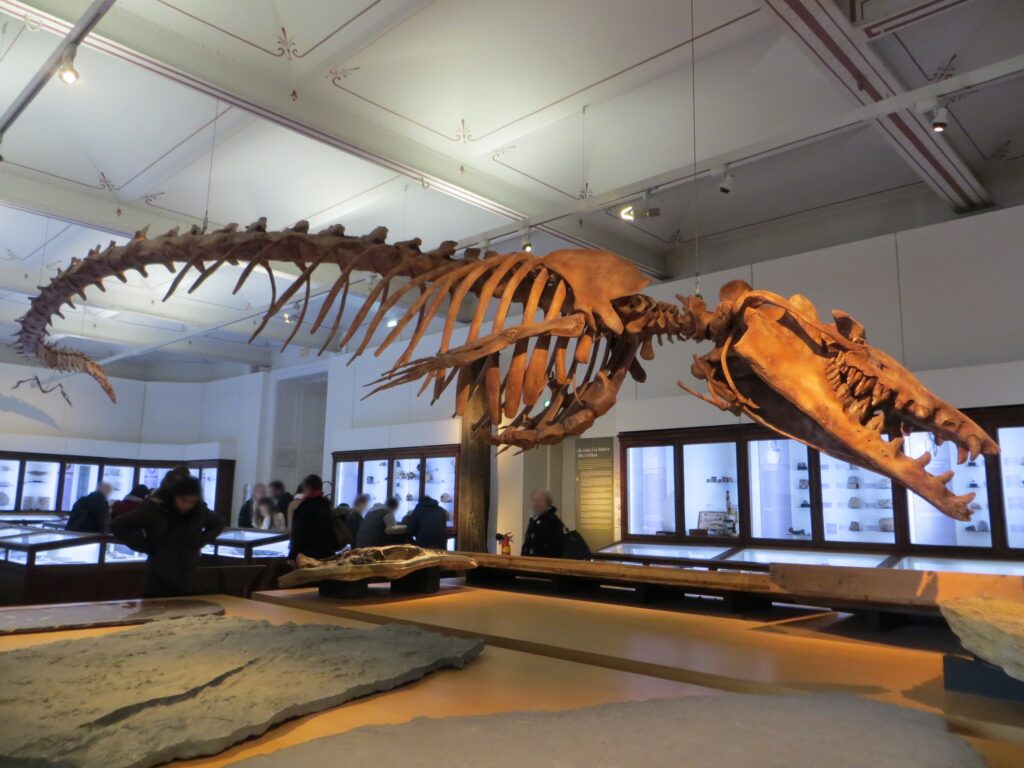
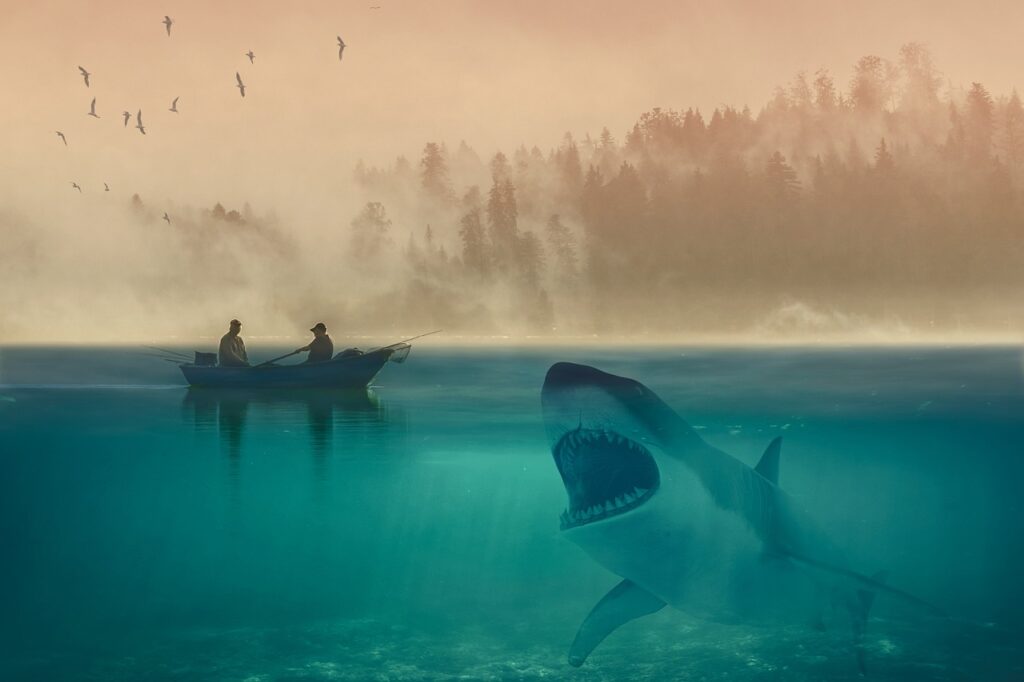
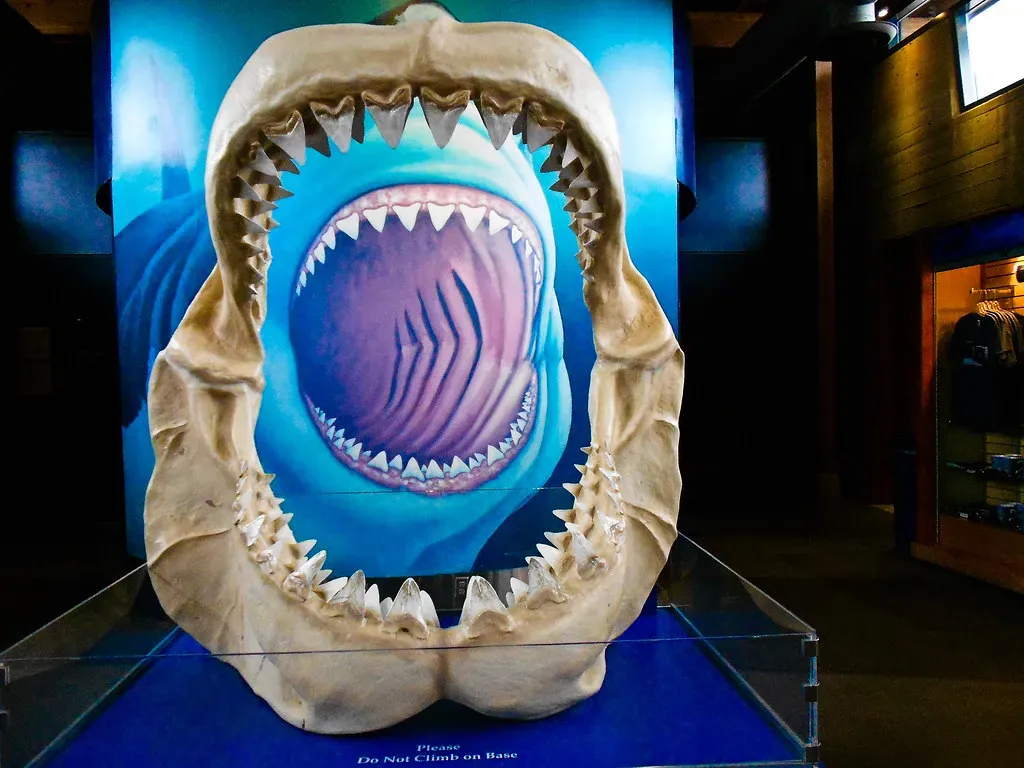
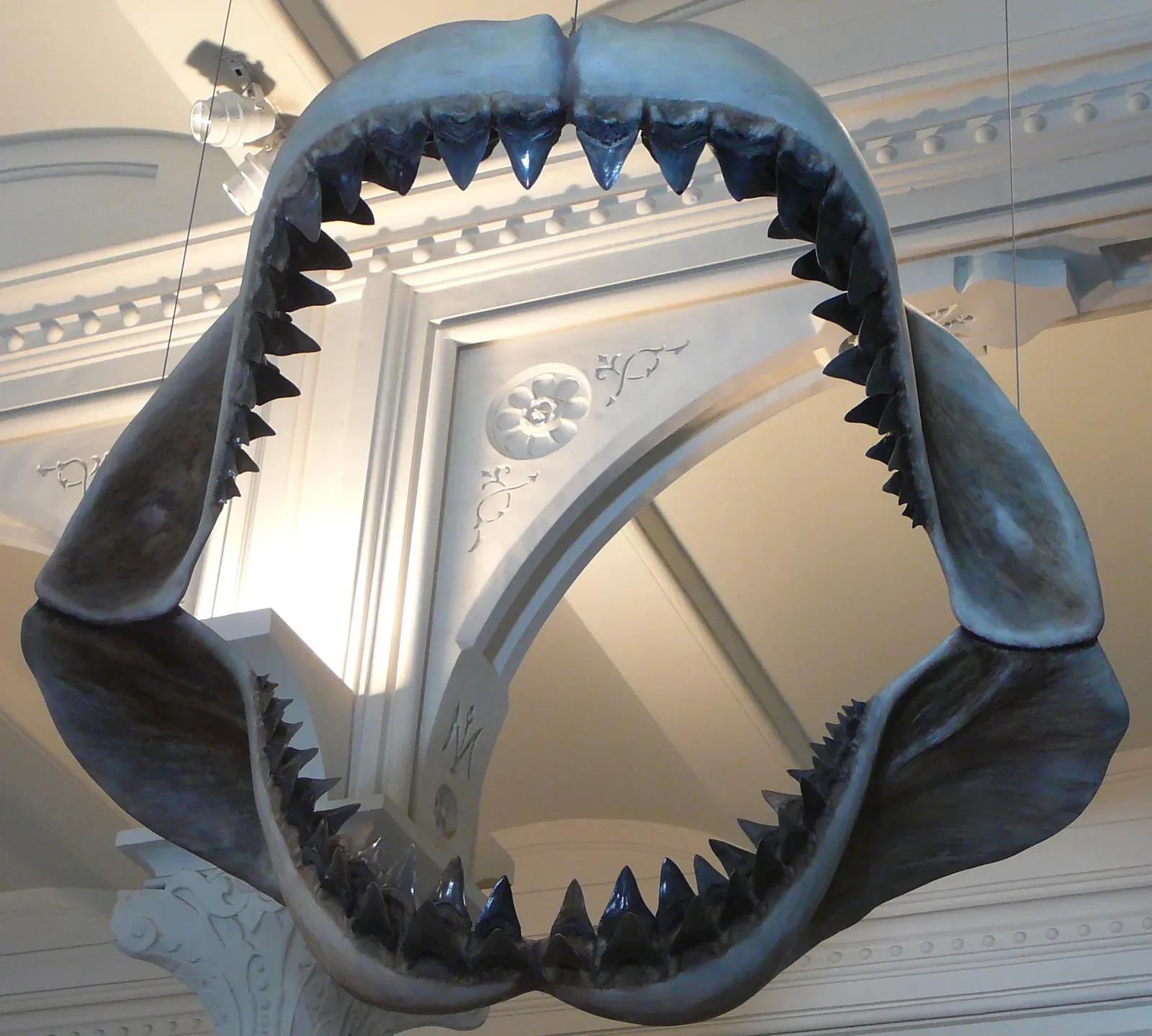
If there’s a main character in the prehistoric shark supervillain lineup, it’s megalodon. This shark was so big that modern great whites look like sidekicks by comparison, with estimates suggesting megalodon could reach lengths several times greater than today’s largest sharks. Its jaws were large enough to crush bones of whales, and the bite force has been modeled as one of the strongest of any known animal to have ever lived.
What makes megalodon feel like a cartoonishly overpowered villain is the scale of its menu. Fossils show bite marks on whale vertebrae, ribs, and even other large marine mammals, suggesting it regularly targeted some of the largest creatures around. Imagine a predator so dominant that entire ocean ecosystems reshaped when it vanished; some scientists think the disappearance of megalodon may have opened ecological space for modern whales to diversify and grow larger. It is hard not to picture it as the final boss of the ancient seas.
Super-Sized Teeth Built Like Biological Chainsaws
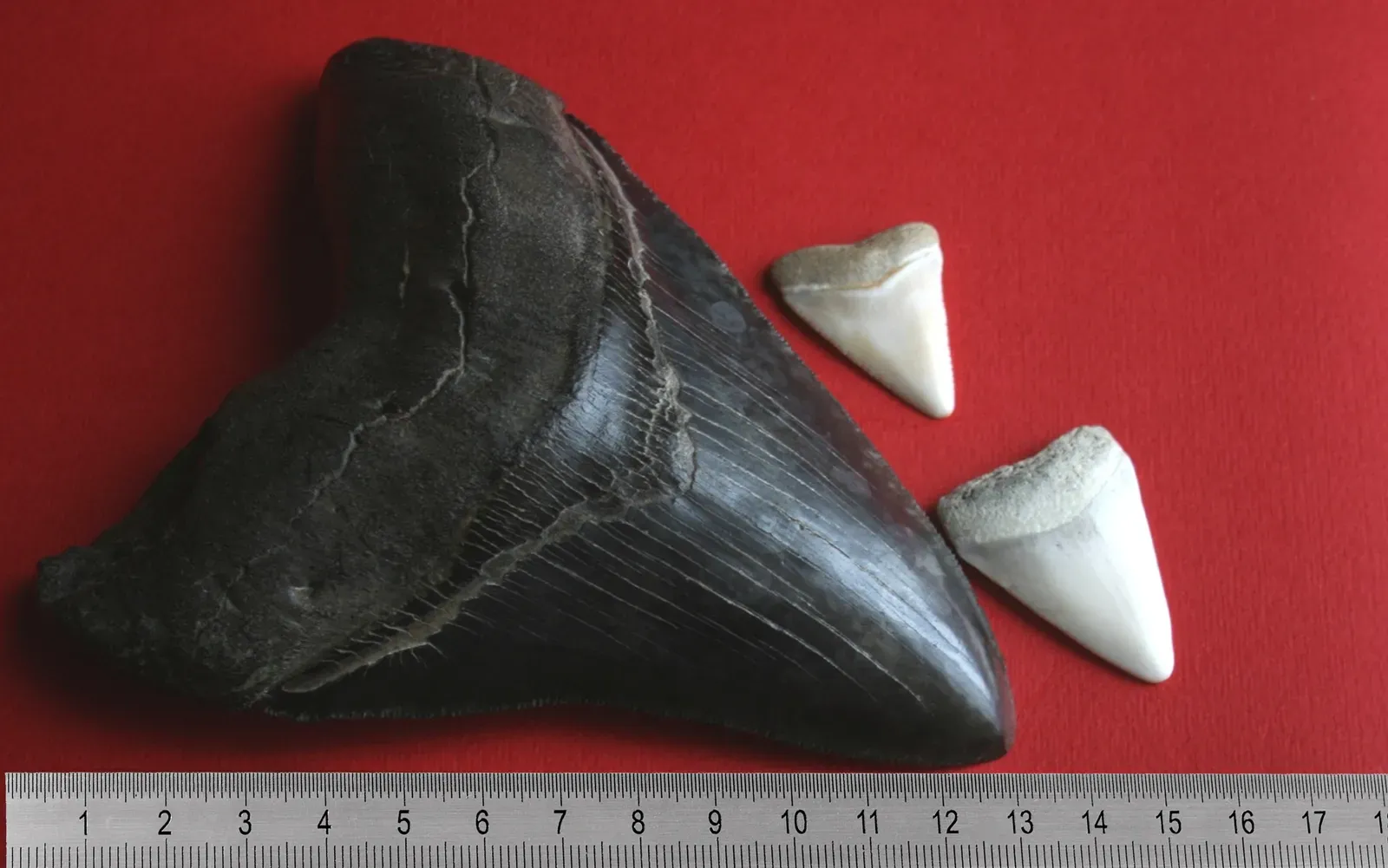
Even if you knew nothing about the animals, just staring at their fossilized teeth is enough to understand the villain energy. Megalodon teeth alone can be as big as a human hand, thick and triangular, with sharp edges designed to slice through flesh and even bone. Other large prehistoric sharks had similarly reinforced, serrated teeth tuned to very specific types of prey, from armored fish to marine reptiles.
Teeth tell you how an animal lived, and in these sharks, they scream offensive weaponry. They shed thousands of teeth over their lifetimes, constantly replacing worn blades with fresh ones like an endless rotating arsenal. It’s the same basic design as modern sharks, but dialed up so far that it feels like someone ran the concept through a “make it more terrifying” filter. You don’t need a movie script to make them scary; their teeth wrote that script millions of years ago.
Predators of Giants: Whales, Marine Reptiles and More
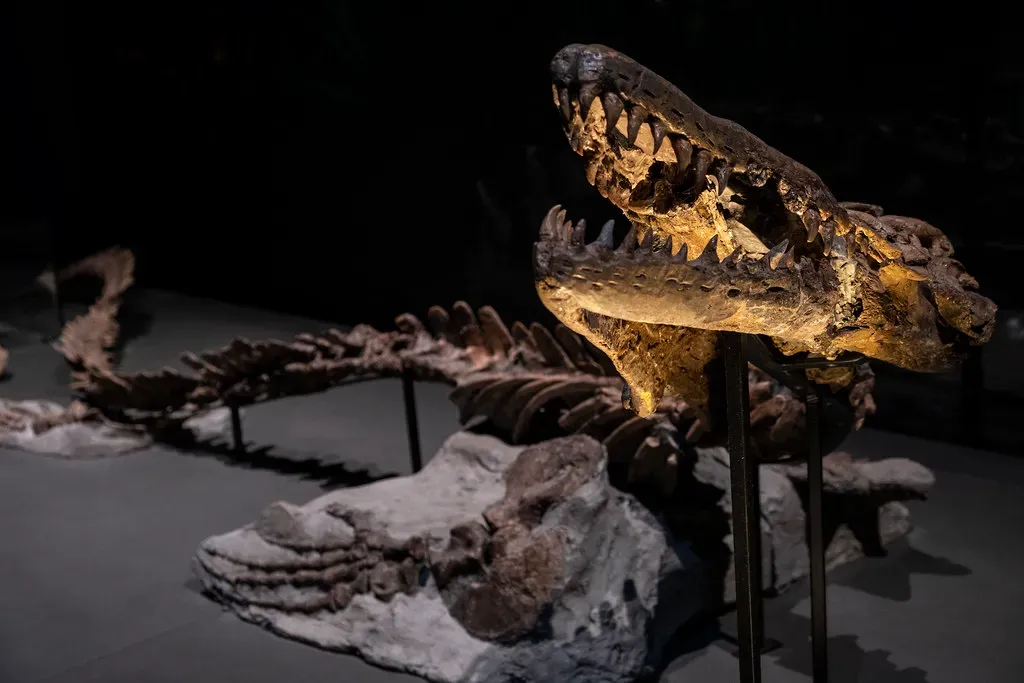
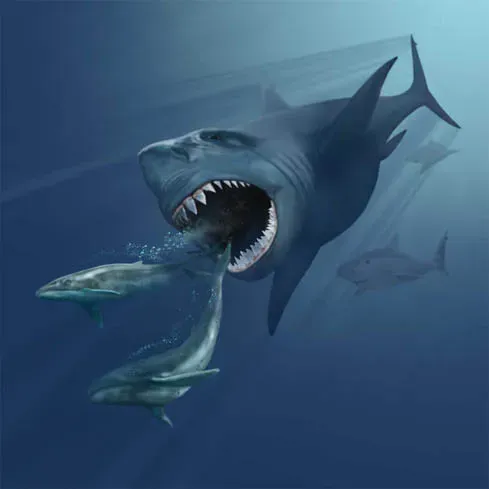
The true supervillain status of these sharks shows up most clearly in who they were hunting. Fossil evidence points to some giant prehistoric sharks preying on early whales, large bony fish, and even marine reptiles in earlier eras. Instead of picking off the weak or tiny, many of these species specialized in going after the heavyweights of their ecosystems, the way a comic book villain goes straight for the strongest hero.
There are fossil bones with cleanly cut bite marks, broken ribs, and evidence of catastrophic trauma that line up with massive shark attacks. Some bones even show signs of healing, suggesting that not every attack was instantly fatal, but definitely brutal. To imagine an ocean where your top herbivore or filter-feeder is being regularly ambushed by a colossal shark is to imagine a world ruled by constant, high-stakes predator-prey drama. It turns the ocean into an arena rather than a peaceful blue backdrop.
Ambush Tactics Straight Out of a Horror Movie
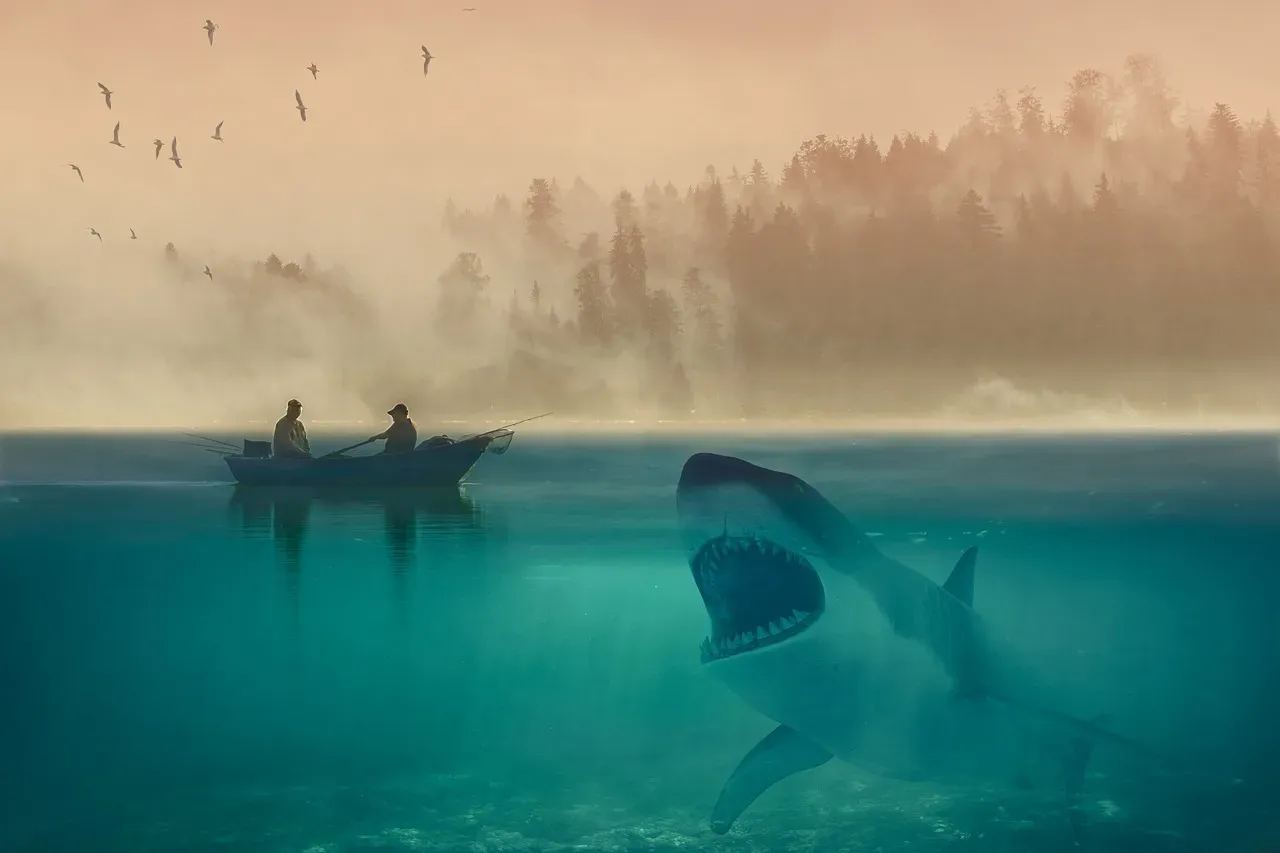
Size alone doesn’t make a supervillain; strategy does. Many large prehistoric sharks likely used ambush tactics similar to or even more extreme than modern great whites. Instead of long chases, they probably relied on surprise, coming up from below or behind, aiming for critical areas like flippers, tail stock, or chest to disable their prey in a single, devastating strike.
Some fossilized whale skeletons show concentrated bite marks near the chest cavity and fins, hinting at a calculated attack pattern rather than random biting. That kind of behavior feels chillingly methodical. You can picture the dim light in ancient seas, the dark shape emerging from below like a living torpedo, and then nothing but blood and bubbles. It is the same cinematic fear humans have about the deep ocean today, except back then, the reality probably was just as intense as what we imagine.
Living in a Planet of Monsters: The Company They Kept
Part of what makes these sharks seem so villainous is the world they belonged to. They weren’t the only nightmares in their ecosystems; they lived alongside giant marine reptiles in earlier periods, enormous whales and strange toothed dolphins later, plus oversized squid, armored fish, and more. These were not gentle oceans. They were crowded arenas full of creatures that could bite, ram, impale, or swallow you whole.
In that context, of course a shark had to be extreme just to survive. When the average neighbor is a multi-ton reptile with jaws of its own, being a huge, heavily armed shark is less overkill and more minimum requirement. Still, when we reconstruct those environments today, with giant sharks threading their way through a cast of other terrifying animals, it is hard not to see the shark as the recurring villain. It always seems to be the one waiting just offscreen, ready to turn any peaceful scene into a chase sequence.
Why Giant Sharks Feel More Terrifying Than Dinosaurs
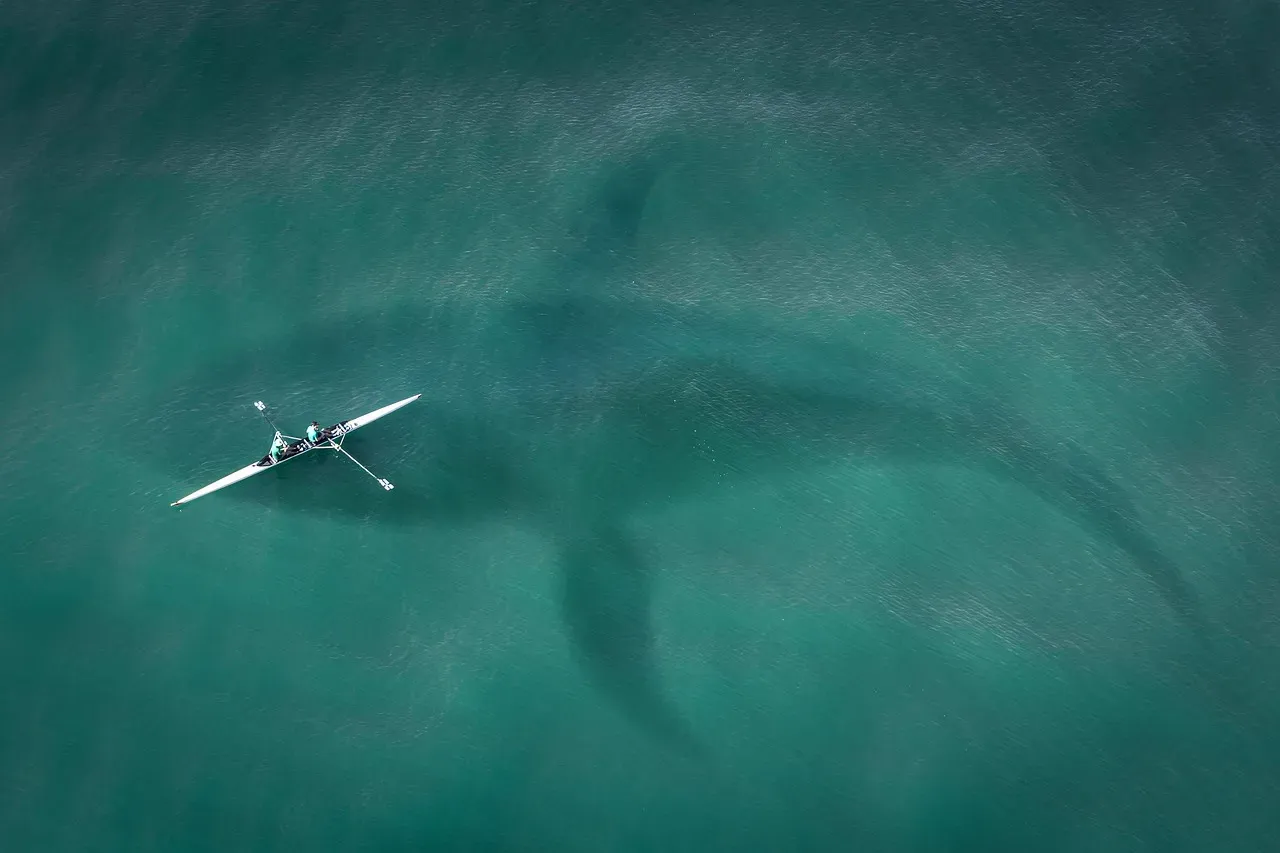
Dinosaurs tend to get the merchandising deals, but ask people what really scares them, and a lot will quietly admit: the ocean is worse. A huge shark, unseen beneath dark water, triggers something primal in us. Dinosaurs feel like monsters on land, but giant prehistoric sharks take that fear and hide it, which somehow makes it worse. You do not get clean, cinematic views; you get shadows and uncertainty.
On top of that, sharks are still here. Even though the specific giants like megalodon are gone, their smaller relatives cruise modern oceans, carrying the same basic design. It makes prehistoric sharks feel less like ancient history and more like an exaggerated version of a threat we still know personally. When you realize that our fear of modern great whites is aimed at an animal that is, in many ways, a scaled-down cousin of those prehistoric giants, the villain narrative practically writes itself.
Not Evil, Just Efficient: The Myth and the Reality
It’s easy to cast these sharks as villains, but that says more about us than about them. In reality, they were just apex predators doing the ecological job they had evolved for over millions of years. They helped keep populations of large marine animals in check, shaped food webs, and probably prevented certain species from over-dominating their environments. From a biological point of view, they were not villains at all; they were essential regulators.
Still, there is something very human about turning them into antagonists. We project our fears of the unknown, of losing control, of being small in a vast world, onto these massive, unseen hunters. Personally, I like that tension: intellectually, I know they were just animals, but emotionally, I still picture them as ocean warlords. Maybe that mix of respect and fear is healthy. It reminds us that Earth has always been capable of producing creatures more powerful than we are, and that we are not automatically the heroes in every story.
Conclusion: The Ocean Never Needed a Supervillain, But It Got Several
When you line up everything we know about giant prehistoric sharks – size, teeth, prey, tactics, and the monstrous worlds they inhabited – it is no surprise they come off like full-time supervillains. They were apex predators on a scale that is hard to process, operating in an environment that already feels mysterious and threatening to us. In our stories, something that big and that efficient almost has to wear the “villain” costume, even if, biologically, it was simply doing its job.
If anything, the real twist is that our fear of them reveals as much about us as it does about them. We are terrified of being reminded that, for most of Earth’s history, we were not in charge, and if these sharks were still around, we probably would not be now either. To me, that is not just scary; it is strangely humbling and even a bit thrilling. The ocean does not care about heroes and villains, only survival and balance – but looking at these prehistoric sharks, can you honestly say they do not look like they were born to play the bad guy?