There’s something strangely electric about the idea of a world that once existed but is now gone forever. Whether it’s Atlantis sinking beneath the waves, an ancient forest buried under ice, or even a version of Earth where dinosaurs never died out, our minds keep circling back to places we can never truly see. It is more than escapism; it tugs at a deep emotional nerve that mixes awe, nostalgia, and a little bit of fear all at once.
I still remember standing in a natural history museum as a kid, staring at a dinosaur skeleton and feeling this haunting thought: whole worlds can vanish. That feeling never really goes away; it just evolves. live at the intersection of science, story, and emotion, and that’s exactly why they keep showing up in our myths, movies, games, and late-night thoughts.
The Brain Is Wired To Fill In The Gaps
One of the most surprising things about the human brain is how aggressively it hates blank spaces. When we get only fragments of a story or hints of a landscape, our minds rush in to complete the picture. Psychologists call this a tendency to seek patterns and coherence, and it is the same mental gear that lets us recognize faces in clouds or hear meaning in random noise. Lost worlds are basically the biggest, most tantalizing blank space we can imagine: entire civilizations, ecosystems, and histories that we only glimpse through ruins or theories.
Instead of being satisfied with what we know, our brains treat partial information almost like a challenge. We see an ancient temple foundation, a half-erased map, or a skull in a display case, and we instinctively start building the rest in our heads. It feels creative, but at a deeper level it is almost automatic, like a visual autocomplete. Lost worlds hook straight into that mechanism, offering just enough evidence to be plausible, but not enough to be complete, so our thoughts keep looping back to “what if?” and “what else?”
Deep Time Makes The Present Feel Tiny
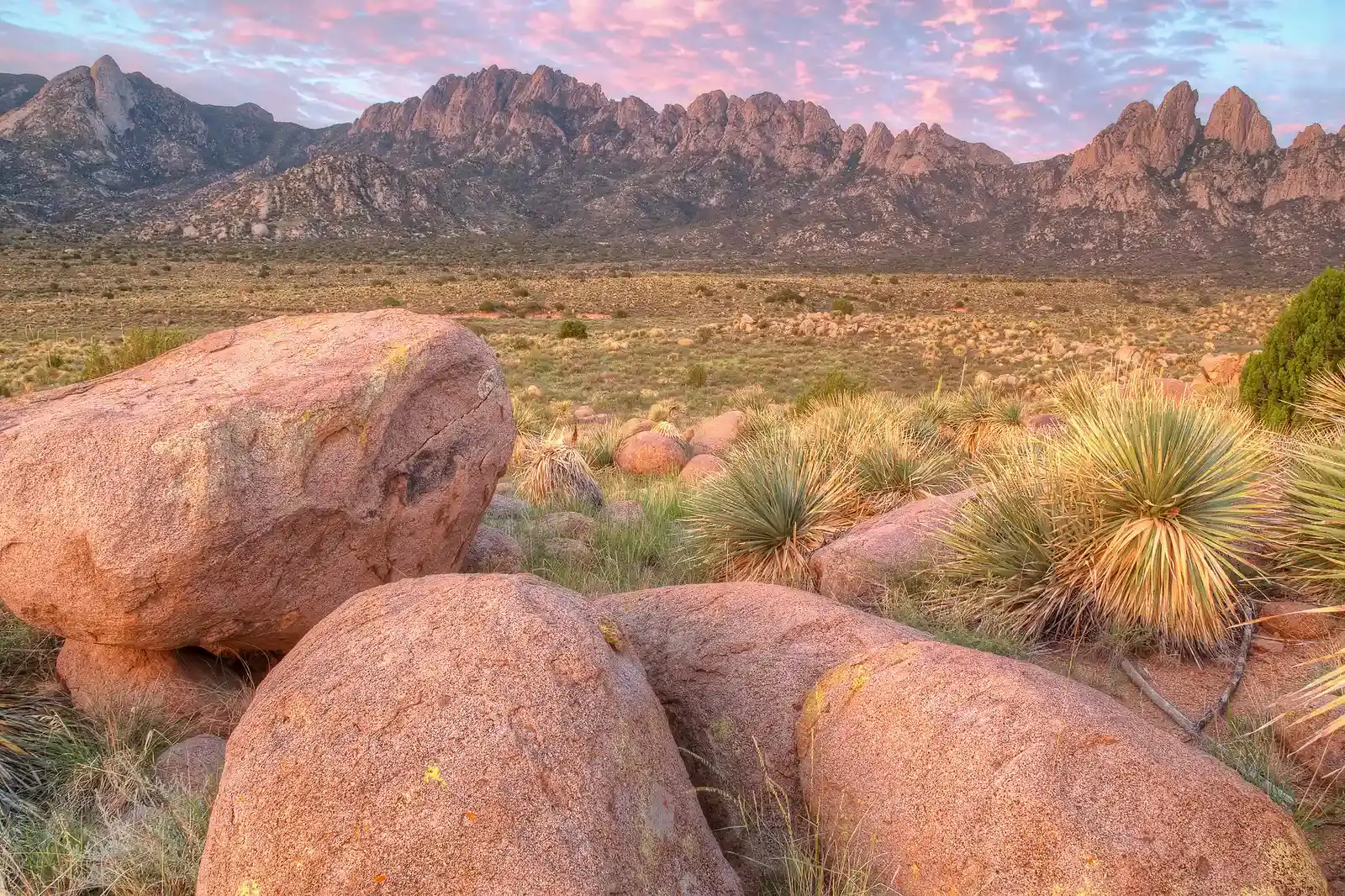
Most of us walk around acting as if the world has pretty much always been like this: same continents, same oceans, same general setup. Then you learn about deep time and suddenly the floor drops away. Entire mountain ranges have risen and eroded, seas have appeared and disappeared, and whole species have come and gone long before humans took a single step. When you really sit with that, our present moment starts to feel like a very thin slice of something enormous.
This sense of deep time is both humbling and addictive. Imagining lost worlds is one way we try to emotionally process the fact that our reality is just one chapter in a much longer story. Thinking of lush tropical forests covering Antarctica, or giant dragonflies soaring over prehistoric swamps, makes the planet feel more alive and more mysterious. It is not just fantasy; it is a way of grappling with the uncomfortable truth that the world has changed radically before and will do so again, whether we are ready or not.
Myths And Religions Fed Our Hunger For Vanished Places
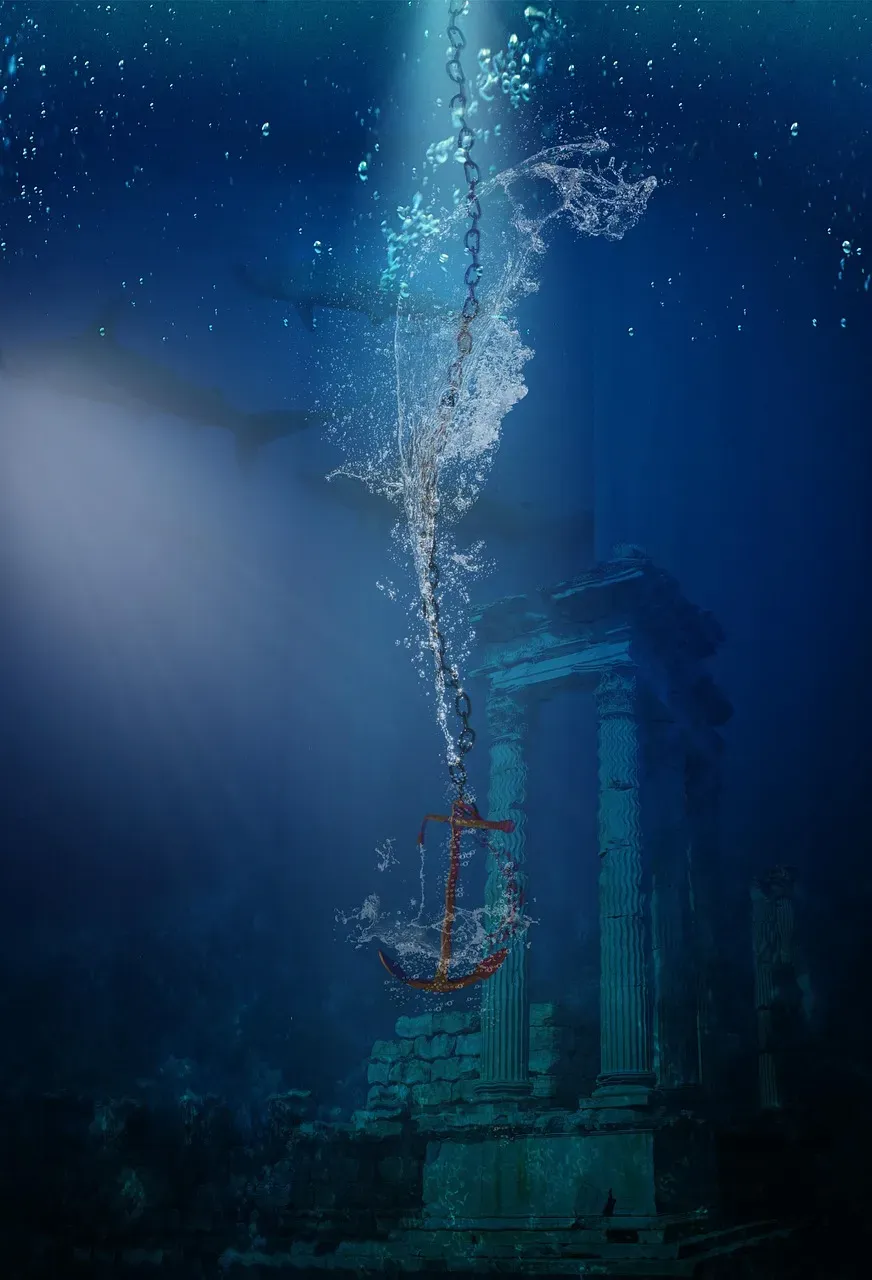
Long before geology and paleontology existed, humans were already telling stories about cities swallowed by the sea, golden ages destroyed by hubris, and sacred lands humans could no longer enter. These ancient myths did more than entertain; they gave people emotional handles for dealing with disaster, loss, and the randomness of nature. A flood that wipes out your village becomes part of a bigger narrative about a lost world, punishment, and rebirth. The story softens the blow, even when the reality is brutal.
Because these tales were told and retold over generations, they built a cultural muscle for imagining entire worlds that sit just out of reach. When modern people daydream about Atlantis or Shambhala or Eden, we are not just copying old stories; we are continuing a tradition of using imagined lost worlds to talk about morality, identity, and longing. They become mirrors for our hopes and fears: perfect societies we wish existed, or cautionary ruins we hope to avoid becoming.
Science Turned Lost Worlds From Fantasy Into Something Tangible
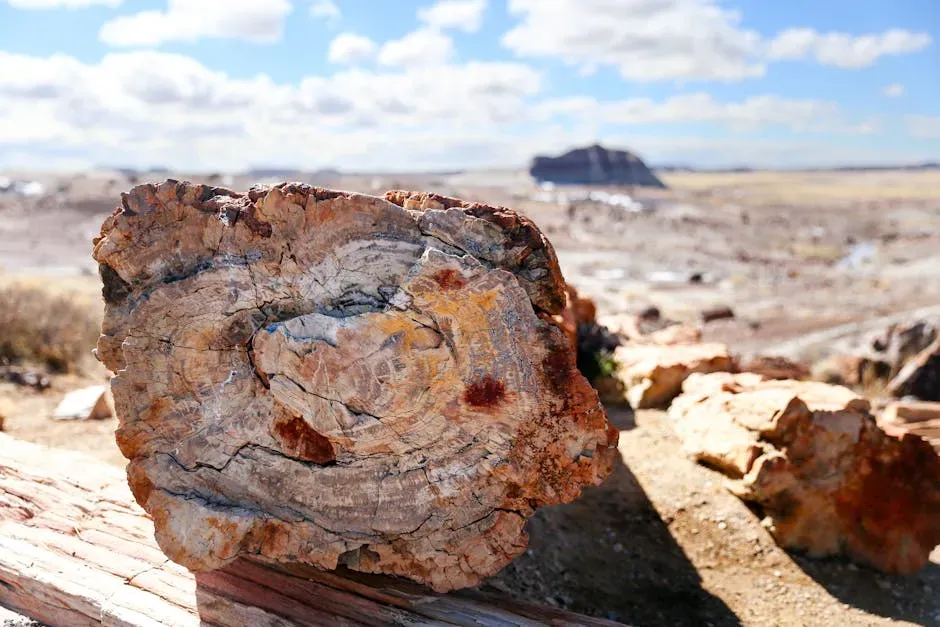
Ironically, the more science has shown us about Earth’s past, the more vivid our imagined lost worlds have become. The discovery of fossils, ancient DNA, impact craters, and vanished rivers has turned abstract ideas into partly knowable realities. We now have strong evidence of mass extinctions, drowned coastlines, and long-gone climates that would make our current world look mild. That knowledge gives our imagination raw material that feels grounded instead of purely made up.
At the same time, science leaves plenty of room for mystery, and that gap is where lost worlds thrive. We know there were hominin groups we have only recently identified, ecosystems we can only sketch in broad strokes, and civilizations that left barely any traces. Every new discovery hints that much more has vanished than we will ever fully reconstruct. So when we picture forests stretching across land bridges or coastal cities now underwater, we are not just indulging in fantasy; we are extrapolating from real, incomplete clues.
Lost Worlds Let Us Play With Roads Not Taken
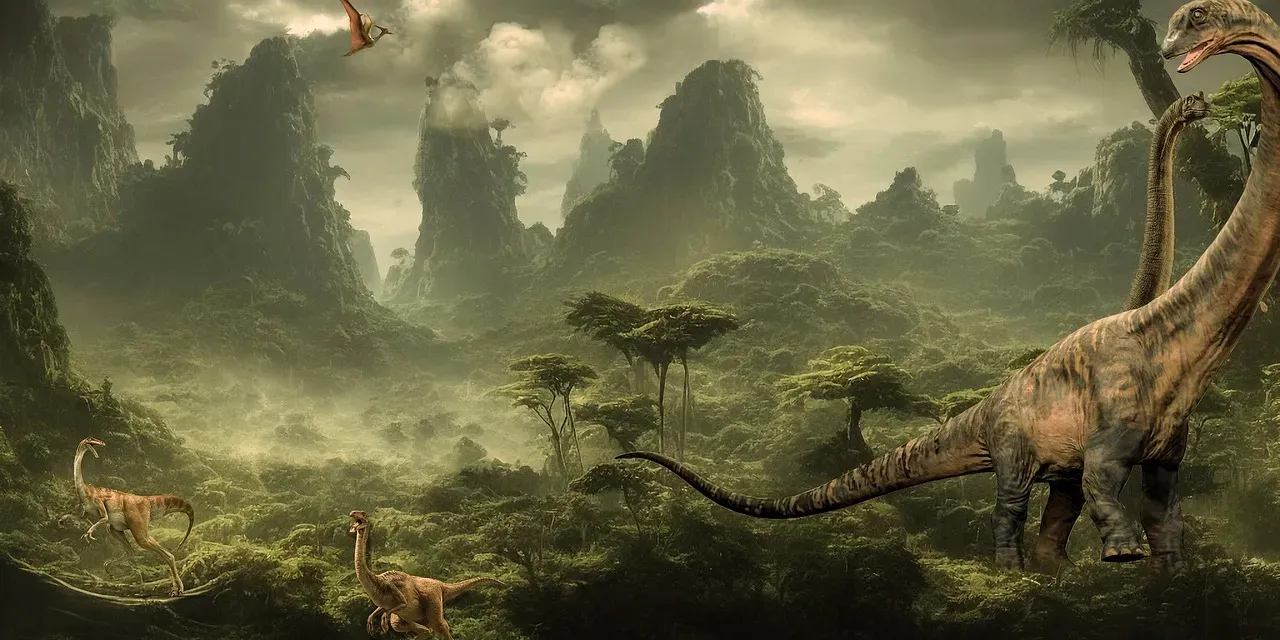
Imagining lost worlds is also a sneaky way of asking one of humanity’s favorite questions: what if things had gone differently? Alternate histories and speculative worlds let us mentally rewind the tape and try new branches. What if the dinosaurs had not gone extinct? What if an ancient civilization had cracked renewable energy or mathematics far earlier? These are not only fun scenarios; they are thought experiments about fate, chance, and human choices. They let us test-drive different versions of history without paying the price.
On a more personal level, lost worlds echo the feeling of paths we did not take in our own lives. When you think back to a city you left, a childhood neighborhood that has changed, or a relationship that faded, it can feel like a private world that no longer exists. That emotional texture carries over when we think about vanished continents or forgotten cultures. It is not just curiosity; it is a form of emotional rehearsal, playing with the idea that everything could have been otherwise, and asking what that says about who we are now.
Nostalgia For Things We Never Actually Lived Through
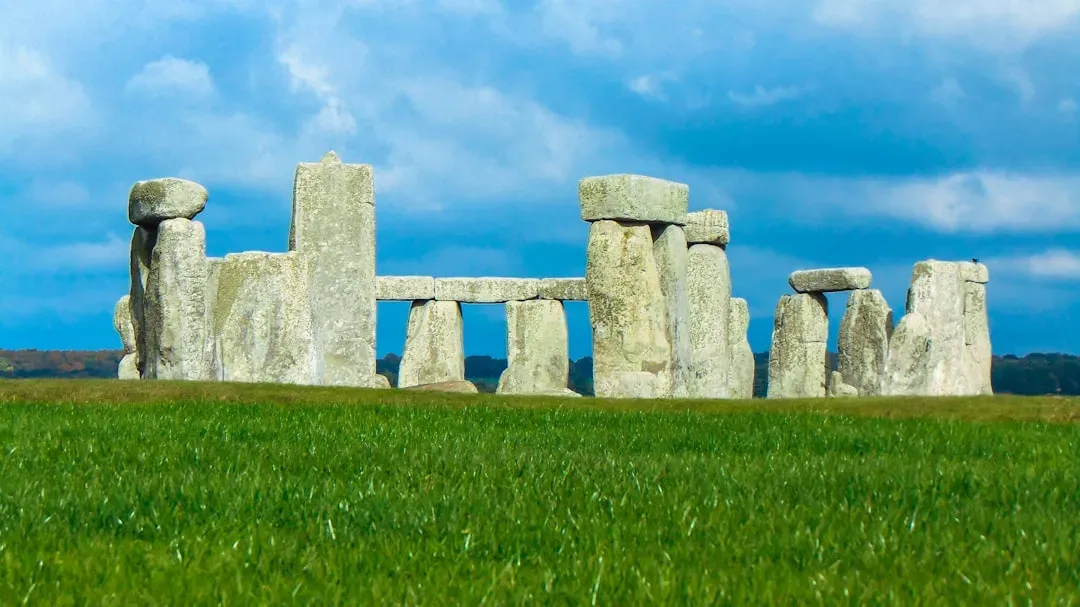
There is a strange kind of nostalgia that shows up when people talk about eras they never experienced. You see it in the way some folks romanticize the age of exploration, the early days of the internet, or even pre-industrial life that was, in reality, harsh and unforgiving. Lost worlds tap into that same emotional current, but on an even bigger scale. We feel an odd longing for times and places that are not just gone, but fundamentally unreachable.
This “borrowed nostalgia” can be powerful because it is not weighed down by real memories of boredom, pain, or struggle. The gaps get filled in with our best guesses and idealized images. A vanished city becomes endlessly exciting; a prehistoric landscape becomes pure adventure. Our brains quietly remove the mosquitoes, disease, hunger, and fear. What remains is a mood, a vibe, a sense that there was a kind of magic in that lost world that our current one is missing – whether or not that is actually true.
Pop Culture Keeps Feeding The Obsession
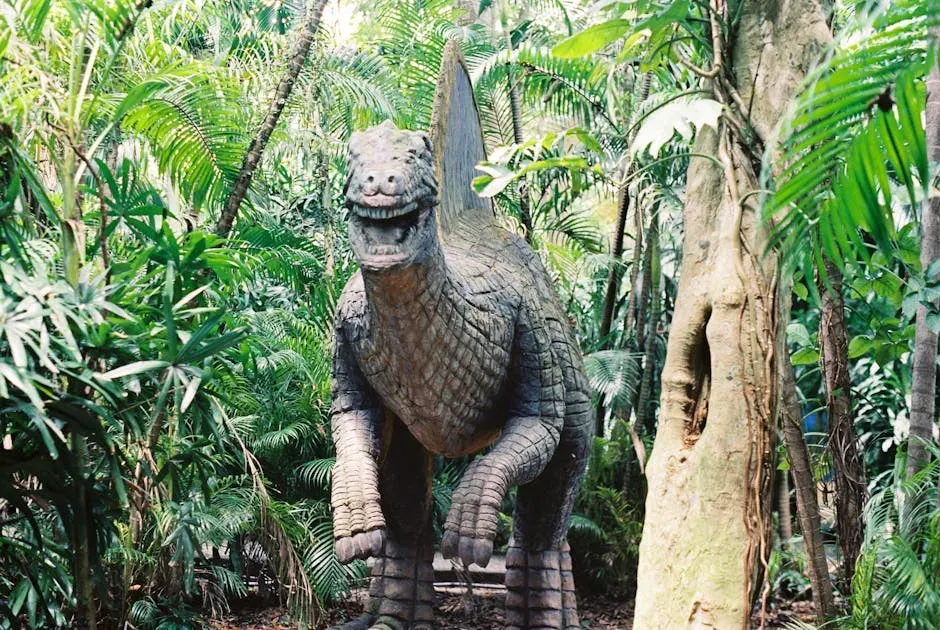
Movies, games, novels, and streaming shows have turned lost worlds into one of the most reliable story engines around. Dinosaur parks, sunken cities, post-apocalyptic wastelands, long-forgotten space colonies – the settings practically write themselves. They give creators a built-in mystery, a reason for characters to explore, and a stage for both awe and danger. Viewers get to feel like archaeologists, detectives, and adventurers all at once, without leaving the couch.
Pop culture also upgrades old myths by wrapping them in modern aesthetics and tech. A story about a sunken kingdom becomes a visually stunning underwater metropolis; an ancient jungle becomes a hyper-detailed open-world game map. Each new take teaches our brains new visual and emotional templates for what a lost world could be. Over time, it creates a feedback loop: we imagine lost worlds, storytellers build them for us, and then those versions influence the next wave of our daydreams.
We Sense Our Own World Could Become Lost Too
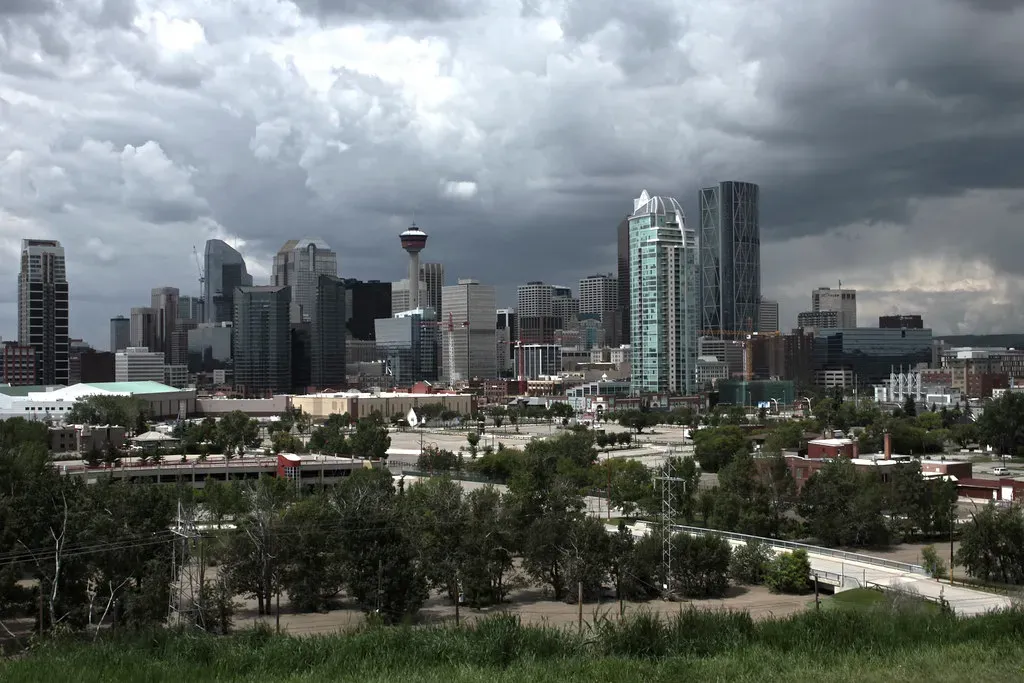
Underneath all the wonder, there is a quieter, darker reason we cannot stop thinking about lost worlds: we know, on some level, that our own world is fragile. Climate change, ecosystem collapse, rising seas, and rapid technological shifts all make it so much easier to imagine a future where today’s cities are tomorrow’s ruins. Lost worlds stop being only about distant ages and start to feel like possible postcards from our own future.
That awareness makes the idea of lost worlds feel less like pure fantasy and more like a warning sign and a mirror. When we picture a crumbled highway covered in ivy or skyscrapers flooded halfway up, we are really asking ourselves how far we are willing to push the planet and our societies. In that sense, I think our obsession with lost worlds is not just a quirky psychological habit; it is a survival instinct trying to get our attention. If we are so fascinated by vanished places, maybe it is because, deep down, we know we are perfectly capable of creating another one.
Conclusion: Lost Worlds As Our Favorite Mirror
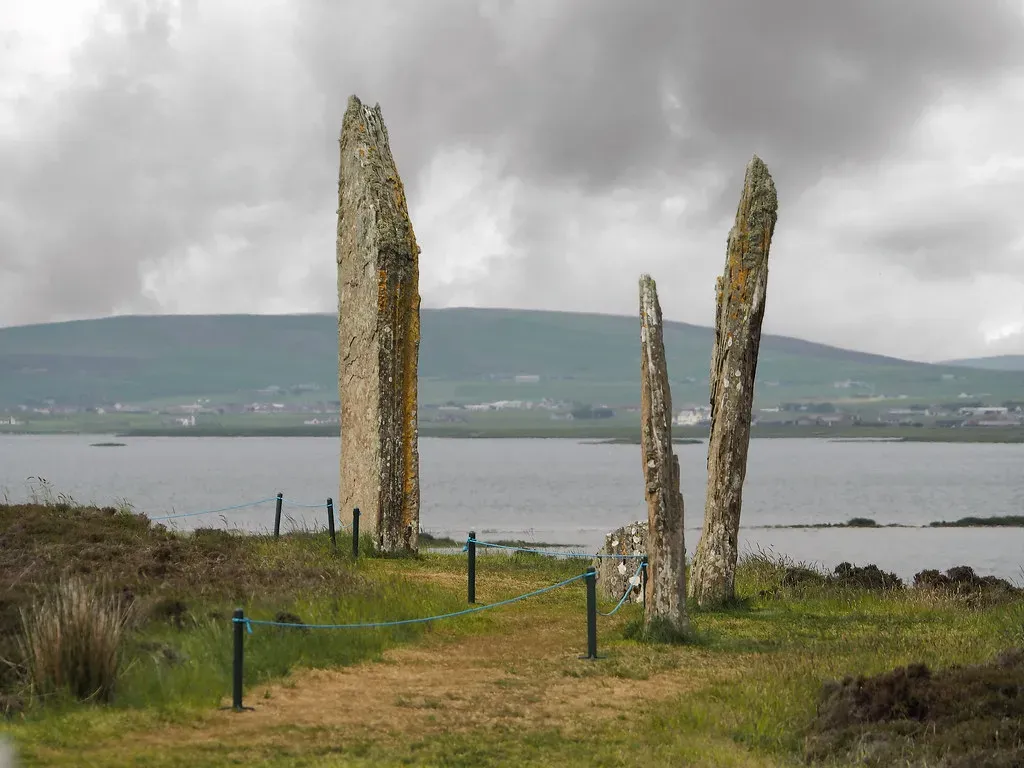
When you step back and look at the pattern, lost worlds are not just about escape; they are about confrontation. They force us to see how temporary everything really is, how much we do not know, and how easily the chapter titled “now” could close. Personally, I think that is why these imagined places feel both comforting and unsettling. They give us somewhere else to mentally wander, while quietly whispering that permanence is an illusion.
In my view, our obsession with lost worlds is a kind of collective therapy session we keep holding with ourselves. We use ancient ruins, fictional continents, and speculative futures to poke at questions we are not ready to ask head-on: What are we destroying? What are we forgetting? What will people someday say about the world we are living in right now? Maybe the real challenge is not to , but to make sure we are not sleepwalking into turning our own into one – what do you think our descendants will wish we had done differently?