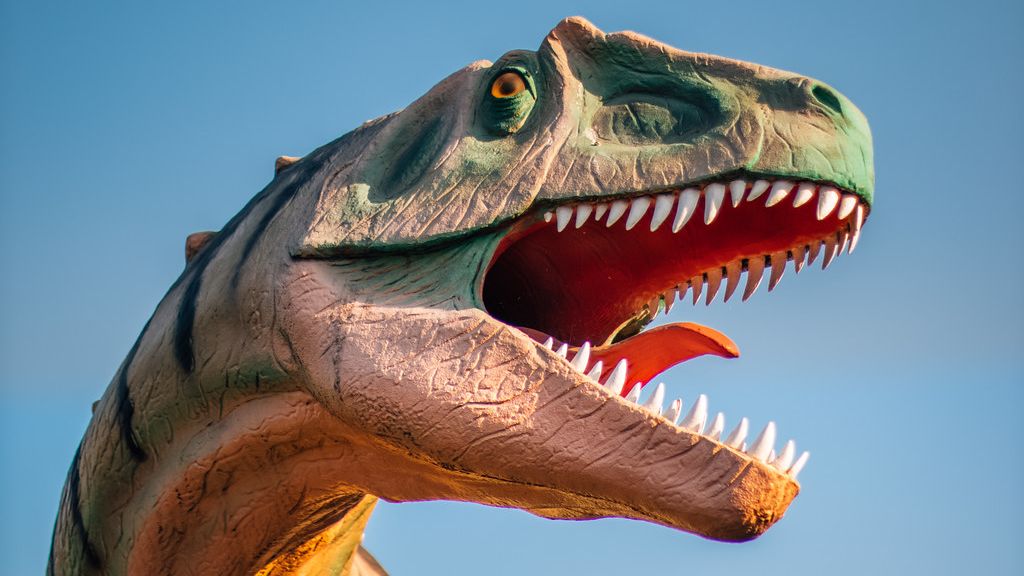
Picture a sleek predator leaping from the shadows in a dimly lit kitchen. That image has shaped how generations picture one of the most famous dinosaurs. Yet the version that dominates screens differs sharply from what fossils actually reveal.
The gap between Hollywood and paleontology runs deeper than most viewers realize. It stems from choices made decades ago that stuck around even as new evidence piled up. Exploring those differences shows how science and storytelling have drifted apart over time.
The Size Mismatch That Started It All
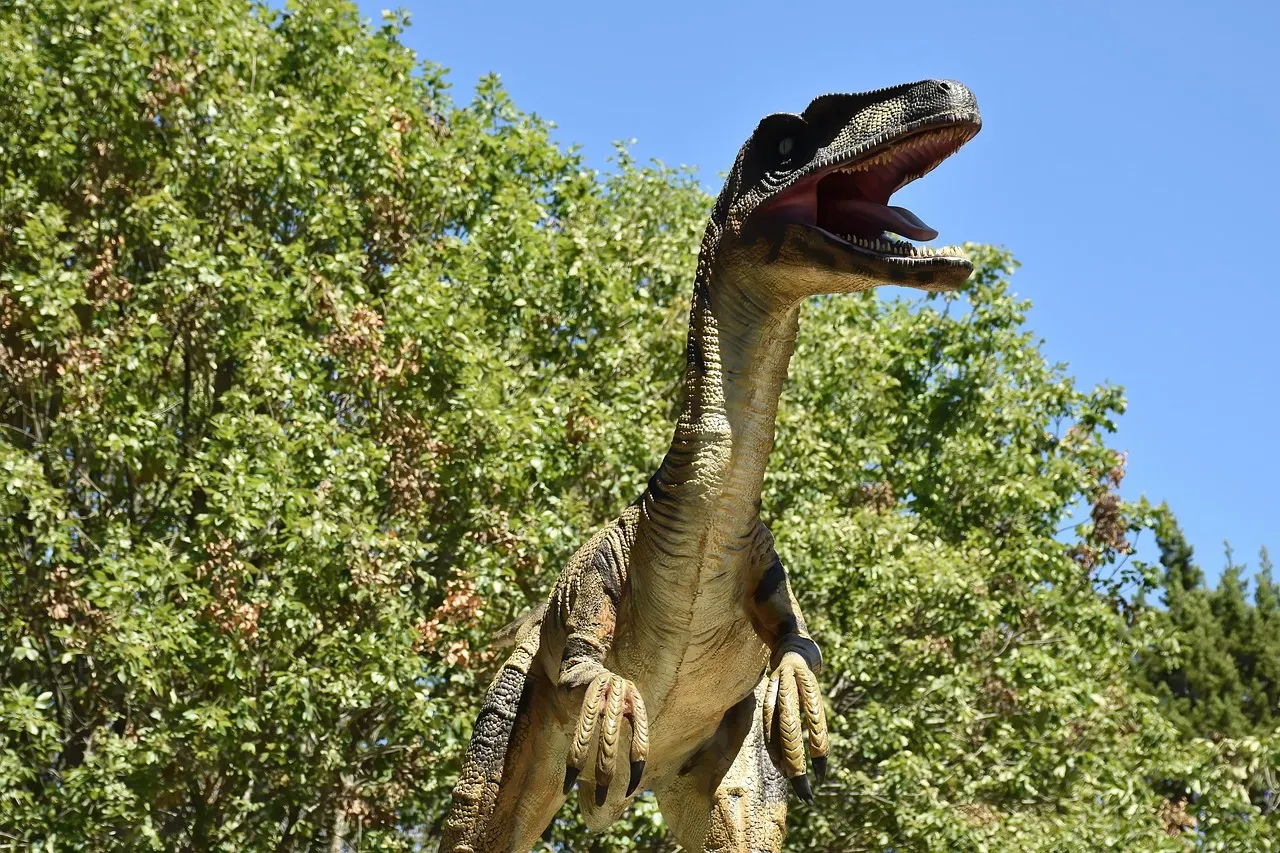
Real velociraptors stood roughly waist high to an adult human. They stretched about six feet from nose to tail tip and weighed no more than a large dog. Movie versions tower much taller and bulkier, turning a compact hunter into something closer to a small horse.
This exaggeration traces back to early script decisions that favored drama over fossils. The animals on screen needed to menace adult characters at eye level. Paleontologists note the actual creatures would have reached only a child’s knee in many cases.
Feathers That Changed the Picture
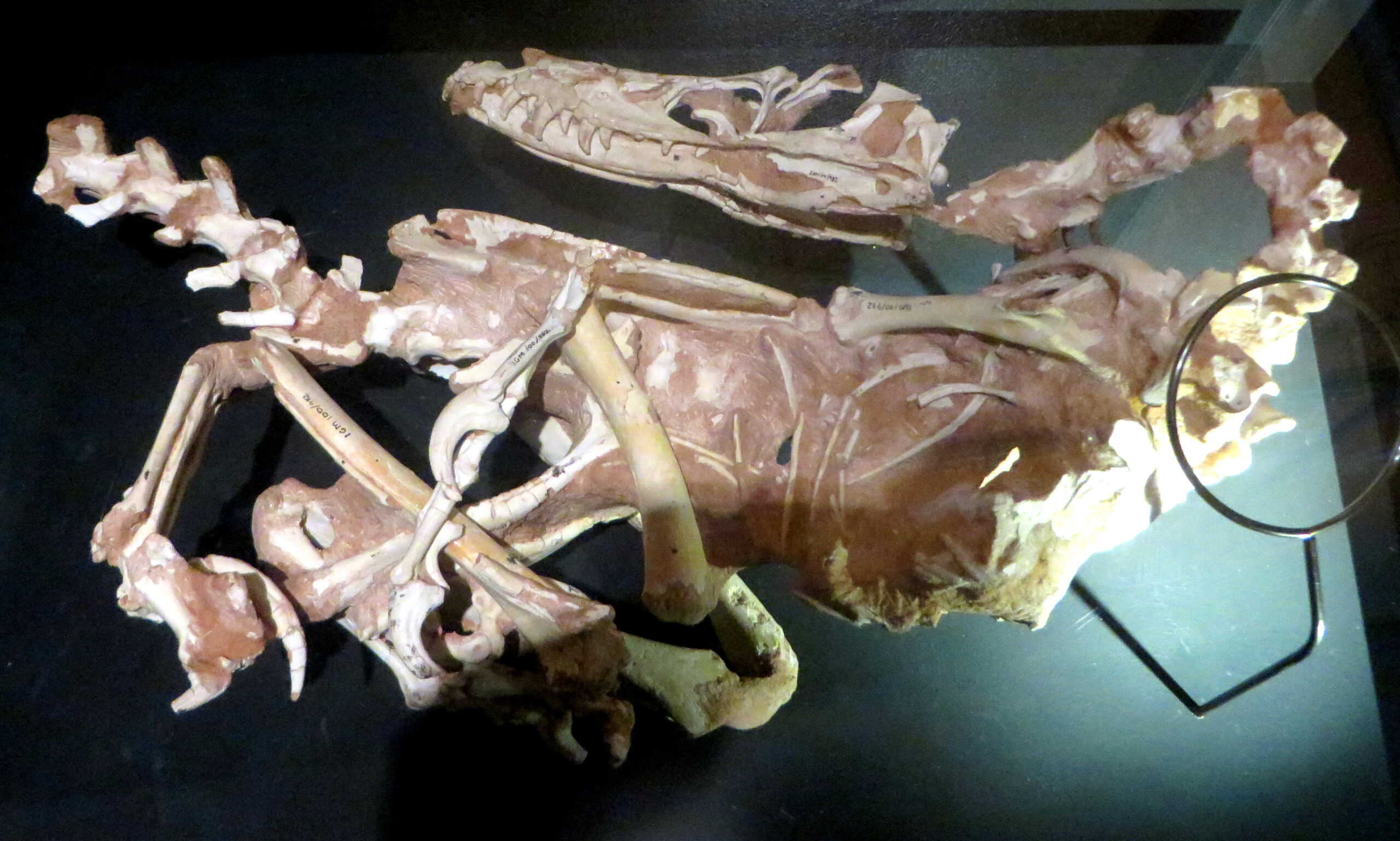
Fossil impressions show clear evidence of feathers covering the body. These structures likely helped with insulation and display rather than flight. The result looks more like a large flightless bird than the scaly reptiles audiences expect.
Early films avoided feathers to keep the creatures looking reptilian and menacing. Later discoveries confirmed plumage on close relatives and on velociraptor itself. That detail alone shifts the entire visual from lizard to something far more avian.
Hunting Style and Social Behavior
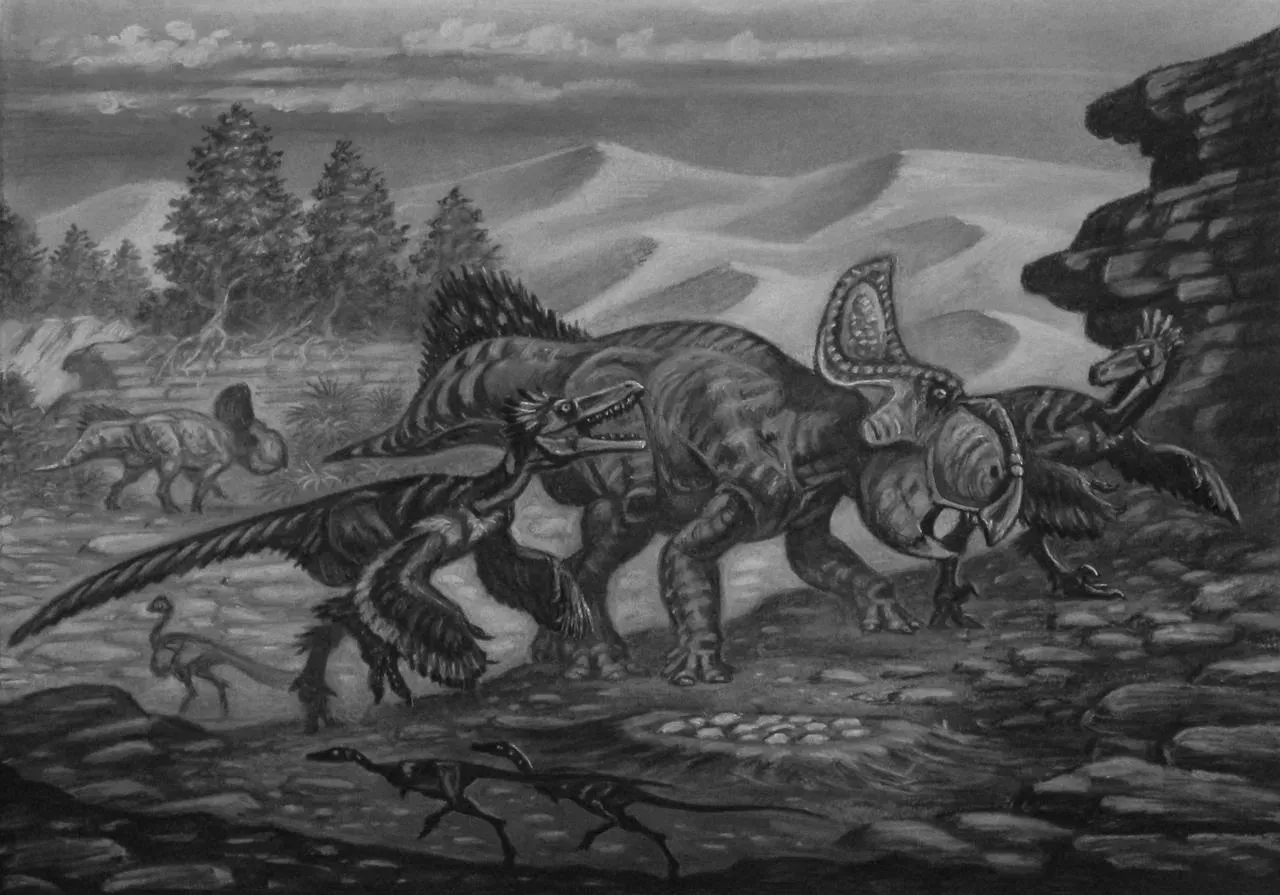
Evidence points to solitary hunting rather than coordinated packs. The sickle claw on each foot probably served to pin prey in place instead of delivering slashing wounds. Stomach contents and trackways support a more opportunistic approach.
Movies emphasize teamwork and clever ambushes that lack strong fossil backing. Real animals may have relied on speed and surprise in one on one encounters. This changes the threat from strategic siege to quick opportunistic strike.
Where These Dinosaurs Actually Lived
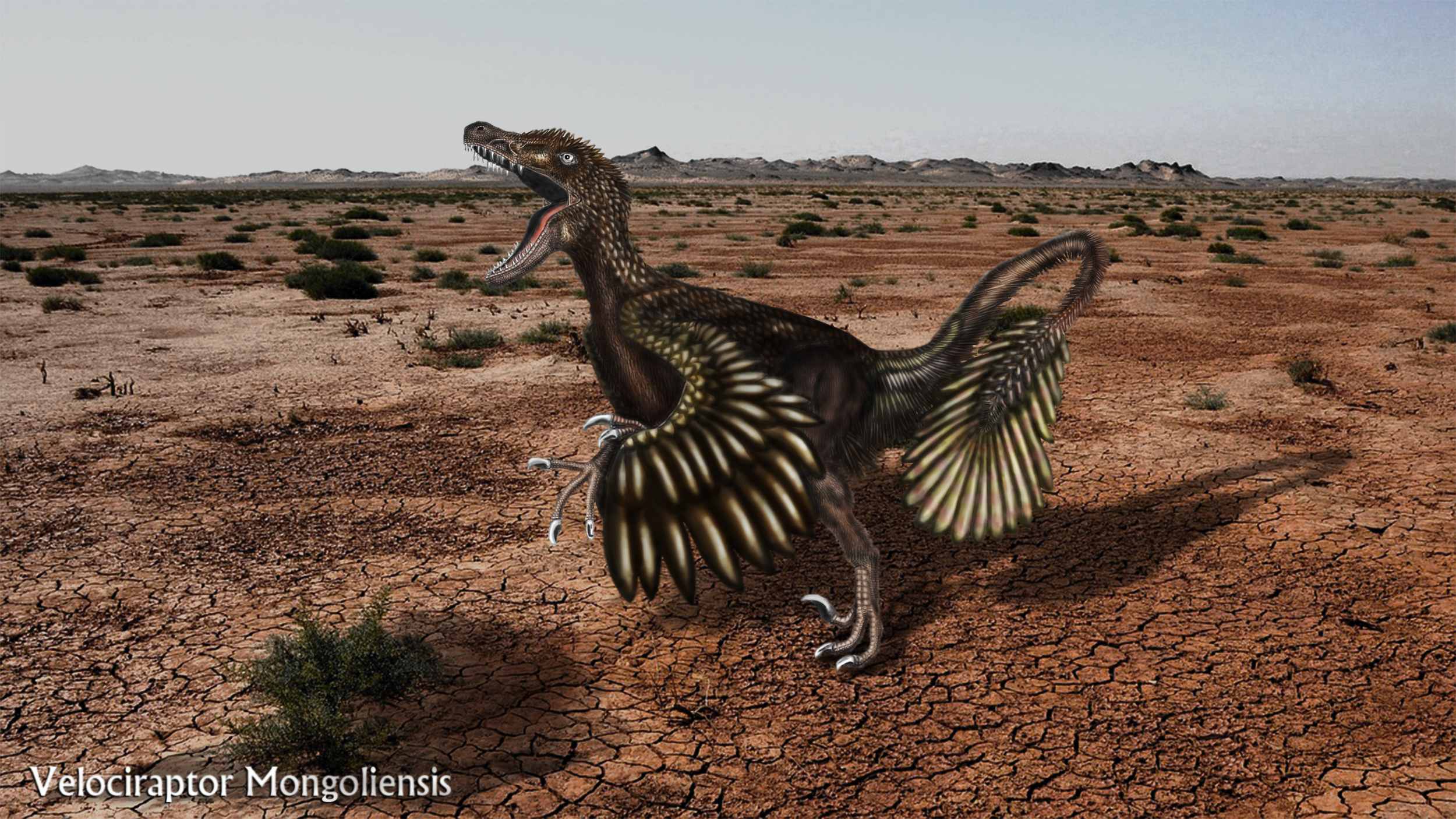
Velociraptors roamed central and eastern Asia during the late Cretaceous. Their remains come mainly from what is now Mongolia and northern China. The environment featured arid plains and seasonal rivers rather than lush jungles.
Films often place them in tropical settings that match other dinosaur species better. The Asian origin also means they shared landscapes with very different contemporaries than North American finds. Geography shapes both anatomy and ecology in ways the screen rarely captures.
The Lasting Shadow of One Blockbuster
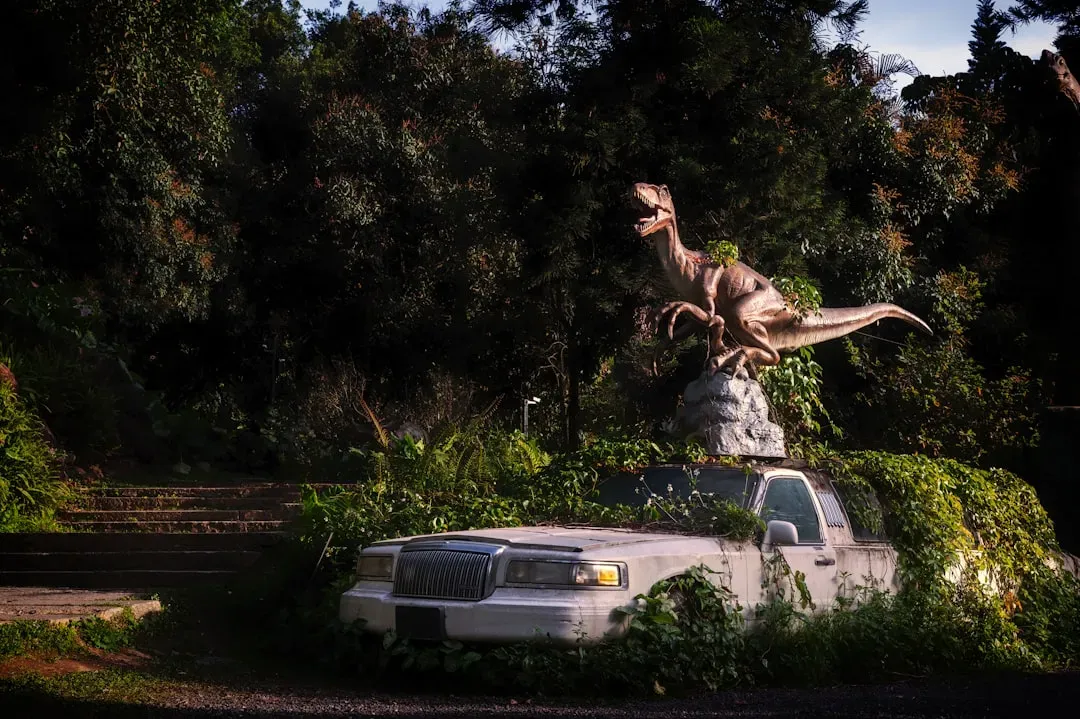
A single novel and its film adaptation locked in a particular design for decades. The creators drew from a larger relative and scaled it up for tension. That choice influenced every major dinosaur movie that followed.
Subsequent productions kept the same look to maintain visual continuity with earlier hits. Scientific updates arrived too late to shift the established image in popular media. The result is a persistent template that overrides newer findings.
How New Finds Keep Updating the Story
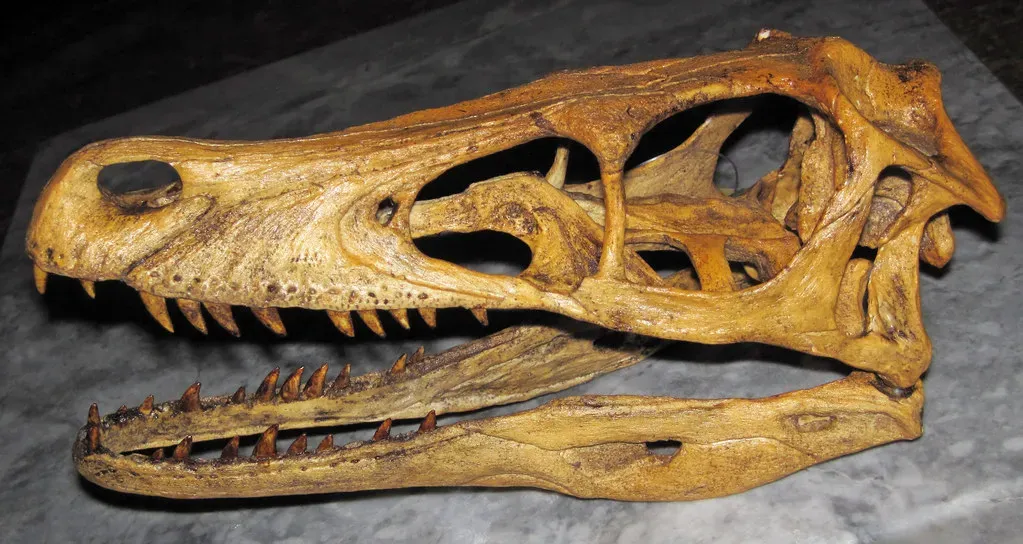
Each well preserved specimen adds details about skull shape, limb proportions, and possible coloration. Some fossils even preserve quill knobs that anchor feathers. These incremental revelations build a more nuanced animal than the original movie model allowed.
Researchers continue to debate exact behaviors because direct proof remains scarce. Still, the overall direction moves steadily toward a smaller, feathered, birdlike predator. Public perception lags because films rarely revisit the source material with fresh eyes.
Why Accuracy Might Finally Matter on Screen
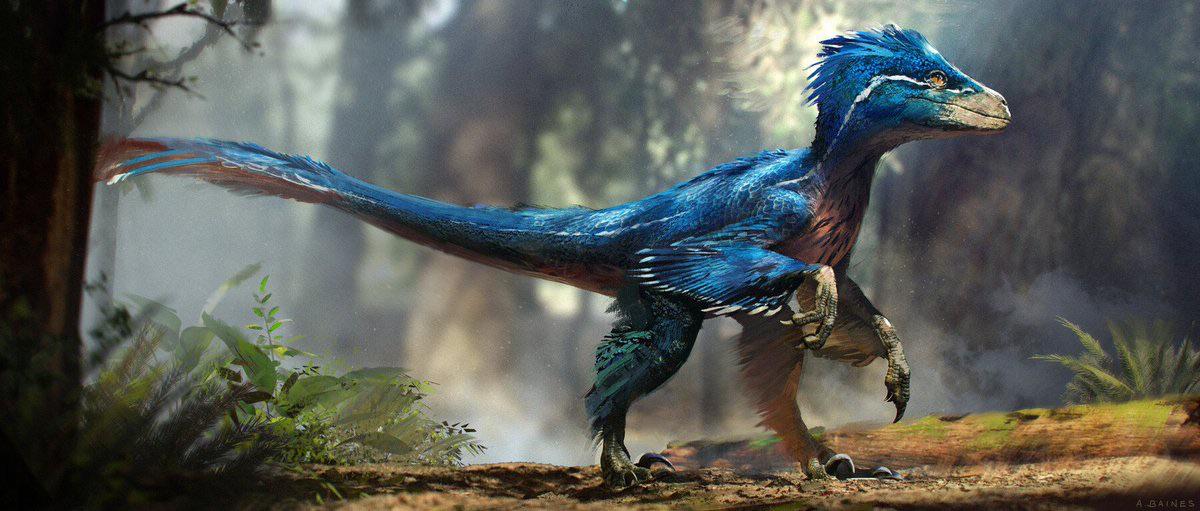
Modern audiences encounter more dinosaur documentaries and museum exhibits than ever before. Those sources present the feathered, compact version consistently. A mismatch now risks pulling viewers out of the story rather than enhancing it.
Filmmakers face a choice between nostalgia and current understanding. Updating the design could refresh the creature without losing its predatory edge. The real animal already carries enough distinctive traits to remain compelling on its own terms. In the end, letting science guide the visuals might create a new kind of cinematic dinosaur that feels both fresh and grounded.