If you only knew Neanderthals from old museum dioramas and movie scenes, you’d think they were nature’s snarling thugs: brutish, dim, and doomed to lose against our sleek, clever Homo sapiens brains. That image is so familiar that most of us barely notice how extreme it is, like a movie that keeps replaying the same cartoon bad guy no matter what the evidence says. Yet, over the last few decades, science has quietly demolished much of that stereotype, revealing a species that was complex, adaptable, and far more like us than our culture has ever been comfortable admitting.
So why does the villain story refuse to die? Part of the answer lies in old prejudices baked into early science, part in modern media’s love of simple heroes and losers, and part in our very human need to believe we were destined to win. Once you start pulling on those threads, the story of Neanderthals stops being about some failed species in the past and starts sounding uncomfortably like a mirror held up to how we tell the story of ourselves. That’s where it gets really interesting – and a bit unsettling.
The Birth of the Brute: How Early Discoveries Framed Neanderthals
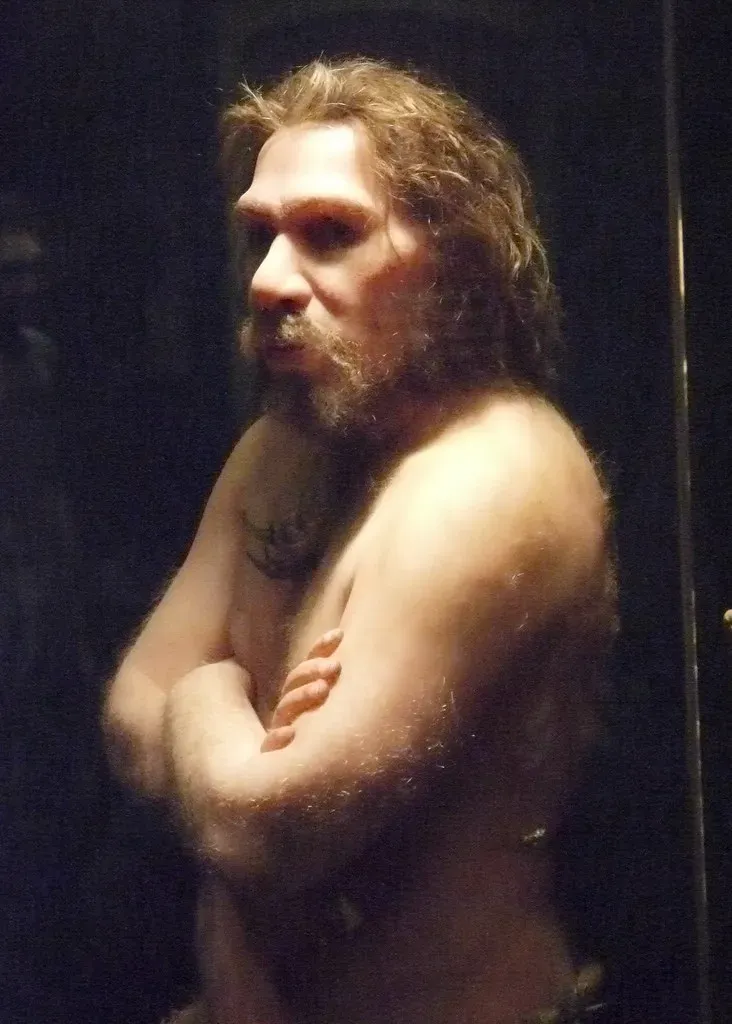
The first recognized Neanderthal bones unearthed in the nineteenth century were interpreted through the lens of Victorian bias, not calm scientific neutrality. Early reconstructions exaggerated bent knees, slouched posture, and heavy brows, turning Neanderthals into almost monstrous half-apes rather than close relatives. These artistic choices cemented an image: Neanderthals were crude, backward, and clearly inferior to the noble, upright modern human. Once that mental picture took hold, it colored nearly everything that followed, like a bad filter over the entire fossil record.
Those early scientists lived in a world obsessed with ranking people into hierarchies of “advanced” and “primitive,” and they simply projected that same ladder onto deep time. Neanderthals became the perfect foil: a conveniently extinct group that could be safely labeled as failures without anyone complaining. Even when evidence mounted that Neanderthals had large brains and sophisticated tools, it was often brushed aside or reinterpreted to fit the narrative. That’s the power of a story that people want to believe – you see what confirms it and quietly ignore the rest.
Brains, Tools, and Art: The Science That Refuses to Fit the Stereotype
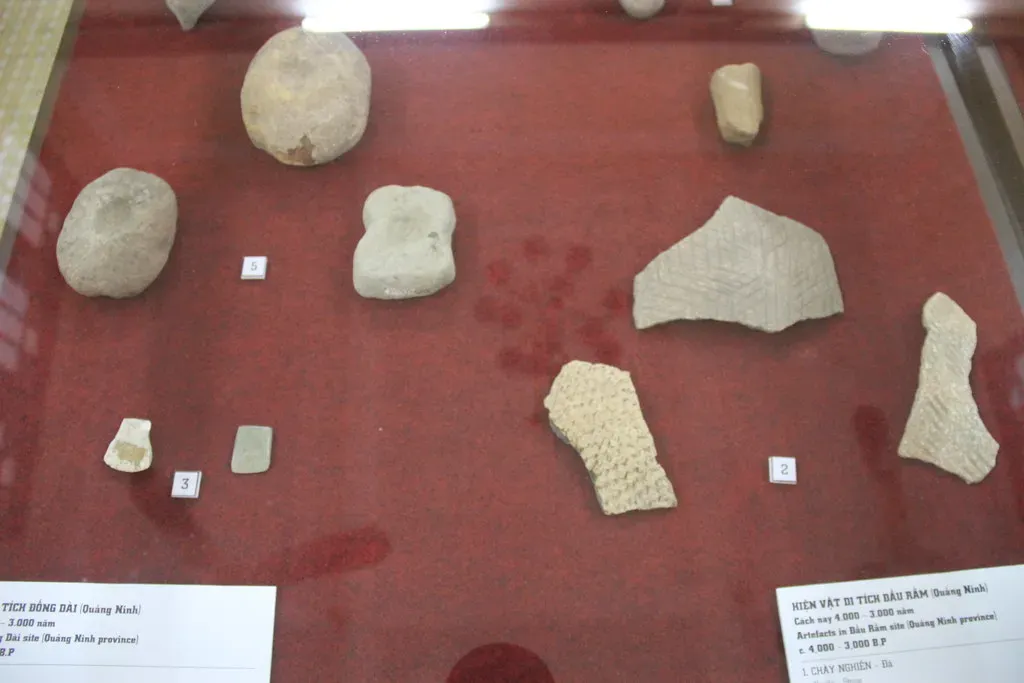
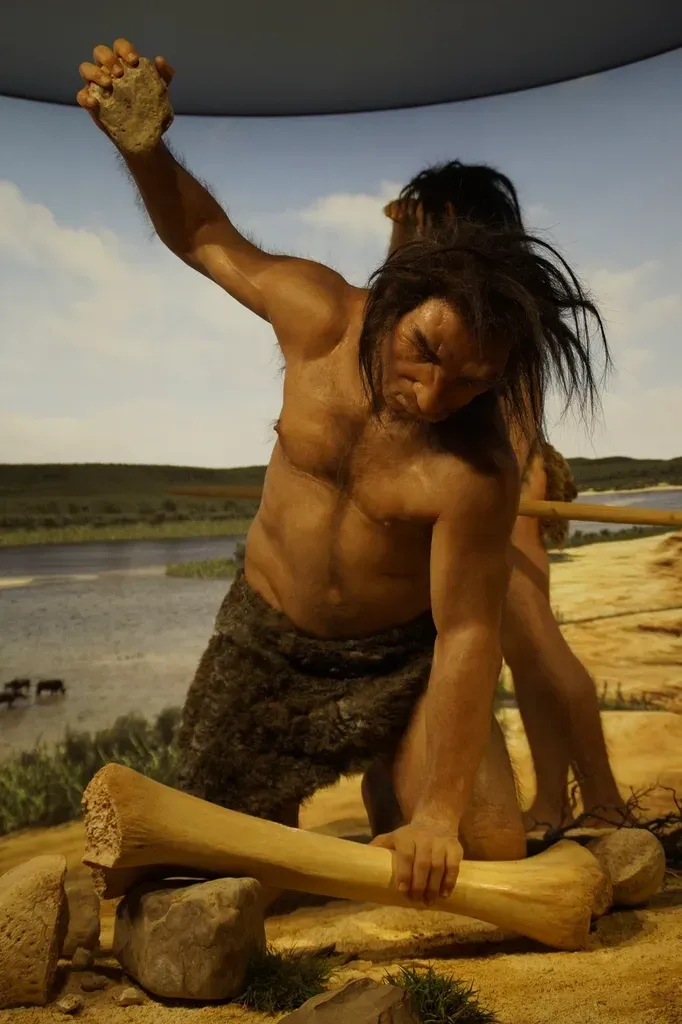
When you look at the actual data, the caricature of Neanderthals as slow, stupid cavemen falls apart alarmingly fast. Their brains, for one, were on average at least as large as those of modern humans, and in some fossils even larger. They crafted complex stone tools, controlled fire, hunted big game in coordinated groups, and likely managed landscapes over long periods. That’s not the behavior of a stumbling evolutionary dead end; it looks a lot like a different version of being human. Yet we still cling to the myth that a bigger, better sapiens brain swept them aside with ease.
There is also evidence that Neanderthals engaged in symbolic or at least highly intentional behavior, from wearing pigments and possible personal ornaments to arranging objects in ways that are hard to explain as pure accident. Some sites suggest they cared for injured individuals who could not easily fend for themselves, hinting at social bonds and empathy. These are the kinds of traits we love to point to as proof of our own specialness, yet they keep creeping into the Neanderthal record. Instead of adjusting the story, we tend to move the goalposts, redefining what “truly human” means so that the line always stays just out of their reach.
The Comfort of a Clear Winner: Why We Need a Loser in Our Origin Story
At a deep psychological level, it is strangely comforting to believe that Homo sapiens won because we were simply better – smarter, more creative, more adaptable. The existence of another human species that was so much like us but did not survive threatens that neat, uplifting arc. If Neanderthals were capable and intelligent and still disappeared, then our own survival starts to look less like destiny and more like a messy mixture of luck, climate shifts, and historical accidents. That is not the kind of story that fits neatly into school textbooks or epic documentaries about human triumph.
So we keep drafting Neanderthals as the designated loser, the evolutionary cautionary tale that justifies our pride. The idea that they were hopelessly inferior helps us feel that our presence here was inevitable, almost deserved. It also lets us dodge the uncomfortable thought that, under slightly different conditions, we might have been the ones fading from the record while some other cousin species thrived. Casting Neanderthals as villains or failures is less about them and more about soothing our own anxiety about how fragile our place in the world actually is.
Culture, Media, and the Caveman Trope That Will Not Die
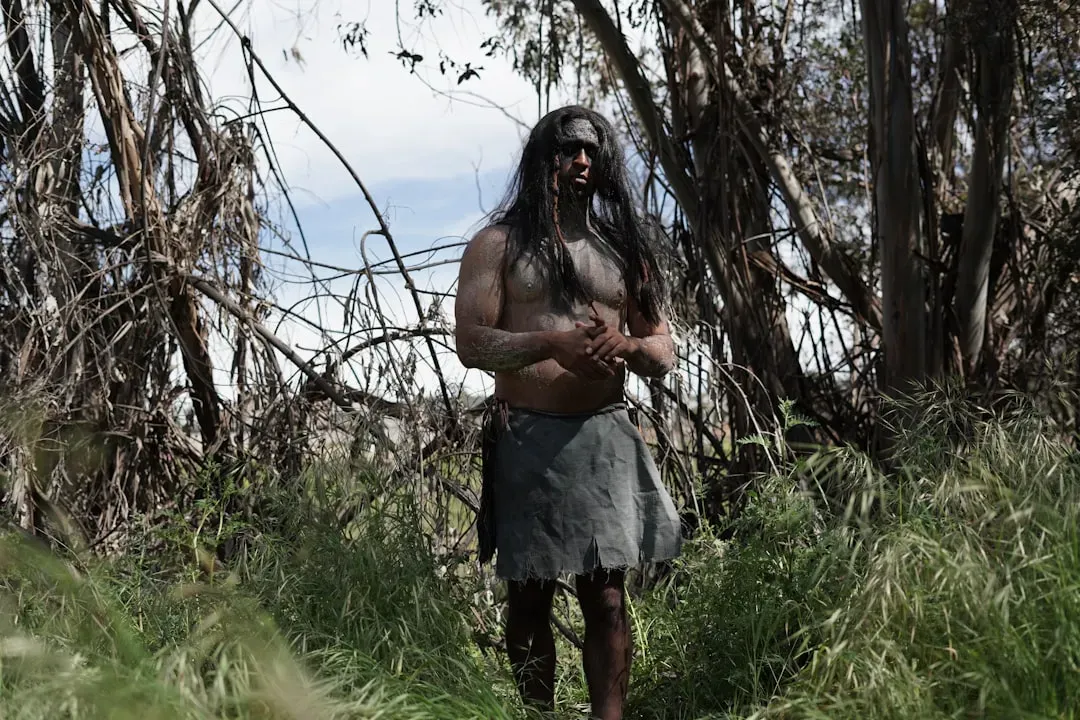
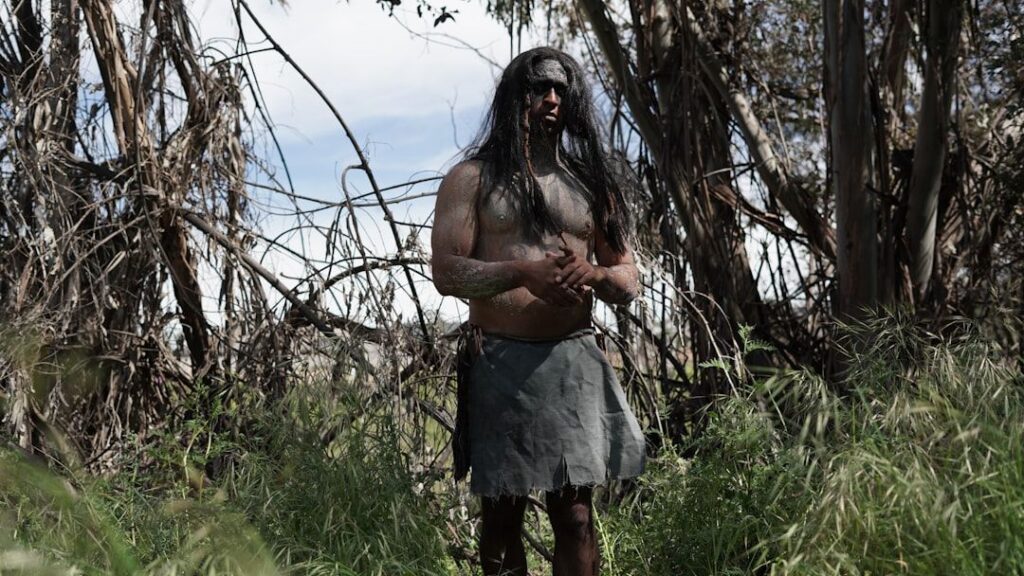
Popular culture has done more to keep the “Neanderthals as brutes” image alive than any single scientific paper ever could. Cartoons, movies, and ads lean hard on the lazy caveman stereotype: grunting, violent, hairy figures who barely qualify as people. The word “Neanderthal” itself has become shorthand for someone crude or backward, a casual insult that slips into everyday conversation without a second thought. When a term turns into a punchline, it becomes very hard for people to imagine the complex reality behind it.
Even when stories try to rehabilitate Neanderthals, they often do so in a lopsided way, making them noble but still doomed, or childlike and simple rather than truly equal cousins. Visual designs exaggerate heavy brows and massive jaws, subtly reinforcing a sense of distance between them and us. It’s a bit like watching the same casting decision play out over and over again: Neanderthals are never allowed to be the quiet neighbor or the curious teenager; they’re always the wild barbarian at the edge of the village. That relentless typecasting shapes our gut feelings far more than archaeological site reports ever will.
Hybrids and Family Ties: The Inconvenient Truth in Our DNA
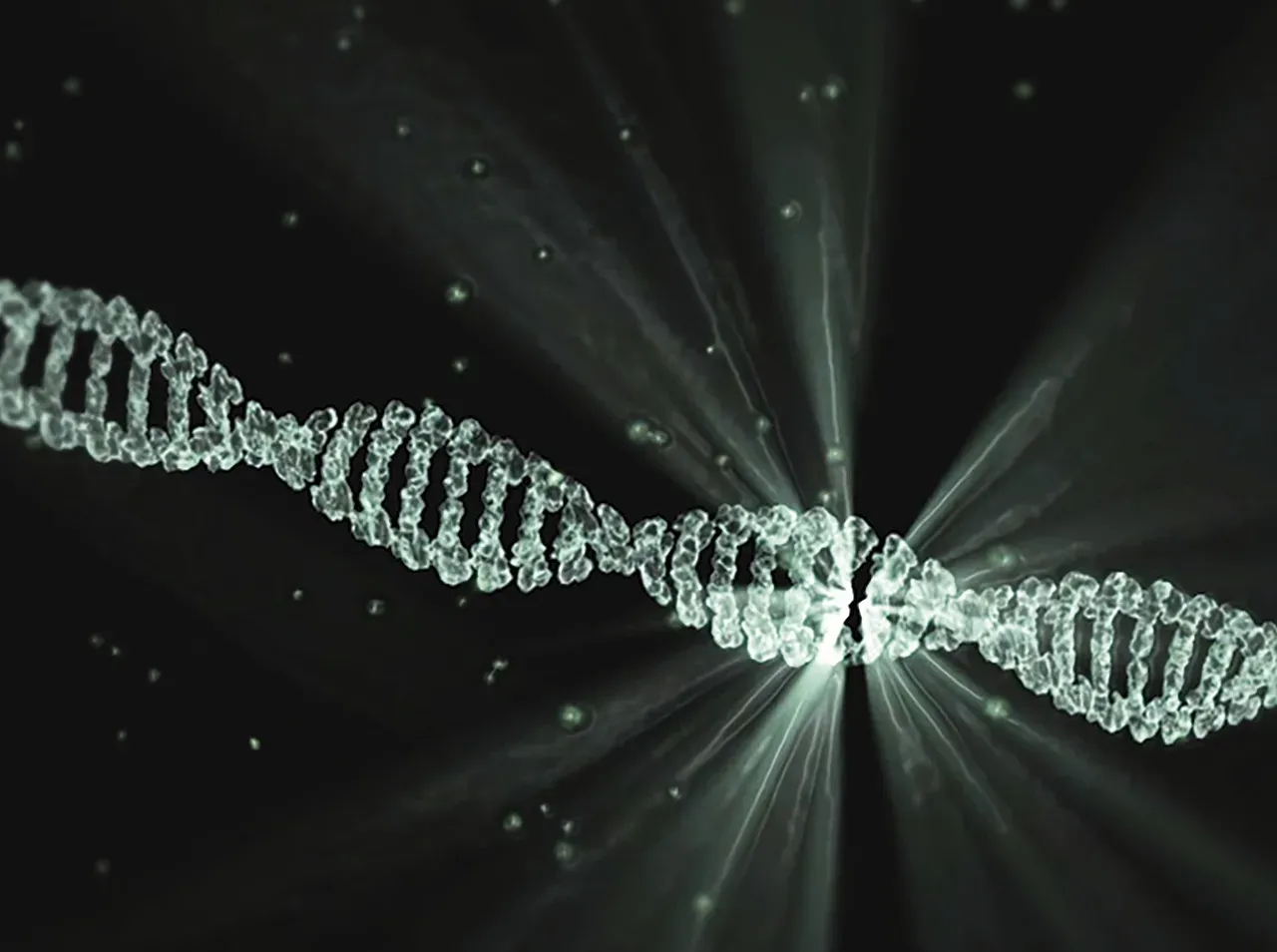
One of the most disruptive findings of the last couple of decades is hiding in plain sight: many modern humans carry Neanderthal DNA. Genetic studies show that people with ancestry outside sub-Saharan Africa have inherited a small but real fraction of their genome from Neanderthals, thanks to interbreeding tens of thousands of years ago. That means Neanderthals were not some alien other; they were close enough to us biologically, behaviorally, and socially that long-term relationships, families, and children were part of the story. Villains do not usually show up in your family tree.
This genetic entanglement also complicates the notion of a clean replacement, where modern humans simply swept Neanderthals aside. Instead, the picture looks more like overlapping populations interacting in different ways: competition in some places, cooperation or at least coexistence in others, and intimate mixing wherever boundaries blurred. Some of the traits we live with today – our immune responses, for example – may be partly shaped by Neanderthal ancestry. It is hard to keep calling them failures when pieces of their biology are literally helping us survive in the modern world.
What We Gain by Retiring Neanderthals as the Villains
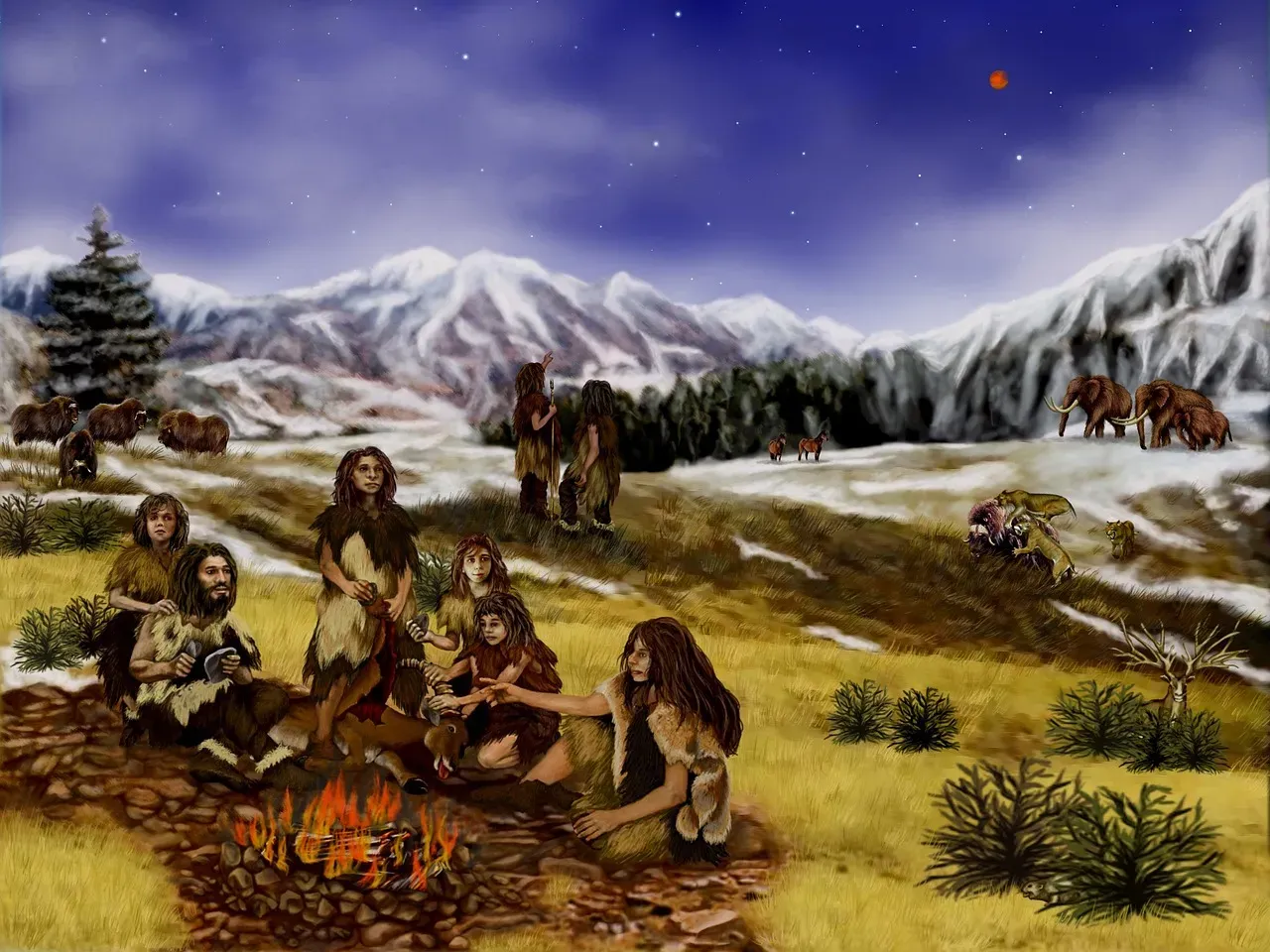
Letting go of the old villain script is not just about being nice to a long-dead cousin; it actually sharpens our understanding of what it means to be human. When we accept Neanderthals as another way evolution produced a thoughtful, social, adaptable hominin, we are forced to admit that our particular version of humanity is not the only one that could have existed. That realization takes some of the ego out of our origin story and replaces it with a sense of contingency and humility. It also opens up richer questions: not who was superior, but how different intelligent species shared landscapes, resources, and ideas.
In my view, clinging to the caricature of Neanderthals as brutish losers does more harm than we like to admit. It keeps us trapped in a simplistic, winner-takes-all narrative that mirrors the worst habits of our own societies – ranking, othering, and justifying dominance after the fact. When we finally retire Neanderthals from the role of evolutionary villain and start seeing them as complex relatives who met a different fate, we gain a more honest, more nuanced sense of our place in nature. Maybe the real question is not why they vanished, but whether we are wise enough to learn from a past where being human was never a one-species show. Did you ever expect that the “monster” in the story might turn out to be part of your family all along?