Somewhere between small bands of foragers and today’s crowded megacities, something deep inside us seems to have shifted. We still carry Stone Age bodies and brains, yet we live in a world of spreadsheets, social media, and nation‑states. For a long time, people liked to say that “human nature never changes.” But over the last few decades, a number of anthropologists, archaeologists, and evolutionary thinkers have started quietly pushing back on that idea. They argue that civilization did not just give us cities and smartphones; it actually re‑sculpted the way we feel, think, and relate to one another.
I still remember reading about ancient skeletons showing stress lines from early farming and thinking: this is not just about diet; this is about a different way of being human. That was the first time I wondered if my default settings – my anxiety about status, my guilt when I break a rule, my dependence on strangers – were partly products of a civilization my ancestors were dragged into. In this article, we’ll walk through how some anthropologists think big shifts like agriculture, writing, and industrial life reached all the way down into our psychology, and why that matters for the lives we’re living right now.
From Foragers to Farmers: A New Kind of Human Stress

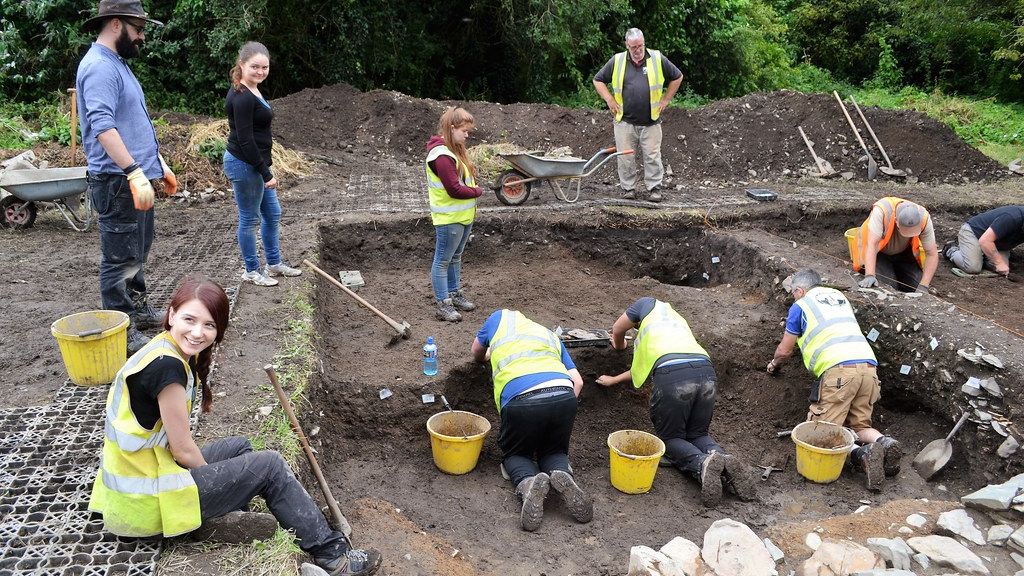
Imagine waking up knowing that your survival depends less on today’s hunt and more on whether the rains came three months ago. That is the psychological cliff humanity stepped off when many groups shifted from foraging to farming. Archaeological evidence from early agricultural sites shows more signs of nutritional stress, stunted growth, infectious disease, and repetitive strain injuries than in many earlier forager skeletons. For some anthropologists, this is the smoking gun: the “Neolithic Revolution” brought more food overall and bigger populations, but it also created constant anxiety about harvests, property, and crowded living.
Instead of flexible bands that could move when conditions got rough, farmers were tethered to fields, storage pits, and land that could be taxed or stolen. This new vulnerability – locked into land and locked into a single main food source like wheat or rice – may have encouraged traits like long‑term planning, submission to authority, and stricter social rules. In my own life, the closest comparison is paying a mortgage: it changes your risk tolerance, your sense of time, and even what you’re willing to tolerate at work. Many anthropologists think the original “mortgage” was a field of grain, and it rewired human stress and behavior in similar ways.
Hierarchy, Domination, and the Birth of Obedience
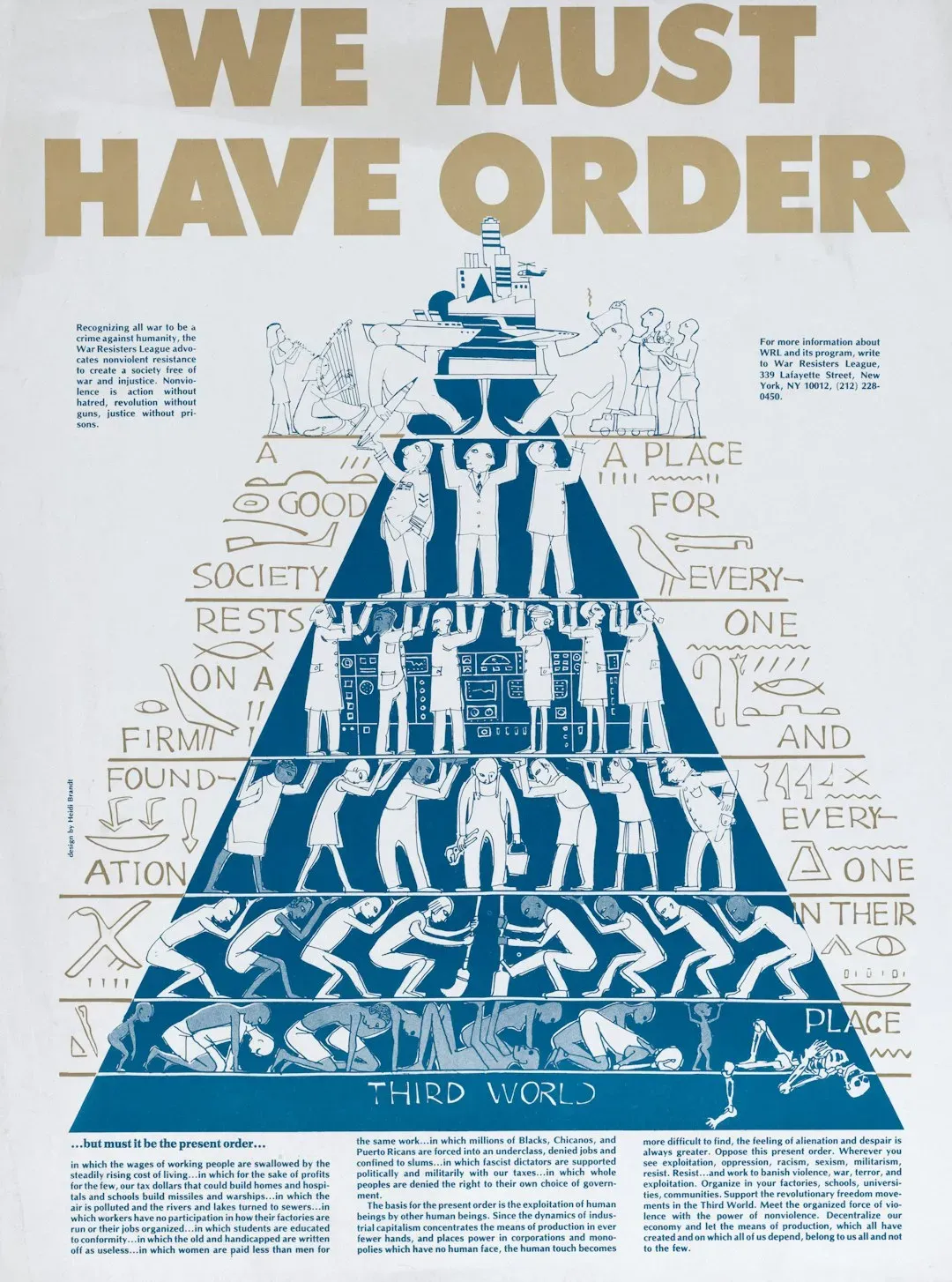
Small foraging groups tend to be fiercely allergic to bosses. Ethnographic studies of hunter‑gatherers repeatedly show people teasing, undercutting, or ignoring anyone who tries to act too important. Yet with large, sedentary farming communities came chiefs, kings, and stratified classes. Monumental architecture, palaces, and elite burials from early civilizations in places like Mesopotamia, Egypt, and Mesoamerica are more than fancy archaeology; they are physical proof that hierarchy hardened into a new normal. Some anthropologists argue that over generations, this constant exposure to rigid rank shaped a kind of learned obedience into our psychological toolkit.
Instead of only temporary leaders who could be walked away from, people now faced rulers backed by armies, walls, and religious ideology. Children grew up seeing submission and deference as simply “how the world is,” and those who could internalize rules and respect authority may have fared better. In modern life, you can see echoes of this in how natural it feels to obey traffic lights, job titles, or faceless bureaucracies. The idea that one person’s orders can legitimately control another’s life is not obviously “Stone Age human”; it looks much more like a civilization‑era software update.
War, Violence, and the Taming of Aggression
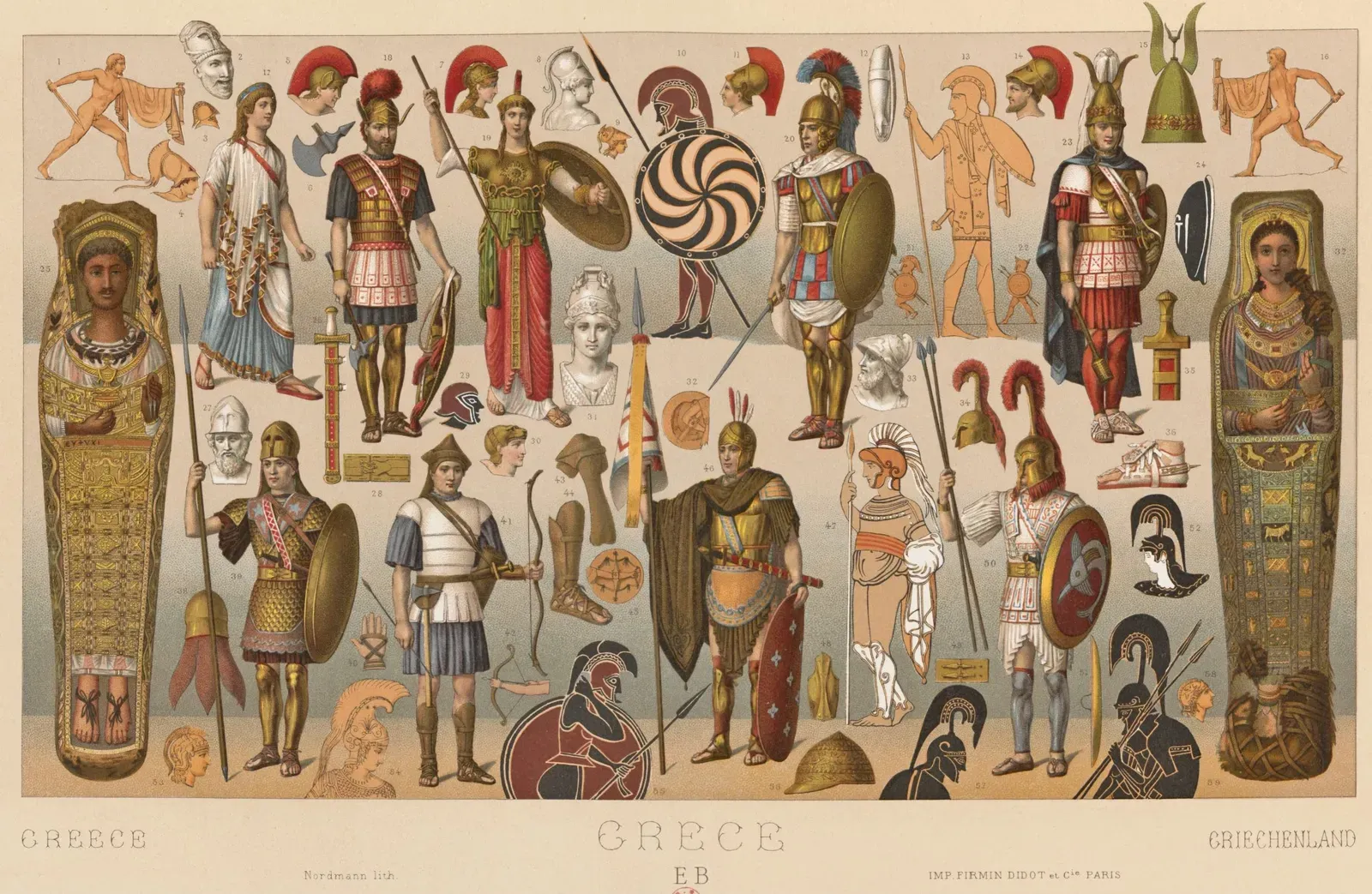
There is a heated debate about whether humans have become more or less violent over time, but almost everyone agrees that the pattern of violence changed dramatically with civilization. Early states fielded organized armies, built fortifications, and left behind mass graves that point to large‑scale warfare. At the same time, life inside these societies increasingly punished personal violence. Some anthropologists think this twin process – externalized war, internal pacification – selected for people who could control their aggression and live under tight social rules without constantly lashing out.
Over many generations, individuals who were too impulsively violent may have been more likely to be executed, jailed, or socially excluded, while more self‑controlled people survived and reproduced within these strict systems. The result, according to this line of thinking, is a gradual “domestication” of human aggression, not unlike how wolves turned into dogs under human selection. When you see people in a packed subway car, shoulders touching, largely keeping their cool despite stress and crowding, you are witnessing a set of emotional brakes that some anthropologists tie directly to the pressures of living in dense, rule‑bound civilizations.
Property, Inequality, and New Moral Instincts

Foragers have possessions, but the idea of permanent, exclusive, heritable property – especially land – is much more characteristic of farming societies and civilizations. Once property became central, so did questions of ownership, debt, inheritance, and theft. Legal codes from early states show a dense web of rules about who owns what and what happens when that order is disturbed. Anthropologists who study morality argue that this environment encouraged new emotional reflexes: sharper guilt about breaking property rules, deeper resentment at unfair treatment, and powerful shame around poverty or loss of status.
Living in a world where inequality was visible and formalized – think of towering estates beside cramped huts – likely intensified feelings of envy and status anxiety. At the same time, it may have strengthened concepts of fairness, desert, and obligation. I still find it striking that many people feel a visceral sense that unpaid debts or stolen items are not just practically bad but morally wrong, even if no one is directly harmed. That emotional heat around property looks like a psychological adaptation to life in civilizations where possessions and inequality determined your fate.
Religion, Big Gods, and Internalized Surveillance

When groups are small, everyone more or less knows everyone else, and reputation is enough to keep people in line. As societies scaled up into thousands or millions of strangers, gossip lost some of its power. Many anthropologists point to this moment as the rise of what they call “Big Gods” – all‑seeing, morally concerned deities who watch human behavior and punish wrongdoers, even in secret. These religious systems, along with ancestral spirits and cosmic justice stories, may have trained people to police their own behavior even when no human was watching.
Internalizing an invisible audience changes your inner life. It reinforces conscience, heightens feelings of guilt and shame, and can make moral rules feel non‑negotiable. Whether someone today talks about karma, divine judgment, or just “what goes around comes around,” the shared sense that the universe keeps score looks like an emotional echo of these older systems. Civilization, in this view, did not just build temples; it carved a tiny temple into our heads, populated with imagined observers that nudge us toward cooperation in huge, anonymous societies.
Writing, Abstraction, and the Reshaping of Thought

Writing is only a few thousand years old, but it radically changed how humans think and remember. Early writing systems were often invented for bookkeeping – tracking grain, taxes, and labor – but they quickly expanded to law codes, myths, scientific records, and philosophy. Some anthropologists and cognitive historians argue that literacy encourages more abstract, linear, and analytical thinking. Instead of knowledge being held mainly in stories told aloud, it gets frozen on clay tablets, papyrus, or digital screens, inviting people to compare, categorize, and critique in new ways.
Living in a literate civilization also alters how we see time and identity. Written histories make people more aware of distant pasts and imagined futures; contracts and written promises tie the self to long‑term commitments. Personally, I notice that when I switch from talking with a friend to composing an email or report, my thinking style shifts – more structured, less intuitive. Scale that up over centuries and across millions of individuals, and it is not hard to see why some anthropologists think literacy‑saturated civilizations nudged human thought patterns in directions our foraging ancestors rarely experienced.
Cities, Crowds, and the Emotional Cost of Density

Cities are one of civilization’s signature inventions, and they put serious pressure on our social wiring. Human brains evolved in groups of dozens, maybe a couple of hundred people, where most faces were familiar. Now, many of us navigate daily through environments teeming with strangers. Anthropologists and urban theorists note that city life encourages certain psychological adaptations: emotional blunting toward strangers, greater tolerance for diversity, and a kind of mental filter that decides who counts as “my people” in a crowd of millions.
At the same time, living in dense, noisy environments can raise baseline stress and anxiety, while also offering unprecedented freedom and anonymity. Some people thrive on that energy; others feel ground down by it. What fascinates me is how normal it feels now to ride packed elevators or live in high‑rise towers, activities that would have looked utterly bizarre to most humans for most of history. That sense of normality is exactly what those anthropologists are pointing to when they argue that civilization has not just changed our surroundings; it has quietly remodeled our comfort zones and emotional expectations.
Work, Time, and the Civilization of the Clock

For much of human history, work was woven into the rhythms of daylight, seasons, and immediate needs. With civilizations came more rigid schedules: labor taxes, temple duties, military campaigns, and later, industrial factory shifts. The invention and spread of mechanical clocks turned time into something quantifiable and billable. Anthropologists and social historians argue that this shift trained people to see time as a resource, to slice their days into standardized units, and to measure their worth partly by productivity within those units.
This may sound abstract, but you can feel it every time you glance nervously at the clock in a meeting or judge your day by how much you “got done.” The interior experience of time – rushing, feeling late, planning months ahead – has a lot to do with living in civilizations that coordinate millions of people through schedules. It is not that our ancestors lacked patience or foresight; it is that they were not usually asked to synchronize their lives with train timetables, global markets, or school bells. Those pressures, some anthropologists suggest, cultivated new habits of self‑discipline, anxiety, and future‑oriented thinking that now feel like core parts of human nature.
Are We Still Truly Ourselves? An Opinionated Closing Thought

When I look at this body of work, I do not see a simple story where civilization either ruined us or redeemed us. Instead, I see a series of deep bargains: more security in exchange for more hierarchy, more cooperation in exchange for more internalized guilt, more knowledge in exchange for more stress. The anthropologists who argue that civilization has changed human nature are, in my view, mostly right – but only if we remember that human nature was never a fixed script. It is more like a toolkit that expands and rearranges itself as our environments change.
That has two big implications. First, we should stop treating our current tendencies – chronic busyness, status obsession, rule‑following, or even our capacity for large‑scale empathy – as timeless or inevitable; they are at least partly products of specific historical arrangements. Second, if civilization has already reshaped us this much, then we are not helpless passengers. We can choose institutions, technologies, and ways of living that cultivate better versions of ourselves, not just more efficient or more obedient ones. The real question, to me, is not whether , but whether we are willing to deliberately steer the next round of changes instead of letting them happen to us – what kind of humans do you actually want our civilization to be training us to become?