If dinosaurs had a drama king, it would be Spinosaurus. Every time paleontologists think they finally understand this gigantic, sail-backed predator, a new fossil shows up and flips the table. It has gone from being painted as a T. rex knockoff, to a crocodile-mimic, to a semi-aquatic stalker that may have spent more time in the water than on land. Each version has looked confident and final, yet none of them has lasted very long.
What makes Spinosaurus so fascinating is not just its bizarre body, but how it exposes the messy, very human side of science. Conflicting fossils, missing bones, heated debates, redesigned museum mounts, and viral arguments on social media have all swirled around this one animal. As we walk through the twists and turns of its story, you’ll see why this dinosaur has become a case study in how science actually works: not as a straight line toward truth, but as a wild, zigzagging path full of surprises.
The First Spinosaurus: A Giant Predator Lost to War
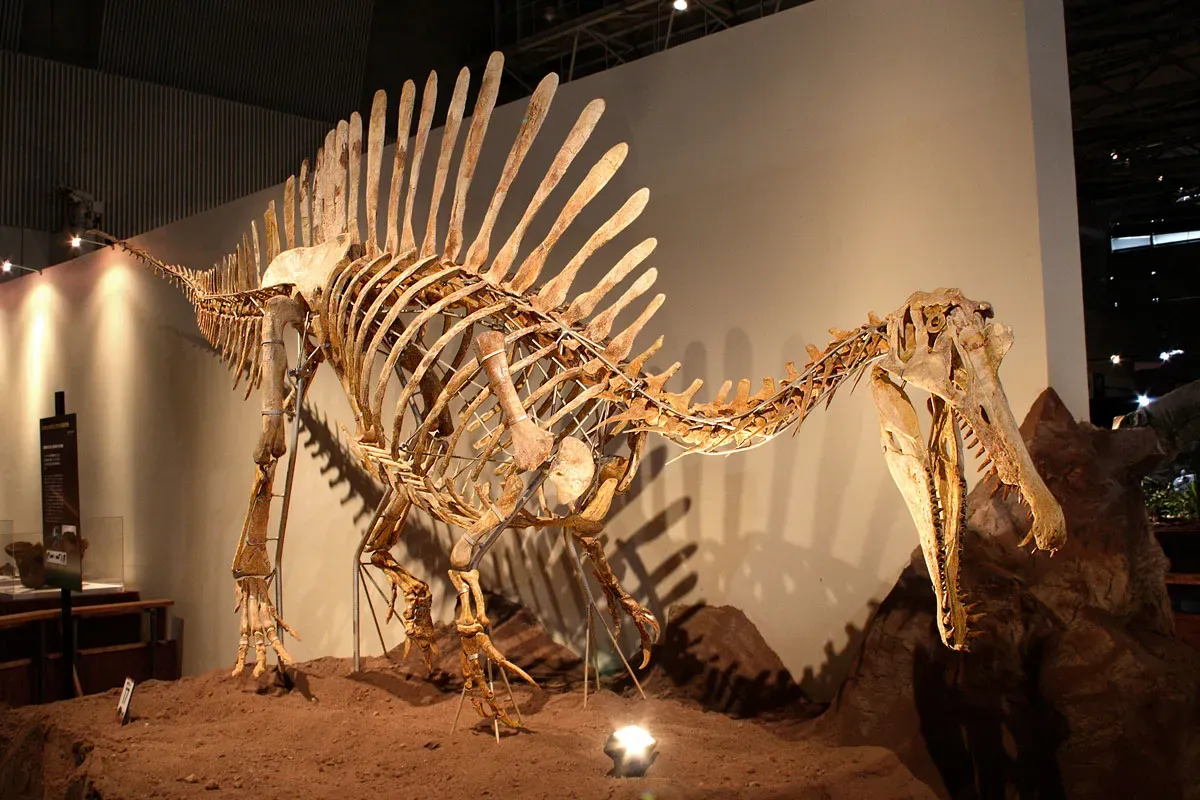
Spinosaurus first crashed into scientific history in the early twentieth century, when partial fossils from North Africa revealed a carnivorous dinosaur with enormous neural spines rising from its back. Even with only a fragmentary skeleton, it was obvious this animal was huge, rivaling or even surpassing the size of the later-famous Tyrannosaurus. Early reconstructions treated it like a fairly standard giant theropod, walking tall on powerful hind legs and swinging a massive skull full of conical teeth. It was strange, yes, but it still fit inside the familiar box of big land predator.
Then disaster struck: the original fossils, stored in a German museum, were destroyed during bombing in World War II. That loss turned Spinosaurus into a kind of scientific ghost. For decades, scientists had to rely on a few old drawings, written descriptions, and fragmentary material from other sites. Imagine trying to understand an entire car from a blurry photo of a fender and someone’s memory of seeing it once. This early tragedy baked uncertainty into the Spinosaurus story from the start, and every new discovery since has had to fight against that missing foundation.
A Sail, a Crocodile Face, and a Growing Mystery
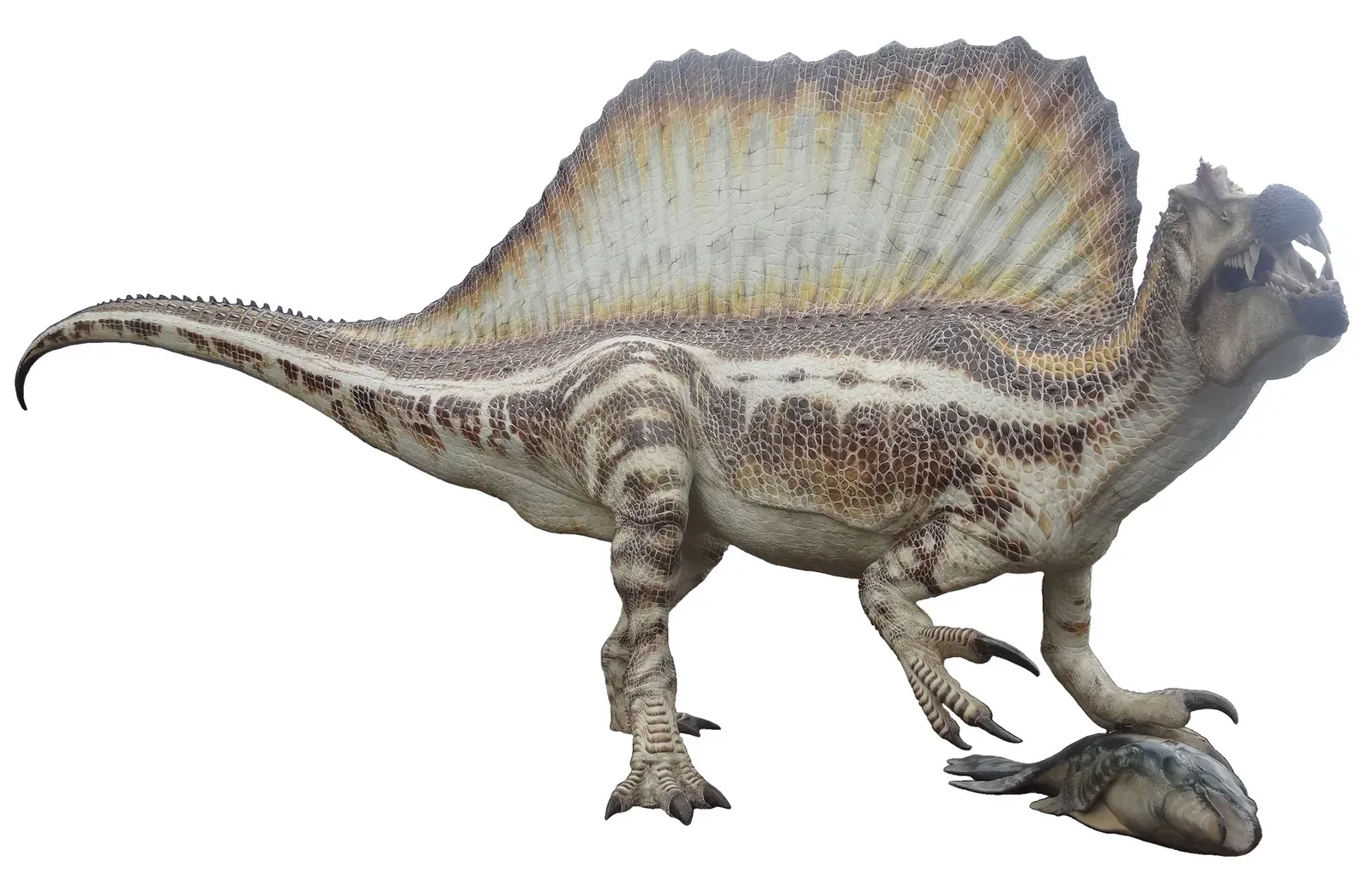
As more theropod dinosaurs were discovered around the world, a pattern started to emerge: several species from Africa, South America, and elsewhere had elongated snouts, conical teeth, and sometimes even tall back spines. These “spinosaurids” looked less like classic meat-eaters and more like reptilian mash-ups of herons and crocodiles. Spinosaurus, the largest of the group, clearly sat at the extreme end of this trend. Its skull became better known through related species, showing a long, narrow snout with sensory pits and teeth that were perfect for gripping slippery prey like fish.
The tall spines on its back raised even bigger questions. Were they supporting a sail for display, like a giant billboard that could signal health, attract mates, or intimidate rivals? Or did they support a fatty hump, more like a bison’s, used for energy storage or temperature control? For a long stretch, artists and scientists tended to imagine a slim, sail-backed predator that hunted near rivers but still lived mostly on land. The animal was already weird, but those odd features were still being squeezed into a fairly conservative, land-based lifestyle, because no one wanted to jump to a radical conclusion without stronger bones to back it up.
The Semi-Aquatic Shock: A Dinosaur That Swam?
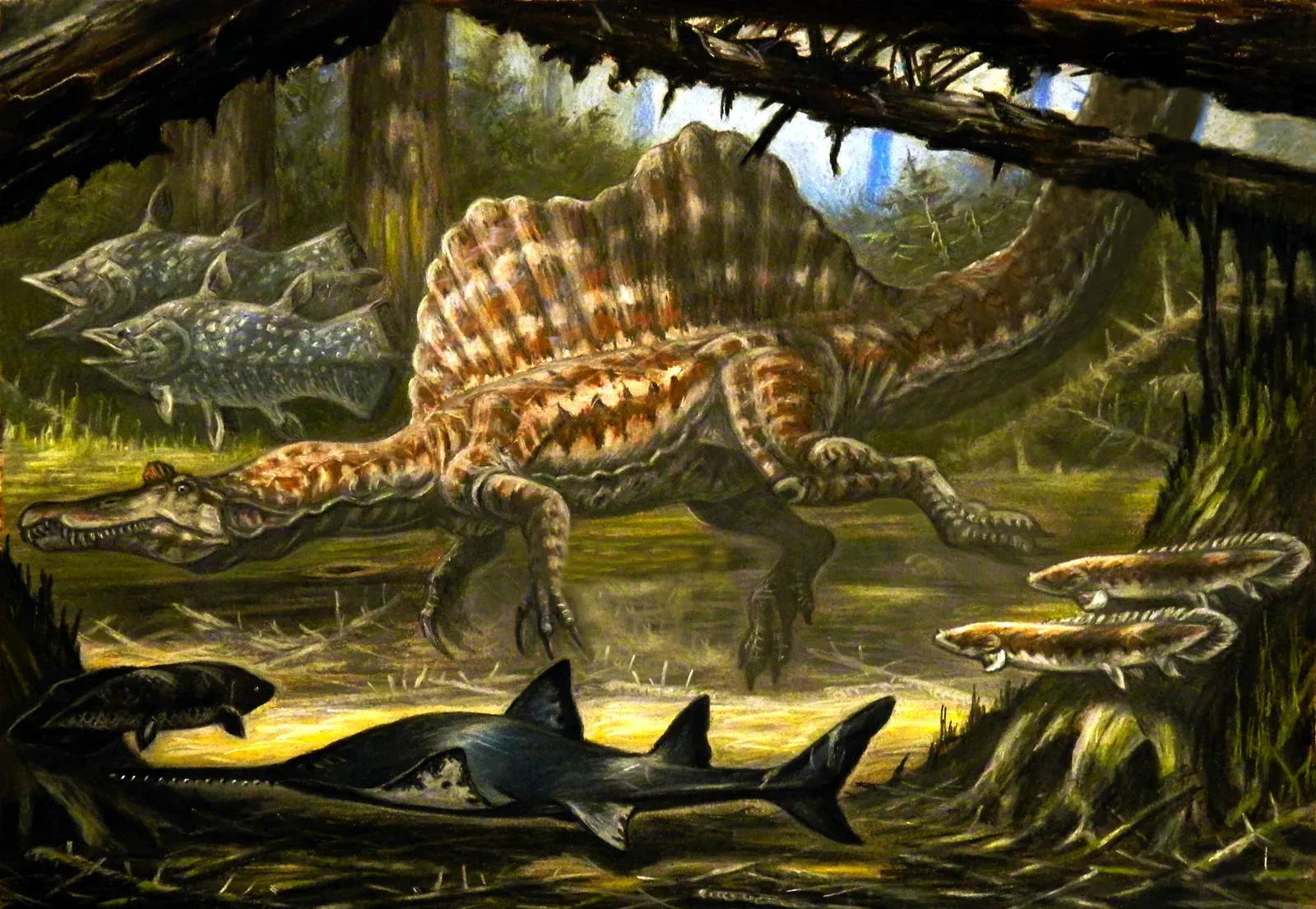
The real plot twist came when new Spinosaurus fossils from North Africa revealed more of the backbone, pelvis, and limbs. Suddenly, researchers were staring at a body plan that did not match the usual giant theropod blueprint. The hind limbs appeared shortened, the pelvis was unusual, and the tail was later found to be tall and paddle-like. Put together, these traits looked suspiciously like adaptations for spending serious time in the water. The idea of a semi-aquatic dinosaur that actively swam and hunted in rivers sent ripples through the scientific community and the public at the same time.
Calling a dinosaur semi-aquatic is not a small claim. It challenges a comfortable mental picture many of us grew up with, where dinosaurs ruled the land, while marine reptiles ruled the seas. Spinosaurus threatened that tidy division by sitting somewhere in between, behaving a bit like a gigantic, two-legged crocodile with a sail. The scientific papers, digital reconstructions, and experimental models poured fuel on this fire, and suddenly Spinosaurus was being illustrated underwater, tail undulating, chasing fish in murky, prehistoric rivers. It was bold, exciting, and controversial all at once.
The Tail That Changed Everything (And Sparked New Fights)
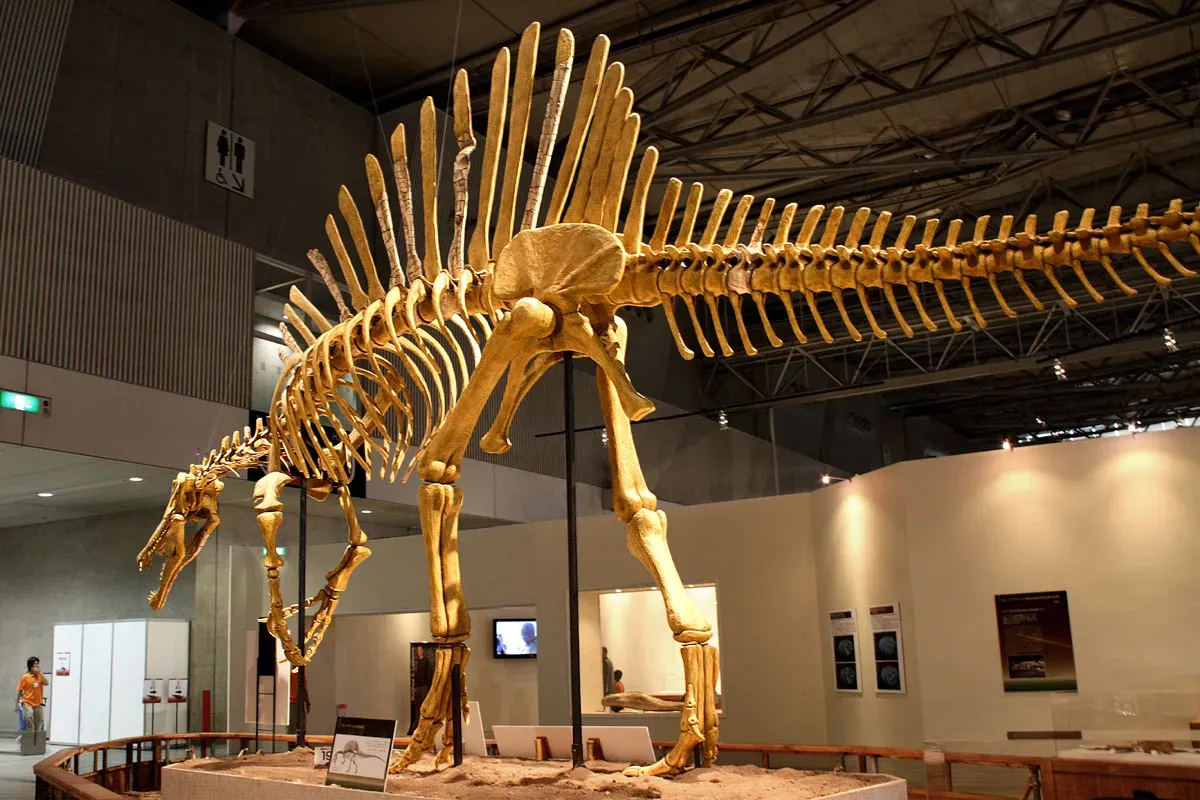
One of the most dramatic updates came with the discovery of Spinosaurus tail bones that formed a high, fin-shaped structure rather than a narrow, rigid tail. This tail had tall neural spines and chevrons that created a wide, flexible surface, ideal for pushing against water. Researchers built physical models and tested them in water tanks, comparing tail shapes of different dinosaurs to see how efficiently they could generate thrust. The results suggested that Spinosaurus had a tail much better suited for swimming than its theropod cousins, strengthening the case for a semi-aquatic lifestyle.
But the new tail also intensified the arguments rather than ending them. Critics questioned how complete the tail was, whether reconstruction gaps were being filled in too confidently, and how much we can really infer about behavior from tail shape alone. Some pointed to biomechanical studies that suggested the animal might still have been clumsy in deep water compared to modern aquatic specialists. Others argued that even if it swam reasonably well, it could have been more of a shoreline ambush hunter than a full-time aquatic predator. Instead of quieting the discussion, the tail discovery turned it into an even louder, more intricate debate.
Could Spinosaurus Really Walk Like That?
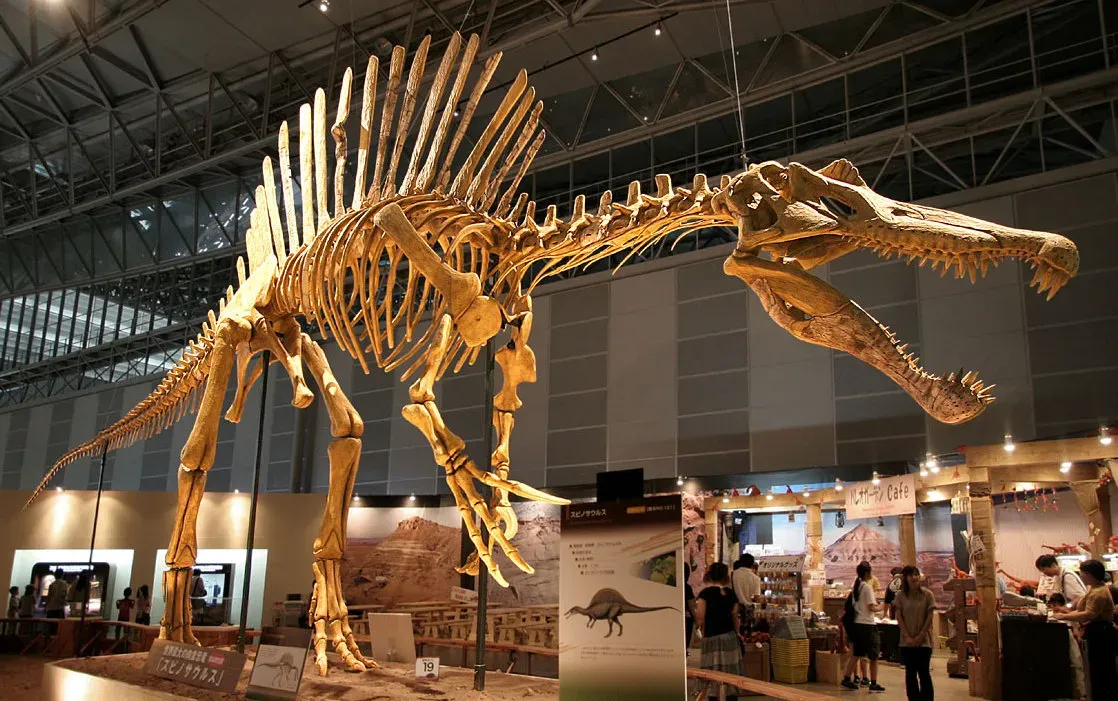
Alongside the aquatic questions, there has been a running argument over how Spinosaurus moved on land. The shortened hind legs and altered pelvis have led some researchers to suggest that it walked differently from typical theropods, perhaps holding its body closer to the ground or shifting its center of mass forward. Others have argued that even with shorter legs, it could have managed a fairly standard bipedal posture, just with a different balance than animals like T. rex. The challenge is that key parts of the skeleton are still poorly known or missing, which makes any reconstruction partly speculative.
Biomechanical modeling and digital reconstructions have tried to weigh the animal’s center of mass, test hypothetical poses, and calculate whether the limbs could support its weight efficiently. Some analyses lean toward a somewhat awkward land walker that felt more at home in shallow water, where buoyancy eased the load. Others suggest the land-based limitations might have been overstated. This tug-of-war over posture shows how much interpretation sits between the raw fossil and the dramatic pose you see in a museum or a documentary. Every time a new bone is found, the pose might need to be tweaked – or flipped entirely.
Fish-Eater, Apex Predator, or Something In Between?
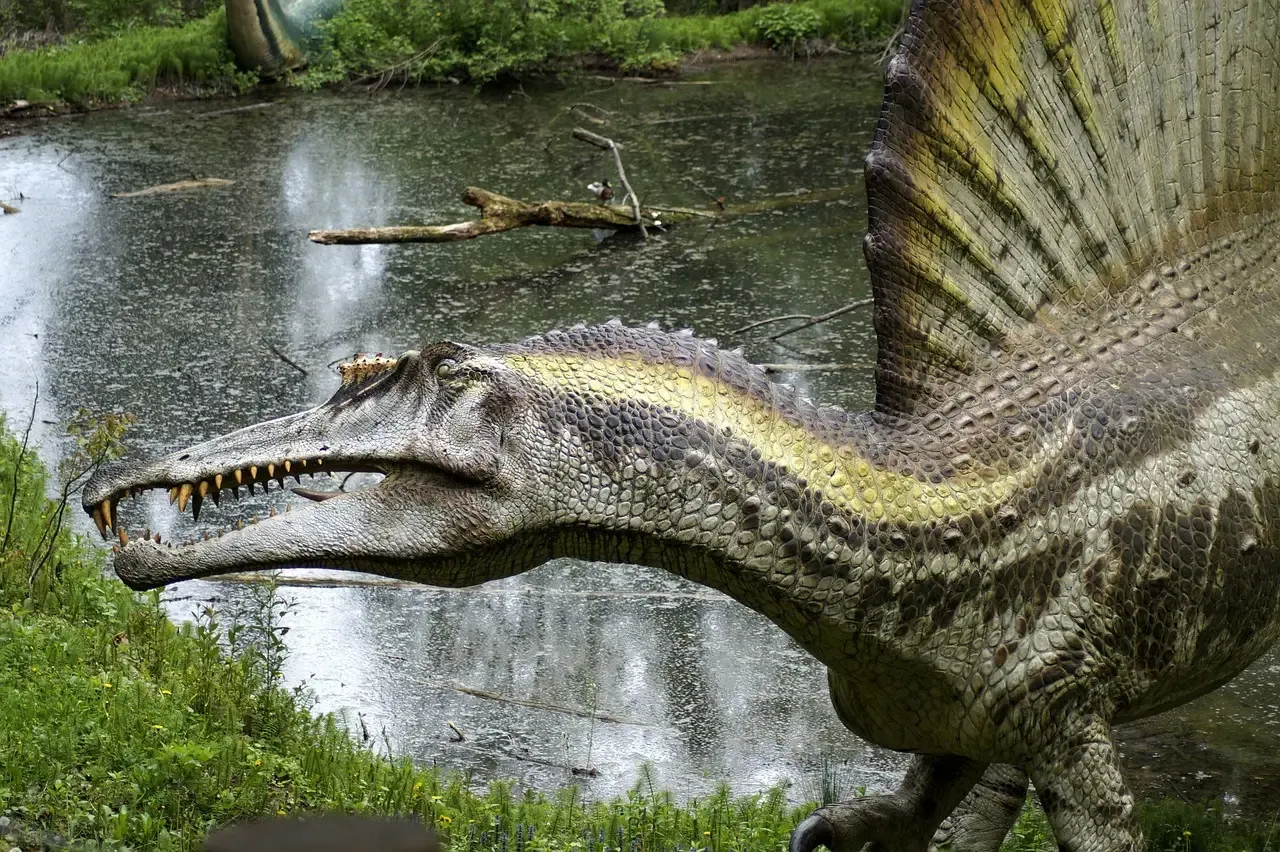
Another reason Spinosaurus keeps rewriting its story is that its role in the ecosystem is still being pieced together. The conical teeth and crocodile-like snout strongly point toward a fish-heavy diet, and chemical signatures in some spinosaurid bones have been interpreted as consistent with animals that spent considerable time near or in water. At the same time, Spinosaurus was enormous, and it is hard to imagine a predator of that size ignoring opportunities to scavenge or attack other dinosaurs when the chance arose. It might have been a flexible feeder, switching between fish, carrion, and land prey as conditions allowed.
That ecological uncertainty has big implications for how we picture Cretaceous river systems in North Africa. Was Spinosaurus the undisputed top predator, muscling out large crocodiles and other theropods whenever it appeared? Or did it occupy a niche beside them, focusing more on aquatic prey while other carnivores dominated the land? The answer affects not just our view of one dinosaur, but of an entire ancient community. It also reveals how fragile ecological interpretations can be when based on incomplete fossils and a handful of sites, rather than a long, continuous record.
The Social Media Dinosaur: Science in Real Time
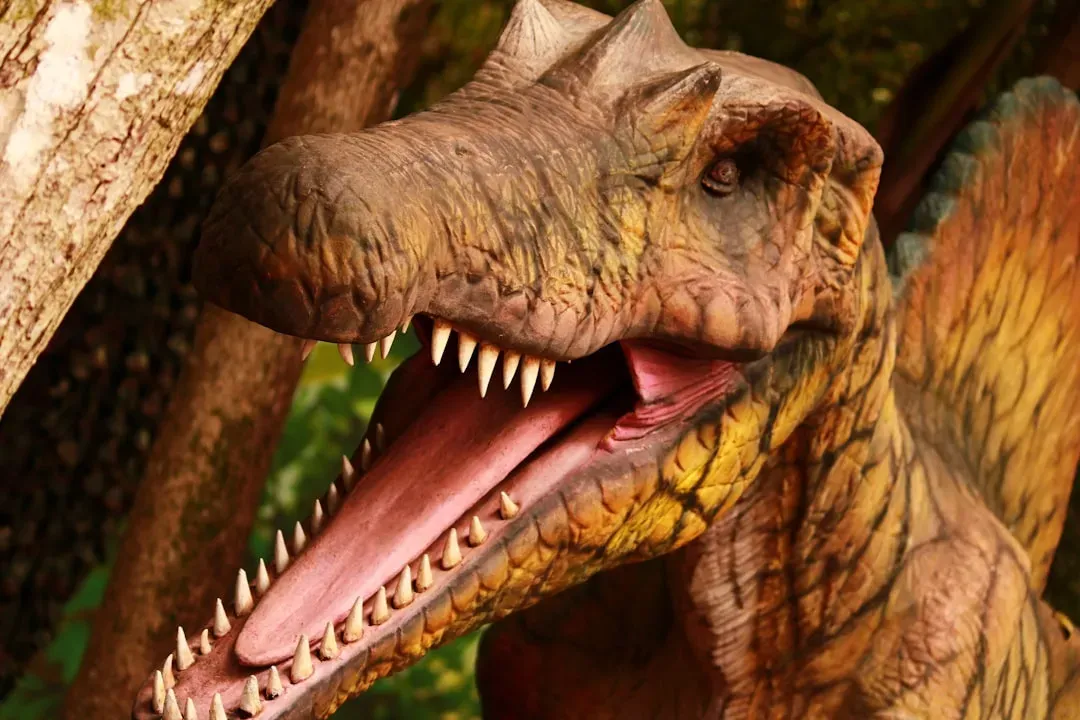
One of the strangest twists in the Spinosaurus saga is how much of it has played out in public, almost in real time. New papers are published, preprints appear online, and within hours artists, science communicators, and dinosaur fans are debating the latest reconstruction on social media. You can see detailed critiques, alternative models, and long threads of argument between researchers and enthusiasts. In a way, Spinosaurus has become a mascot for the modern, messy, hyperconnected world of science, where ideas are stress-tested in front of a global audience instead of behind closed doors.
This visibility has pros and cons. On one hand, it makes the scientific process more transparent and engaging, inviting people to watch experts disagree, revise, and sometimes admit they were wrong. On the other hand, it can create the illusion that science is flip-flopping wildly, when in reality it is cautiously adjusting to new evidence. I’ve watched friends get annoyed that the “look” of Spinosaurus keeps changing, as if artists and scientists are just making it up. But the constant revisions are exactly the point: they show that scientists are willing to abandon a comfortable story when the bones insist on something stranger.
Why Spinosaurus Is the Perfect Dinosaur for Our Uncertain Age
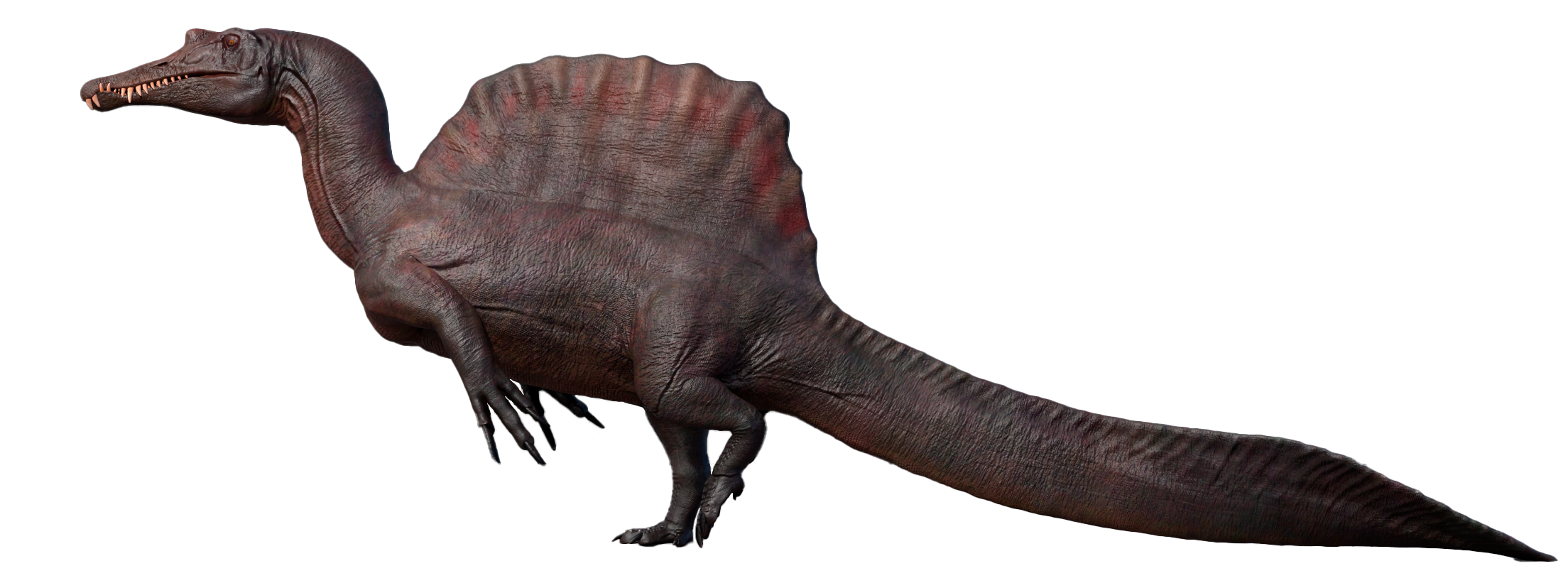
Underneath all the technical arguments, Spinosaurus keeps forcing us to confront a simple, uncomfortable truth: nature does not owe us tidy categories. We want our dinosaurs sorted into neat boxes – land predators, sea reptiles, harmless plant-eaters – but Spinosaurus sits in the blurry spaces between them. It is part crocodile, part stork, part dragon, and not fully any of those things. That refusal to fit the script is exactly why it keeps jolting scientists into new ideas and new lines of evidence, from aquatic biomechanics to chemical signatures in fossil bones.
In my view, that is what makes Spinosaurus one of the most important dinosaurs of our time, even if we never pin down every detail of how it lived. It reminds us that science is not a finished book but an ongoing rewrite, especially when the original pages were bombed, scattered, and only slowly replaced. Every new fossil forces a fresh draft, and sometimes the whole plot changes. Spinosaurus is not a story that keeps being broken; it is a story that keeps being bravely updated as the evidence improves. And maybe that is the real lesson it offers us today: when the world turns out stranger than we expected, are we willing to rewrite our stories too?