For years, nature documentaries have sold Diplodocus as the ultimate dinosaur softie: a slow, harmless plant-eater, peacefully swishing its tail through fern-filled valleys like some Jurassic giraffe. It is a comforting image, and honestly, I bought into it completely as a kid. But the more you look at what we actually know from the fossils, the less that calm, harmless picture makes sense.
Once you step away from the soothing narration and CGI sunsets, Diplodocus starts to look less like a gentle giant and more like a highly specialized survival machine living in a brutal, competitive world. It had weapons, it lived in dangerous ecosystems, and it probably behaved a lot more like a wild animal and a lot less like a lumbering background extra. The evidence does not turn it into a monster, but it certainly suggests a dinosaur you would never want to stand next to.
A Whip-Like Tail Is Not a Peace Symbol
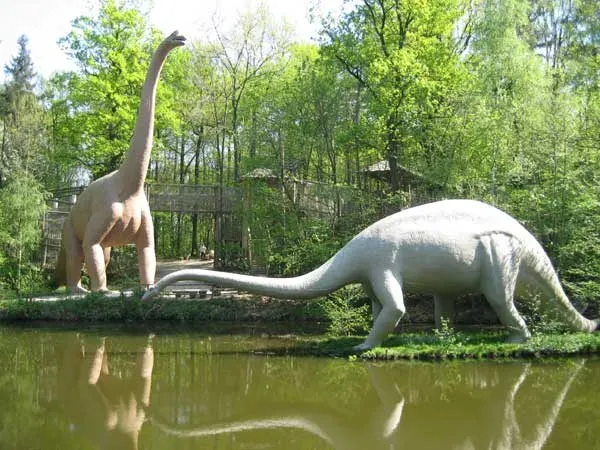
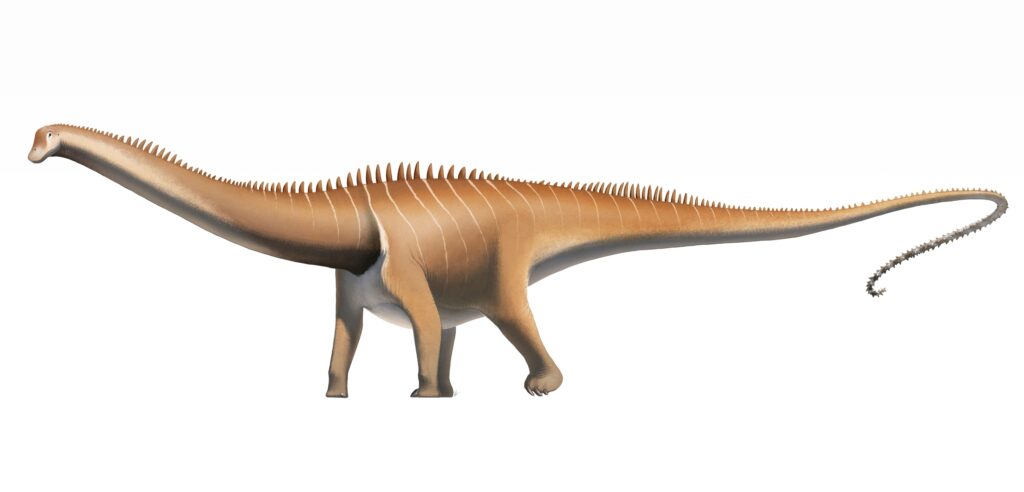
Think about this for a second: Diplodocus carried a tail that tapered into a long, thin, whip-like tip made from dozens of small vertebrae. This was not some decorative accessory; it was a structure with serious mechanical potential, capable of being snapped at high speed. Many paleontologists have suggested that this tail could create loud cracks, maybe even approaching sonic boom levels, which would have made it a terrifying deterrent to anything that got too close.
Even if those sonic estimates end up exaggerated, the basic point stands: you don’t evolve a whip-tail unless you need reach, force, and speed. Whether it was lashing out at predators, jostling rivals, or keeping pushy neighbors at a distance, that tail was a built-in argument-ender. A truly helpless, totally passive animal usually does not carry a biomechanical bullwhip on its backside. It is much more honest to see Diplodocus as an animal that could and would defend itself when needed.
Living in the Late Jurassic Was Anything but Peaceful
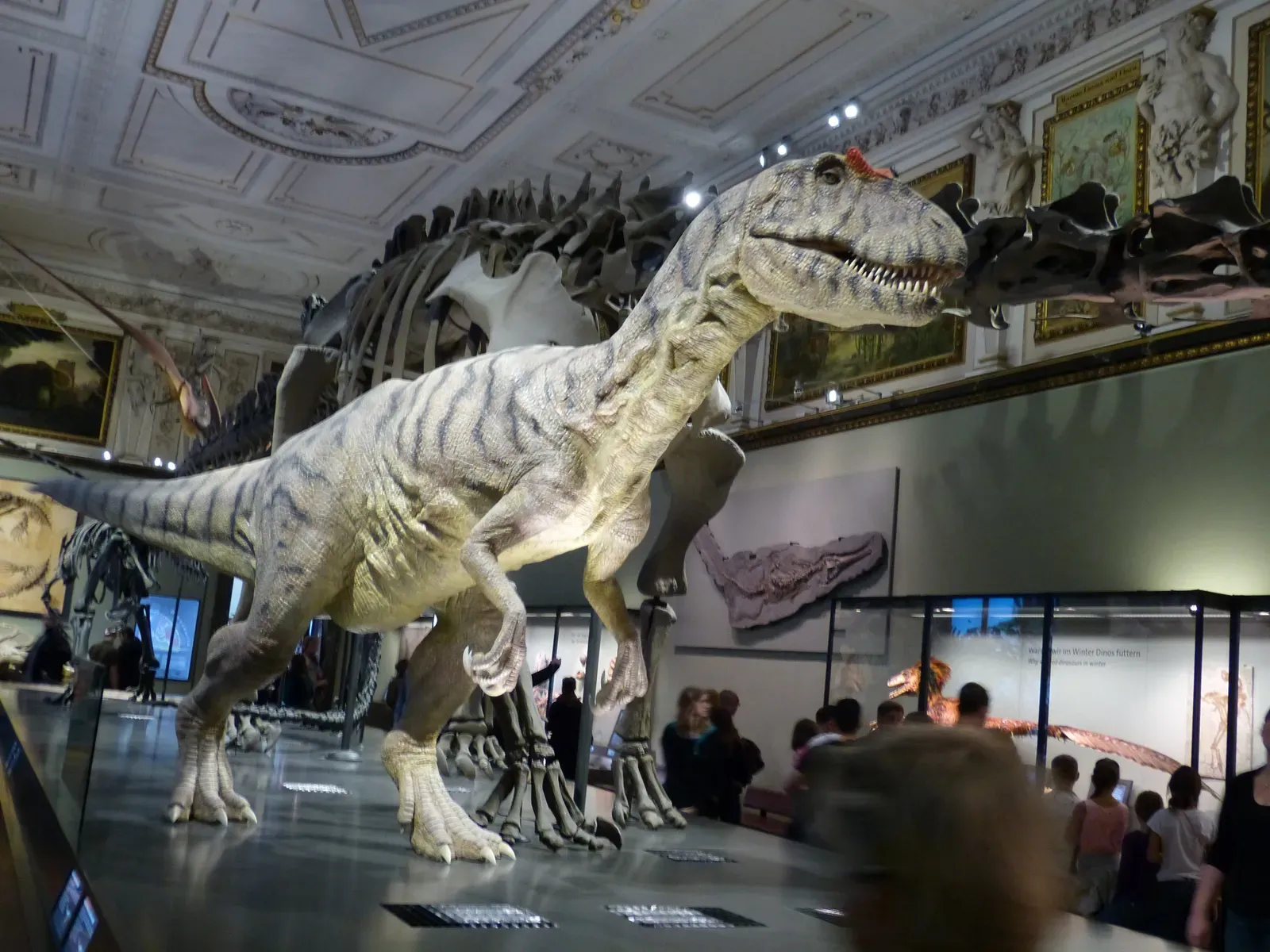
The world Diplodocus lived in was not a calm, leafy paradise where everyone minded their own business. It shared its environment with big carnivores like Allosaurus and other large predators that absolutely would have seen a juvenile or injured Diplodocus as a meal. When you picture a serene herd by a river, you should also picture hungry theropods hovering at the edge of that scene, testing the boundaries and looking for weaknesses.
In that kind of ecosystem, “gentle” is just not a viable long-term strategy. A huge herbivore had to be wary, responsive, and capable of explosive defensive behavior. That likely meant powerful kicks, tail strikes, body-blocking behavior in groups, and maybe aggressive bluff charges. Diplodocus did not have the luxury of being laid-back; the late Jurassic was closer to a constant arms race than a dinosaur spa retreat.
Size Is Intimidation, Not Just Cuteness Scaled Up
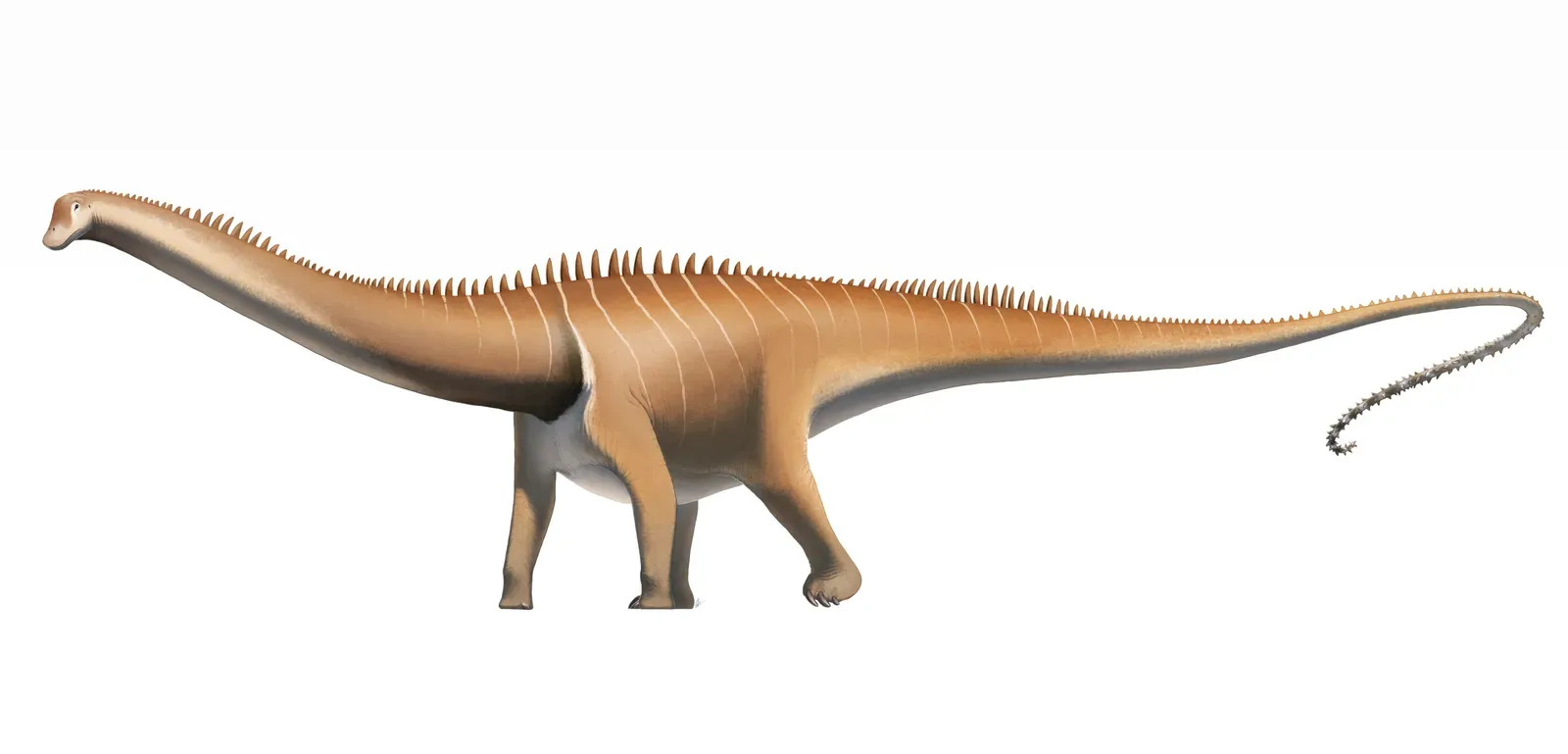
Documentaries love the emotional trick of making us sympathize with big herbivores by framing them as oversized cows. Diplodocus could reach lengths of over twenty meters; that is not just “very big,” that is utterly dominating in terms of physical presence. In the animal world, size is rarely a neutral trait. It is a way to push others around, claim space, and control access to food and water.
If you have ever watched elephants chase predators, bully smaller herbivores, or knock over trees without much hesitation, you have already seen the kind of behavioral parallels that might fit a Diplodocus better than the usual gentle-giant stereotype. It probably used its sheer mass to control feeding spots, protect its young, and make it incredibly risky for anything to stand in the wrong place at the wrong time. An animal that can crush you just by stepping slightly the wrong way is not automatically cruel, but calling it gentle can be misleading.
Necks Built for Strategy, Not Just Scenic Browsing
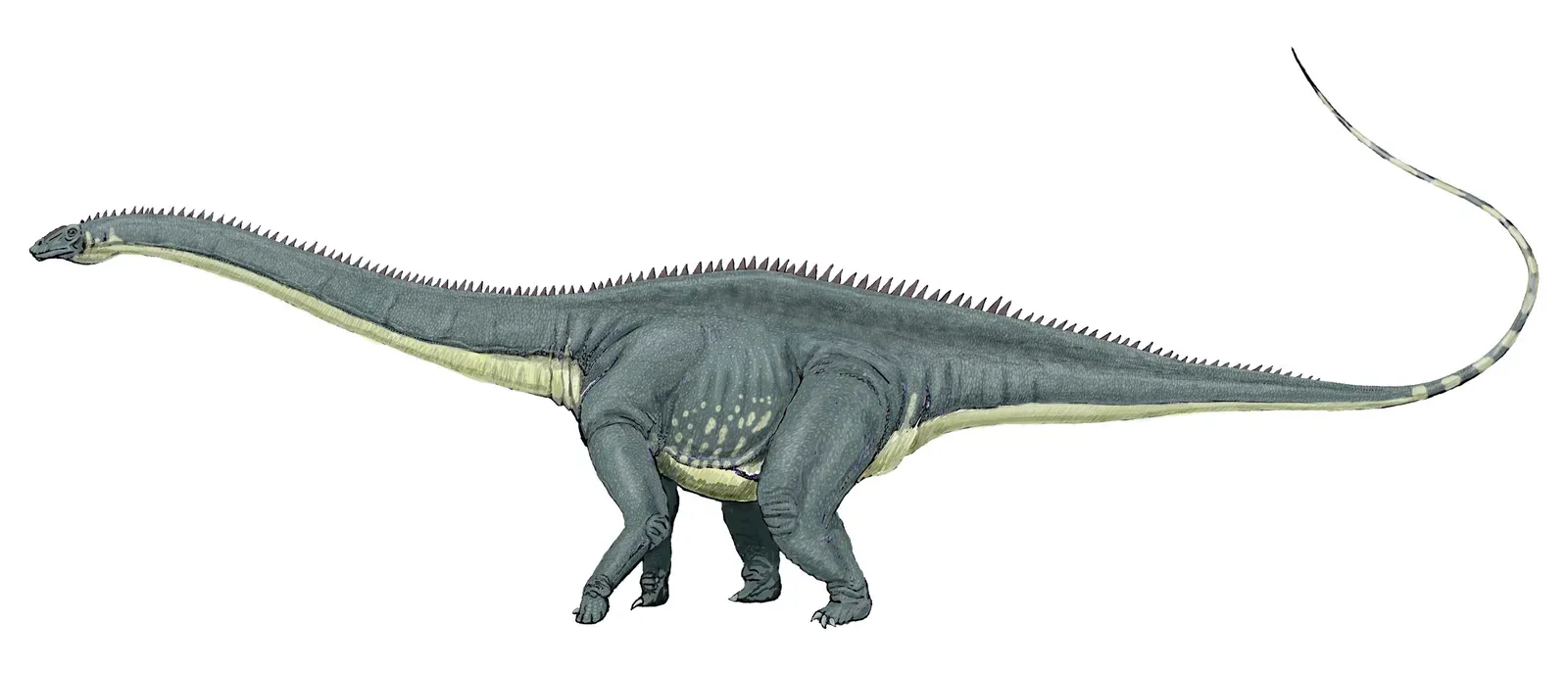
Diplodocus is instantly recognizable by that remarkably long neck, and it is easy to imagine it just peacefully sweeping through treetops like a living crane. But a long neck is also a strategic tool. It gives you the ability to reach food before others, to browse high and low without moving your entire body, and to crowd competitors away from the best patches. In a dense, competitive landscape, that flexibility can turn into pushy behavior very quickly.
There is also a defensive angle to that anatomy. A long neck does not just make you a bigger target; it increases your field of view and lets you respond to threats faster. If a predator got too close to the head or front of the body, a swing of the neck, a sudden pivot, or a quick repositioning could change the game. When you see the neck as a multifunction tool – feeding advantage, early-warning system, and positional leverage – it feels less like a symbol of peacefulness and more like part of a sophisticated survival kit.
Personally, I find it helpful to think less of a “giraffe on steroids” and more of a massive animal always calculating where to move that long, vulnerable but powerful front end to stay alive and on top.
Herbivore Does Not Mean Harmless
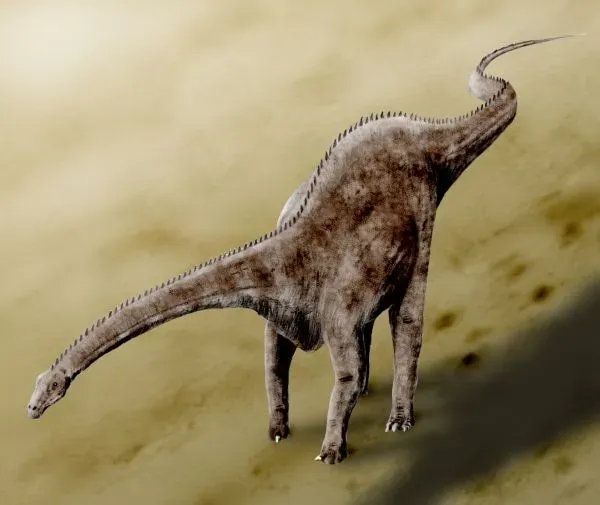
There is a subtle bias that sneaks into how we talk about dinosaurs: carnivores are scary, herbivores are safe. Modern animals blow that idea apart. Hippos, cape buffalo, moose, and elephants are all plant-eaters, and yet they are responsible for plenty of dangerous encounters and fatalities in the wild today. They are not villains; they are simply big, stressed animals that will do brutal things when they feel threatened or crowded.
Diplodocus, as a herbivore, spent a huge portion of its life focused on finding and processing plants. But that does not tell us how it behaved when a predator came in too close, a rival shoved too far, or a youngster was in danger. It is entirely consistent with what we see in large herbivores today to imagine Diplodocus charging, kicking, or whipping its tail at anything that looked like a serious problem. That might shatter the calm documentary vibe, but it fits reality far better than the notion of a perpetually serene giant.
Herd Life Can Be Cooperative and Brutal at the Same Time
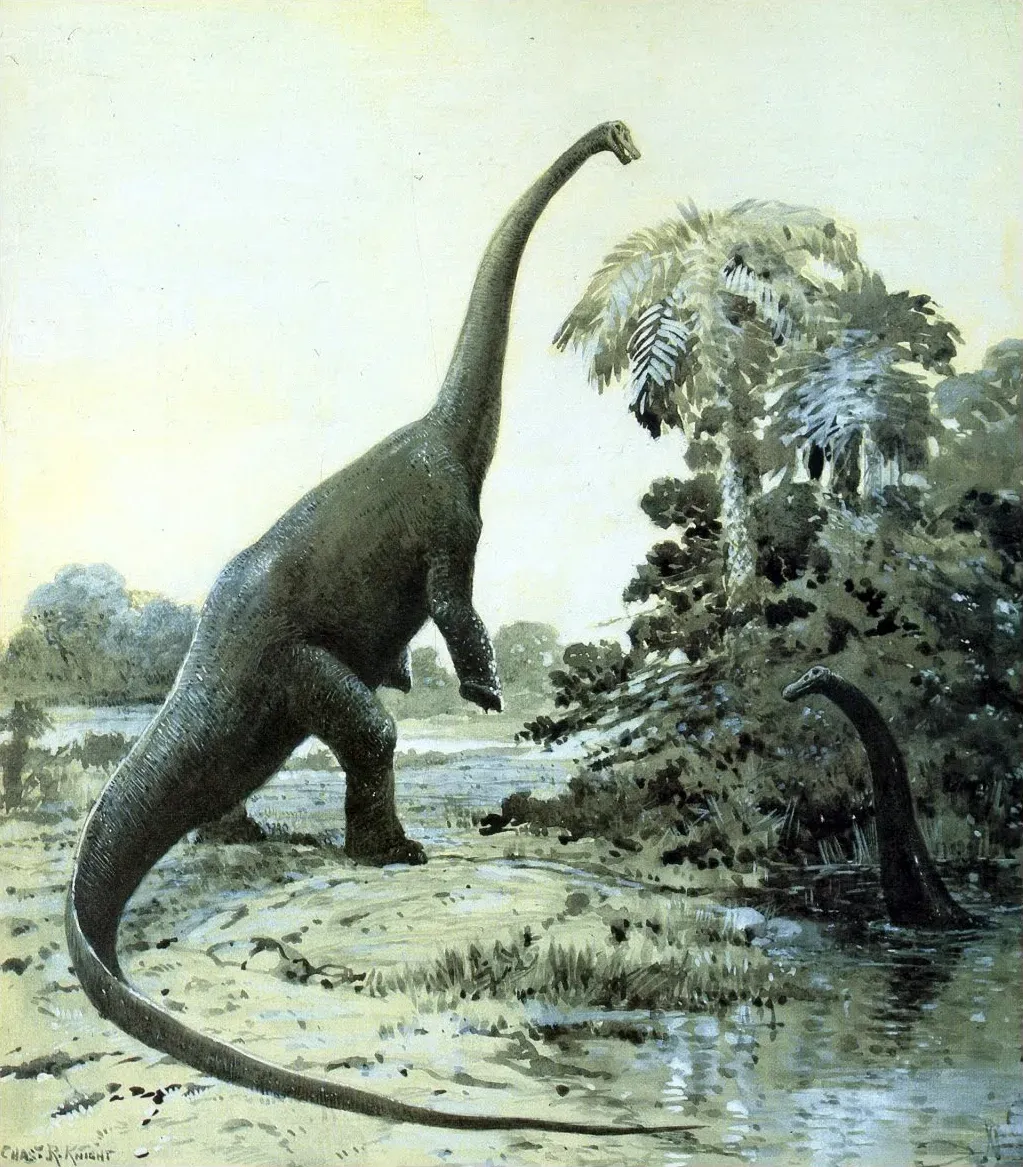
Many researchers think that at least some sauropods, possibly including Diplodocus, lived in groups. Herding behavior comes with safety in numbers, but it also comes with social tension: competition for the best feeding ground, positioning near the center of the group, or access to safer spots for juveniles. Just look at how modern herd animals interact; there is cooperation, but there is also shoving, chasing, and sometimes outright violence.
If Diplodocus moved in herds, it likely had to navigate a social world full of subtle power balances. Larger, older individuals might have pushed younger or weaker ones aside. Dominant animals could have controlled choice positions or pathways. Even if the species never hunted anything, within its own kind life would not always have been gentle. Group living is messy and charged, and there is no good reason to assume Diplodocus was an exception.
Fossils Show Stress, Injury, and a Hard Life
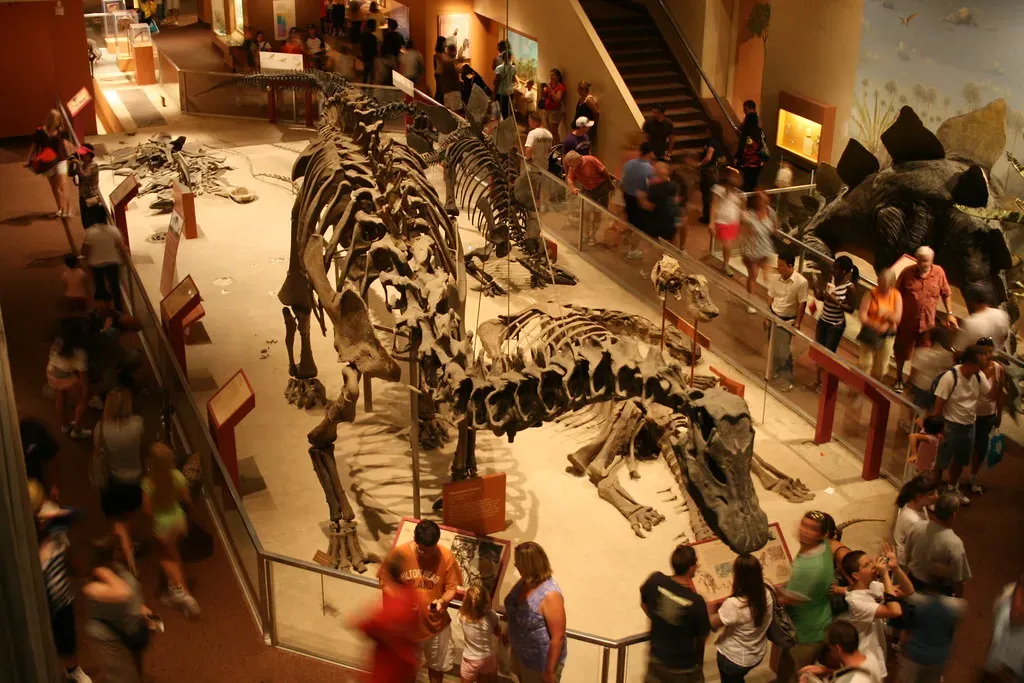
When paleontologists examine sauropod bones, they often find signs of healed injuries, wear, and disease. While not every mark can be confidently linked to Diplodocus specifically, the pattern across similar dinosaurs tells a clear story: these were animals that got hurt often and lived long enough to show it in their bones. That includes stress fractures, spinal issues, and other pathologies that suggest a physically demanding, high-risk existence.
In a life where falling could be deadly, where massive weight stressed joints every day, and where predators and rivals were a constant reality, a Diplodocus’s behavior was likely shaped by pain, fatigue, and the need to avoid new injuries. An animal in that position is not perpetually calm; it can be irritable, cautious, or unexpectedly explosive when cornered. The fossil record, in its own quiet way, hints at a life filled with hard knocks rather than endless, peaceful grazing.
Rewriting the Diplodocus Myth: Not a Monster, but Not a Plush Toy
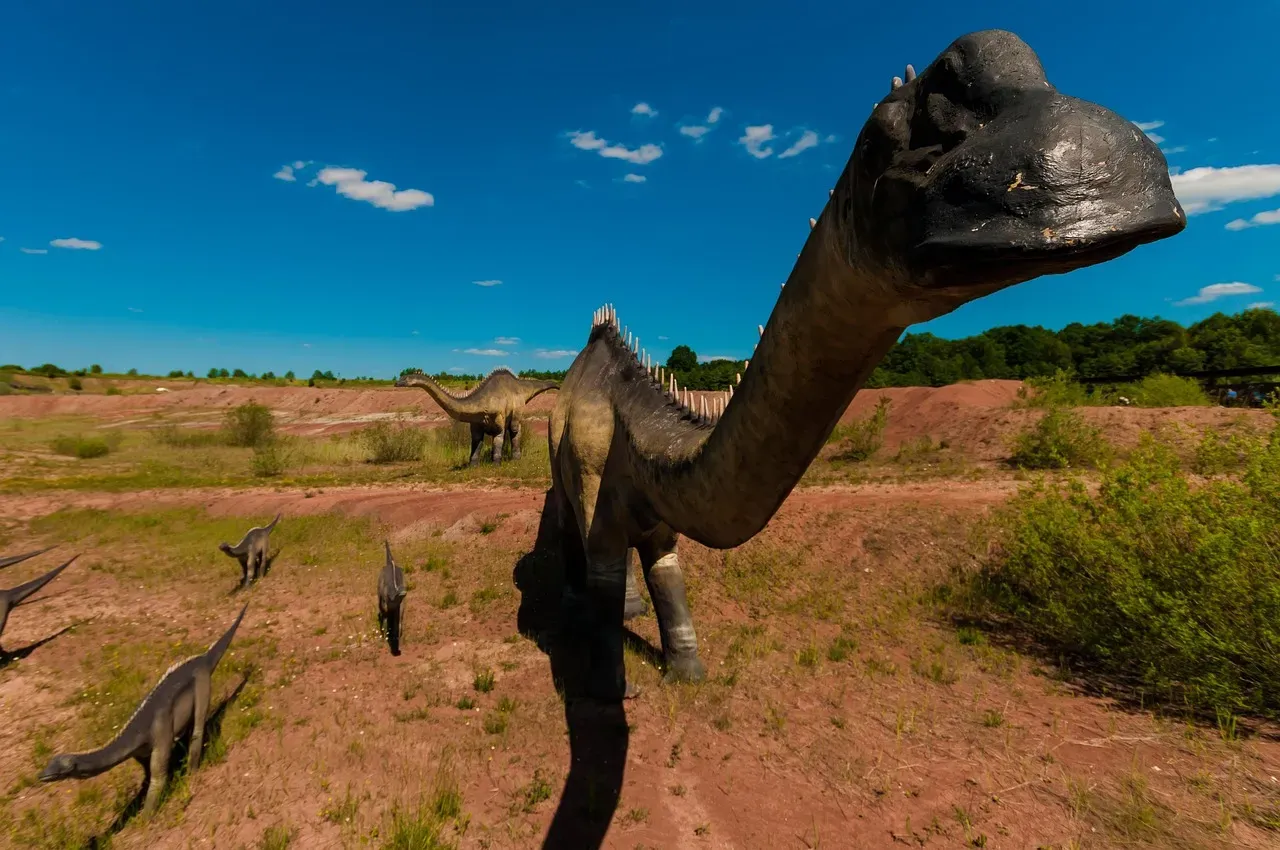
So was Diplodocus a savage nightmare tearing through the Jurassic? No. Turning it into a villain would just be a new kind of fantasy. But the old picture of a slow, endlessly patient giant drifting through ferns like a background extra in its own ecosystem feels just as inaccurate. The real animal was probably something in between: a powerful, sometimes dangerous, highly capable survivor that could be calm when conditions were good and absolutely terrifying when they were not.
Honestly, I prefer this sharper, less romantic view. It respects Diplodocus as an animal that earned its place in a violent world, rather than reducing it to a gentle prop for nostalgic documentaries. When you imagine that whip-like tail snapping, that massive body shifting its weight with purpose, and that long neck constantly scanning for opportunity and danger, the dinosaur suddenly becomes more real and more impressive. Next time you see it gliding peacefully across a screen, will you still buy the gentle-giant story so easily?