
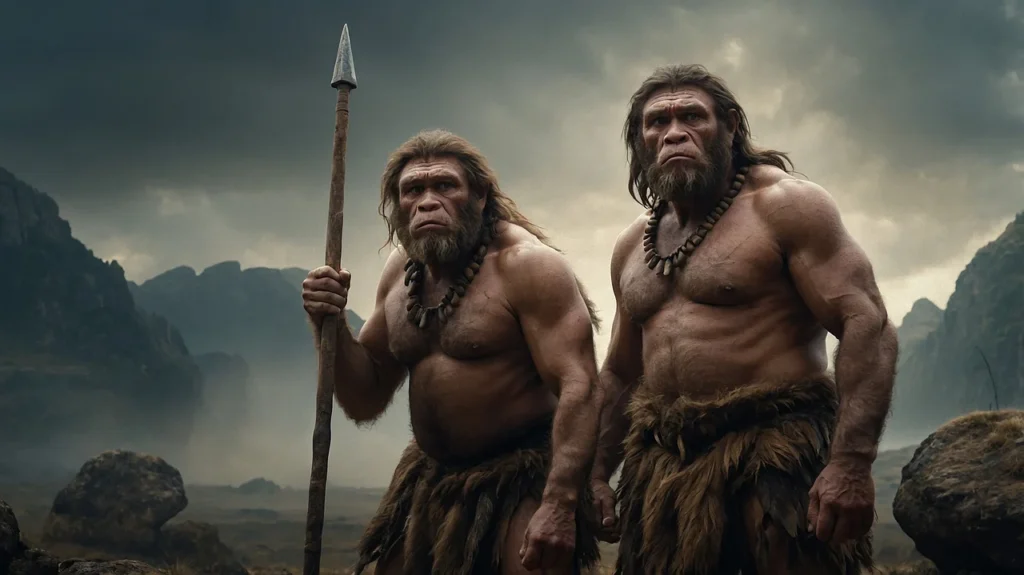
If you picture prehistoric humans as grunting brutes in filthy furs, swinging clubs and dragging partners by the hair, you’re not just a little off – you’re in a completely different universe. Anthropologists have spent more than a century unearthing bones, tools, dwellings, and even traces of ancient art, and the story they tell is far richer and more human than the cartoonish “caveman” stereotype. These were people with complex minds, social rules, long memories, and deep emotional lives, not mindless savages stumbling around in the dark.
I still remember the first time I saw a reconstruction of a Neanderthal face done from a real skull in a museum; instead of a monster, I saw someone who honestly just looked like a slightly rugged neighbor. That moment made it hard to ever take the lazy caveman trope seriously again. Once you start digging into what archaeologists and anthropologists actually know, the stereotype falls apart, and what’s left is something more surprising: a world of early humans who planned, cared, created, and adapted with a level of sophistication that feels uncomfortably familiar.
Early Humans Were Skilled Technologists, Not Club-Swinging Dummies
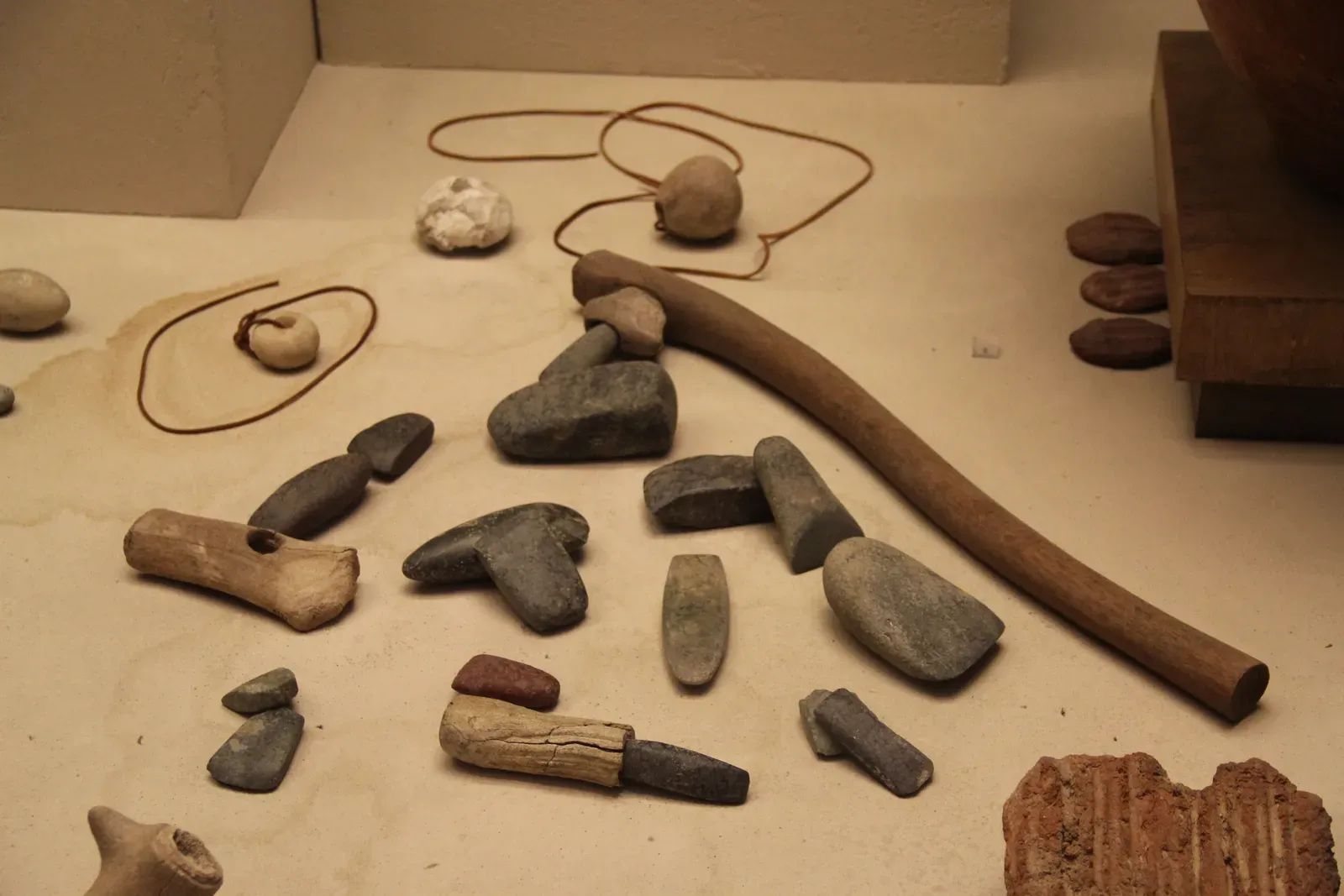
One of the most shocking truths, if you grew up on cartoons, is that prehistoric people were serious tech geeks for their time. Stone tools might sound simple, but shaping a stone so it flakes in exactly the right way is not brute force; it is fine motor control, practice, and planning. Archaeologists have shown that many stone tool traditions required people to mentally picture how a stone would break several blows in advance, the same kind of thinking a modern engineer uses when designing a part.
Over tens of thousands of years, toolkits became more diverse and specialized: blades, scrapers, awls, needles, fishing gear, grinding stones, even complex composite tools made by binding different materials together. That kind of refinement does not come from a species stumbling around; it comes from teaching, experimentation, and cultural transmission. If you dropped most of us into the Ice Age with a pile of rocks and told us to make a reliable spear point, we’d probably be the ones looking primitive.
They Lived in Social Worlds Full of Cooperation and Care
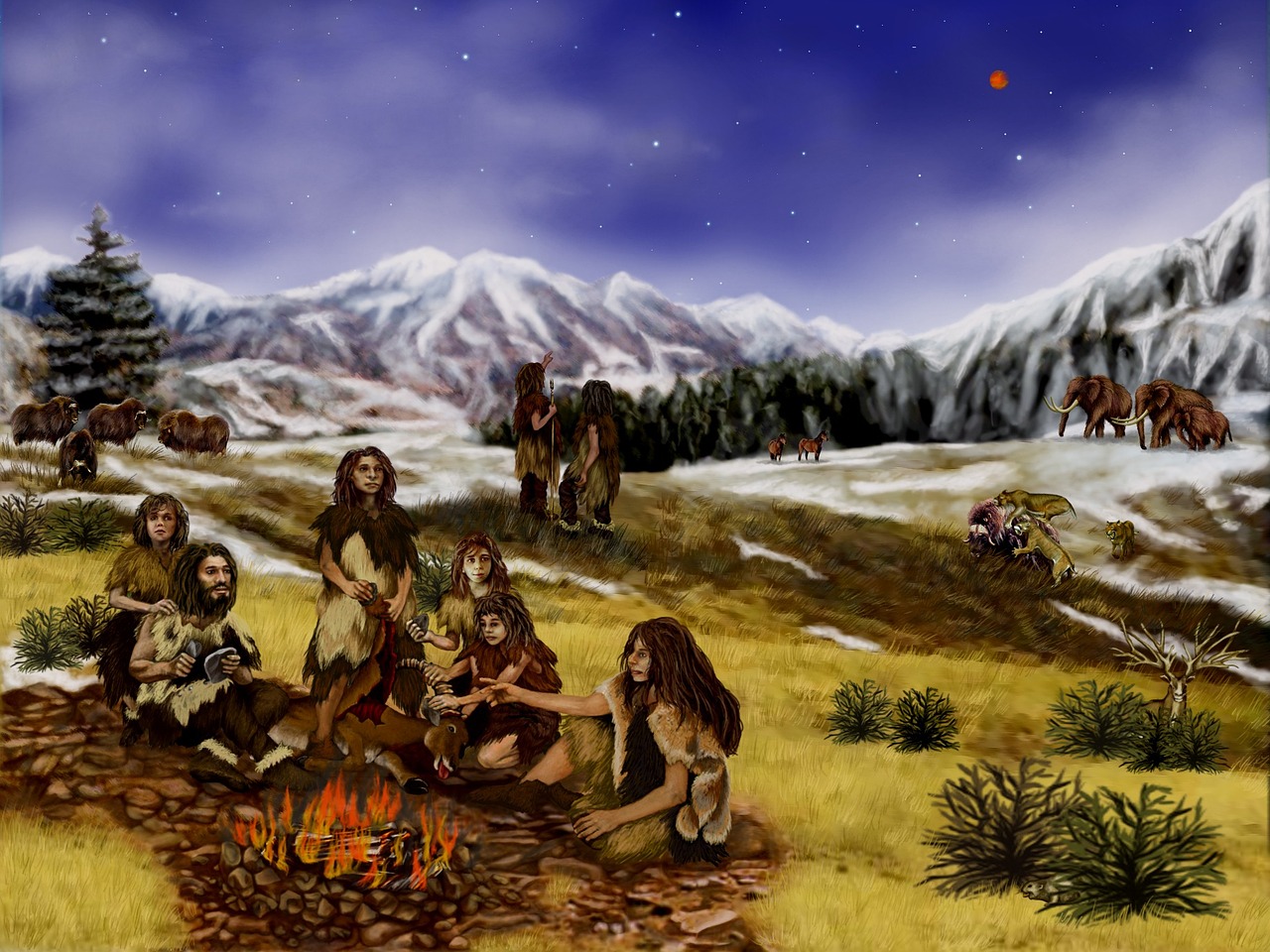
The “savage caveman” stereotype imagines everyone as violent loners, but ancient skeletons and camp remains tell a very different story. Anthropologists have found individuals who lived for years with severe injuries or disabilities that would have made it impossible to hunt or gather effectively. That means others in the group shared food and helped them move, because you do not survive long-term with a shattered limb or serious illness unless people step up for you. Compassion and mutual aid, not constant chaos, kept groups alive.
There is also evidence that early humans managed group living with norms and expectations, even if they did not have written laws. Patterns in how camps were laid out, how resources were shared, and how burials were arranged point to roles and rules that people followed. You do not need a parliament to have social order; you just need shared understanding and consequences. In a way, those small, tight-knit bands probably felt more like a village family drama than an action movie – full of negotiations, jokes, obligations, tensions, and long memories.
Language and Symbolic Thought Went Way Beyond Grunts
The image of a caveman pointing and grunting through life falls apart the moment you think about what it takes to teach a child to knap a stone or to coordinate a group hunt. Most anthropologists agree that by the time of our own species’ global spread, humans were using rich, flexible spoken language. You simply cannot communicate the steps of a multi-day migration, the details of seasonal plants, or the sharing rules for a big kill with just three sounds and a shrug. Complex survival demands complex conversation.
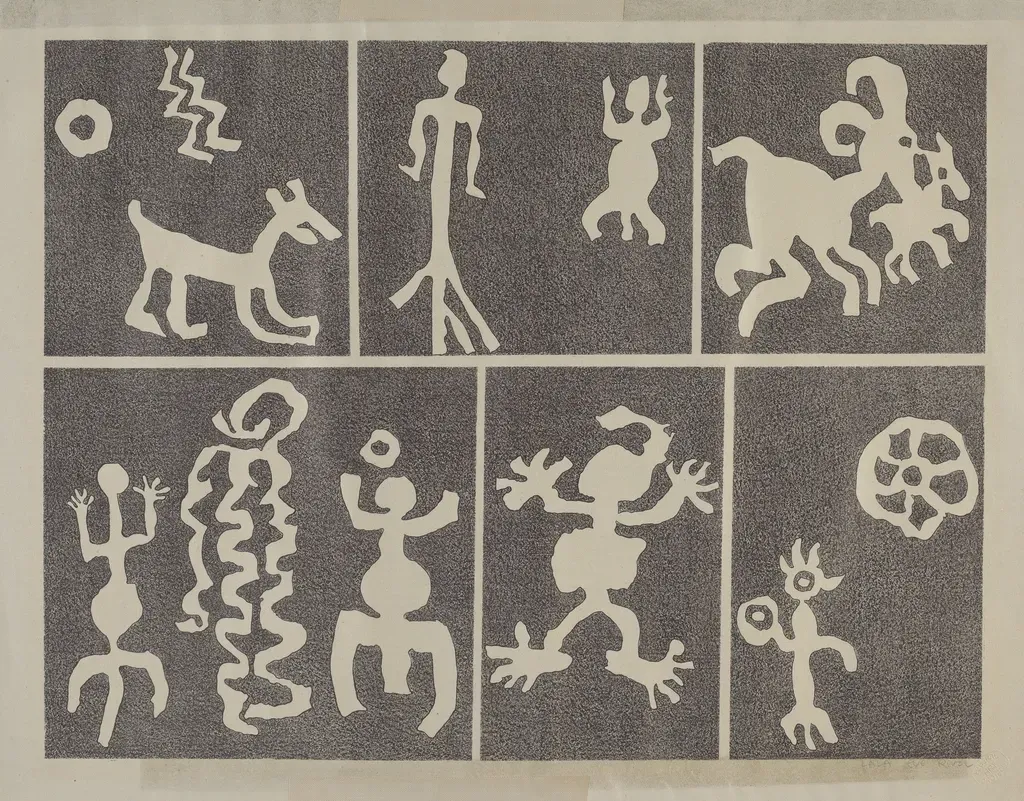
On top of that, symbolic behavior – things that stand for ideas, not just practical needs – shows up all over the archaeological record. There are beads, carved objects, pigments used on bodies and surfaces, possible early musical instruments, and later, unmistakable art and engravings. This symbolic world hints at stories, identities, maybe even myths that people told around fires. If anything, the real prehistoric mind looks less like the stereotype of a grunting beast and more like a human brain shaped by a different environment but still struggling with meaning, status, fear, and hope.
Art, Ritual, and Burial Practices Reveal Emotional Depth
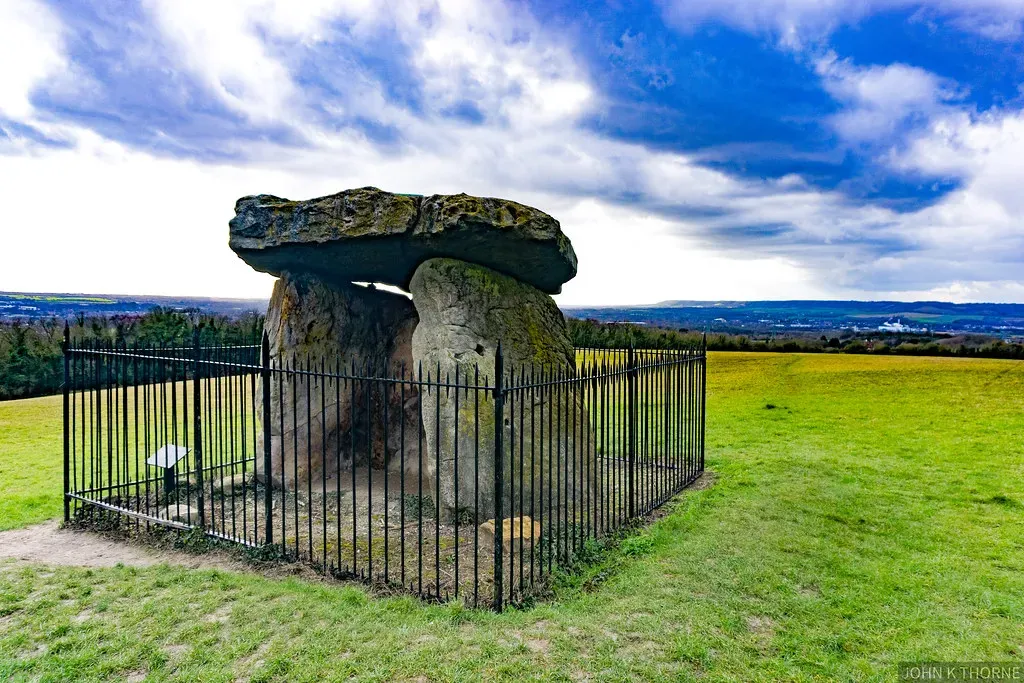
For a long time, people imagined prehistory as a flat, joyless grind for survival, but that misses one of the most human things about humans: we turn our fears and questions into rituals and symbols. Archaeological sites show burials that were more than just quick disposals of bodies. Some graves include carefully placed bodies, pigment like red ochre, tools, ornaments, or animal bones arranged in meaningful ways. This suggests that people thought about death, identity, and possibly some form of existence beyond the moment, or at least felt the need to honor their dead.
Then there is art – from early markings and carved objects to later cave paintings and carved figures. Even the simplest abstract engravings point to people wanting to mark, remember, or express something that went beyond hunger and cold. As someone who has stood in front of Ice Age cave art, I can tell you it feels almost eerie; the hands and animals painted on the rock are not the work of monsters, they are the work of artists who knew what it meant to see beauty and danger in the same landscape. Calling them “savages” feels like calling a composer a noisemaker just because they used a different instrument.
Neanderthals: The Poster Child for a Stereotype That Got It Wrong
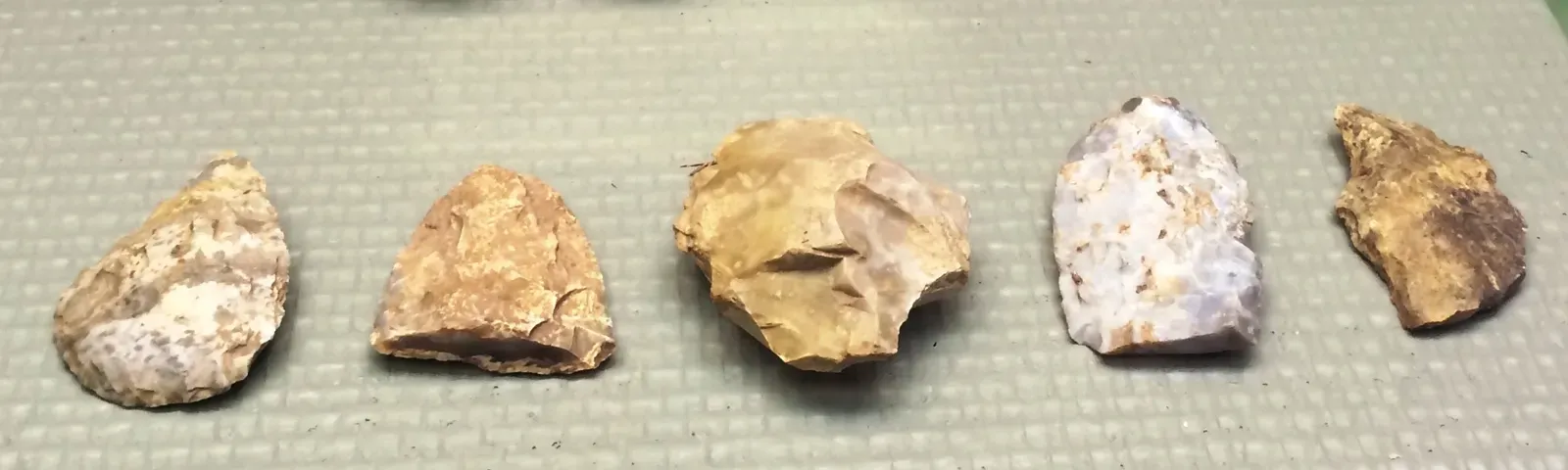
If any group has been done dirty by pop culture, it is Neanderthals. For decades, they were used as shorthand for clumsy, half-animal creatures, but modern research paints a very different picture. Neanderthals made sophisticated stone tools, used fire, hunted large animals strategically, and adapted to harsh Ice Age environments. There are signs that they may have used pigments and ornaments, cared for injured individuals, and possibly engaged in some form of symbolic behavior or ritual. That is not the résumé of a mindless brute.
Genetic studies also show that many modern humans, especially outside Africa, carry a small amount of Neanderthal ancestry. That means our ancestors did not just fight them; they lived close enough, long enough, and intimately enough to have children together. It is hard to keep thinking of Neanderthals as some separate, inferior species once you realize that traces of them literally live in our bodies today. The stereotype says “dumb caveman,” but the evidence says “complex cousin” who shared more with us than we once wanted to admit.
Prehistoric Life Was Dangerous, But Not Pure Chaos and Violence
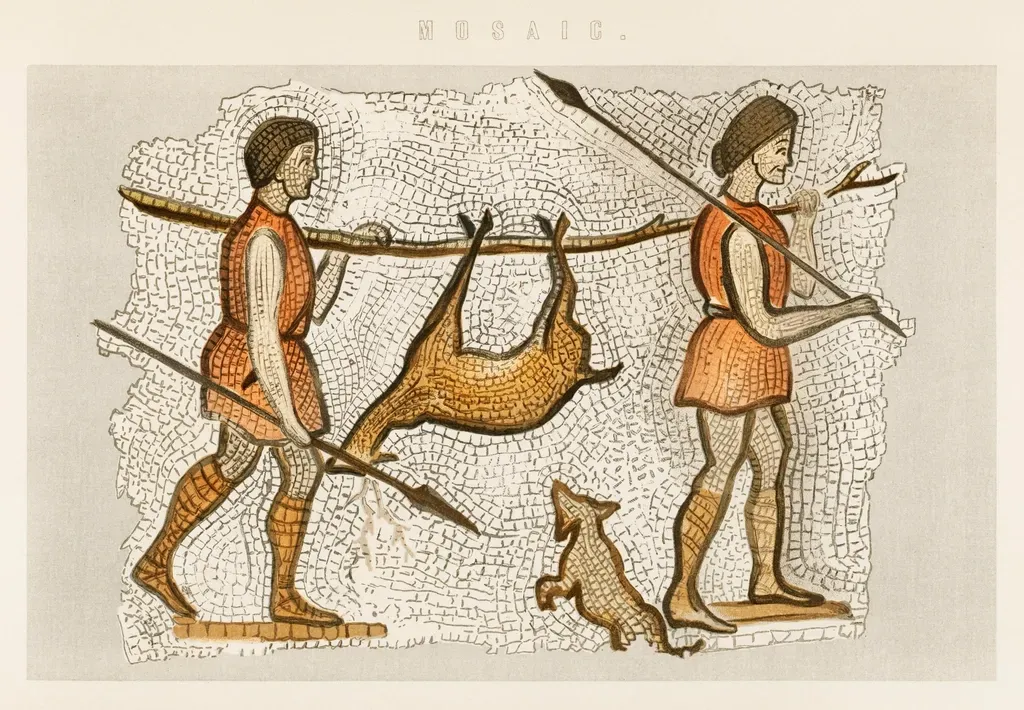
There is no sugarcoating it: life tens of thousands of years ago was risky. Injuries, infections, childbirth, animal attacks, hunger, and conflicts all left deep marks on bones and on survival odds. But that does not mean people were constantly in a frenzy of pointless violence, as some macho fantasies like to imagine. Anthropologists studying hunter-gatherer societies, including more recent ones, often find that cooperation and conflict management are crucial, because small groups cannot afford endless feuds without falling apart.
Evidence of interpersonal violence does exist in the record, including healed injuries and some tragic trauma, yet it appears alongside long-term care, shared resources, and relatively egalitarian structures in many foraging groups. The idea that “primitive” automatically equals “brutally violent” says more about modern anxieties and prejudices than about ancient reality. When we project nonstop bloodshed onto the past, we risk justifying harshness in the present, instead of learning from the fact that human survival has usually depended on people finding ways to live together without destroying one another.
Why the Caveman Myth Still Hangs Around – and Why It Matters
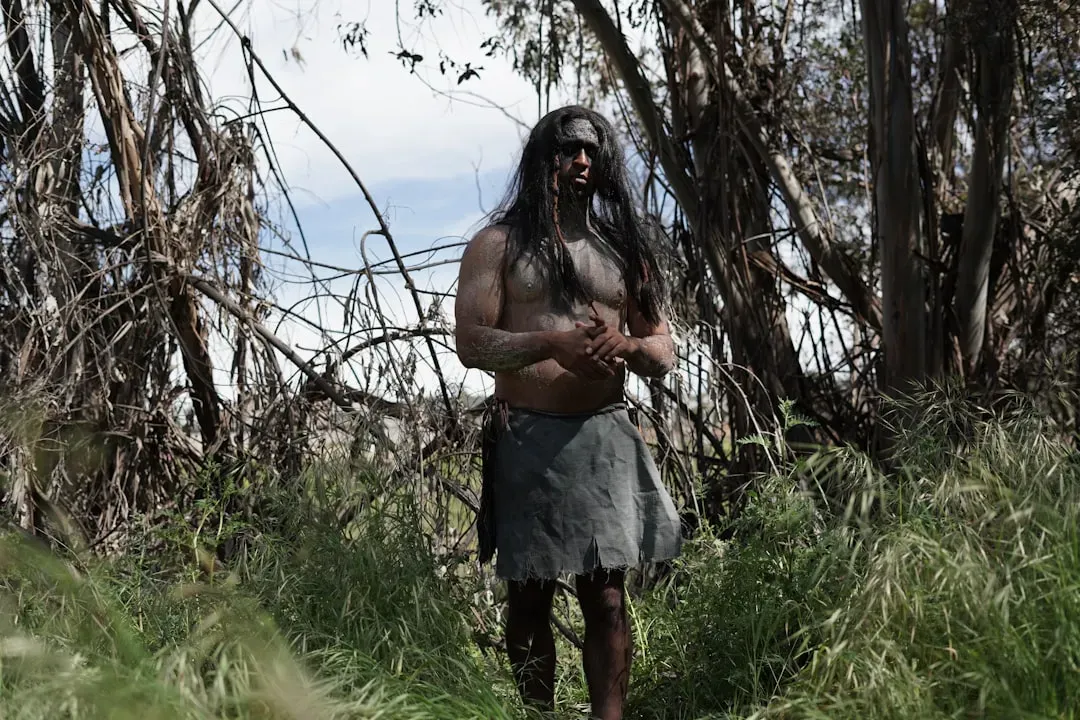
So if the evidence for nuanced, intelligent, emotionally rich early humans is so strong, why does the snarling caveman image refuse to die? Part of it is simple storytelling: it is easier to sell movies, cartoons, and jokes with wild-eyed brutes than with quiet scenes of cooperative childcare and careful flint knapping. Another part is that the myth offers a weird kind of comfort. When we tell ourselves that our ancestors were hopeless savages, it lets us feel superior and modern, as if cruelty and ignorance are safely behind us instead of things we still wrestle with today.
The trouble is, that story quietly feeds ugly ideas about which people are “civilized” and which are not. Throughout history, some groups have been compared to cavemen or “primitive” tribes as a way to justify exploitation or dismiss their knowledge. When anthropologists push back on the caveman stereotype, they are not just nitpicking; they are defending a basic truth that matters right now: humans have always been more complex than the worst caricatures of them. Recognizing that our deep past was full of thinkers, carers, and creators forces us to admit that we are not the peak of humanity, just its current chapter.
Conclusion: Dropping the Caveman Cartoon and Owning Our Real Origins
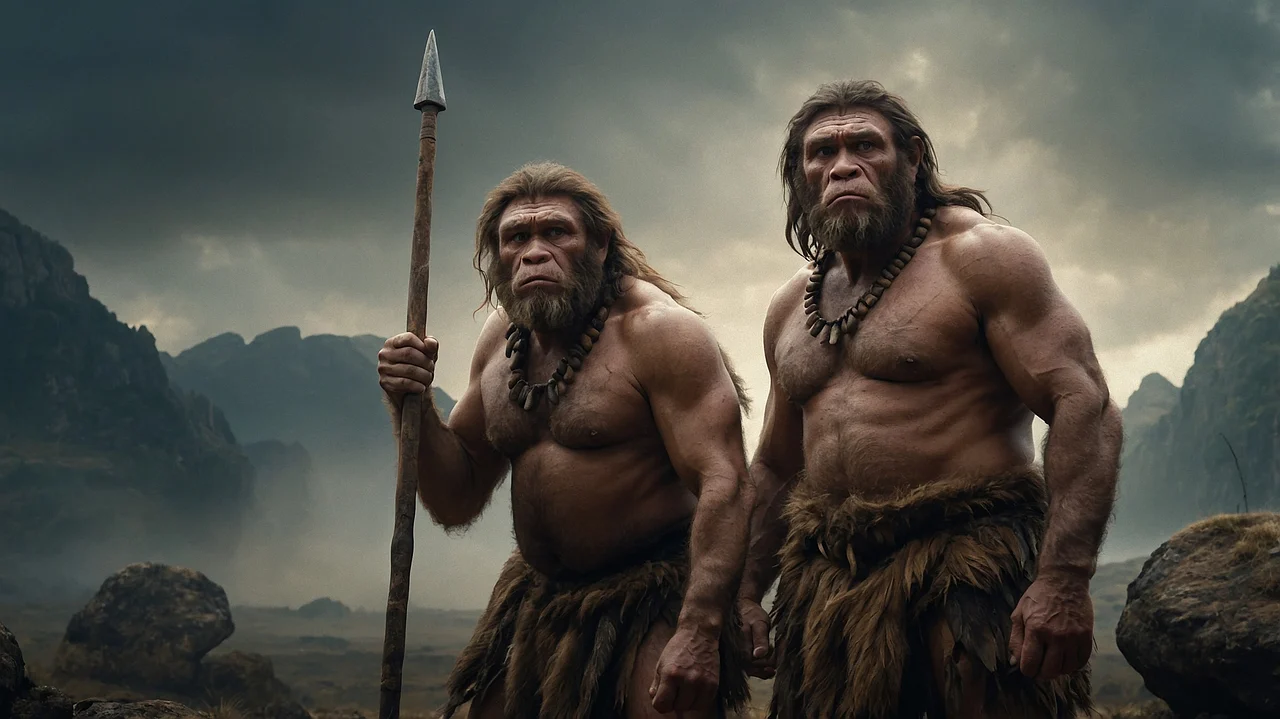
The more we learn, the more the “savage caveman” stereotype looks not just wrong, but lazy and a little insulting to our own species. Early humans and their relatives were thinkers, makers, parents, allies, rivals, artists, and survivors trying to make sense of a dangerous world with the tools and stories they had. They built technologies out of stone and bone, shared food, cared for the sick, mourned their dead, and painted their fears and dreams on cave walls. To keep imagining them as filthy, one-dimensional brutes is like looking at a modern city and seeing only the trash cans.
In my opinion, clinging to the caveman myth does more harm than we admit, because it lets us pretend that cruelty and ignorance belong to some distant, inferior past instead of being choices we still make today. When we see our ancestors clearly – as flawed but fully human beings with rich inner lives – we are forced to take more responsibility for what we do with the power and knowledge we have now. Maybe the real question is not whether “cavemen” were savage, but whether we, with all our technology and information, are willing to be any wiser. Did you expect the past to look this much like us?