Picture yourself stepping into a time machine, dialing it back to approximately 252 million years ago, and emerging into what we now call the Triassic period. What would greet you isn’t the familiar world you’d recognize, but something that looks like it was dreamed up by the most creative science-fiction writers. The creatures roaming this ancient Earth seemed to have been designed by nature’s most experimental phase – a biological laboratory where anything was possible and everything was tried at least once.
The Great Reset That Changed Everything
The Triassic period began with what scientists call “the largest mass extinction event in the history of the Earth”, wiping out about 96% of marine species and 70% of terrestrial vertebrate species. This catastrophic event, known as the Great Dying, essentially cleared the evolutionary playing field. When conditions recovered, much of the planet was empty and waiting for the few species that survived to expand into it. They did, and they developed in all sorts of strange ways.
The aftermath was like nature hitting the reset button, but with far more creativity than any video game designer could imagine. Life that survived the so-called Great Dying repopulated the planet, diversified into freshly exposed ecological niches, and gave rise to new creatures, including rodent-size mammals and the first dinosaurs. It was an evolutionary free-for-all where the most bizarre body plans weren’t just tolerated – they thrived.
Tanystropheus: The Giraffe-Lizard Hybrid
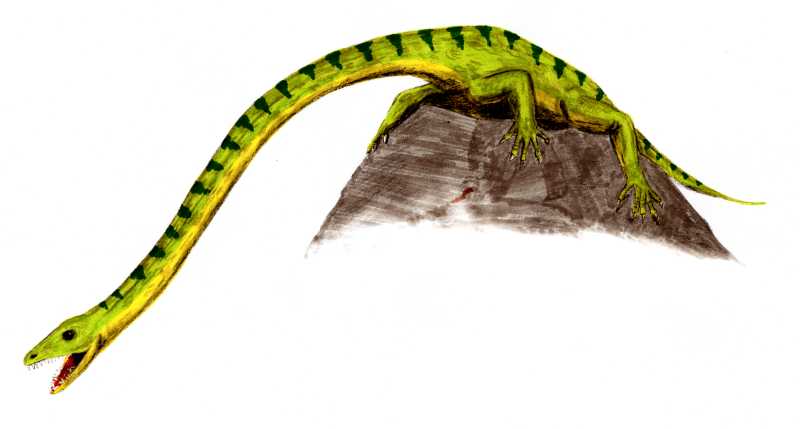
If you needed proof that Triassic creatures looked like science-fiction monsters, look no further than Tanystropeus. The neck of Tanystropheus was extraordinarily long, equal to the length of its body and tail combined. Imagine a 20-foot reptile where half of that length was nothing but neck – it’s like someone took a normal lizard and stretched its neck through a medieval torture device.
Scientists think Tanystropheus was semi aquatic, spending some of its life standing on the shoreline, sticking its big neck out like an amateur angler. The outrageously long neck meant it could reach far from shore to pluck fish without even having to get into the sea. This creature essentially functioned as a living fishing rod with legs. Nature had created what looked like a biological impossibility, yet fossil evidence proves these neck-heavy reptiles were real and successful.
Drepanosaurs: The Chameleon-Lizards with Weaponized Tails
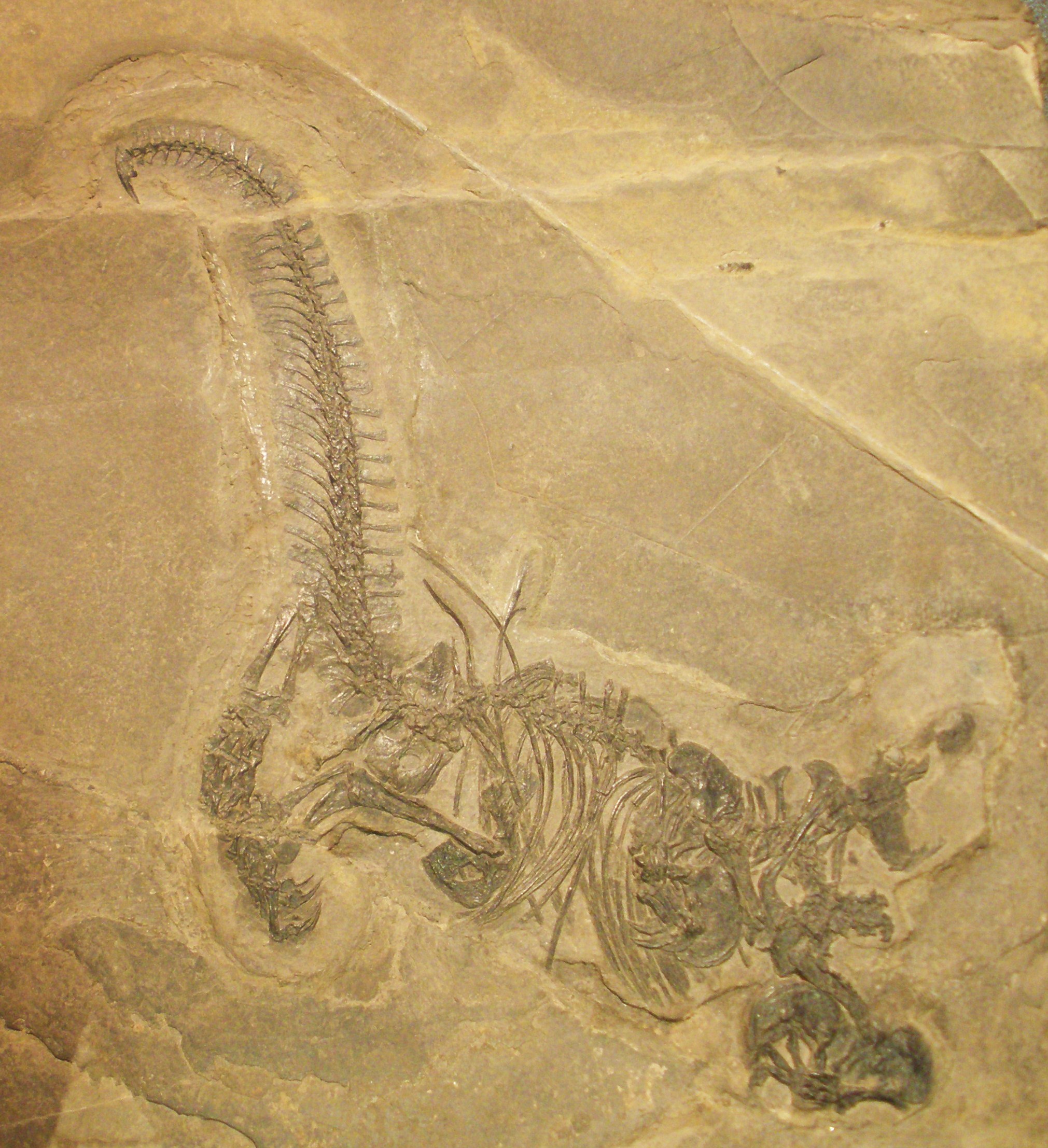
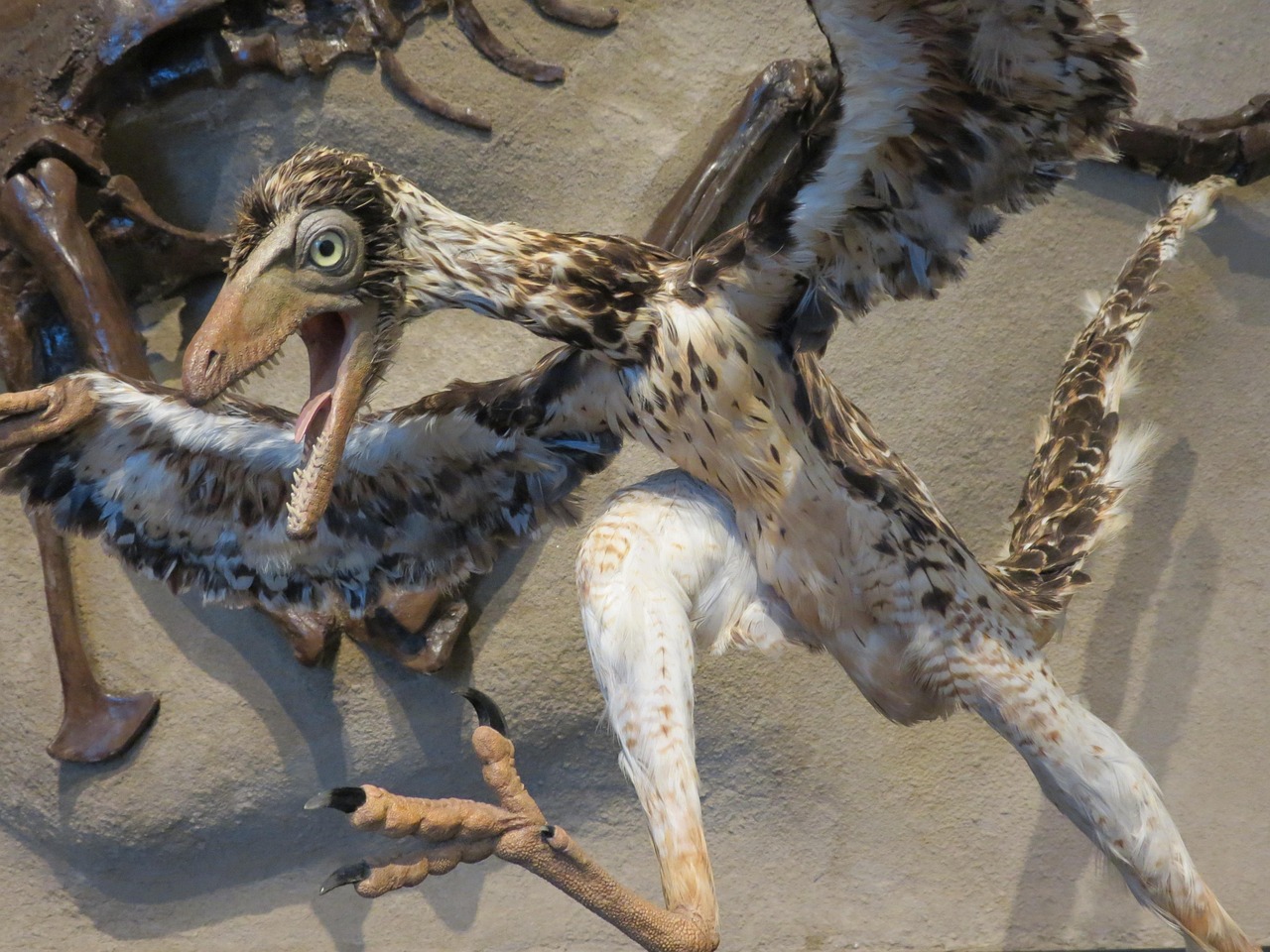
Even by Triassic standards, the drepanosaurs were spectacularly weird. Drepanosaurs were truely strange animals, and even today no one is quite sure where exactly they fit on the evolutionary tree. These creatures looked like someone had crossed a chameleon with medieval weaponry. Others included the incredibly long-necked Tanystropheus and, potentially, the bizarre chameleon-like drepanosaurs, which had a claw on the end of their tails.
Picture a lizard that moved like a chameleon, complete with grasping hands, but armed with what was essentially a biological battle-axe where its tail should be. Kyrgyzsaurus was an early drepanosaur, a type of chameleon-like reptile that became more diverse and widespread later in the Triassic. These animals represent one of evolution’s strangest experiments – creating predators that hunted with weaponized rear ends.
Aetosaurs: Nature’s Living Tanks
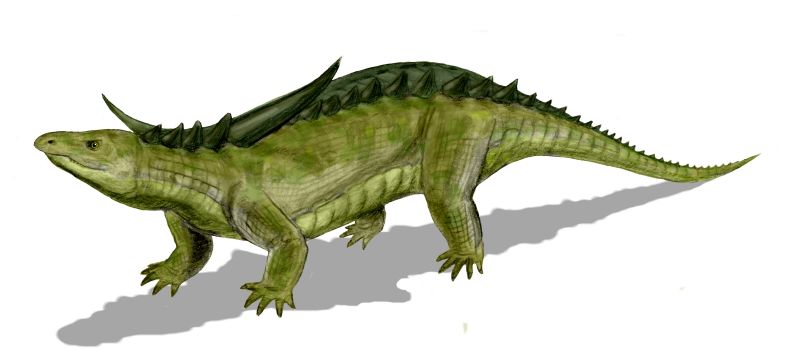
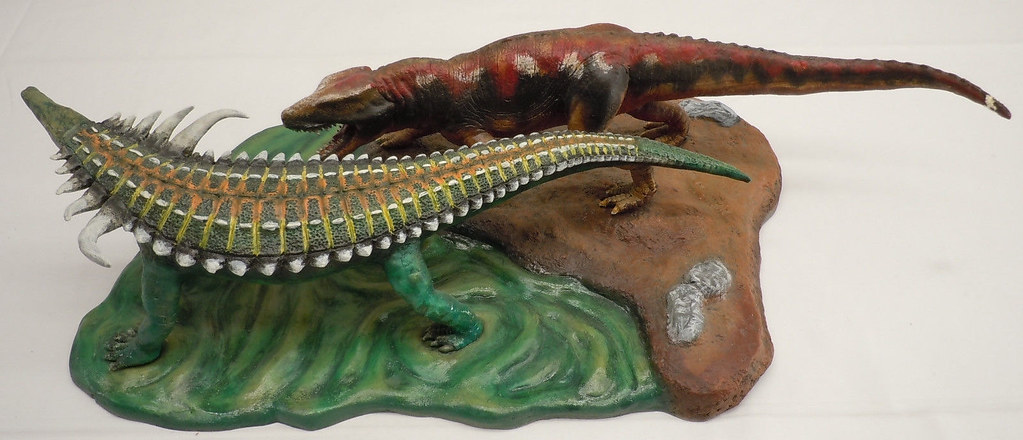
The Triassic period produced what can only be described as biological armored vehicles. The Triassic world was filled with a vast variety of crocodilian species. The aetosaurs were unique among the early crocodiles since they were herbivorous. Unlike modern crocs, they were vegetarians. These creatures looked like someone had taken a crocodile, covered it in medieval plate armor, and then decided it should eat salad instead of meat.
And Stagonolepis was one of the most prevalent of the stagonolepids at the close of the Triassic. Its long, narrow body was armor-coated, and it was capable of reaching a length of nine feet. ‘There were a lot of weird groups of Triassic archosaurs at this time, such as aetosaurs,’ says Mike. ‘These were large, armoured animals which looked a bit like some of the armoured dinosaurs that appeared much later.’
Phytosaurs: The Crocodiles That Weren’t
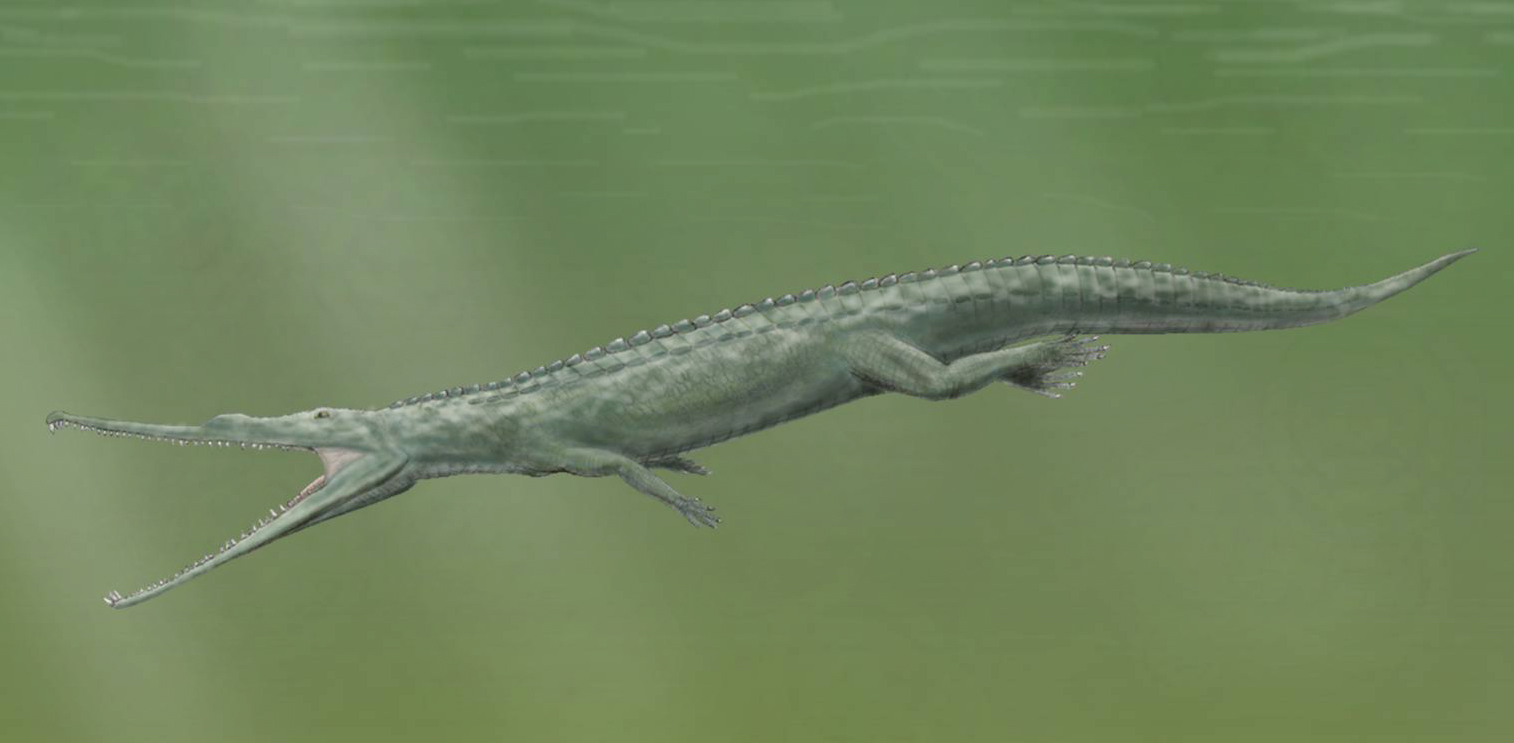
One of the most mind-bending aspects of Triassic fauna was convergent evolution gone wild. Another successful group was the phytosaurs. These animals looked quite crocodilian, but were from a different branch of the archosaurian tree. Imagine discovering what looks exactly like a modern crocodile, complete with the long snout and semi-aquatic lifestyle, only to learn it’s not related to crocodiles at all.
Phytosaurs were large, semi-aquatic predatory reptiles that looked – and acted – like modern-day crocodiles. Their long snouts were filled with hundreds of sharp teeth, which were likely to have evolved for catching fish. These creatures demonstrate how the Triassic was a period where nature seemed to be beta-testing body plans, creating what looked like familiar animals but from completely different evolutionary starting points.
Lystrosaurus: The Pig-Lizard That Ruled the World
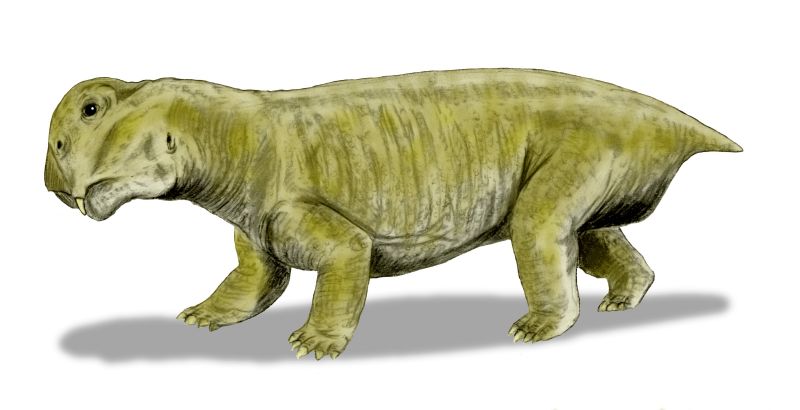
After the Great Dying, one creature became so successful it essentially dominated the entire planet. One of the greatest survivors in all of Earth’s history was a humble creature named Lystrosaurus. It was a dog-sized animal whose peculiar lineage evolved about 270 million years ago, and looked like a cross between a pig and a lizard. Snub-faced and splay-legged, it was a burrower with powerful front legs who probably dug its own den every night.
They were so successful that at one point in the early Triassic, these synapsids were the single most common vertebrate on land. This weird pig-lizard hybrid with tusks and a beak essentially became Earth’s dominant species. These therapsids rebounded as disaster taxa during the early Mesozoic, with the dicynodont Lystrosaurus becoming extremely dominant among early Triassic vertebrates – imagine a world where nearly every large animal you see looks like a bizarre cross between livestock and reptiles.
Placodonts: The Turtle-Like Giants That Weren’t Turtles
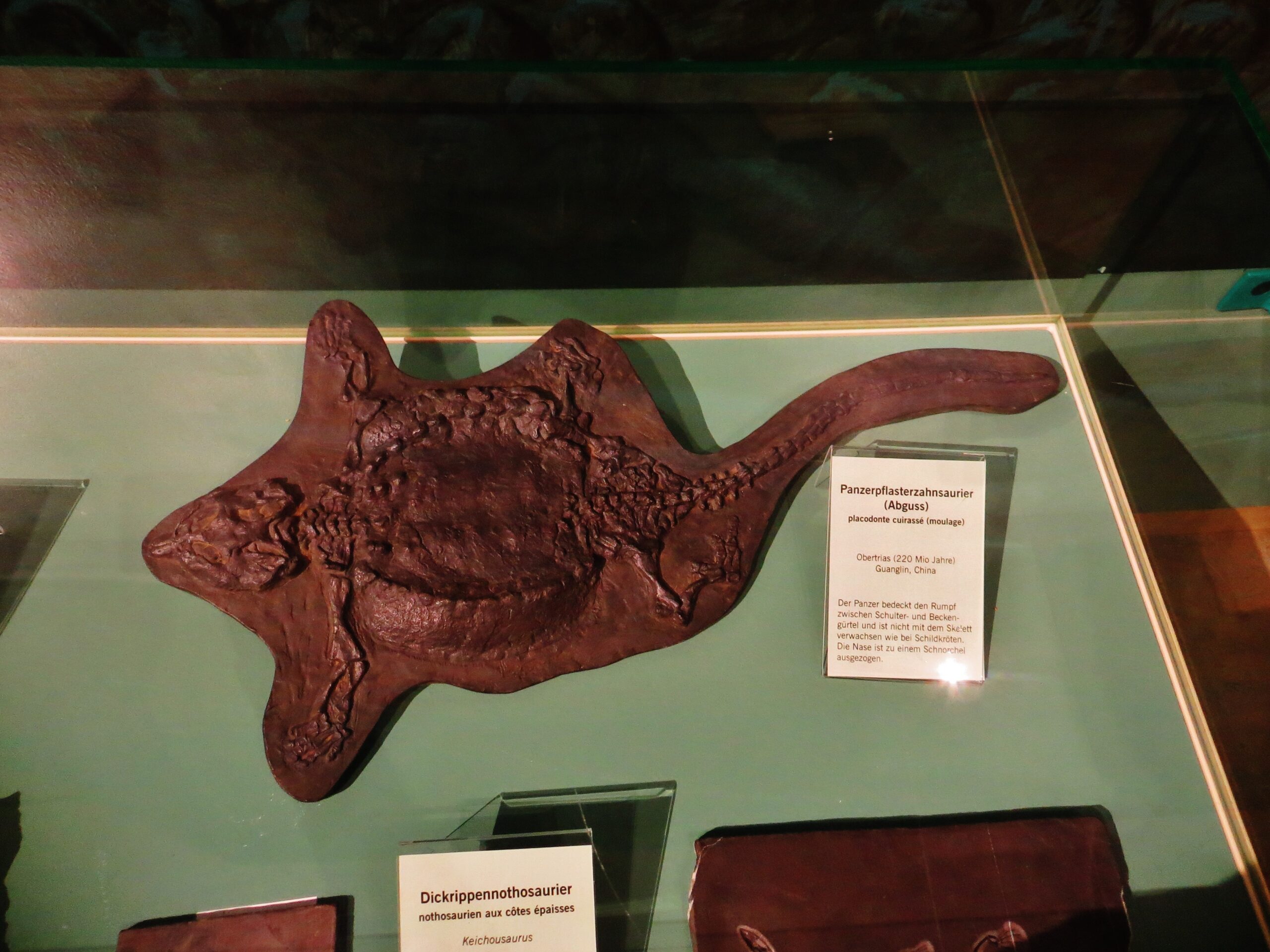
The oceans of the Triassic were equally bizarre. Not to be confused with the Devonian armored fish known as placoderms (meaning “plate skin”) such as Dunkleosteus, placodonts (“plate teeth”) were a group of turtle-like relatives of plesiosaurs (Nessie-like aquatic reptiles) that were completely unrelated to turtles. They had many stranger shell geometries than modern turtles, and had flat teeth for crushing the shells of their prey.
These marine reptiles looked like someone had taken the concept of a turtle and run it through a fun-house mirror. Placodonts were an order of turtle-like Triassic marine reptiles that lived in what is now Europe, the Middle East and China. Caldwell told Live Science that placodonts “had incredibly bad buck teeth that they could have picked apples through a picket fence with.” Picture a turtle with front teeth so prominent it looked like a swimming beaver with a shell.
Archosaurs vs Synapsids: The Ultimate Evolutionary Arms Race
The Triassic wasn’t just weird because individual creatures were bizarre – it was weird because two completely different evolutionary strategies were locked in an epic arms race. Cynodonts and avemetatarsalian archosaurs engaged in arms races through the Triassic, as their metabolic rates speeded up. Birds and mammals are key elements of modern ecosystems, and many biologists explain their great success by their endothermy, or warm-bloodedness. New palaeontological discoveries point to the origins of endothermy in the Triassic, and that birds (archosaurs) and mammals (synapsids) likely acquired endothermy in parallel.
The new world of the Triassic was characterised by a fast-paced arms race between synapsids and archosauromorphs in which the latter, as both dinosaurs and pterosaurs, initially prevailed. This biological cold war produced increasingly bizarre adaptations as each group tried to out-compete the other, resulting in creatures that looked like they belonged in different science-fiction universes battling for dominance.
Convergent Evolution Creating Sci-Fi Doubles
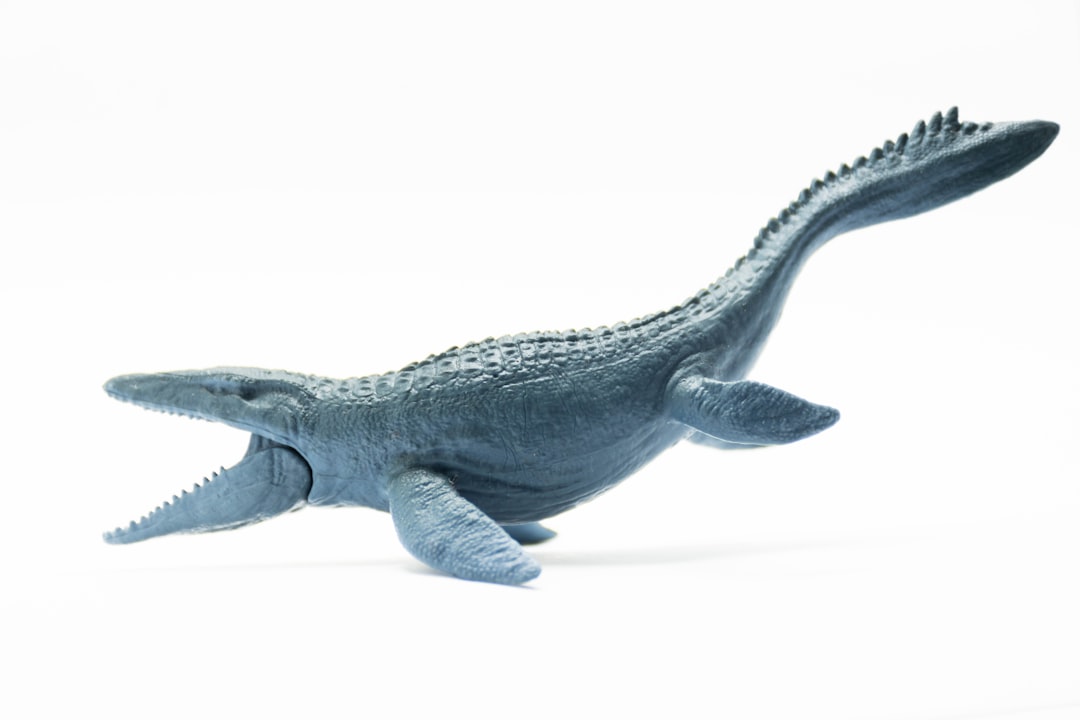
Perhaps what makes Triassic creatures seem most science-fictional is how convergent evolution created multiple versions of similar adaptations. This similarity represents a superb example of ‘convergent evolution’. There’s possibly only one way to design a really-good fast-swimming predatory sea creature. The result was that This diverse group of pointed-nose predators evolved to have dolphin- or fish-like bodies, but they looked far more menacing. Ichthyosaurs evolved around 250 million years ago and went extinct around 90 million years ago. While there were ichthyosaur species as small as 1 foot (0.3 m) long, the group was home to several giants in the late Triassic period.
The Triassic was essentially nature’s special effects department, independently inventing similar-looking creatures multiple times. You had crocodile-like phytosaurs that weren’t crocodiles, turtle-like placodonts that weren’t turtles, and dolphin-like ichthyosaurs that were neither dolphins nor fish but reptiles.
Giant Synapsids That Defied Expectations
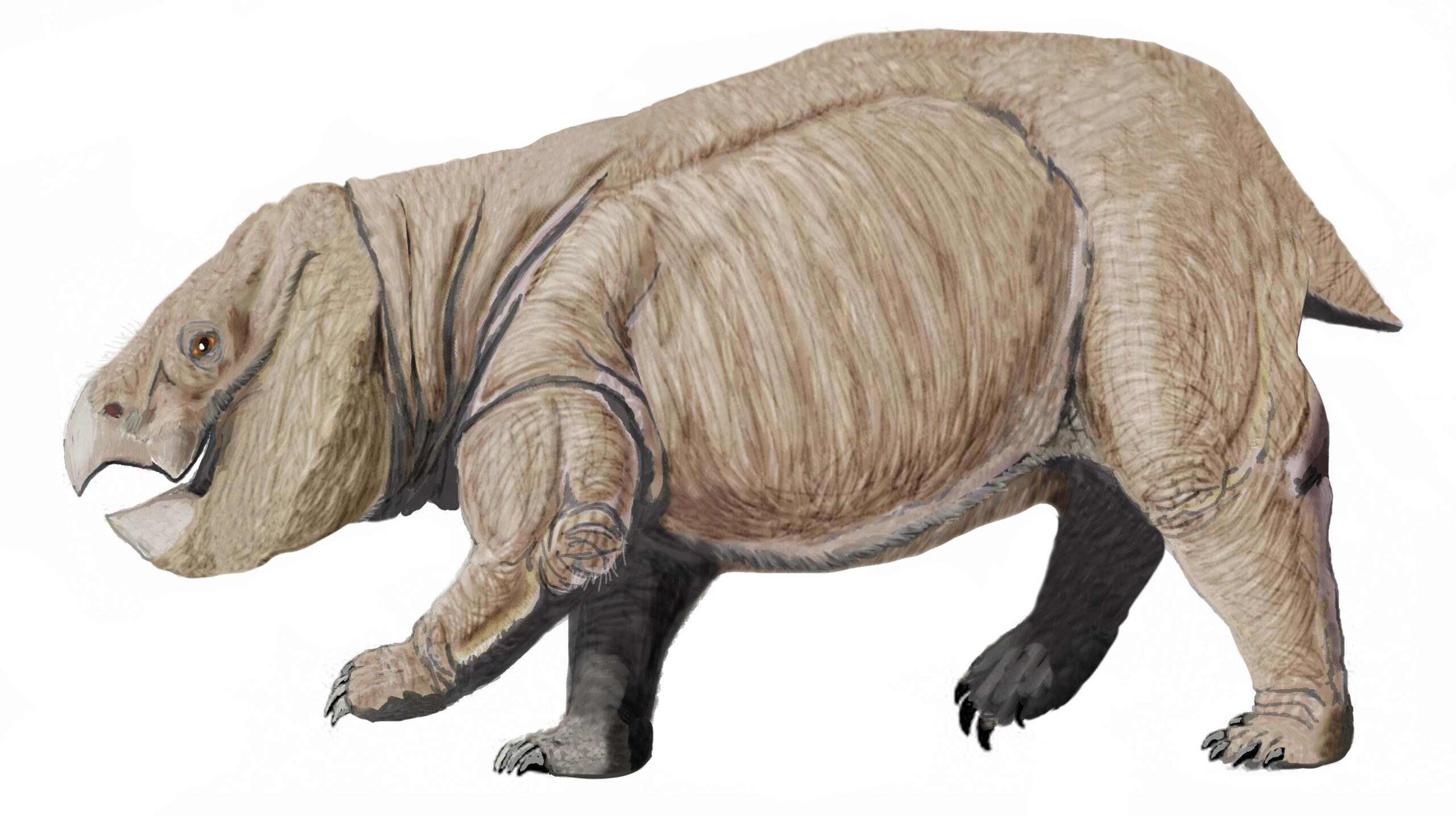
Just when you thought you understood Triassic weirdness, paleontologists discovered creatures that broke all the rules. Sulej and Niedźwiedzki, however, describe a dicynodont from the Late Triassic of Poland that is as large as some coexisting dinosaurs and appears to have had an erect gait – like modern mammals. Thus, megaherbivores in the Triassic were not only dinosaurs. Here, we describe the dicynodont Lisowicia bojani, from the Late Triassic of Poland, a gigantic synapsid with seemingly upright subcursorial limbs that reached an estimated length of more than 4.5 meters, height of 2.6 meters, and body mass of 9 tons.
This discovery shattered assumptions about what mammal-line animals could achieve. Imagine finding fossilized remains of what essentially amounted to an elephant-sized mammalian ancestor with erect limbs, living alongside early dinosaurs. It was like discovering that your great-great-grandfather was secretly a giant who could run on two legs.
The Experimental Laboratory of Evolution
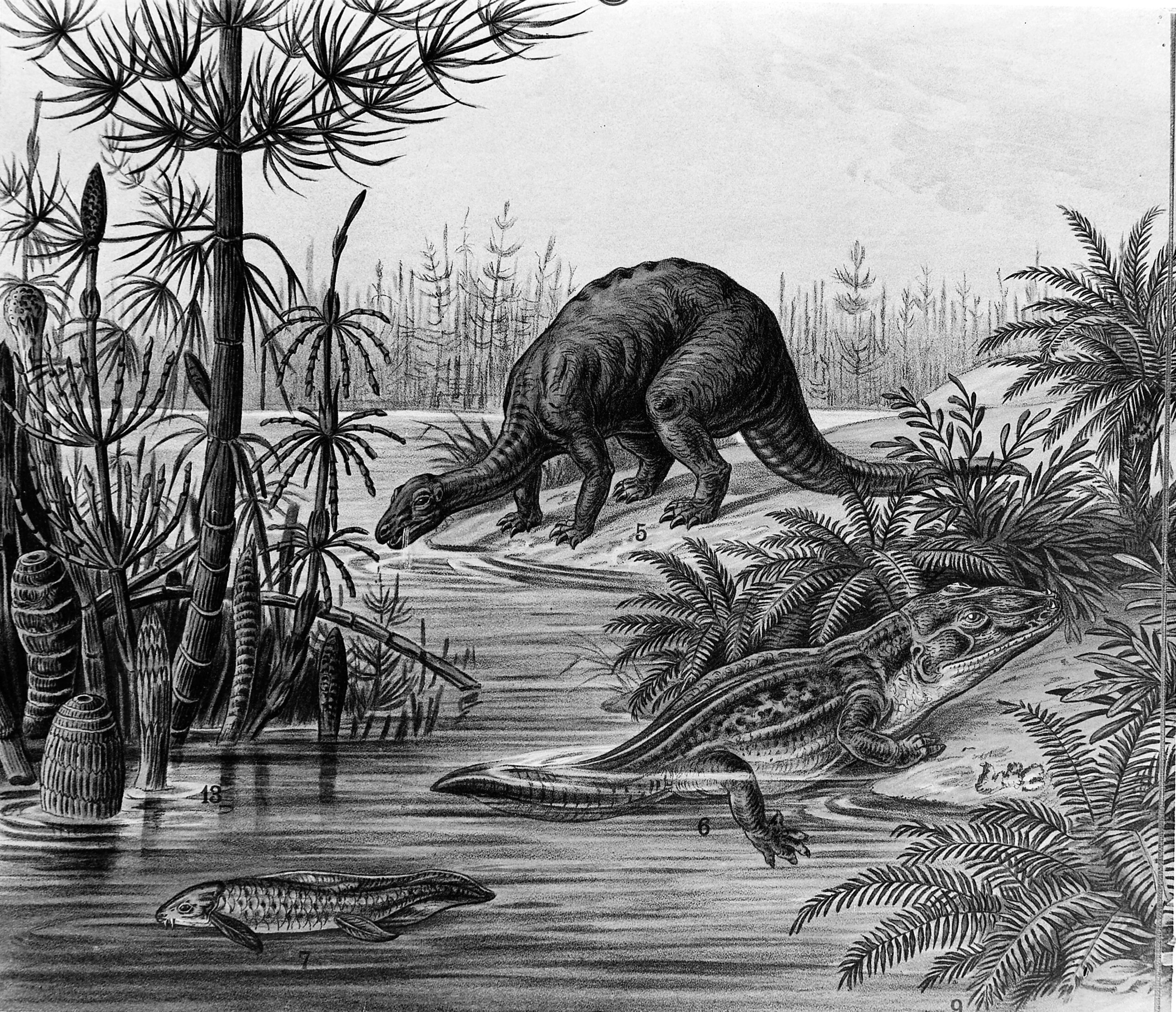
The Triassic period represents what can only be described as evolution’s most experimental phase. Bordered by two of the Big Five mass extinctions, it was a period of recovery and rapid diversification. Many of the lineages that appeared didn’t make it through the Triassic-Jurassic extinction at the end of the period, so there are many animal groups that are unique to the Triassic, never seen before or since. It was as if nature had been given unlimited creative license and decided to try every possible body plan imaginable.
Safe to say, if that thing existed in any other era, it’d never have survived, but luckily for our billed bud it lived in the Triassic. There was very little competition in that post-mass extinction world and every niche was up for grabs. The absence of established ecological relationships meant that bizarre adaptations weren’t just possible – they were often the most successful strategies.
Conclusion: Nature’s Science Fiction Becomes Reality
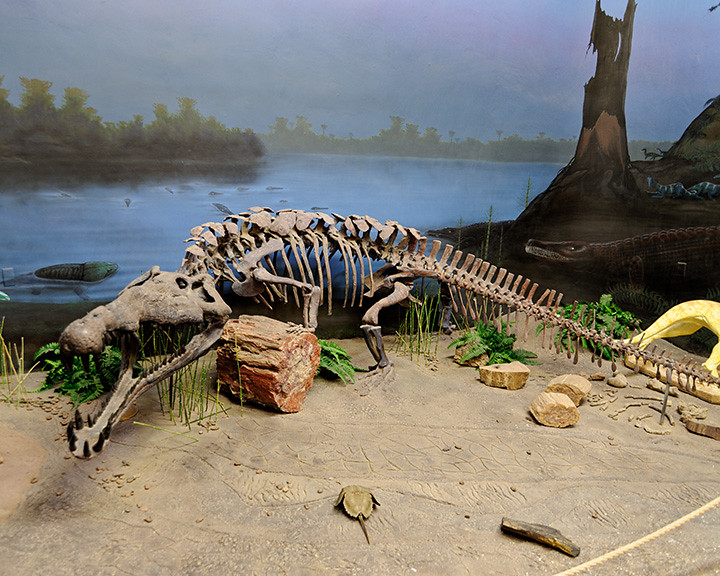
The Triassic creatures look like science-fiction creations because they represent evolution at its most uninhibited. In a world recovering from the worst mass extinction in Earth’s history, survival required innovation, and innovation produced forms so bizarre they seem fictional. These weren’t creatures designed by committee or constrained by evolutionary precedent – they were nature’s wild experiments in a laboratory with no rules.
When we look at fossils of neck-heavy Tanystropheus, weaponized drepanosaurs, or armored vegetarian crocodiles, we’re seeing what happens when evolution gets creative license. The Triassic period proves that reality can be stranger than fiction – it just happened 250 million years before anyone was around to appreciate how utterly science-fictional these real creatures actually were. In a way, the Triassic period was Earth’s golden age of biological science fiction, and we’re still discovering just how wild that story really was. What would today’s sci-fi writers think if they knew that nature had already beaten them to the punch by a quarter of a billion years?