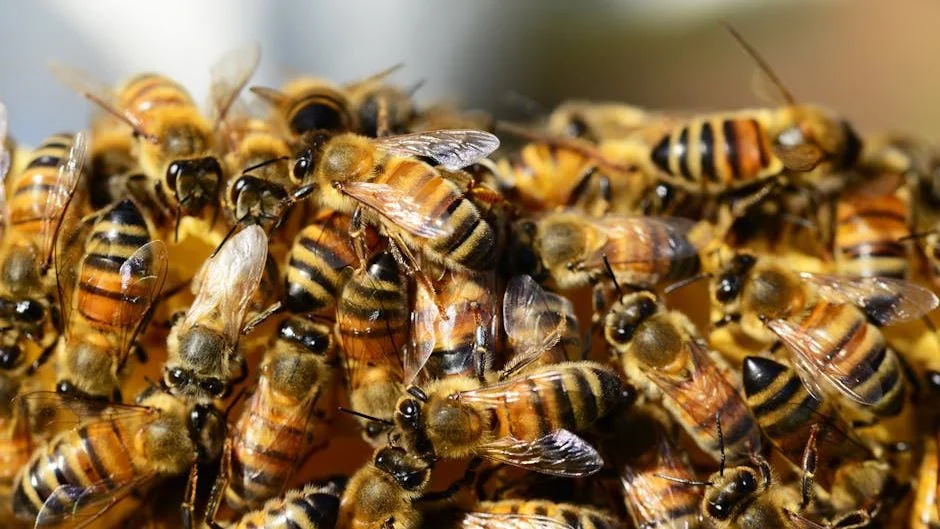
Researchers uncovered a striking disconnect in a recent Toronto survey: residents showed strong backing for bee conservation while demonstrating limited awareness of the insects’ true diversity. Although approximately 20,000 bee species contribute vital functions to ecosystems worldwide, public perceptions centered heavily on the European honeybee, which is not native to North America. This gap persisted even as participants endorsed protective measures, highlighting how enthusiasm alone may fall short without deeper understanding.
Survey Spotlights Familiarity with One Bee Over Many
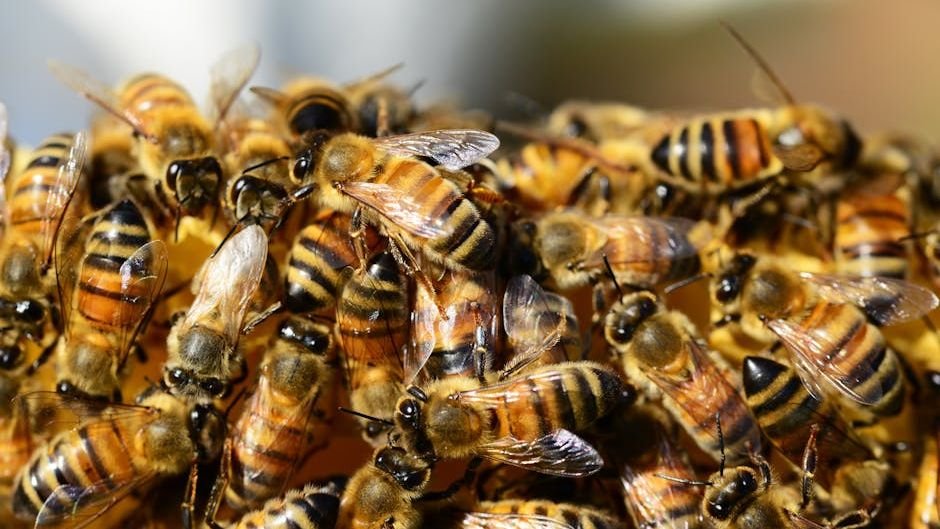
Survey Spotlights Familiarity with One Bee Over Many (Image Credits: Pexels)
The study, conducted through an online questionnaire among Toronto residents, probed attitudes toward bees and ongoing conservation efforts. Respondents recognized the critical role bees play in ecosystems but associated them predominantly with the European honeybee. This species, introduced to North America, dominates media and cultural references, overshadowing the thousands of native varieties.
Findings indicated that the remarkable species richness escaped most participants. Native bees, adapted to local environments, perform essential pollination tasks that sustain biodiversity. Yet the survey revealed scant public grasp of this variety, a factor that could undermine targeted conservation.
Universal Endorsement Despite Limited Insights
Support for bees proved nearly unanimous across the surveyed group. Participants valued bees for their ecological contributions and expressed willingness to aid their survival. This broad approval stood out, even amid acknowledged knowledge deficits.
Such positivity suggests a fertile ground for conservation campaigns. However, the research emphasized that surface-level support requires bolstering with education to translate into meaningful impact. Without addressing misconceptions, efforts might focus narrowly on familiar species at the expense of others.
Everyday Actions and Persistent Hurdles
Many respondents already incorporated simple, low-commitment practices into their routines. Avoiding pesticides emerged as a popular step, as did planting wildflowers to provide nectar sources. These measures align with expert recommendations for urban dwellers seeking to foster bee habitats.
Barriers to further engagement included insufficient knowledge, time constraints, and financial limitations. Lacking specifics on diverse bee needs, people hesitated to pursue more involved actions. The survey underscored how these obstacles temper otherwise enthusiastic intentions.
| Common Actions Taken | Reported Barriers |
|---|---|
| Avoiding pesticide use | Lack of knowledge |
| Planting wildflowers | Limited time |
| Other low-effort steps | Financial constraints |
Path Forward for Effective Conservation
The research appeared in Conservation Science and Practice, offering insights for policymakers and advocates. Bridging knowledge gaps could amplify public efforts, directing support toward native species. Urban areas like Toronto, with their dense populations, present prime opportunities for awareness initiatives.
Experts suggest tailored education campaigns that highlight bee diversity and practical steps. Community gardens, school programs, and media outreach might address barriers head-on. As climate pressures mount on pollinators, informed action becomes essential.
This Toronto study serves as a reminder that passion for bees must pair with precise knowledge to drive lasting change. With high public goodwill already in place, the next challenge lies in equipping supporters with the tools for broader impact. Conservation success may hinge on turning vague approval into species-specific strategies.