You probably grew up hearing that humans and dinosaurs missed each other by tens of millions of years. That part is right – according to everything you know from geology and paleontology, non‑avian dinosaurs died out long before people appeared. Yet when you start listening closely to the world’s oldest stories, you keep bumping into something strange: gigantic reptilian beasts, thunder lizards buried in hillsides, winged predators guarding eggs on the ground, long‑necked monsters lurking in lakes and swamps. You are not alone if you’ve ever wondered whether some of those tales were sparked by real fossils eroding out of cliffs and riverbanks. Today, many historians and scientists think ancient people were noticing giant bones and trying to fold them into the stories and symbols they already understood. In some cultures, that meant dragons; in others, thunderbirds, demon serpents, or divine guardians of gold. As you walk through these ten civilizations, you are not being asked to believe that people saw living dinosaurs – you are invited to imagine how you might have reacted if you’d stumbled on a massive, weathered skeleton with nothing but your existing worldview to interpret it.
1. Ancient Greece and the Griffin‑Dinosaur Debate
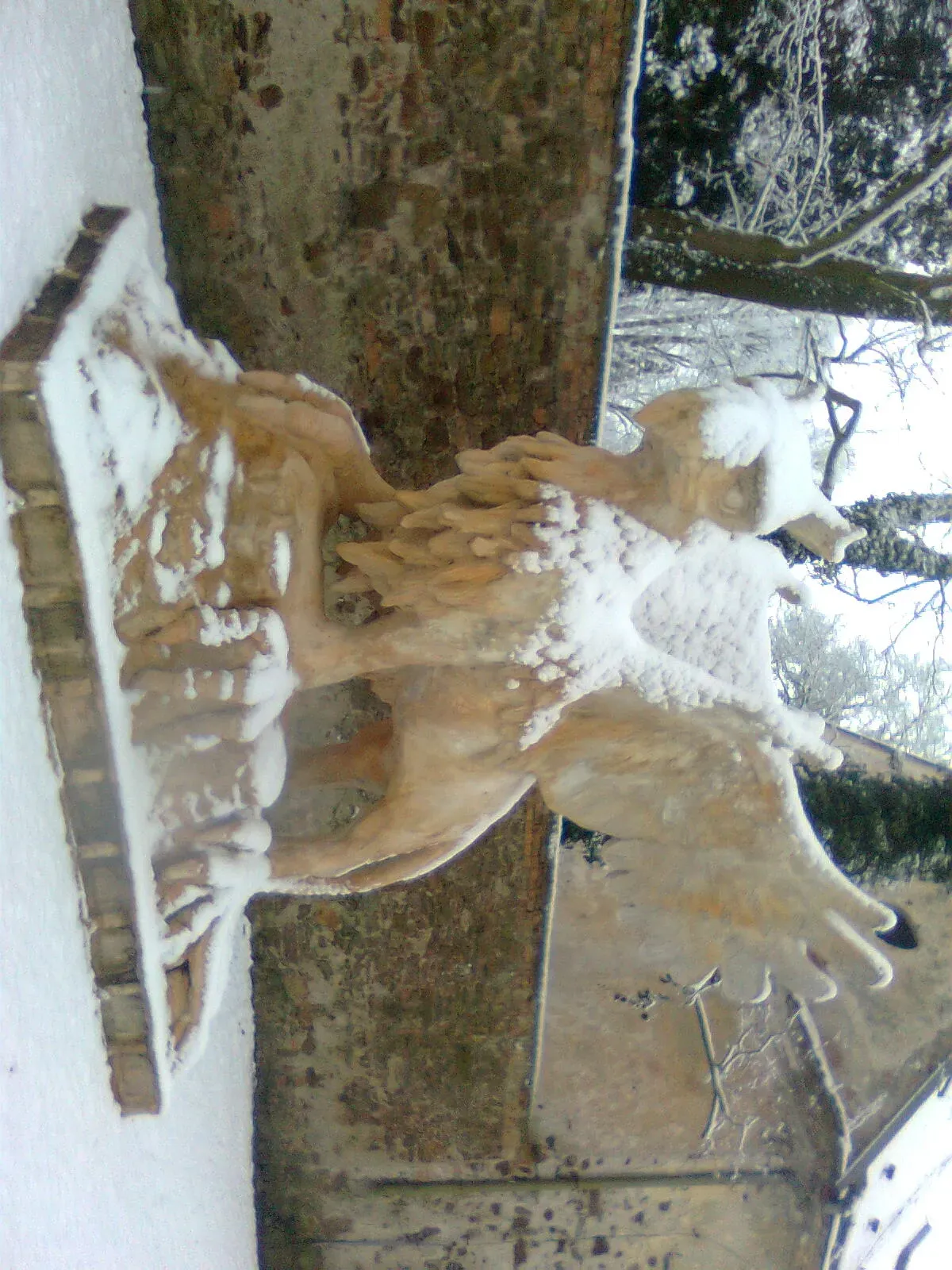
You might picture Greek myths as pure fantasy, but when you look at them through the eyes of a traveler in Central Asia, they start to feel oddly paleontological. Along caravan routes skirting the Gobi Desert, you have traders, miners, and herders moving through landscapes where Protoceratops and other dinosaur skeletons lie half‑exposed in the rock. You see a four‑legged creature with a parrot‑like beak, a frill, and scattered fossil eggs nearby – how would you describe that without any concept of extinct species?
Over the past few decades, researchers have suggested that this kind of scene could sit behind the enduring image of the griffin: a four‑footed beast with the body of a lion, the beaked head of a bird, sometimes guarding nests of eggs on the ground. Some scholars remain unconvinced and argue that the griffin is simply a mash‑up of living animals, yet the overlap is tantalizing enough that you keep seeing it discussed in both folklore and paleontology circles. When you imagine yourself as a Greek merchant hearing Scythian miners talk about “lion‑bodied, beak‑faced guardians of gold in the desert,” the gap between fossil and legend suddenly feels a lot smaller, even if you can’t prove one directly caused the other.
2. China’s Dragon Culture and the “Dragon Bone” Pharmacies
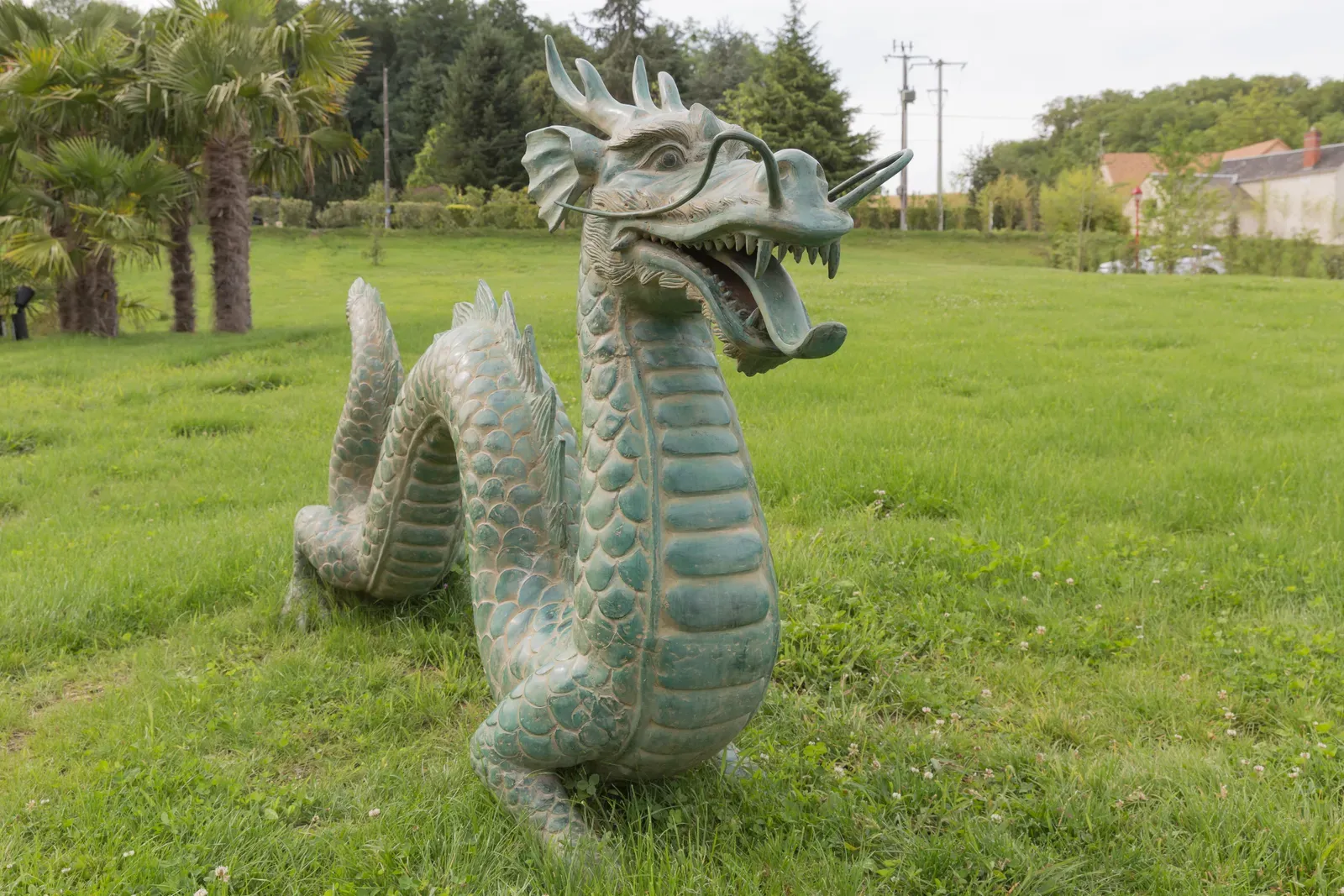
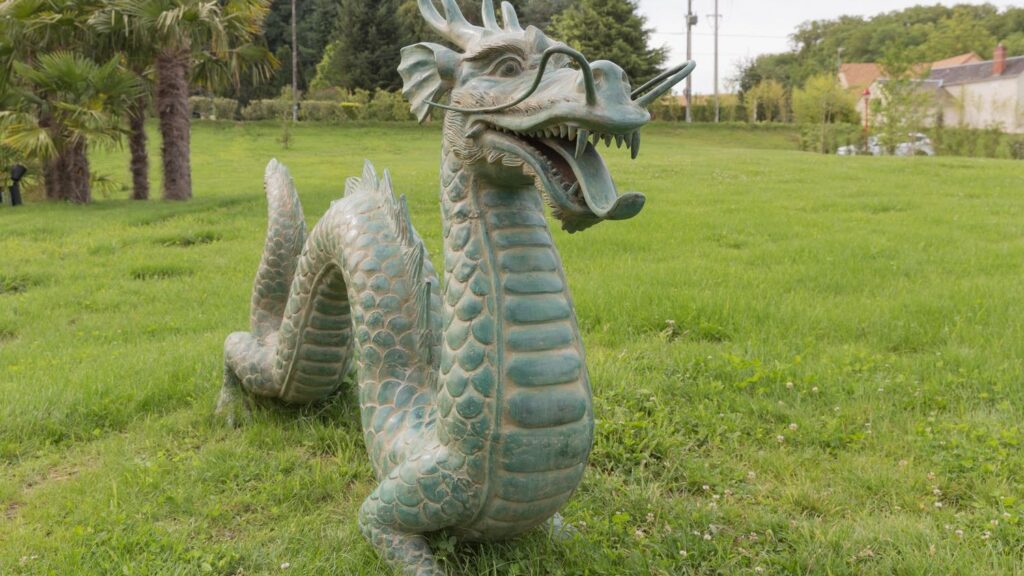
This photograph was taken by Medium69 (William Crochot) and released under the license stated below. You are free to use it for any purpose as long as you credit the author (William Crochot), the Source (Wikimedia Commons) and the license (CC-BY-SA 4.0) in close relation to the image.
Please do not upload an updated image here without consultation with the Author. The author would like to make corrections only at his own source RAW. This ensures that the changes are preserved.Please if you think that any changes should be required, please inform the author.Otherwise you can upload a new image with a new name. Please use one of the templates derivative or extract., CC BY-SA 4.0)
If you walked into a traditional Chinese apothecary a century or two ago, you might have seen labeled jars filled with something called “dragon bones.” To your modern eye, those fragments often look exactly like what they are: fossilized bones of ancient mammals and sometimes dinosaurs, ground up for use in medicine. Long before anyone in China was talking about Jurassic periods, villagers were digging these bones out of riverbanks, caves, and fields and slotting them straight into their dragon lore.
Chinese dragons are not the fire‑breathing villains you see in modern Western fantasy; they are more like powerful, serpentine forces of rain, rivers, and imperial authority. When you live in a culture where dragons are taken for granted as real spiritual beings, finding huge fossil bones underfoot becomes easy to reinterpret as physical remains of those same creatures. Even today, paleontologists working in China often learn about rich fossil deposits because local farmers already know that “dragon bones” come from that hill. In a very real sense, you are watching living tradition and modern science circling around the same ancient skeletons, each telling a different kind of story about them.
3. Indigenous Peoples of the North American Plains and “Thunder Lizards”
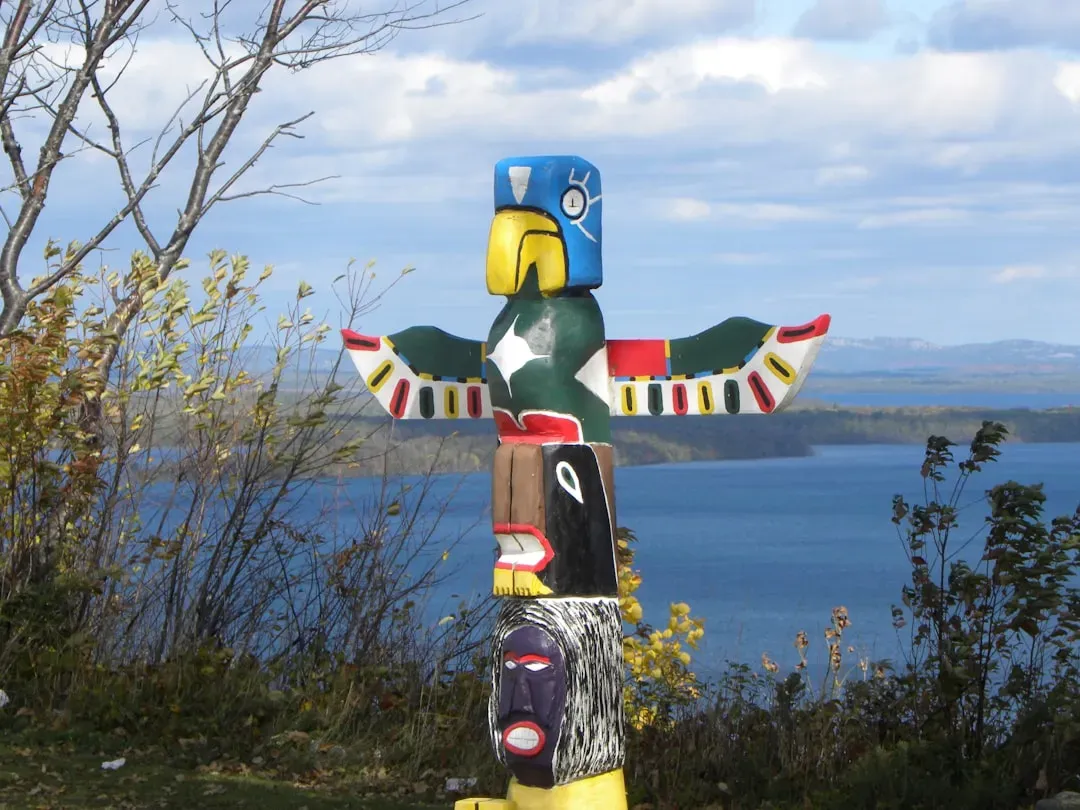
When you stand on the open plains of what is now the western United States and Canada, it can be hard to imagine how much fossil material lies just below the grasses. For generations, Indigenous nations living there encountered gigantic bones weathering out of buttes and badlands. Without a written natural history, you would do what they did: fit those discoveries into your spiritual and oral traditions, tying the bones to beings responsible for storms, the underworld, or creation itself.
Some Plains and Plateau stories describe enormous bird‑like or reptilian beings linked with thunder, lightning, and the deep earth. Modern paleontologists later gave names like Triceratops and Tyrannosaurus to the creatures whose remains cover the same regions. You cannot draw a straight, provable arrow from each legend to each species, but you can see why some anthropologists think older oral traditions may have been strengthened, colored, or reshaped by repeated encounters with fossils. If you grew up hearing that “thunder beings” lived in distant cliffs, and then you literally found skulls the size of a small car eroding from those very cliffs, you would probably feel your beliefs had just been visually confirmed.
4. Mesopotamia’s Chaos Serpents and Fossil‑Rich Hills
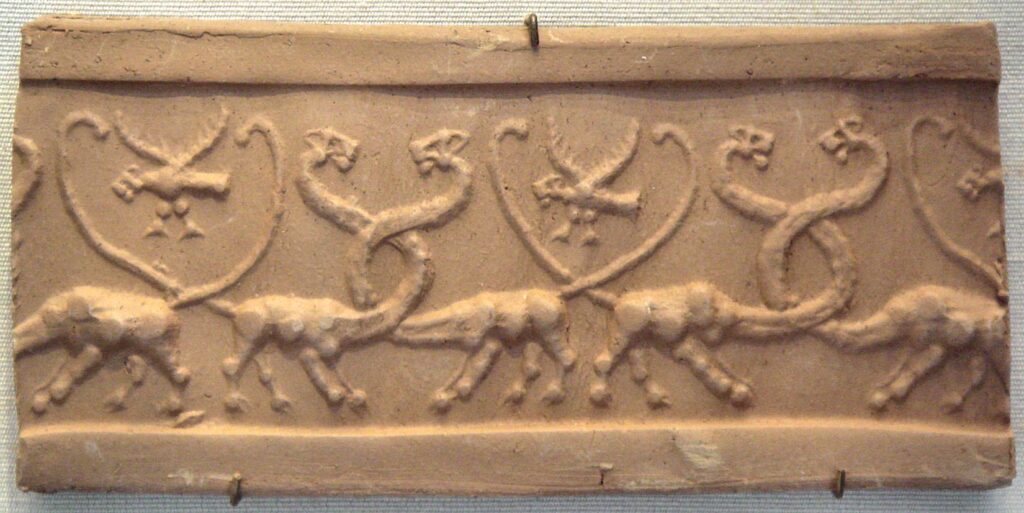
When you read stories from ancient Mesopotamia, you keep running into battles between gods and massive serpentine monsters that personify chaos. In one famous myth, a storm deity defeats a primordial sea dragon and fashions the ordered world from its body. Now place yourself in that Bronze Age landscape, traveling through river valleys and low mountains where large vertebrate fossils, including those of extinct mammals and other prehistoric creatures, naturally erode from the rock.
You would not know the term “fossil,” but you would definitely know the visceral feeling of seeing ribs larger than your own height embedded in a cliff face. In the absence of geological science, it makes sense to treat those remnants as proof that dragon‑like monsters once roamed the earth before the gods tamed them. Even if the bones you are seeing are more likely from ancient elephants or other now‑vanished megafauna rather than dinosaurs, the emotional impact is the same: you are staring at the corpse of something way bigger than anything alive in your world, and your myths about titanic, defeated monsters suddenly feel that much more grounded.
5. Ancient Egypt’s Serpents, Crocodiles, and Fossil Memories
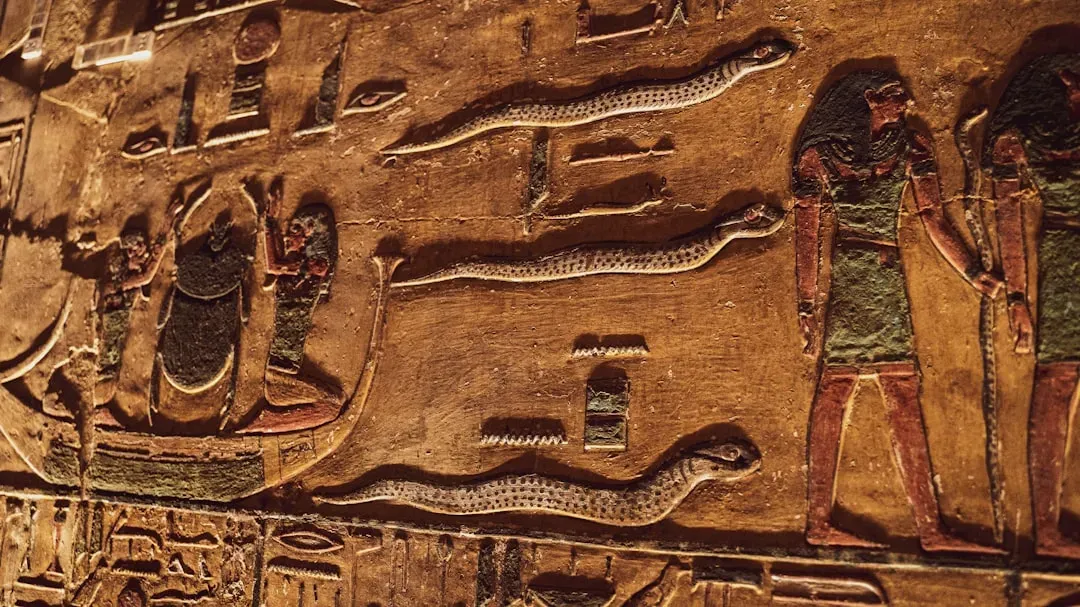
Travel up and down the Nile in Pharaonic times and you are moving through a corridor of deep time. The desert cliffs lining the river are stacked with marine fossils from when the region was covered by shallow seas, including remains of enormous extinct creatures. You already live in a culture obsessed with sacred animals – crocodiles, snakes, hippos, and composite beings that blend human and beast – so when you stumble on huge vertebrae or toothy jaws, your mind naturally maps them onto that same spiritual bestiary.
Egyptian art and texts are filled with serpent and crocodile deities that guard the underworld, threaten the sun, or devour the wicked. While there is no smoking‑gun inscription that says “this god comes from that fossil,” you can imagine how the sight of massive bones buried in desert cliffs could reinforce your belief that monstrous reptiles once ruled primordial waters. Even if many of those remains belonged to ancient whales or crocodile relatives rather than dinosaurs proper, the effect on your imagination would be similar: you would know, in a bone‑deep way, that the land still carries the skeletons of ancient, dangerous beings.
6. The Maya and Other Mesoamerican Cultures Facing Ancient Giants
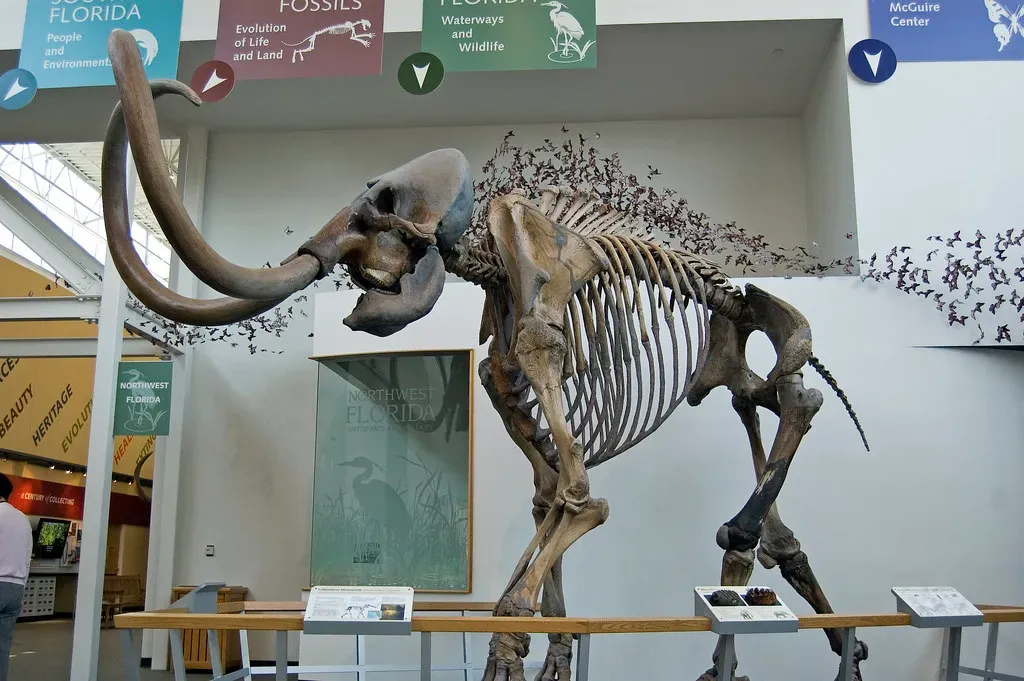
In Mesoamerica, you are standing in another fossil‑rich region, especially for Ice Age megafauna like mammoths and giant ground sloths. When farmers or builders turned up enormous bones, they often ended up associated with earlier races of giants or monstrous beings that preceded your current world. Later traditions in Central Mexico describe successive ages of creation, some ending with the destruction of gigantic inhabitants whose remains occasionally emerge from the ground.
From your modern point of view, these bones mostly belong to large mammals, not dinosaurs, but they push your imagination in the same direction: you are forced to confront the fact that the land remembers creatures far bigger than anything in your present experience. If you live in a Maya or neighboring culture that already sees the cosmos as cyclical, with worlds destroyed and remade, those fossil discoveries become physical confirmation that earlier ages really did host different, more fearsome beings. Even without a direct dinosaur link, the emotional echo is eerily similar: in both cases, you are telling stories about a vanished age of giants, grounded in very real, very large bones.
7. Ancient India’s Nagas and Bones from the Deep Earth
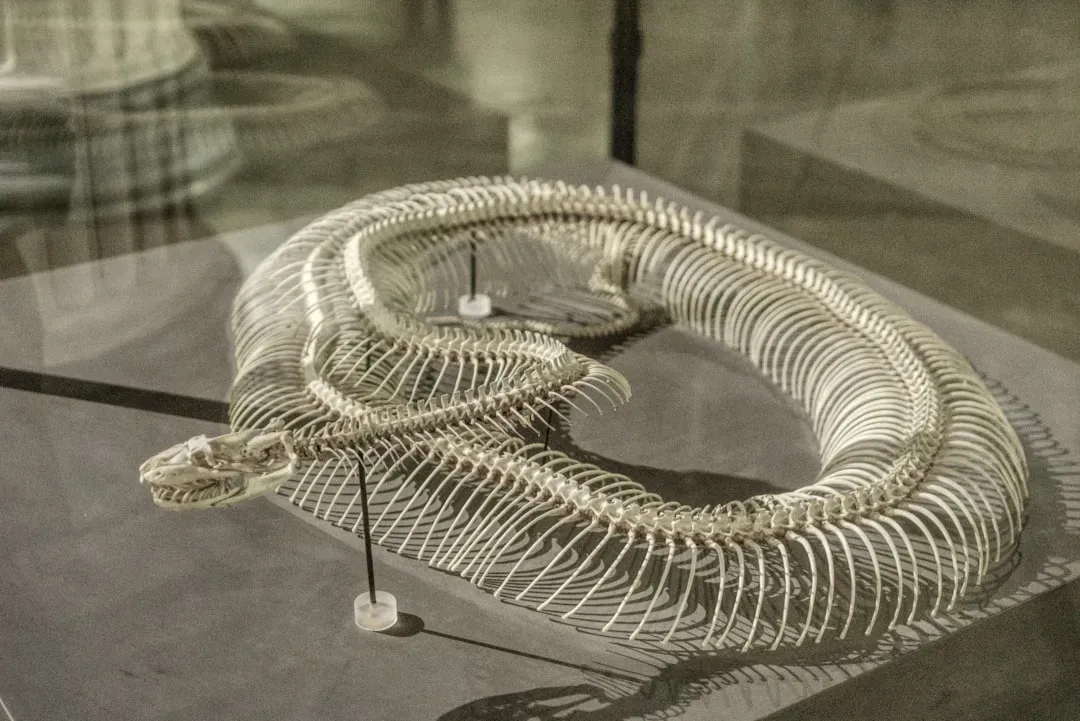
In the Indian subcontinent, you have a long tradition of serpent beings called nagas, associated with subterranean realms, rivers, and hidden treasures. At the same time, you live in a geological setting where landslides, quarries, and river erosion sometimes reveal large fossil bones from extinct animals. Without modern science, you might regard any enormous, unfamiliar skeleton pulled from a hillside as the remains of a naga or similar being, especially if it comes from deep within the ground.
Classical Indian texts often treat the earth as layered with older worlds and long‑buried creatures. That worldview meshes cleanly with the idea that mysterious bones emerging from quarries or temples’ building sites belong to powerful beings from a previous age. Whether those remains are mammoth tusks, large reptile bones, or marine fossils, you respond to them through the mythic vocabulary you already know. In your shoes, faced with a skull twice as long as your arm, it is almost inevitable that you would connect it to the serpents and dragons that populate your epics and cosmology.
8. Norse and Northern European Myths of World‑Serpents and Wyrms
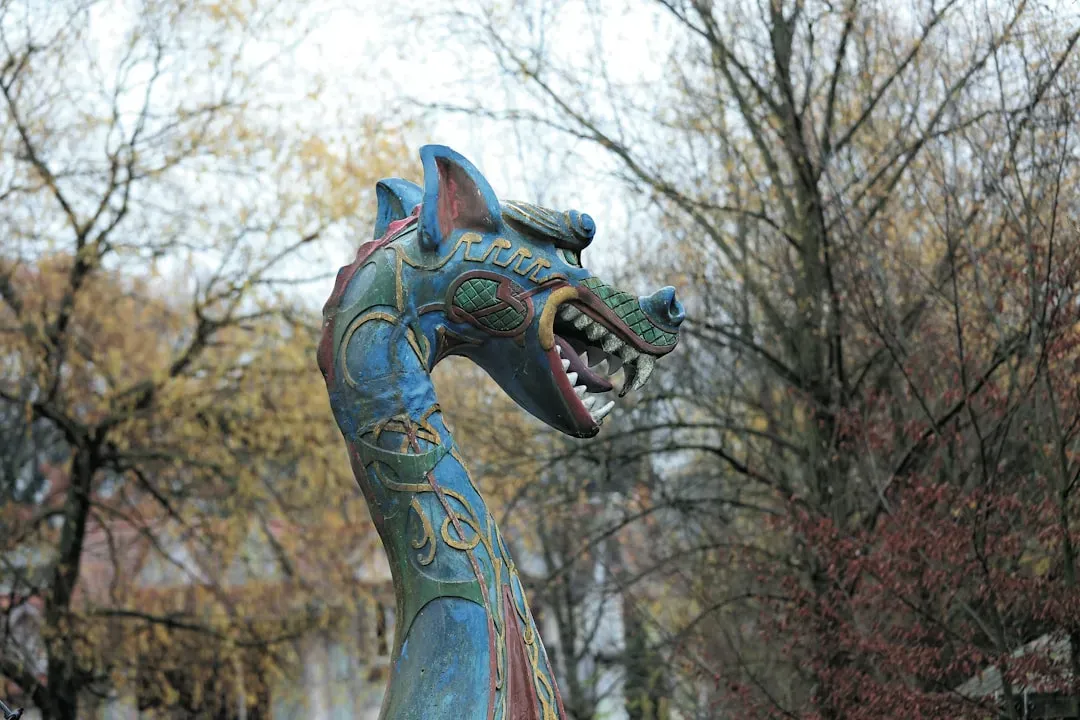
When you wander through northern Europe, you might not think of it as dinosaur country, but it still holds plenty of fossil material from ancient seas and Ice Age animals. Medieval and earlier people in these regions found huge bones and sometimes interpreted them as proof of monsters described in sagas and folklore. If you were a farmer in Scandinavia or Germany who dug up an enormous vertebra, you would be more likely to see it as a dragon’s spine than as an extinct whale or reptile.
Norse mythology famously includes Jörmungandr, the world‑encircling serpent, and numerous tales of heroes battling dragons and wyrms that hoard treasure in barrows and caves. Many of those burial mounds and hills sit in areas where large bones naturally erode from the earth. Although many remains in that region come from ancient whales or large mammals, they still present as massive, alien skeletons. In a pre‑scientific mindset, it would feel far more plausible to you that these were the corpses of slain dragons than relics of a vanished geological epoch, especially when local legends already insist that dragons lurk under hills and guard old gold.
9. Central African Traditions and the Long‑Necked River Beasts
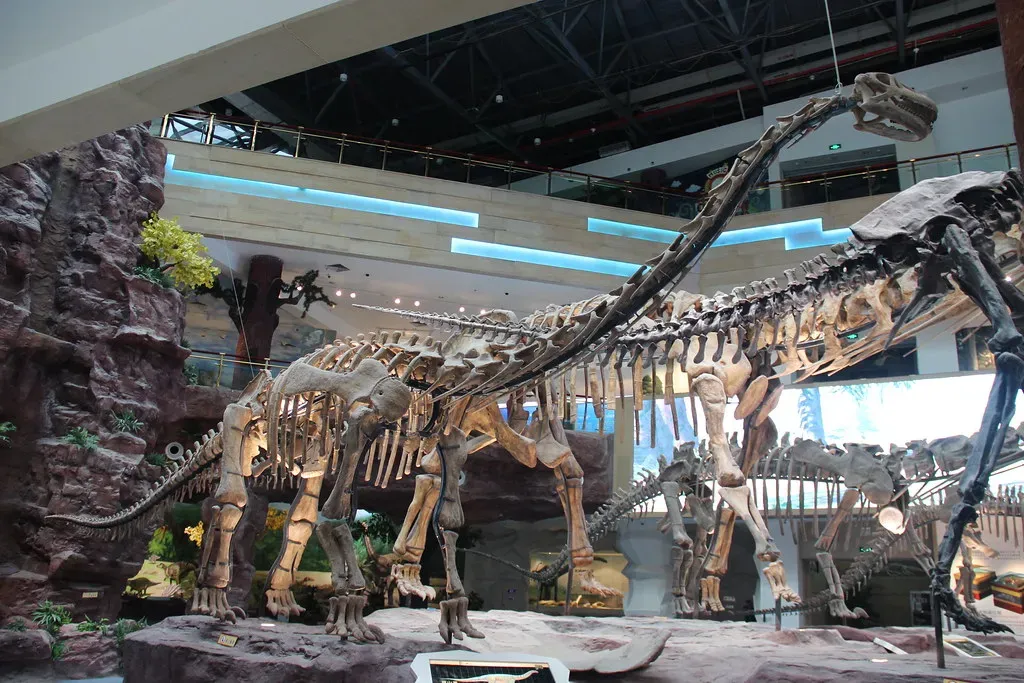
In the forests and swamps around parts of the Congo Basin, stories circulate about huge, semi‑aquatic creatures with long necks, heavy bodies, and a habit of blocking river channels. In modern times, some outsiders have tried to cast these tales as evidence of living dinosaurs, usually imagining a small sauropod somehow surviving extinction. When you set aside that sensational layer and listen more closely, you hear something different: local people comparing mysterious or rarely seen animals to the largest shapes they can picture, sometimes blending elements of crocodiles, elephants, or even rhinoceroses.
From your scientific seat in 2026, you know there is no credible evidence for any living dinosaur in these regions, fossil or otherwise. Yet the way people describe these beings still resonates with the broader pattern you see elsewhere: when a culture encounters something outsized or puzzling in its environment, whether that is a rare living animal or an enormous skeleton, it tends to speak about it in terms of dragons, monsters, or spirit beasts. If you imagine yourself canoeing slowly down a foggy river, hearing stories about a creature that “stops the flow,” you can feel how easily that imagery could merge, in an outsider’s mind, with mental pictures of long‑necked dinosaurs from museum halls.
10. Medieval and Early Modern Europe’s “Dragon Bones” and Church Displays
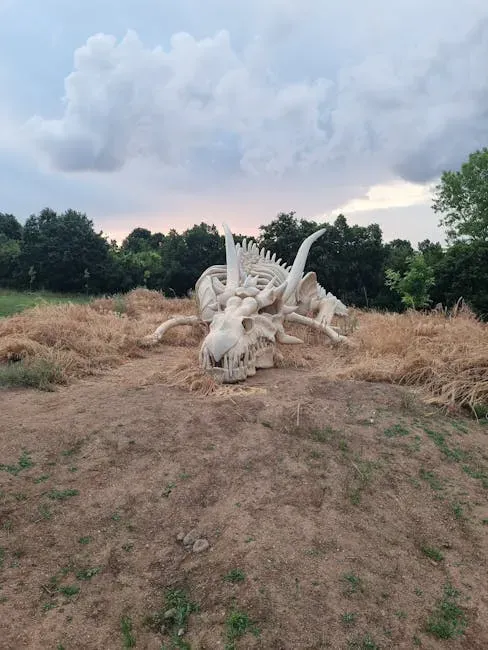
By the time you reach medieval Europe, you are in a world where Christianity is dominant but dragon lore is still everywhere. Villagers occasionally unearth enormous bones in fields or quarries, and churches sometimes display them as relics of dragons slain by saints. It is only much later that geologists and anatomists recognize many of these “dragon bones” as the remains of mammoths, whales, or other prehistoric animals, and in some cases, as genuine dinosaur fossils.
From your modern perspective, it is easy to smile at these misidentifications, but if you put yourself into that older mindset, they make intuitive sense. You already believe that a saint once killed a dragon near your town; when workers dig up a huge, curved bone in roughly the same place, you treat it as confirmation. Museums eventually replace dragon labels with Latin species names, but the emotional power of those old interpretations lingers. In a way, you are watching the same bones live two lives: first as evidence of mythical monsters, then as data points in Earth’s deep history of dinosaurs and other extinct giants.
When you step back from all these cultures, you start to see a pattern that is less about living dinosaurs and more about how you, as a human being, handle the unknown. Wherever people have run into enormous bones or mysterious creatures, they have reached for dragons, giants, monster serpents, or god‑beasts to explain what they are seeing. Modern science changes the labels and fills in the timelines, but it does not erase that powerful first reaction of awe and fear in the face of something far bigger than yourself. The real question you are left with is not whether ancient people secretly watched dinosaurs roam, but how you might weave your own stories today if you were the one who found the very first colossal skeleton jutting out of a lonely hillside – what kind of legend would you tell?