
Every time we think we’ve got the human story neatly mapped out, the ground literally shifts under our feet. A bone fragment, a stone tool, a smear of ancient DNA in cave sediment can blow up textbook timelines and force experts to admit: we were wrong, or at least not quite right. That mix of awe and discomfort is exactly why is such a thrilling, constantly moving target.
In the past few decades especially, a handful of discoveries have completely reshaped how we see human origins, migration, and even what it means to be “us.” Some finds pushed our lineage further back in time, others revealed relatives we never knew we had, and a few showed that our supposedly “primitive” ancestors were anything but simple. Let’s walk through ten discoveries that did not just tweak the details, but truly rewrote the story.
1. Lucy and the Rise of Bipedalism in East Africa
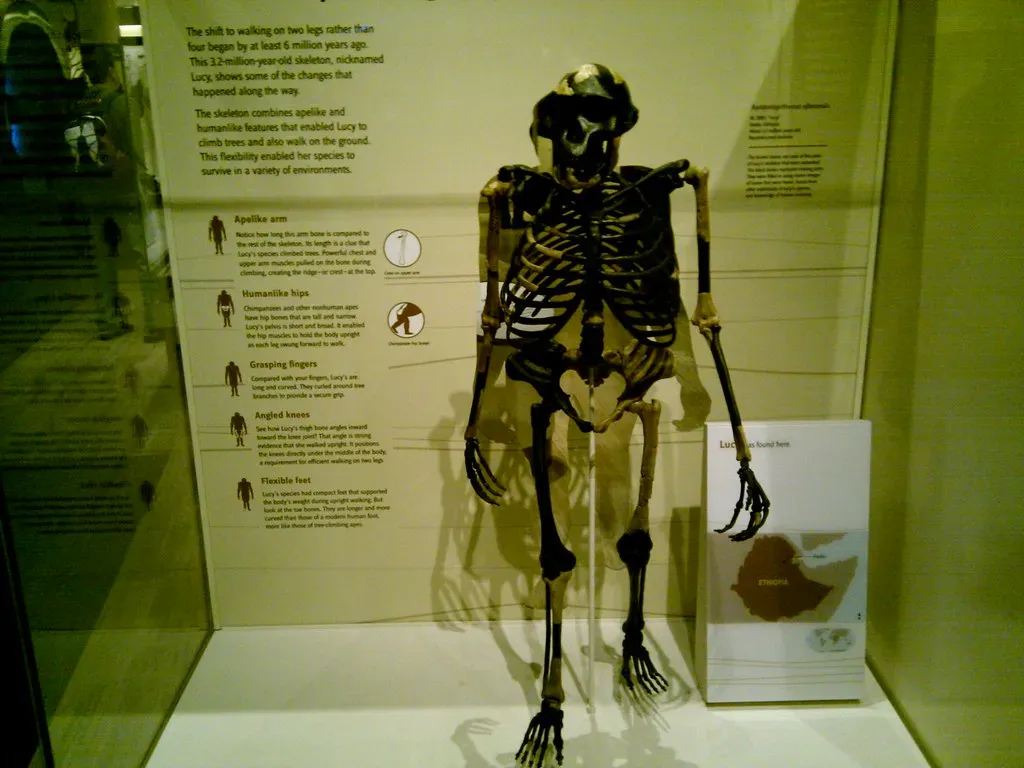
Imagine being handed a three-million-year-old skeleton that quietly tells you: you’ve been picturing early humans all wrong. That was the impact of Lucy, an Australopithecus afarensis skeleton found in Ethiopia in the 1970s, with roughly about two fifths of her skeleton preserved. Her anatomy showed a startling mix: long, ape-like arms paired with a pelvis and leg bones clearly adapted for walking upright on two legs.
Before Lucy, many researchers assumed big brains came first and bipedalism followed, like a neat ladder of progress. Lucy flipped that ladder on its side, proving that walking upright evolved long before our brains ballooned in size. To me, that’s humbling: our iconic stride, the thing that makes a city sidewalk or a hiking trail feel so “normal,” came from a small-brained creature straddling life in the trees and on the ground, testing a new way of moving through the world.
2. The Olduvai Gorge Tools and the Birth of Technology
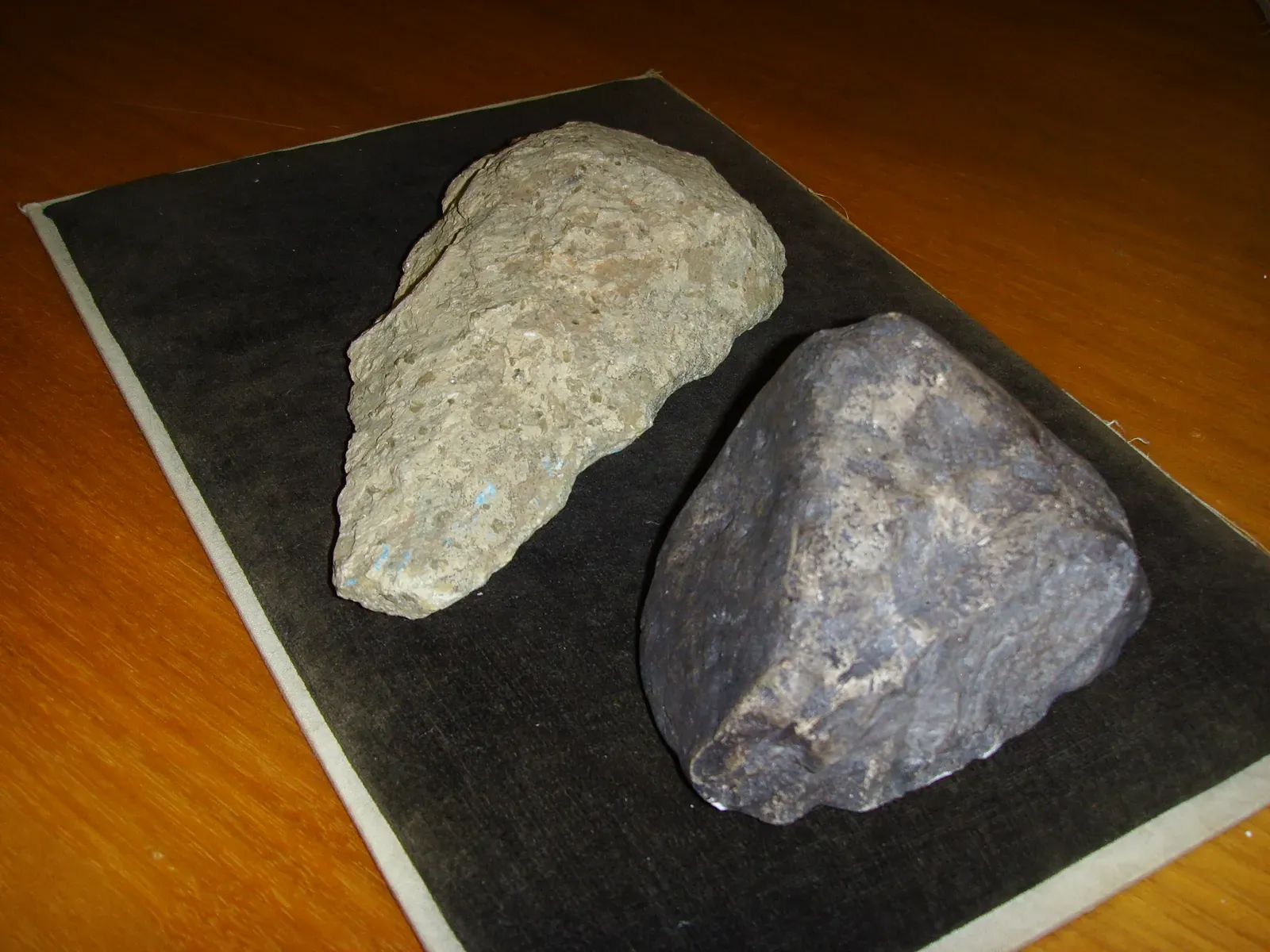
There is something almost eerie about standing where the first known stone tools were struck together and realizing that technology did not start with smartphones, or even with Homo sapiens. In East Africa’s Olduvai Gorge and other sites, archaeologists found simple chipped stones and flakes dating to around two and a half million years ago, associated with early members of the genus Homo. These tools look crude compared to a modern knife, but they were revolutionary: suddenly you could slice meat, crack bones, and process plants in ways no other animal could.
These so‑called Oldowan tools forced anthropologists to see technology as the defining trait of our lineage, not a late add‑on. They also hinted at planning and shared learning: even a basic tool requires you to imagine the shape you want and teach others how to copy it. When I think about that, my laptop feels like the great‑great‑grandchild of a single stone someone dared to hit in just the right way, on a riverbank millions of years ago.
3. Neanderthals: From Brutish Cavemen to Sophisticated Cousins
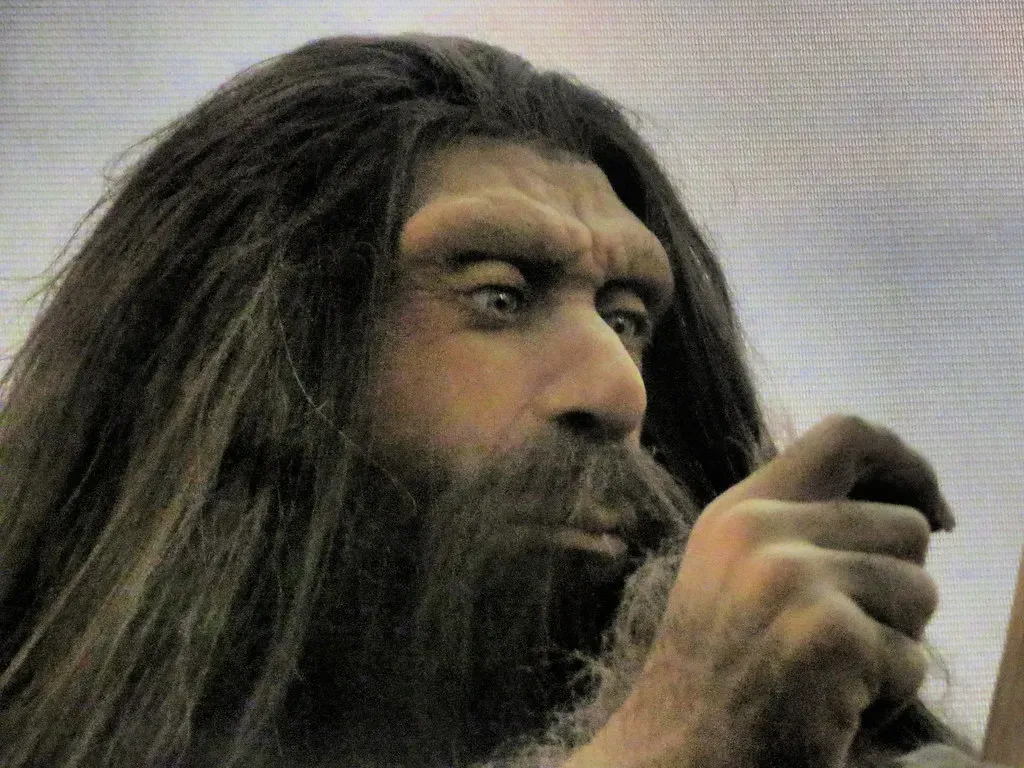
For a long time, Neanderthals were the punchline of human evolution: the lumbering, dim cave brutes we smugly replaced. Then excavations in Europe and western Asia, along with more careful analysis, revealed a much richer picture. Neanderthal sites show evidence of controlled fire, complex stone tools, possible care for injured individuals, and even use of pigments and objects that look suspiciously like early ornaments.
What really was the realization that Neanderthals were not a failed side branch completely separate from us. Ancient DNA analysis showed that people today outside of Africa carry a small but real amount of Neanderthal ancestry, meaning our species interbred rather than simply wiped them out. That single finding turned human evolution from a clean, branching tree into a messy, intertwined bush, and it challenged the idea that our success came from being uniquely superior. Maybe we were just better at blending, adapting, and absorbing our cousins into our own story.
4. Denisovans: A New Human Lineage from a Single Finger Bone
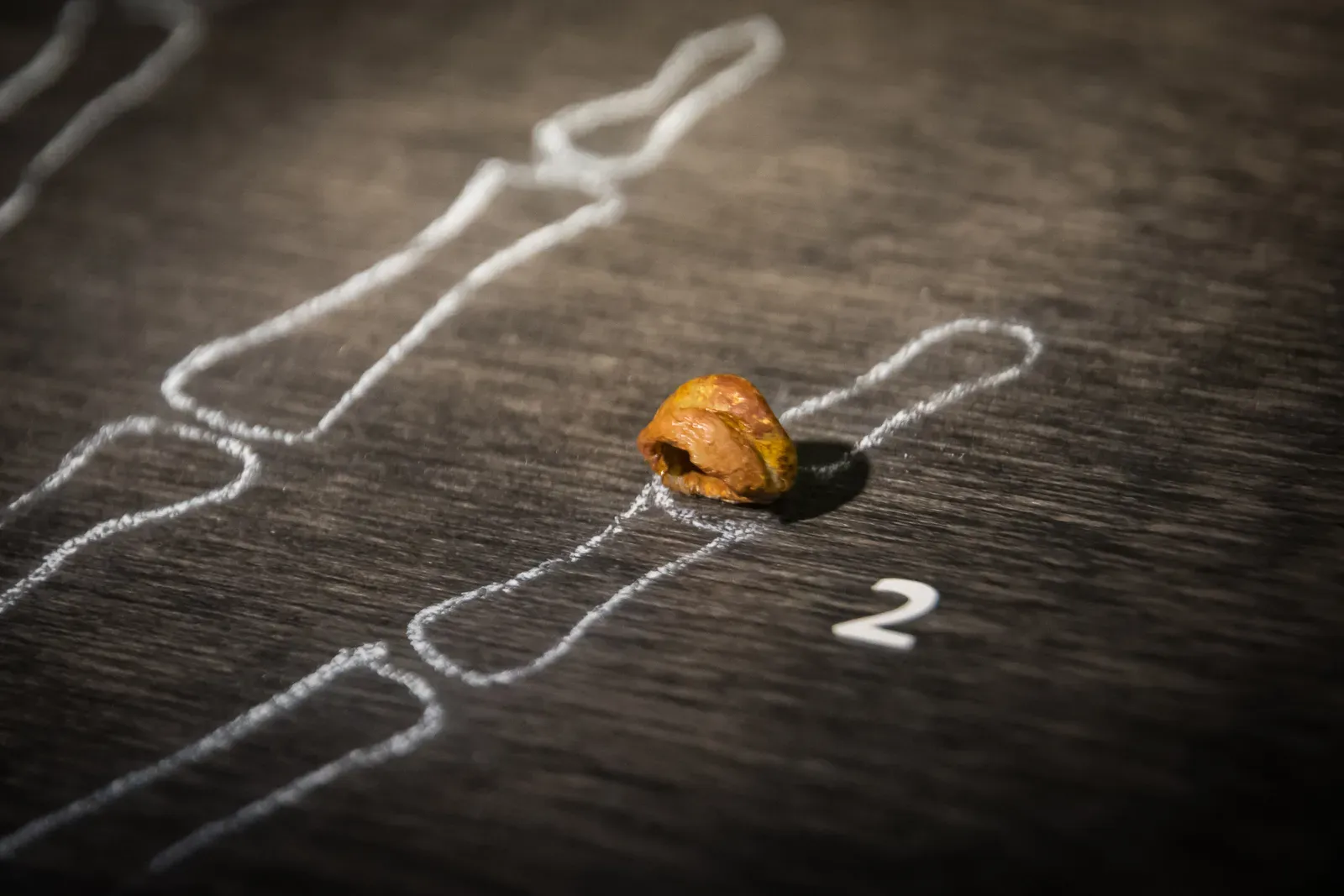
Some discoveries are dramatic because of their size; the Denisovans are dramatic because of how little they left behind and how much that tiny bit revealed. In a cave in Siberia, researchers found a small finger bone and later a few teeth that did not quite match any known human or Neanderthal. The real shock came when scientists extracted ancient DNA: this was an entirely separate branch of archaic humans, now called Denisovans.
Even wilder, genetic studies showed that Denisovan DNA lives on in present-day populations, especially among Indigenous groups in parts of Oceania and Asia. Certain Denisovan gene variants even seem to help high-altitude populations cope with low oxygen. From one dusty bone fragment, anthropology had to accept that our recent past included an unseen population that shaped our biology. For me, it is like realizing there was a whole character in the family saga who never appears in the photos but still left their traits in your face, your lungs, your blood.
5. Homo naledi and the Complexity of Human Family Trees
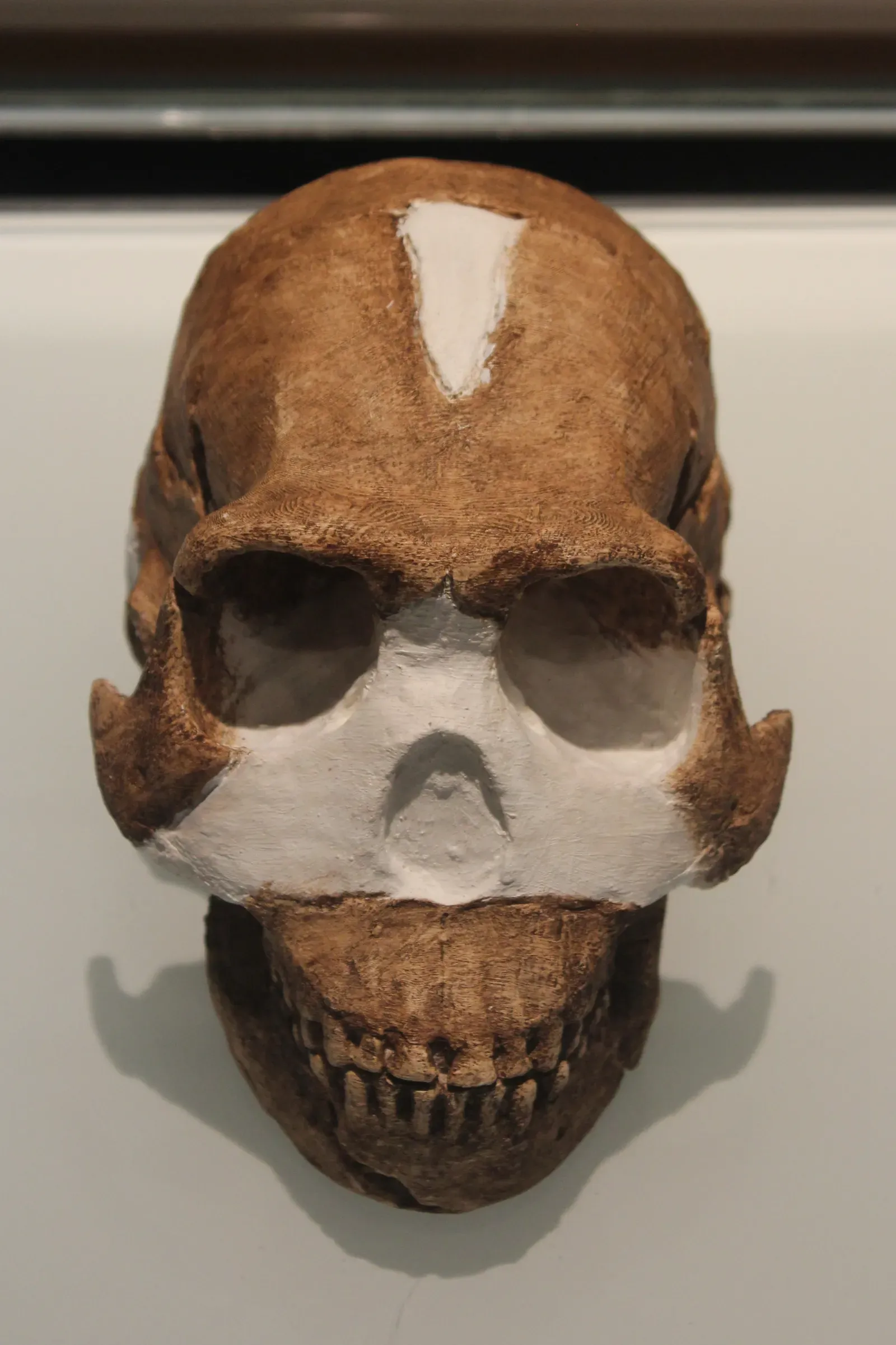
When Homo naledi was announced from the Rising Star cave system in South Africa, it felt like nature was trolling our neat family diagrams. Here was a small-brained hominin with shoulders and fingers suited to climbing, but also feet and legs designed for upright walking. The mixture of ancient and more modern traits in one species broke the idea that evolution moves in a simple straight line from primitive to advanced.
Even more provocative was the claim that these individuals might have been intentionally placed in a deep, hard‑to‑reach cave chamber, hinting at some kind of burial-like behavior. If that interpretation holds up, it suggests that fairly small-brained relatives might have had symbolic or ritual practices we once believed only our species performed. Whether or not every detail turns out to be right, Homo naledi made it clear that late-surviving, very different human forms lived alongside early Homo sapiens, complicating any tidy narrative where we alone were special.
6. The Flores “Hobbits” and the Limits of Human Size
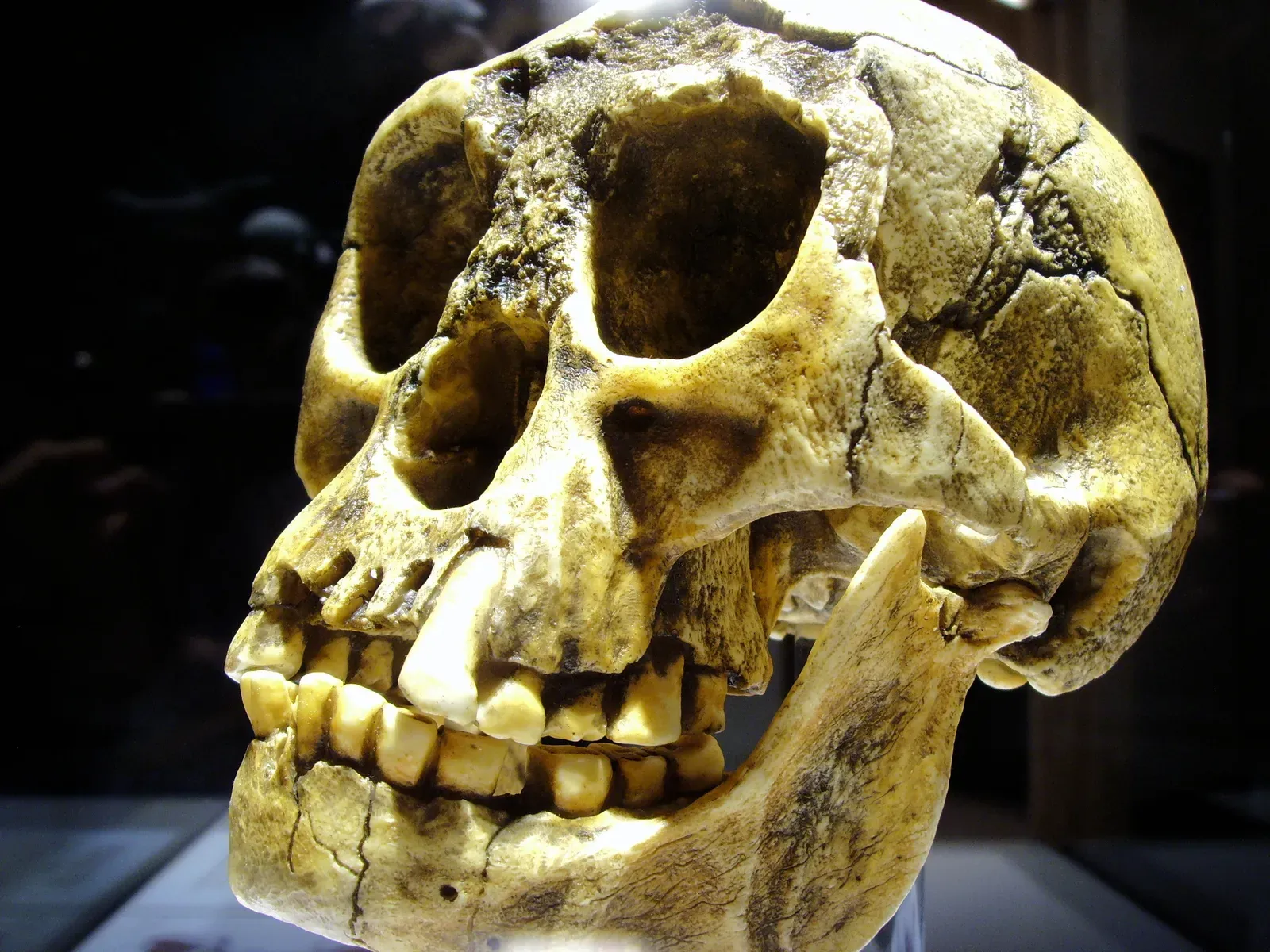
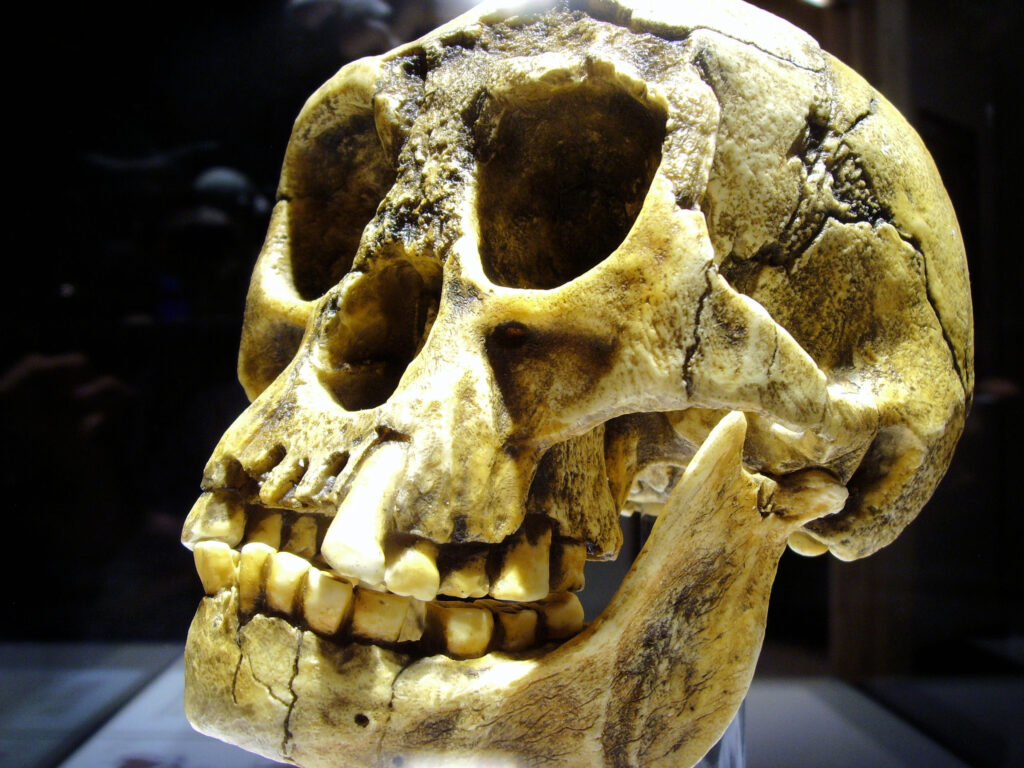
On the Indonesian island of Flores, researchers uncovered the remains of a diminutive hominin, later named Homo floresiensis. With an adult height comparable to a modern preschooler and a brain much smaller than ours, these so‑called “hobbits” instantly challenged assumptions that complex stone tools and controlled fire required a large brain. Yet the Flores discoveries included evidence of tool use and hunting of large animals like pygmy elephants.
The most unsettling twist is that these tiny humans appear to have survived until surprisingly recent times on an evolutionary scale, overlapping with modern Homo sapiens in the broader region. Their existence raised uncomfortable questions about how many other unusual lineages we might have missed or misclassified as simply “pathological” humans. It also undercut the silent bias that bigger brains and bodies automatically mean more sophisticated minds. Clearly, evolution is far more creative, and a lot more playful, than our old charts suggested.
7. The Out‑of‑Africa Revolution in Human Origins
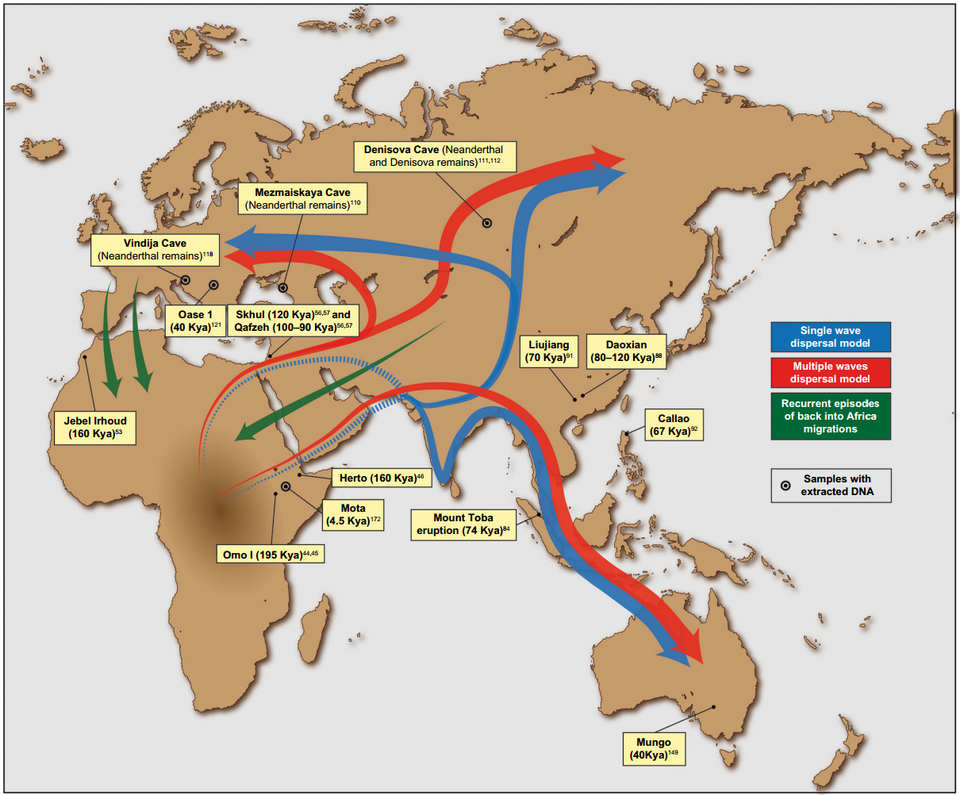
Not long ago, textbooks in many countries still taught a “multiregional” model, where modern humans slowly evolved in parallel across different continents from earlier local ancestors. A flood of fossil discoveries and, crucially, genetic data turned that story upside down. The evidence now overwhelmingly supports a recent African origin for Homo sapiens, with our species emerging in Africa and then spreading outward in waves over roughly the last few hundred thousand years.
Genetic patterns in living humans, the age of African fossils, and the distribution of older hominins all line up with an African homeland followed by migration and admixture with local archaic populations such as Neanderthals and Denisovans. This Out‑of‑Africa framework is not just a technical correction; it is a profound statement that every living person shares roots in the same broad region. Personally, I find that both politically inconvenient for some old narratives and deeply unifying: under all our labels, we are part of one very recent, very mobile African experiment.
8. Ancient DNA and the Power to Track Lost Peoples
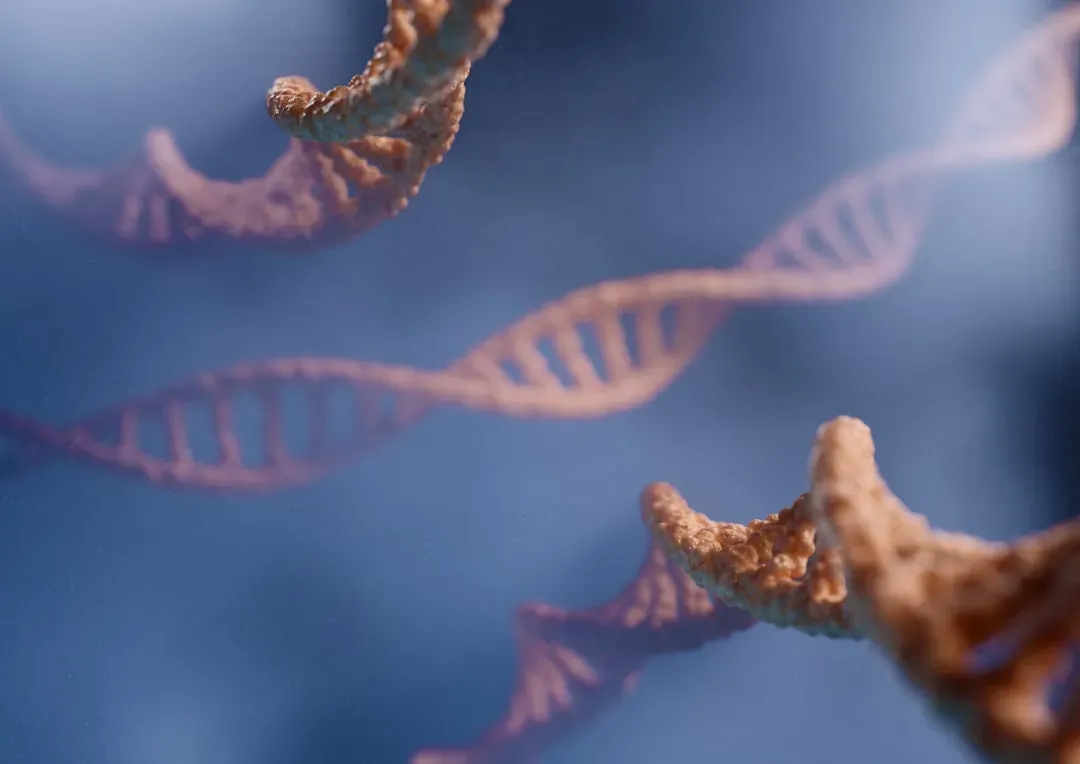
If you had told an anthropologist in the 1950s that one day we would read genetic information from a tooth or a bone tens of thousands of years old, it would have sounded like science fiction. Ancient DNA changed everything. By extracting and sequencing genetic material from fossils and even cave sediments, researchers can now reconstruct population movements, interbreeding events, and population replacements that leave little or no trace in the visible archaeological record.
This tool has rewritten stories on every continent: revealing that many prehistoric farmers were replaced or absorbed by later migrations, clarifying the deep ancestry of Indigenous peoples in the Americas, and confirming that our past is full of mixing rather than isolated, “pure” groups. Ancient DNA is not perfect; it can be patchy and is often biased toward colder climates and certain materials. Still, it has forced anthropology to move away from neat cultural labels and embrace a view of humans as restless, endlessly mingling populations, shaped as much by chance meetings and shared children as by tools and pottery styles.
9. Göbekli Tepe and the Origins of Religion and Cities
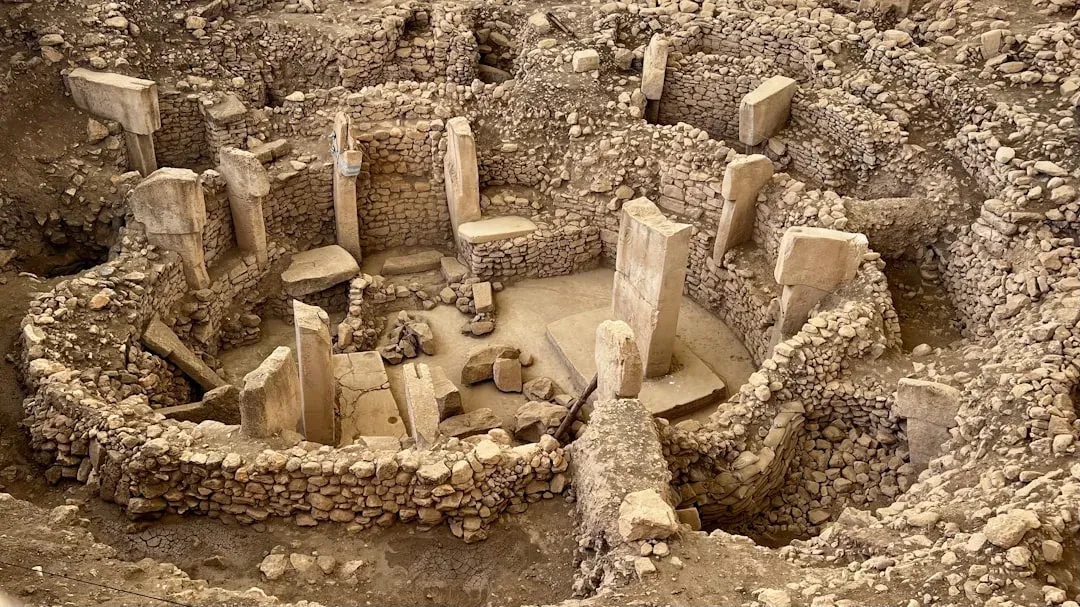
On a hill in southeastern Turkey, archaeologists uncovered massive stone pillars carved with animals and abstract symbols, arranged in circular enclosures dating back more than eleven thousand years. This site, known as Göbekli Tepe, predates pottery, formal agriculture in many regions, and the first known cities, yet it looks suspiciously like an early monumental ritual center. In other words, large-scale, organized religious or ceremonial activity might have come before full-blown farming and urban life, not after.
That sequence matters enormously. For decades, the standard story held that once we settled down to farm, surplus food allowed elites and priests to appear, leading to temples and monumental architecture. Göbekli Tepe suggested the reverse could also happen: shared beliefs and gatherings might have pushed people toward more settled, coordinated lifeways. To me, that is both inspiring and a bit unsettling. It hints that humans may have been drawn to myth and meaning so strongly that we literally reshaped the landscape – and eventually our entire way of life – to gather around carved stones on a hill.
10. Ancient Footprints and the First Americans
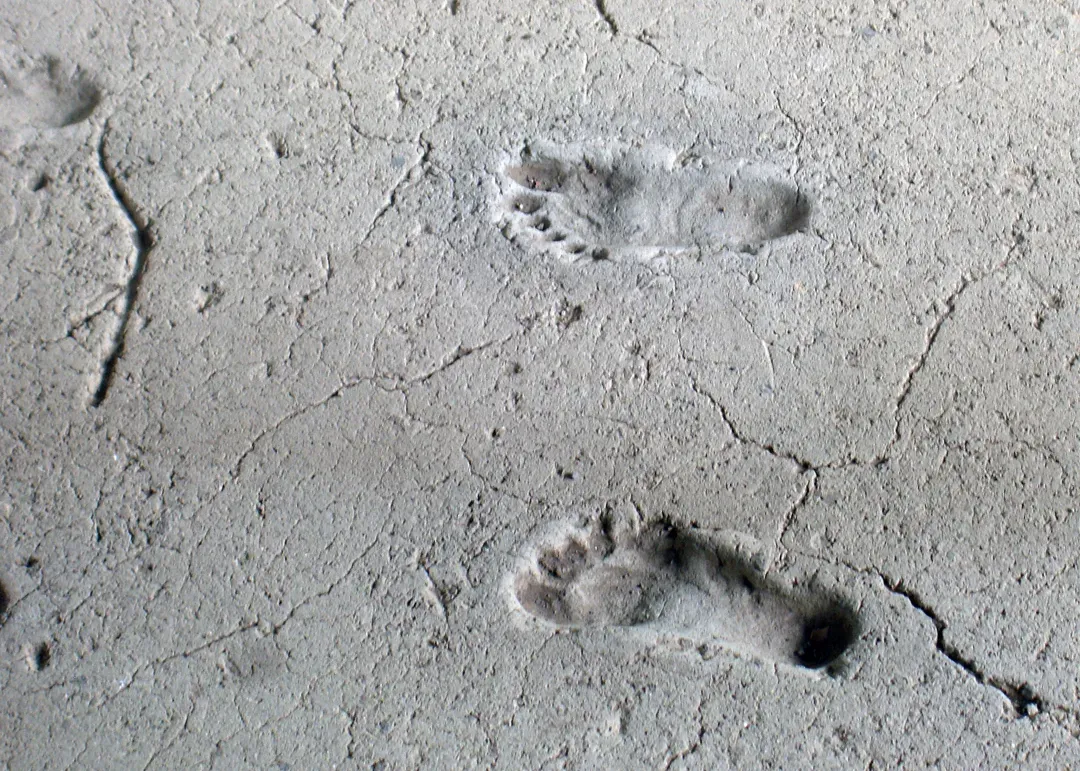
For years, debates about when people first entered the Americas circled around stone tools and a relatively recent culture known as Clovis. Then, finds like human footprints preserved in ancient sediments – dateable to many thousands of years earlier than once thought – began to shift the conversation. These trackways, at sites studied in North America, show ordinary scenes frozen in time: adults walking, children playing, people moving across wetlands long before the supposed “earliest” migration windows.
Combined with genetic and archaeological evidence, such discoveries strongly suggest that humans were in the Americas earlier and perhaps through more varied routes than the once‑dominant model allowed. This matters not just for timelines but for how we respect Indigenous knowledge, which often preserved stories of deep, continuous presence. As an outside observer, I think anthropology had to confront its own arrogance here: the ground was literally telling a different story, one that Indigenous communities had been pointing to all along.
Conclusion: A Human Story That Refuses to Sit Still
Looking across these discoveries, a pattern jumps out: every time we try to freeze human evolution into a tidy picture, the evidence tears it open again. New fossils, sites, and strands of ancient DNA have dismantled comforting ideas about linear progress, clear species boundaries, and separate, isolated races marching along their own paths. Instead, we see a tangled web of relatives, repeated interbreeding, surprising innovations, and small, local experiments in how to be human that sometimes flourished and sometimes vanished.
My own opinion is that this messiness is not a flaw in the story; it is the whole point. A species that mixes genes with cousins, invents rituals before cities, and builds tools with small brains as well as big ones is a species that cannot be reduced to simple hierarchies or one-size-fits-all explanations. In a way, anthropology’s biggest discovery is its own humility: our ancestors keep surprising us, and they probably always will. The real question is whether we are willing to keep updating our stories as courageously as they once updated their tools and ideas – are we?