
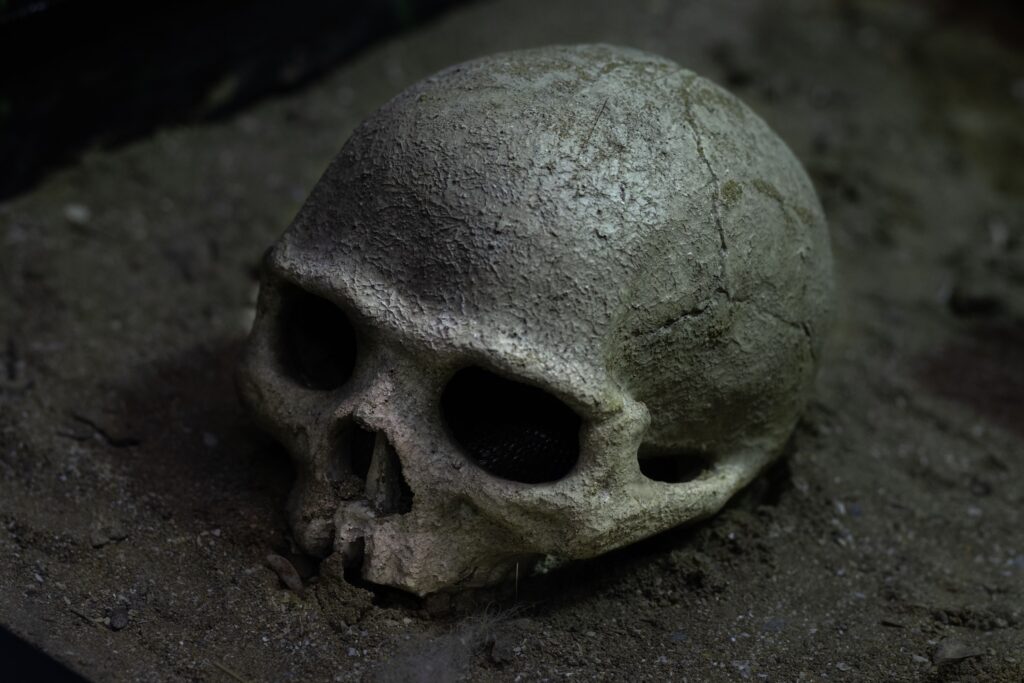
Imagine digging into the earth thinking you’ll find just another fragment of bone, and instead uncovering a tiny body carefully tucked into a grave, cradled like someone’s whole world. That single, silent scene – a child laid to rest with tenderness – hits harder than any museum exhibit or textbook timeline. It tells us that long before cities, smartphones, or written words, people were already doing something deeply familiar: loving, grieving, and refusing to let go.
When archaeologists first realized that some of the very earliest burials in human history were not only practical disposals of bodies, but emotional acts, it shook up the old narrative of “primitive” ancestors. A child deliberately buried, positioned with care or accompanied by symbolic objects, is not just a skeleton; it’s evidence of hearts breaking, communities gathering, and minds wrestling with loss. That first clear sign of a child buried with love forced us to ask a much bigger question: when did we stop being just clever animals and start becoming fully, recognizably human?
A Tiny Grave That Felt Unmistakably Human
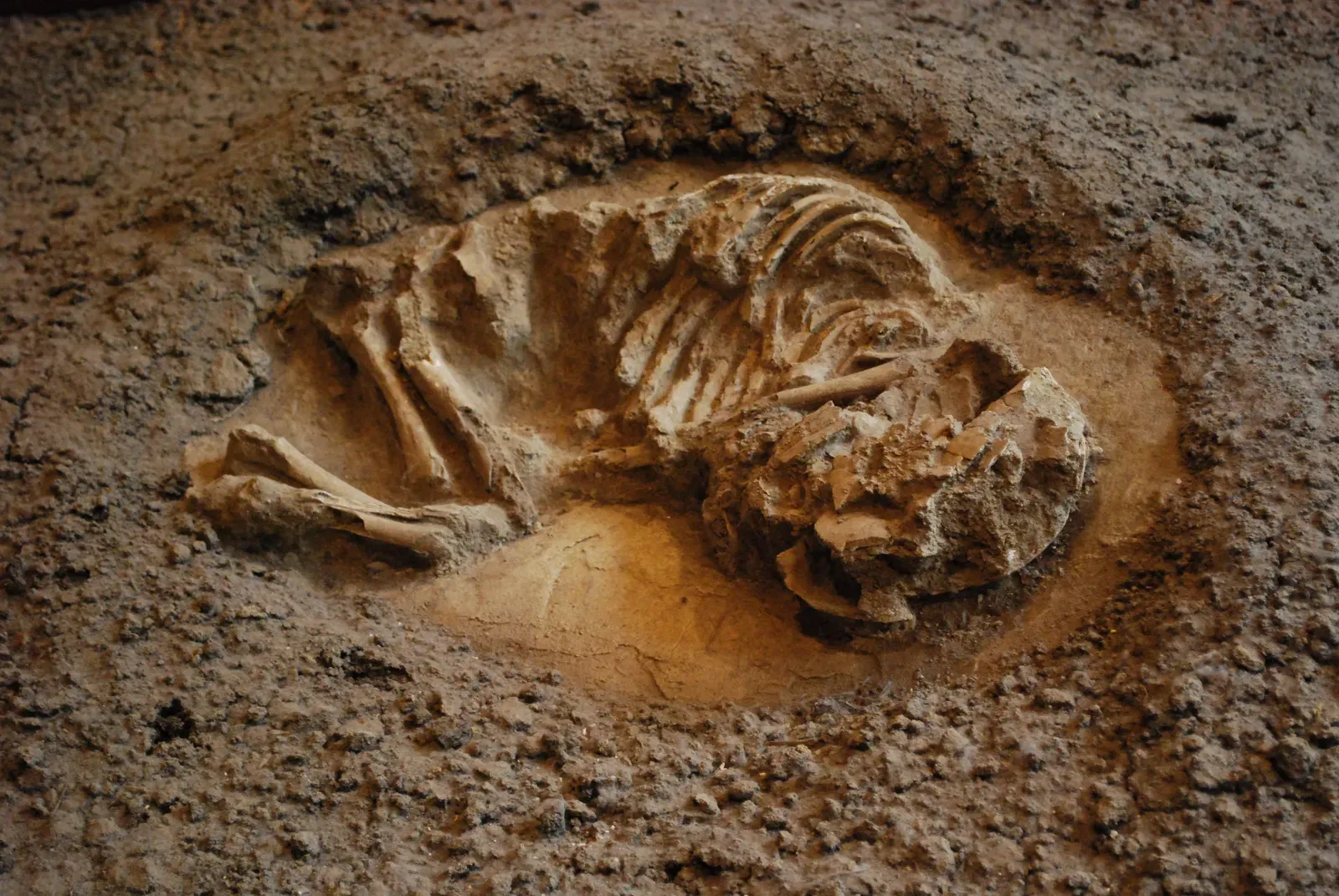
There is something almost unbearable about looking at the remains of a child whose community clearly tried to comfort them even in death. Archaeologists have uncovered very ancient graves where a child’s body was gently placed, not tossed, sometimes curled as if sleeping, or set in a particular orientation that matches other burials in the group. Even when the soil has erased most traces of organic material, the posture and the pattern of the grave still whisper intention.
In some prehistoric sites, children are not just buried anywhere; they are given their own spot, sometimes surrounded by other graves, sometimes surprisingly central. That kind of spatial care is a clue. It suggests that this small person mattered, that others recognized their life as meaningful. When scientists first encountered such a grave that clearly reflected care rather than convenience, it felt like a line being crossed: here was grief written into the ground.
Why Intentional Burial Matters More Than Artifacts
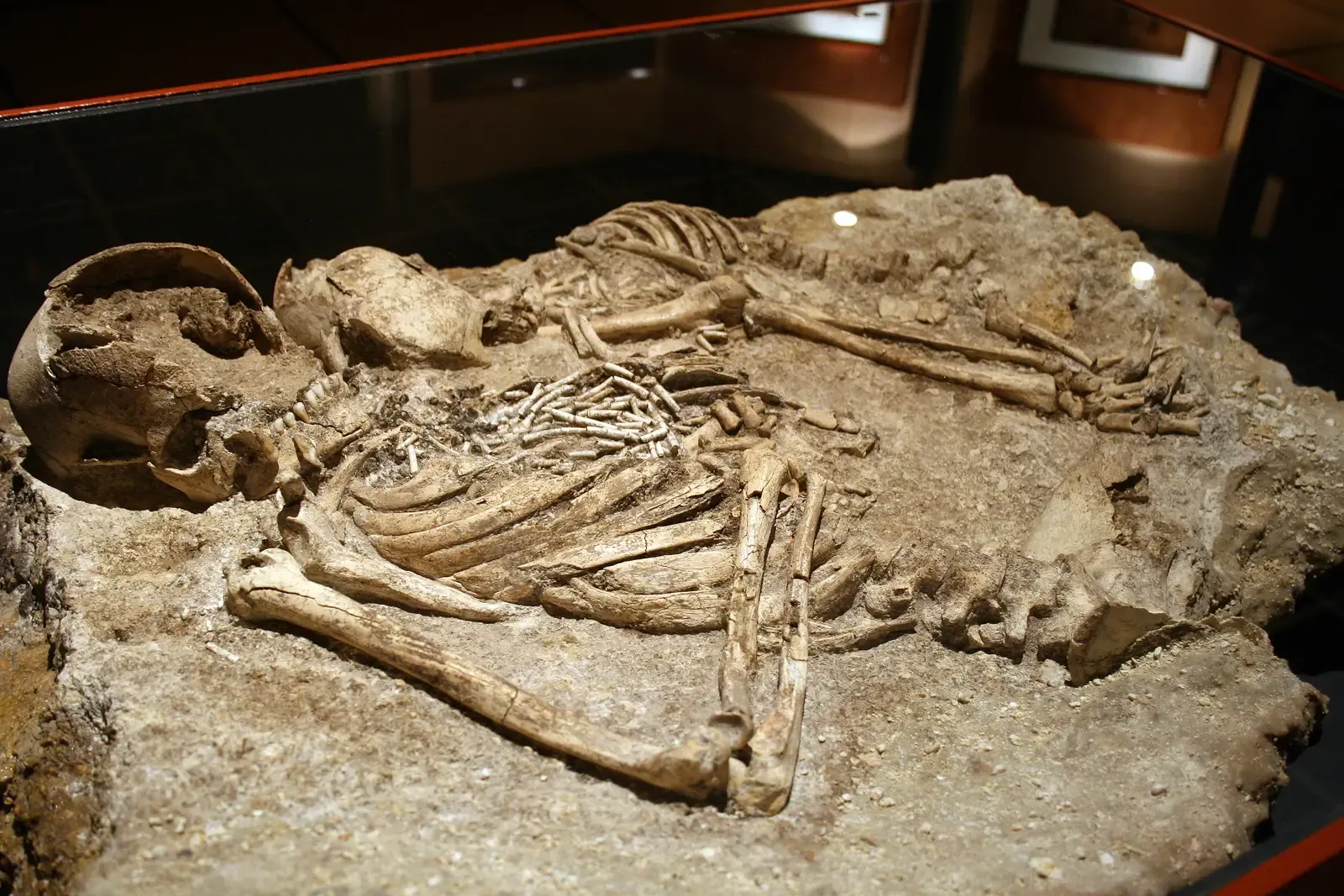
For a long time, researchers argued about what “really” marks the beginning of fully modern human behavior. Is it complex stone tools, cave paintings, jewelry, or music? But burials – especially those of children – cut through that debate, because they reveal something more intimate than technology. An intentional burial is a decision to do more than what is strictly necessary; it turns death into a social and emotional event.
When a small body is deliberately placed in a prepared pit, sometimes accompanied by pigments, beads, or other fragments, it tells us that these people were thinking beyond the immediate moment. They were responding to death not only with fear or disgust but with ritual, symbolism, and memory. That first clearly intentional child burial with signs of care pushed many archaeologists to see that humanity is not just about clever tools; it is about relationships that stretch past life itself.
Love, Grief, and the Deep Roots of Empathy
We like to think of empathy and attachment as modern, maybe even softened by comfort and culture, but that early child burial tells a different story. It suggests that long before modern medicine or psychology, people already felt the weight of losing a child and couldn’t simply walk away. You do not invest time and effort in a careful burial unless the loss hurts and the memory matters.
In my mind, this is where the story gets unavoidably emotional. As someone who has stood in archaeological galleries staring at tiny bones in glass cases, I’ve felt that uneasy mix of scientific curiosity and human sorrow. That first evidence of a child buried with love is like a time-bridge of empathy: their grief reaches out across tens of thousands of years and taps us on the shoulder, reminding us that heartbreak is one of the oldest human experiences there is.
How a Child’s Grave Challenged Old Stereotypes of “Cavemen”
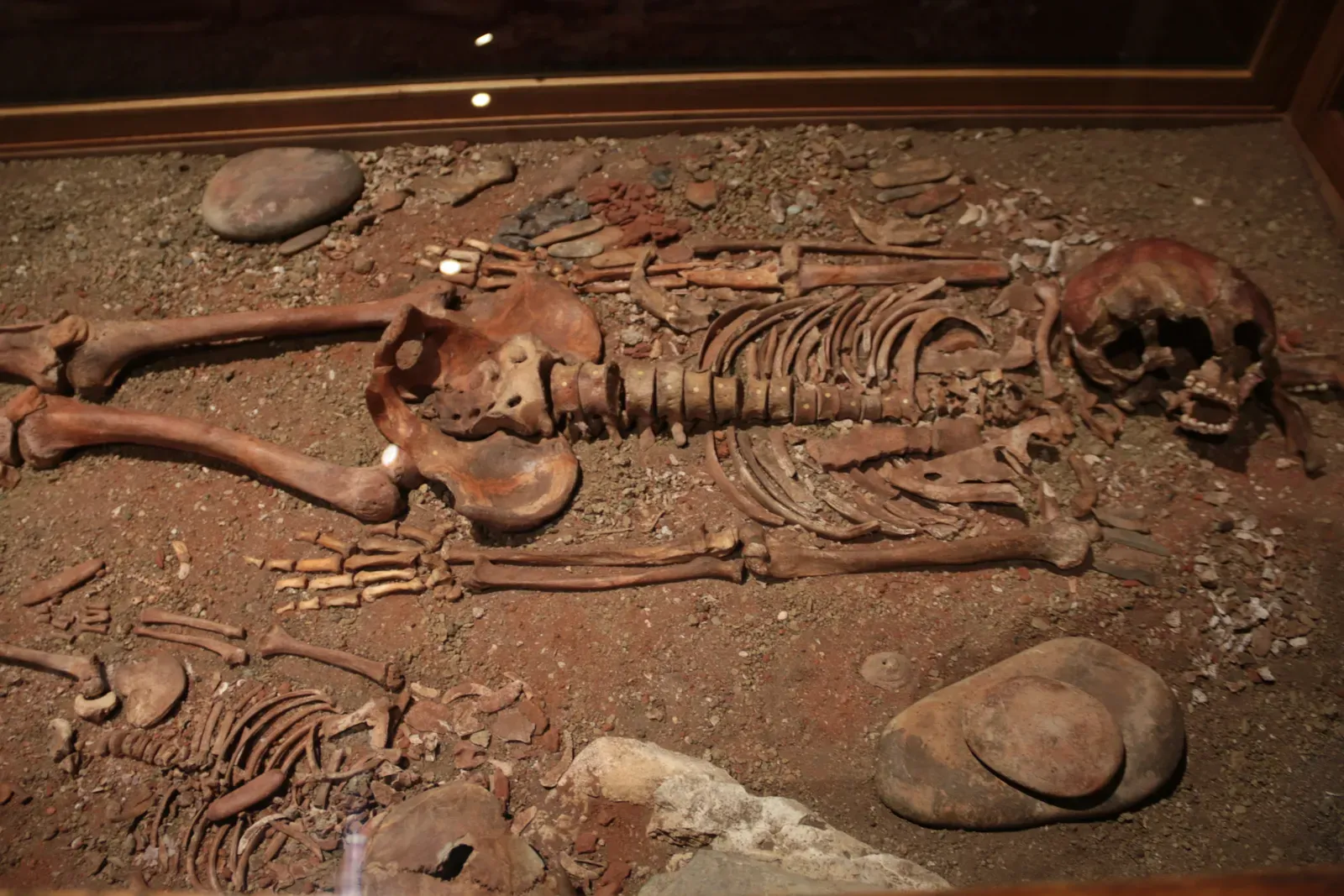
For decades, popular culture sold us a cartoonish idea of early humans and their relatives: grunting, brutal, barely thinking beyond food and shelter. A lovingly prepared child burial blows that picture apart. It forces us to admit that people who lived in caves or small camps were not emotionally empty or socially simple; they had attachments, mourning practices, and probably stories to carry a lost child’s memory.
This is not just a soft, sentimental reinterpretation; it has hard scientific implications. If early communities could care so much for a single vulnerable member, especially one who could not yet contribute to hunting or gathering, then cooperation and compassion were not optional extras. They were central to survival. That first powerful case of a child laid to rest with care helped shift the conversation from “survival of the fittest loner” to “survival of the most deeply connected group.”
Rewriting the Timeline of When We Became “Us”
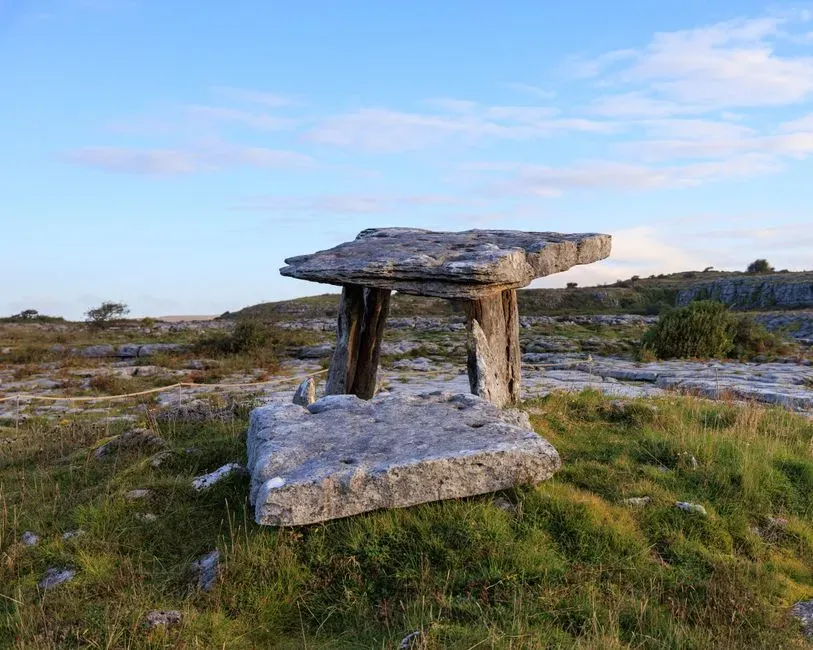
Every time archaeologists push back the dates of complex behavior, it reshuffles our sense of when we truly became who we are. Discovering a very early child burial with signs of care and possible ritual does exactly that. It suggests that the emotional and symbolic sides of humanity – grief, memory, maybe even a sense of afterlife – predate many of the flashy things we usually celebrate, like monumental architecture or writing.
That has a humbling effect. It hints that our species’ emotional intelligence may have matured earlier than our political systems, our economies, or our cities. In that light, the first child buried with love is not a side note; it is a milestone. It means that the core of what we recognize as humanity – the capacity to ache for each other and honor our dead – has deeper roots than any empire or religion that came later.
What That Ancient Act Says About Us Today
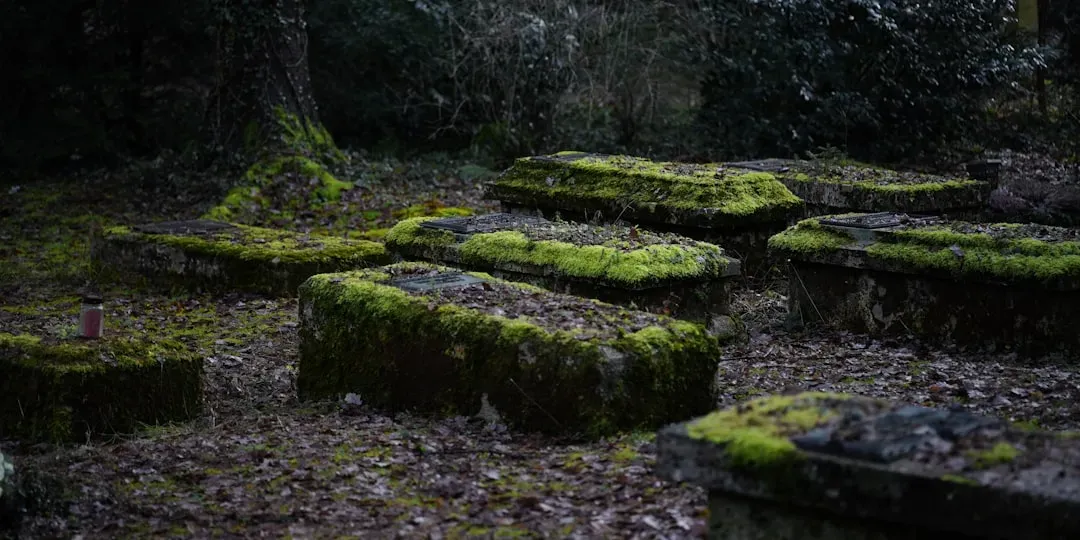
When you think about it, the way we handle death today is not so different from what those early people did, even if our tools are more advanced. We still gather, arrange the body, pick clothes or objects, choose a place, say words, and try to make meaning out of something that feels senseless. That small, ancient grave of a child is like an early draft of the modern funeral, already capturing the core idea: love does not stop where breathing ends.
To me, the most powerful lesson is this: our tenderness is not new, fragile, or artificial. It is ancient and stubborn. The first child ever found buried with clear signs of care shows that vulnerability, dependence, and love have always been part of the human package. In a world that often glorifies toughness and independence, that old grave quietly insists that our real superpower has always been the willingness to care too much, even when it hurts.
Conclusion: Humanity Began Where Love Refused to Let Go
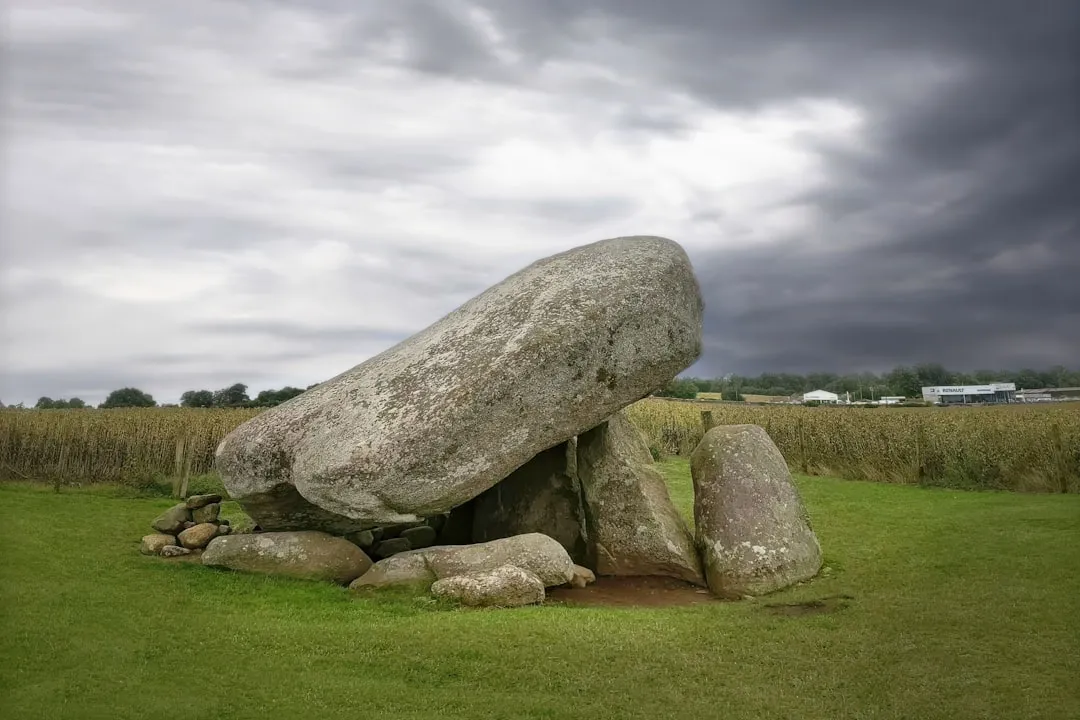
If we are honest, that first carefully buried child is more than an archaeological find; it is a rebuke to every story that treats early people as little more than animals with tools. I’m convinced that the true beginning of humanity is not a certain type of stone blade or a particular brain size, but the moment when someone could not bear to leave a dead child to the elements and instead chose to lay them down gently, maybe say a few words, maybe hope for something beyond. That is the point where raw survival turns into shared meaning.
There will always be debates about timelines, classifications, and definitions, but to me the emotional evidence is clearer than any chart: love is as old as we are, maybe older. That tiny grave, carved into ancient earth, says our species has been practicing tenderness and grieving our children for far longer than any civilization has existed. In the end, the first child buried with love did more than change archaeology; it reminded us who we really are. When you look at the world around you now, with all its noise and speed, does it surprise you that our deepest, oldest instinct might still be to hold on to each other as long as we possibly can?