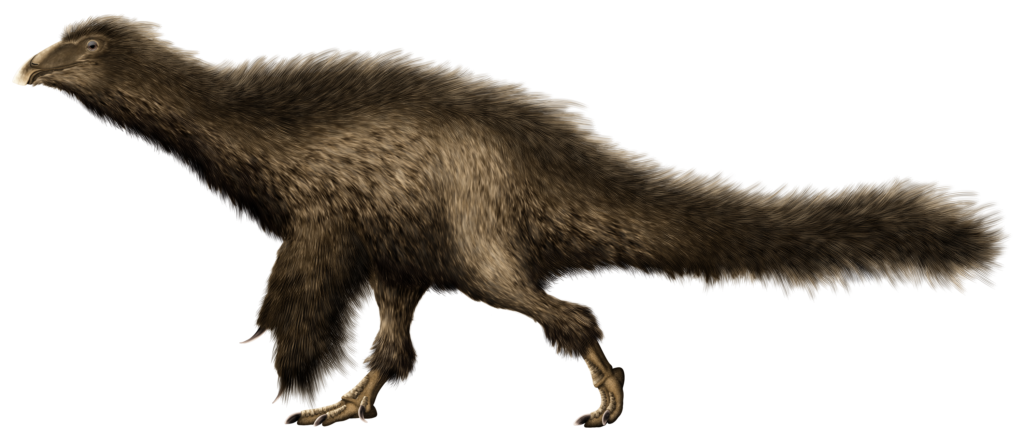
You probably know the big celebrity : Tyrannosaurus rex, Triceratops, Velociraptor, maybe the long-necked Brachiosaurus. But behind those headliners is a whole weird, wonderful cast of creatures that almost never show up in documentaries or movies. Some of them look like walking science-fiction concepts; others are so oddly ordinary that they quietly rewrite what we thought were like.
Once you step away from the usual favorites, the dinosaur world starts to feel less like a museum and more like a wild, living planet packed with unexpected experiments in teeth, feathers, armor, and behavior. Let’s dig into ten underrated that deserve a lot more attention – and might just change the way you picture the prehistoric world.
1. Therizinosaurus: The Nightmare With Salad Hands
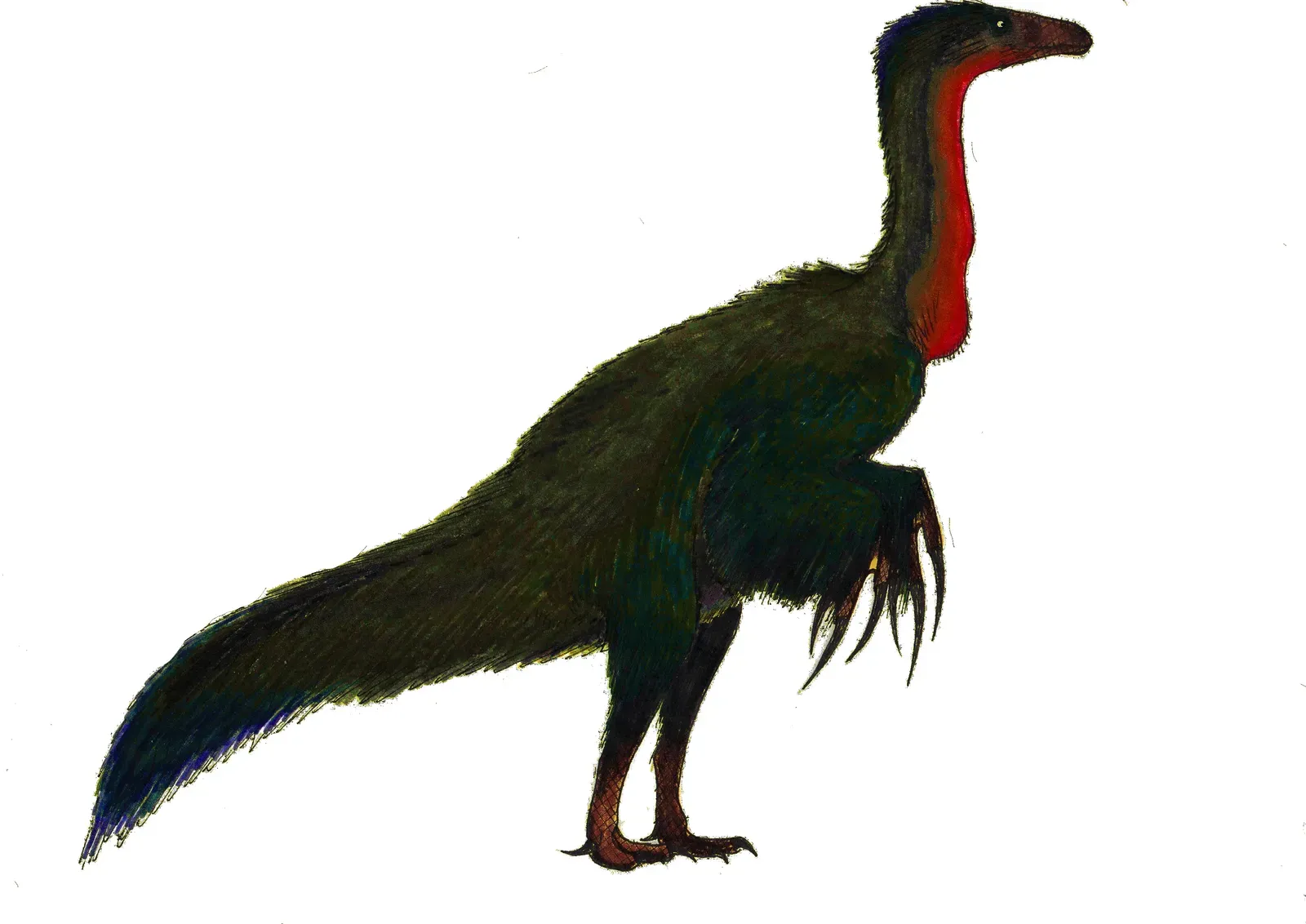
Therizinosaurus looks like it was designed by committee after too much coffee. It was a towering, feathered dinosaur with absurdly long claws on each hand – curved blades that could reach the length of a grown person’s arm. For years, those claws were so baffling that scientists thought they might belong to a giant turtle, which tells you how far outside the usual dinosaur playbook this animal really was.
The most surprising part? Despite those horror-movie hands, Therizinosaurus was probably mostly or entirely herbivorous, using its claws to pull down branches or defend itself rather than slash prey. Picture a huge, shaggy, long-necked creature, sort of like a cross between a giant bird and a Slenderman scarecrow, slowly stripping leaves from trees. It is one of the clearest reminders that dinosaurs were not all lean, toothy predators – they also explored strange, slow, plant-eating body plans that look wildly alien to us today.
2. Deinocheirus: The “Duck-Billed, Hump-Backed, Pot-Bellied” Oddball
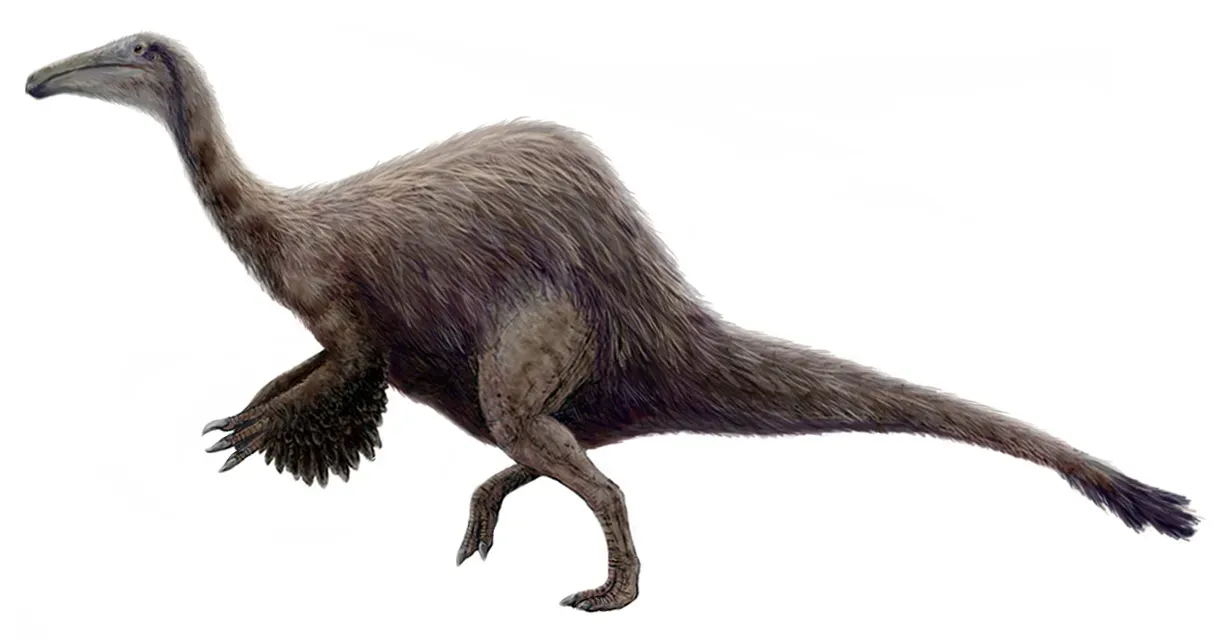
For decades, Deinocheirus was known only from a pair of enormous arms and shoulders, leading to feverish speculation about some monstrous predator lurking in the Late Cretaceous of Mongolia. When more complete fossils were finally found, the reality was so strange that it was almost disappointing for monster-movie fans but far more interesting for science. Instead of a razor-toothed killer, researchers uncovered a long-snouted, duck-billed omnivore with a big potbelly, a deep sail-like back, and broad feet built for marshy ground.
Think of Deinocheirus as a mash‑up of an ostrich, a duck, and a camel that wandered through river plains, scooping up plants, small animals, and whatever else it could sift from the water. Those huge arms probably helped it rake through vegetation or defend itself, not tackle prey like a movie raptor. Personally, I love that the fossil record took what looked like pure nightmare fuel and turned it into something more like a lumbering wetland weirdo – still majestic, but in a very offbeat way.
3. Psittacosaurus: The Small Herbivore With Surprising Style
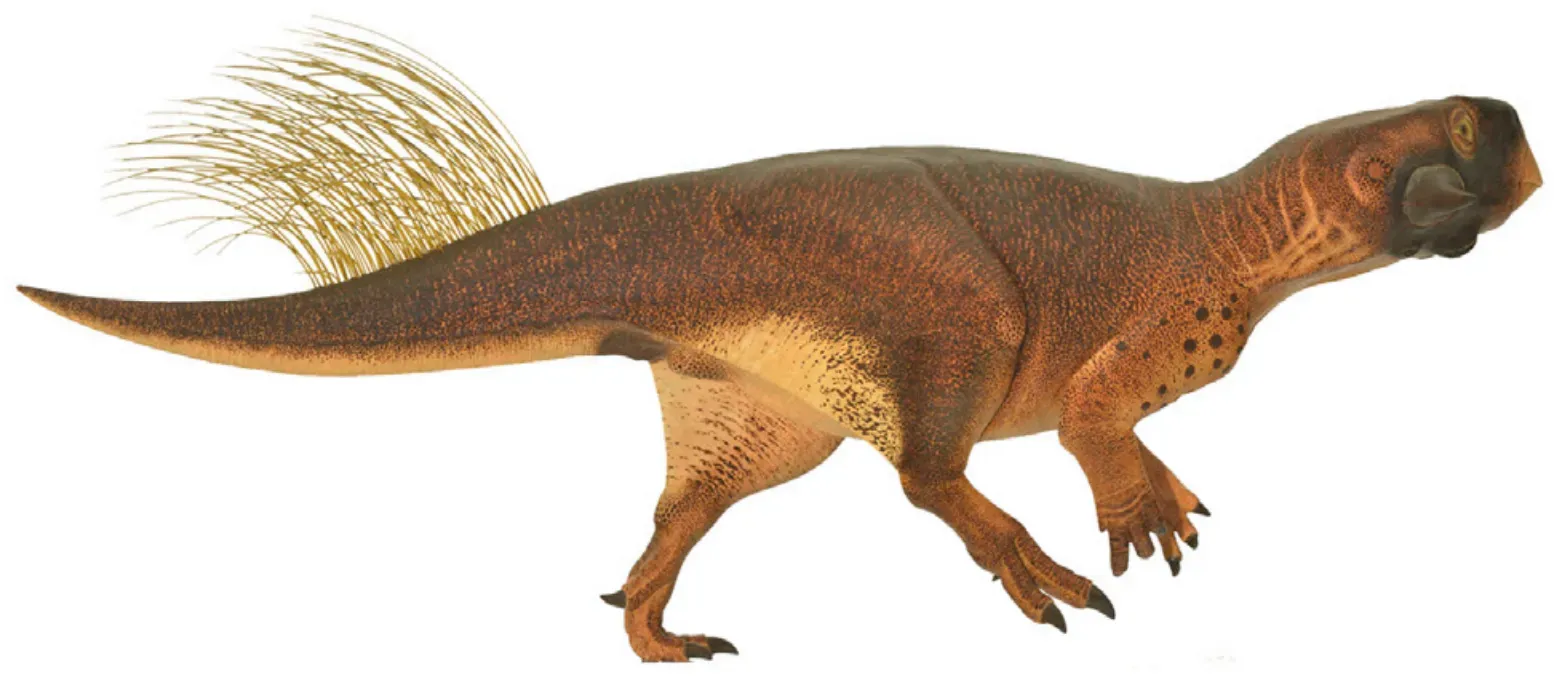
Psittacosaurus does not look impressive at first glance; it is a small, early relative of later horned dinosaurs like Triceratops, with a parrot‑like beak and a compact body. But this unassuming plant‑eater is one of the best-studied dinosaurs on Earth, and its fossils have revealed shockingly rich details of its life. Researchers have found skin impressions, pigments, and even bristle-like structures on its tail that might have helped with display or camouflage.
Some specimens show a color pattern where the back is darker than the belly, a style called countershading that helps animals blend into their surroundings. That means we are not just guessing what Psittacosaurus looked like; we have evidence for its real-life paint job. In a world where most dinosaur colors are still educated speculation, this little beaked dinosaur quietly stands out as one of the few whose appearance we can picture with real confidence – as if the fossil record briefly turned the resolution up to high‑definition.
4. Concavenator: The Hump-Backed Hunter With a Feather Twist
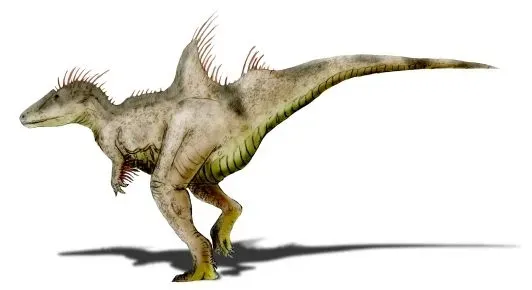
Concavenator lived in what is now Spain and, at first glance, might look like a fairly standard mid-sized predator, somewhere in the extended allosaur family. Then you notice the strange, triangular hump on its back: two vertebrae that rise abruptly to form a small sail in front of the hips. No one is quite sure what it was for – display, fat storage, thermoregulation – but its very presence shows that wild body ornaments were not just for the biggest or most famous dinosaurs.
Adding to the intrigue, the bones of Concavenator’s arms show structures that some researchers have interpreted as potential attachment points for simple proto‑feathers. If that interpretation holds, it suggests that even fairly large, non‑bird dinosaurs in Europe were sprouting filament-like coverings. To me, that combination – a sleek, muscular hunter with a short back sail and maybe a hint of plumage – feels more like something you would see in speculative art than a real animal. Yet there it is, locked in stone, reminding us that evolution is comfortable mixing subtle and flashy in ways we are only beginning to map.
5. Kulindadromeus: The Feathered Dinosaur That Wasn’t a Bird
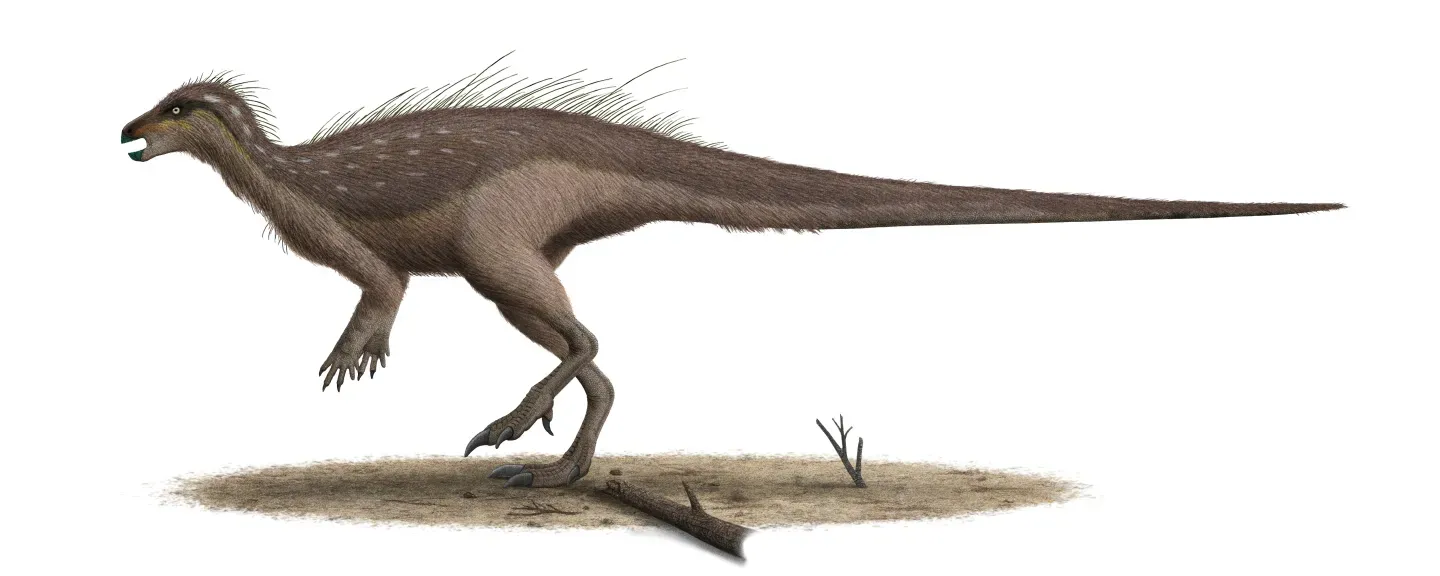
Kulindadromeus is not a household name, but it should be. This small, two‑legged plant‑eater from Siberia is one of the clearest signs that feathers – or at least feather‑like structures – were not limited to the line of theropod dinosaurs that eventually produced birds. Its fossils preserve a mix of scales on some parts of the body and diverse filaments and more complex, tufted structures on others, like a patchwork coat.
This combination suggests that simple filaments may have been widespread in dinosaurs, perhaps even part of the ancestral dinosaur toolkit rather than a late, specialized add‑on. Kulindadromeus does not look like a glamorous movie monster; instead, it feels like a key piece of the puzzle in understanding where feathers really came from. When I first read about it, what struck me was how much we have to let go of that old scaly‑reptile image of dinosaurs. The more fossils like Kulindadromeus we find, the more the prehistoric world starts to look like a place full of fuzzy, bristly, and feathered creatures of all shapes, not just sleek lizard‑like giants.
6. Borealopelta: The Armored Tank That Outsmarted Time
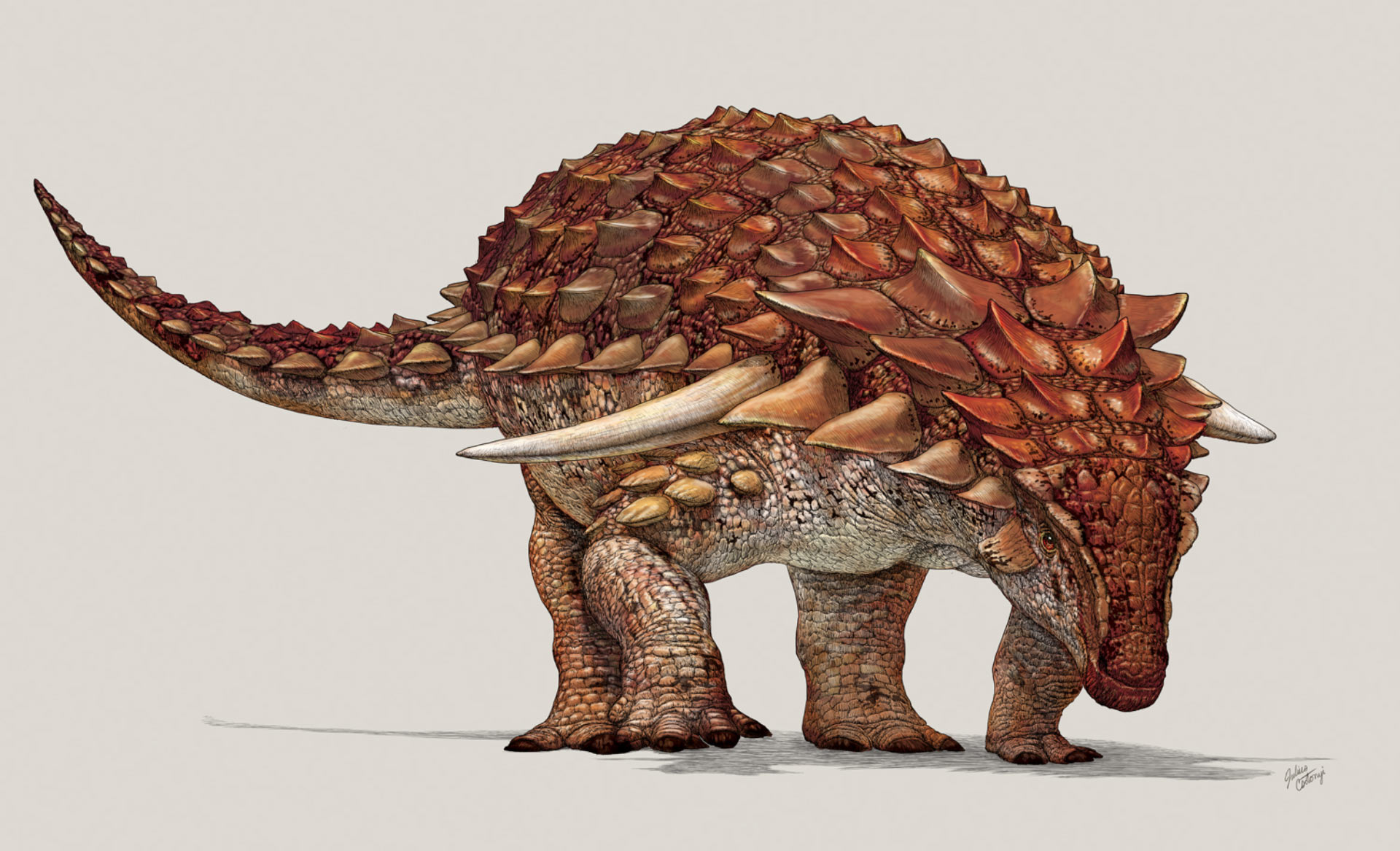
Borealopelta is a nodosaur, a member of the heavily armored dinosaur clan, but its real claim to fame is how freakishly well it was preserved. A specimen from Canada was fossilized with its armor plates still in life position, skin impressions intact, and even traces of original pigments that suggest reddish-brown coloration and darker shading on the back. It looks less like a skeleton and more like a mummified dragon that somehow skipped out of a fantasy novel into a mine.
Studies of this specimen have given scientists clues about its camouflage and how it might have defended itself against predators, despite already being built like a walking bunker. The idea that an animal covered in thick armor still needed countershading and careful concealment says a lot about the threat level in its ecosystem. Borealopelta might not have the name recognition of a stegosaur or ankylosaur, but it deserves a spot on any dinosaur fan’s list purely for showing us, in exquisite detail, what a heavily armored herbivore really looked like in the flesh.
7. Citipati: The “Egg Thief” That Turned Out to Be a Super Parent
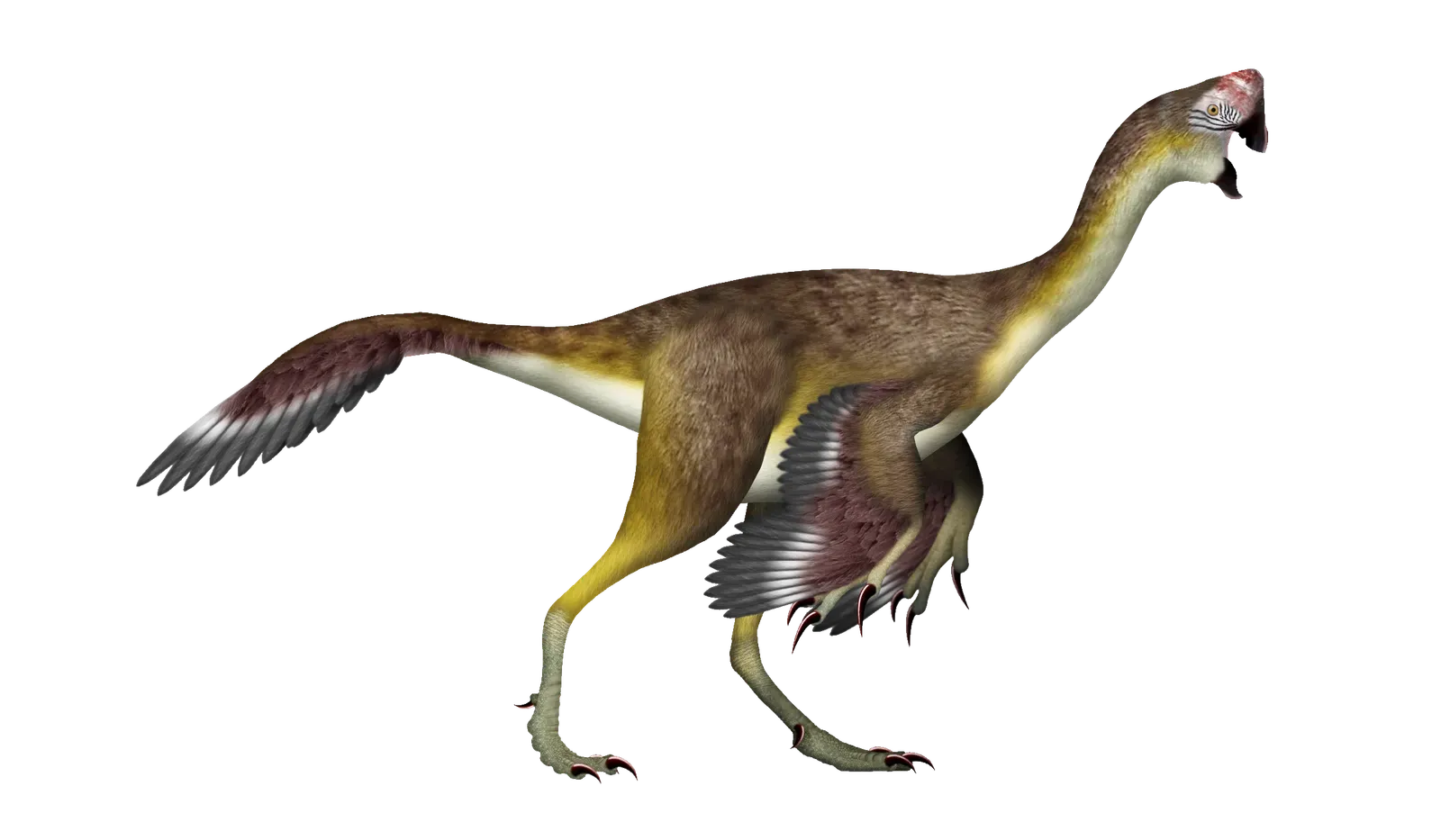
If you have ever heard the name Oviraptor, you have probably heard the old story that it was an egg thief caught in the act. Later discoveries, especially of closely related dinosaurs like Citipati, flipped that narrative on its head. Fossils of Citipati have been found sitting on nests in a bird‑like brooding posture, arms spread to cover the eggs, suggesting that these feathered dinosaurs were attentive parents rather than sneaky raiders.
Citipati itself was a striking animal: a beaked, crested oviraptorosaur with strong arms and likely a good covering of feathers, living in Late Cretaceous Mongolia. Its fossils capture intimate moments of behavior, not just bones – parents incubating eggs, possibly protecting their future offspring from storms or sand burial. For me, that emotional angle matters; it turns dinosaurs from distant monsters into animals with recognizable, almost relatable family lives. Suddenly, you are not just looking at a skeleton; you are watching a parent that never got up from its nest.
8. Europasaurus: The Dwarf Giant of Island Life
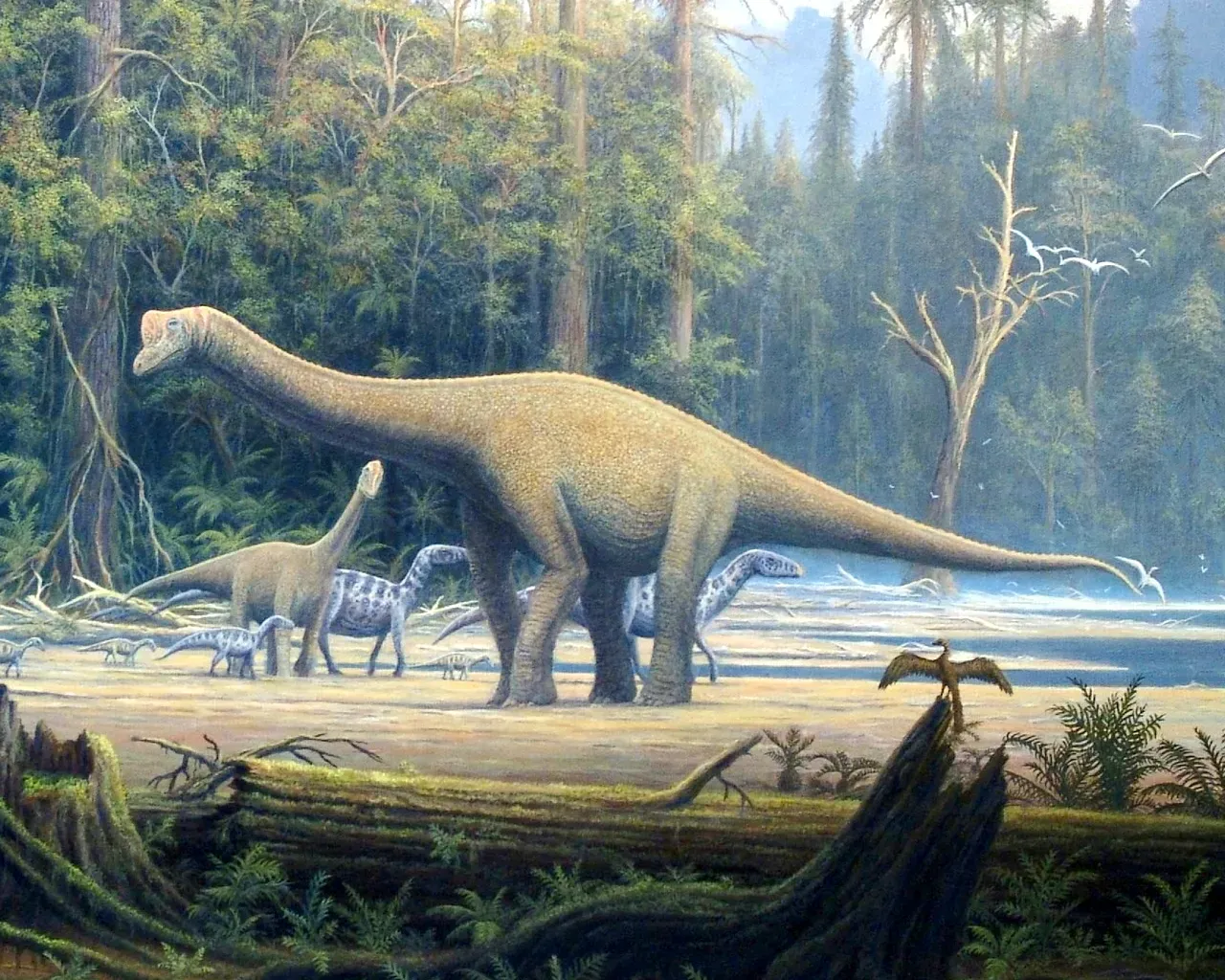
Europasaurus is what happens when evolution takes a classic dinosaur template – the massive, long‑necked sauropod – and runs it on island mode. Found in what is now Germany, this dinosaur shows signs of being a genuine dwarf species: an adult sauropod shrunk down to a fraction of the size of its more famous cousins. Instead of weighing as much as multiple buses, an adult Europasaurus might have been closer to the size of a large cow.
That downsizing likely came from living on limited island resources, where gigantic bodies are simply not practical. This idea, called insular dwarfism, shows up in other animal groups too, from ancient elephants to hippos, but seeing it in a sauropod feels especially mind‑bending. Europasaurus makes the dinosaur world feel more dynamic and flexible, less locked into simple roles like “giant plant‑eater” or “huge predator.” It hints that even among the titans, there were pockets of experimentation where nature scaled things down rather than always going bigger.
9. Therizinosaurus’s Smaller Cousin: Beipiaosaurus and the Fluffy Revolution
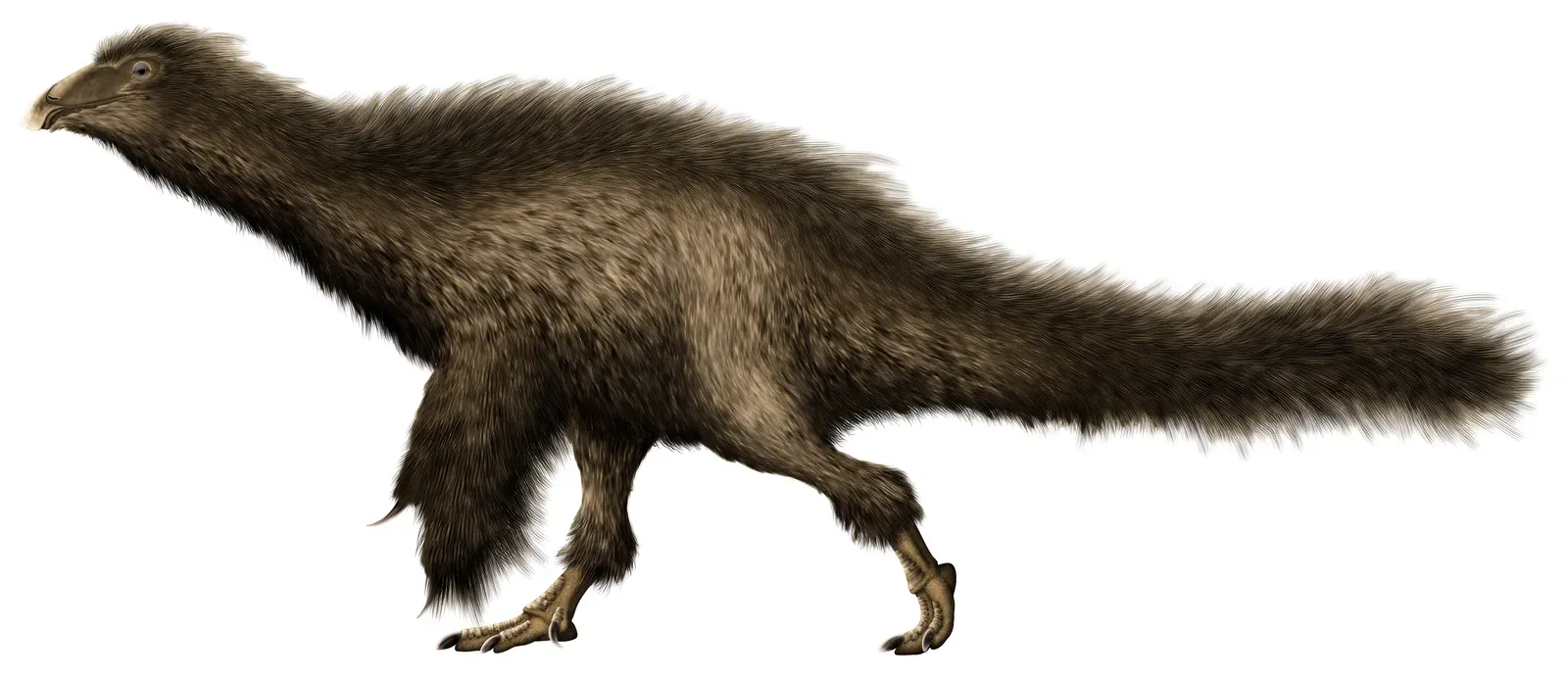
Beipiaosaurus often gets overshadowed by its giant cousin Therizinosaurus, but it deserves attention in its own right as one of the stranger early therizinosaurs. It was a mid‑sized, feathered dinosaur with a potbelly, long arms, and large claws, showing that this odd family was already veering away from the classic carnivorous theropod blueprint. Fossils of Beipiaosaurus preserve both simple filaments and more complex, broad feather-like structures that were not used for flight.
Those specialized feathers may have been for display, insulation, or both, turning Beipiaosaurus into a walking advertisement for early feather evolution. When you imagine it striding through a forest, shaggy and awkward, you start to realize how many dinosaur groups were experimenting with fuzzy coverings long before birds took to the air. I like to think of Beipiaosaurus as part of the “fluffy revolution” among dinosaurs, a reminder that a lot of them would have looked more like bizarre birds or mammals at a distance than like oversized lizards.
10. Pachycephalosaurus’s Underdog Cousin: Stegoceras and the Head-Butting Debate
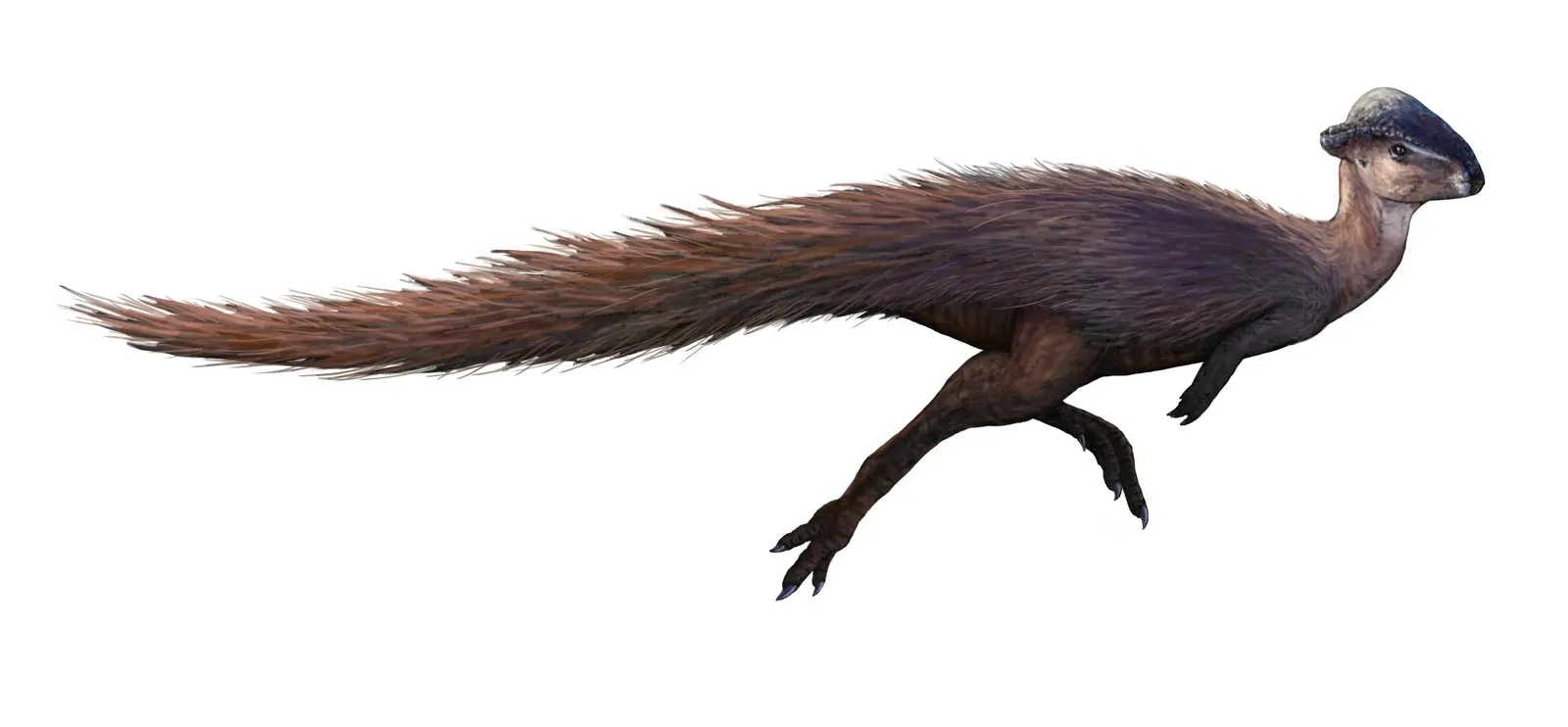
Stegoceras is a small, dome‑headed dinosaur from North America, part of the same group as the more famous Pachycephalosaurus. Its skull sports the characteristic thick, rounded dome, leading to the popular image of these animals smashing heads like prehistoric bighorn sheep. But the reality is more nuanced: biomechanical studies suggest they could withstand significant impact, yet how exactly they used that ability – head‑butting rivals, flank‑butting, or something else – is still debated.
What makes Stegoceras especially interesting is that its fossils include multiple age stages, giving scientists a chance to see how the dome and ornamentation changed as the animal grew. Some evidence suggests that young individuals had different skull shapes and that the dome thickened over time, maybe linked to maturity or social signaling. I find that unexpectedly relatable; just like antlers in deer or horn growth in some mammals, these bony structures seem tied to identity and status, not just combat. Stegoceras may not be a superstar, but it sits right in the middle of a lively scientific argument about what those famous thick skulls were really for.
Conclusion: Why the “Weirdos” Matter More Than the Stars
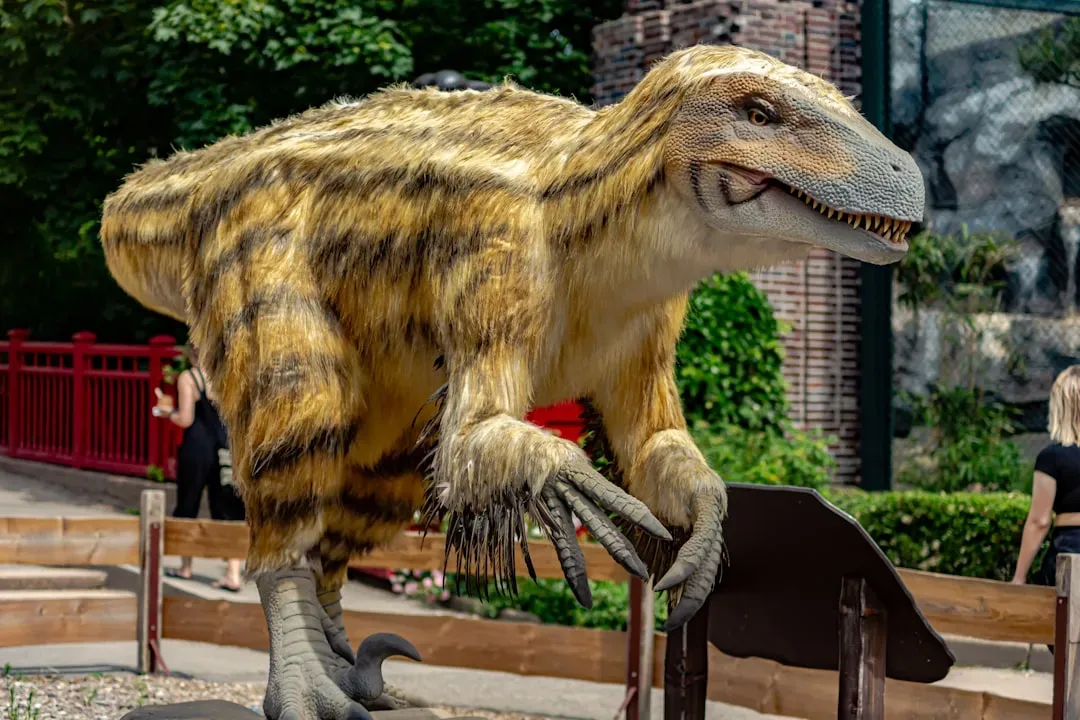
It is tempting to let the blockbuster dinosaurs hog all the attention, but the truth is that the strange, lesser‑known species often tell us more about how evolution actually works. Creatures like Kulindadromeus, Borealopelta, or Europasaurus are not just trivia; they are the evidence that dinosaurs were experimenting with feathers, armor, body size, and behavior in ways that make the prehistoric world feel richer and less predictable. Focusing only on T. rex and its peers is like judging modern life by lions and elephants alone – you miss the subtle, surprising stories happening at smaller scales.
In my view, the future of dinosaur science belongs to these so‑called background characters, because they force us to keep updating our mental picture and to admit that reality is often stranger than pop culture. Every time a new “obscure” dinosaur shows up with feathers in an unexpected place, or island dwarfing, or insane claws used for plants instead of prey, it pushes us to drop old assumptions. That is what keeps this field exciting and, honestly, a little humbling. The real question is not whether there are more weird dinosaurs out there, but how many, and how much they will change what you thought you knew – so which one of these underdogs surprised you the most?