
If you have ever wondered why you react so intensely to some things and shrug off others, astrology offers an interesting mirror. It does not lock you into a fixed personality, but it does describe recurring emotional tendencies that many people recognize in themselves. When you look at patterns rather than predictions, you can use the zodiac less as fortune-telling and more as a framework for emotional self-awareness.
In this article, you will walk through ten powerful emotional patterns that tend to show up again and again across the zodiac. You will not see a sign-by-sign list, so you are free to notice what resonates with you without getting boxed in by labels. Think of it as holding ten different emotional filters up to the light and asking yourself, which of these feels familiar?
The Urge To React First And Reflect Later

You might recognize this pattern if your feelings seem to arrive like a spark hitting dry grass. Something annoys you, excites you, or shocks you, and your first impulse is to act immediately: send the text, speak your mind, slam the door, or jump into a new plan. Your body often feels emotions physically as heat, restlessness, or a sudden spike of energy, and it can be hard to sit still with what you feel before doing something about it.
Over time, this can make life feel intense and a bit chaotic. You may find yourself apologizing for overreactions, or secretly embarrassed by how quickly you flare up and cool down. When you learn to pause, even for a single deep breath, you start using this emotional fire as a strength instead of a liability. Acting from a grounded place lets your courage, passion, and honesty show without burning you or anyone else.
The Need For Emotional Safety Before Opening Up

If you are the kind of person who takes a while to warm up, this pattern might feel very familiar. You do not pour your heart out to someone you just met, and you are careful about where you invest your feelings. You may test people quietly, watching how they behave when you are vulnerable or when you say no. Your emotional world can be rich and deep, but only a tiny circle of trusted people ever gets to see all of it.
The downside is that others may read you as distant, guarded, or hard to read when, in reality, you simply need to feel safe first. You may cling to what is familiar, even when it no longer feels good, because the unknown feels emotionally risky. When you recognize this pattern, you can start building safety from the inside out: creating routines that calm you, setting clear boundaries, and slowly allowing yourself to be seen in small, manageable ways instead of staying locked behind emotional walls.
The Drive To Feel Special, Seen, And Appreciated

You might notice that your emotions are strongly tied to how visible and valued you feel. When someone praises your efforts, truly notices your presence, or celebrates your creativity, your heart lights up. You feel inspired, generous, and ready to give more of yourself. But when you feel ignored, taken for granted, or overshadowed, your mood can drop suddenly, leaving you resentful or unmotivated.
This pattern often shows up as a craving for recognition that can be hard to admit, because it might sound selfish. It is not about needing constant compliments; it is about feeling that your unique spark matters to someone. When you accept that this desire is part of how you are wired emotionally, you can start feeding it in healthier ways: choosing relationships where mutual appreciation is normal, celebrating your own wins instead of waiting for others, and allowing yourself to shine without apologizing for taking up space.
The Habit Of Overthinking Every Feeling

When this pattern is strong, you may delay decisions, postpone difficult talks, or doubt your own intuition. Your first instinct is to gather more information rather than trust the emotional data you already have. Learning to balance thought and feeling can transform this habit from a source of worry into a quiet superpower. When you let yourself feel first and analyze second, your natural curiosity and mental clarity help you understand your inner world instead of getting trapped in it.
The Deep Sensitivity To Atmosphere And Hidden Undercurrents

You might walk into a room and instantly sense the mood, even before anyone speaks. Maybe you pick up on tension between two people, notice when someone is secretly upset, or feel drained after being around certain crowds. Your emotional system is tuned like a sensitive instrument, picking up subtle cues that others miss. This can make you incredibly compassionate, because you sense pain or discomfort without needing it spelled out.
The challenge is that you can absorb emotions that do not belong to you, like a sponge soaking up everyone else’s feelings. If you are not careful, you may mistake other people’s anxiety, sadness, or anger as your own and wonder why you suddenly feel heavy. Recognizing this pattern helps you create energetic boundaries: taking breaks from intense environments, grounding yourself with simple routines, and reminding yourself that you can care about someone without carrying their emotional load on your back.
The Need For Control When Emotions Feel Unpredictable

For some people, the main emotional pattern is not what they feel, but how they fight to manage it. You may feel uncomfortable with chaos, ambiguity, or sudden change, and your instinct is to organize, plan, or fix things. When emotions get big – yours or someone else’s – you might respond by giving advice, setting rules, or focusing on practical tasks rather than sitting in the messy middle of it all. Control becomes a way to feel safe.
This can make you very reliable and capable, but you might secretly carry a lot of tension. You may struggle when life refuses to fit your structure, or when feelings arise that you cannot schedule or solve. When you become aware of this pattern, you can slowly practice loosening your grip in low-stakes situations: letting a plan change, tolerating not knowing the full answer, or allowing yourself to feel sad, angry, or scared without immediately trying to clean it up. Over time, you discover that your strength is not only in control, but also in resilience.
The Tendency To Seek Harmony, Even At Your Own Expense

If you often play the peacemaker, this emotional pattern will feel familiar. You might downplay your own needs to avoid conflict, smooth over disagreements, and work hard to keep everyone comfortable. You feel emotional discomfort when people around you are upset, and you may take it personally, as if their tension is somehow your fault. In relationships, you might say yes when you mean no, simply to keep the peace.
On the positive side, you are often empathetic, fair-minded, and good at seeing multiple perspectives. But if this habit goes unchecked, you can lose track of your own desires until you feel quietly resentful or invisible. Learning to notice when you are sacrificing yourself for harmony is a huge step. When you start expressing honest preferences, even in small ways, you discover that real peace is not about avoiding friction; it is about creating relationships where your emotions matter as much as everyone else’s.
The All-Or-Nothing Experience Of Feelings
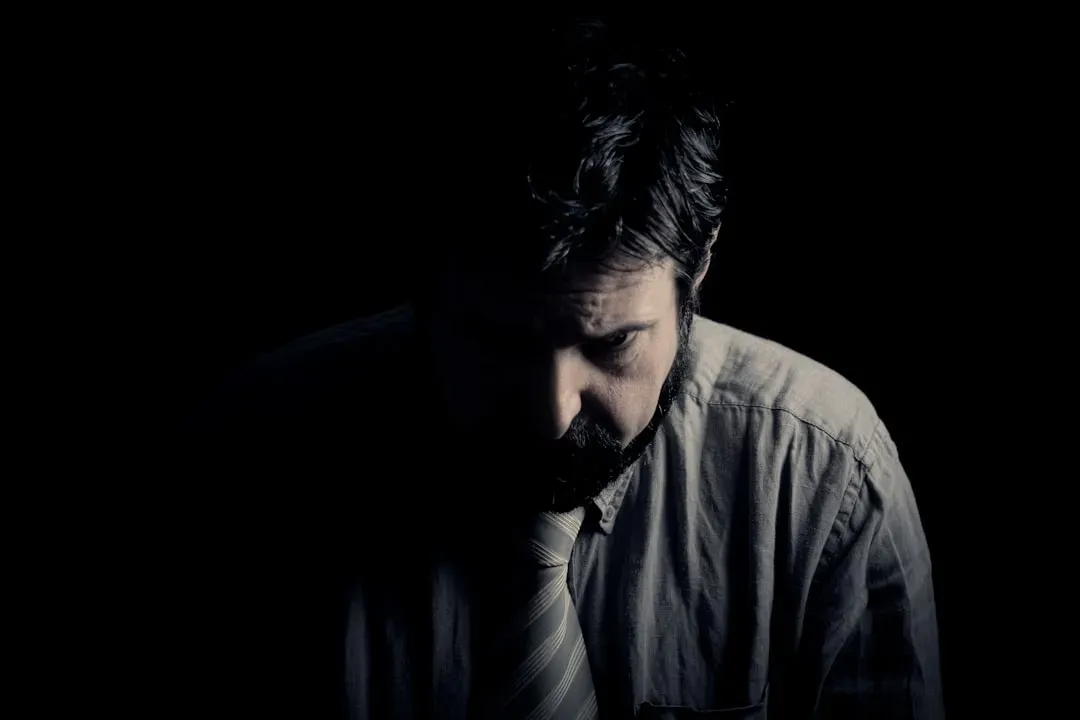
Some people do not really do moderate emotions – they feel things at maximum volume. You might fall in love hard, commit fiercely to your choices, and hold loyalty as a sacred value. When you care, you care fully, and when you are hurt, you feel it like a deep bruise that takes time to fade. This intensity can be magnetic to others, because it makes you seem passionate, devoted, and deeply alive.
The flip side is that you may struggle with emotional gray areas. Letting go, forgiving, or moving on can feel almost impossible when your heart is all-in. You might interpret small changes in someone’s tone or behavior as huge threats, because you are so invested. Recognizing this pattern allows you to work with your emotional depth rather than being consumed by it. You can start practicing small acts of moderation – taking a step back before reacting, allowing relationships and situations to be complicated, and reminding yourself that not every shift means catastrophe.
The Rising Optimism That Can Hide Deeper Feelings

You may naturally tilt toward hope, possibility, and the bright side of life. When something goes wrong, your first response is often to look for meaning, lessons, or the next adventure. People might describe you as upbeat or resilient, and you probably enjoy being that person who lifts others up. It feels better to focus on what could go right than to sit with what already hurts.
The tricky part is that this optimism can turn into emotional avoidance. You might gloss over your own grief, disappointment, or fear in the rush to stay positive. Over time, those unprocessed feelings do not disappear; they simply go underground, showing up as restlessness, burnout, or sudden emotional crashes. When you let yourself acknowledge pain without immediately reframing it, your positivity becomes more grounded. You are no longer escaping reality; you are choosing hope with full awareness of what you have survived.
The Pull Between Independence And Emotional Closeness

Another common pattern is the inner tug-of-war between wanting deep connection and fiercely guarding your freedom. You might crave intimacy and meaningful bonds, but when someone gets too close, you suddenly feel trapped or smothered. Emotionally, this can look like drawing someone in and then pulling away, opening up one week and going silent the next. It is not always conscious; it is often a protective reflex.
This push-and-pull can leave both you and others confused. You might tell yourself that you are simply not the clingy type, when underneath, there is a fear of losing yourself in relationships or being hurt if you rely on someone too much. Becoming aware of this pattern allows you to negotiate with it instead of being ruled by it. You can practice honest conversations about space and closeness, choose partners who respect your independence, and reassure your nervous system that emotional intimacy does not have to mean disappearing into someone else.
Conclusion: Using Emotional Patterns As A Map, Not A Cage

When you look at these ten emotional patterns, you may see yourself in several of them rather than just one. That is the point. You are more complex than a single zodiac sign or trait, and your emotional life shifts as you grow, heal, and make conscious choices. Astrology can be a helpful language for noticing where your reflexes come from, but it does not decide who you have to stay.
The real power lies in how you respond once you notice a pattern. Do you keep running the same script on autopilot, or do you experiment with a different response, even if it feels strange at first? If a certain pattern protects you, can you thank it and still update it? As you pay attention, you turn vague astrology into practical self-knowledge – and that is where real change begins. Looking back at these patterns, which one feels like it is quietly steering more of your life than you realized?