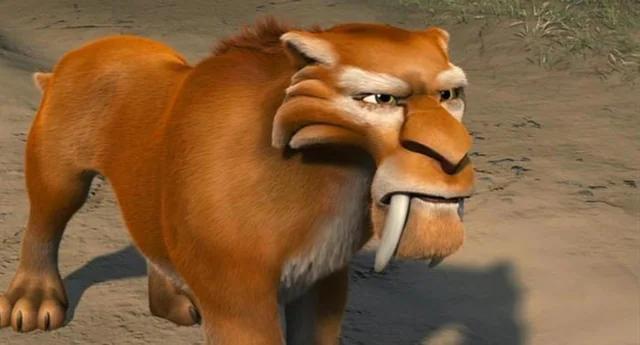
If Diego from Ice Age were based on real sabre-toothed cats, that “reluctant softie with a heart of gold” image would not survive five minutes. The real animals behind that character were closer to living weapons than to brooding antiheroes, and the gap between cartoon and fossil reality is honestly wild. Once you see what these predators were actually built to do, it becomes very hard to imagine them cracking jokes with a mammoth and a sloth.
Scientists have pulled a surprising amount of detail out of bones, teeth, and even fossilized injuries, and the picture that emerges is brutal, efficient, and anything but gentle. Think less moody big cat with a tragic backstory and more apex hunter specialized for fast, bloody finishes. Let’s walk through ten hard, science-based facts about real sabre-toothed cats that would absolutely wreck Diego’s reputation as the Ice Age squad’s lovable muscle.
1. Those famous “sabre” teeth were built to kill quickly, not just to look cool
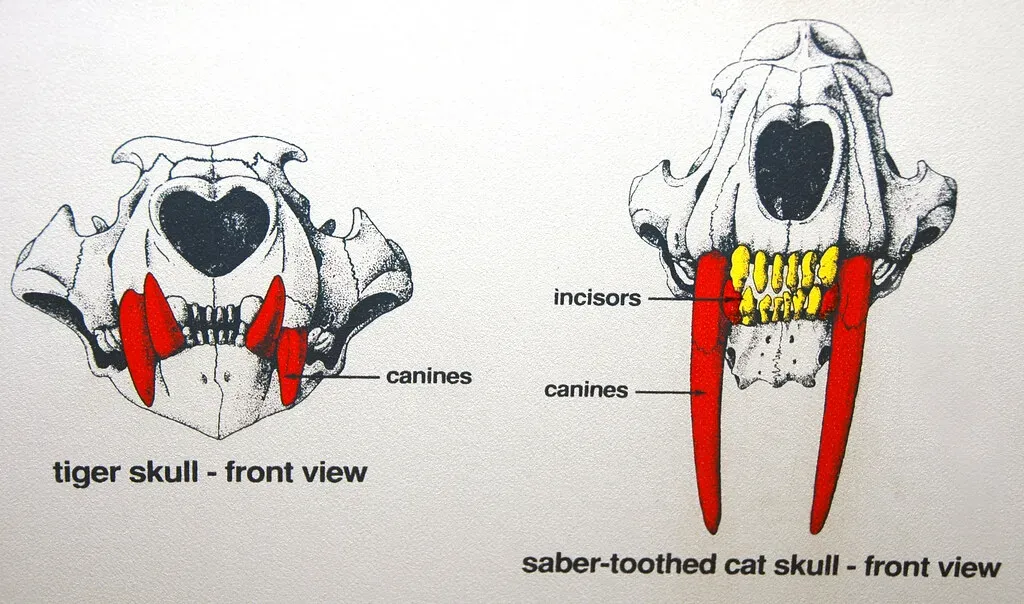
The cartoon treats Diego’s canines mostly like a visual gag – long, dramatic, but not especially disturbing. In reality, sabre-toothed cats like Smilodon had upper canines that could reach around seven inches in length, flattened like knives and finely serrated along the edges. These were not general-purpose teeth; they were surgical tools, evolved over millions of years for one horrifying job: open an enemy’s throat or windpipe fast.
Biomechanical studies of skulls show that these teeth were best used in precise, deep slashes to soft tissue rather than random biting or chewing. That suggests a hunting style focused on rapid, lethal strikes that quickly disabled very large prey, causing massive blood loss. In other words, the real “Diego” was not just chasing things around; he was adapted to end a struggle in seconds by going directly for the most vulnerable spots.
2. Their jaws were weak at crushing, but terrifying at slicing
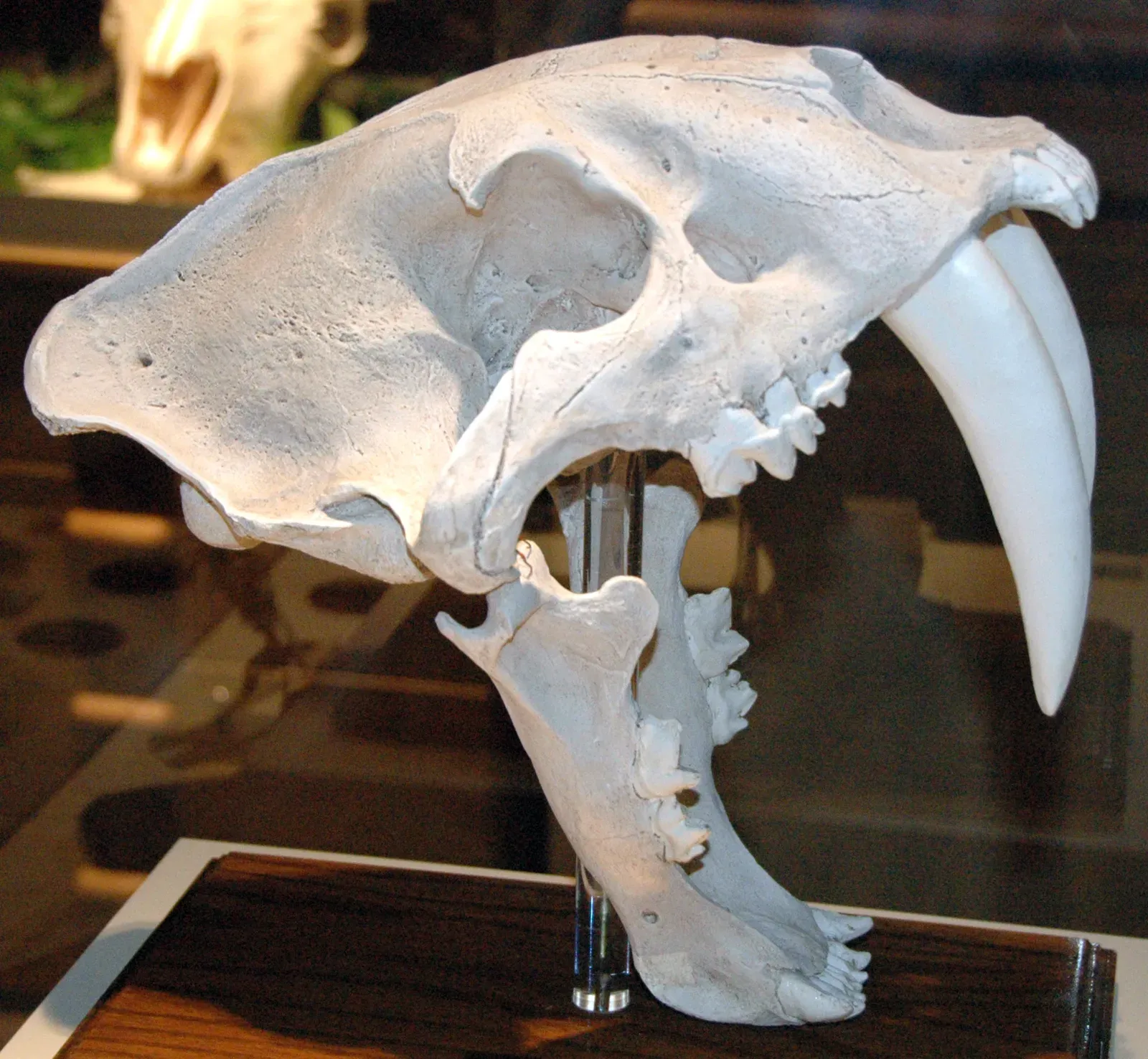
Many people imagine big cats as having bone-crushing bites, like a lion or a tiger, and assume sabre-toothed cats were just the extreme version of that. Surprisingly, the opposite is true: sabre-toothed cat skulls show a bite that was relatively weak compared to modern big cats when it came to delivering a powerful, crushing chomp. The long sabres, wide gape, and specialized jaw muscles simply were not designed to crunch through heavy bone the way a lion might.
Instead, they sacrificed raw bite force for the ability to open their mouths incredibly wide and drive those blades into soft tissue with accuracy. It is a bit like comparing a sledgehammer to a scalpel: less brute-force smashing, far more controlled cutting. So Diego, who often appears to clamp down on things like a generic big cat, is misrepresenting an animal whose entire jaw setup screamed “precision assassin,” not “gentle giant with a big, strong bite.”
3. Their bodies were powerlifters, not sprinters
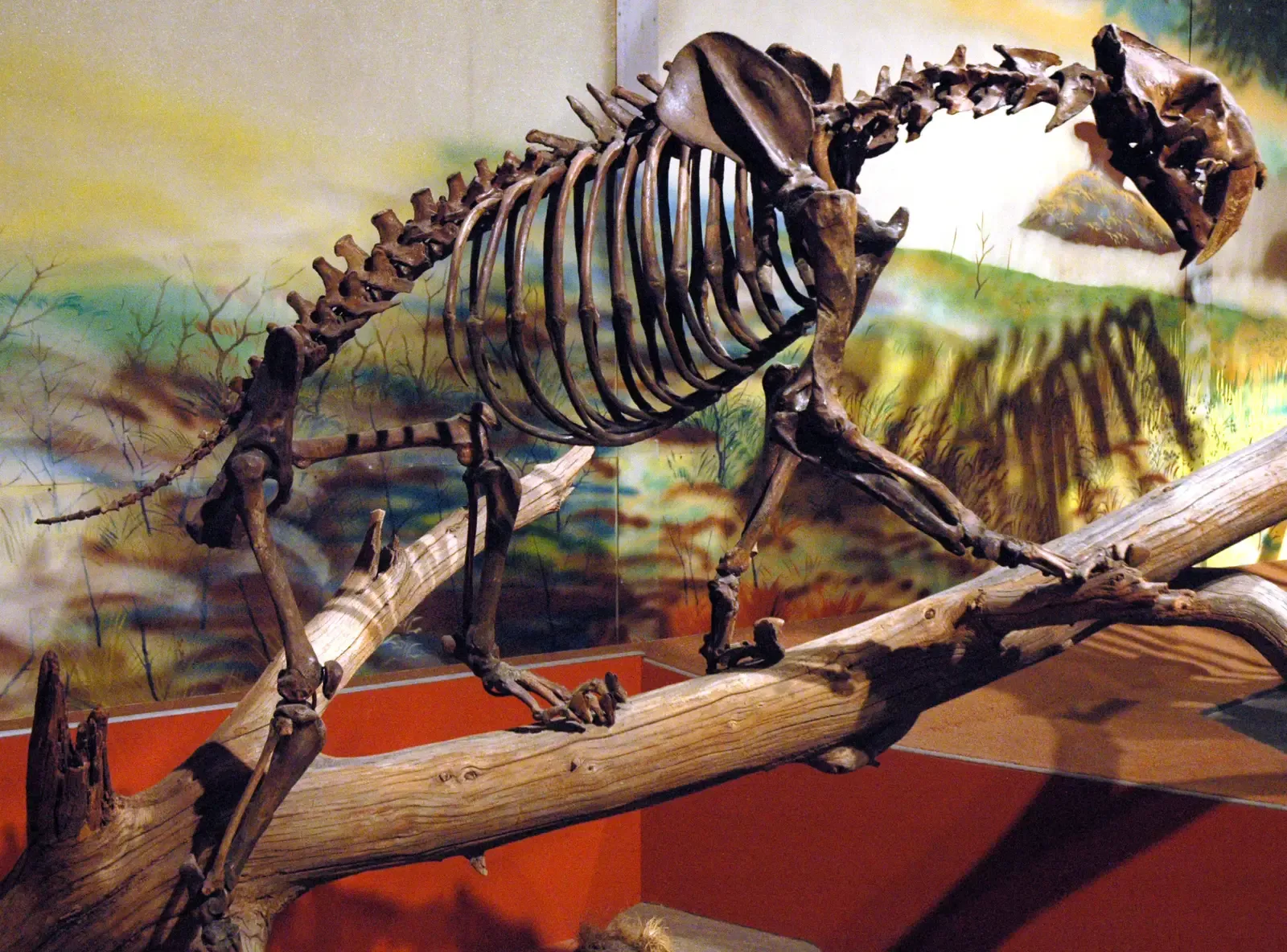
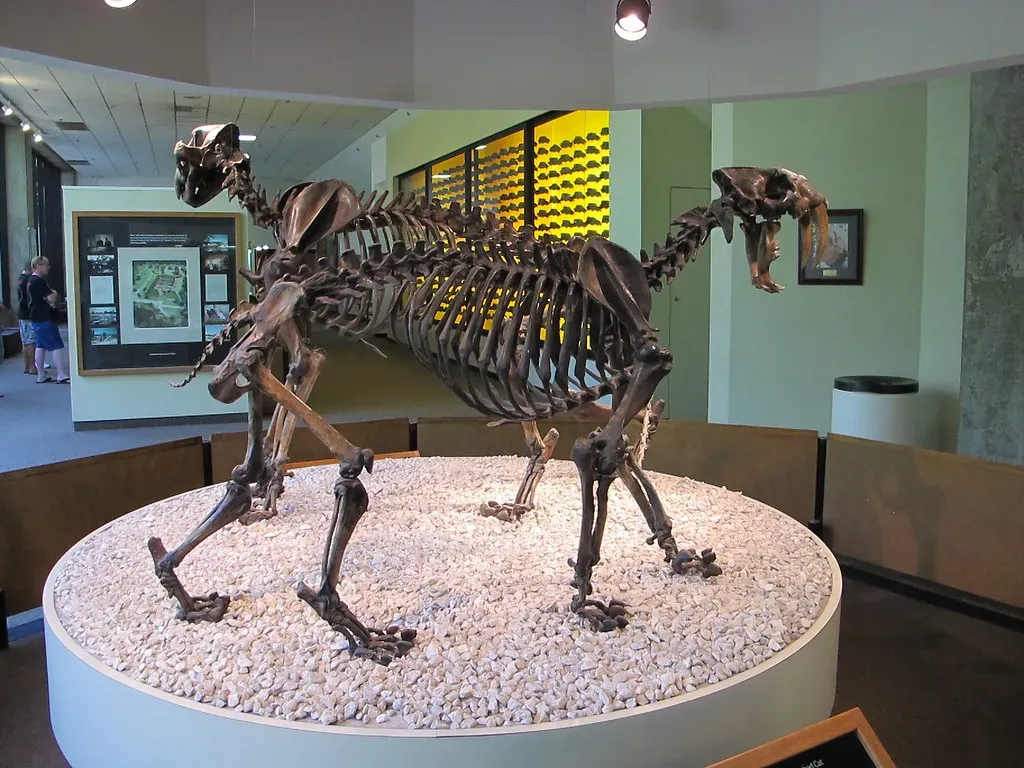
In the movies, Diego is fast, agile, and sleek, basically a prehistoric cheetah with a sarcastic streak. Fossil skeletons of Smilodon fatalis from places like the La Brea Tar Pits tell a different story: these cats had incredibly robust forelimbs, massive shoulders, and a stocky build. Their front legs were thick and heavily muscled, more like a wrestler’s upper body than a runner’s lean frame.
This anatomy suggests ambush and grappling, not long-distance chasing. Instead of sprinting across open ground after nimble prey, they likely relied on short bursts, wrestling huge animals to the ground and pinning them while delivering those lethal throat or neck bites. Real sabre-toothed cats were closer to living battering rams than sleek sprinters, more suited to brutal takedowns than elegant chases through ice tunnels.
4. They were probably pack hunters, but not in the friendly “found family” way
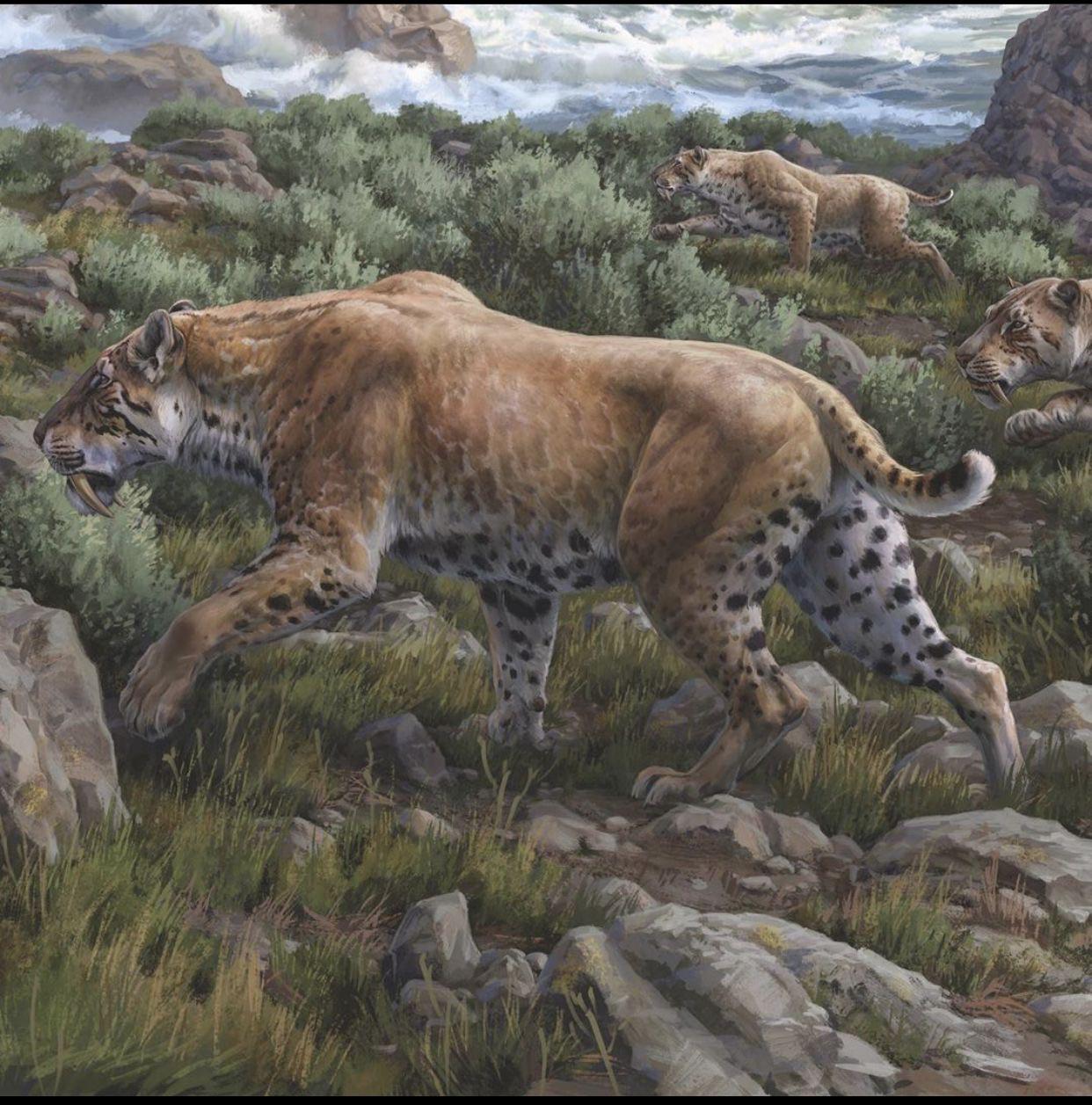
One of Diego’s most endearing qualities is how he slowly bonds with Manny and Sid, becoming part of a quirky, loving “herd.” Interestingly, there is some scientific support that real Smilodon may have lived and hunted in social groups, based on fossil site patterns and healed injuries that suggest animals survived traumas only possible with group support. But a sabre-tooth “team” was not likely a wholesome friendship circle; it was more like a coordinated gang of highly efficient killers.
If these cats did hunt cooperatively, it was almost certainly to bring down massive prey like bison, camels, or juvenile mammoths, not to babysit human toddlers. Social hunting for a top predator usually means complex competition, dominance struggles, and aggressive coordination. So while Diego’s group loyalty makes for a great story, the real version of that “pack” would have been all sharp elbows, bloody faces, and constant tension over who ate first.
5. Their prey list would have included Manny-sized targets
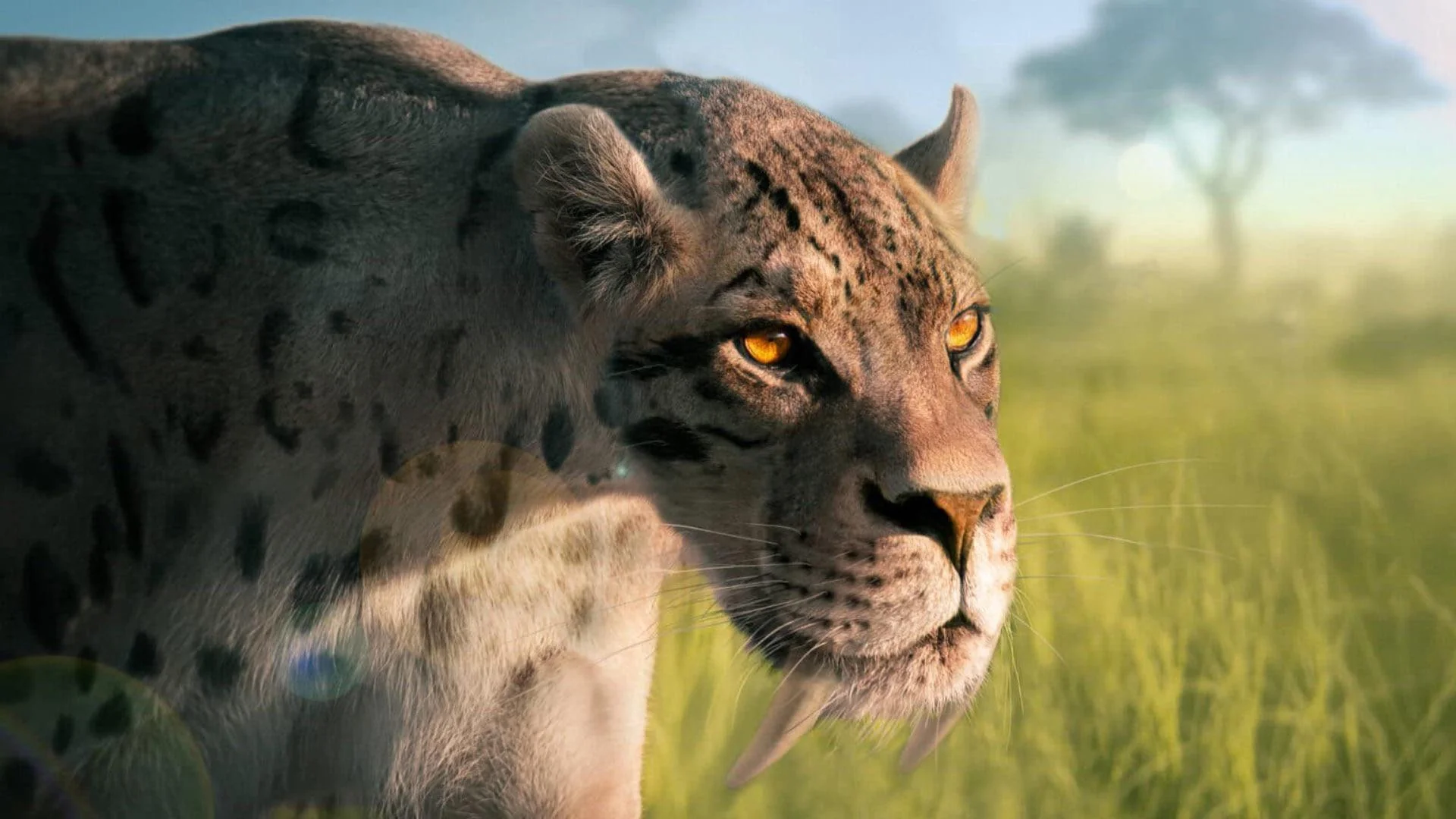
In the films, Diego is clearly dangerous, but he never truly feels like a lethal threat to Manny the mammoth; their conflict is more emotional than physical. Real sabre-toothed cats did not have that kind of narrative restraint. They lived alongside enormous Ice Age herbivores – young mammoths, mastodons, giant ground sloths, and massive bison – and their anatomy strongly suggests they were specialized in taking down exactly those kinds of bulky, well-defended animals.
Forelimb strength, neck muscles, and those slicing teeth make the most sense when you picture a cat leaping onto a huge animal’s side or neck, hanging on, and opening up arteries. That means the real Diego would have seen Manny not as a grumpy friend to protect, but as either a rival around a carcass or, under the right circumstances, potential prey. The warm, protective energy in the movie would be replaced by cold, hungry calculation.
6. They lived brutal lives full of injuries, infections, and violent encounters
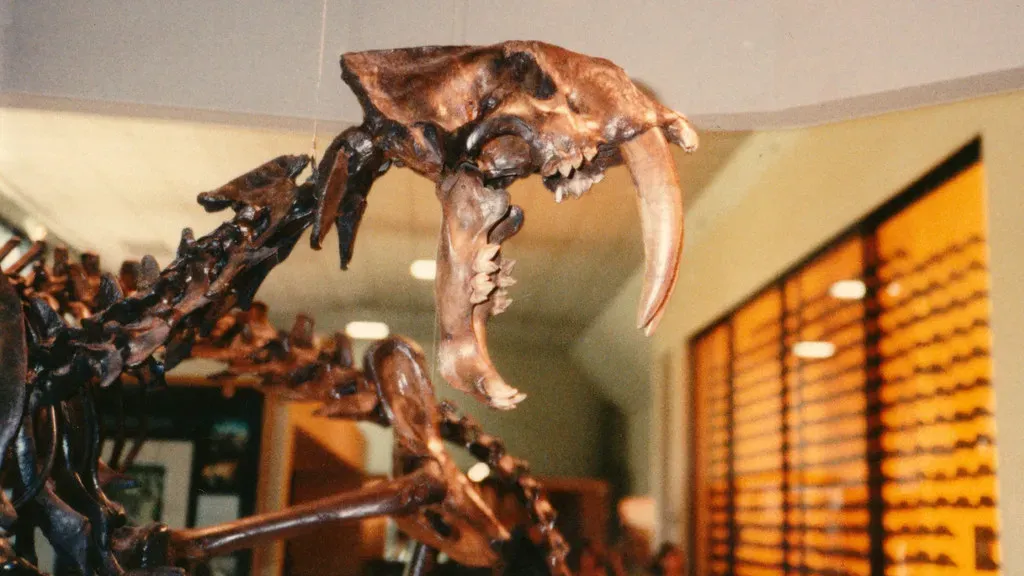
Diego takes a few comedic hits in the films, but he always bounces back, basically unscathed and emotionally intact. Fossil evidence from sabre-toothed cats reveals a much rougher existence: many skeletons show healed fractures, damaged spines, worn joints, and bite marks from other large predators. Some animals lived long enough for serious injuries to partially heal, meaning they endured weeks or months of pain in a world with no mercy and no medicine.
Pathological studies show arthritic changes and repetitive-stress damage as well, hinting at a lifetime of high-impact hunts, falls, and fights. This paints a picture of an animal constantly flirting with death, whether from prey fighting back, rivals attacking, or infections from wounds. Instead of a sarcastic sidekick working through his trust issues, the real Diego would more likely be a scarred, limping survivor who had seen countless violent confrontations and had no reason to play gentle with anyone.
7. They were in direct, deadly competition with other apex predators
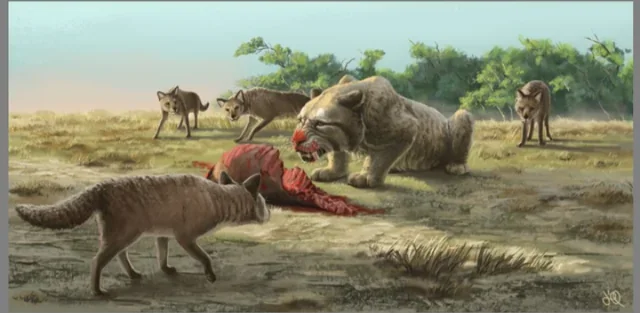
Diego’s world in the movies feels oddly empty of other high-level predators; his original pack is basically the only real threat in that niche. The actual Pleistocene ecosystems were incredibly crowded with killers. Sabre-toothed cats shared the landscape with giant short-faced bears, dire wolves, American lions, and large scavengers, all of them hungry and all of them ready to steal a kill or start a fight.
This level of competition would have forced sabre-toothed cats to be aggressive, opportunistic, and willing to escalate violence quickly over food. A half-hearted, nice-guy predator would simply starve or be driven off. Living in that kind of neighborhood means the real Diego would have been hard-edged, suspicious, and more likely to attack than to adopt a stray baby. The “gentle giant” persona would not survive one season in that arms race.
8. Their extinction story is tragedy, not redemption
By the later Ice Age scenes in the franchise, Diego feels like he has completed a classic character arc: from dangerous loner to loyal protector. Real sabre-toothed cats did not get a satisfying emotional resolution; they vanished in a wave of extinctions around the end of the last Ice Age. Climate shifts reshaped habitats, many of their huge prey species declined or disappeared, and early humans were entering the picture with tools, fire, and cooperative hunting.
Instead of redemption, the scientific picture looks more like a trap of over-specialization. Sabre-toothed cats were so finely tuned to hunting very large animals in cold Pleistocene ecosystems that when those systems changed, their skills became liabilities rather than strengths. There is something sobering about realizing that the real “Diego” did not get to ride off into the sunset with his herd; his kind simply disappeared when the world stopped rewarding their particular brand of lethal perfection.
9. They were emotionally unreadable to us – not secretly soft-hearted
One of the most charming things about Diego is how expressive he is: sarcasm, guilt, affection, fear, all clearly written across his face and voice. With real sabre-toothed cats, the honest answer is that we have no idea what they “felt” in any human sense. We can infer behavior from anatomy and from comparisons with modern big cats, but those inferences do not translate into a hidden gentle side or a secret love of underdogs.
Modern large predators can show complex social bonds and protective behavior, but they can also kill their own kind, commit infanticide, and abandon injured group members when survival demands it. Sabre-toothed cats likely sat somewhere on that same spectrum: capable of cooperation and maybe even strong bonds, yet ruled by hunger, competition, and hard evolutionary math. The sweet, conflicted, morally evolving Diego is a storytelling invention layered on top of a creature whose emotional world is, to us, basically a black box.
10. Up close, they would have been terrifying in ways the movie barely hints at
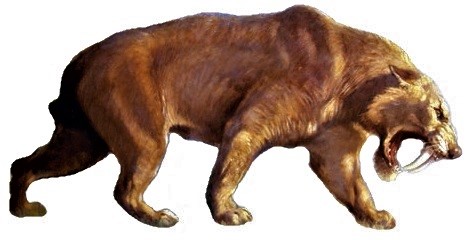
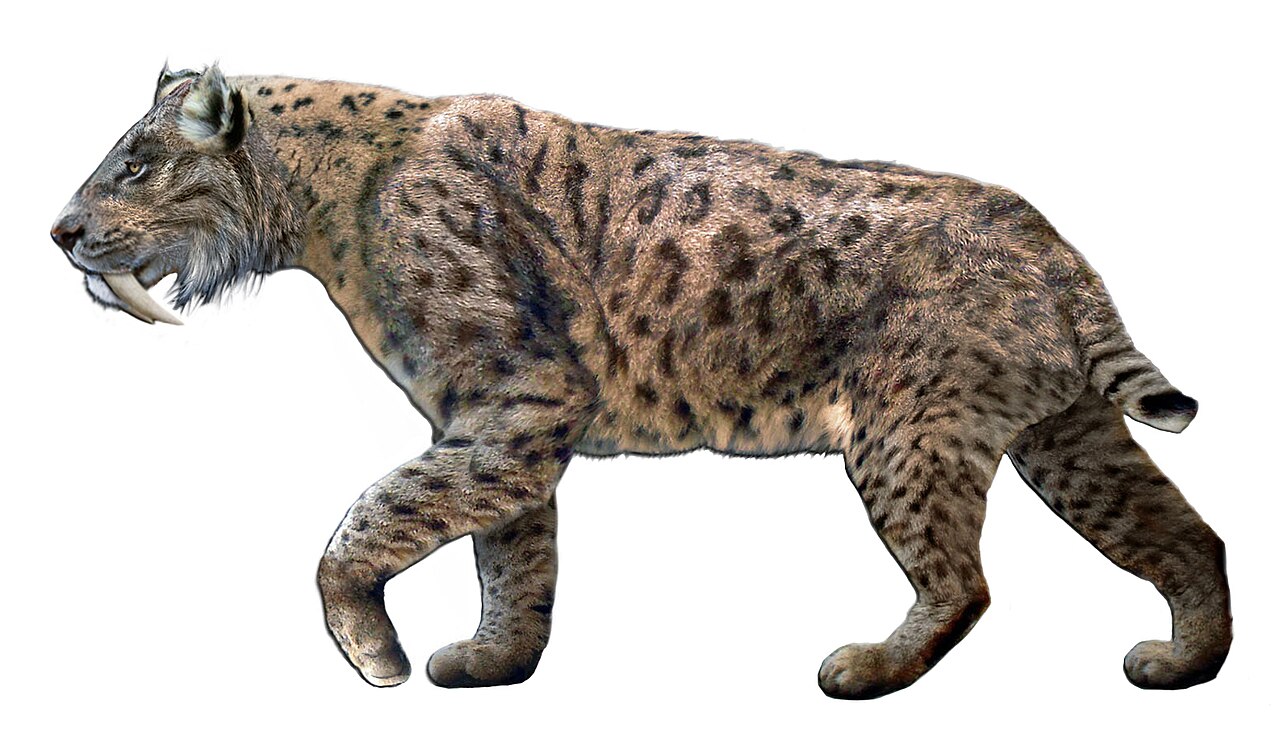
Even in cartoon form, Diego looks intimidating, but he is glossy and stylized enough that children do not have nightmares about him. In real life, a sabre-toothed cat would present a very different kind of presence. Imagine a cat roughly lion-sized but bulkier, with disproportionately heavy shoulders, thick paws, and an enormous head framed by jaw muscles. Add to that the unnaturally long, curved canines that stayed partially visible even when the mouth was closed, like twin knives permanently on display.
Combine that with the smell of a big carnivore, the low growl of a large chest cavity, and the cold focus of a top predator eyeing you as either threat or food. There is no version of that encounter where you would describe the animal as a gentle giant, and no amount of witty one-liners would soften the feeling of being near a highly specialized killer. If the real sabre-toothed cat ever walked onto the Ice Age set, Diego’s carefully crafted reputation would shatter the moment it opened its jaws.
Conclusion: Diego is comforting myth, the real sabre-tooth was a cold reality
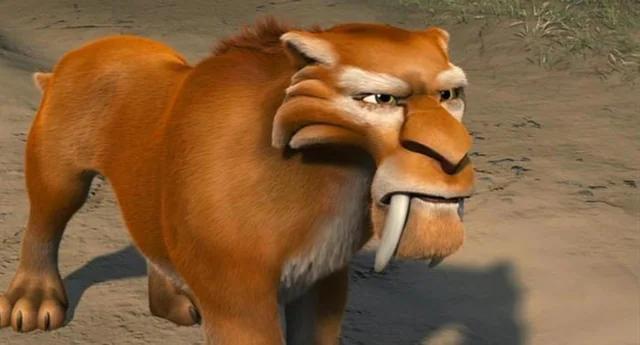
I’ll admit it: I like Diego as a character. He taps into a very human fantasy that even the scariest-looking creatures might secretly be kind, principled, and just waiting for the right friends to bring out their best. But once you stare at the fossil record, that fantasy collides head-on with bones shaped by ruthless selection, teeth designed for efficient killing, and a life lived on the brink of starvation and violence. The real sabre-toothed cat did not have the luxury of moral dilemmas; it had the constant, simple question of whether it would eat or be pushed aside.
Maybe that is why the truth feels so jarring: we want Diego, but nature gave us something far harsher and far less interested in our stories. These animals were magnificent, yes, but in the way of storms or avalanches – awe-inspiring, dangerous, and completely indifferent. So the next time you rewatch Ice Age and see Diego soften, it is worth remembering the fossil version standing behind him in the shadows, all muscle and blades, with no gentle giant act to fall back on. Which version would you rather meet on a snowy night, if you had to choose?