If you could time-travel onto the plains of North America in the early eighteen hundreds, there is a good chance the most feared sight on the horizon would be a Comanche war party on horseback. They moved so fast, so fluidly, that many early observers honestly believed they were seeing something superhuman. To their enemies and even to some of their allies, Comanche riders seemed less like people on horses and more like a single, terrifying creature made of muscle, speed, and raw intent.
That level of mastery did not appear overnight, and it was not just about being “good riders.” The Comanche reorganized almost every part of their lives around the horse: warfare, trade, family, travel, and even how they thought about distance and power. Their story is not only about stunning horsemanship; it is about how one technology – the horse – can completely reshape a people, a landscape, and history itself.
From Foot Hunters to Horse People in a Single Transformative Century
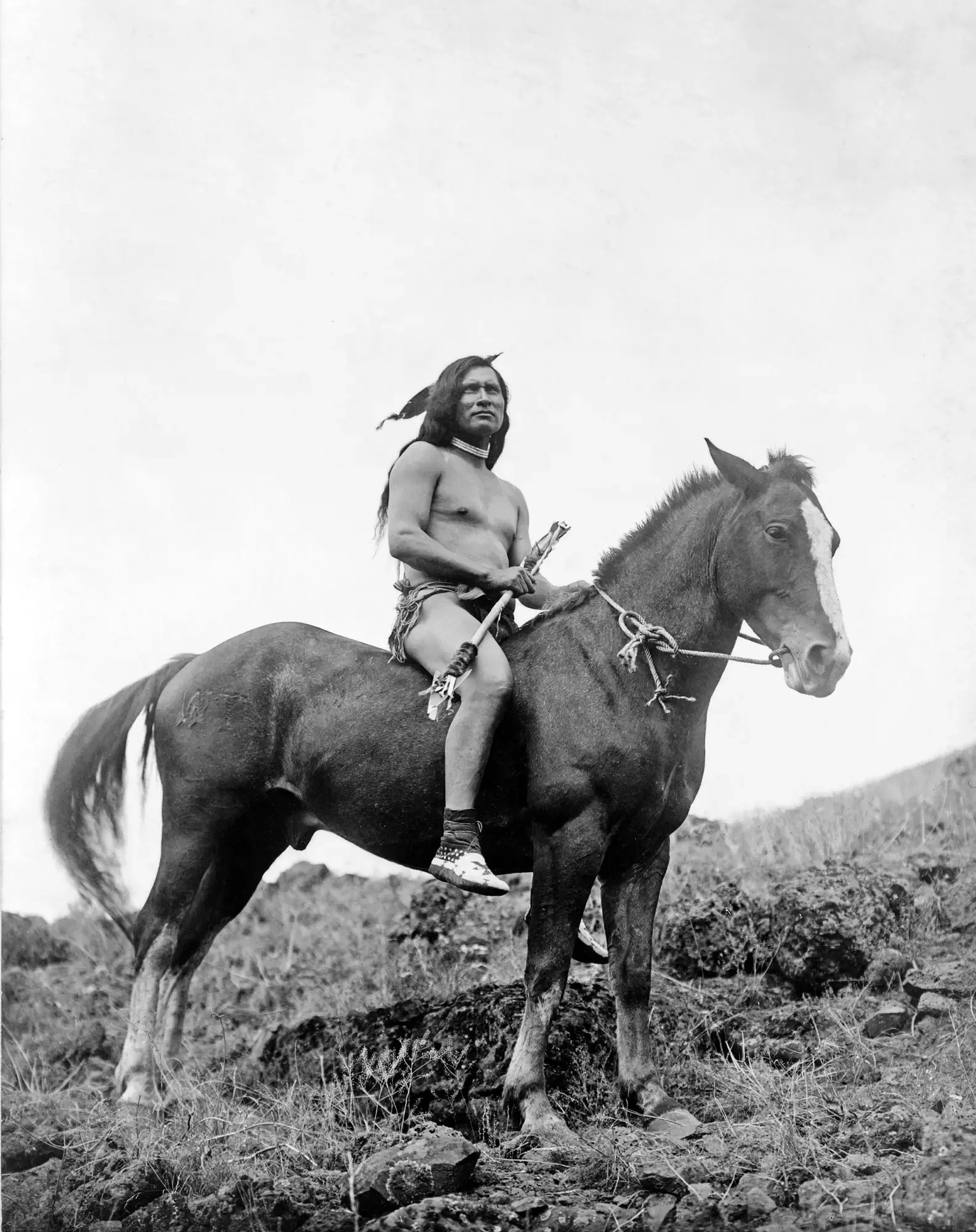
It is easy to forget that the Comanche were not always legendary riders; they started out as a people on foot, part of the broader Shoshonean world in the northern Rockies. Once horses spread northward from Spanish colonies in the late sixteen hundreds and early seventeen hundreds, the Comanche grasped their potential with a speed that shocked other nations. Within roughly a single long human lifetime, they shifted from pedestrian hunters to full-blown equestrian specialists dominating the Southern Plains.
This transformation was not just about adding horses to an existing lifestyle; they rewrote the script entirely. Bands reorganized around mobility, seasonal movements stretched over enormous distances, and their hunting, raiding, and trading networks suddenly reached into regions that would have taken weeks to access before. In practical terms, the horse turned the Comanche from regional actors into a major power whose decisions could shape the fate of Spanish colonies, neighboring tribes, and later American expansion.
The Comanche Herd: Living Wealth on Four Legs
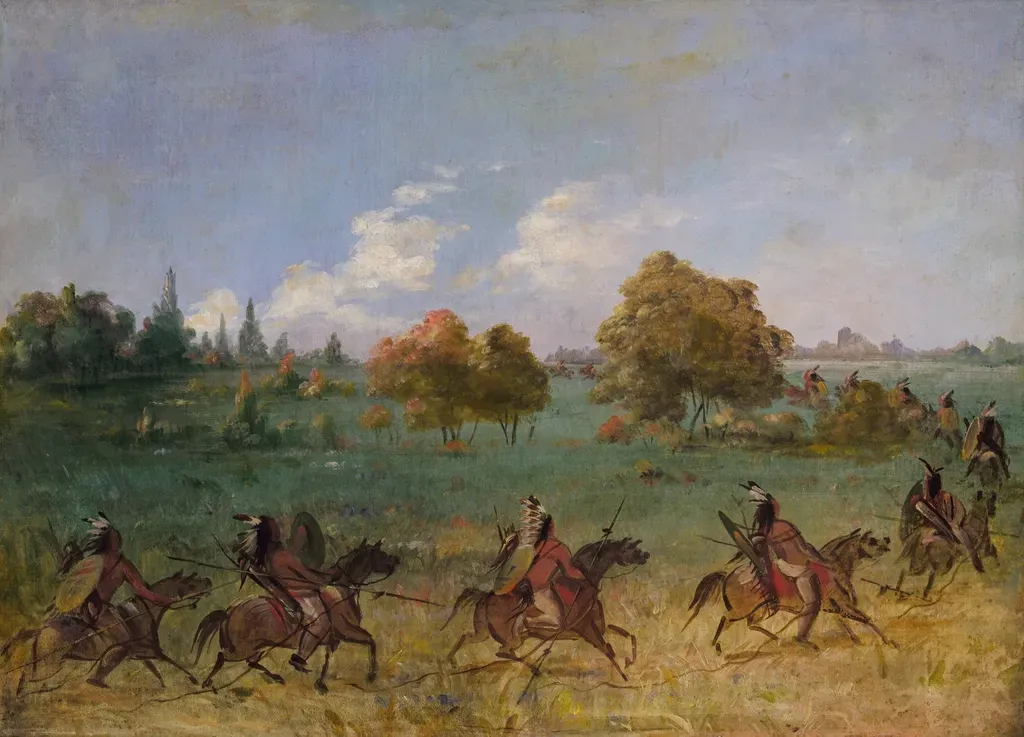
For the Comanche, horses were not a luxury or a side interest; they were wealth itself, as tangible and meaningful as land or gold might be for others. A successful Comanche family could own dozens or even hundreds of horses, amassed through breeding, trade, gift-giving, and of course raiding. Herds were insurance policies, war chests, and status symbols all at once, and people judged a leader partly by the size and quality of his horses.
Because herds meant survival, they also shaped social ties and obligations. Horses were given in marriage arrangements, used to cement alliances, and shared in times of hardship to keep relatives and allies afloat. This living bank account on the hoof required constant labor: grazing, watering, guarding from theft or predators, and managing bloodlines. If you picture a Comanche camp, do not imagine a few tethered horses; imagine a restless, shifting sea of animals that defined the community’s daily work and long-term prosperity.
Training from Childhood: Learning to Ride Almost Before Walking
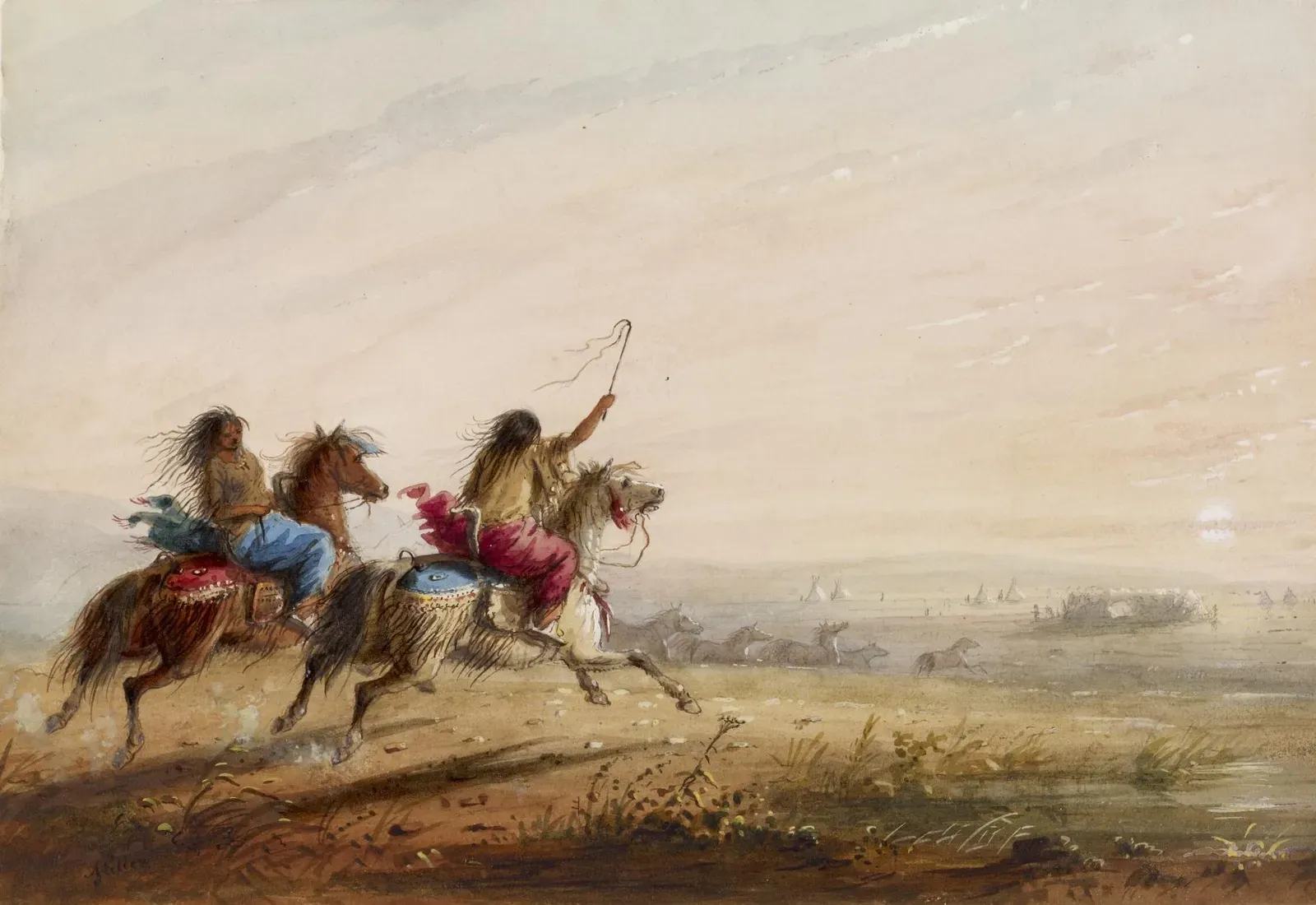
One reason Comanche riding looked supernatural to outsiders is that many riders barely remembered a time before horses were part of their lives. Children were introduced to horses astonishingly early, often being placed on gentle animals while still very small and learning balance in ways that felt as natural as learning to walk. By the time a Comanche boy or girl was old enough to be trusted alone in the herd, they already had years of informal experience under their belt.
This early immersion created a comfort level in the saddle that most European or American riders could not match. Riding was not a formal weekend hobby; it was woven into almost everything, from visiting relatives to moving camp to playing informal games that doubled as riding practice. The result was a generation after generation of riders whose instincts on horseback were as automatic as someone today checking their phone without looking at the screen.
The Legendary Trick of Hanging Off the Saddle
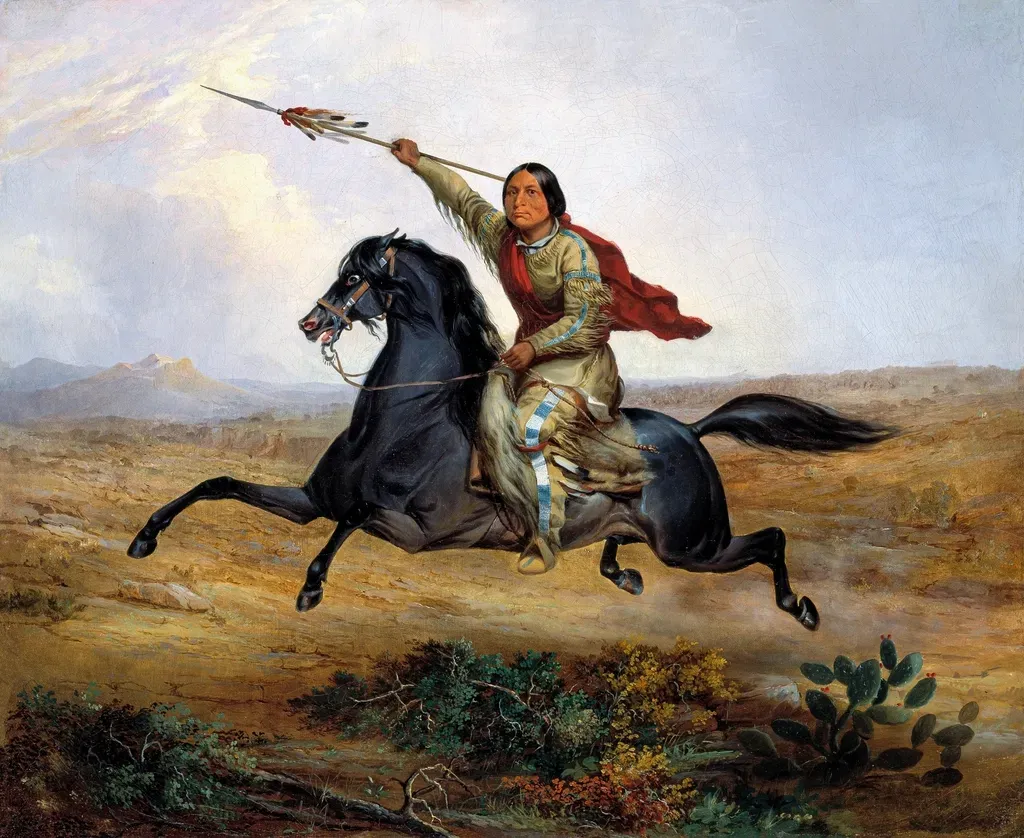
One of the most famous images of Comanche horsemanship is the rider who seems to vanish from the saddle during battle, only to reappear a moment later. Historical accounts describe riders dropping to the side of the horse, clinging with a leg over the animal’s back and sometimes holding onto a mane or strap, using the horse’s body as a living shield. From that position, a skilled warrior could fire arrows or later guns while exposing only a fraction of his own body to enemy fire.
To opponents who had rarely seen anything beyond upright riders with stiff European saddles, this maneuver felt almost supernatural. It also made the Comanche incredibly hard targets in open combat and helped them close distance or retreat with startling safety. Imagine trying to shoot someone who can turn themselves into a moving shadow behind a galloping horse, then pop back up like nothing happened; it was as unnerving as it was tactically brilliant.
Perfect Horse Archers Before the Age of Firearms Took Over
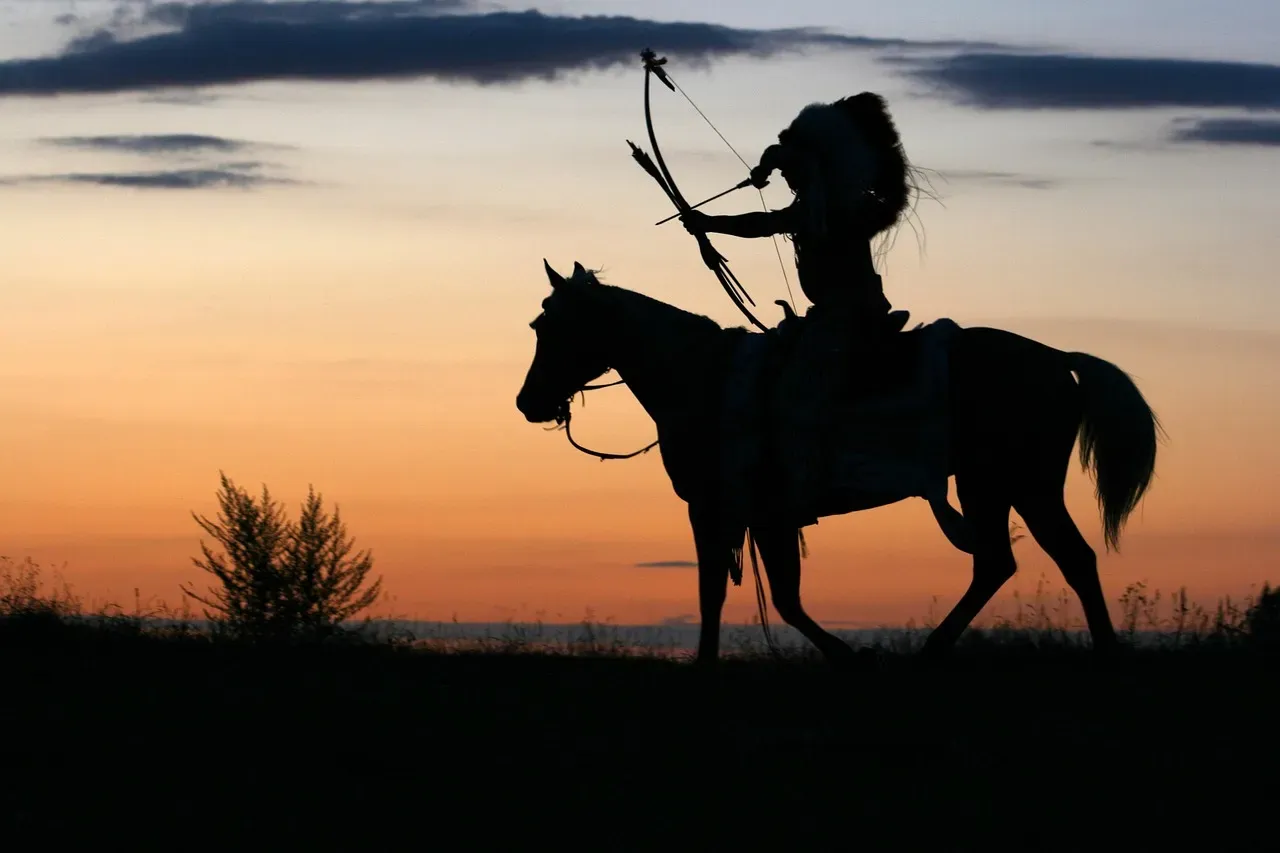
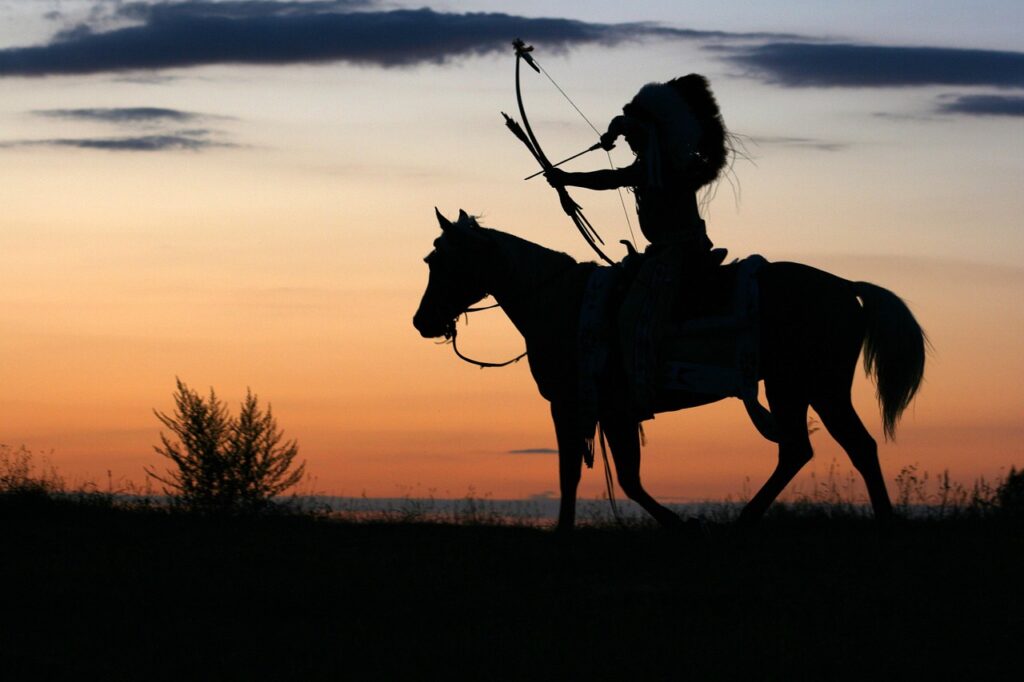
Long before firearms fully dominated the plains, the Comanche made devastating use of the bow from horseback. Their short, powerful bows were well suited to being drawn from the saddle, and they could release arrows in a rapid rhythm that shocked early European observers. A rider could loose multiple arrows in the time it took a single opponent to fire and reload a musket, and close range quickly while making themselves a small, fast-moving target.
Even as guns became more common, the logic of mounted archery shaped the way Comanche fought: close in fast, strike hard, and avoid drawn-out, stationary battles. They relied on speed, surprise, and a kind of flowing motion that made their attacks feel like a sudden storm rather than a neat line of troops. In a world where reloading a firearm could take several careful steps, a swift horse archer weaving in and out of range was not just frightening, it was tactically overwhelming.
Horse Raiding as an Art, an Economy, and a Rite of Passage
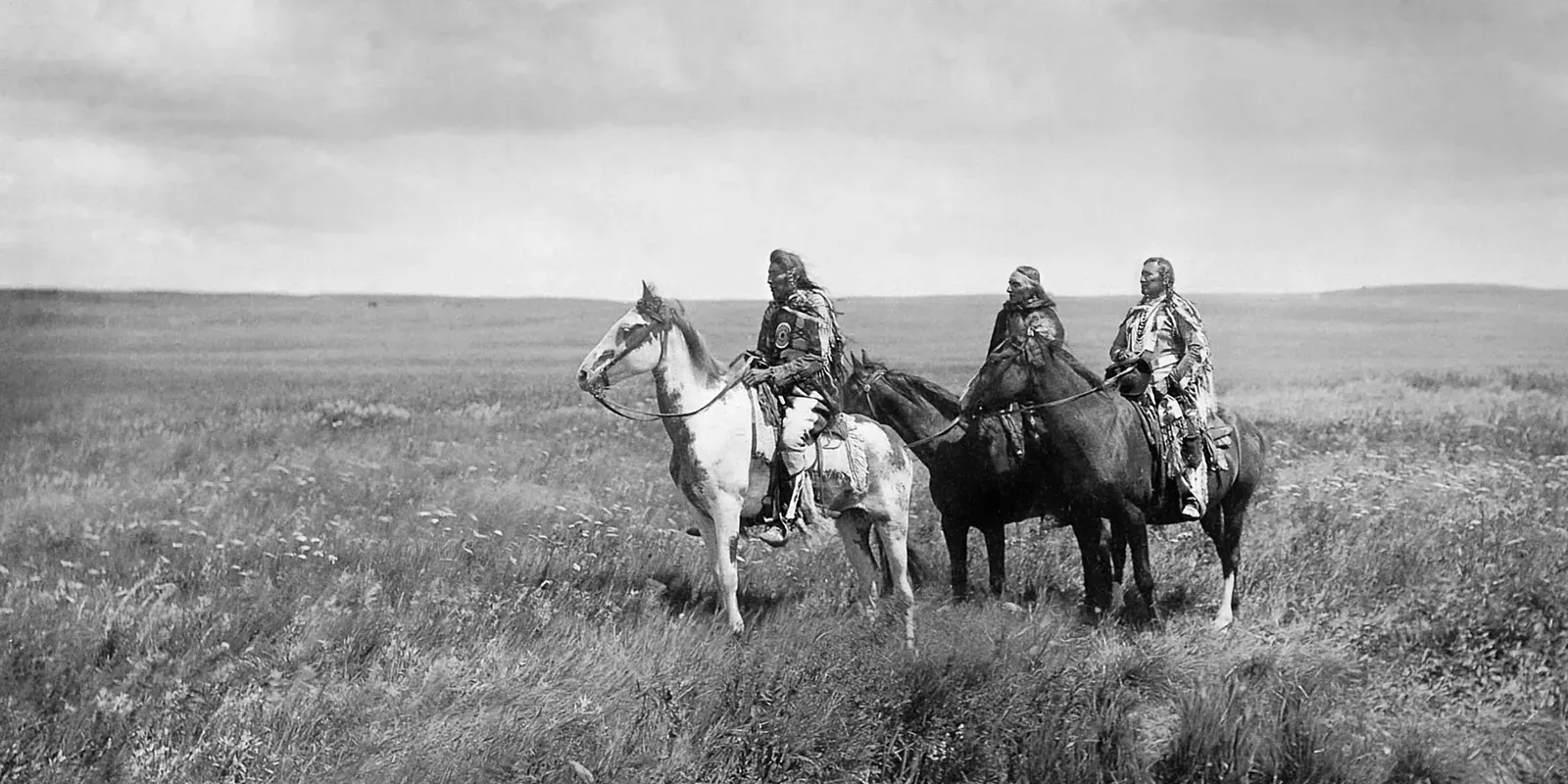
Horse raids were not random acts of theft; for the Comanche, they were a disciplined craft and a core part of their economy. Young warriors built reputations on daring raids into rival territories, sometimes traveling huge distances to strike Spanish ranchos, other tribes, or later American settlements. A successful raid meant new horses, prestige, and often the strengthening of their own band’s power back home.
These raids also functioned like brutal on-the-job training, sharpening skills in scouting, stealth, navigation, and high-speed escape. There was a certain harsh logic to it: if you wanted to be a serious rider, you learned not just how to manage horses but how to take them from others under pressure. While that reality is uncomfortable to many modern readers, it is impossible to understand Comanche horse culture without acknowledging how deeply raiding was woven into their identity and survival strategy.
The Horse-Shaped Map of the Southern Plains
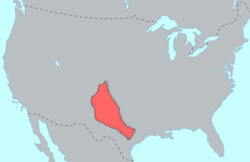
Once the Comanche fully embraced the horse, the geography of the Southern Plains changed in their minds. Distances that had once felt punishing on foot now turned into an interconnected world where far-flung water sources, hunting grounds, and trade partners were reachable within days. You could say that their mental maps were drawn in hoofbeats: rivers, canyons, and grasslands were valued partly by how they supported fast movement and grazing.
This mobility gave the Comanche extraordinary strategic flexibility. They could shift camps when game became scarce, pursue migrating bison herds, or avoid enemies they did not wish to face. Plains that had once seemed like a barrier became a kind of open highway system, and the Comanche used it to become brokers, raiders, and power players across a region that stretched from present-day Colorado and Kansas down into Texas and northern Mexico.
Horses at the Heart of Comanche Family and Social Life
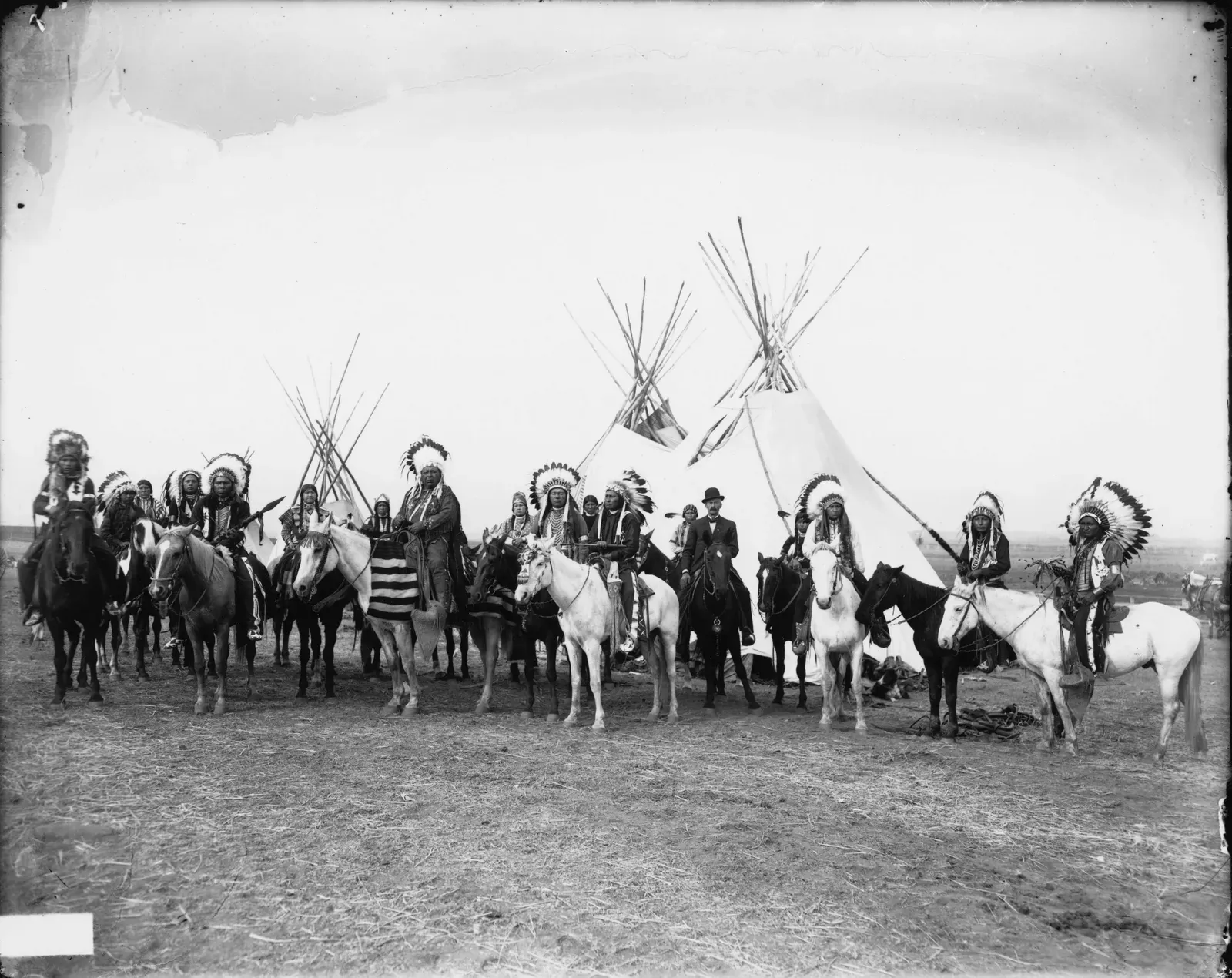
Horses were not just tools of war and hunting; they were constantly present in daily Comanche life. Families spent countless hours tending herds, caring for injuries, training young animals, and teaching children how to ride and handle different temperaments. Camp chores that might sound tedious today, like checking grazing areas or moving picket lines, were essential to keeping the entire community functioning.
Socially, horses carried meaning in almost every direction. Gifted horses could signal respect, gratitude, or the desire to strengthen kinship bonds. Losing horses through neglect or mismanagement could damage a person’s reputation, while skill in training and handling animals could elevate it. When you think about Comanche society at its height, imagine horses not off to the side but in the very center of the picture, shaping everyday talk, worries, and celebrations.
The Difficult Truth: Horses, Power, and a Violent Frontier
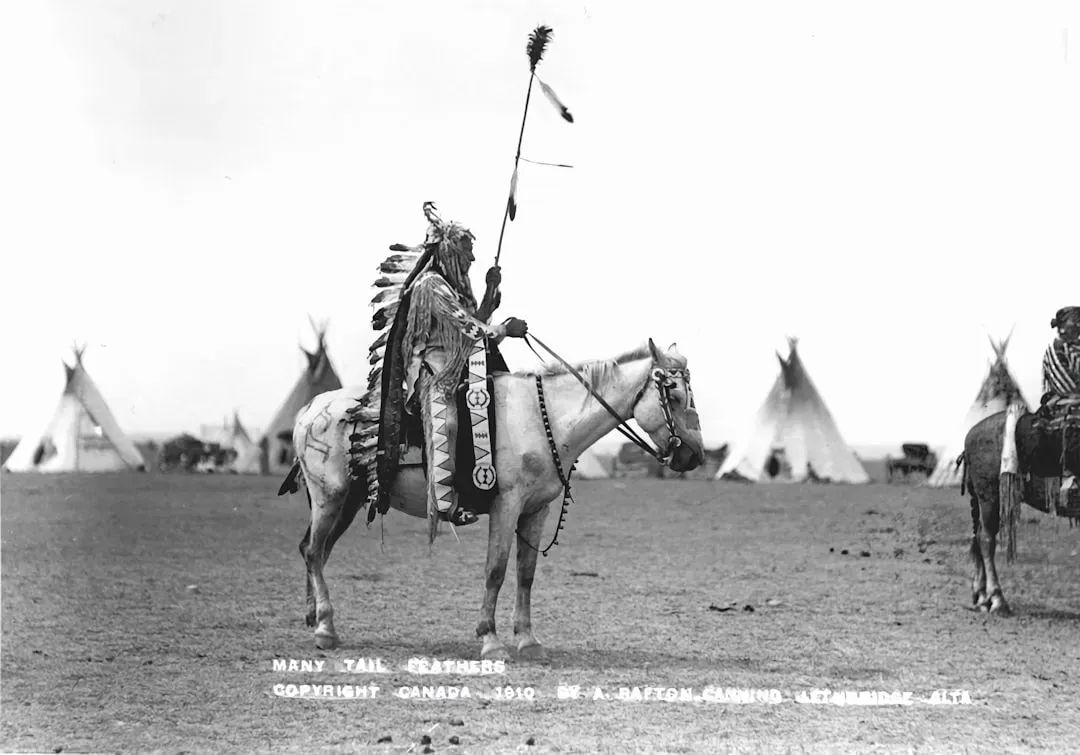
It would be dishonest to romanticize Comanche horse culture without facing its more brutal edges. The same mobility and striking power that made them astonishing riders also made them very effective raiders in a violent borderland world. Communities of settlers and other Native nations suffered devastating attacks, loss of life, and large-scale theft of animals and goods, and this trauma remains part of regional memory even today.
At the same time, those conflicts unfolded in a world where Spanish, Mexican, and later American expansion brought their own forms of violence, dispossession, and forced change. The Comanche used the tools they had – especially the horse – to defend and extend their own power in a rapidly shifting landscape. Understanding their mastery of the horse means holding both truths together: deep admiration for their skill and adaptation, and a clear-eyed view of the suffering that accompanied their rise.
The Decline of the Horse Power and the Echoes That Remain
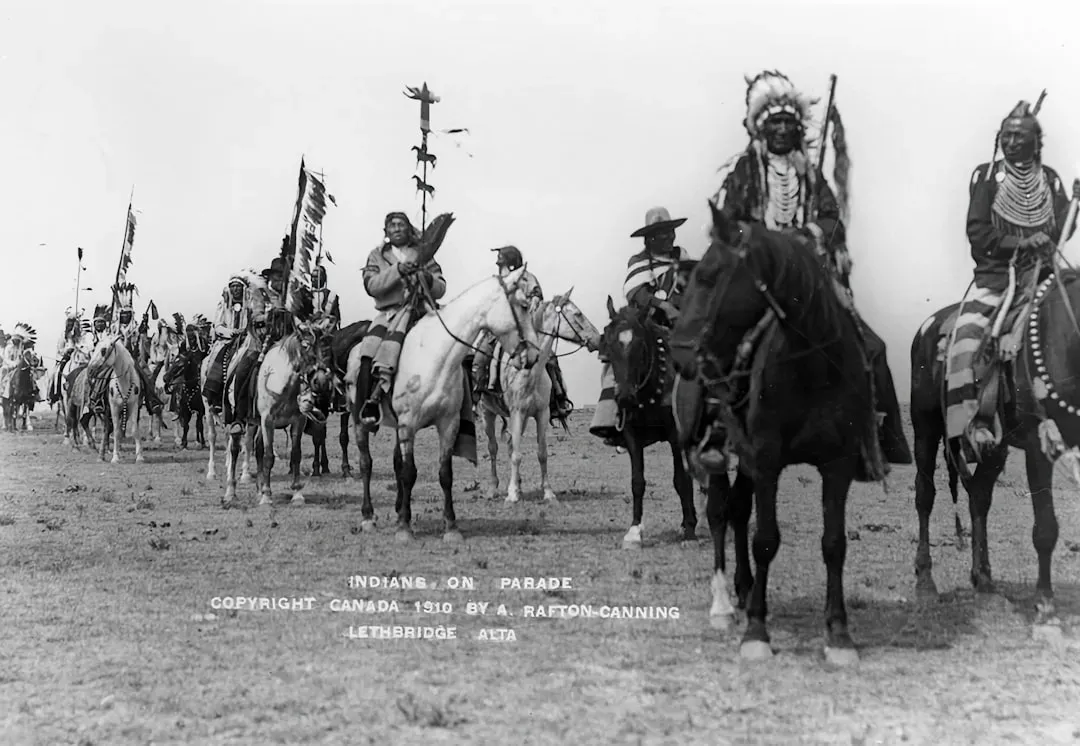
By the later nineteenth century, a mix of forces began to undercut Comanche horse power: deliberate bison slaughter, military campaigns, disease, and the relentless pressure of settler expansion. The open buffalo plains that had once made huge herds and long rides possible shrank under fencing, railroads, and farms. As the environment that supported both horse culture and Comanche autonomy collapsed, their ability to live in the old way collapsed with it.
Yet the echoes of that horsemanship did not vanish. Stories, techniques, and pride in riding skill endured in families and communities, even as people were forced onto reservations and into new economic systems. Today, when we talk about the Comanche as some of the greatest light cavalry the world has ever seen, we are not just looking backward with nostalgia; we are recognizing a human achievement that still challenges our ideas of what is possible between people and animals.
Conclusion: Admiring the Skill Without Forgetting the Cost
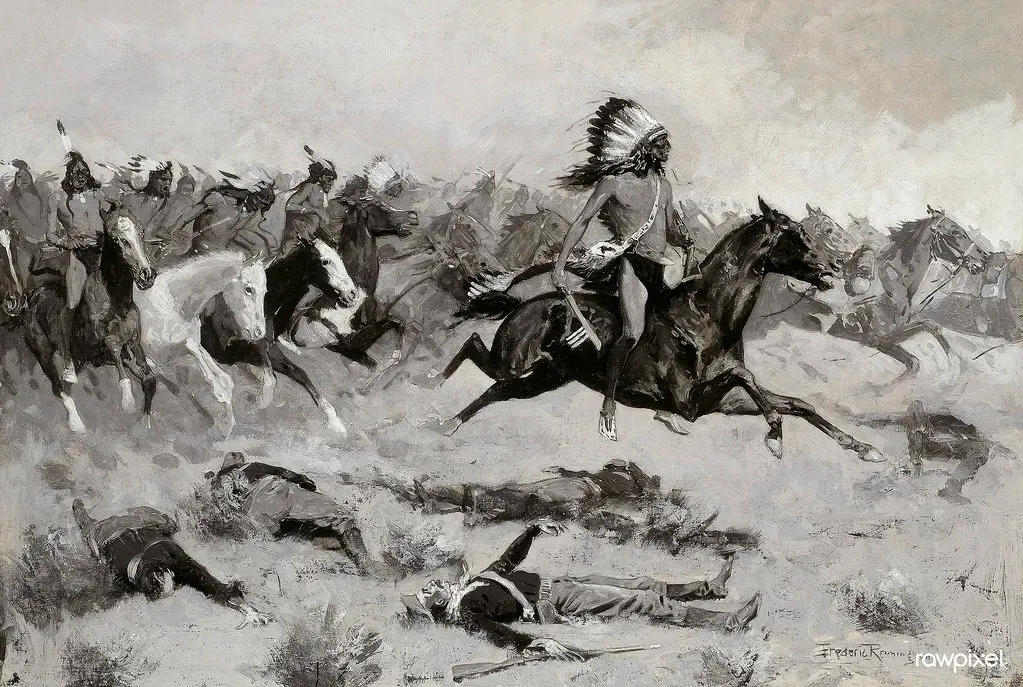
When I think about the Comanche and their horses, I feel two things at once: a kind of awe at the raw talent, and a sober awareness of the violence that talent enabled. Their mastery of the horse was not a side note; it was a revolution that reshaped a huge part of North America, sometimes in beautiful ways and sometimes in deeply painful ones. In my view, pretending it was either purely heroic or purely cruel flattens a story that is far more complicated and human.
Maybe that is the real lesson in their legacy: technology, whether it is the horse on the plains or something far more modern, always cuts in more than one direction. The Comanche show us how fully a people can adapt to a new power and bend it to their will, for protection, pride, and dominance all at once. The question that lingers for me is simple but uncomfortable: if we had lived on that frontier, in their position, would we really have chosen to ride so differently?