For most of the last century, school textbooks painted a simple picture: small bands of hunters trekked into North America around thirteen thousand years ago, chasing mammoths and leaving stone spearpoints in their wake. That story felt neat and complete, like a puzzle with every edge snapped into place.
Then evidence from a quiet desert valley in New Mexico started cracking that puzzle apart. Now, scientists are seriously arguing that people were walking across what is now New Mexico thousands of years earlier than anyone was willing to admit, and it is forcing a rethink not just of dates, but of how we imagine the first Americans, their journeys, and their lives.
Footprints In The Sand That Should Not Exist
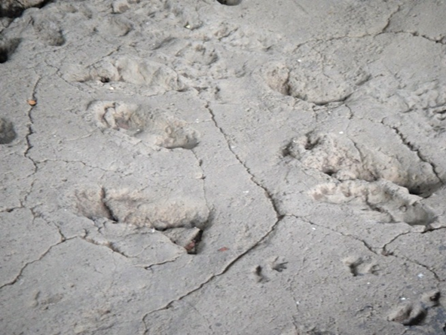
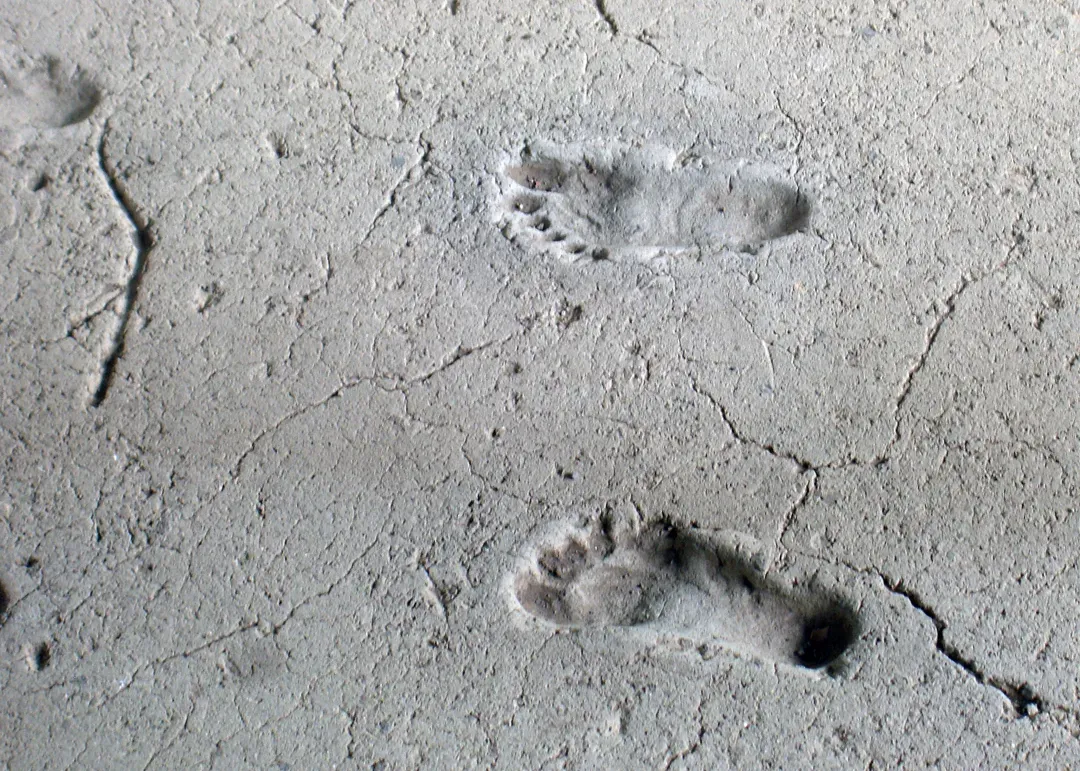
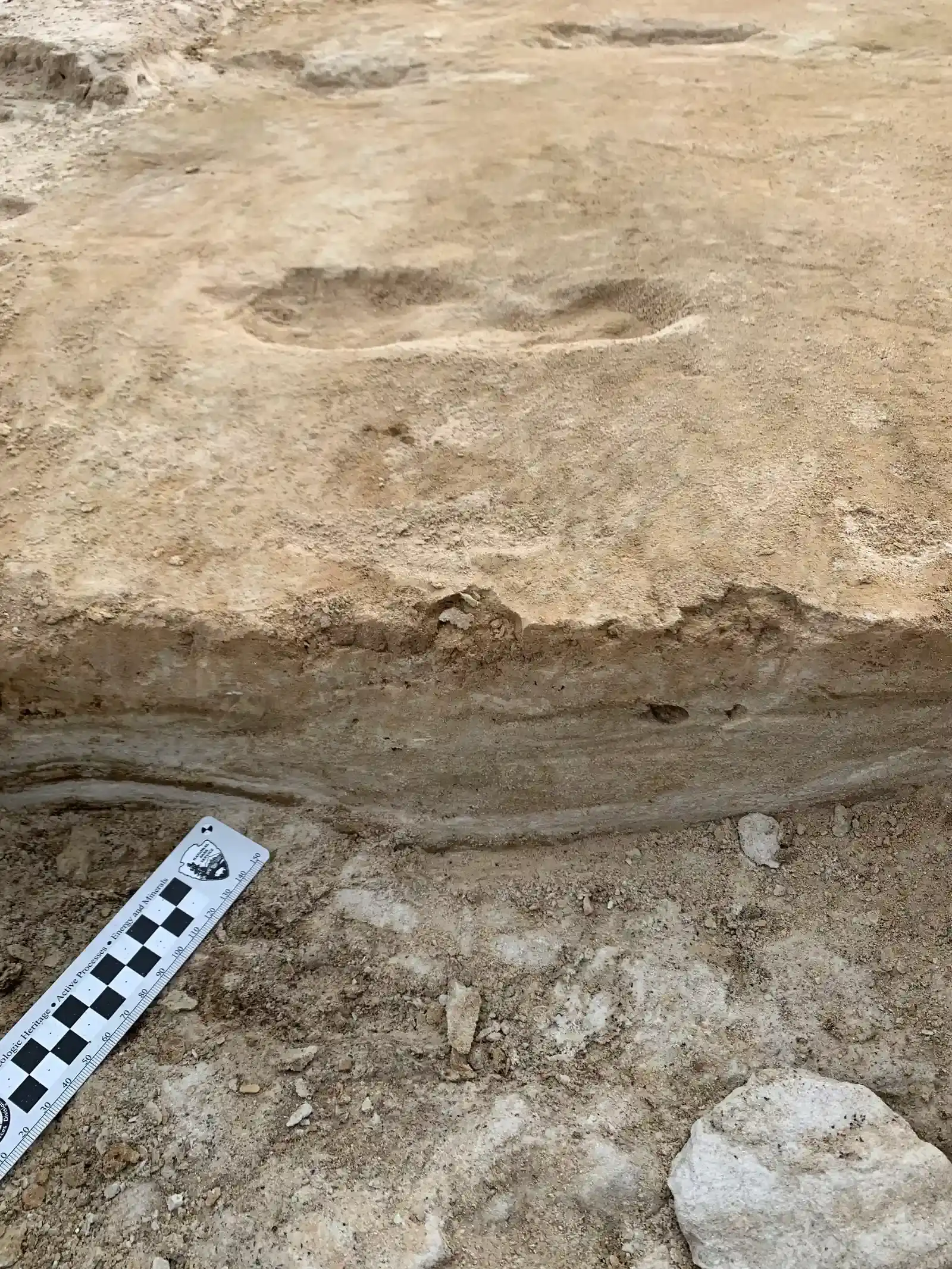
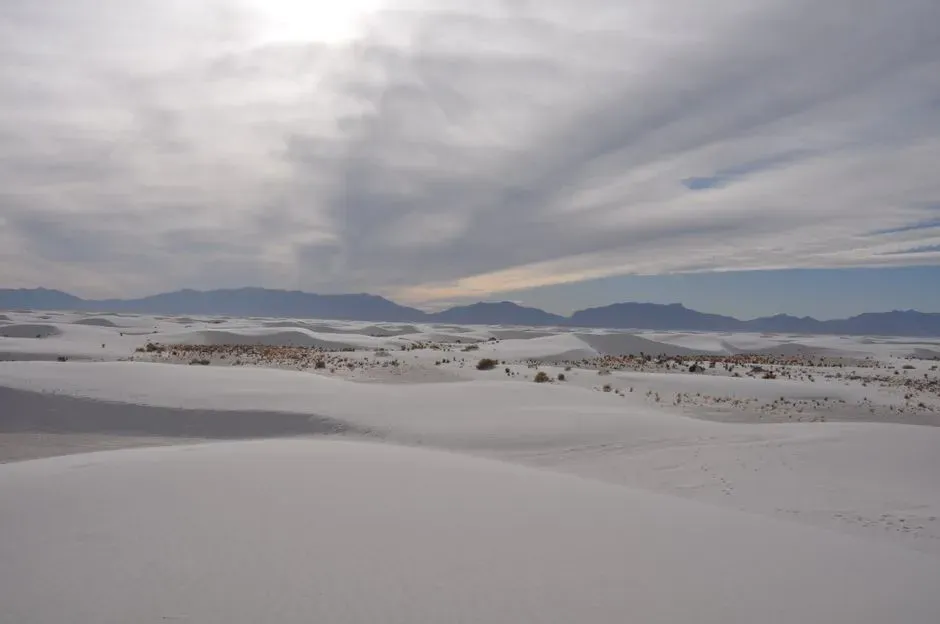
Imagine finding a trail of human footprints, not in fresh mud at a lakeshore, but locked inside layers of ancient sediment that formed when ice sheets still ruled much of the continent. That is essentially what researchers uncovered at White Sands National Park in southern New Mexico: ghostly human tracks preserved alongside those of mammoths, giant ground sloths, and other long‑vanished animals.
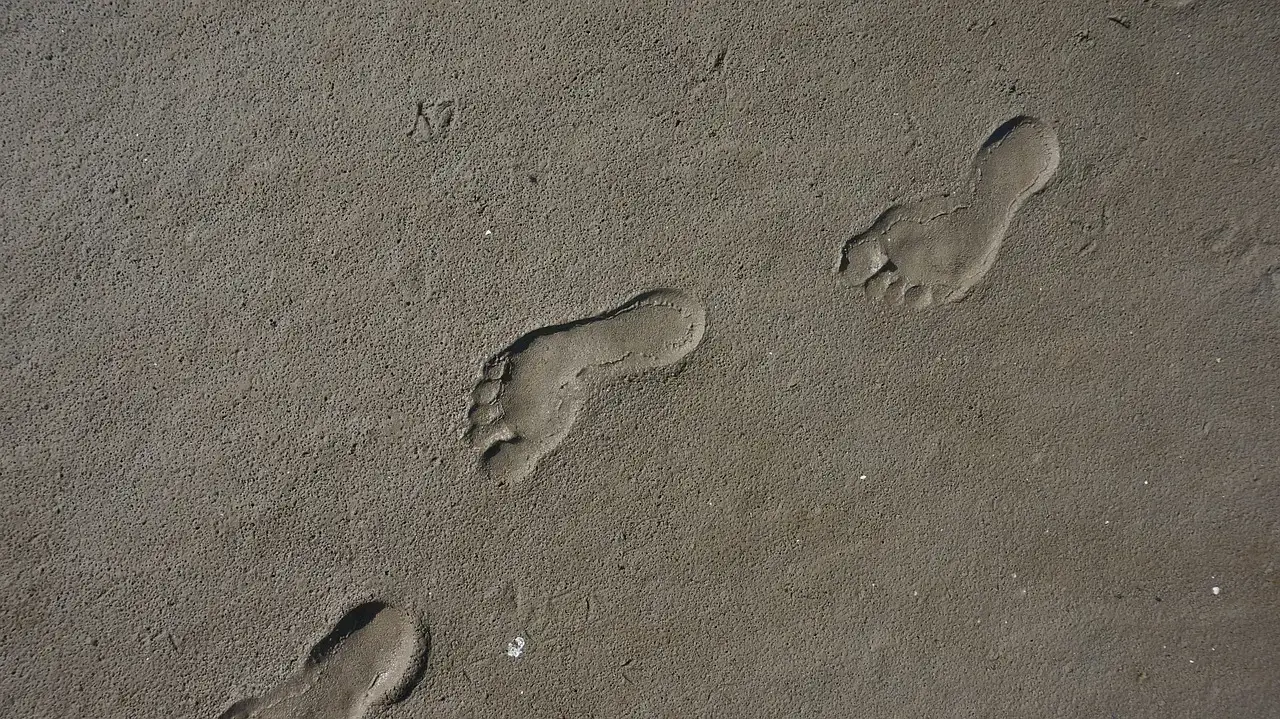
These are not vague impressions that could be waved away as natural marks. Many prints show toes, arches, and clear walking patterns, including what look like children running and adults striding with purpose. When you see images of them, it feels oddly intimate and unsettling, as if the people who made them just stepped away a moment ago rather than thousands of years before the date you were always told humans arrived.
Radiocarbon Clocks That Point Shockingly Far Back
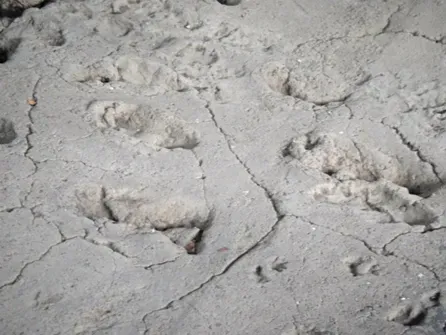
Finding old footprints is one thing; proving their age is another, and age is where the New Mexico story becomes disruptive. Scientists dated tiny seeds and plant fragments embedded in the same layers as the footprints using radiocarbon analysis, a method that measures how much of a radioactive form of carbon remains to estimate how long something has been dead. The surprising result: the layers appear to be around twenty‑one to twenty‑three thousand years old, with some estimates even nudging earlier.
If those dates hold, that means humans were in New Mexico at the height of the last Ice Age, when enormous glaciers covered much of North America and traditional models insisted migration routes were blocked. It would place people in the American Southwest nearly ten thousand years earlier than the classic timeline tied to so‑called Clovis cultures. That is not a minor adjustment; it is like moving the starting date of a country’s written history many centuries backward overnight.
Why This Blows Up The Old Clovis‑First Story
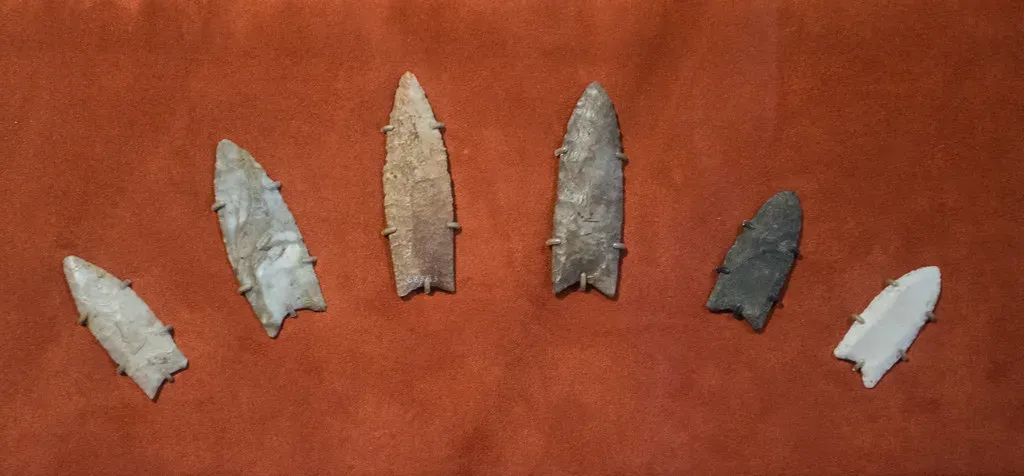
For decades, the dominant story in archaeology was what you might call the Clovis‑first model. According to that view, the earliest indisputable evidence of people in North America came from distinctive stone tools, especially fluted spearpoints, found near the town of Clovis in New Mexico and dated to roughly thirteen thousand years ago. Many researchers treated that as the continent’s opening chapter, with anything older viewed skeptically.
The White Sands footprints, combined with other early sites, have turned that confidence into a question mark. If humans were walking around New Mexico thousands of years before Clovis tools appear, then Clovis represents a later cultural development, not the first arrival. It suggests a deeper, layered human story that the archaeological record has only partially preserved, and it undercuts the old habit of dismissing older finds just because they did not fit a neat, late‑arriving timeline.
Multiple Pathways: Not Just A Single Land Bridge Story
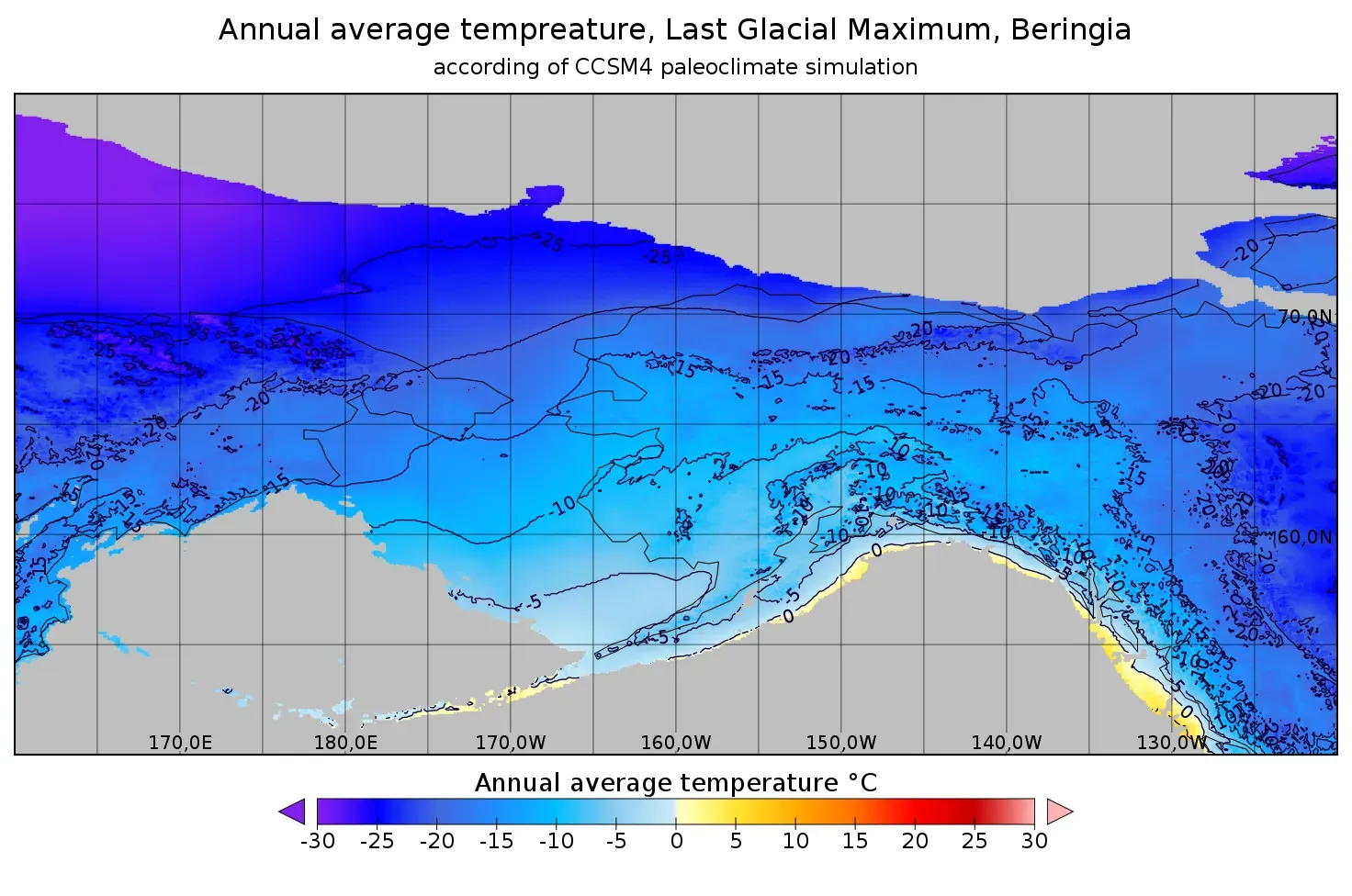
Many of us grew up with the image of people trudging across a land bridge from Siberia to Alaska during a brief window when sea levels were lower. That land bridge, called Beringia, did exist, and it certainly played a role, but evidence for people in New Mexico during the coldest stretch of the Ice Age suggests the journey south was not a one‑route, one‑moment event. Instead, it likely involved different waves of movement, possibly at different times, exploiting changing climates and landscapes.
Some scientists now think early groups could have traveled along the Pacific coastline, using boats or hugging shorelines rich in food, moving around or past ice‑covered areas long before the interior of the continent fully opened up. Others argue for more complex inland corridors that may have been at least seasonally passable earlier than once assumed. Either way, the New Mexico footprints fit a picture of exploration and adaptation rather than a single late migration rush.
Life On An Ice Age Lakeshore In New Mexico
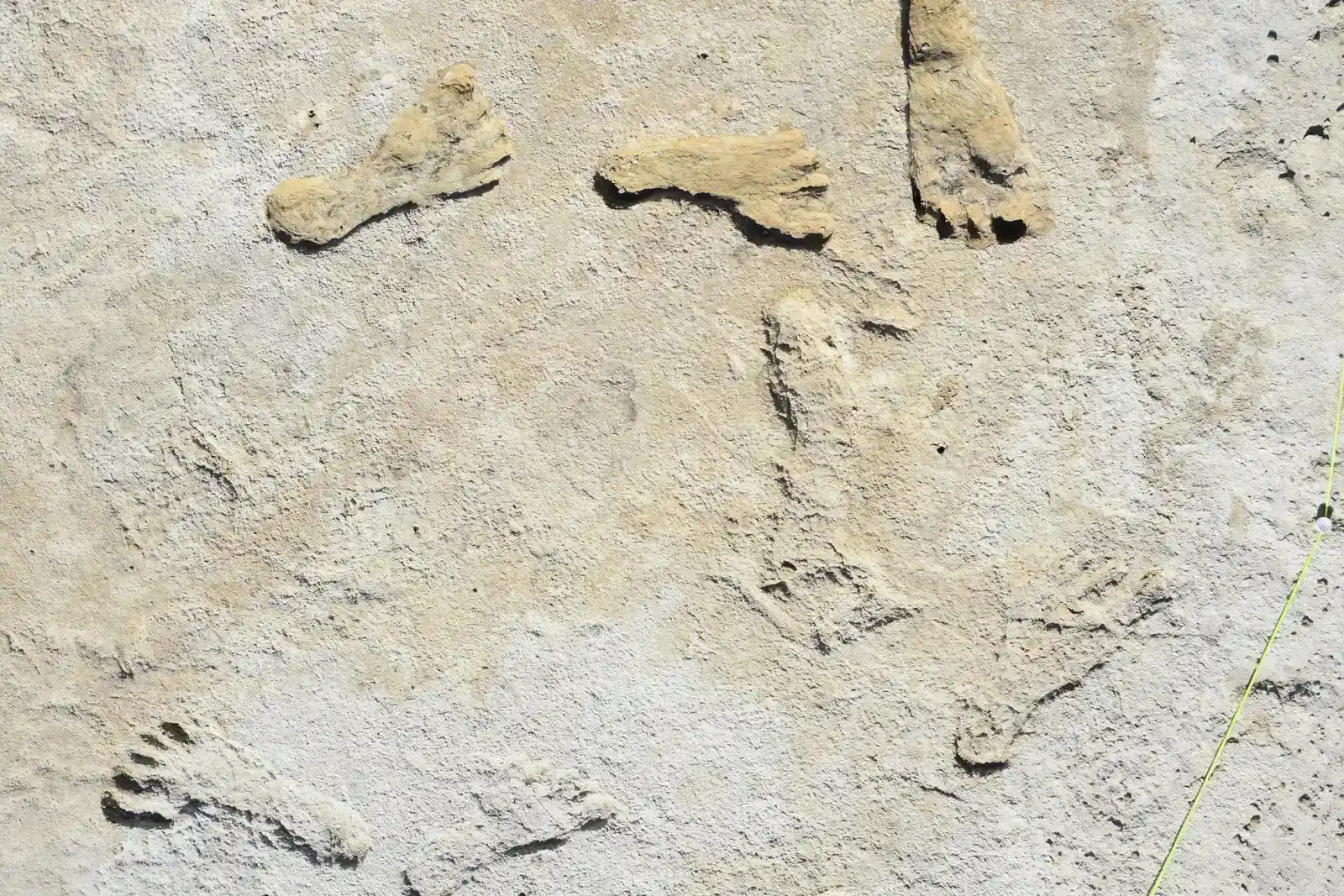
It is easy to get lost in dates and methods and forget that we are talking about real people. The White Sands footprints were laid down along the edge of what was once a shallow lake, a kind of Ice Age oasis in an otherwise harsh landscape. Tracks suggest people walked alongside mammoths and giant sloths, sometimes following the same paths, sometimes overlapping each other in a quiet dance of coexistence and caution.
Based on the patterns of small and large footprints, some researchers think groups included children and teenagers who may have been playing, helping, or learning from adults. If you picture a teenager sprinting across damp ground, dodging puddles while a mammoth lumbers in the distance, the past stops feeling like a dry textbook timeline and starts looking more like a series of lived days, full of noise, fear, curiosity, and routine chores not so different in spirit from those we know today.
Scientific Debate: Revolutionary Or Reading The Data Wrong?
Not everyone in the research community is fully convinced by the earliest dates proposed for the New Mexico footprints. Some critics argue that radiocarbon dates on small plant seeds can be tricky, especially if the material has been reworked or if groundwater has altered the chemistry of the layers over time. Others question whether all the dated material truly matches the exact moment the footprints were made, rather than just the general period of sediment buildup.
This skepticism is not necessarily a bad thing; in science, big claims deserve and require intense scrutiny. Further dating work, cross‑checking with other methods, and studies at nearby sites will help refine the timeline. To me, the most telling sign that the story is shifting is that even cautious researchers are now open to humans being in the Americas well before the traditional thirteen‑thousand‑year mark, even if they might disagree on exactly how far back the clock should be pushed.
How Evidence From New Mexico Fits A Bigger, Older American Story
The New Mexico discoveries are not happening in isolation. Over the past few decades, archaeologists have turned up hints of older human presence at sites in places like Texas, Oregon, and South America, along with DNA evidence that suggests a long and complex peopling process. For years, some of those sites were brushed aside as outliers or mistakes because they did not fit the Clovis‑first script. Now, with White Sands grabbing attention, those earlier hints are suddenly getting a second, more respectful look.
This is a bit like re‑reading a novel after discovering an important early chapter you skipped the first time. Details that seemed odd or out of place start making sense once you realize the story began earlier than you thought. New Mexico’s Ice Age footprints help anchor those loose threads, reinforcing the idea that the Americas have been home to people for a longer, richer span of time than many of us were ever taught.
Why These Early Footsteps Matter For How We See Ourselves
On the surface, moving the arrival date of humans in New Mexico by several thousand years might sound like a niche argument between archaeologists, but it goes deeper than that. When we adjust the timeline, we are really adjusting our sense of human ingenuity, resilience, and curiosity. If people were exploring and living in the Southwest during the coldest parts of the Ice Age, it means they were capable of navigating difficult ecosystems, improvising tools, and building social networks far earlier and farther than many gave them credit for.
Personally, I find that both humbling and energizing. Those ancient footprints are not just data points; they are reminders that our species has been pushing into the unknown for a very long time, often in conditions far tougher than most of us will ever face. They suggest that the urge to move, to test boundaries, and to make new homes in strange places is not a modern trait at all, but something deeply woven into who we are.
Conclusion: A New Origin Story Still Being Written
When I look at the New Mexico evidence and the debate swirling around it, I do not see a settled verdict, but I also do not see a trivial tweak to a dusty academic model. The balance of research, in my view, leans toward an honest admission: early Americans likely reached what is now New Mexico many thousands of years before the old Clovis‑first narrative allowed, even if we are still pinning down the exact dates and routes. That earlier presence forces us to admit that human history in the Americas is more layered, more experimental, and more surprising than the tidy version many of us learned in school.
In the end, I think we should welcome this messier, older story rather than resist it. It honors the creativity and toughness of the people who walked those ancient lakeshores and reminds us that our knowledge is always provisional, always open to being overturned by a new footprint in the mud. The past is not a fixed script, it is more like a palimpsest we keep reading and rewriting as the evidence slowly comes into focus. When you picture those ghost tracks crisscrossing New Mexico’s desert, do you still feel confident you know when the story of America really began, or are you suddenly tempted to shift that starting line far, far back?