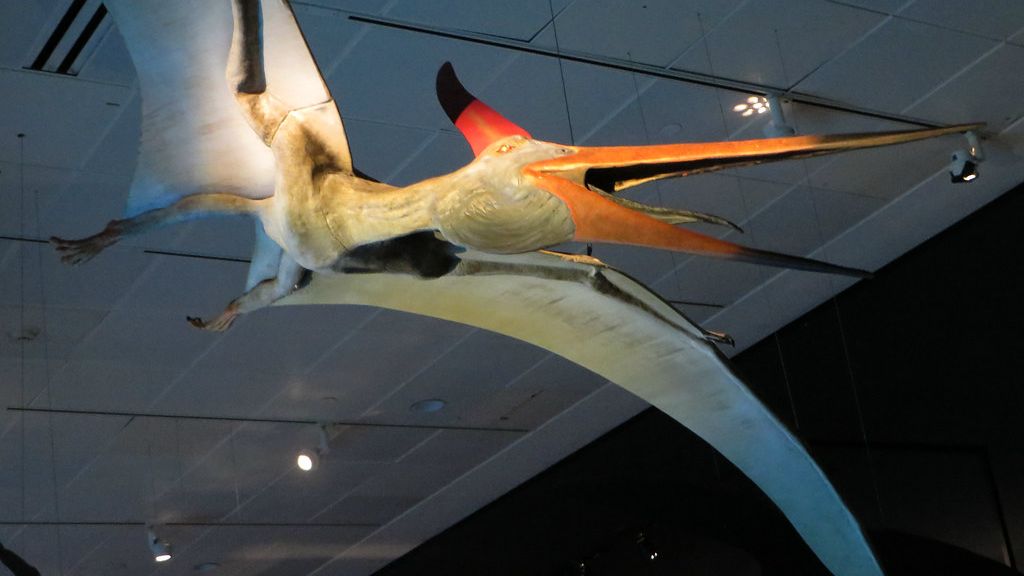
You tend to think of birds when you picture the sky, but for well over a hundred million years, the air belonged to something far stranger. Before the first true birds spread their feathers, vast winged reptiles called pterosaurs had already mastered powered flight, evolving into everything from tiny insect hunters to giants as tall as giraffes. You are stepping into a world where the sky looked utterly alien: leathery wings, toothed beaks, huge sail-like head crests, and wingspans wider than a small plane. As you explore these ten prehistoric fliers, you will see how incredibly diverse they were in size, lifestyle, and design. You will meet ocean gliders that skimmed fish from the waves, island giants that hunted like airborne wolves, and filter-feeders that behaved a lot like modern flamingos. By the time you reach the end, you might never look at a seagull or a bat the same way again.
1. Quetzalcoatlus – The Giant That Turned the Sky Into Its Hunting Ground
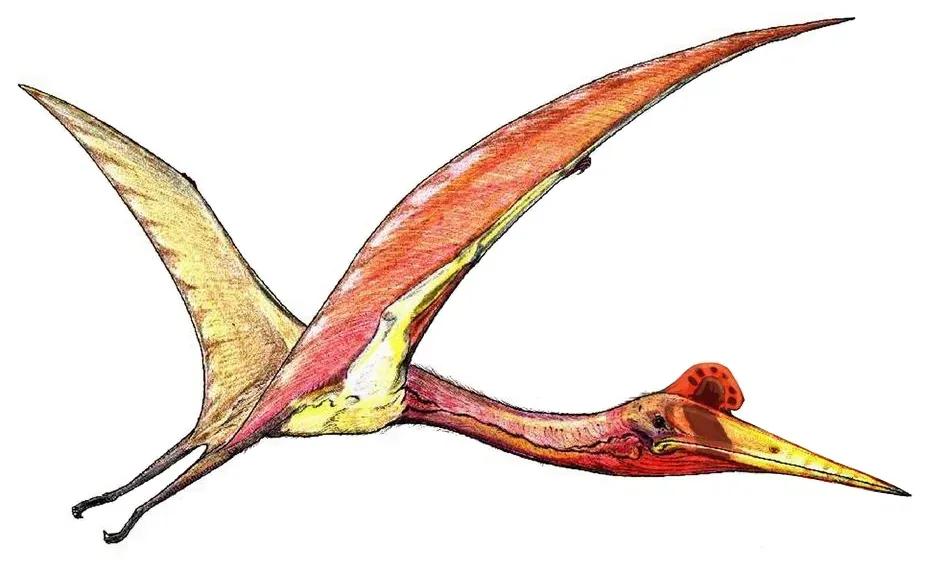
You can start at the top, with Quetzalcoatlus, the pterosaur that pushes your imagination to its limit. This Late Cretaceous giant, known from North America, is widely regarded as one of the largest flying animals to have ever lived, with wings that stretched roughly as wide as a small fighter jet. On the ground, it may have stood about as tall as a modern giraffe, towering over many dinosaurs that shared its landscape. You are not just talking about a big bird here; you are talking about a flying predator that could look you in the eye without even stretching its neck.
Scientists think Quetzalcoatlus belonged to a group called azhdarchids, which were adapted less for diving into the sea and more for stalking over land, using long limbs and a powerful beak to pick off prey. You can picture it like a monstrous stork with the attitude of a big-game hunter, patrolling riverbanks and floodplains for small dinosaurs, reptiles, or anything else it could swallow whole. Its bones were extremely light and air-filled, a crucial adaptation that let such a huge animal actually get off the ground. If you ever stand under a large commercial glider at an airshow, you will get a tiny taste of what it might have felt like to stand in the shadow of Quetzalcoatlus.
2. Pteranodon – The Iconic Ocean Glider of the Cretaceous Seas
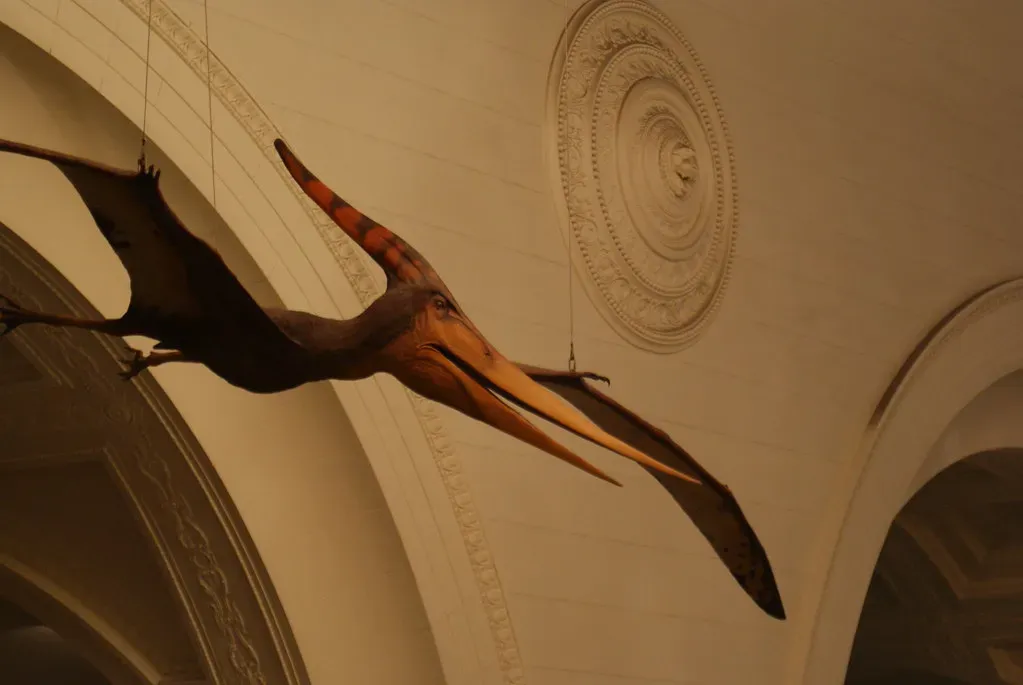
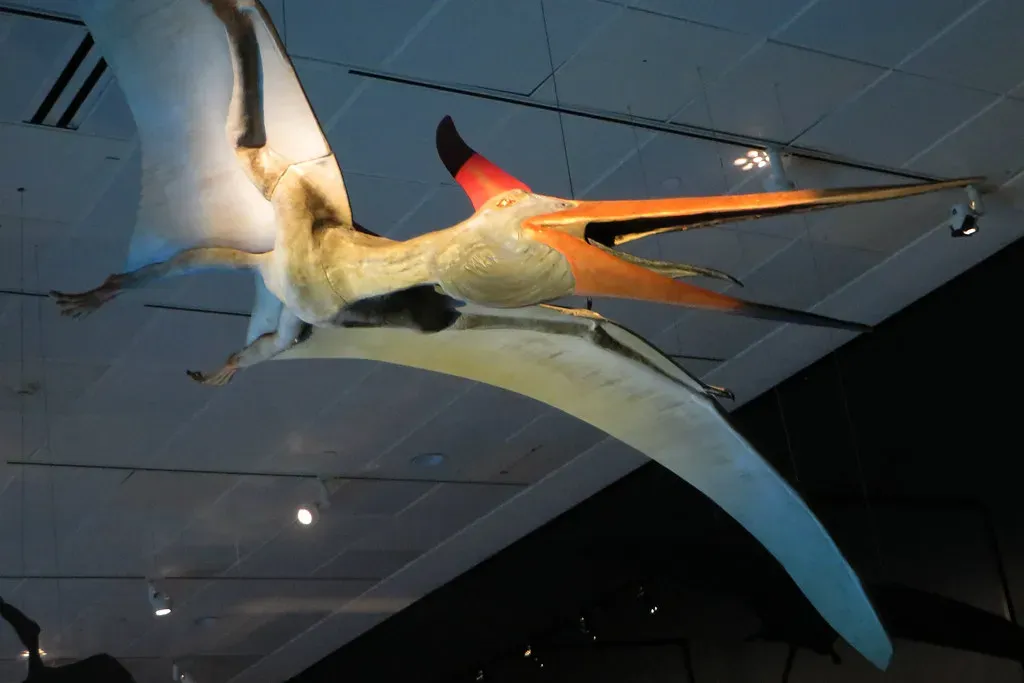
When you close your eyes and imagine a “pterodactyl,” what you are usually really seeing is Pteranodon. This toothless pterosaur soared above the warm inland seas of what is now North America, with wingspans that could approach the length of a small bus. Its head sported a long, backward-pointing crest that makes it instantly recognizable in museum displays and illustrations. You can picture entire flocks of Pteranodon gliding over the waves much like modern albatrosses, barely flapping as they rode the wind.
Evidence from fossilized stomach contents shows that Pteranodon ate mainly fish, which it likely caught by swooping down to snatch prey from near the surface of the water. You might compare it to a modern pelican or gannet, except instead of feathers you would see a thin, leathery membrane stretched between an elongated fourth finger and its body. That toothless beak helped keep its head light, making flight more efficient over long distances. If you ever watch seabirds following a fishing boat, you are getting a living, scaled‑down echo of what the skies above the Cretaceous seaway would have looked like with Pteranodon in charge.
3. Rhamphorhynchus – The Long-Tailed Hunter With a Kite on Its Back
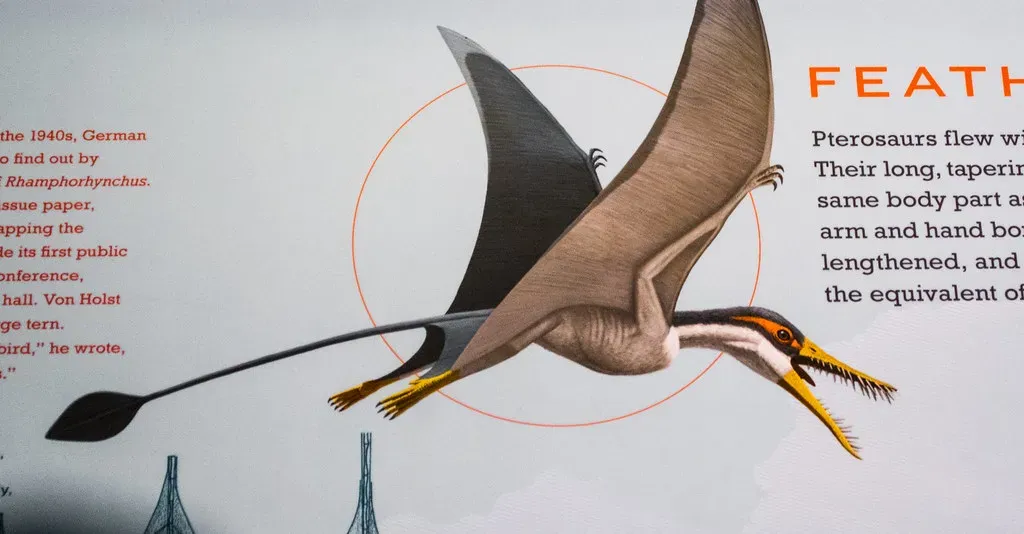
If you travel back a little earlier into the Late Jurassic, you meet Rhamphorhynchus, one of the classic long‑tailed pterosaurs. Instead of the short tails seen in many later species, this animal carried a stiff, extended tail ending in a diamond‑shaped vane that probably worked like a built‑in rudder. Its wingspan was modest, comparable to a large seabird, but its sharp teeth and narrow jaws made it an efficient fish hunter. You can imagine it darting over shallow lagoons in what is now Europe, snatching fish with quick, precise strikes.
Fossils have preserved not just its bones but also impressions of its wing membranes and tail vane, giving you a surprisingly detailed look at how it really flew. It likely hunted in a style that sits somewhere between a modern tern and a bat, agile and able to change direction quickly in the air. Some specimens contain fish remains in the stomach area, backing up the idea that it patrolled ancient coastlines and lagoons. If you saw it silhouetted against a Jurassic sunset, the long tail and diamond tip would make it look a bit like a living child’s kite swooping back and forth over the water.
4. Dimorphodon – The Big-Headed Oddball of the Jurassic Cliffs
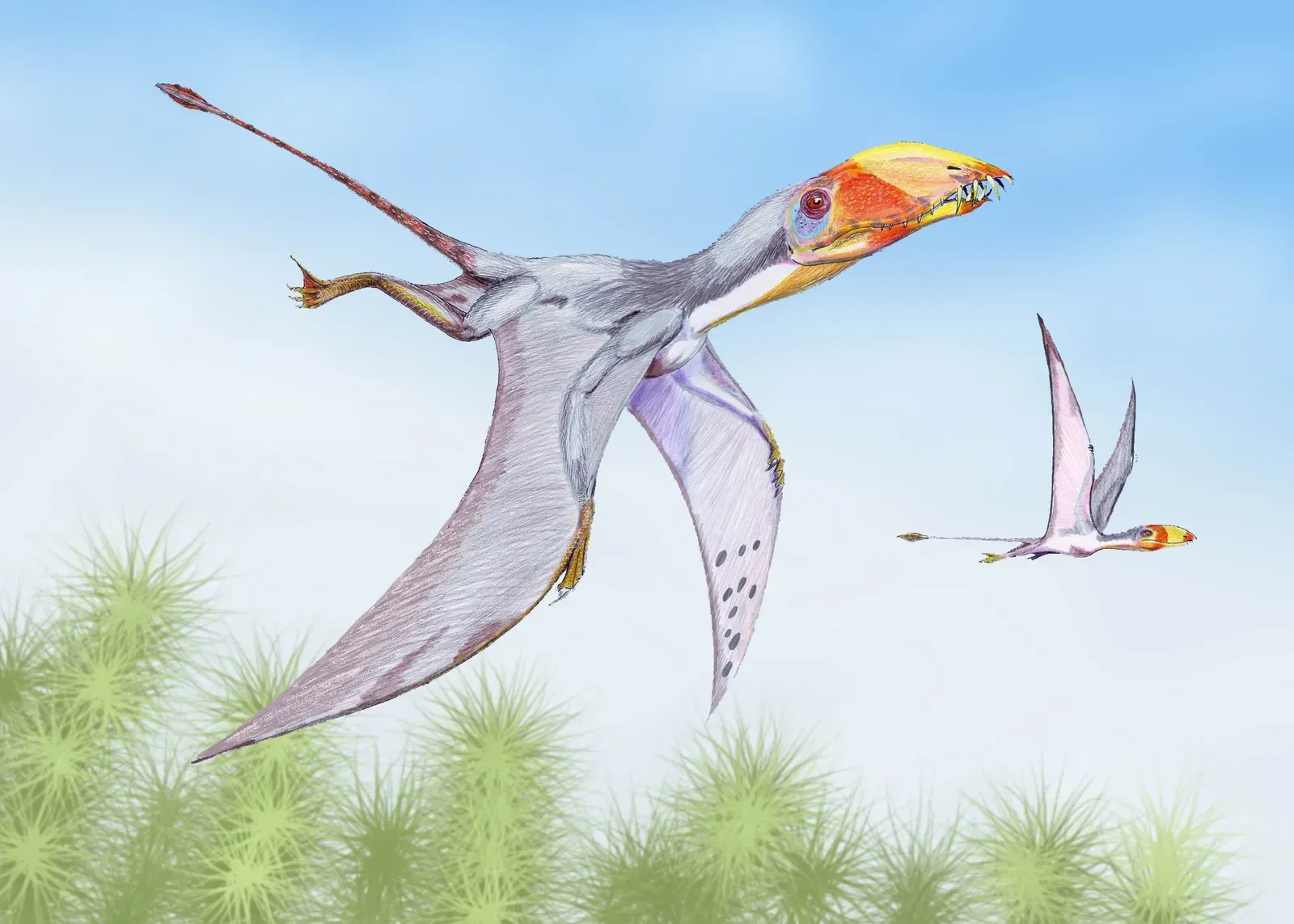
Dimorphodon does not fit your usual mental picture of a sleek flying reptile, and that is exactly what makes it so intriguing. Its head was large and deep compared with its body, with powerful jaws packed with two distinct types of teeth, which is why its name means “two-form tooth.” The front teeth were long and pointed, ideal for grabbing prey, while the rest were more blade‑like and better at slicing. You can picture this animal clinging to Jurassic sea cliffs in what is now England, launching into flapping flight to snatch small vertebrates or large insects.
Its wingspan was a bit over a meter, so in life it might have looked closer in size to a big crow or raven, just with a much stranger head and a long, stiff tail. Some researchers think Dimorphodon may have been a relatively clumsy flier compared to later pterosaurs and spent a lot of time scrambling around on all fours, similar to how some modern lizards clamber over rocks. That mix of climbing and flying would have helped it exploit a niche along rugged shorelines and steep cliffs. If you have ever seen a gull nesting on a cliff face and diving down to grab food, you already have a good mental model for how Dimorphodon might have lived, only with a more reptilian twist.
5. Tapejara – The Crested Show-Off With a Likely Taste for Fruit
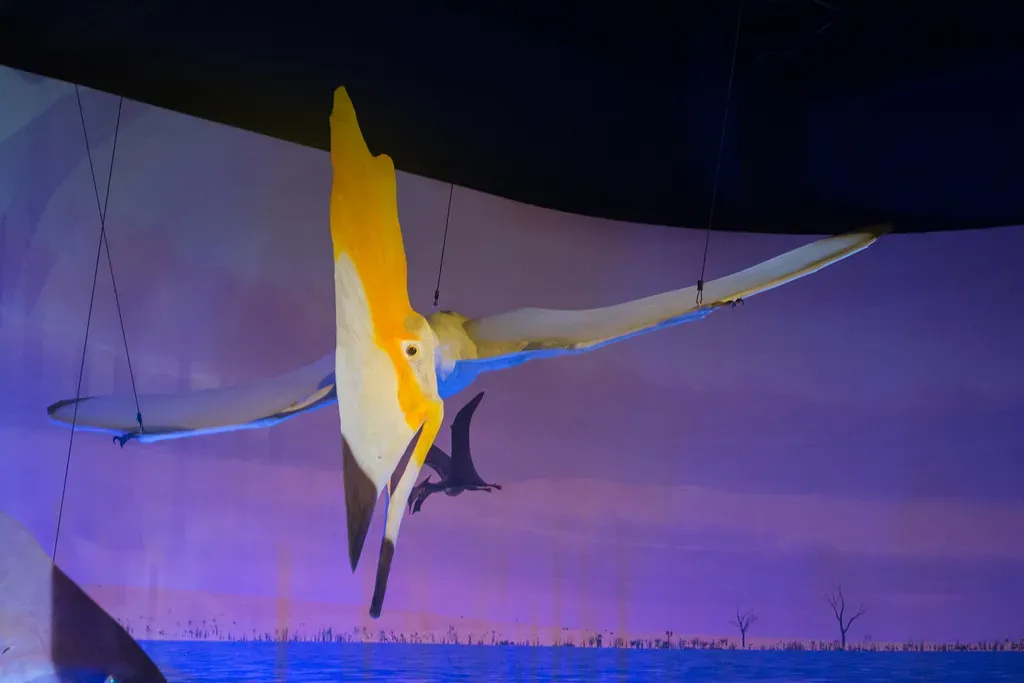
When you first look at Tapejara, you are struck by its spectacular headgear. This medium‑sized pterosaur from the Early Cretaceous of South America carried a large, sail‑like crest on its head that rose high above its skull, giving it a profile you would never mistake for anything else. Its beak was short and toothless, and some scientists have suggested that it may have fed not just on fish but also on fruits or other plant material. You can picture it gliding between patches of forest and coast, landing in trees to forage much like a strange combination of toucan and bat.
The crest likely played multiple roles: it may have helped with aerodynamic stability in flight, but it was almost certainly important in display, helping individuals recognize each other or attract mates. When you imagine a colony of Tapejara along a Cretaceous shoreline, you should picture a riot of color and shape, with crests catching the light like modern tropical birds’ feathers. Its wingspan was roughly comparable to a large albatross, so these were not tiny creatures by any means. If you enjoy watching parrots or hornbills in a rainforest documentary, Tapejara offers you an ancient, reptilian version of that same visual drama in the sky.
6. Dsungaripterus – The Shell-Crushing Specialist of Ancient Shorelines
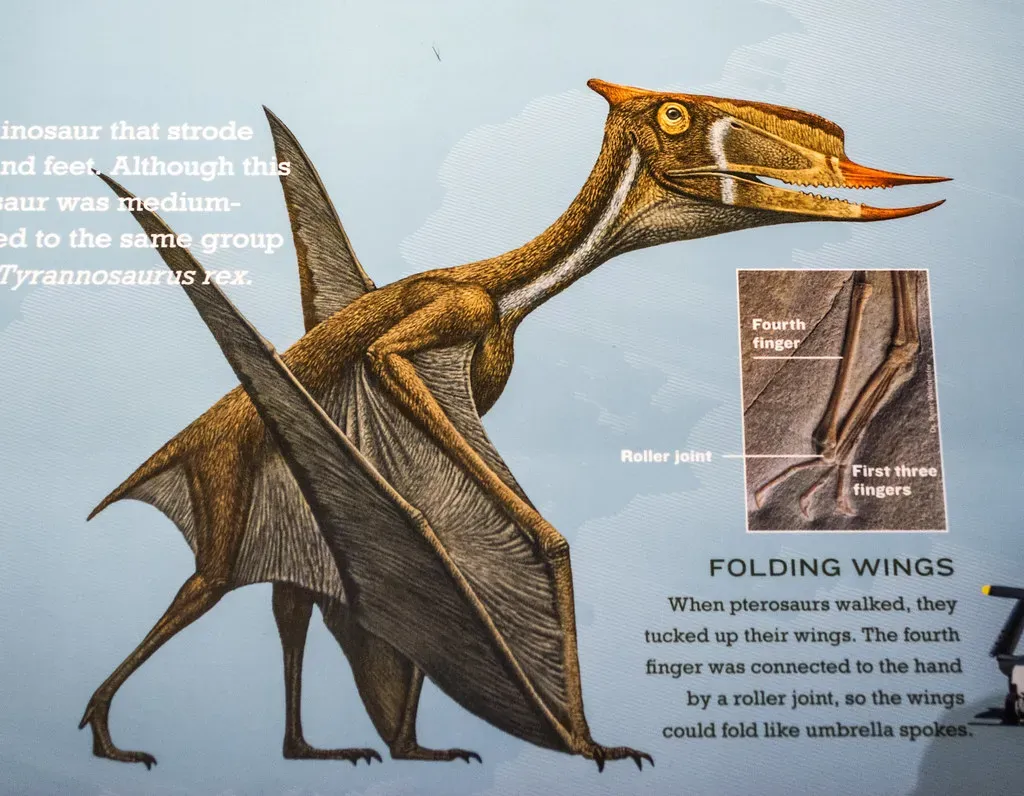
Not all flying reptiles were just skimming fish; some took advantage of tougher, more armored meals. Dsungaripterus, from the Early Cretaceous of what is now Asia, had a very distinctive skull with an upturned snout and thick, blunt teeth tucked further back in its jaws. Those teeth were not ideal for slicing soft flesh but were perfect for cracking open the hard shells of mollusks and other invertebrates. You can picture it patrolling tidal flats and shorelines, plucking up clams, crabs, or shellfish and crushing them with a strong bite.
Its wingspan stretched about as wide as a small car is long, giving it enough lift to travel between feeding grounds without burning too much energy. The front part of the jaws lacked large teeth, which may have helped it probe into sand or mud before shifting food back to the crushing teeth. If you think of a modern oyster‑eating bird like an oystercatcher, then scale up the drama and add leathery wings and a crest, you get a decent picture of Dsungaripterus. It shows you that the prehistoric skies were not just about size and speed; they were also about strange, highly specialized diets that let different species avoid stepping on each other’s ecological toes.
7. Pterodaustro – The Flamingo-Like Filter Feeder of Southern Skies
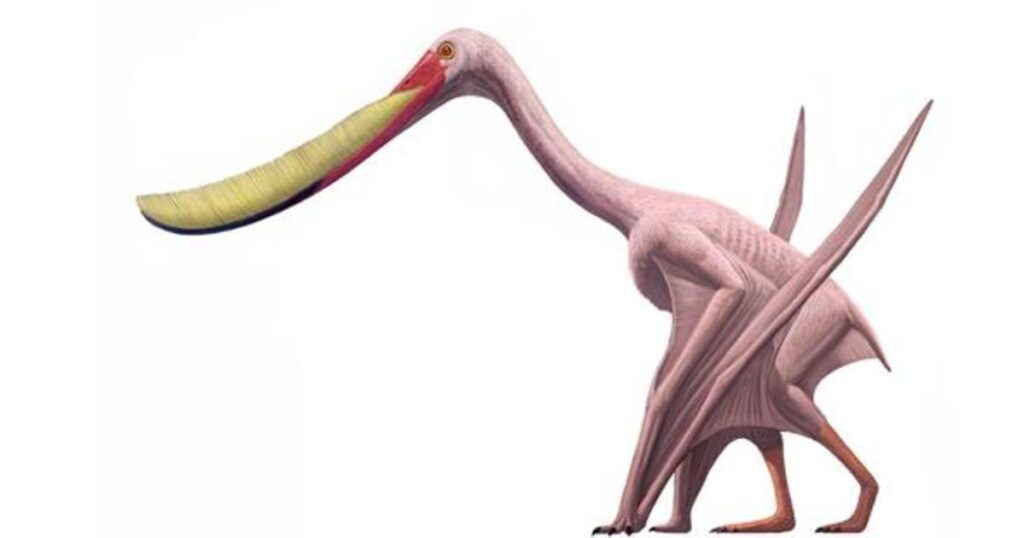
If you want to see how weird pterosaurs could get, you really need to meet Pterodaustro. This Cretaceous pterosaur from South America had a long, downward‑curving lower jaw lined with hundreds of bristle‑like teeth, forming a natural comb. Many paleontologists think it used those teeth to filter tiny crustaceans and plankton from the water, in a way that mirrors how flamingos, some ducks, or baleen whales feed today. You can imagine it wading into shallow lakes at dusk, scooping water into its mouth and pushing it back out through the toothy sieve.
Its body size was roughly comparable to a modern flamingo as well, and some evidence even hints that it might have had a pinkish coloration if pigments from its diet accumulated in its skin or sparse coverings. Whether or not that color guess turns out to be right, you know its lifestyle would have been very different from a fish‑eating Pteranodon or a stalking Quetzalcoatlus. Instead of dramatic dives, it depended on repetitive, methodical filtering, like a living water pump. If you stand by a lake and watch a flock of flamingos sweep their heads back and forth, you are essentially watching a behavior that Pterodaustro may have pioneered in the Mesozoic skies.
8. Anhanguera – The Toothy Fisher With a Built-In Fish Trap
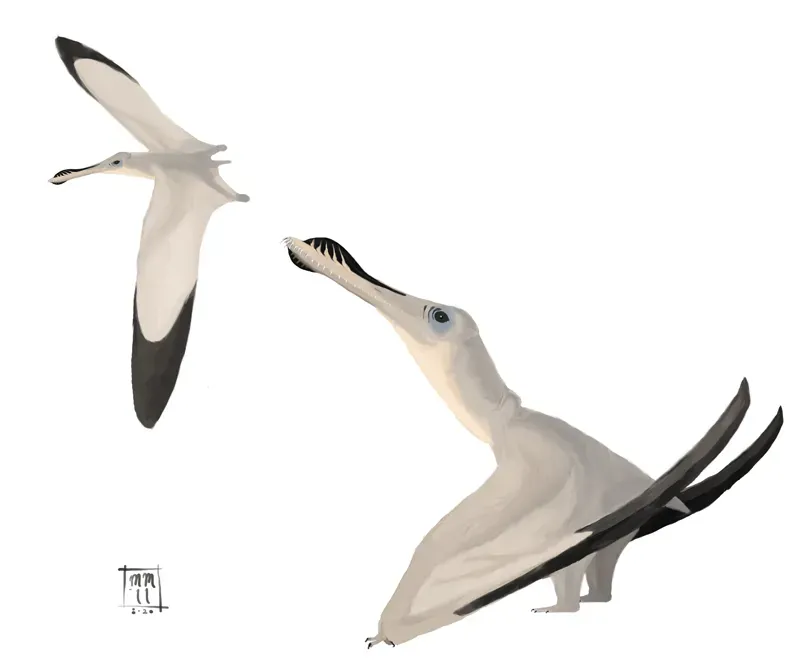
When you picture a specialized fish hunter among pterosaurs, Anhanguera deserves a spot high on your list. This Cretaceous pterosaur from Brazil had long, narrow jaws lined with conical teeth that interlocked when the mouth closed, forming an excellent trap for slippery prey. Near the tips of the jaws, some of the teeth were slightly larger and splayed, creating a sort of toothed basket that could help grab and hold fish near the water’s surface. You can picture it swooping low over a coastal lagoon, snapping up prey the way a modern skimmer or tern might do.
The skull also carried a modest crest, and the animal’s wingspan could stretch several meters, making it a substantial presence in the sky. Studies of its relatives suggest it might have spent much of its time soaring over oceans, returning to land mainly to rest or breed, similar to many seabirds today. If you have ever seen video of an osprey flying off with a fish twisting in its talons, imagine Anhanguera doing the same thing but relying solely on its jaws and wings. It is a reminder that long before modern raptors, the fish‑hunting niche in the sky was already being exploited in very effective, reptilian ways.
9. Hatzegopteryx – The Island Stalker That Ruled Without Dinosaurs
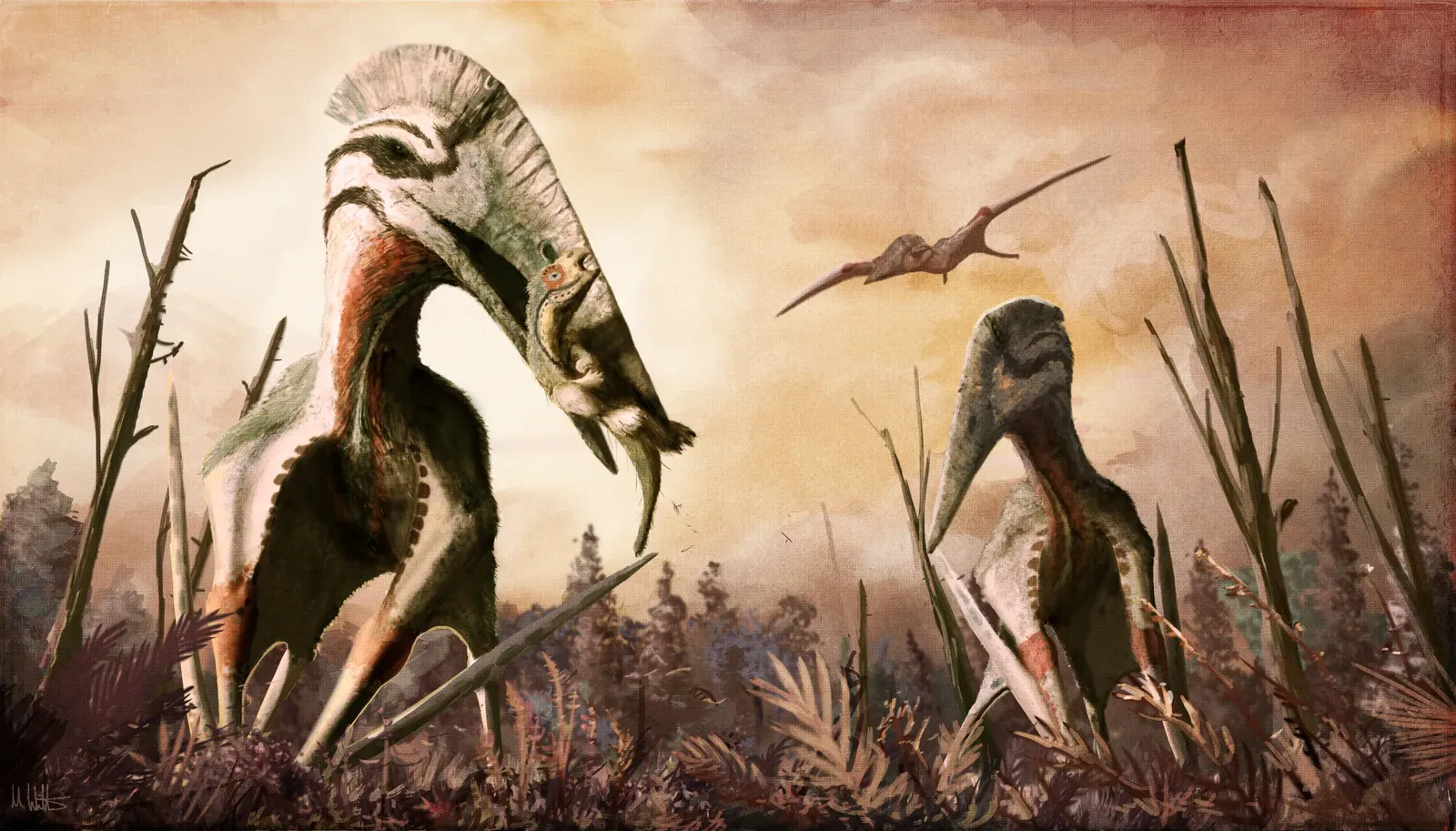
Hatzegopteryx might be the pterosaur that most surprises you if you still think these animals were delicate gliders. Found in rocks from the Late Cretaceous of what is now Romania, it was another giant azhdarchid, comparable in wingspan to Quetzalcoatlus but with a much more robust skull and neck. It lived on what was then Hațeg Island, a landmass isolated within a prehistoric sea, where large predatory dinosaurs seem to have been rare or absent. That left room for something else to take the top predator role, and Hatzegopteryx appears to have stepped eagerly into that job.
Instead of spending most of its time over water, it likely stalked across floodplains and forests on all fours, using its height and reach to ambush smaller dinosaurs and other vertebrates, including dwarf sauropods that also lived on the island. You can think of it as a bizarre mix between a stork, a vulture, and a ground‑hunting mammal, but scaled up to terrifying proportions. Its bones were still lightweight enough for flight, but many researchers suspect it may have flown less frequently, using flight mainly to move between hunting grounds or escape danger. If you ever thought of flying animals as fragile or easily pushed around, Hatzegopteryx forces you to imagine a sky predator that could also dominate on land.
10. Nyctosaurus – The Minimalist Flier With an Outrageous Head Crest
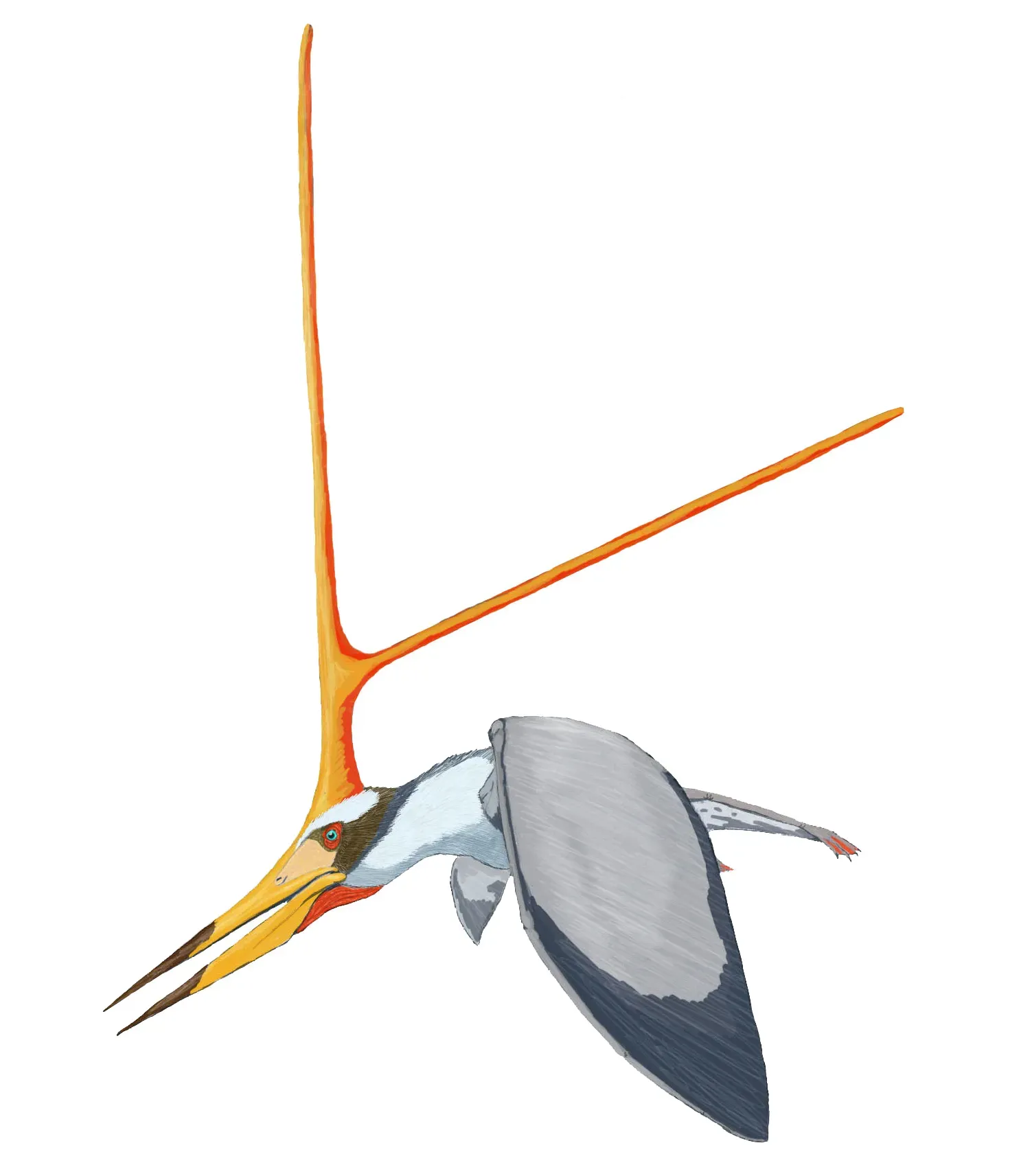
Nyctosaurus shows you that sometimes evolution goes all‑in on one dramatic feature. This Late Cretaceous pterosaur from North America had a relatively small, lightweight body and long wings suited for soaring, probably spending much of its life over open water. But what really grabs your attention is its extraordinary crest: in some specimens, it forms an L‑shaped or forked structure rising from the back of the skull like the frame of a gigantic, skinless sail. No soft tissue crest has been preserved, but you can easily imagine that in life it supported a colorful display structure.
Its lifestyle may have been similar to that of modern ocean‑going birds that glide for long periods, catching fish or squid near the surface. The unusual crest could have been used for visual signaling in mating displays or species recognition, especially at crowded breeding sites along ancient shorelines. Some scientists have even speculated that the crest might have affected aerodynamics, though the display role seems most likely. If you picture a frigatebird with a hang‑glider‑frame bolted onto its head, you are not far off from what Nyctosaurus might have looked like drifting above the waves at sunset.
Conclusion: A Sky Stranger Than Anything You See Today
When you step back and look at these ten prehistoric fliers together, you start to realize just how wild the Mesozoic sky really was. You have giants like Quetzalcoatlus and Hatzegopteryx that blurred the line between aerial and terrestrial predators, ocean gliders like Pteranodon and Anhanguera that filled the roles of today’s seabirds, and odd specialists like Pterodaustro and Dsungaripterus that turned lakes and shorelines into buffet lines for their highly adapted jaws. Even the smaller pterosaurs, such as Dimorphodon, Rhamphorhynchus, Tapejara, and Nyctosaurus, show you an experimental explosion of crests, tails, and feeding strategies. Together, they remind you that powered flight among vertebrates did not start with birds; it began with pterosaurs long before feathers took over the skies.
Next time you watch a gull fighting the wind or a hawk circling high overhead, you can picture the ghosts of these leathery‑winged pioneers layered on top of the modern scene. You are looking at the latest chapter in a story that started hundreds of millions of years ago, with creatures that looked nothing like anything alive today, yet solved the same problems of lift, drag, and survival from above. Their fossils are fragments, but the picture they paint is surprisingly rich: a sky full of experiment and excess, where nature tried out every aerodynamic trick it could. Knowing that, how different do the birds above you feel now that you have met the rulers that came before them?