

Our bodies and brains are basically ancient hardware trying to run modern life like it is the latest operating system. Two million years ago, most of our ancestors’ daily choices were about not starving, not freezing, and not being eaten. Today, we worry about inboxes, traffic, and whether we hit ten thousand steps. The strange part is that many of the instincts that kept early humans alive are the same ones that quietly trip us up in offices, supermarkets, and relationships now. Once you start seeing these old survival traits in action, modern life suddenly looks a lot less mysterious. Cravings, anxiety, procrastination, social drama – much of it is not personal failure, it is Stone Age wiring doing exactly what it was designed to do in a completely different world. Let’s walk through ten big evolutionary traits that used to be superpowers and have now become, at best, mixed blessings.
1. Our Obsession With Sugar and Fat

Two million years ago, sweet and fatty foods were rare jackpots. A piece of fruit meant quick energy; fatty meat meant long‑lasting calories. Natural selection favored brains that lit up with pleasure when they found dense energy, because that could mean the difference between surviving a lean season or not making it at all. The people whose brains did not get excited by sugar or fat simply did not pass on as many genes. Fast‑forward to a world where you can have a delivery app bring you more calories in one order than some ancient humans saw in a few days. The wiring that once screamed “Eat this now, you might not see food again for days” still fires, but the famine never comes. So we get a mismatch: bodies designed for scarcity, surrounded by endless abundance. That is part of why resisting ultra‑processed snacks can feel less like a “willpower problem” and more like hand‑fighting your own biology.
2. The Drive to Conserve Energy

Our ancestors burned a lot of calories just staying alive: walking long distances, climbing, digging, carrying, and coping with the cold without proper clothing or heating. Those who naturally avoided unnecessary movement saved energy, which mattered when the next meal was uncertain. In that world, the impulse to sit when you could stand, and stand when you could walk, was a clever survival hack, not laziness. Today, many of us can spend most of our waking hours in a chair and still have more than enough to eat. That same deep‑rooted tendency to conserve effort now fuels modern problems: chronic sitting, low physical activity, and related health issues. When the elevator beats the stairs and streaming beats walking to a friend’s place, our Stone Age energy‑saving instinct quietly wins over and over again, even when our logical brain knows we “should get more exercise.”
3. A Brain Wired for Constant Threat Detection

Imagine sleeping on the ground with predators nearby, rival groups around, and no locked doors. The people whose senses were dialed up to notice every rustle, shadow, and suspicious movement had a huge advantage. A false alarm cost them only a bit of lost sleep; missing a real threat could cost them their lives. So our nervous systems evolved to treat possible danger as more important than possible comfort. Put that same threat‑sensitive brain in a modern apartment or office, and it does not simply relax just because the predators are gone. It scans for smaller dangers: an annoyed tone in an email, a weird pause in a text, a frown from a coworker. I notice this in myself on days when nothing obvious is wrong, but my brain keeps replaying one awkward conversation like it is an approaching tiger. That hypervigilance used to be life insurance; now it often shows up as anxiety, insomnia, and an overactive imagination.
4. Tribalism and Our Deep Need for In‑Groups

For early humans, being kicked out of your band or clan was almost a death sentence. Survival depended on cooperation: hunting together, sharing food, defending camps, raising children. It made perfect sense for our brains to develop a powerful in‑group loyalty instinct and a cautious, sometimes hostile stance toward outsiders. Favoring “us” over “them” helped protect food, mates, and territory. In the modern world, we are technically safer and more connected than ever, but those tribal circuits are still running. Now they latch onto politics, sports teams, fandoms, and even brands. Instead of defending the campfire from strangers, people go to war in comment sections and group chats. Our ancient pull toward “people like me” can make belonging feel amazing, but it also feeds polarization, prejudice, and echo chambers that are terrible at handling complex global problems.
5. Short‑Term Rewards Beating Long‑Term Plans
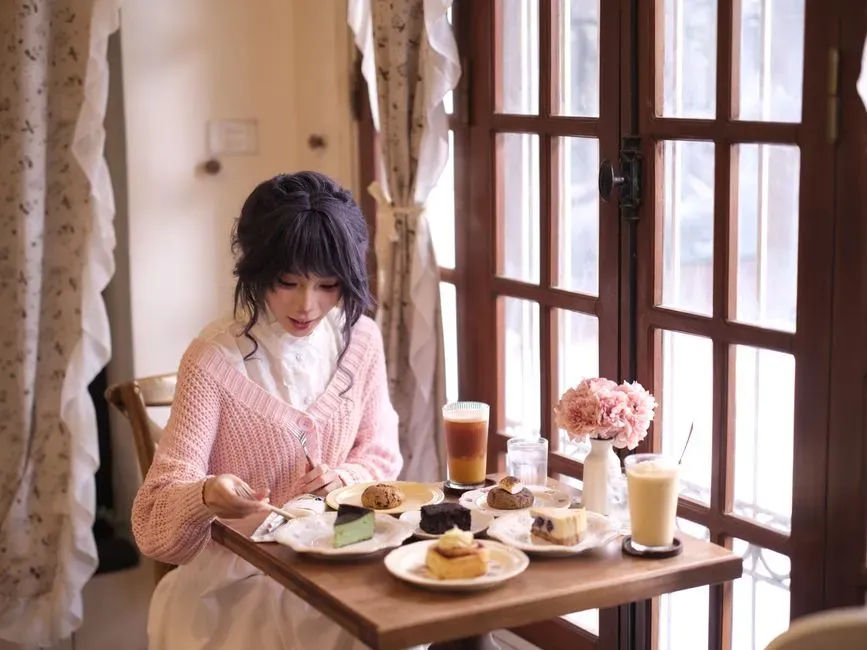
Two million years ago, not eating the berries in front of you because you wanted to “optimize your health over the next thirty years” would have been a terrible strategy. Life was short, injuries were dangerous, and famine was common. Natural selection favored people who grabbed clear, immediate rewards: eat when you can, mate when you can, rest when you can. Future‑you was a luxury; present‑you was what kept genes alive. That is why a notification, a cookie, or one more episode can overpower a carefully crafted long‑term plan in seconds. We are asking a brain designed for immediate survival to prioritize retirement savings, climate change, or bone density in old age. It is not that we cannot think long term – we clearly can – but the default setting is biased hard toward “now.” Procrastination, impulsive buying, and abandoned New Year’s resolutions all make more sense when you see them as a tug‑of‑war between ancient short‑term instincts and newer, more fragile long‑term thinking.
6. Status Sensitivity and Social Comparison

In small prehistoric groups, status was not about luxury items; it was about influence, access to resources, and mating opportunities. A higher‑status individual got listened to, protected, and given better chances to pass on genes. Being at the very bottom could mean less food, less support, and fewer allies when things went wrong. So our brains evolved to constantly track where we stand relative to others. Modern life amplifies that old status game through social media, advertising, and huge crowds of strangers. Instead of comparing ourselves to maybe thirty or forty group members, we compare ourselves to thousands of carefully curated highlight reels. The same sensitivity that once helped our ancestors navigate subtle shifts in their tiny communities now shows up as envy, insecurity, and an endless feeling that we are somehow “behind.” That nagging unease is not vanity; it is a Stone Age status radar going haywire in a world it was never built to handle.
7. The Negativity Bias in Memory and Attention

From an evolutionary point of view, forgetting where you found ripe fruit last week was annoying, but forgetting where you almost got attacked by a predator was fatal. Brains that remembered bad experiences more clearly – the dangerous cliff, the poisonous plant, the aggressive neighbor – helped their owners avoid repeating deadly mistakes. Over time, this produced what psychologists now call a negativity bias: our tendency to notice and remember negative events more than positive ones. Today, this same bias can make an objectively decent life feel worse than it is. You might get nine pieces of positive feedback and one negative comment, and which one do you replay in your head before bed? The mind clings to the single critical remark as if it is a survival threat. I catch myself doing this after giving a talk or sharing something online: ten kind responses slide off; one lukewarm reaction sticks like glue. In a savanna full of hazards, that stickiness was protective; in a relatively safe environment, it can fuel rumination and low mood.
8. Strong Pair‑Bonding and Jealousy

For our ancestors raising extremely dependent offspring without modern support systems, forming strong bonds with mates and close partners increased the odds of their children surviving. Humans evolved to be unusually cooperative parents, and deep emotional attachment helped keep partners from wandering off when things got hard. Alongside love and attachment came jealousy, which could act as a guardrail against losing a crucial partner or being displaced by a rival. In modern relationships, those same instincts can turn into messy emotional storms. A delayed reply, a like on someone else’s post, or a harmless friendship can trigger ancient alarm bells about betrayal and loss. What used to be a useful nudge to protect a fragile family unit can now push people toward controlling behavior, constant reassurance‑seeking, and conflict. The irony is that our capacity for deep connection is one of the best parts of being human, but the protective jealousy wired tightly around it sometimes misfires in a way that hurts the very bonds it evolved to defend.
9. Sleep Patterns Tuned to a Dangerous Night
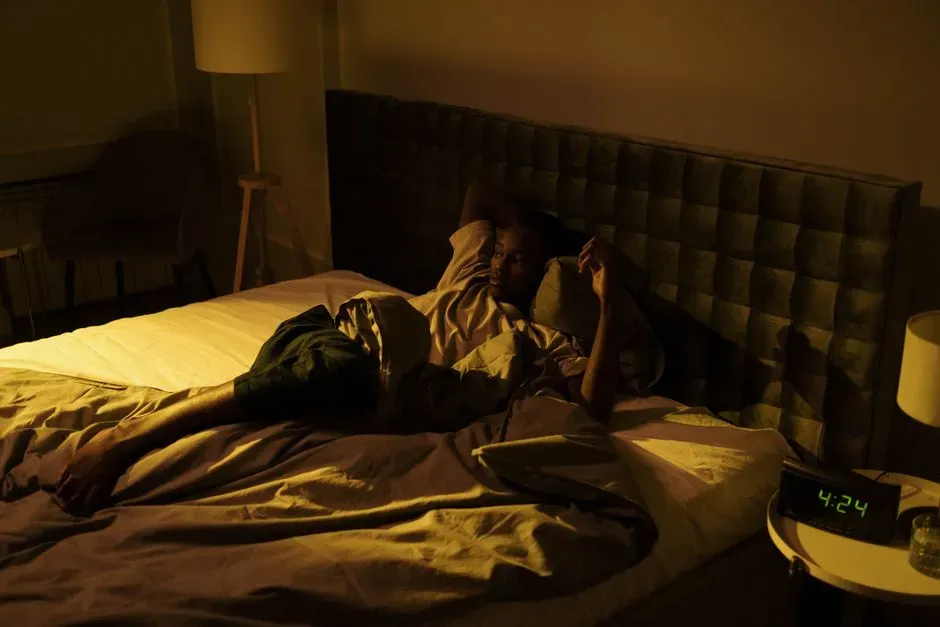
In a world with no locks, deadbolts, or streetlights, being completely out cold for long stretches was risky. There is evidence that early humans may have slept lightly, in shifts, or with at least some group members semi‑alert. A brain that could pop awake at unusual noises and cycle through lighter sleep stages had survival value. Waking up easily to disturbances was much better than sleeping through a predator nosing around the camp. Drop that same nervous system into a bedroom with glowing screens, neighborhood noise, and work stress, and you get a recipe for insomnia. Our built‑in “alert system” does not know the difference between a lion’s footsteps and a late‑night notification, so it treats them both as reasons to stay on guard. When I lie awake at 3 a.m. because my brain insists on replaying a to‑do list, I try to remember: this is my ancestor’s night watch circuit doing its job in entirely the wrong environment. It is not broken, just misapplied.
10. Pattern‑Seeking and Magical Thinking

Our species is extremely good at spotting patterns: paw prints leading to water, cloud shifts before a storm, seasonal changes that predict animal migrations. Seeing connections where they truly existed helped early humans find food, avoid danger, and time their movements. The downside is that our pattern‑seeking machinery is so strong that it often detects patterns where none exist at all. In the past, false positives – seeing intention in random events, attributing misfortune to spirits or curses – sometimes still had practical value by promoting caution or group cohesion. In the modern world, that same tendency can slide into superstition, conspiracy thinking, and misinformation. When random coincidences get woven into tight narratives, it is our old pattern detector over‑performing. It kept our ancestors alive in a largely unpredictable environment; now it can pull us down rabbit holes that feel compelling but are detached from reality.
Conclusion: Ancient Brains in a Modern Maze
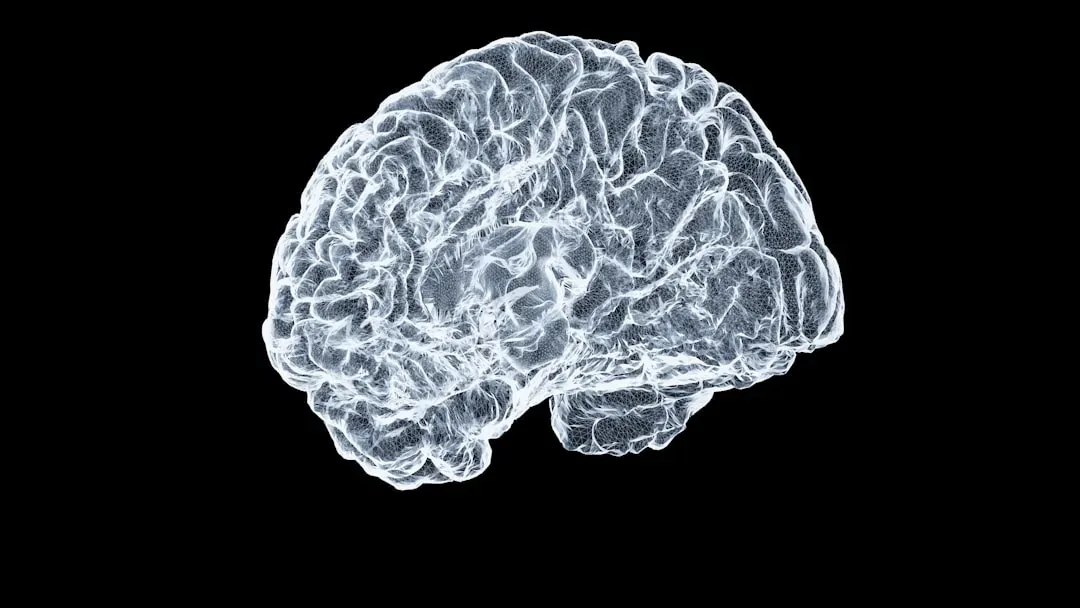
When you look at these traits together, a pattern jumps out: we are not broken, we are outdated. Cravings, anxiety, jealousy, tribalism, sleeplessness – these are not signs that you are uniquely failing at modern life; they are ancient survival programs running on a landscape they were never designed for. In my view, one of the most liberating ideas in psychology is that self‑understanding starts with admitting our brains are old tools trying to cope with new problems. That does not mean we are doomed to be controlled by Stone Age instincts, but it does mean self‑improvement has to start from realism, not shame. We can design environments, habits, and cultures that work with, instead of against, our evolutionary wiring: healthier food defaults, more movement baked into daily life, better sleep hygiene, online spaces that dampen tribal toxicity instead of feeding it. The big question is not “Why am I like this?” but “Given this ancient wiring, how do I want to live now?”