
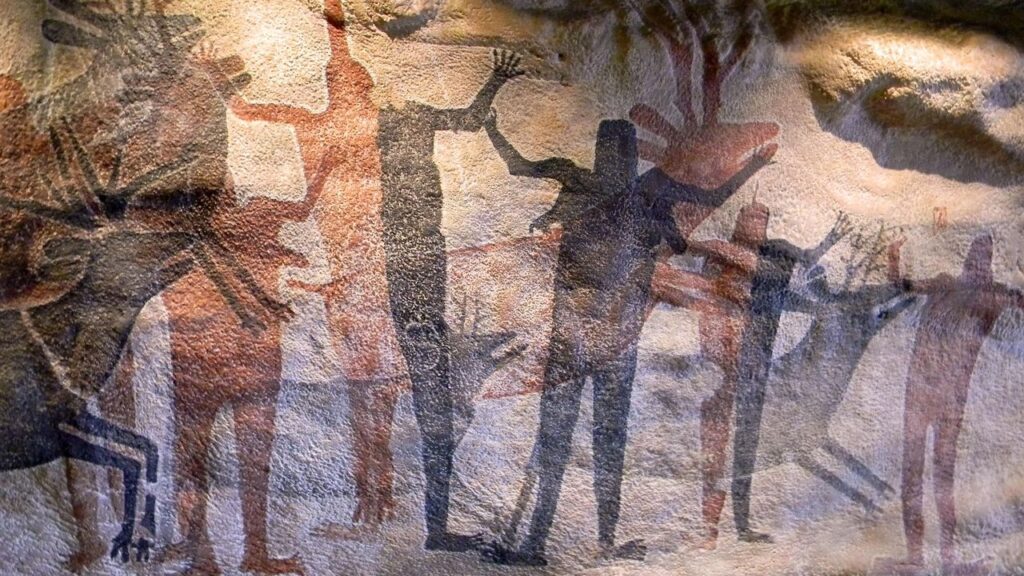
Walk into most museums and you’ll still feel the quiet assumption that real art began with ancient Egypt, classical Greece, or maybe the Renaissance. Prehistoric people tend to get reduced to stick figures in textbooks: fur-wrapped, grunt-speaking, club-wielding, and supposedly focused only on survival. Yet every year, new discoveries are quietly tearing that picture to pieces and replacing it with something far more impressive, and honestly, far more relatable.
When you look closely at the caves, carvings, pigments, and objects our distant ancestors left behind, a different story emerges. It’s a story of symbolism, planning, aesthetic choices, and even something that feels suspiciously like branding or style. The more archaeologists dig, scan, and chemically analyze, the clearer it gets: prehistoric humans were not just practical toolmakers; they were makers of meaning. And by the end of this, you may find that the emotional and creative gap between you and a person living thirty thousand years ago is much smaller than school ever suggested.
Cave Paintings That Rival Modern Art
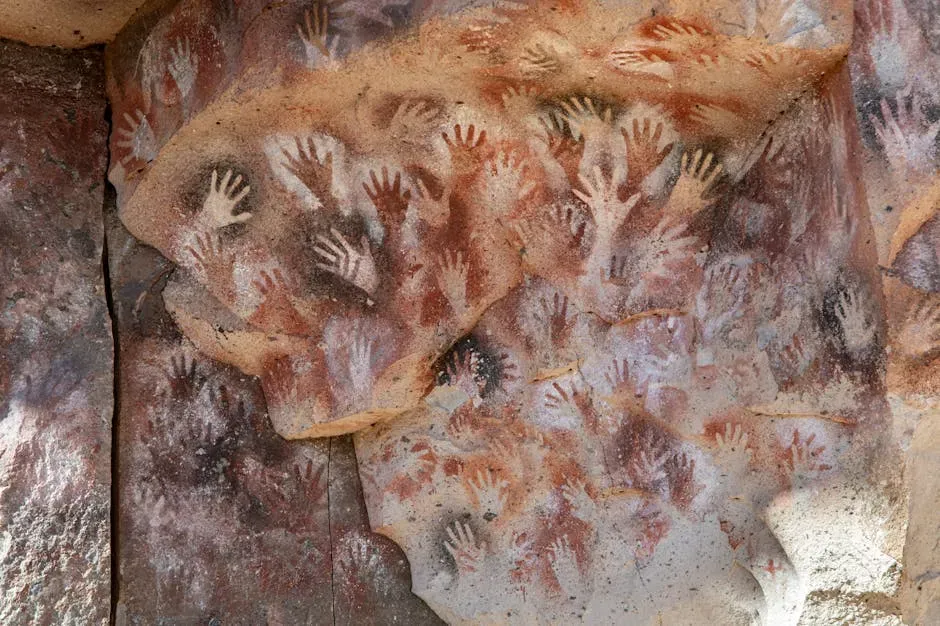
If you’ve ever seen high-resolution images of cave art from places like France or Spain, you know it doesn’t look like the messy doodles of bored kids. These paintings show dynamic movement, careful shading, and clever use of the rock’s curves to give animals a three-dimensional presence. Some caves are layered with images painted over centuries, suggesting a long tradition of revisiting and reworking the same sacred or meaningful spaces, almost like a gallery that stays open across generations.
What really hits me is how deliberate these works are. To paint in deep, pitch-black cave chambers, prehistoric artists had to bring in lamps, pigments, and tools, and sometimes navigate narrow passages for hundreds of meters. That is not casual decoration; that’s a project. It feels very familiar: like organizing a photoshoot or setting up a stage, they transformed a blank, hostile environment into a space charged with imagery and feeling. Whoever did this wasn’t just surviving; they were curating an experience.
Abstract Symbols And The Birth Of Graphic Design
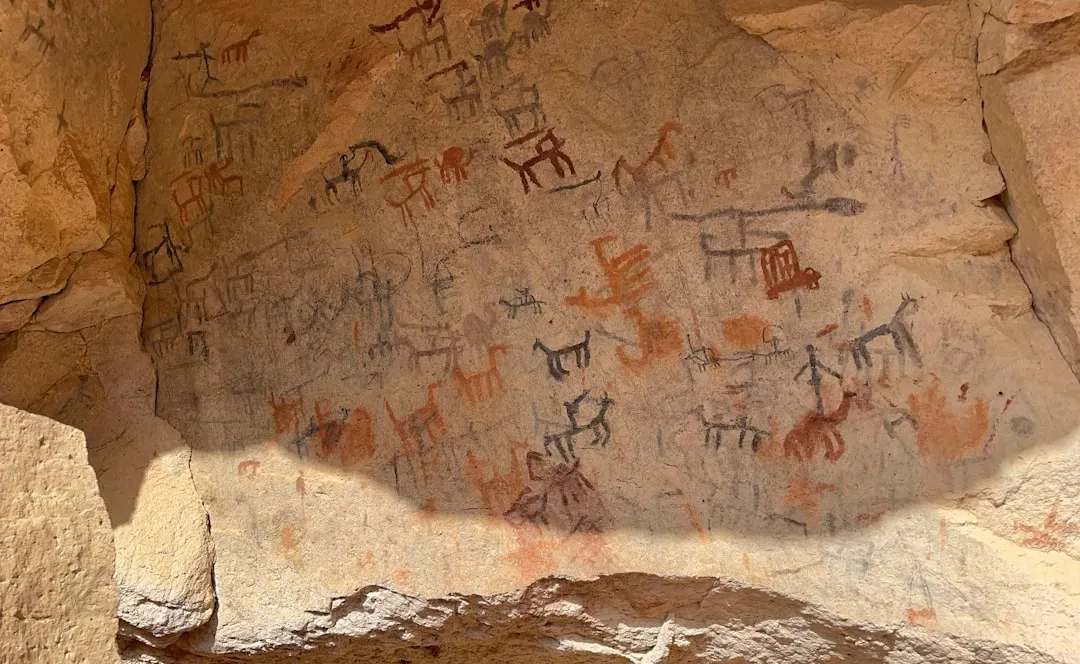
It’s not just lifelike bison and horses; many prehistoric sites are full of abstract signs: dots, hand stencils, zigzags, ladders, and other repeated motifs. These are not random scribbles. The same sets of signs appear in different caves, sometimes very far apart, and across long stretches of time. That sort of pattern suggests some kind of shared visual language, even if we have no idea yet whether it represented clans, myths, directions, or something closer to early writing.
In a way, this is prehistoric graphic design. These people were choosing certain shapes, repeating them, and placing them intentionally alongside or apart from animal figures. The fact that the same designs recur hints that they meant something to the people who used them, and probably triggered quick recognition in their peers. Think of a modern logo or icon on your phone: simple, compact, yet packed with meaning to those who know it. Prehistoric humans were already playing that game, long before alphabets and emojis.
Portable Art: Jewelry, Figurines, And Status Symbols
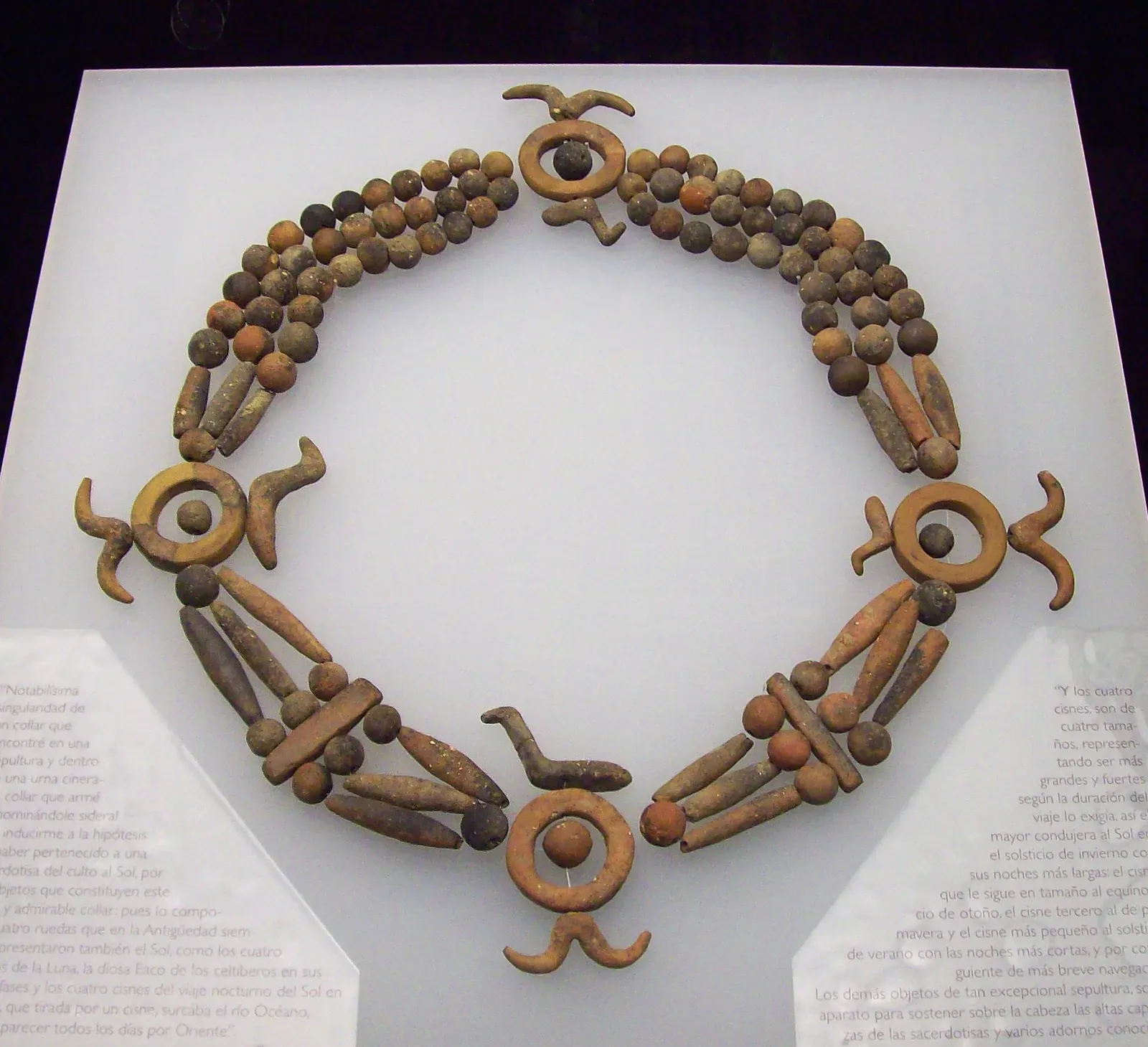
Art was not confined to walls. Archaeologists have uncovered beads made from shells carried dozens of miles from the coast, animal teeth intentionally pierced and strung, and small figurines carved from bone, stone, or ivory. These are objects someone decided to make extra beautiful, extra special, beyond what was needed for survival. They were worn, carried, gifted, and probably admired, the same way we notice someone’s watch, tattoo, or necklace today.
What fascinates me is that these objects often show careful craftsmanship and stylistic choices that differ between regions and periods. That suggests taste, fashion, and perhaps even social signaling: who you are, who you belong to, or what you value. When you see someone thirty thousand years ago wearing a string of colored beads, you are not just looking at “primitive ornamentation.” You’re looking at an early version of identity display, and that’s about as human and artistic as it gets.
Color Mastery: Prehistoric Pigment Tech Was Shockingly Sophisticated
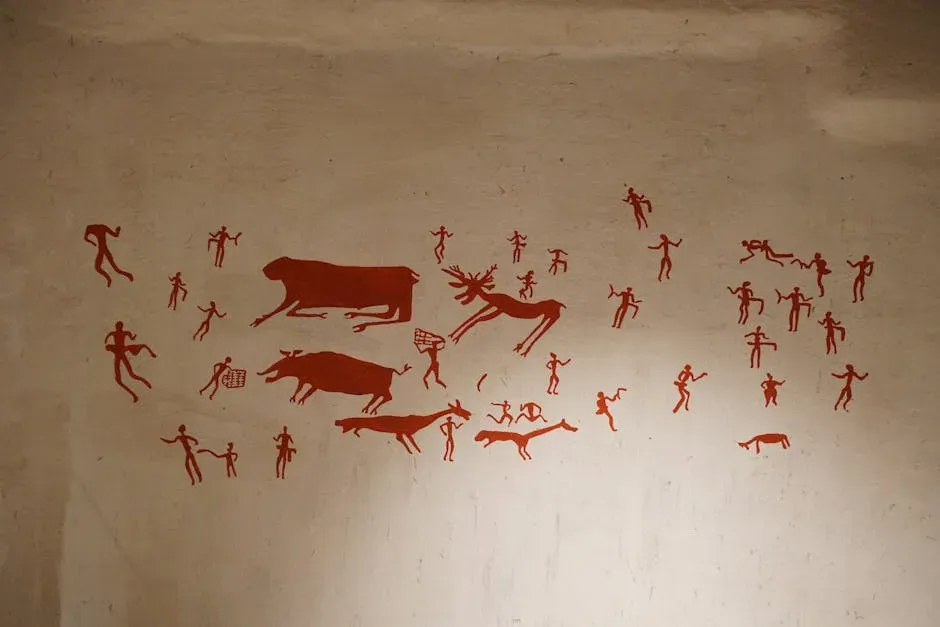
We tend to imagine early humans grabbing a random rock and smearing it on the wall, but pigment analysis tells a different story. People in the deep past selectively collected minerals like ochre, manganese, and charcoal, sometimes from faraway sources, and processed them into powders with different shades and textures. They experimented with binders like animal fat, plant juices, or water to create paints that adhered well and lasted for thousands of years. That’s not improvisation; that’s chemistry and engineering driven by an artistic goal.
There’s also growing evidence that color was used symbolically and not just to match what they saw. Some burials and ritual sites show specific colors applied to bodies or objects, suggesting that certain pigments carried emotional or spiritual weight. I find it striking that, even with limited technology, they were making decisions that echo our modern color theory and branding instincts: using red for power or transformation, or carefully contrasting tones to draw the eye. They were not just coloring in; they were thinking in color.
Ritual, Storytelling, And The Theatrical Side Of Prehistoric Art
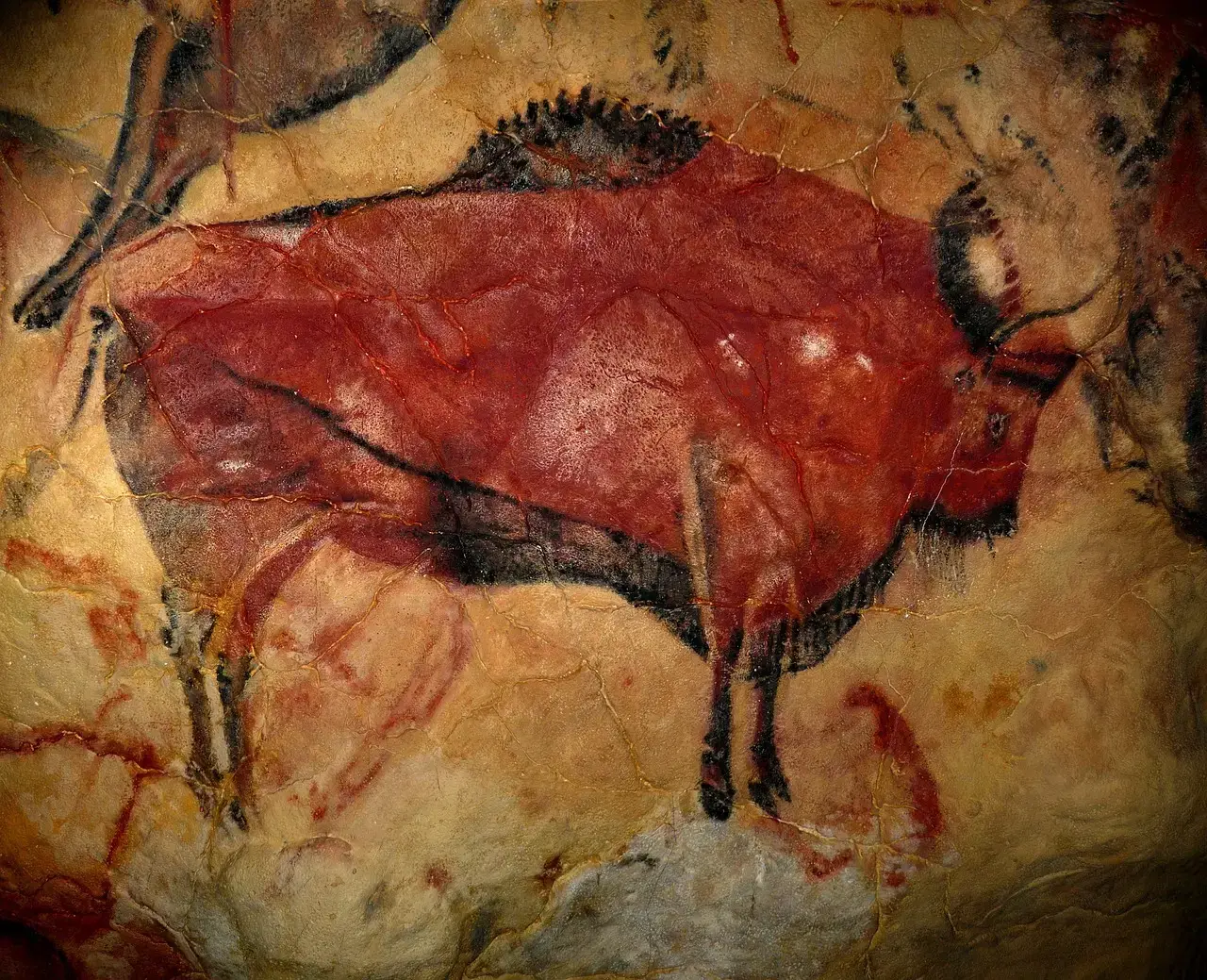
One of the most underappreciated aspects of prehistoric art is that it likely involved performance. Imagine a group gathered in a flickering cave, torchlight making painted animals seem to move on the walls, while someone tells a story, beats a rhythm, or re-enacts a hunt. Some caves show evidence of controlled lighting and acoustic hotspots, places where sound echoes in dramatic ways. That suggests that these sites might have been stages for multi-sensory experiences, not static galleries for solitary viewers.
It’s entirely possible that the art we see is just the frozen residue of richer, immersive rituals that combined song, movement, storytelling, and visual effects. In that sense, prehistoric humans might have been running something closer to live theater or immersive installation art than simple “decorating.” When I think about that, it makes our modern distinction between “art,” “religion,” and “entertainment” feel almost too tidy. They were probably blending all three without needing to label them separately.
Brains Like Ours: What Neuroscience Hints About Prehistoric Creativity
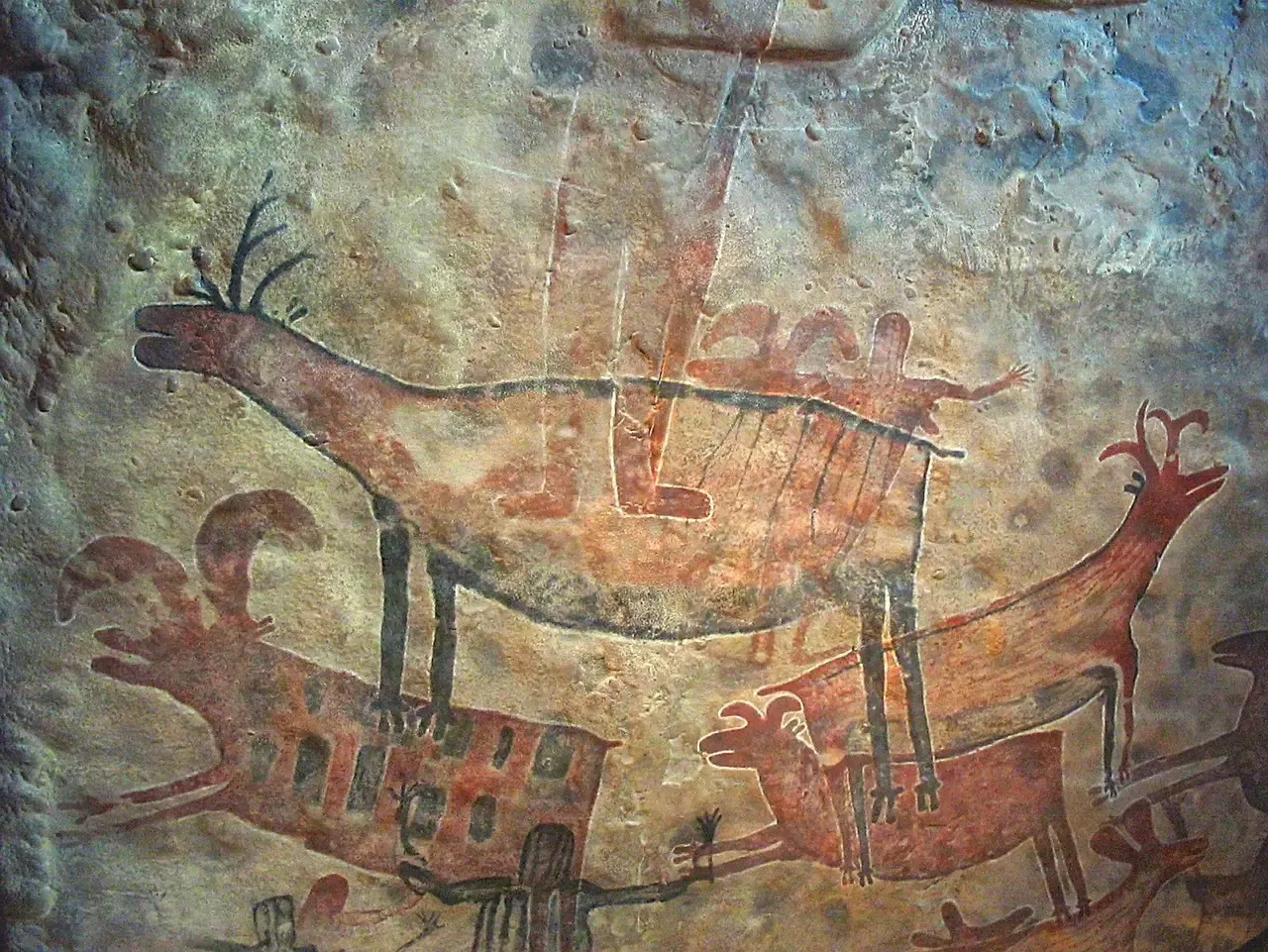
Another reason to take prehistoric art seriously is biological: by the time a lot of this art appears, the brains of these humans were essentially the same size and structure as ours. They had the neural hardware for imagination, planning, and symbolic thinking. When you accept that, it suddenly seems stranger to assume they were not creative than to assume they were. If you gave a child from that era a modern education and a sketchbook, there’s every indication they could grow up to be a capable painter or designer.
Some researchers have pointed out that creating these works requires skills like long-term memory, motor coordination, and the ability to mentally rehearse an image before making it real. Those are the same cognitive ingredients behind modern art, music, and writing. So when we look at a prehistoric painting or carving and feel a spark of recognition, that’s not an illusion. It is the same kind of mind, wrestling with meaning and beauty, using the tools and materials available at the time.
Rethinking “Primitive”: Why Our Old Assumptions Get Art So Wrong
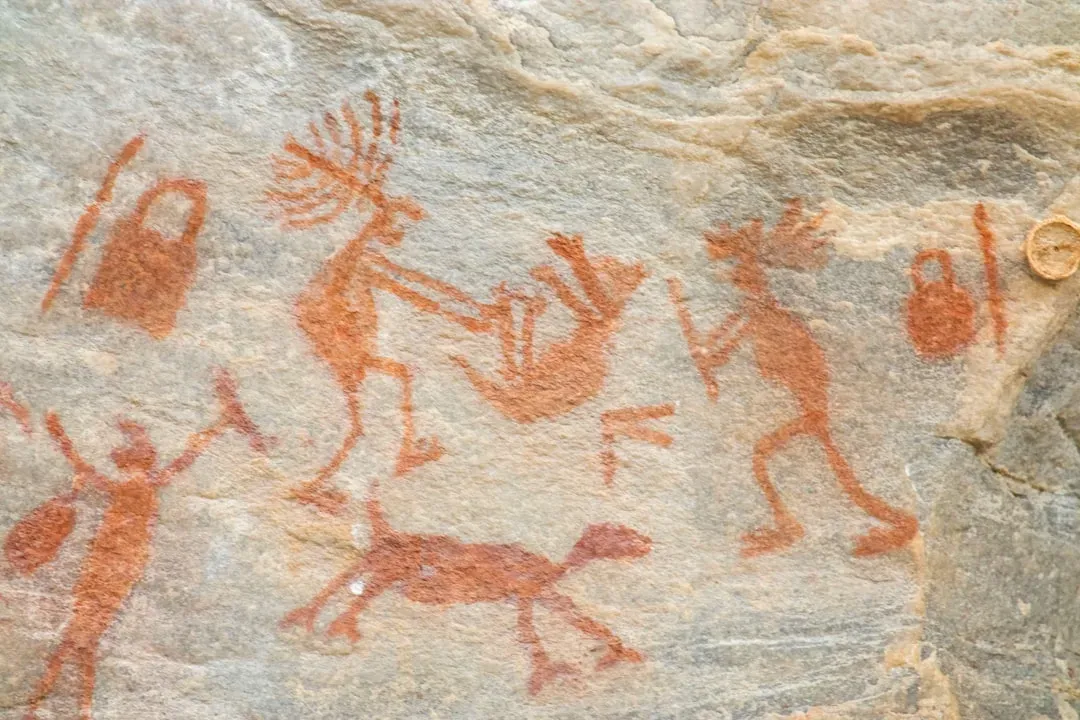
Underneath all of this is a stubborn bias that older equals simpler, and simpler equals less intelligent or less creative. That idea is comforting because it puts us at the top of the ladder, as if culture were a straight climb from crude to refined. But the archaeological record keeps throwing curveballs: distant ancestors doing complex things sooner than expected, or small groups maintaining rich artistic traditions without cities, writing, or metal. Art, it seems, does not wait for “civilization” to be officially declared.
Personally, I think we underestimate prehistoric art because it forces us to admit that creativity is not a luxury of advanced societies; it is a basic human drive. These people were living through harsh climates, dangerous animals, and constant uncertainty, and they still chose to spend precious time making images, objects, and rituals that added meaning to life. That is not primitive; that is profound. If anything, it makes our own era’s obsession with convenience look a bit shallow by comparison.
Conclusion: Prehistoric Artists Deserve More Credit Than We Do
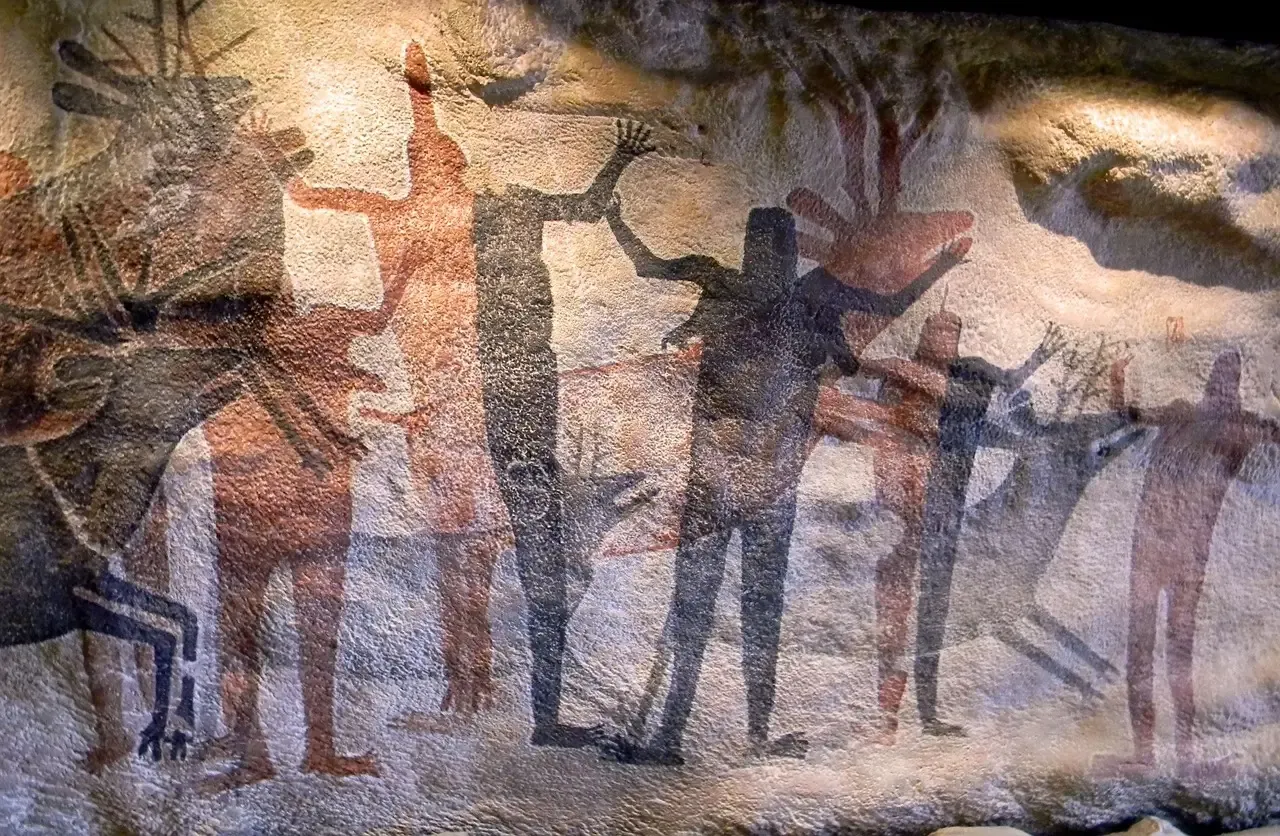
When you put all the pieces together – sophisticated cave scenes, repeated symbols, crafted jewelry, engineered pigments, ritual staging, and brains like ours – the old cartoon of prehistoric humans falls apart. The more we learn, the more it looks like they were not just stumbling toward culture but already living in it, surrounded by images and objects charged with feeling and thought. In my view, calling their work “early” or “primitive” art feels less like a description and more like an excuse not to take it seriously.
I think we owe those long-gone artists a mental upgrade: not as clumsy ancestors making accidental masterpieces, but as deliberate creators whose instincts for beauty, meaning, and self-expression were every bit as sharp as ours. Next time you see a photograph of a cave painting or a tiny carved figure, try looking at it the way you’d look at a modern mural or sculpture: as someone’s bold attempt to say, “This is what matters to me.” Maybe the real surprise is not that prehistoric humans were so artistic, but that it took us this long to give them the credit. Did you expect that?