
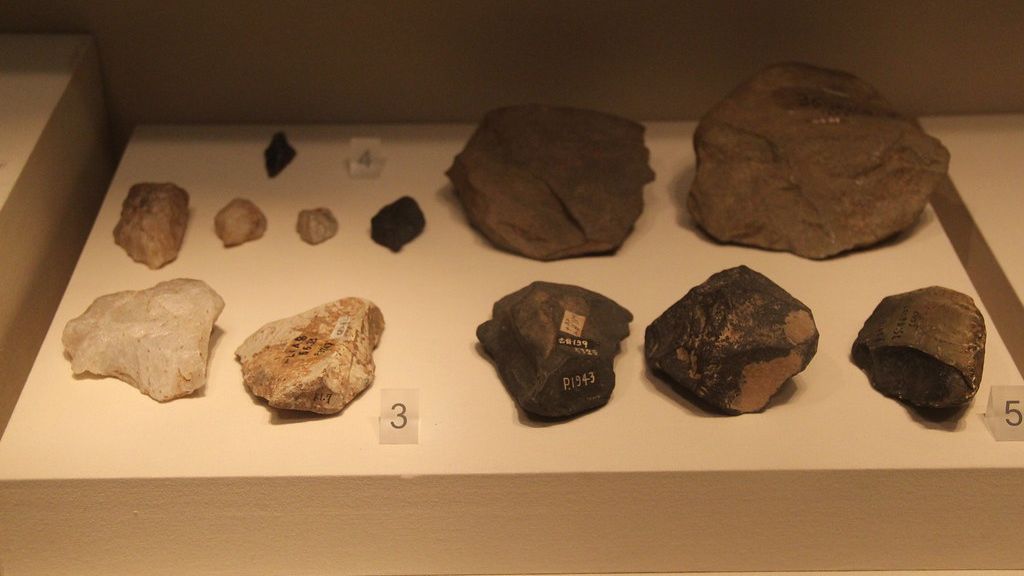
Imagine holding a stone in your hand that was shaped by another pair of hands more than two and a half million years ago. That is not the opening scene of a science documentary; it is the reality of what archaeologists dig up in the African soil. Every time researchers push back the dates of the earliest tools, it quietly rewrites who we think we are and when we started becoming human in the way that really matters: through technology.
The big twist is this: the first known tools are not sleek, not sophisticated, and not even made by our own species. They are rough flakes and battered cobbles, scattered across ancient African landscapes, yet they completely change the timeline of human innovation. The more we uncover in places like Ethiopia, Kenya, and Tanzania, the more it looks like our ancestors started experimenting with tools far earlier – and in more ways – than anyone dared to guess a few decades ago.
Africa: The Surprising Workshop of Deep Human Time
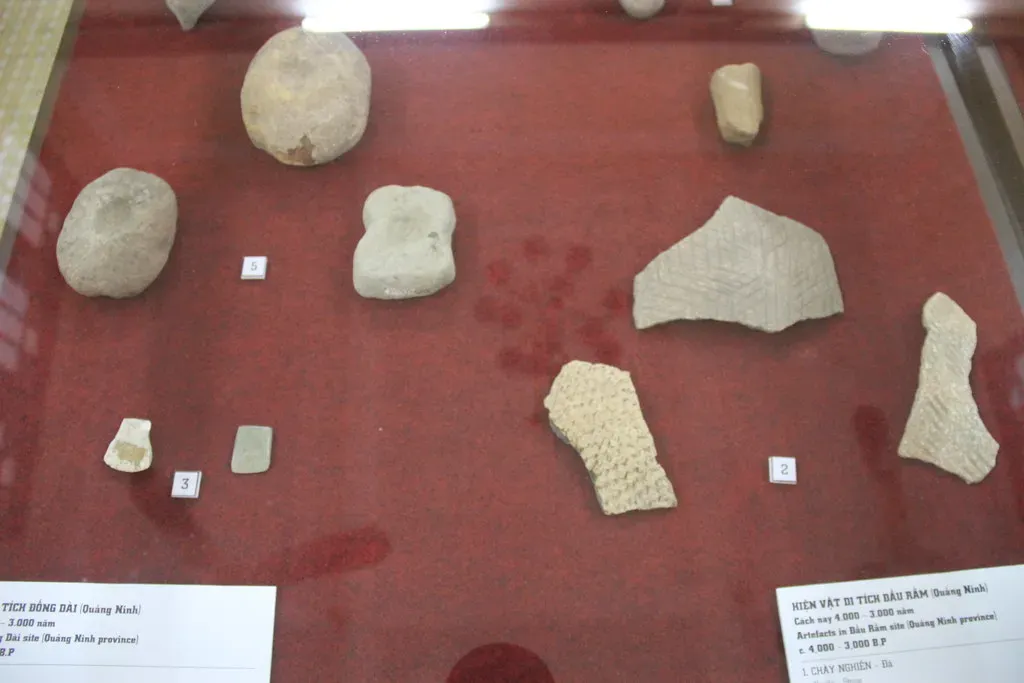
When people casually say that humanity began in Africa, it can sound like a slogan. But when you trace the earliest tools, that statement suddenly becomes very literal. In Ethiopia’s Gona region, in Kenya’s Turkana Basin, and in Tanzania’s famous Olduvai Gorge, stones shaped by ancient hands lie in sediments that are older than many mountain ranges people hike today. These places are not just fossil hotspots; they are the workbenches where technology itself was born.
What makes Africa so powerful in this story is not just age; it is continuity. Layer after layer in these sites tells a slow, messy story of how chipped stones went from clumsy experiments to something like a survival strategy. You can almost see the trial and error frozen in rock. It is as if the continent was hosting a multi-million-year-long hackathon, with different hominin species trying slightly different tweaks and passing down what worked.
Older Than Expected: How Far Back Do the First Tools Go?
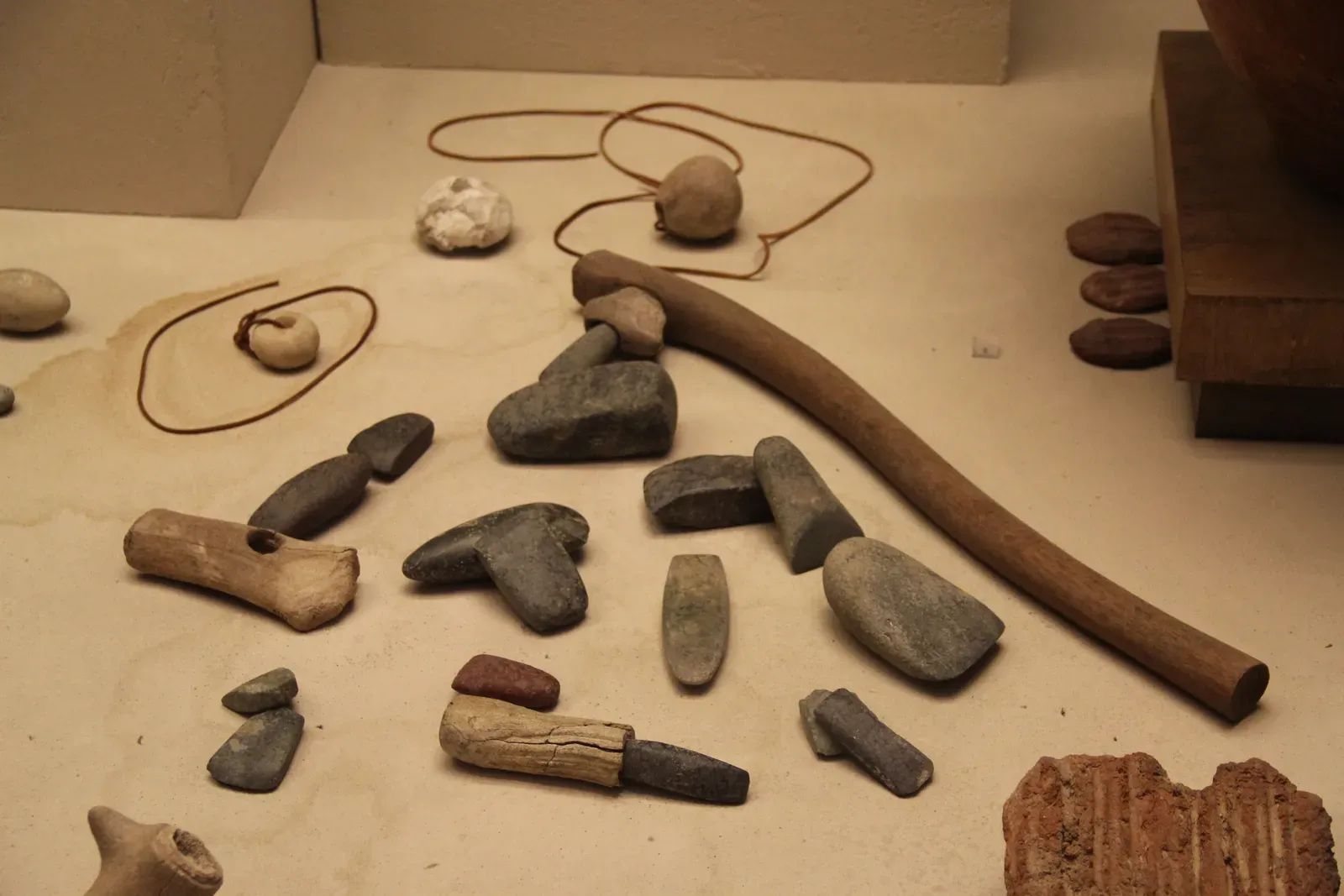
For a long time, the conventional wisdom was that stone tools began around two and a half million years ago with the first clearly recognizable human relatives in the genus Homo. That already sounds unimaginably old, but discoveries in the late twentieth and early twenty-first centuries kept nudging that date backwards. Finds at Gona in Ethiopia showed worked stone dating to around two and a half million years, and then sites in Kenya pushed that boundary even further into the past.
The shock came when some tools were dated to well over three million years old, older than the earliest known members of our own genus. That means toolmaking did not start with “humans” in the strict sense at all. Instead, it looks like more ancient relatives, maybe species like Australopithecus or close cousins, were already picking up stones and deliberately reshaping them. In other words, technology began before humans were officially humans, which undercuts the neat timeline many people grew up with.
Simple Stones, Big Brains? Rethinking the Link Between Tools and Intelligence
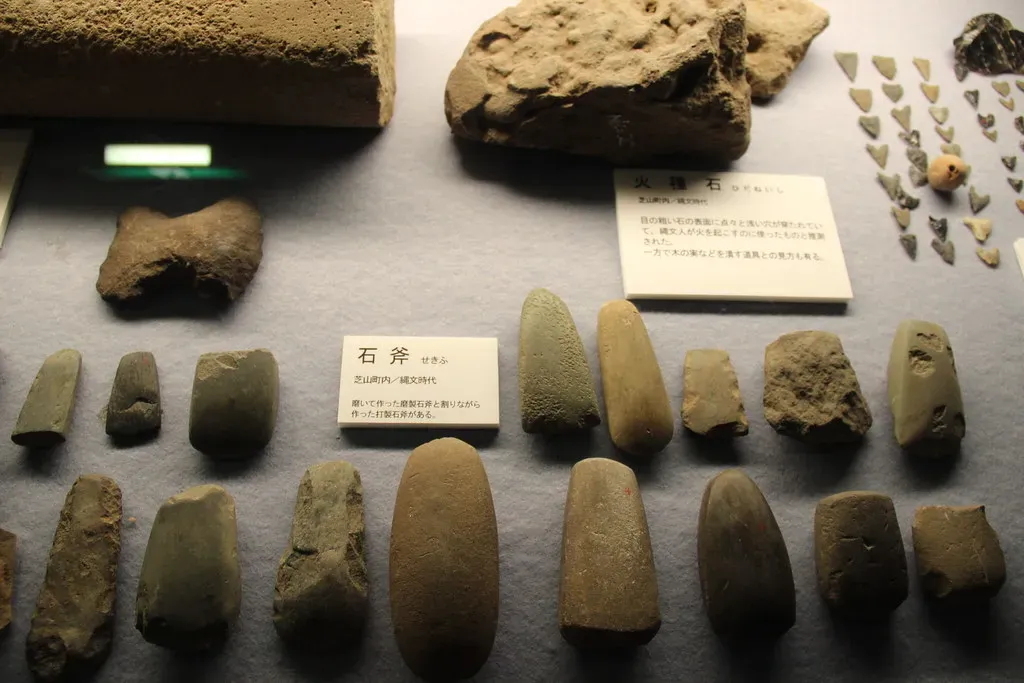
Look at the earliest tools and you might be underwhelmed. They are often just sharp-edged flakes struck from a larger rock, or a cobble that has been pounded on one side. No handles, no symmetry, no artistic flair. But the simplicity is deceptive. To make even a rough flake on purpose, you need to understand that one rock can shape another, you need control over your movements, and you probably need to watch someone else do it first.
This is where it gets uncomfortable for our ego. If species with much smaller brains than ours were already experimenting with stone, maybe intelligence is not just a matter of brain size, but of how that brain is wired for social learning and curiosity. The earliest tools hint at minds that could notice patterns, remember useful actions, and repeat them. They were not building spaceships, but they were not mindless animals either. They were doing the first thing that would eventually lead to smartphones: bending the natural world to their needs.
Meat, Marrow, and Survival: What These Early Tools Were Really For
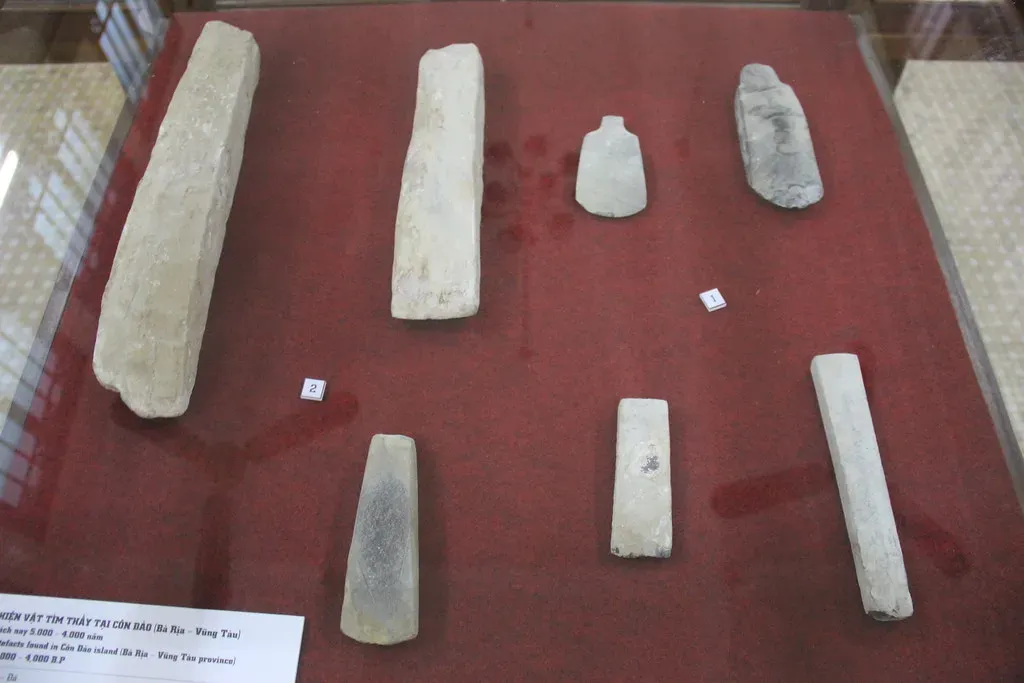
Stone tools are exciting to look at in a museum, but for the people who first made them, they were deadly serious. In many African sites, these tools show up near animal bones with distinctive cut marks and smashed ends. That pattern strongly suggests what they were used for: slicing flesh from carcasses and breaking bones open to get the rich, fatty marrow hidden inside. In an environment where big predators ruled, being able to scavenge quickly and efficiently could mean the difference between surviving and starving.
Think of it like this: without tools, our ancestors were basically stuck with what they could chew or crack with their own teeth. With a sharp flake, suddenly a dead hippo on a riverbank was not just a smelly obstacle, it was a buffet. That extra protein and fat might have fed growing brains and allowed individuals to travel farther. It is not romantic; it is pragmatic and a bit brutal. But evolution does not reward comfort; it rewards whatever works, and stone tools were a tiny mechanical shortcut with massive consequences.
Messy Hands, Shared Minds: Learning to Make Tools Together
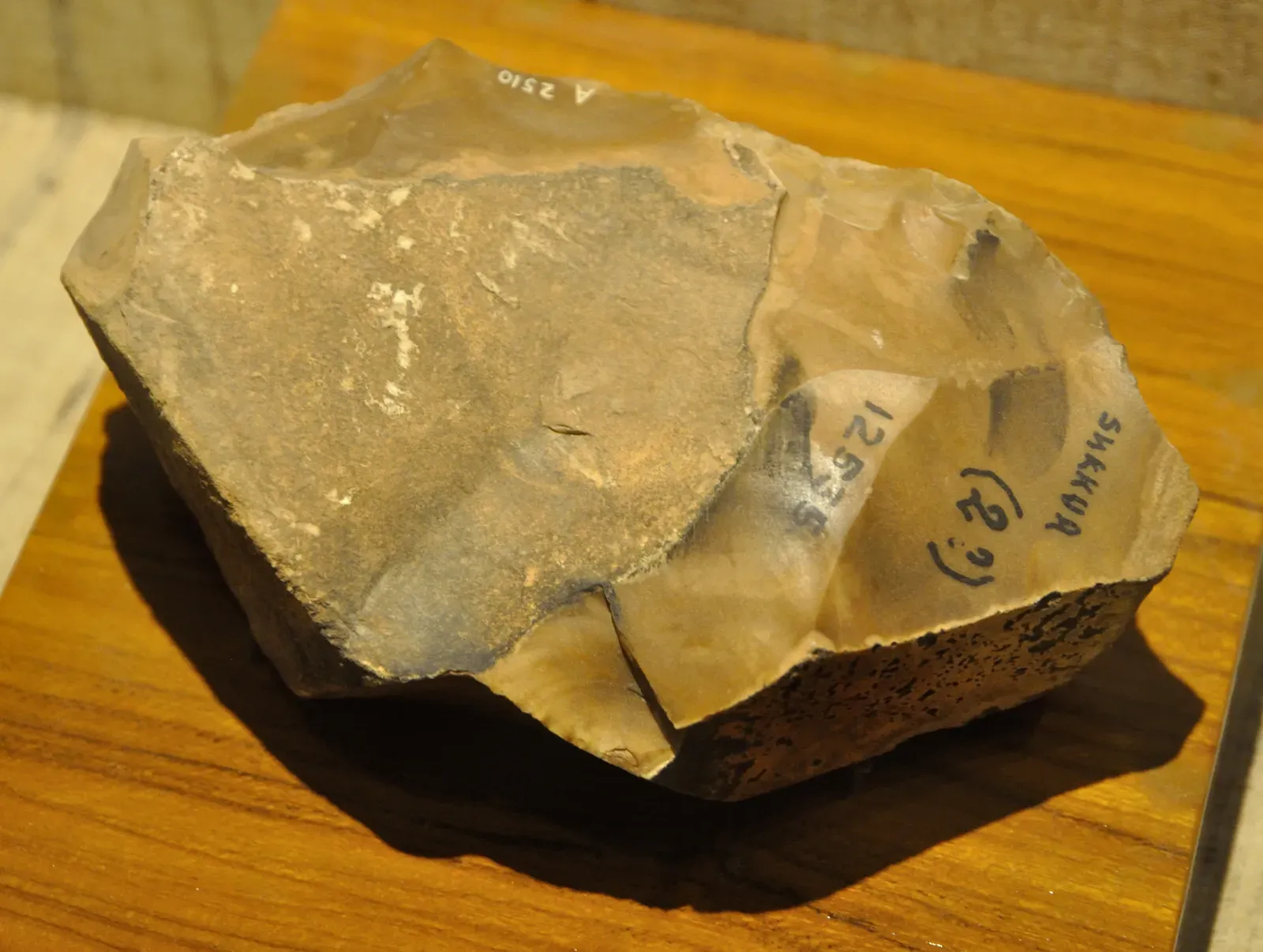
One of the most human things about these tools is not the stones themselves but what they imply about teaching. Knapping stone is noisy, finicky, and full of small tricks. To learn it, you probably need to watch closely, imitate, fail, and try again. That suggests that even three million years ago, our ancestors may have been clustering around a good toolmaker, paying attention the way kids watch an older sibling show them a new game.
This is where the story gets surprisingly emotional for me. The idea that ancient relatives sat together, maybe passing rocks back and forth, getting scolded for doing it wrong or praised for a good flake, brings them out of the realm of bones and sediment. It hints at shared attention, at patience, at some basic urge to help each other get better. If technology is our superpower as a species, then this shared learning – the social side of toolmaking – might be the true origin of that power.
Why These Ancient Tools Keep Forcing Scientists to Rewrite the Textbooks
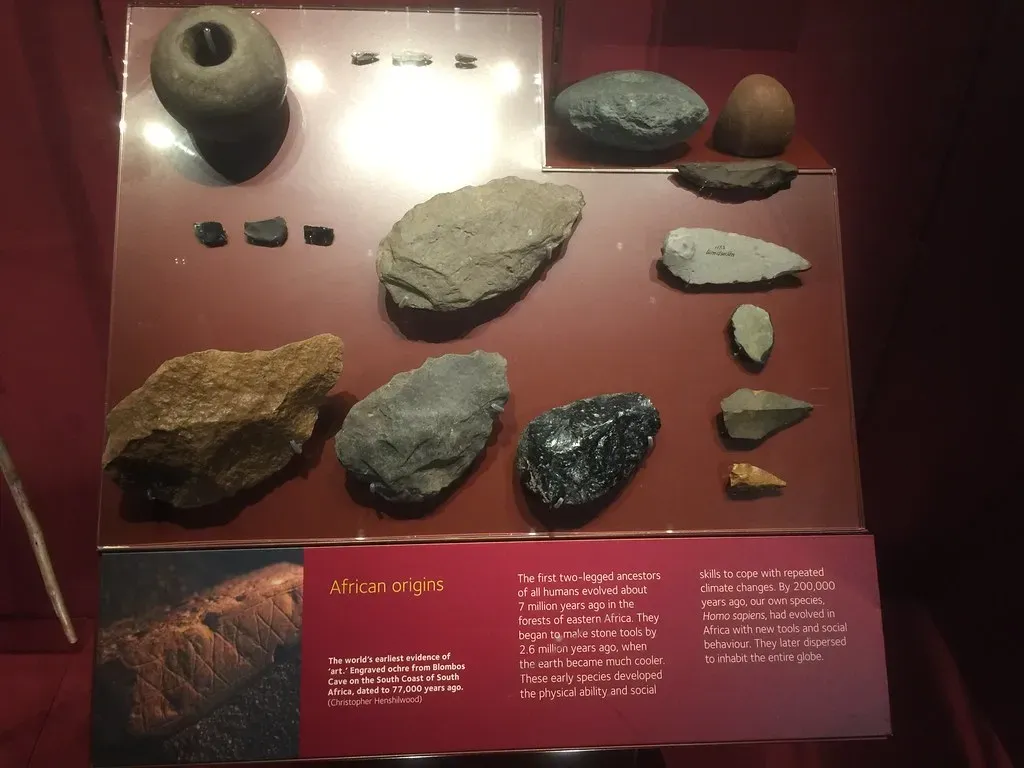
Every time archaeologists find an even older tool layer in Africa, a bunch of once-confident timelines and diagrams suddenly look flimsy. We used to draw a straight line: first came upright walking, then bigger brains, then tools, then modern humans. Now it looks less like a ladder and more like a tangled bush, where different species and behaviors overlap. Toolmaking pops up earlier than expected and does not belong neatly to one group.
That constant revision bothers some people, but honestly, it is a strength, not a weakness. Science changing its mind in the face of new evidence is exactly what you would want it to do. Early tools in Africa have forced researchers to admit that our deep past is not a tidy story where everything happens in the “right” order. Instead, innovation probably flickered in and out across species and landscapes. The stubborn rocks dug up across the continent are a reminder that reality does not care about our need for simple stories.
From Old Stones to New Questions: What We Still Do Not Know
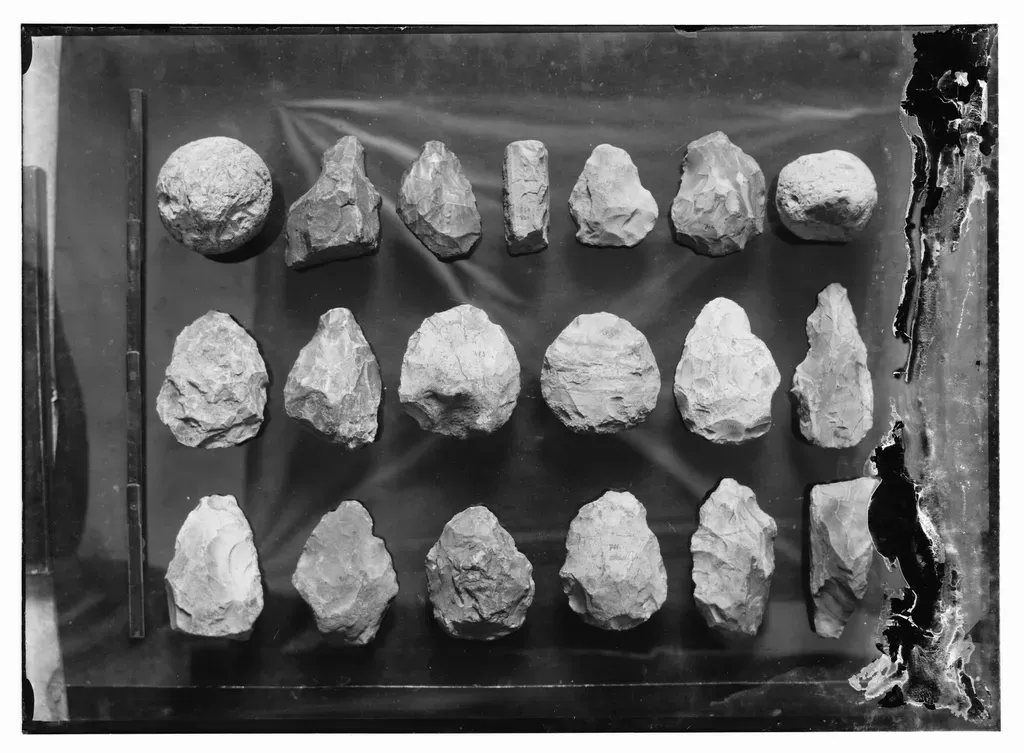
For all we have learned from these ancient tools, there is a lot that remains maddeningly unclear. We rarely know who exactly made them, because fossils and tools do not always show up neatly together. In some sites, we are basically matching stone technology with possible candidates based on who lived nearby and when. That leaves a lot of room for debate, and honestly, for healthy disagreement among scientists.
We also do not fully understand how widespread early tool use was. Were there only a few small populations experimenting with stone, or was this knowledge spreading across vast areas of prehistoric Africa? Did some groups abandon tools while others refined them? These questions matter, because they tackle whether technology is a universal human trait or a fragile tradition that can vanish if a community is disrupted. The stones we have are only a tiny fraction of what once existed, like a few surviving pages of a very long book.
Why the Oldest African Tools Matter for How We See Ourselves Today
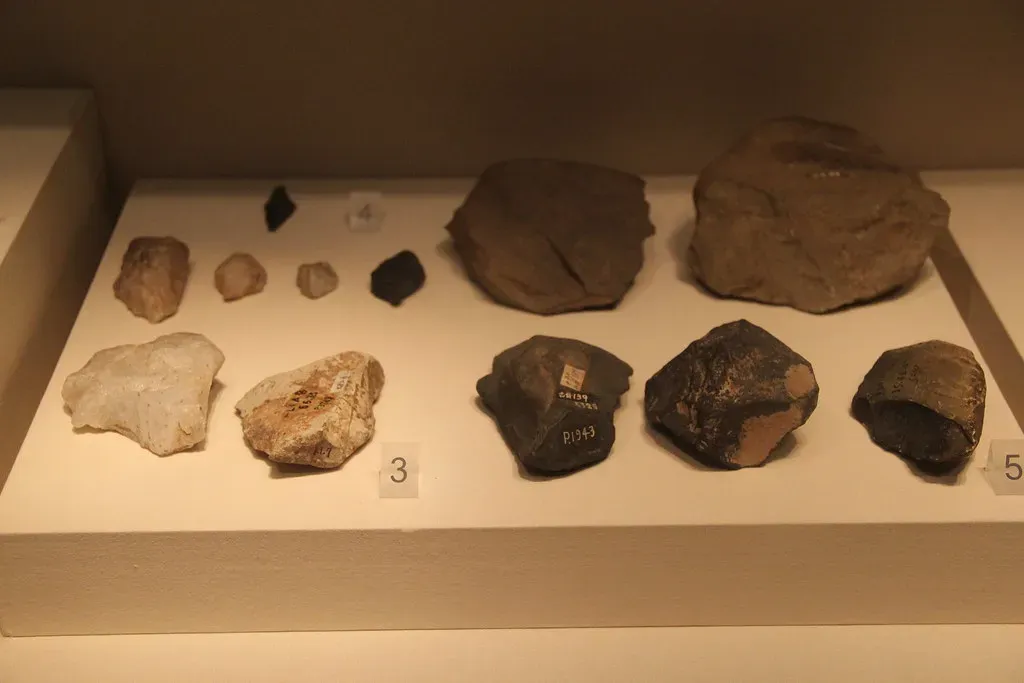
For me, the most striking thing about the earliest African tools is how they shrink the distance between “them” and “us.” It is easy to imagine our ancient relatives as fundamentally alien, but once you picture them choosing a good stone, testing its edge, and using it to get dinner, they start to feel painfully familiar. The gap between a sharp flake and a steel knife in your kitchen drawer is huge in time, but tiny in logic. Both are about solving problems with whatever materials are at hand.
There is also an uncomfortable humility in realizing that our great technological arc began with clumsy strikes on a rock and that we still do not fully grasp when or how it started. In a world obsessed with the newest gadget and the next big leap in artificial intelligence, those chipped stones are a quiet reminder that our deepest breakthrough was not clever software but the decision to reshape the world with our hands and to teach each other how to do it. If technology is our mirror, these African tools are the very first faint reflection, and they ask a hard question: for all our progress, are we really as different from those early makers as we like to think?