When most people picture the Ice Age, they imagine endless snow, mammoths marching over frozen tundra, and maybe a squirrel chasing an acorn from an animated movie. That image is fun, but it leaves out how wild, dangerous, and strangely familiar the real Ice Ages actually were. Our planet has been flipping between deep freezes and warm spells for millions of years, and humans showed up right in the middle of that chaos.
Here’s the twist: a lot of what we think we know about the Ice Age is either oversimplified or just wrong. The truth is more dramatic. Sea levels crashed, landscapes moved, giant animals thrived and vanished, and early humans adapted in ways that still shape our lives today. Once you see how many surprises are hiding in the science, those frozen ages start to feel less like distant history and more like a warning – and a mirror.
1. There Wasn’t Just One “Ice Age” – There Were Many
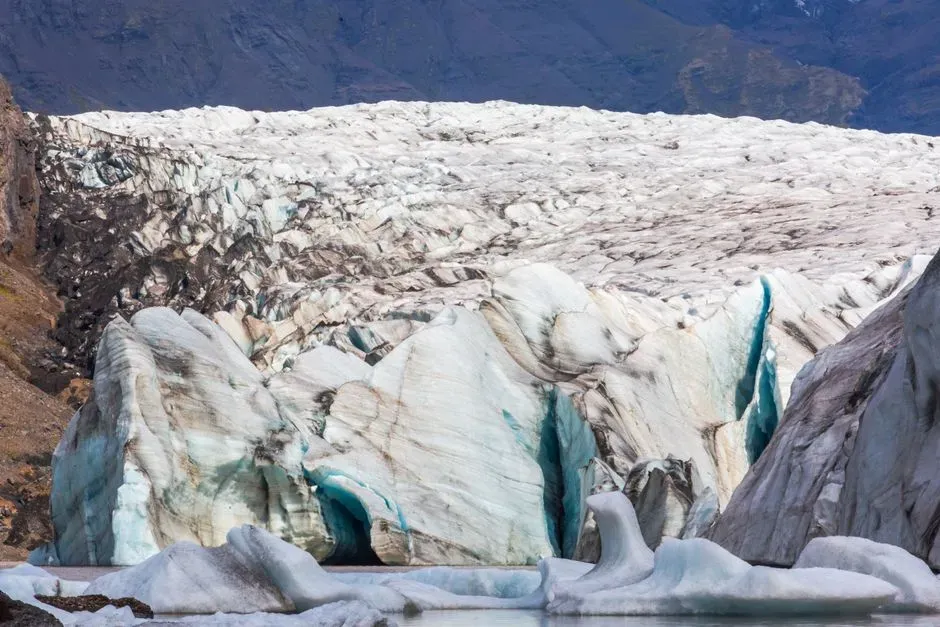
It is easy to talk about “the Ice Age” like it was a single long winter, but Earth has gone through repeated ice ages over millions of years. Scientists use the term for long periods when large ice sheets grew and shrank over continents, not a single event, and within those big eras there were colder peaks called glacial periods and warmer gaps called interglacials. We’re actually living in one of those warmer breaks right now.
Think of Earth’s climate like someone slowly breathing in and out rather than just flipping a switch from cold to warm. Ice advances, retreats, grows again, and each cycle can last tens of thousands of years. The last major glacial maximum, when ice was at its greatest extent, peaked roughly twenty thousand years ago, which in geological terms is basically yesterday. So when people say “back in the Ice Age,” they are really talking about a whole series of cold pulses, not one frozen movie-length moment.
2. Huge Ice Sheets Once Sat on Top of New York, Chicago, and London
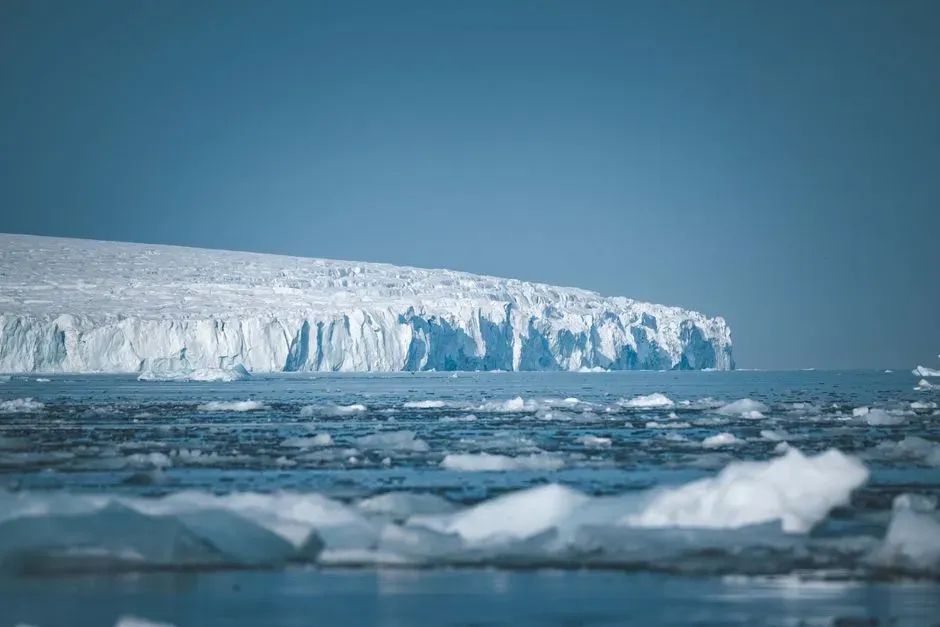
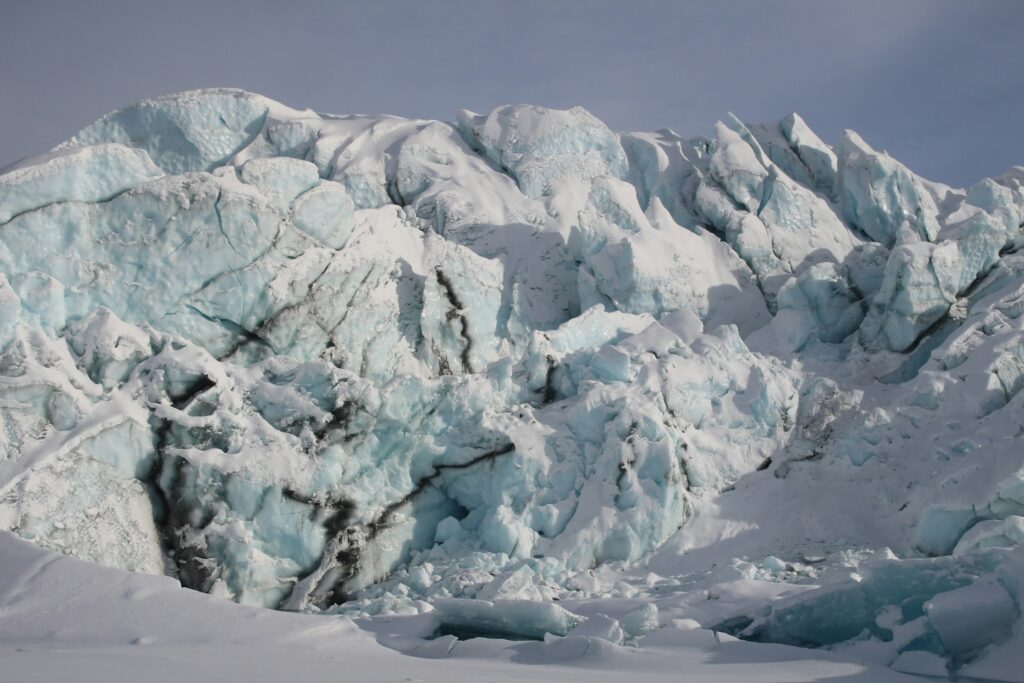
One of the most mind‑bending Ice Age facts is that much of today’s busy city life sits on land that was once buried under ice as thick as mountains. During the height of the last glaciation, ice sheets spread over large parts of North America and northern Europe, covering what is now Canada, the northern United States, the British Isles, and Scandinavia. In some places the ice rivaled small mountain ranges in height.
If you walk through Central Park in New York City and see those smooth, scratched rocks, you are looking at scars carved by ice that crawled over that spot and then melted away. Chicago’s flatness and the Great Lakes themselves are the leftovers of these giant ice machines grinding the landscape. It is a bit humbling to imagine skyscrapers, traffic jams, and coffee shops where, not that long ago, there was only silent, crushing ice and wind.
3. Sea Levels Dropped So Much You Could Walk Between Continents
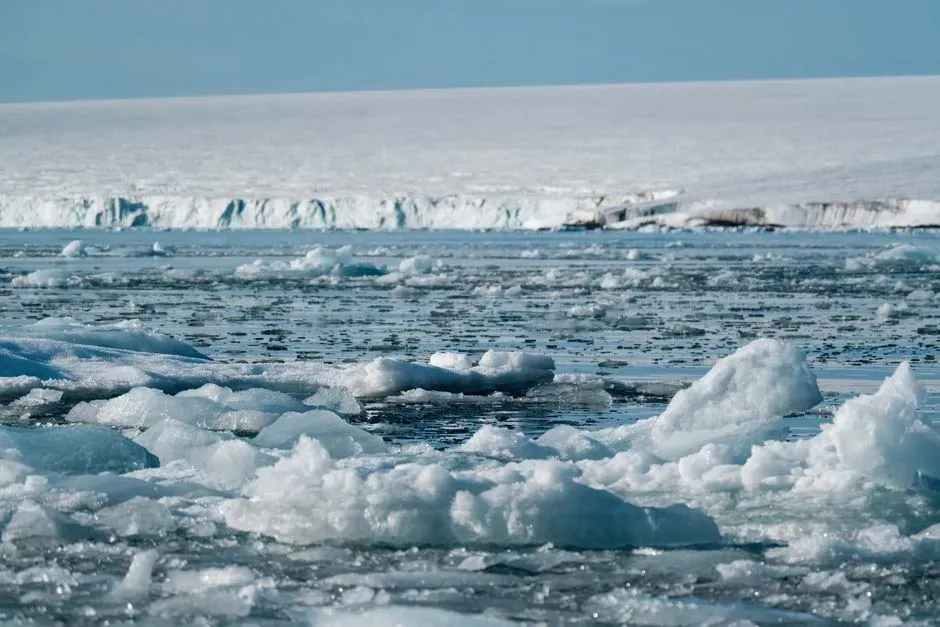
When that much water is locked up in ice, it has to come from somewhere, and that “somewhere” is the ocean. During the coldest phases of the last Ice Age, global sea levels were dramatically lower than they are today, by well over a hundred meters. That drop exposed huge areas of seafloor, turning shallow seas into dry land and creating natural land bridges between places that are now separated by water.
These temporary highways changed everything for animals and people. Early humans and other species could walk into new continents using routes that no longer exist, such as the land bridge between northeast Asia and what is now Alaska. Today we look at maps and imagine oceans as permanent boundaries, but in Ice Age times, coastlines were in completely different places. Whole “lost” coastal worlds that people may have inhabited are now flooded and hidden beneath the waves.
4. The Ice Age Was Not One Endless Deep Freeze
It sounds strange, but the Ice Age was not just constant blizzards and brutal cold. Climate records from ice cores, lake sediments, and tree rings show a pattern of wild swings, with intense cold snaps interrupted by shorter warm spells. In some regions, temperatures could shift within a human lifetime, turning harsh, icy terrain into more temperate landscapes and then back again.
Imagine being part of a community trying to survive when your local climate keeps changing the rules on you. Rivers may have frozen solid in one generation, while the next saw forests creeping north and new animals arriving. That choppy, unstable pattern is one reason I get uneasy when people act like climate change is always a slow, gentle process. The Ice Age record suggests Earth’s climate system can lurch and stutter, not just slide.
5. Humans Didn’t Just Survive the Ice Age – We Thrived in It
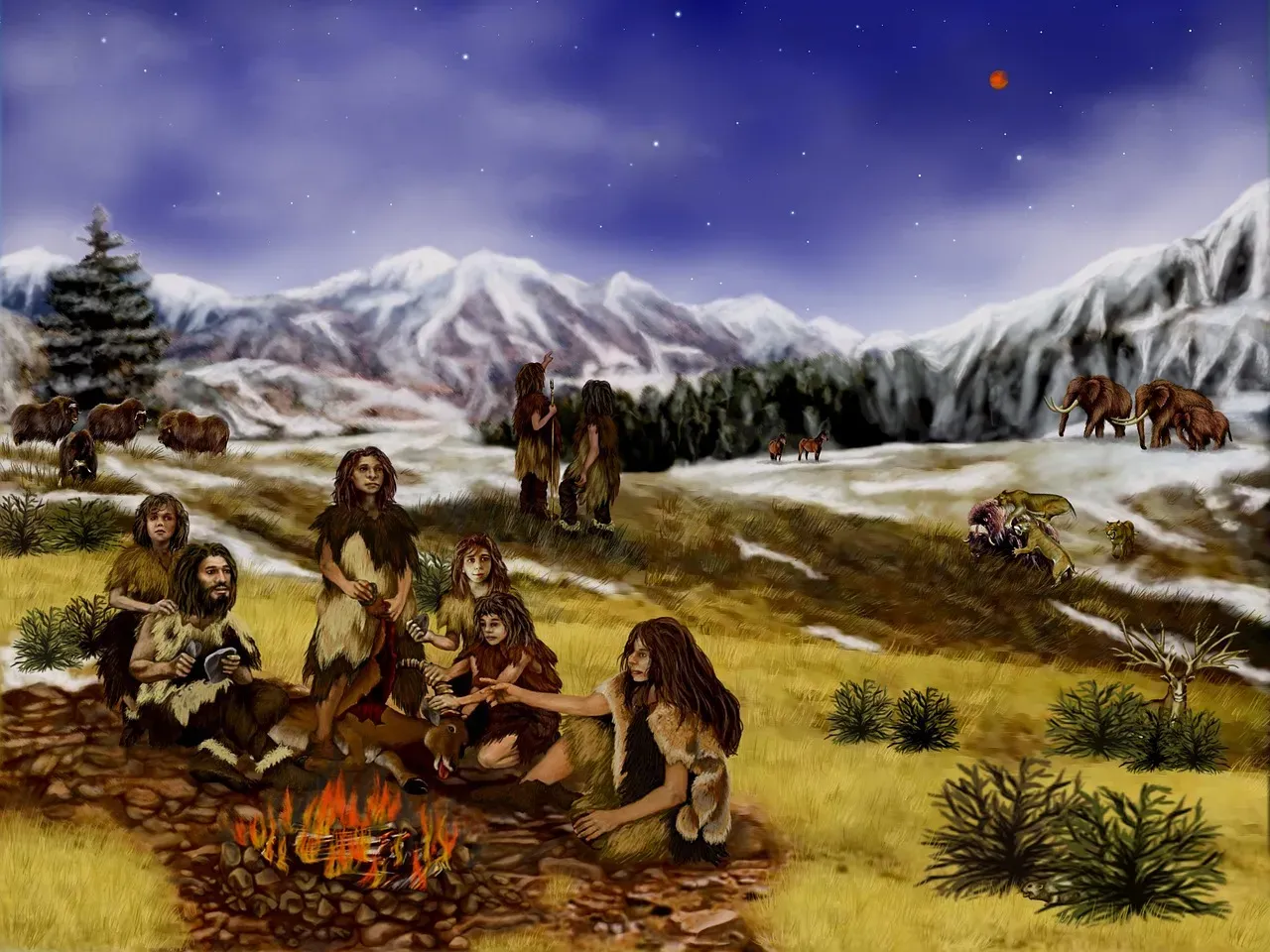
There is a popular story that humans barely scraped through the Ice Age, huddling in caves and waiting for the world to thaw. The fossil and archaeological evidence tells a more impressive story. Our ancestors developed clever tools, tailored clothing, and complex hunting strategies that let them cope with freezing temperatures, scarce food, and roaming predators. In a sense, the harshness of Ice Age life forced us to get smarter, faster.
We see this in advanced stone tools, art carved into bone and ivory, and the remains of organized camps built to shelter families from the cold. People tracked migrating herds, stored food, and sometimes even used bones and tusks as frames for dwellings. When I think about that, it blows up the stereotype of “cavemen” as clumsy or primitive. These were problem‑solvers dealing with climate hardship on a level most of us have never faced.
6. Giant Animals Ruled the Ice Age – and Many Vanished Mysteriously
![6. Giant Animals Ruled the Ice Age – and Many Vanished Mysteriously (Current version from the following site without attribution:[1] Previous version from NPS Foundation Document (archive), page 19 (no name is credited in the "Photo and Art Credits", page 42)original version stitched together from images credited to "NPS Photo" on NPS Paleontology page (archive) and NPS Fossilized Footprints page (archive), Public domain)](https://nvmwebsites-budwg5g9avh3epea.z03.azurefd.net/dinoworld/c57b29a82ed33b590420bf00b0f0b6db.webp)
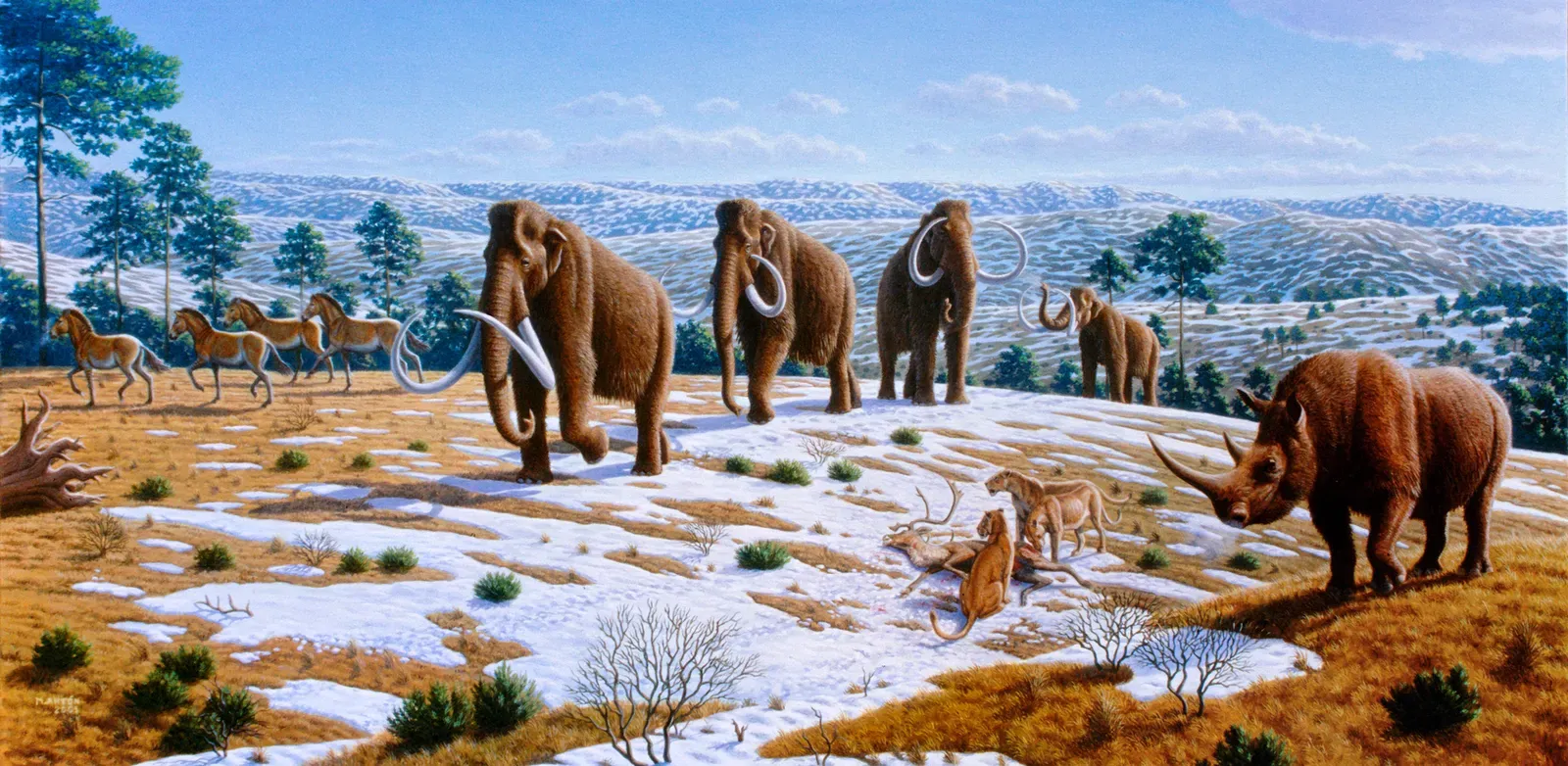
The Ice Age was the age of megafauna: mammoths, mastodons, giant ground sloths, saber‑toothed cats, enormous bison, and birds taller than a person. These animals were not just larger versions of modern species; they formed entire ecosystems built around cold climates and open steppe‑like grasslands. For tens of thousands of years, humans and these giants shared the same landscapes, sometimes hunting them and sometimes likely competing with them.
Then, near the end of the last glacial period, a lot of those large animals disappeared within a relatively short window of time. Scientists still debate how much was due to rapid climate change, how much to human hunting, and how much to a messy combination of both. My own hunch is that we prefer simple answers, but reality is probably closer to a one‑two punch: warming climates shrinking their habitats while increasingly capable humans pushed already stressed species over the edge.
7. Earth’s Wobbly Orbit Helps Trigger Ice Ages
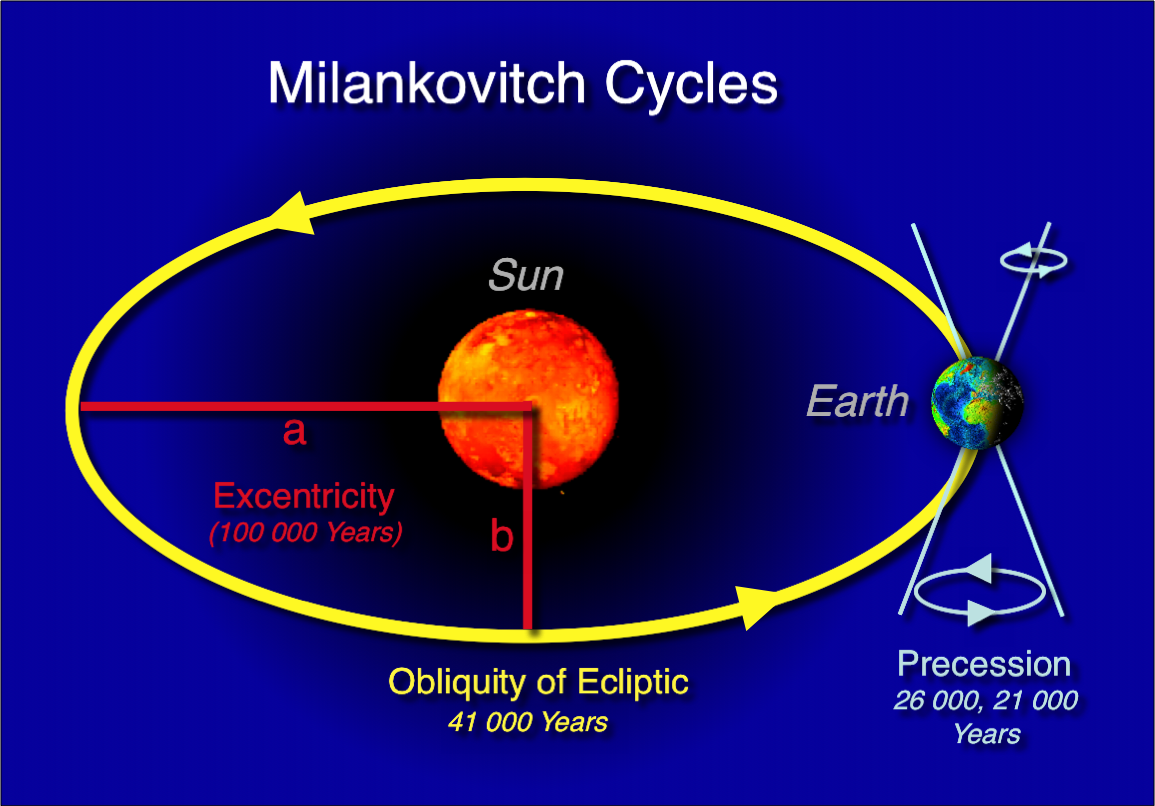
One of the most surprising Ice Age facts is that they are linked to the way our planet moves through space. Earth does not circle the sun in a perfectly steady, unchanging pattern. Its orbit stretches and relaxes slightly, its axis tilts a bit more or less, and that axis slowly wobbles like a spinning top. These long, predictable changes alter how much sunlight different parts of the planet receive over tens of thousands of years.
On their own, these orbital cycles are small nudges, but they can be enough to tip Earth into or out of glacial conditions when combined with feedbacks from ice, oceans, and the atmosphere. When northern summers become just a little cooler for long enough, snow and ice can build up instead of melting, and that extra whiteness reflects more sunlight back into space, promoting more cooling. I find it mind‑bending that our climate destiny has been partly written in the slow dance of Earth’s orbit, long before humans were even around to notice it.
8. Ice Cores Are Like Time Capsules of Ancient Air
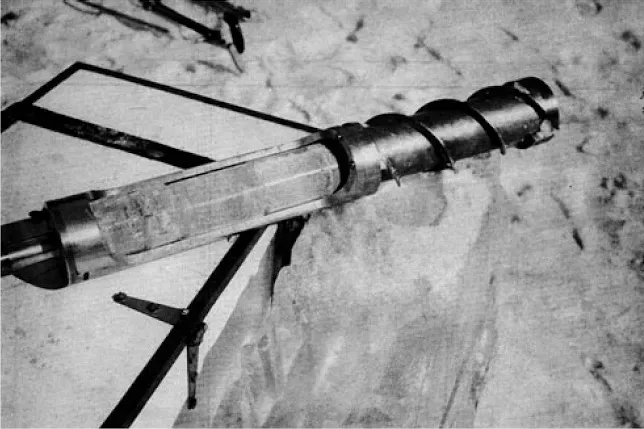
Much of what we know about the Ice Age comes from drilling deep into ice sheets in places like Antarctica and Greenland. Each year, snowfall compresses into a thin layer of ice, trapping tiny bubbles of air and microscopic particles of dust, ash, and pollen. Stacked over hundreds of thousands of years, those layers are like pages in a book that scientists can read to reconstruct past temperatures, greenhouse gas levels, and even volcanic eruptions.
When researchers cut slices from an ice core and analyze those air bubbles, they are literally sampling pieces of ancient atmosphere. That is how we know, for example, that greenhouse gas concentrations rose and fell in sync with glacial and interglacial cycles. To me, ice cores are one of the coolest intersections of climate science and detective work: quiet cylinders of ice pulled from the deep that quietly tell the story of shifting climates, burning forests, and even distant dust storms from Ice Age deserts.
9. Much of Today’s Landscape Is Still Recovering from the Ice
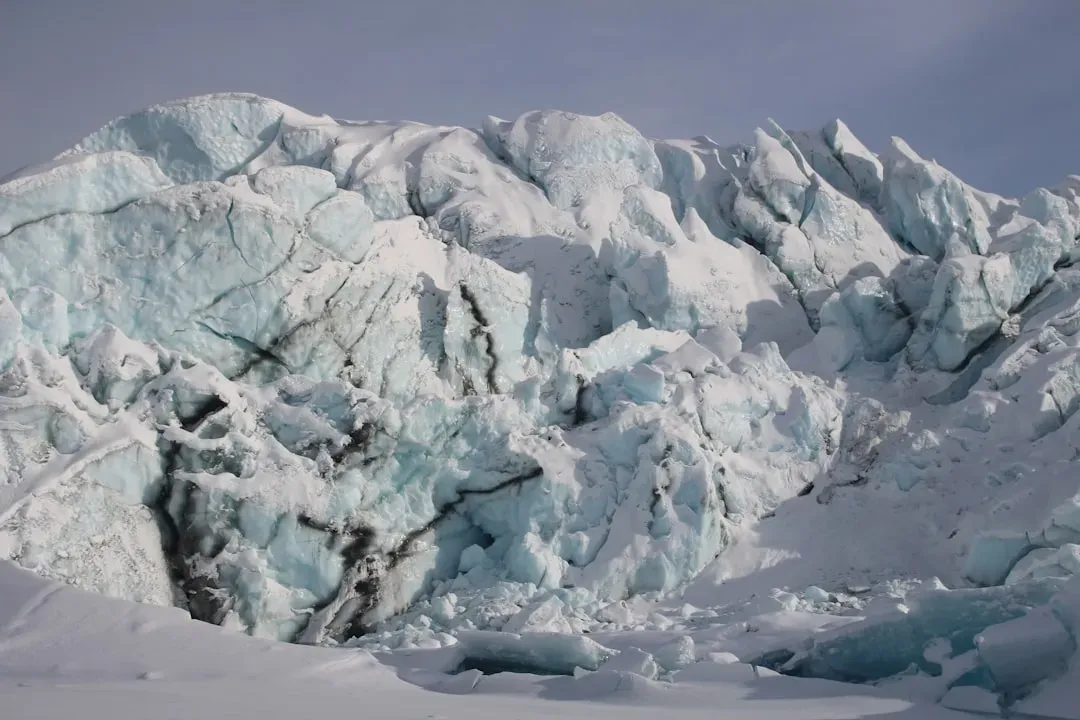
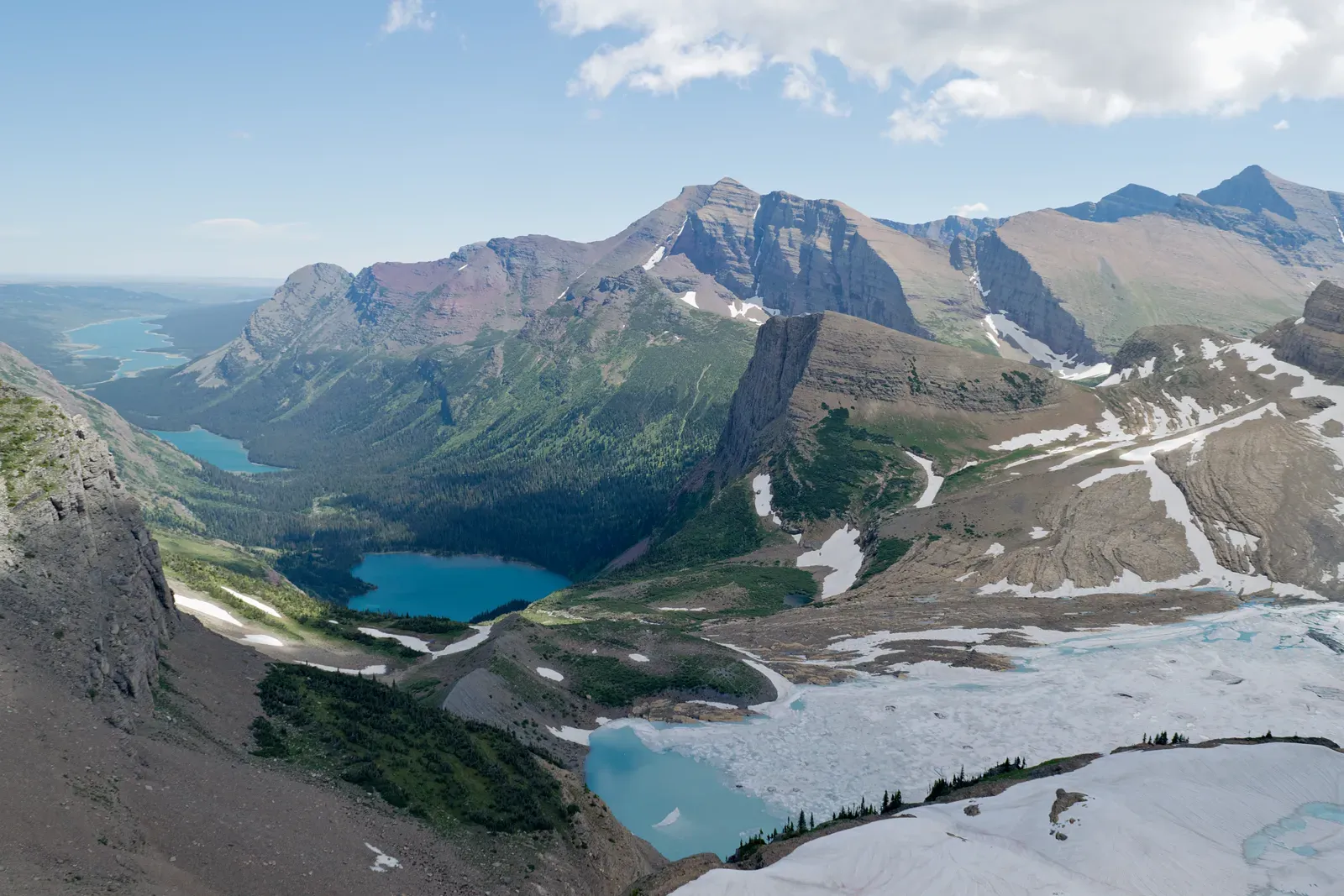
Even though the last big ice sheets melted back thousands of years ago, the world we see around us still carries their fingerprints. Many lakes in Canada, the northern United States, and northern Europe sit in basins carved out by moving ice. U‑shaped valleys, scattered boulders far from any mountain, and rolling hills of gravel are all parts of that geologic graffiti. If you have ever hiked through a valley that looked like it was scooped out with a giant spoon, that is the work of a glacier.
There is another, stranger legacy: the land itself is still slowly rising now that the weight of the ice is gone. During the Ice Age, thick ice sheets pushed the crust downward. Once they melted, that pressure vanished, and now the ground in some regions is rebounding upward millimeter by millimeter every year. It is weird to think of solid rock behaving almost like a memory foam mattress, but that is essentially what Earth’s outer shell is doing after the long, heavy press of the Ice Age.
Some coastlines are quietly shifting, old shorelines are tilting, and even modern sea level measurements have to account for this slow bounce‑back. In a very real sense, the Ice Age is not entirely “over”; the planet is still relaxing from it.
10. The End of the Ice Age Helps Explain Today’s Climate Fears
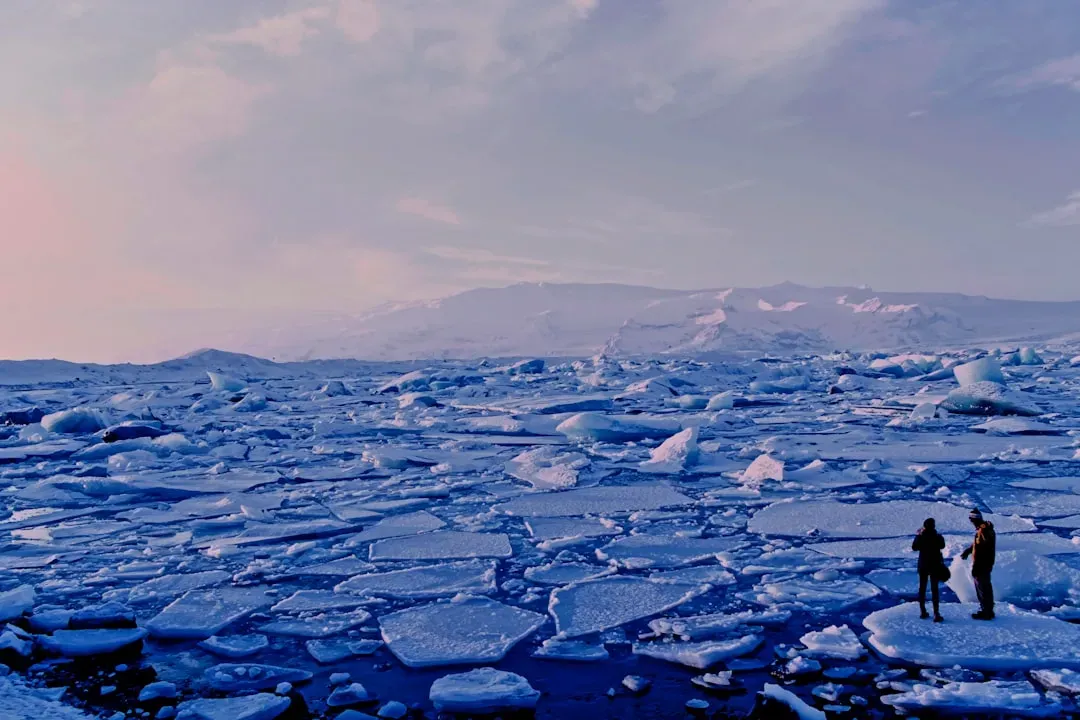
One of the most uncomfortable truths we learn from Ice Age science is how sensitive the climate system really is. Small changes in sunlight, greenhouse gases, and ice cover in the past led to huge shifts in temperature, sea level, and ecosystems. When we compare that to the rapid rise in greenhouse gases driven by human activities over just the last couple of centuries, it is hard not to feel a jolt of concern.
What really hits me is that our ancestors adapted to natural climate swings that played out over many generations, but we are now pushing the system faster than any known Ice Age change. Coasts moved dramatically at the end of the last glaciation, but that happened over long stretches of time, not a few human lifetimes. If Ice Age evidence tells us anything, it is that climate is not a gentle background setting; it is a powerful force that can redraw maps, erase species, and force societies to reinvent themselves.
Conclusion: The Ice Age Is Less About the Past Than About Our Future
The more you dig into Ice Age facts, the less it feels like an old chapter you can just close and forget. Those cycles of ice and thaw shaped where we live, what animals survive, and even how humans became such adaptable, inventive creatures. The comfortable world we were born into is a brief, lucky pause in a long story of wild climate swings, not some permanent default state.
My own take is that treating the Ice Age as a distant, frozen fairy tale is not just wrong, it is dangerous. The evidence carved into rocks, frozen into ice, and buried in seafloors is practically yelling at us that Earth’s climate can shift dramatically, and that small pushes can lead to big, sometimes irreversible changes. In that light, our current choices about energy, land use, and emissions stop looking like abstract policy debates and start looking more like bets on whether we have really understood the last great experiment that nature ran. When you think about the Ice Age now, do you still see a movie backdrop, or a warning label written across the entire planet’s history?