You probably picture dinosaurs as roaring movie monsters, but if you strip away the drama, what you’re really looking at are some of the most successful survival machines in Earth’s history. They ruled the planet for well over 150 million years, through shifting continents, changing climates, and new competitors constantly appearing around them. They did not get that far by luck. They got there because their bodies, behaviors, and biology were packed with clever adaptations that worked astonishingly well for a very long time.
When you zoom in on how dinosaurs actually lived, you start to see patterns that feel strangely familiar. You recognize strategies you see in birds, crocodiles, and even in how you manage your own energy, risks, and social life. In a way, learning about dinosaur adaptations is like looking at a rough draft of the survival rulebook you and every other animal still follow. As you walk through these ten incredible adaptations, you’ll see how each one turned ordinary reptiles into the giants of deep time – and what that teaches you about staying alive in a changing world.
1. Lightweight yet Powerful Skeletons
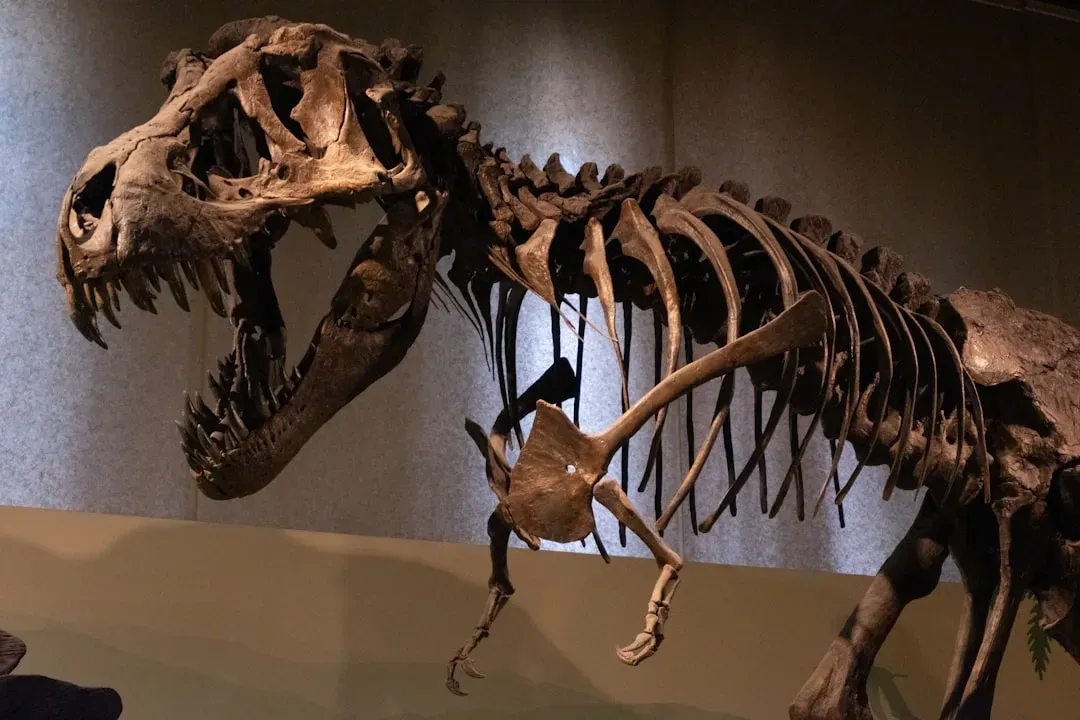
If you could hold a dinosaur bone in your hands, you might be surprised by how light some of them actually were. Many dinosaurs, especially the fast runners and those related to birds, had bones that were strong on the outside but hollow or filled with air spaces on the inside. You can think of it a bit like the frame of a bicycle: tubes instead of solid metal, giving you stiffness and support without weighing you down as much.
This kind of skeleton let many dinosaurs grow large without collapsing under their own weight, and it also helped speedy species stay agile enough to chase or escape. You see the same basic idea today in birds, whose hollow bones help them fly and move quickly on the ground. By balancing strength with lightness, dinosaurs bought themselves better mobility, less energy spent carrying extra mass, and a huge advantage in the daily race for food and safety. When you look at modern animal skeletons, you’re really seeing a refined version of tricks dinosaurs were already using long before.
2. Supercharged Legs Built for Speed and Endurance
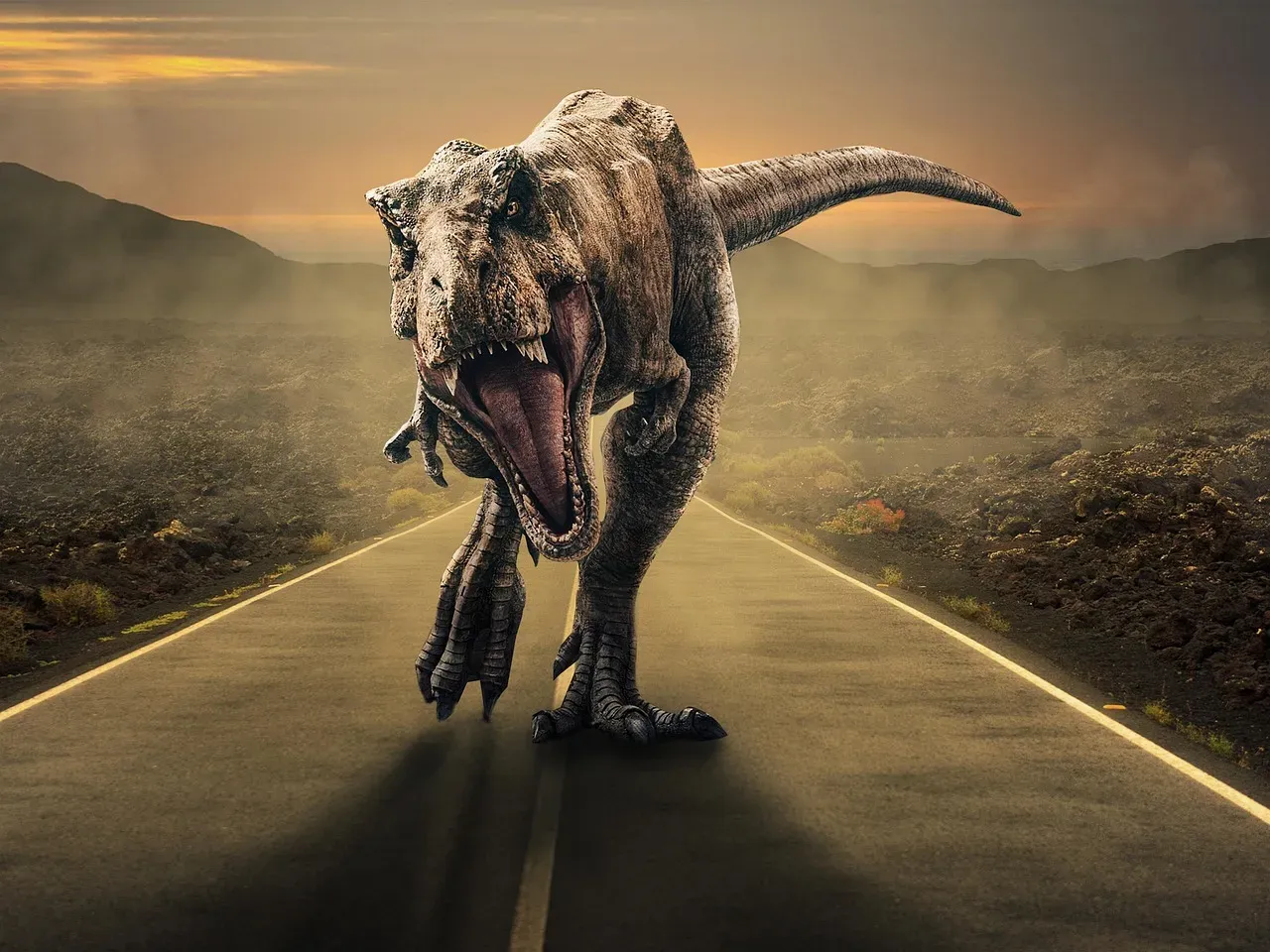
Imagine having legs where your hips, knees, and ankles line up under your body instead of sprawling out to the side like a lizard. That’s what many dinosaurs evolved, and it completely changed how they moved. With upright, pillar-like legs placed under their bodies, they could walk and run more efficiently, covering long distances with less effort. You get a clue about this just by looking at their trackways: long strides, narrow stance, and patterns that tell you they were not lumbering drags but confident walkers and often strong runners.
For predators like theropods, this meant you could stalk prey, sprint in bursts, or follow herds over vast areas. For plant-eaters, it meant you could migrate to new feeding grounds as climates and seasons shifted, giving you access to fresh vegetation when local resources ran out. You can think of this as having a fuel-efficient set of legs that made every calorie last longer. By turning their limbs into endurance machines, dinosaurs gave themselves a better shot at finding food, avoiding danger, and surviving in landscapes that were constantly on the move.
3. Complex Teeth and Beaks Tailored to Their Diets
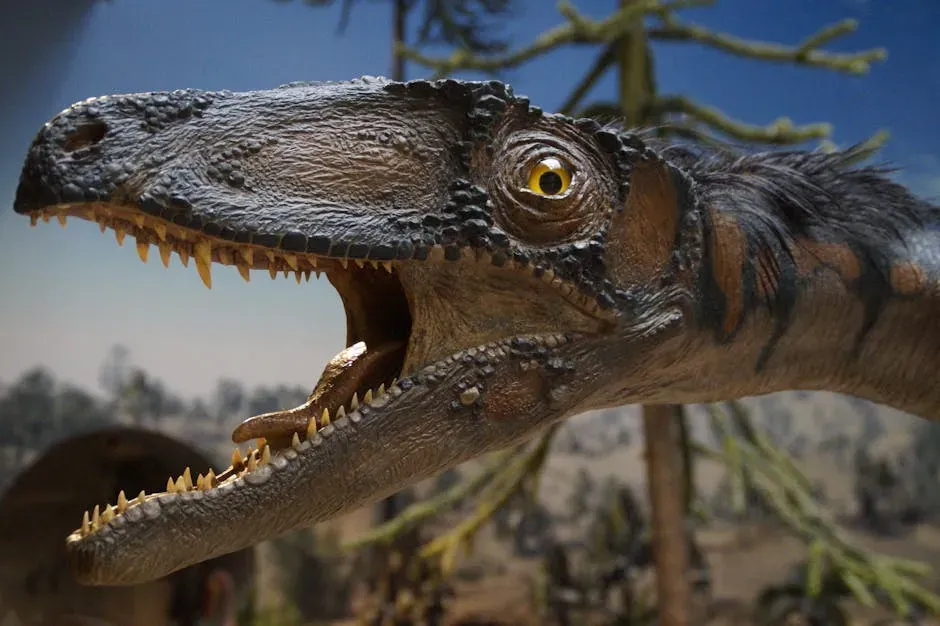
If you look at dinosaur jaws, you see a stunning variety of tools: steak-knife teeth, blunt grinders, beaks for clipping plants, and everything in between. Instead of a one-size-fits-all mouth, each dinosaur lineage evolved dental gear that matched what it ate. Some carnivores had recurved, serrated teeth that helped them slice flesh and hold onto struggling prey, functioning almost like a built-in row of fishing hooks and bread knives combined. Many herbivores developed batteries of tightly packed teeth that constantly replaced themselves, turning their jaws into moving millstones capable of grinding tough plant matter.
This level of specialization let different dinosaurs share the same environments without constantly stepping on each other’s niches. One plant-eater might be built to crop low-growing ferns, while another focused on stripping leaves from tall conifers; meanwhile, different predators went after different sizes or types of prey. You still see this pattern today when you compare the teeth of a cow, a lion, and a parrot. By tailoring their mouths so precisely, dinosaurs turned the same landscapes into multiple, overlapping buffets, and that flexibility in diet helped keep their lineages going through millions of years of environmental change.
4. Gigantic Size as a Shield and a Strategy
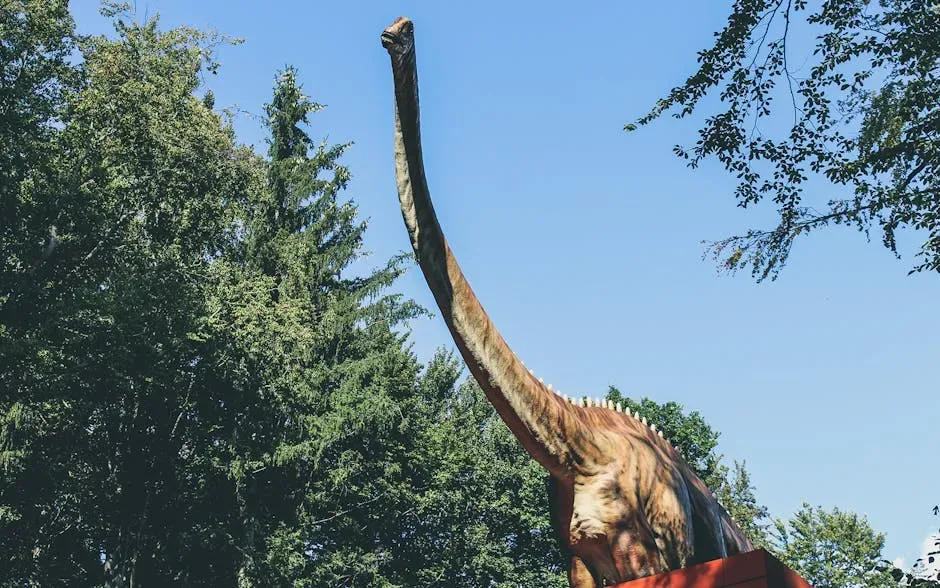
You might think being enormous is just about intimidation, but for many dinosaurs, size was a survival toolkit all its own. When you look at long-necked sauropods that stretched longer than a city bus, their bulk did more than inspire awe. Being huge helped them deter most predators, keep their body temperature more stable, and reach food that no other creature could touch. A towering neck allowed them to browse from high branches or sweep across wide areas of low vegetation without taking many steps, which saved energy over time.
Of course, growing that big meant you had to solve major problems: how to move, eat, and circulate blood efficiently. Many giant dinosaurs evolved column-like limbs for support, massive lungs to pull in enough oxygen, and even special air sacs in their bodies that might have helped with breathing and cooling. Even if you never grow to sauropod scale, the basic lesson still applies: sometimes investing in size, strength, or resilience pays off in protection and stability, as long as your environment keeps supporting the costs of being that big.
5. Feathers, Filaments, and Insulating Body Coverings
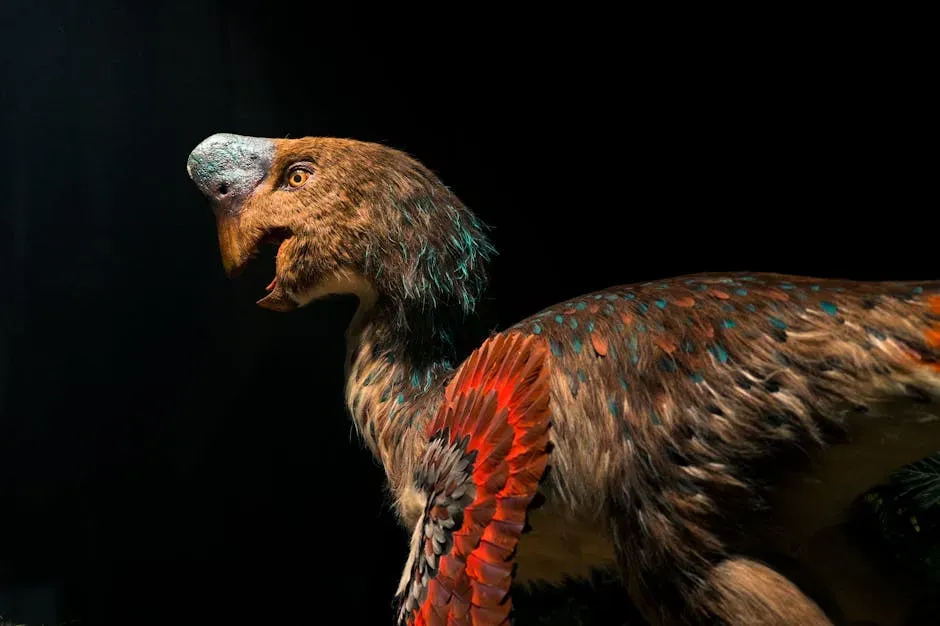
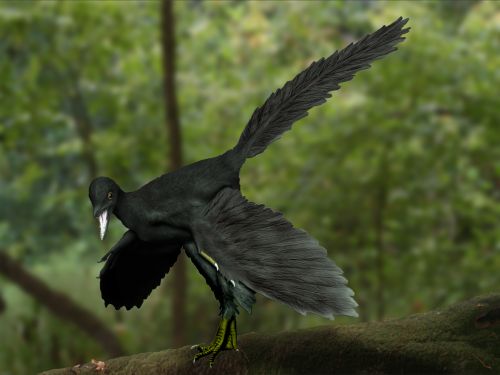
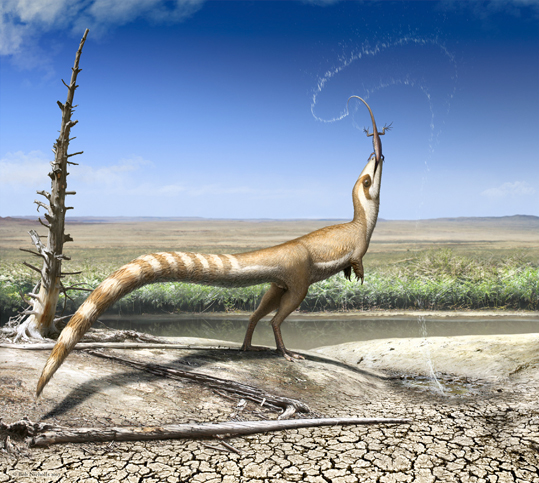
You might still imagine dinosaurs as scaly from head to tail, but fossil evidence shows that many of them wore something closer to fluffy coats, feathery fringes, or complex plumage. These coverings started out as simple filaments or fuzz and, in some lineages, evolved into more elaborate feathers. For you, that changes the mental picture completely: instead of cold-blooded dragons, you’re looking at animals that could trap heat, regulate their temperature, and stay active longer, especially when conditions cooled at night or during seasonal changes.
Those feathers and filaments probably pulled double or triple duty. They could help regulate body heat, act as visual signals in courtship or dominance displays, and maybe even offer a bit of protection or camouflage. When you see a modern bird fluff up its feathers, you are watching a living descendant of these same adaptations at work. This kind of multi-purpose solution – one trait serving several roles at once – is exactly the kind of efficient design that helped dinosaurs stick around for so long and eventually gave rise to the birds you see today.
6. Efficient Lungs and High-Performance Metabolism
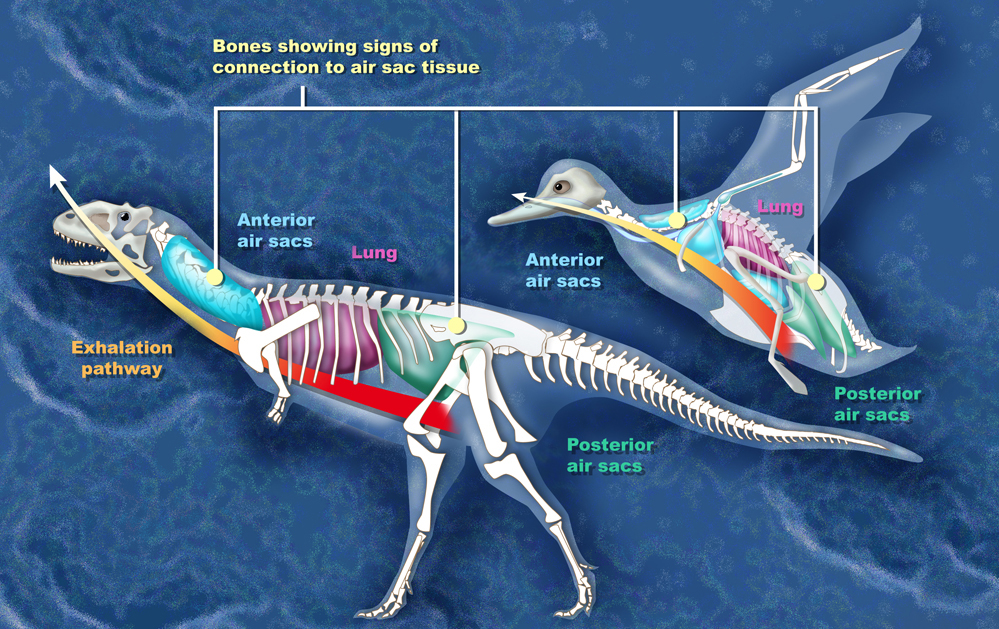
To thrive as active predators and long-distance walkers, many dinosaurs needed more than strong legs and sharp teeth – they needed serious internal engines. Evidence from their bones, growth rates, and close comparison with birds and crocodilians suggests that many dinosaurs had highly efficient respiratory systems. Instead of just inflating and deflating simple lungs, they likely used a system of air sacs throughout the body, letting air flow in one direction across lung tissue so that oxygen extraction stayed high even as they exhaled.
For you, that means you should picture many dinosaurs not as sluggish reptiles but as animals capable of sustained activity, quick bursts of speed, and faster growth than traditional cold-blooded creatures. A higher metabolic rate also allowed them to maintain steadier body temperatures and expand into more varied climates. When you see birds flying tirelessly across continents or running for long distances, you are looking at the refined version of a metabolic strategy that dinosaurs pioneered. It was this internal efficiency that let them keep up with the demands of huge bodies, active lifestyles, and ever-changing ecosystems.
7. Armor, Horns, and Defensive Weapons
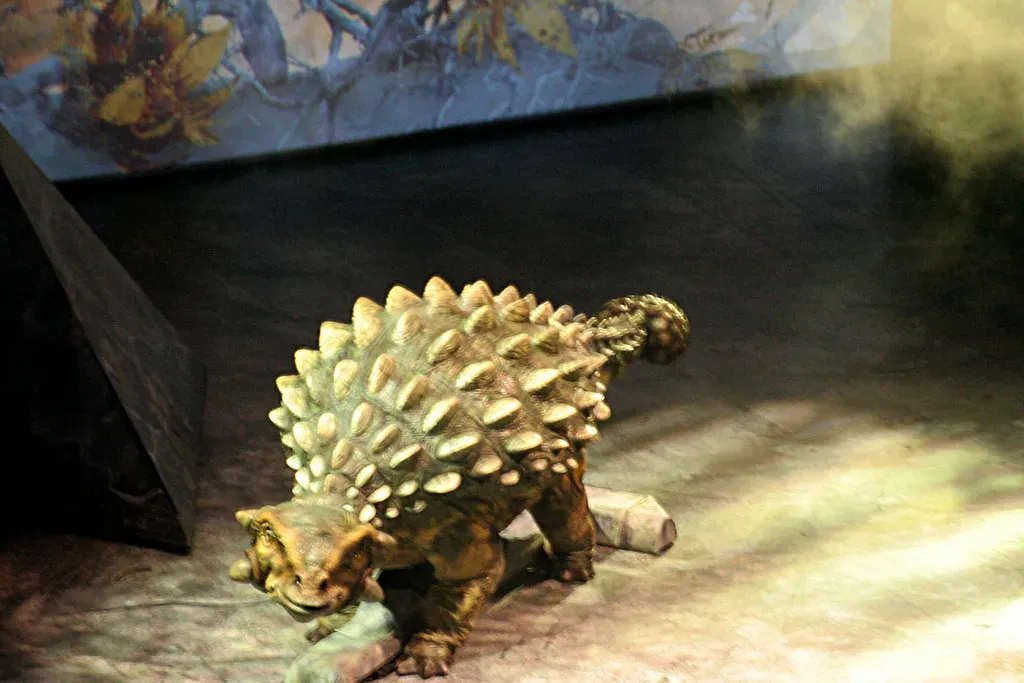
If you have ever stared at the skull of a horned dinosaur or the tail club of an ankylosaur, you can feel how serious the arms race between predator and prey became. Many plant-eating dinosaurs did not just rely on running away; they turned their bodies into fortresses. Bony plates, spikes, and thickened skin acted like built-in armor that could deflect bites or discourage attacks in the first place. You can imagine a predator thinking twice before lunging at a tank-like herbivore covered in spikes and plates.
Horns, frills, and clubs also changed how these animals interacted with each other. They might have used them in dominance contests, display, or mating rituals, meaning a structure that started as protection could be co-opted for social communication. You see a similar pattern in modern animals: antlers in deer and horns in antelopes help in fighting and display, not just defense. By evolving physical weapons and shields, dinosaurs added another layer to their survival strategy, one that let them push back against threats instead of always running from them.
8. Keen Senses and Sharp Brains for Their Time
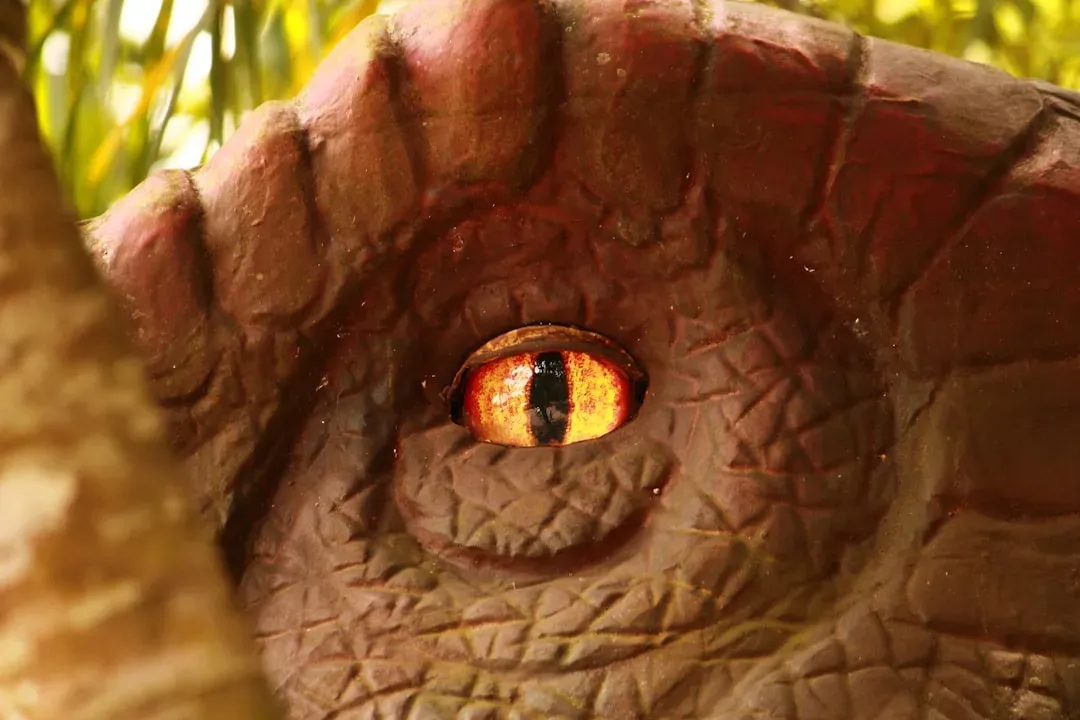
While dinosaur brains were not all oversized, many species had sensory abilities that gave them a real edge. Fossil skulls show you the shapes of the spaces where eyes, inner ears, and olfactory bulbs sat, and those clues suggest that some dinosaurs saw well, heard well, and smelled their surroundings with impressive sensitivity. A predator with forward-facing eyes and good depth perception could track moving prey more accurately, while a keen sense of smell helped both hunters and scavengers locate food over long distances.
Even among herbivores, some lineages developed more complex brains relative to their body size, which would have helped with social behavior, navigation, and rapid decision-making. You live in a world where intelligence is often celebrated, but in nature, even a modest upgrade in processing speed or sensory integration can mean the difference between life and death. By sharpening how they sensed and reacted to their world, dinosaurs bought themselves crucial extra seconds to find food, avoid ambushes, and navigate dynamic, crowded ecosystems.
9. Social Behavior, Herds, and Parental Care
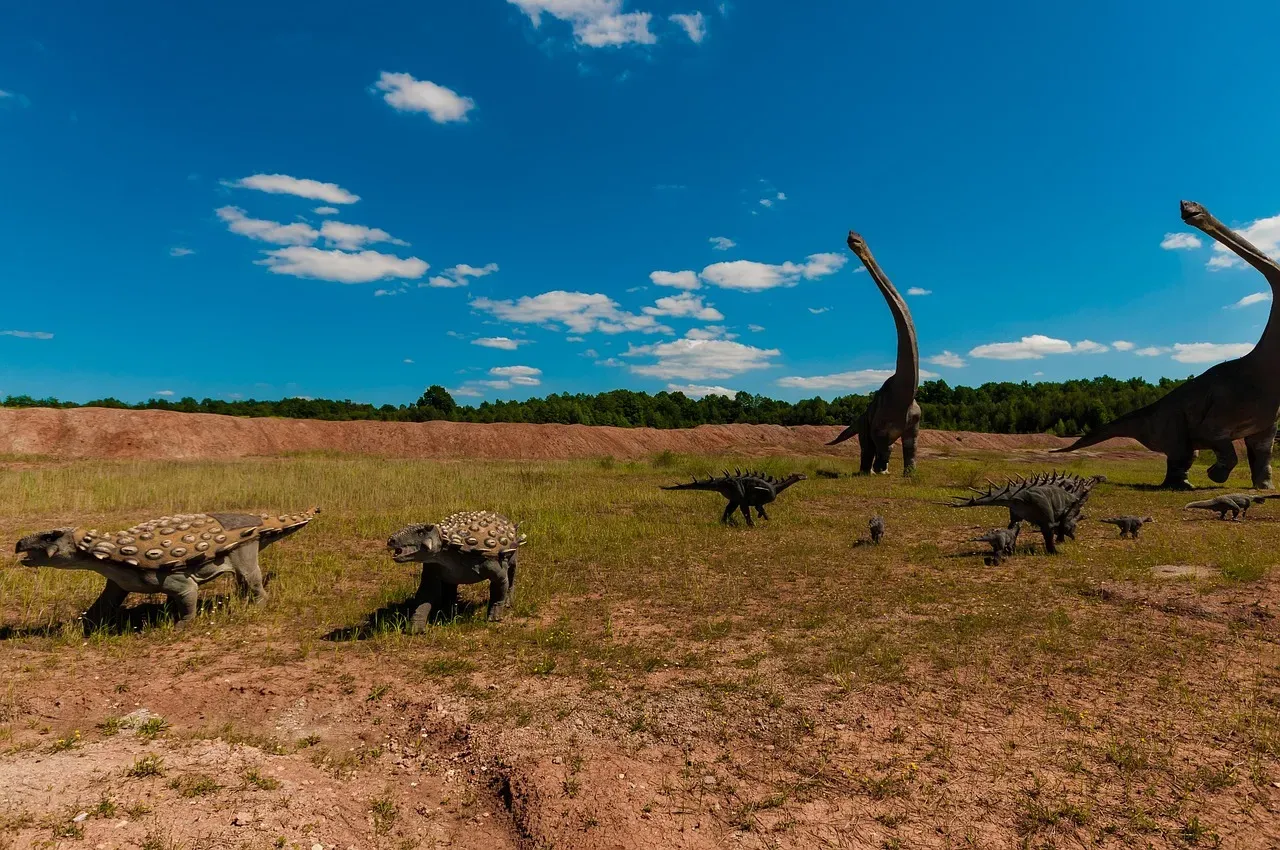
When you picture giant dinosaurs, it is easy to imagine them as solitary giants, but fossils tell a more social story. Trackways showing many individuals moving together, bonebeds with multiple animals from the same species, and nests with carefully arranged eggs all hint that some dinosaurs lived in groups and even cared for their young. In herds, you gain protection through numbers: more eyes watching for predators, more confusion for an attacker trying to pick a target, and a greater chance that at least some members survive a crisis.
Parental care takes that social strategy even further. Evidence of nest sites and young dinosaurs staying near adults suggests that some species invested time and energy to protect and feed their offspring after hatching. You see that same pattern in many modern birds, where parents guard nests, bring food, and teach basic survival skills. When you pour energy into fewer, better-supported young, you increase the odds they make it to adulthood, even in a risky world. For dinosaurs, these social and parental adaptations helped stabilize populations and smooth over the rough edges of a harsh environment.
10. Evolutionary Flexibility and Wide Ecological Spread
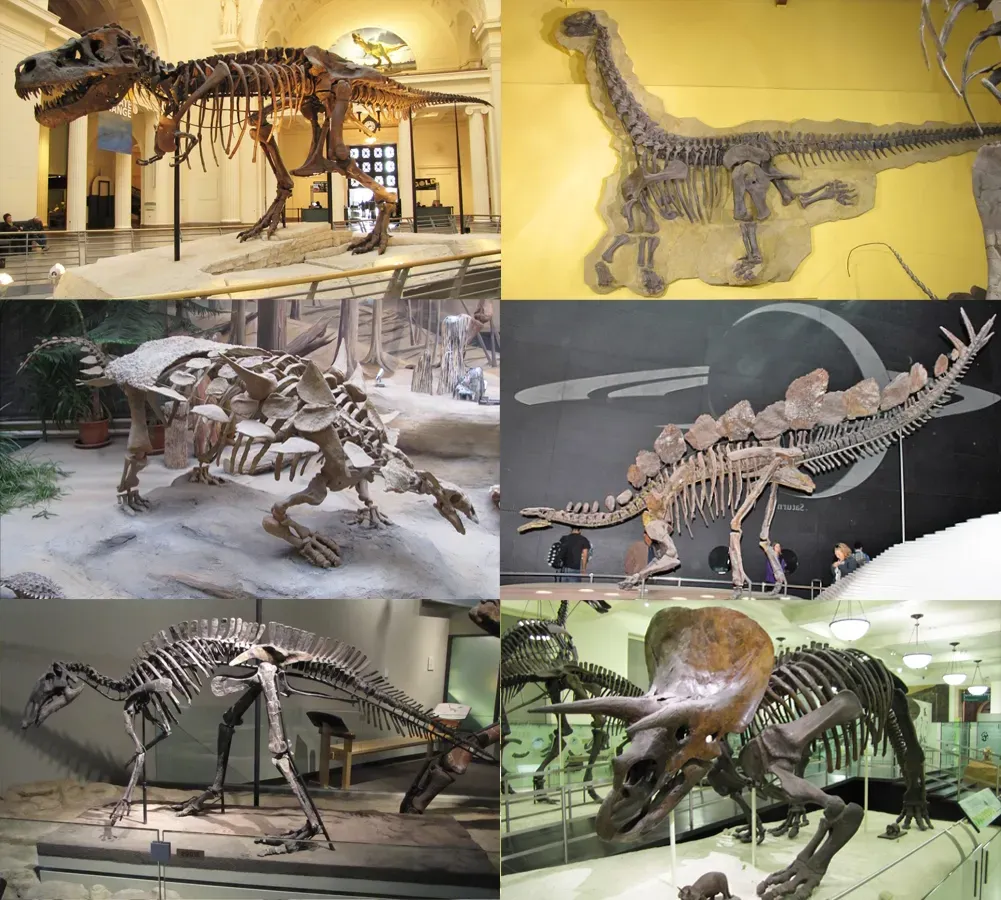
One of the most underrated dinosaur adaptations is not a single body part but a broader pattern: their ability to diversify and fill many different roles at once. Over millions of years, dinosaurs adapted to forests, floodplains, deserts, coastal regions, and more. Some took to the air as early bird relatives, others dominated the land as giant herbivores or apex predators, and smaller species occupied niches as quick, omnivorous generalists. If one environment shifted or collapsed, there were often other habitats or lifestyles that dinosaur lineages could move into.
You can think of this as not putting all your eggs in one basket, both literally and figuratively. Because different branches of the dinosaur family tree tried out different sizes, diets, and behaviors, the group as a whole became more resilient to change. Even when some lineages vanished, others took their place or evolved into new forms. Birds are the living proof of this flexibility, carrying dinosaur heritage into the modern world. When you step back, you see that adaptability itself – this willingness, through evolution, to experiment with new strategies – was perhaps the most powerful survival tool dinosaurs ever had.
When you look across these ten adaptations, you start to see dinosaurs not as doomed relics but as masters of trial and error who made the most of the bodies they had. They lightened their bones, tuned their lungs, sharpened their senses, and even reinvented their skin and feathers to match a world that kept shifting under their feet. In many ways, the strategies that kept them going for so long are the same ones you see echoed in animals today, and even in the choices you make about how to use energy, form alliances, and stay flexible when life changes.
The next time you see a bird on a city street or hear wings overhead, you are watching the last chapter of a story that began with those ancient survivors. Their reign ended with a catastrophe they could not control, but their ideas, so to speak, lived on in new forms. That leaves you with a humbling question that lingers long after the fossils: if dinosaurs could adapt so brilliantly for so long, what might you learn from their playbook about surviving the upheavals in your own world today?