
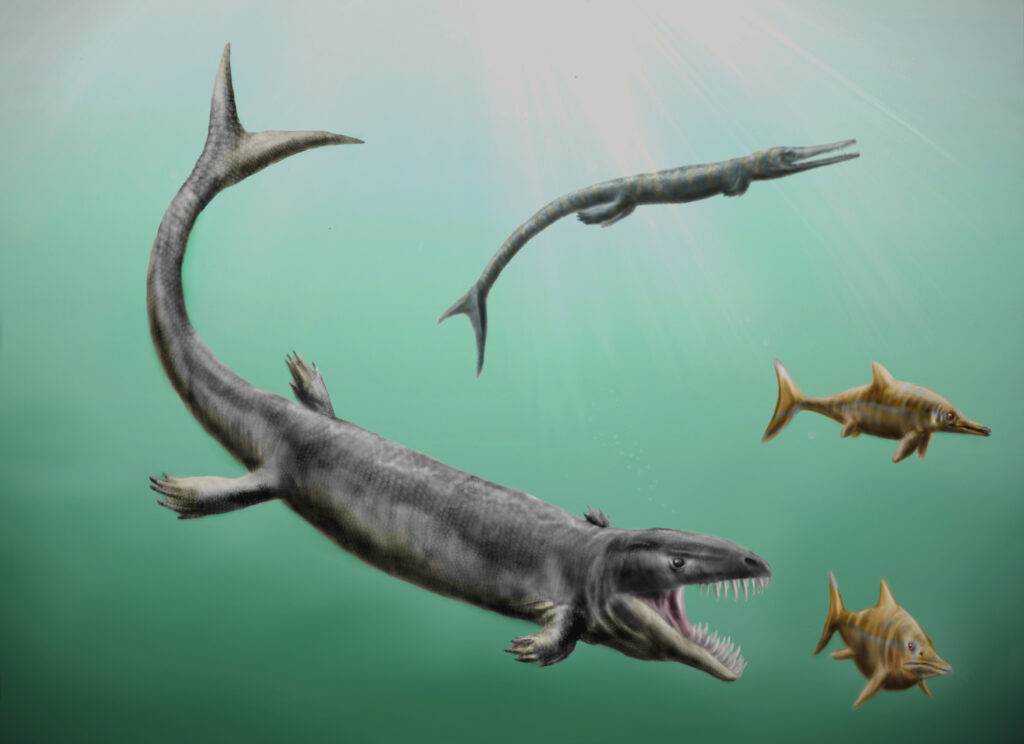
When people think of the Jurassic, they usually picture huge dinosaurs stomping across fern-filled valleys. That image is not wrong, but it leaves out the part of the story that’s honestly even more terrifying: the oceans. While giants like Brachiosaurus were peacefully munching leaves on land, the seas were full of streamlined killers with teeth like steak knives and jaws built to crush bone and shell.
If you could step into a time machine and choose between walking through a Jurassic forest or diving into a Jurassic bay, the smarter choice would almost always be the forest. Beneath the waves, predators could attack from any direction, at any time, and many of them were faster, bigger, and more specialized than their land-based cousins. Let’s dive into ten incredible marine creatures that turned the Jurassic seas into the most dangerous place on the planet.
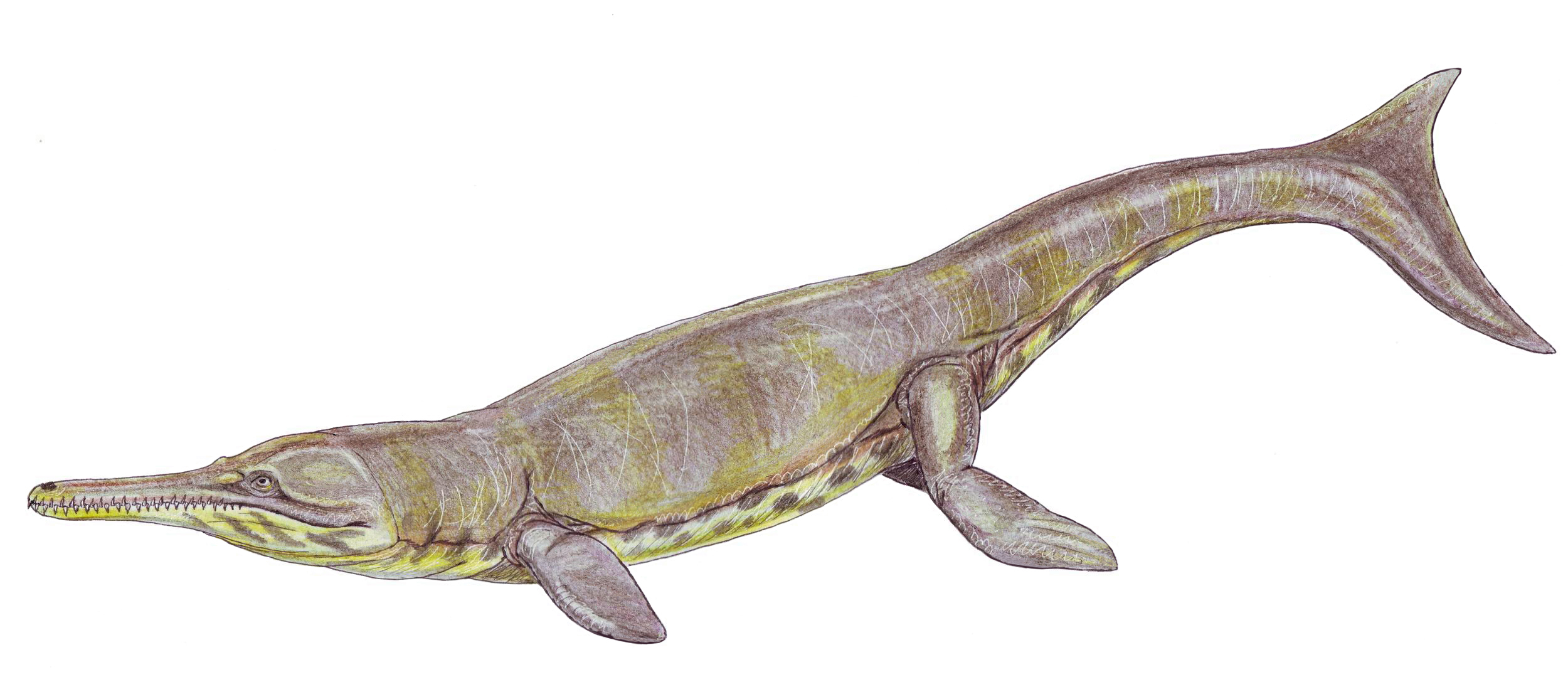
1. Liopleurodon – The Apex Reptilian Torpedo
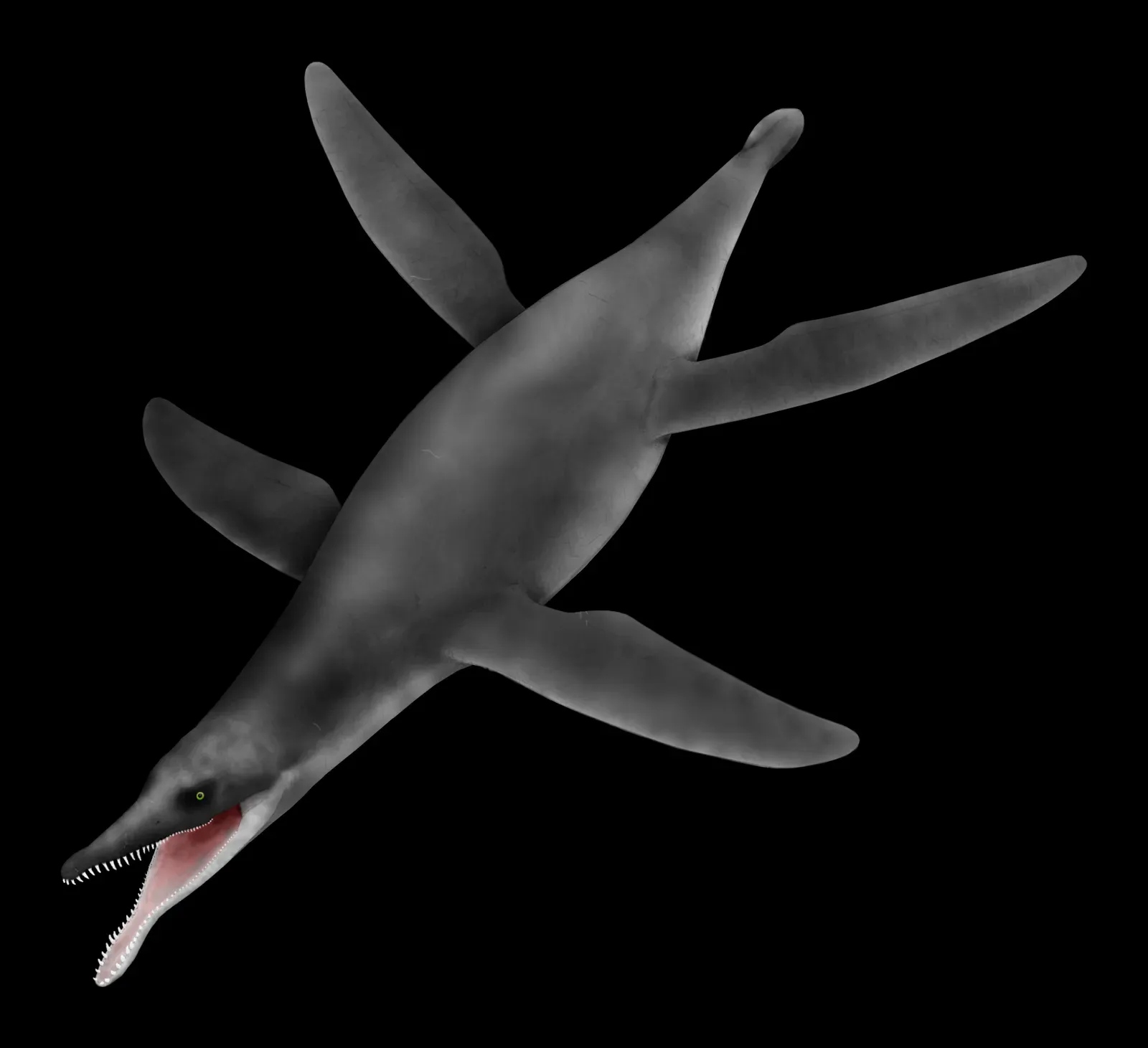
Liopleurodon has become a kind of legend among Jurassic marine reptiles: a pliosaur with a huge head, powerful jaws, and a body built like a living torpedo. Its skull alone could reach several meters in length in the largest known specimens, packed with conical teeth perfect for gripping slippery prey like fish, squid-like cephalopods, and even other marine reptiles. Unlike most land predators, which relied heavily on legs and claws, Liopleurodon’s four flippers drove it forward with explosive power.
What made Liopleurodon especially frightening compared to big land carnivores is the combination of speed and three-dimensional hunting. Imagine a predator that can come at you from below, behind, or above, move silently through the water, and then lunge with a bite force strong enough to tear through thick flesh and bone. It likely used ambush tactics, attacking from the depths or from the side where light was poor, much like modern orcas. On land you could at least run or hide in dense vegetation; in the Jurassic sea, if a Liopleurodon locked onto you as prey, escape was probably almost impossible.
2. Plesiosaurus – The Long-Necked Sniper of Shallow Seas
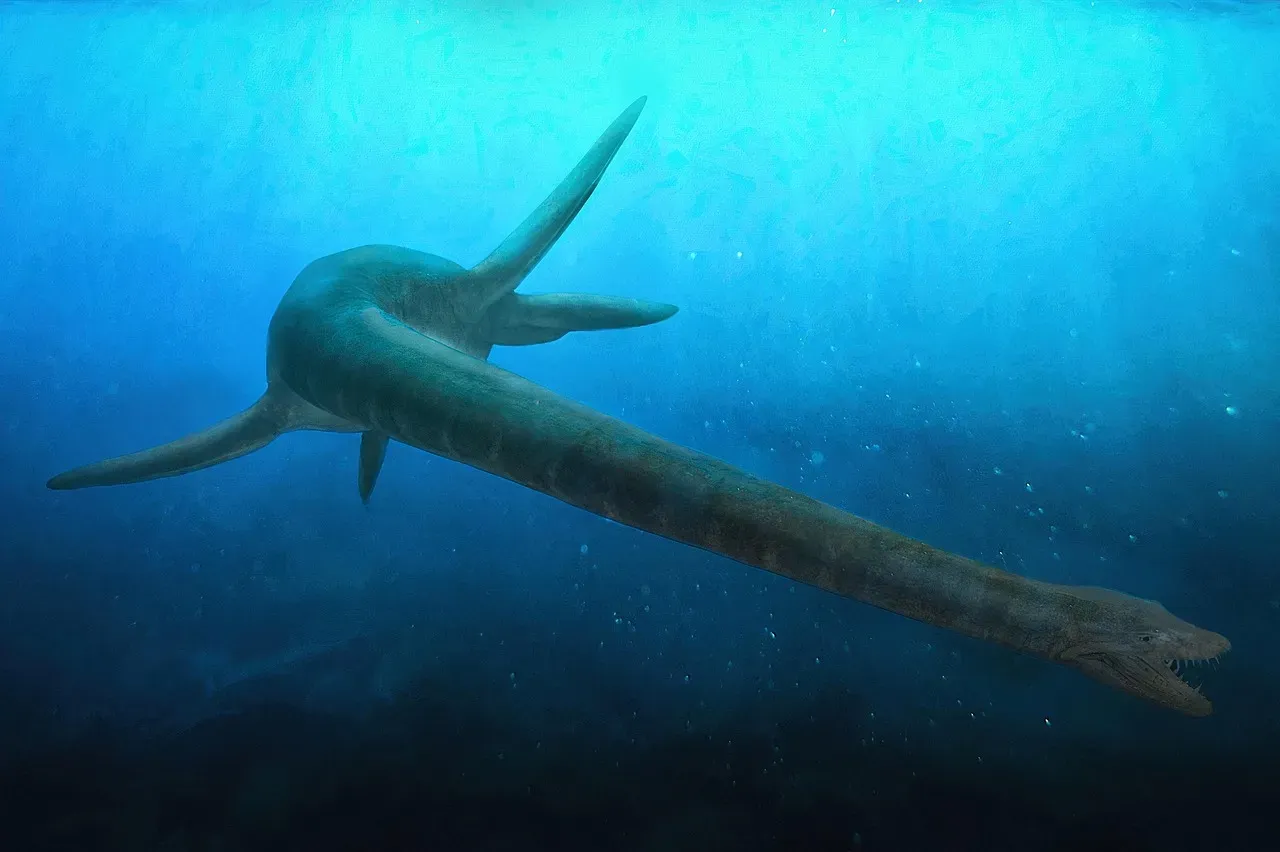
Plesiosaurus is one of the most recognizable marine reptiles ever found, with its small head perched at the end of an absurdly long neck and a rounded body driven by four flippers. At first glance, it does not look as terrifying as something like Liopleurodon, but its hunting style may have been even more unsettling. That long neck gave it a reach advantage in the water, letting it dart its head into schools of fish or closer to reefs and rocks without exposing its whole body to danger.
Think of Plesiosaurus as a patient sniper more than a bulldozer. While bigger predators slammed into prey with brute force, Plesiosaurus could hold its distance and probe around like a flexible fishing rod, snapping up smaller animals with quick, precise bites. In shallow coastal waters, where visibility was better and hiding places were common, that nimble neck made it a serious threat. If you were a fish or small marine reptile, you could easily misjudge your safety, only to have that long neck coil out of nowhere and end your escape in a heartbeat.
3. Ichthyosaurus – The Jurassic Dolphin That Never Slept
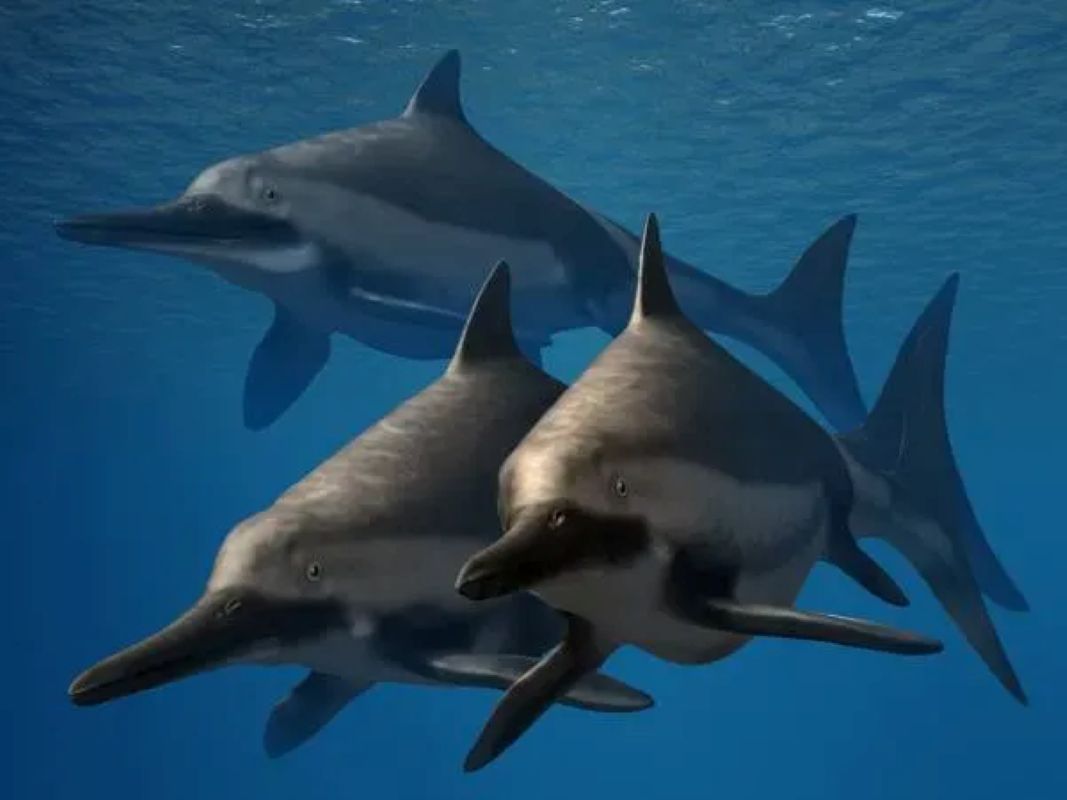
Ichthyosaurus looked strikingly like a modern dolphin or small toothed whale, a classic example of how evolution can shape very different animals into similar forms when they share the same environment. With a sleek, fish-like body, a powerful tail fin, and large eyes, Ichthyosaurus was a fast, visual hunter built for open-water pursuit. Its long snout was lined with many small, sharp teeth, ideal for catching fish and squid-like creatures in quick, repeated strikes.
What made Ichthyosaurus and its relatives so dangerous was their role as constant, wide-ranging predators. Where some big land dinosaurs may have been territorial or restricted to certain zones, ichthyosaurs could cruise vast stretches of sea, always on the move, always hunting. In the open ocean, there is nowhere to hide from a streamlined hunter that can outswim you, see well in dim light, and maneuver with tight turns. The idea of a fast pack of Jurassic “dolphins” circling you in deep, cold water is arguably more unnerving than any chase scene on land.
4. Metriorhynchus – The Fully Marine Crocodile Cousin
Metriorhynchus was part of a strange and fascinating group of marine crocodyliforms that abandoned the classic crocodile lifestyle and took to the open sea. Unlike modern crocodiles, which split their time between water and land, this Jurassic hunter had a streamlined body, reduced armor, and even a tail fluke similar to that of a shark, all signs of a fully pelagic lifestyle. Its limbs evolved into paddles, and its skull housed sharp, pointed teeth suited to grabbing and holding agile prey.
The really unsettling part about Metriorhynchus is that it blends traits we find intimidating in modern crocodiles with the efficiency of fast-swimming marine predators. Picture something with the snout and jaws of a crocodile but the speed and maneuverability of a shark, cruising through coastal and open waters with ease. On land, you might avoid a crocodile-filled riverbank; in the Jurassic seas there was no shore to step away from. Metriorhynchus turned the very idea of safety upside down – being offshore or in deeper water only placed you in its preferred hunting ground.
5. Leedsichthys – The Giant Filter Feeder That Reshaped the Food Web
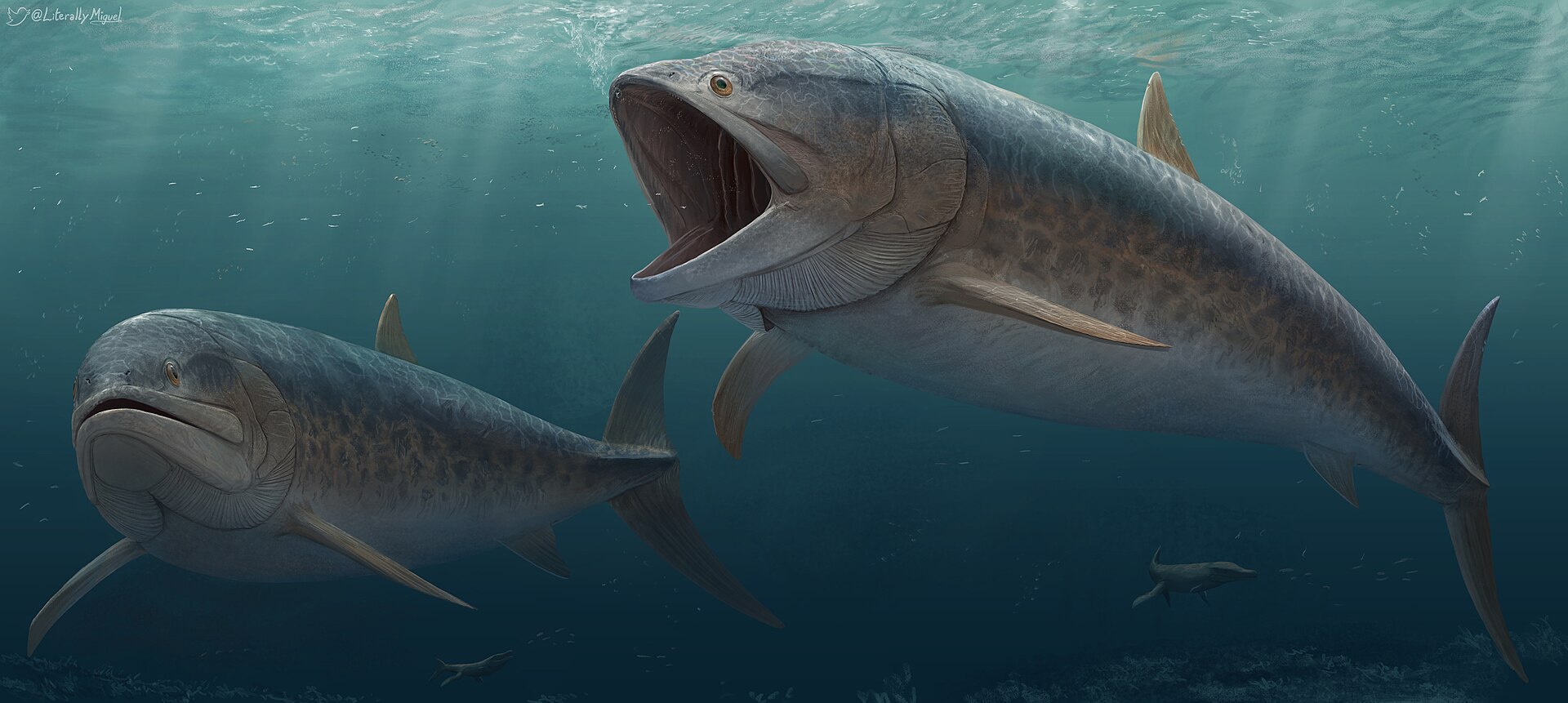
Leedsichthys was not a classic predator, but its presence made the Jurassic seas far more dangerous by transforming the entire ecosystem. This enormous bony fish, growing longer than most land dinosaurs were tall, fed by filtering tiny organisms like plankton from the water, much like modern whale sharks or basking sharks. Its huge mouth and delicate gill structures allowed it to process massive volumes of seawater every day, powering a body that dominated its environment in sheer size.
So why does a gentle giant make the sea more dangerous? Because wherever you have truly gigantic filter feeders, you also tend to get giant predators that specialize in hunting or scavenging around them. Concentrations of plankton attract schools of fish, which attract predators, which in turn create hotspots of hunting activity. Leedsichthys effectively turned certain parts of the Jurassic ocean into feeding arenas. If you were a smaller marine reptile or fish entering one of these plankton-rich zones, you were swimming into a high-risk neighborhood, patrolled by multiple layers of hungry hunters looking for any opportunity.
6. Ophthalmosaurus – The Big-Eyed Hunter of the Twilight Zone
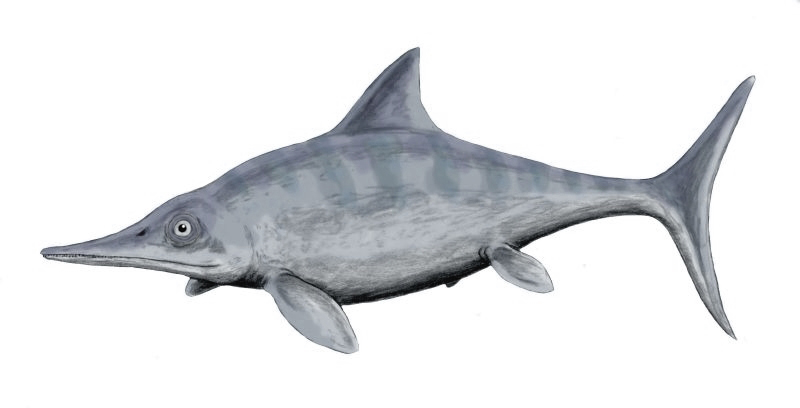
Ophthalmosaurus, another ichthyosaur, took visual hunting to an extreme, with eyes so large relative to its skull that they look almost cartoonish in fossil reconstructions. Those giant eyes were not a fashion statement; they were adaptations for seeing in low-light environments, such as deeper water or dim twilight conditions. Supported by bony rings inside the eyeballs, these organs were built to withstand pressure and capture every possible photon of light.
This ability to hunt in near darkness made Ophthalmosaurus a special kind of threat. While many land predators were restricted to daylight activity or needed at least some ambient light to function, this marine reptile could follow prey into the gloom where others struggled. Imagine a predator that can track you from the bright surface all the way down into the deep blue, never losing visual contact. Combined with a streamlined body and rapid swimming, Ophthalmosaurus turned areas that might have seemed like safe, darker refuges into deadly hunting grounds instead.
7. Cryptoclidus – The Net-Headed Specialist of Cloudy Waters
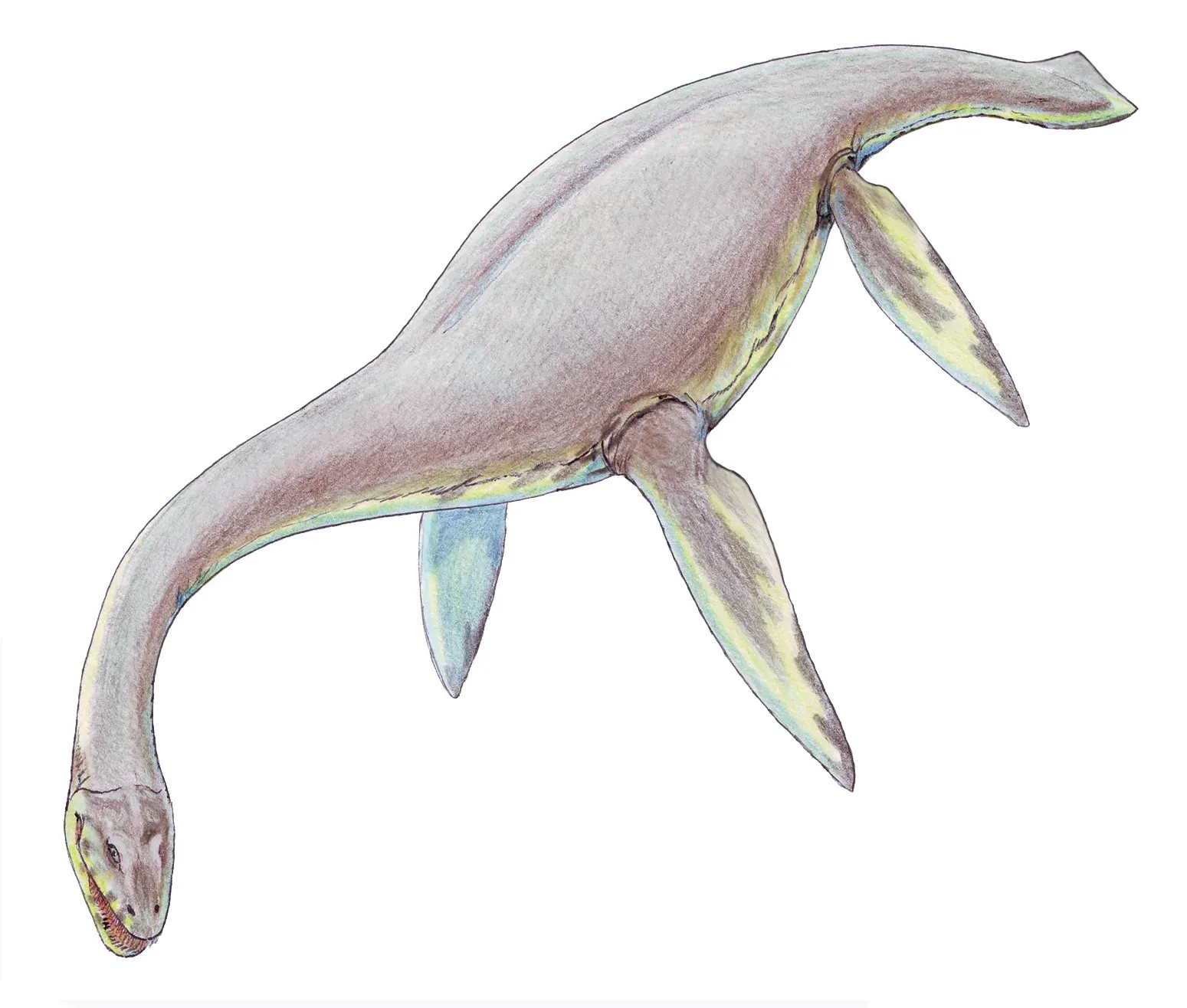
Cryptoclidus was a medium-sized plesiosaur with an especially interesting set of teeth and jaws. Its long, narrow snout held many slender, closely spaced teeth that formed a kind of living comb or net. Instead of smashing large prey, it likely swept through schools of small fish or swarms of soft-bodied animals, snapping them up in large quantities with each pass. This made it a highly efficient mid-level predator in coastal and shallow sea environments.
What makes creatures like Cryptoclidus important to the danger level of Jurassic seas is how they filled in the gaps. While big pliosaurs and ichthyosaurs grabbed the headlines, specialized hunters like this ensured that no size class or habitat zone went unexploited. If you were a small fish or juvenile marine reptile hiding in murkier, nutrient-rich waters, a net-mouthed hunter could silently glide past, scooping up everything not fast enough to get away. On land, small animals often find complex refuges in burrows or trees; underwater, the reach of these specialists made true safety much harder to achieve.
8. Cricosaurus – The Agile Coastal Croc of the Jurassic Surf
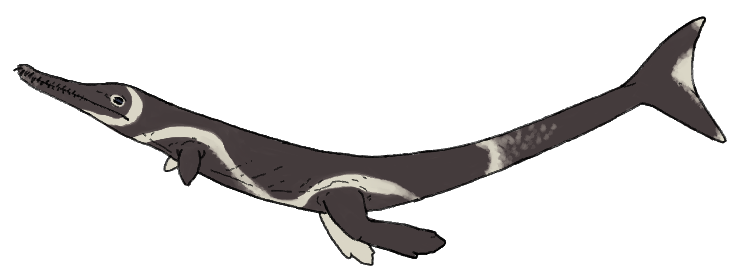
Cricosaurus was another marine crocodyliform, but sleeker and more compact than many of its relatives, perfectly suited for life in coastal shallows and nearshore zones. Its body was streamlined, and its limbs adapted into paddles, allowing it to maneuver quickly in choppy waters where waves and currents constantly shifted. Its narrow jaw, lined with sharp teeth, suggests it hunted fish and other small vertebrates with quick strikes rather than brute-force attacks.
The presence of Cricosaurus made the edges of the Jurassic sea particularly risky. Modern beaches feel like safe zones where land and water meet, but in the Jurassic, the surf zone could be an ambush corridor. Imagine wading into the shallows, believing you’re out of reach of the big open-ocean predators, only to have a swift marine crocodile relative dart in from the side. On land, shorelines can provide escape routes; in this ancient world, the transition between land and sea might have been the exact place where you were most likely to be attacked.
9. Teleosaurus – The Long-Snouted Missile of Estuaries and Lagoons
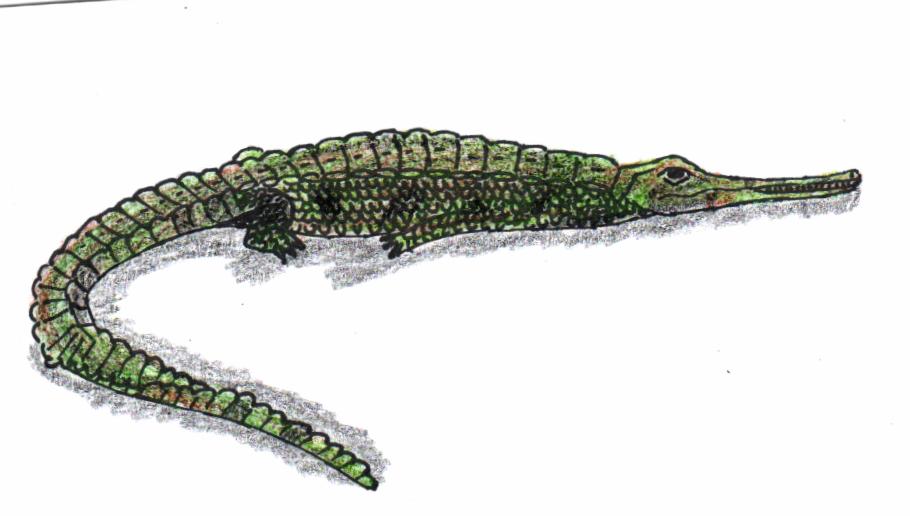
Teleosaurus looked like a crossover between a modern gharial and a streamlined submarine, with an elongated snout and a body adapted to strong swimming. It likely haunted estuaries, lagoons, and other semi-enclosed marine environments where rivers met the sea. With many sharp, interlocking teeth, its jaws were ideal for catching fish swept along by currents and tides, allowing it to exploit a steady conveyor belt of food.
These estuarine and lagoon environments might sound peaceful, but they were dynamic, mixing fresh and saltwater and concentrating nutrients. Teleosaurus turned these biologically rich zones into high-risk bottlenecks. If you needed to pass through a narrow channel to move between habitats, there was a good chance a stealthy, long-snouted predator was waiting. On land, you can sometimes avoid dangerous passes or take longer routes; in shallow waterways, your options are limited. That strategic positioning is what made Teleosaurus such an effective and scary part of the Jurassic coastal scene.
10. Hybodus – The Relentless Jurassic Shark
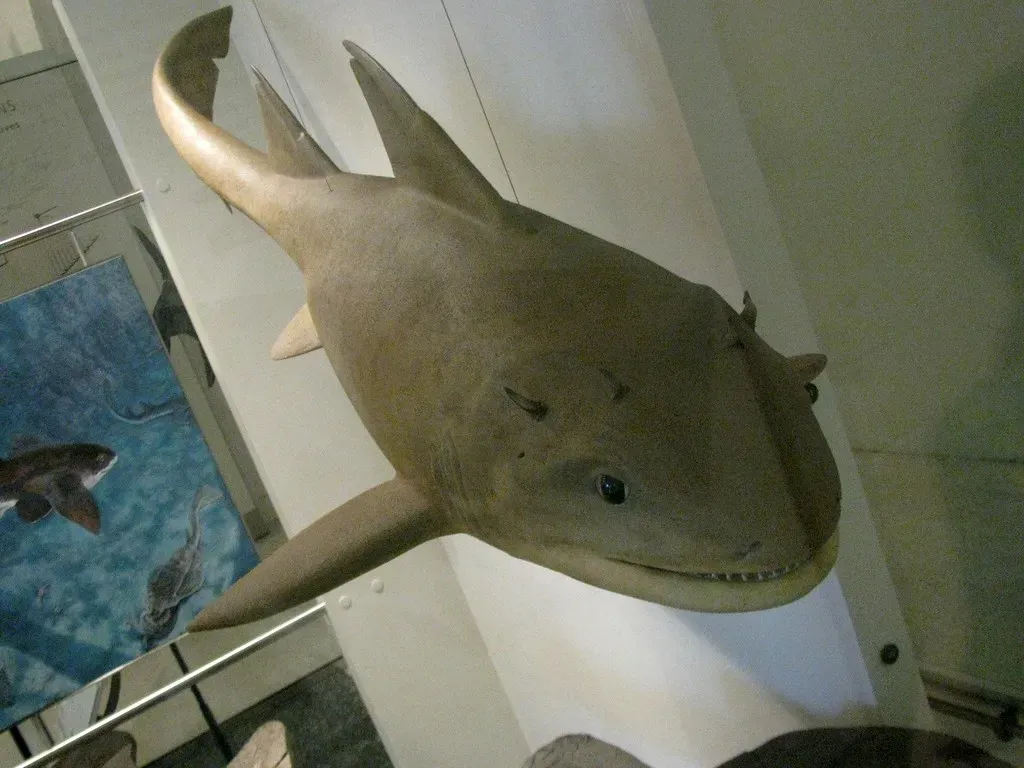
Hybodus was not as gigantic as some of the later sharks that would evolve after the age of dinosaurs, but during the Jurassic it held a crucial spot in the marine food chain. It had a streamlined shark-like body, two dorsal fins often armed with spines, and a set of teeth that combined sharp, cutting edges with crushing surfaces. This mixed dentition suggests a flexible diet, from fish and cephalopods to harder-shelled animals, giving Hybodus a lot of options in its environment.
The real danger of Hybodus lay in how ordinary it was by Jurassic standards – widespread, adaptable, and always around. The seas were not just about one or two giant monsters; they were filled with medium-sized predators like this that made everyday life risky. Imagine being a smaller marine reptile, already trying to avoid pliosaurs and crocodile relatives, while a shark like Hybodus shadows you in the background, waiting for any sign of weakness. On land, a bad day might mean crossing the path of a single big predator; in the Jurassic oceans, an entire cast of hunters, including sharks like Hybodus, could turn one mistake into your last.
Conclusion – Why the Jurassic Seas Were the Real Nightmare
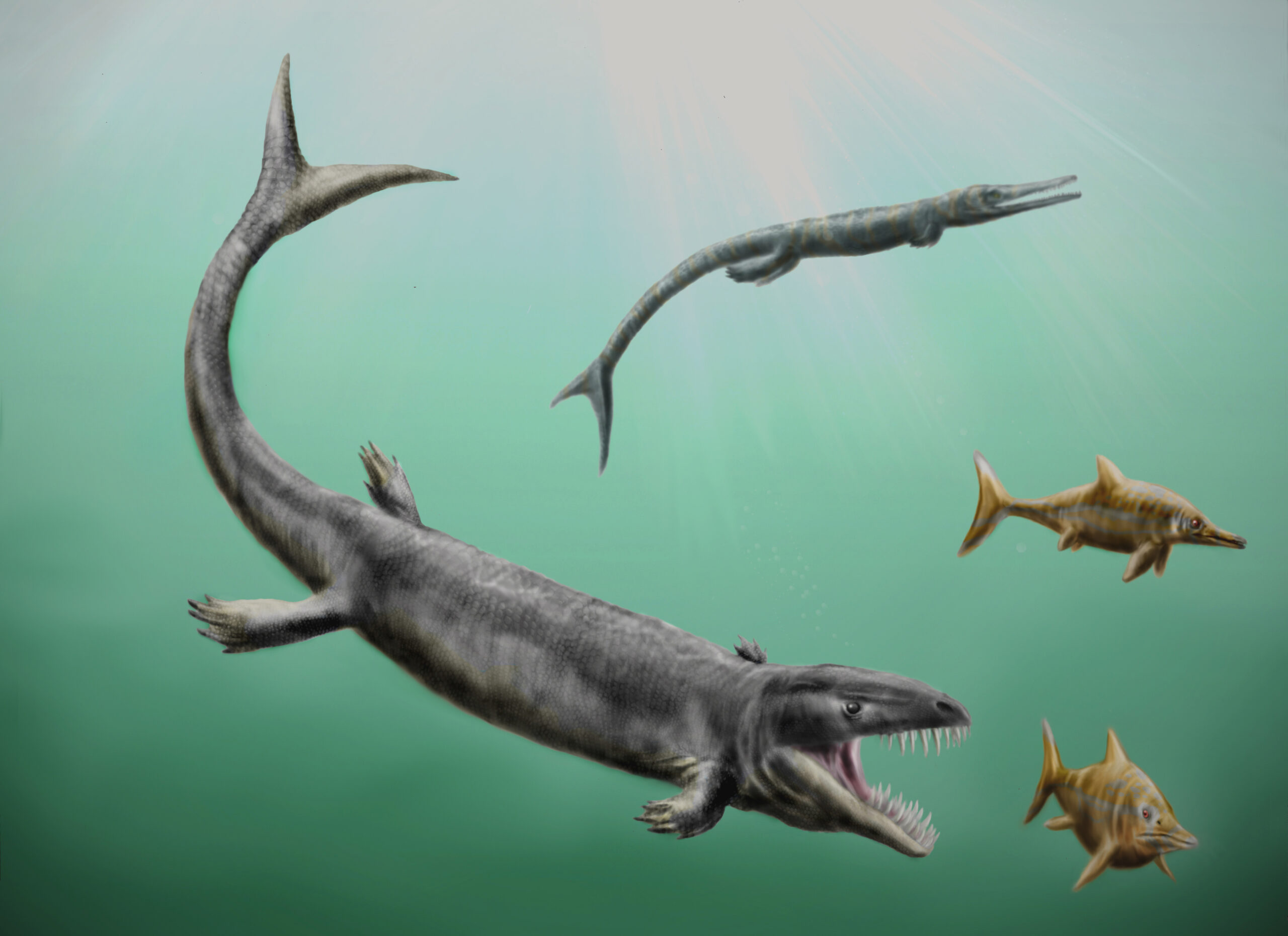
When you line up all these creatures side by side, it becomes clear that Jurassic land predators, impressive as they were, had nothing on the layered threat of the oceans. In the sea, danger came in every size and shape: gigantic pliosaurs like Liopleurodon stalking the deep, dolphin-like ichthyosaurs chasing prey across vast distances, stealthy marine crocodile cousins prowling coasts and lagoons, and even filter-feeding giants like Leedsichthys reshaping entire ecosystems. The water column from surface to twilight zone was packed with specialists, each honed by evolution to exploit a different niche.
Personally, if someone handed me a one-way ticket to the Jurassic, I’d take my chances hiking among the dinosaurs long before I’d agree to a swim. On land you could climb, hide, or at least see most of your enemies coming; in those ancient seas, you were enveloped in a three-dimensional hunting arena with almost nowhere to disappear. The more we uncover about these marine reptiles and sharks, the more obvious it seems that the real horror movie of the Jurassic played out beneath the waves. If you had to choose, would you rather face a land-dwelling carnivore you can see, or slip into a sea where the deadliest hunters might already be circling just out of sight?