Every time scientists drop a camera or a robot into the deep ocean, they are basically pointing a telescope at an alien planet that just happens to be on Earth. Since 2015, that alien world has pushed back in some surprising ways. Researchers have not only discovered new species, they have run into organisms, communities, and evolutionary lineages that do not sit neatly anywhere in our existing classification systems. In other words, life in the abyss keeps breaking the rules we thought were universal.
What follows is not a list of cartoonish sea monsters, but a set of very real discoveries that strain or sidestep the categories biologists use to organize life. In some cases the animal is known, but its branch on the tree of life is unexpectedly separate. In others, entire lineages of microbes are so strange that scientists cannot place them beyond the level of “domain: Bacteria” or “domain: Archaea.” And in a few cases, what we have is little more than high‑definition video of a ghostly shape hanging in black water, with experts honestly saying: we have no idea what that is yet.
1. The Deep-Sea Comb Jelly That Was Described Only From Video
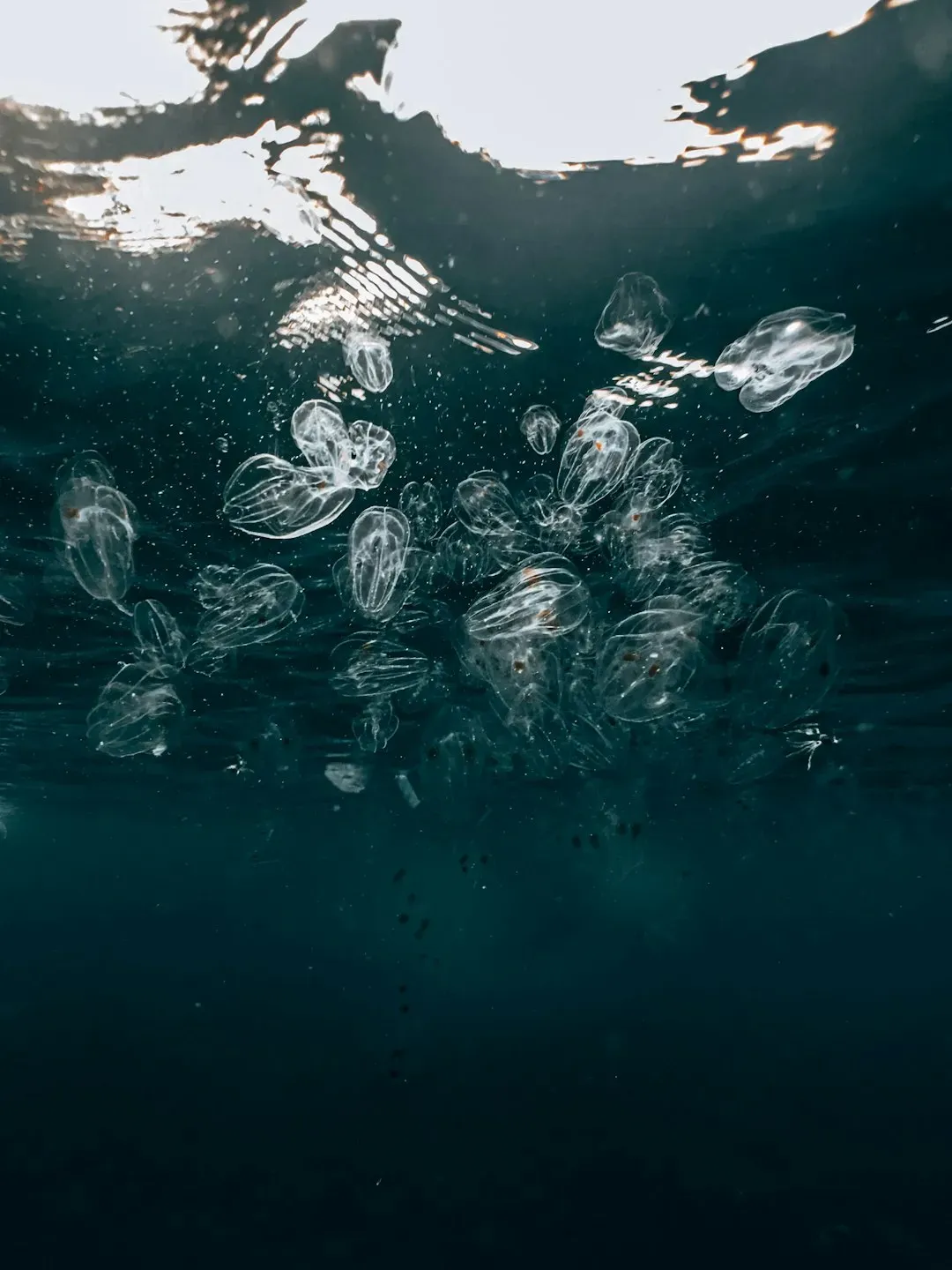
Imagine discovering a “new species” without ever touching it, preserving it, or even bringing a single tissue sample back to land. That is exactly what happened with Duobrachium sparksae, a bizarre comb jelly filmed off Puerto Rico in 2015 by NOAA’s remotely operated vehicle Deep Discoverer. The gelatinous animal floated like a transparent hot‑air balloon, with two long tether‑like appendages trailing down into the darkness. The footage was so crisp and detailed that years later, scientists felt confident enough to formally describe it as a new species based only on the video record.
Taxonomically, Duobrachium is placed within the comb jellies, or Ctenophora, but its body plan is so odd that researchers have suggested it might sit near the base of an entire order, possibly representing a very early offshoot from other known comb jellies. That is a polite scientific way of saying: our existing classification framework for this group does not yet have a comfortable, well‑defined spot for it. When you have to treat a video file as the “type specimen” for a species, it exposes how unprepared the traditional, specimen‑centered taxonomic rules are for dealing with fragile, deep‑ocean life that disintegrates long before it reaches the surface.
2. “UFOs of the Sea”: Unidentified Gelatinous Blobs That Refuse to Fit
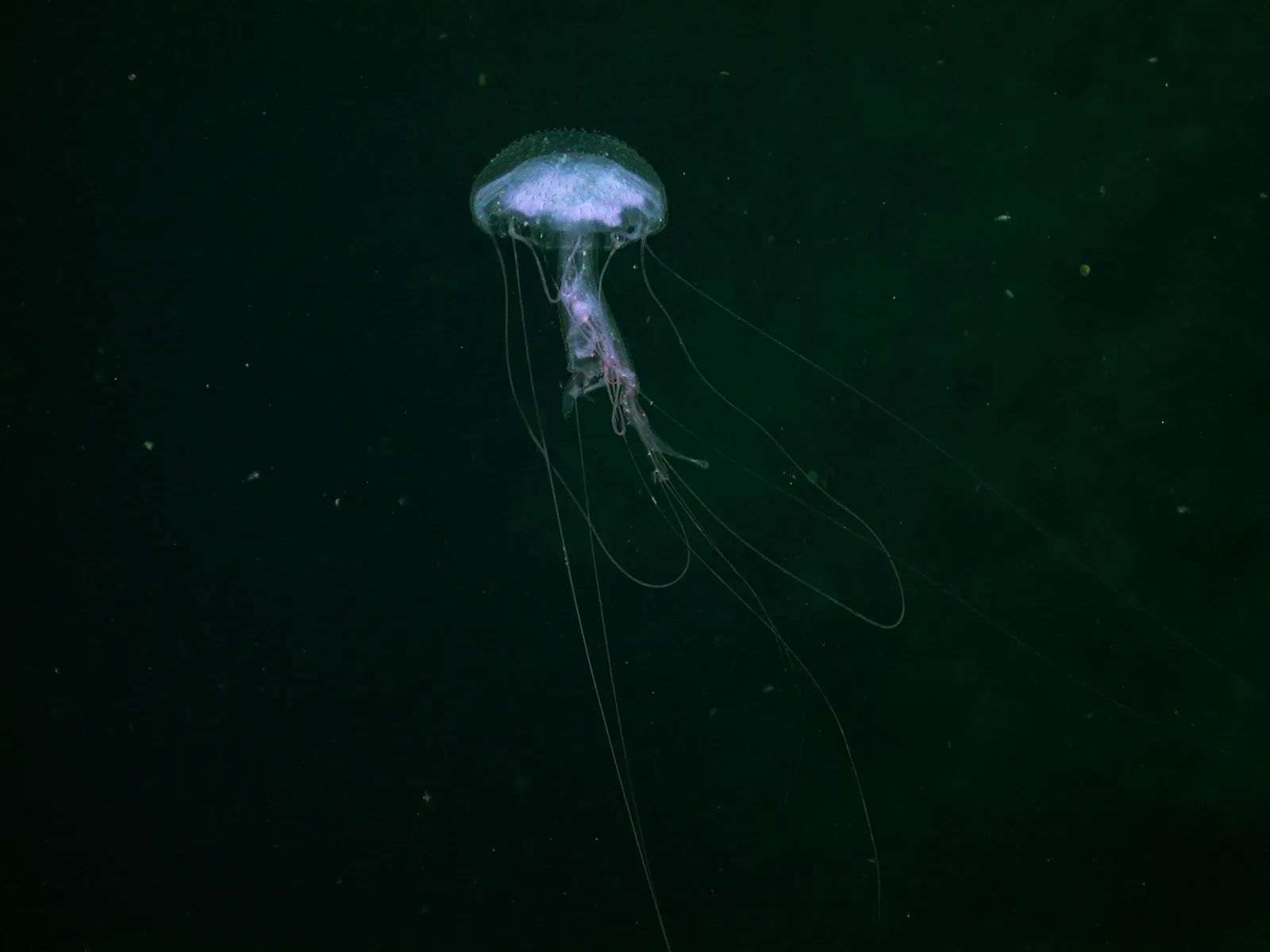
During multiple deep‑sea expeditions this past decade, NOAA and other research teams have filmed drifting, translucent shapes that none of the on‑call experts could place into a known group with real confidence. These mystery blobs are sometimes casually nicknamed “UFOs of the sea” because that is exactly what they are: unidentified floating objects, all wobbly edges, pulsating lights, and strange symmetry. They may be ctenophores, siphonophores, or medusae, but their structures do not match any described species, and in some cases, not even any described family.
Because these organisms are incredibly fragile, collecting them intact is harder than it sounds. A suction sampler or collection jar often shreds them into jelly soup, destroying the key anatomical clues taxonomists rely on. That leaves scientists stuck with high‑definition video, 3D reconstructions, and a lot of cautious speculation about where they belong. What we are really learning is that the deep mid‑water world is full of gelatinous architectures that our classification systems barely anticipate, and we will probably need updated rules and digital “specimen” standards if we want to name life that cannot survive the trip to the surface.
3. Deep-Sea Xenoturbella Worms That Scramble the Animal Family Tree
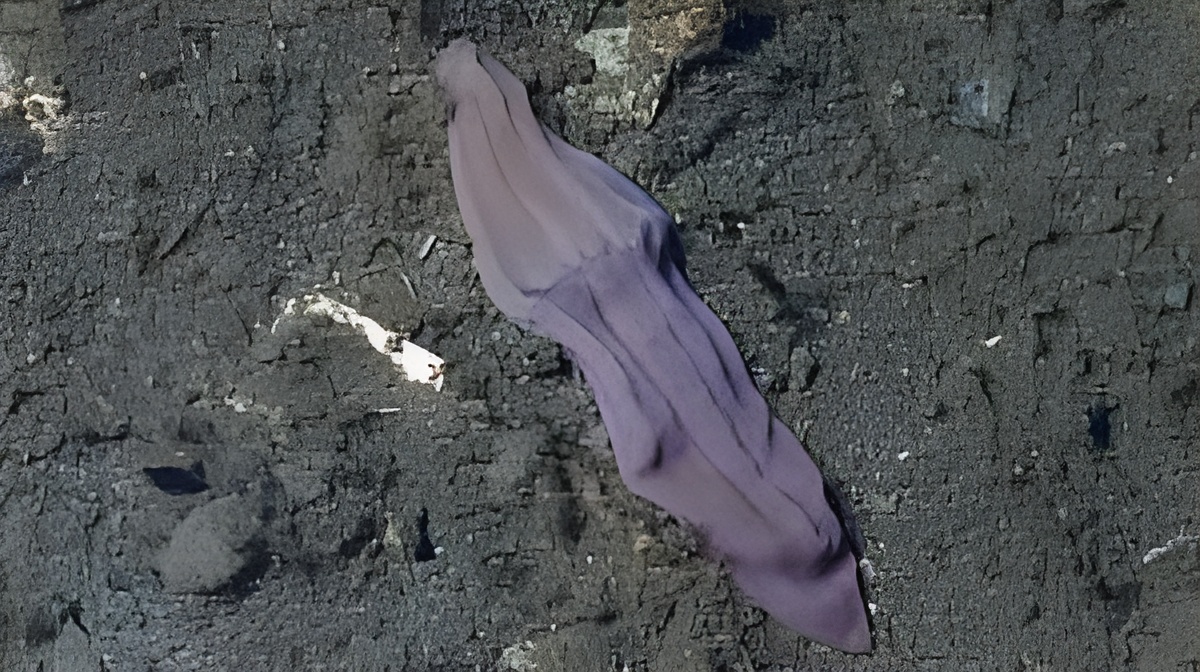
In 2016, researchers described several new deep‑sea species of Xenoturbella, soft, flat, pink worms found near cold seeps and hydrothermal environments in the eastern Pacific. At first glance, they look almost insultingly simple: no brain, no clear organs, no obvious body segmentation, just a featureless tube of tissue gliding over the seafloor. Yet genetically, these worms turned out to be pivotal troublemakers, forcing biologists to rethink how early branches of the animal kingdom are related to each other.
Xenoturbella sits within a group called Xenacoelomorpha, whose position in the animal tree has been fiercely debated. The discovery of new deep‑sea species with different sizes and habitats gave scientists more data, but not more comfort. These animals combine “primitive” simplicity with molecular signatures that do not line up neatly with major groups like deuterostomes or protostomes. In practice, that means they are awkward guests at the taxonomy party: they do not match our tidy textbooks, and their very existence suggests that some early steps in animal evolution do not fit the classic story we still teach.
4. Unclassifiable Microbial Lineages in Cold Seeps and Abyssal Sediments
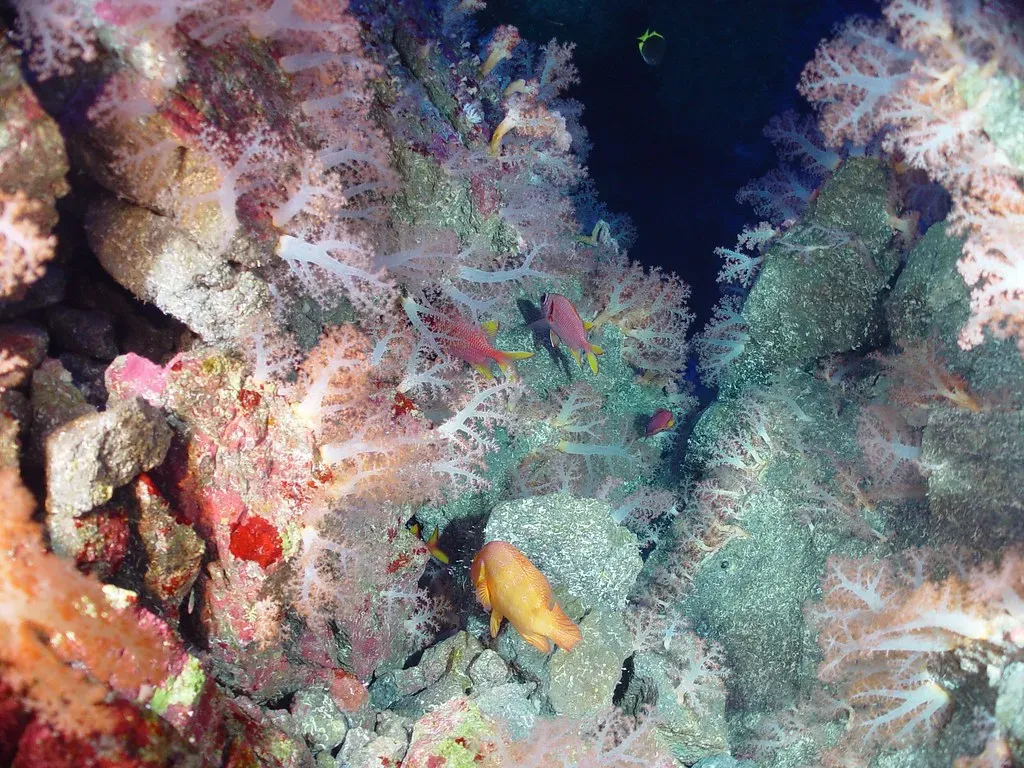
When people think about new marine species, they imagine charismatic octopuses or giant isopods. But some of the most radical surprises since 2015 have come from invisible residents of deep‑sea sediments and cold seeps. Using modern DNA sequencing, scientists keep finding long branches of bacterial and archaeal life that simply will not squeeze into existing phyla or classes. In many studies, a large chunk of the genetic reads end up tagged as “unclassified bacteria” or “unclassified Archaea” even after comparing them against all major reference databases.
These unplaced lineages, found thousands of meters down in chemically extreme environments, often carry genes for unusual metabolisms, such as exotic forms of nitrogen fixation or methane cycling that we did not expect to see in those conditions. Some studies have hinted at entire groups related to phyla like Elusimicrobia or Parcubacteria that are so divergent they might justify new high‑level taxa, yet they remain little more than sequences on a screen, with no cultured representatives and almost no morphological information. From a classification standpoint, it is like discovering whole paragraphs of a book written in an unknown alphabet: you know they matter, but you cannot file them anywhere meaningful yet.
5. A New Deep-Sea Chimaera That Stretches the Limits of Its Own Group
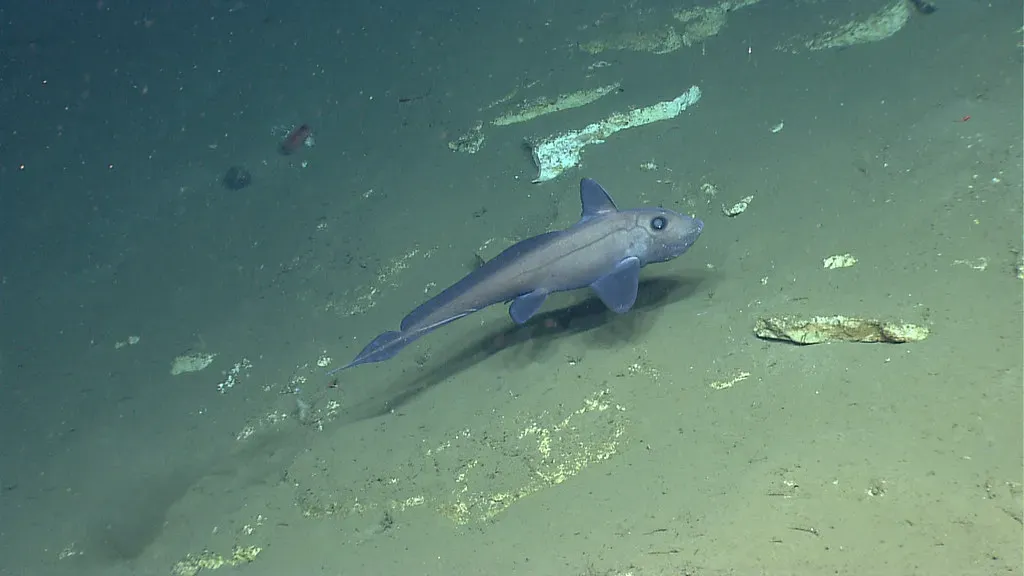
In the last few years, a new species of chimaera from deep waters in the Coral Sea has emerged as another reminder that even supposedly well‑known vertebrate groups are not fully mapped out in the abyss. Informally labeled Chimaera sp. 1 on some discovery platforms, this ghost‑shark relative appears larger than its closest known cousin, with a darker, deep‑water coloration and a particularly pronounced defensive spine above its dorsal fin. Genetically, its mitochondrial markers diverge strongly from related species, flagging it as distinct rather than just an odd local variant.
Formally, chimaeras already belong to their own ancient subclass, Holocephali, separate from sharks and rays, but this species highlights how internally messy that group might still be in deep water. Some ichthyologists suspect that our current genera within Chimaeridae may hide lineages as different from each other as some entire families of shallow‑water fishes. Until specimens are fully analyzed and the broader family tree is reconstructed with modern tools, new animals like this sit in an uncomfortable limbo between “we know the group” and “we do not actually know how to carve that group up in a way that reflects evolution.”
6. Amphipod Superfamilies Emerging from Deep-Sea Mining Zones
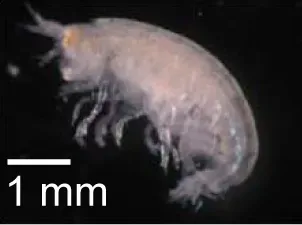
In the Clarion‑Clipperton Zone of the central Pacific, an area heavily targeted for future deep‑sea mining, taxonomists recently described a couple dozen new species of amphipods, the tiny crustaceans that sift through sediments and carcasses. Hidden inside that burst of discovery was something more dramatic: evidence for an entirely new branch of amphipod diversity, at the level of a superfamily. That is not just a new species or a new genus; it is a new structural branch in a major group of crustaceans, the kind of thing that rarely gets added to the evolutionary tree.
The new lineages have combinations of features that do not conform to existing superfamilies, from limb proportions to body armor patterns and sensory structures. They seem tuned to the peculiar metal‑rich, food‑poor conditions of abyssal plains littered with polymetallic nodules. Taxonomists are still arguing over exactly where to anchor them, and some details will shift as more material is collected, but the bigger point is clear: in just one industrially coveted region, we already see deep‑ocean life that makes our present classification of amphipods feel stale and incomplete.
7. Deep-Sea Octopuses That Blur Species and Even Genus Boundaries
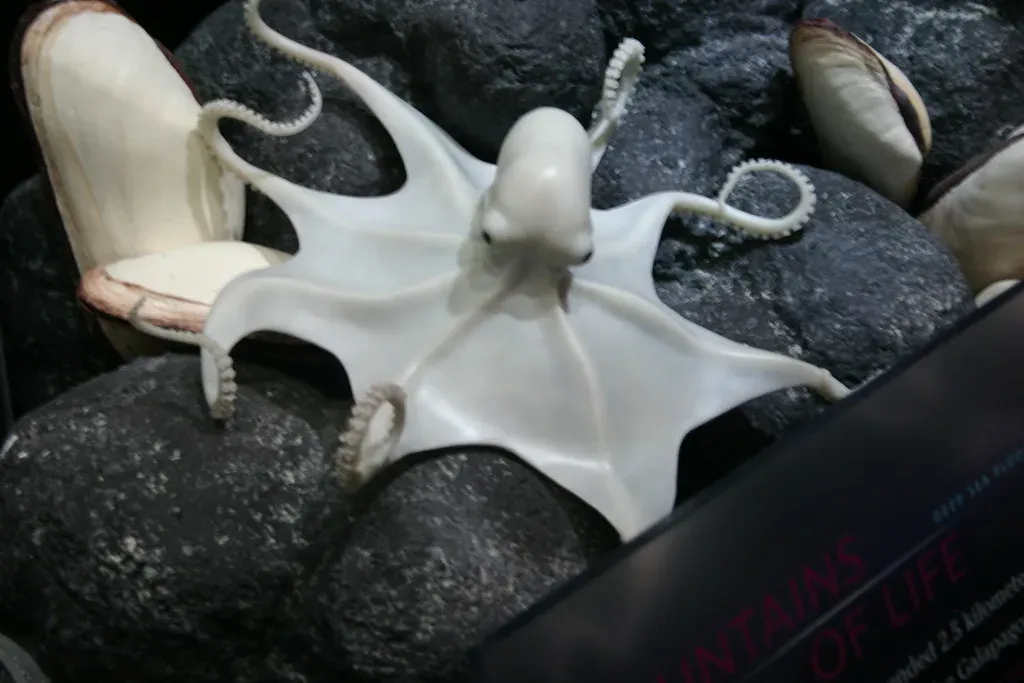
Since 2015, at least a few new deep‑sea octopus species have been proposed, including freshly described dumbo octopuses in the genus Grimpoteuthis and a glowing blue species from the Galápagos region. Yet when taxonomists stare at video feeds from remotely operated vehicles, they often admit that animals labeled “dumbo octopus” may actually belong to several quite distinct lineages. The ear‑like fins, umbrella‑style webbing, and gelatinous bodies show up in multiple evolutionary experiments, not just one neatly defined genus.
This has led to a surprisingly honest problem: even experts sometimes cannot tell, in real time, whether a filmed individual belongs to one valid species or another, or even to the same genus. Traditional cephalopod classification leaned heavily on dissected anatomy: beaks, internal shells, reproductive organs. For rare deep‑sea octopuses that cannot be ethically or practically collected in large numbers, all those traits remain out of reach. As a result, we have living, charismatic animals gliding across our screens that do not yet slot neatly into our current species concepts, and in some cases might force biologists to rethink how flexible those concepts need to be in the deep sea.
8. The Blue Galápagos Octopus That Redefines “Hidden in Plain Sight”
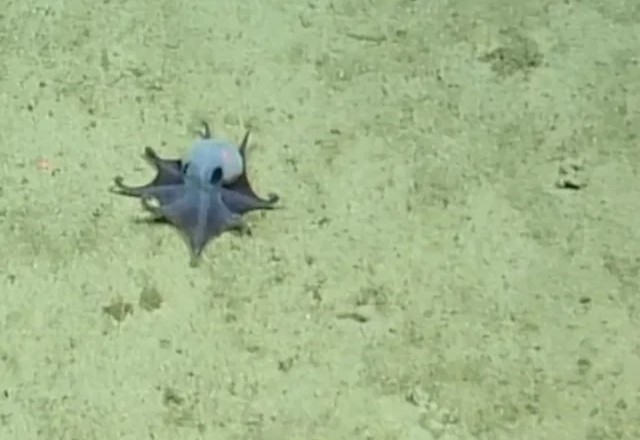
One particularly striking case is a tiny blue octopus first noticed near the Galápagos Islands in 2015, later formally named Microeledone galapagensis. At first, it was just “that weird little blue octopus” that kept showing up in deep‑sea footage. Only after repeated encounters and careful morphological and genetic work did scientists conclude that it represents a completely new species, adapted to deep, dim waters with a shimmering coloration that seems almost unreal. It had been there the whole time; we simply did not have the right eyes or tools to see it as something new.
Microeledone belongs to a broader group of cirrate octopuses, but its combination of traits is unique enough that some researchers think it might hint at additional, as‑yet‑unrecognized diversity within that part of the octopus family tree. The case underscores a quiet but important tension: when an animal is only known from video and a few delicate specimens, how confidently can we place it in existing genera or families? In my view, this octopus is less a neat new entry in a catalog and more a signpost pointing at a region of the cephalopod tree where our current classification is at best provisional.
9. Stalked and Sessile Deep-Sea Animals That Sit Between Major Groups
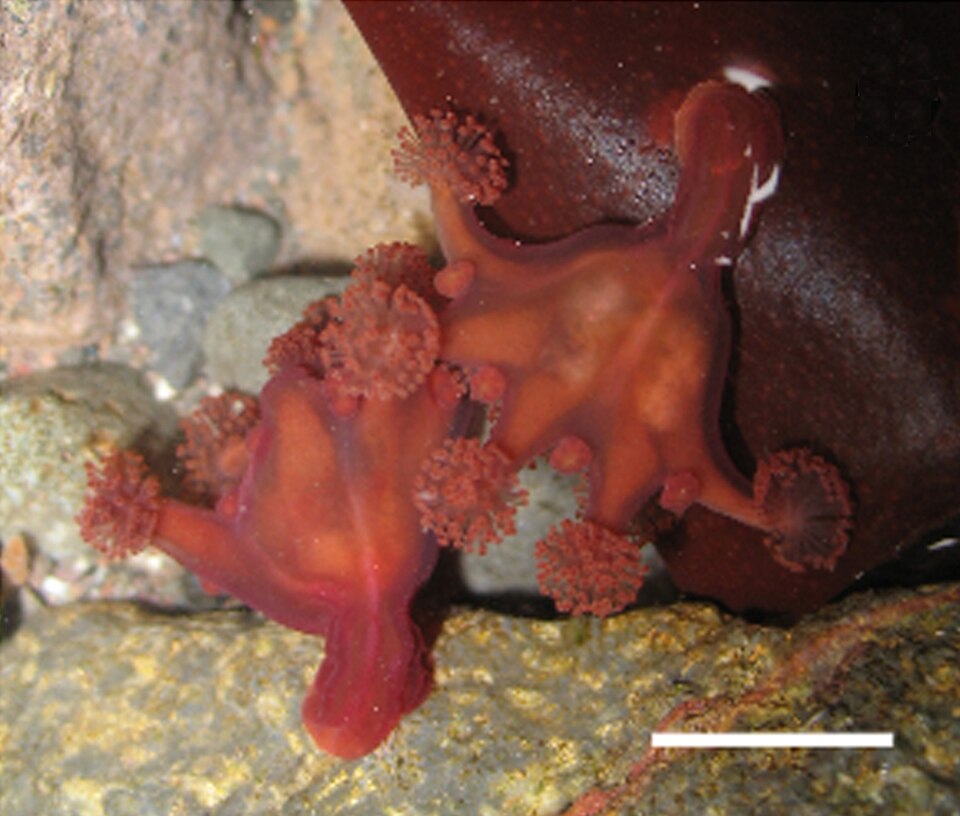
Hydrothermal vents and other deep‑sea hard‑bottom habitats continue to reveal strange, stalked animals that challenge where one group ends and another begins. Some look like jellyfish glued to the rock by a fleshy stem; others resemble flowers made of cartilage and muscle instead of petals. These organisms often get tucked, for the moment, into existing classes like Staurozoa (stalked jellyfish) or into obscure worm groups, but new molecular work routinely finds that they do not nest comfortably with their supposed relatives.
What makes them so destabilizing is that they preserve features that feel halfway between major body plans. A stalked cnidarian from a vent field might have tentacles and stinging cells like other jellyfish, but also internal structures or developmental patterns that look more like something you would expect in completely different lineages. Taxonomists do their best, because the rules say every species has to land somewhere, but many of these placements are openly labeled provisional. They are reminders that the classification systems we use were mostly built from shallow‑water and terrestrial life, and the deep ocean is now revealing evolutionary detours those systems never anticipated.
10. Vast “Dark Diversity”: Environmental DNA Revealing Organisms with No Names
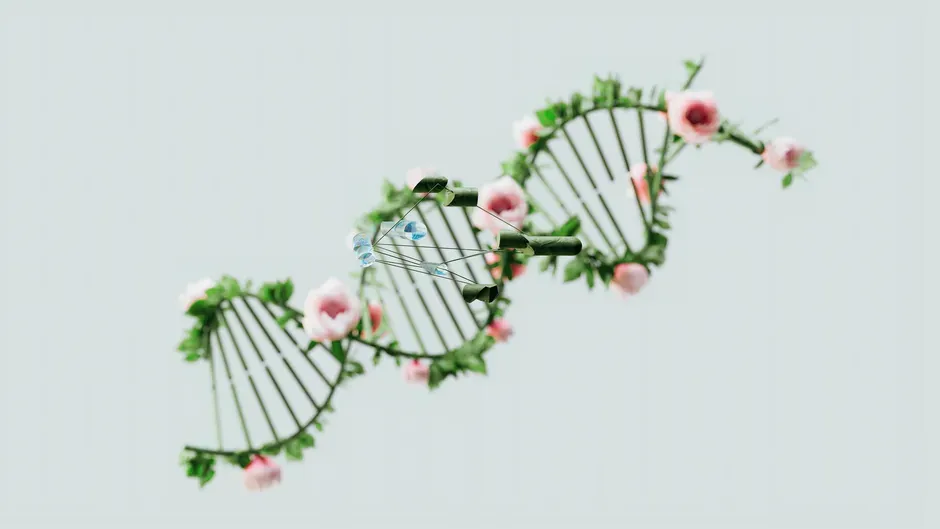
Perhaps the most unsettling trend since 2015 is not a single headline discovery but a pattern across many studies that rely on environmental DNA, or eDNA. Scientists now routinely filter seawater or collect a scoop of deep‑sea mud and sequence all the genetic material they find. When they compare those sequences to reference databases, a huge proportion of them do not match any known species, and many do not match any known genus or even family. These ghost lineages are not just rare one‑offs; in some locations, the majority of eDNA reads correspond to life that we cannot yet classify beyond the broadest categories.
This “dark diversity” probably includes microbes, small invertebrates, larval stages of larger animals, and maybe even entirely new high‑level groups. From a classification perspective, it is like realizing that the catalog you have been using for decades only lists the books on one side of the library, while entire unseen aisles stretch off into the dark. Personally, I find this both thrilling and humbling. It suggests that the deep ocean is not just under‑sampled, but fundamentally under‑described, and that our carefully drawn taxonomic boundaries are more like first guesses than final answers.
Conclusion: The Deep Ocean Is Quietly Tearing Up Our Rulebook
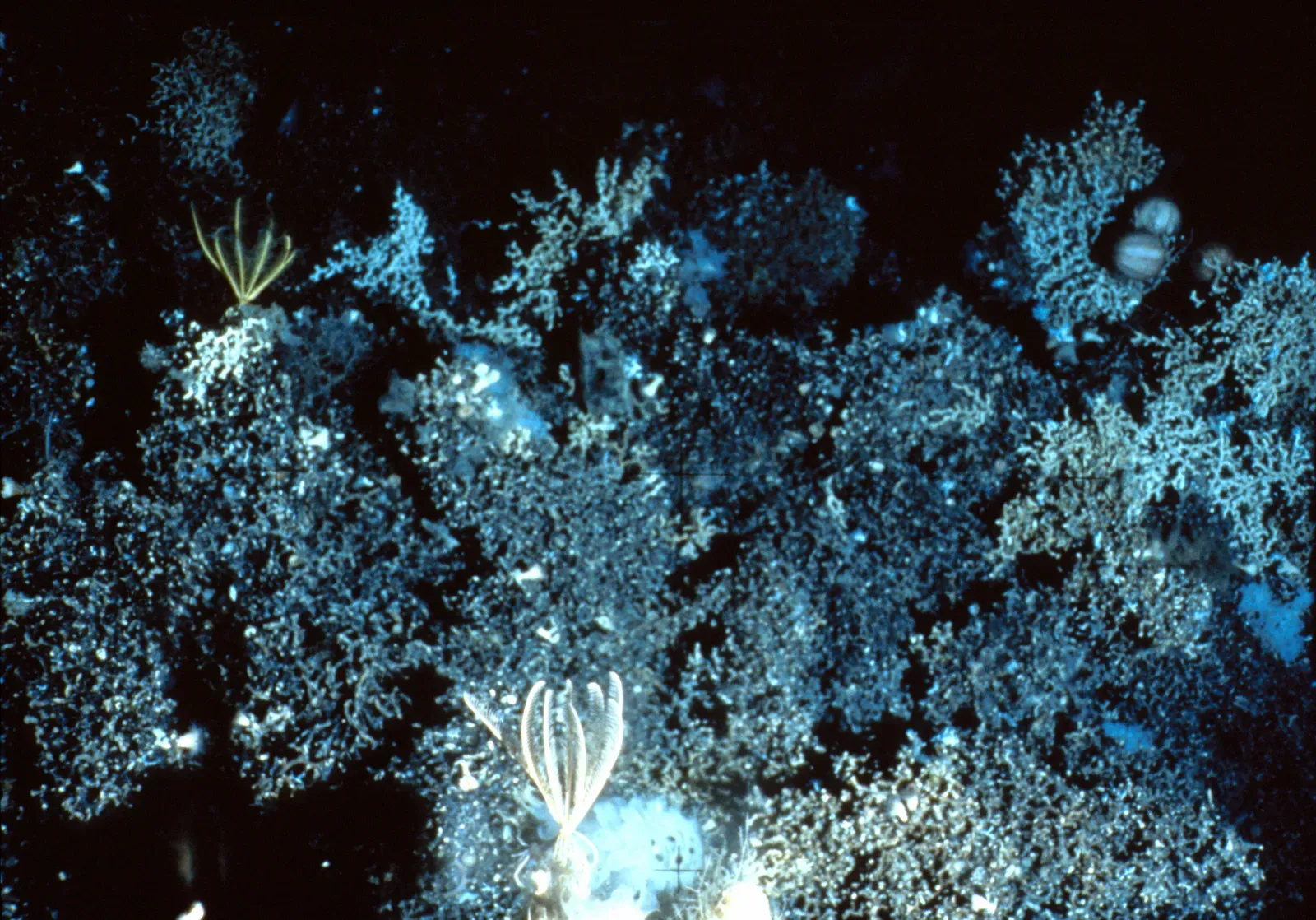
Looking across these discoveries, a pattern jumps out: the deeper we go, the more our tidy categories wobble. Comb jellies defined from video alone, worms that do not sit cleanly in any familiar branch, microbes that refuse to join known phyla, octopuses that blur the edges of genera, and entire crustacean superfamilies popping up where an industry hopes to mine. The message is blunt. Our current classification systems were built on what we could reach, preserve, and dissect, not on what actually exists in the largest, least accessible part of the planet.
My own opinion is that we are overdue for a shift in mindset. Instead of treating every oddball as an exception to be shoehorned into old frameworks, we should admit that deep‑ocean life exposes the limits of those frameworks themselves. Future taxonomies will have to be more comfortable with uncertainty, better at integrating video, eDNA, and fragile specimens, and more willing to redraw high‑level branches when the data demand it. The real question is not whether more rule‑breaking organisms are out there – they definitely are – but how long it will take us to rewrite our systems so they can actually make sense of them. What part of the deep sea would you bet still hides the biggest surprises?