If you grew up thinking of the North Pole as a fixed point at the top of every classroom globe, the reality in 2026 is unnervingly different. The magnetic North Pole – the point your compass actually points to – is sprinting across the Arctic faster than at any time since humans started measuring it, and our navigation systems are having to play an endless game of catch‑up just to stay trustworthy.
This is not some distant, academic curiosity buried in a geophysics paper. The pole’s accelerating drift quietly affects everything from smartphone maps and ship navigation to runways at busy airports and systems that keep power grids stable. The wild part is that we are watching a planetary‑scale process, driven deep within Earth’s core, unfold in real time, while modern technology is forced to constantly adjust. Once you realize the ground rules of the planet’s magnetic field are shifting under our feet, it is very hard to see a simple compass in the same way again.
The Magnetic North Pole Is Not Where You Think It Is
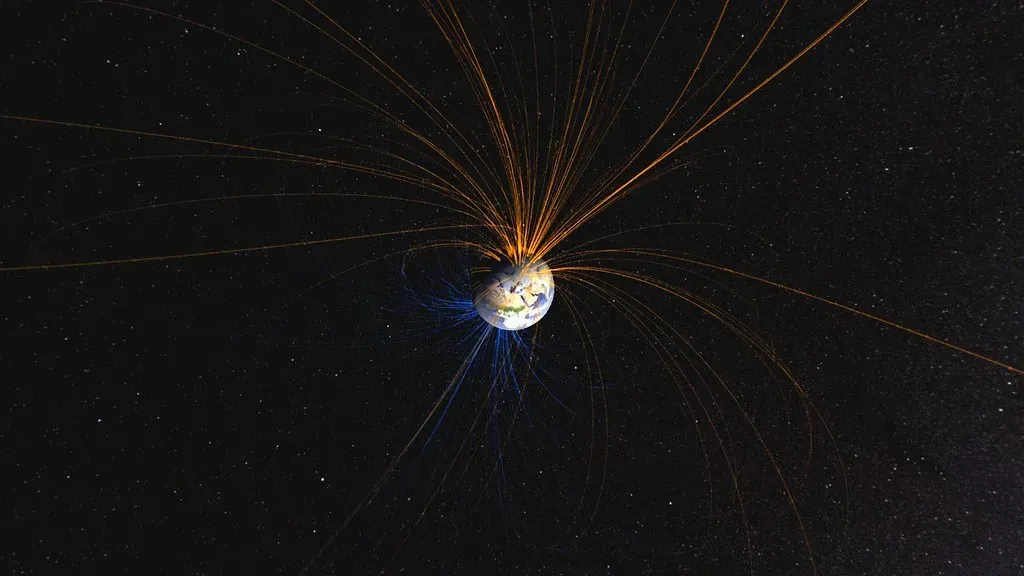
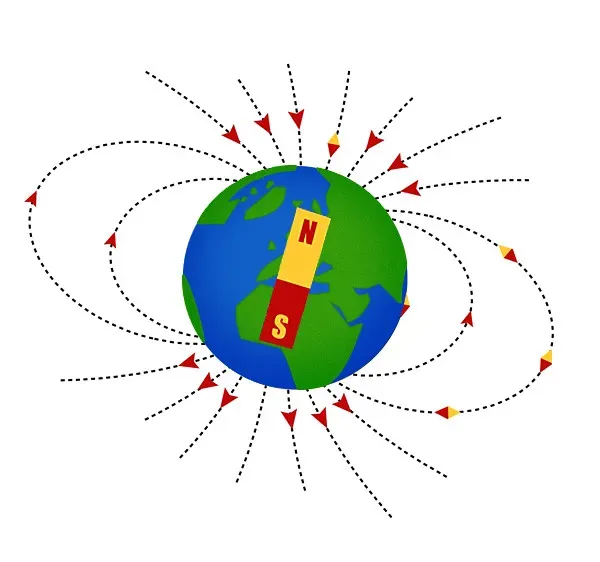
Most people imagine “north” as a single, precise point: geographic North, where Earth’s rotation axis meets the surface. Magnetic north is something else entirely. It is the wandering spot in the high latitudes where Earth’s magnetic field lines plunge vertically into the planet, and that is the direction a compass needle obediently follows. The twist is that this spot has never been fixed; it has always drifted, but for most of recorded history that drift was slow enough that hardly anyone outside of specialists had to care.
Over the past century, though, the magnetic North Pole has wandered thousands of kilometers, from northern Canada toward Siberia. What is especially striking is that the pace of this drift has ramped up from a lazy meander to a genuine sprint in recent decades. Instead of shifting a few kilometers a year, it has been moving tens of kilometers annually, enough that world magnetic models have had to be updated more frequently than originally planned. That change in speed is what has geoscientists paying attention and navigators quietly recalibrating their systems in the background.
Earth’s Liquid Iron Core: The Hidden Engine Driving the Drift
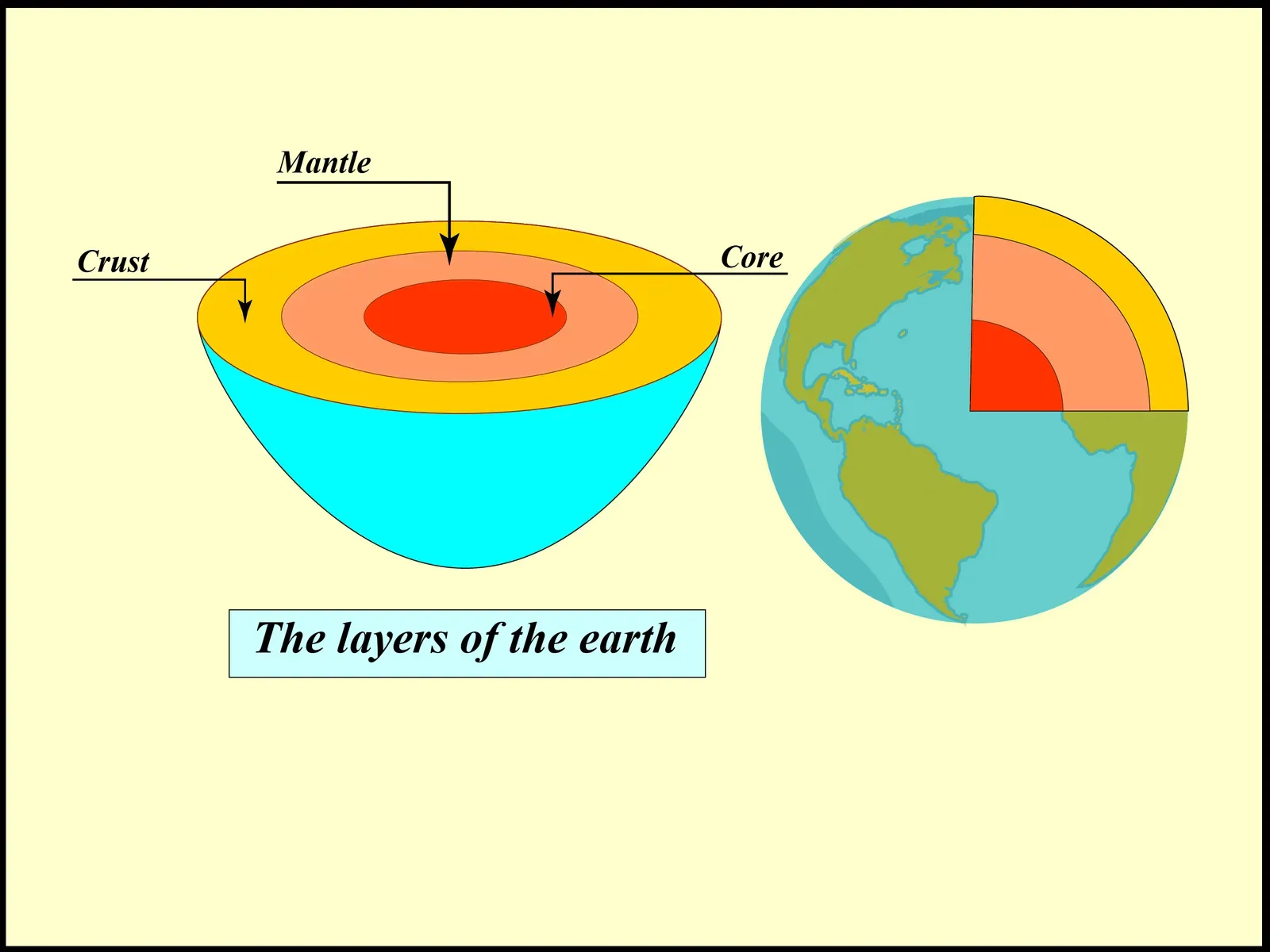
At the heart of this story is a place we will never visit: Earth’s outer core, a turbulent ocean of liquid iron and nickel swirling roughly two thousand to three thousand kilometers beneath our feet. Those churning, electrically conductive flows act like a giant dynamo, generating the magnetic field that extends far into space and shields us from charged particles from the Sun. The magnetic poles are simply surface expressions of this deep, restless engine. When the flow patterns in the outer core change, the magnetic field lines reconfigure, and the poles respond by wandering, speeding up, or sometimes even reversing over geological time.
What makes the current acceleration of the magnetic North Pole so fascinating is that it is essentially a live diagnostic of what is happening inside the core. Geophysicists use satellite data, ground observatories, and sophisticated simulations to infer shifts in these iron currents, a bit like deducing the currents in a dark ocean by watching drifting buoys at the surface. Some recent studies link the rapid drift toward Siberia to competing patches of stronger and weaker magnetic field deep beneath northern Canada and Russia. To me, there is something humbling about the fact that our entire digital navigation infrastructure is, at some level, at the mercy of slow‑motion weather in a metal ocean we can never see directly.
Why Faster Pole Motion Is a Headache for Navigation Systems
In everyday life, it is easy to shrug and say, “Well, I use GPS, not a compass, so why should I care?” The reality is that a huge amount of technology quietly combines satellite positioning with magnetic models, especially when devices need to know direction, not just location. Your smartphone, for example, uses a magnetometer to work out which way it is facing. So do drones, airplanes, ships, and many vehicles. All of these systems rely on up‑to‑date models that translate a raw compass reading into a correct heading, given your position on Earth and the constantly shifting magnetic field.
When the pole moves faster, those models go out of date more quickly. That means navigation errors can creep in, small at first, then large enough to matter. For a hiker lost in the woods, a few degrees off could mean walking the wrong valley; for a ship threading a busy harbor or an aircraft following precise approach paths, those same few degrees can be a serious safety issue. Even airport runways sometimes have to be renumbered because their magnetic heading changes enough over time to cross a threshold, which is a very visible reminder that magnetism is not standing still just because our painted numbers on the tarmac are.
Continuous Recalibration: From Airport Runways to Smartphone Apps
The phrase “continuous recalibration” might sound dramatic, but in practice it is a steady, unglamorous stream of updates that keeps our systems honest. World magnetic models are periodically revised by international teams using global data, and those updates propagate into military navigation, avionics, maritime charts, and civilian software. In recent years, the pole’s unexpected speed‑up even forced an unscheduled update to the standard model earlier than originally planned. That is unusually urgent by geophysics standards, where “we’ll fix it in five years” is more common than “we need a patch right now.”
On the consumer side, you rarely notice any of this because the recalibration often happens through software. Phone operating systems and navigation apps silently pull new field models, and your digital compass just keeps working. But behind that smooth experience lies a whole ecosystem of observatories, satellites, and modeling teams working to keep pace with a planet that refuses to sit still. As someone who spends a lot of time outdoors, I have watched printed maps, old compasses, and GPS apps disagree by just enough to be annoying, and it is a strange feeling to realize the planet, not the gear, is what changed.
Is This a Prelude to a Magnetic Pole Reversal?
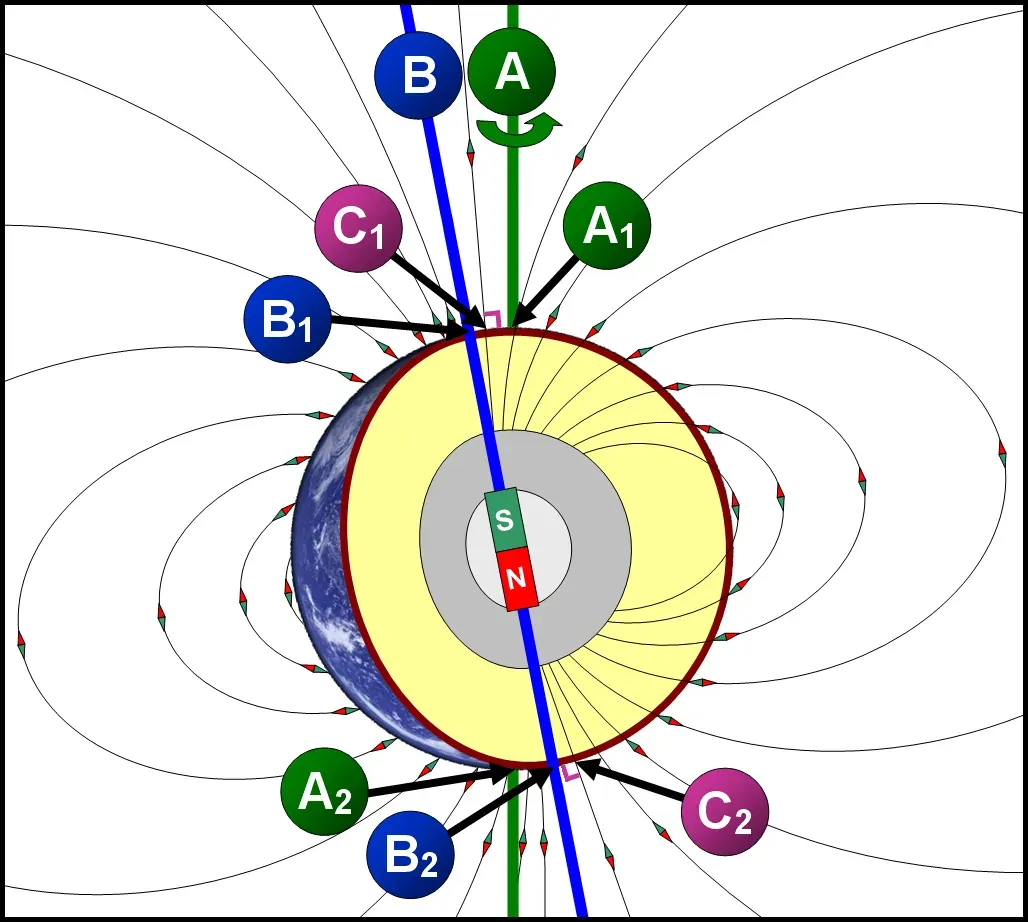
The moment people hear that the magnetic North Pole is racing toward Siberia, the next question is often about catastrophe: are we about to see the poles flip, and if so, should we be panicking? It is true that over millions of years, Earth’s magnetic field has reversed many times, with north and south swapping places. During those transitional periods, the field can become weaker and more complex, with multiple north‑like and south‑like spots. However, the timescales involved are long compared to a human lifetime, and the rock record does not point to civilization‑ending disasters every time the field shifts.
Right now, the responsible answer is that the pole’s rapid motion is consistent with a dynamic, evolving field, but not a clear‑cut sign of an imminent reversal in the human sense of “soon.” Geoscientists do see slower, longer‑term weakening in parts of the field, especially over regions like the South Atlantic, and that does raise concerns about satellite vulnerability and radiation exposure at high altitudes. Still, it would be misleading to frame today’s drift as a guaranteed precursor to some dramatic flip in the next few decades. The better way to think of it is as a reminder that our magnetic shield is alive, not static, and that we need to design technology and infrastructure with that restless reality in mind.
Everyday Impacts You Would Never Expect from a Wandering Pole
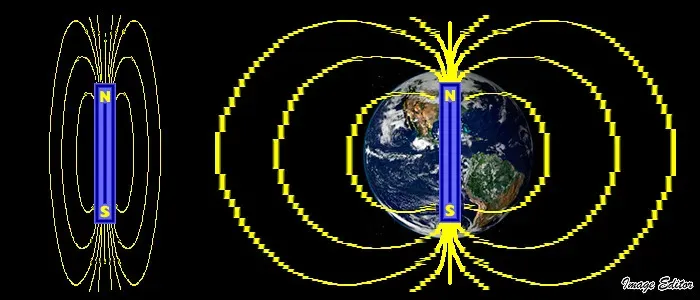
One of the strangest parts of this story is how something so abstract – a pole defined by invisible lines of force – quietly seeps into parts of life that feel totally unrelated. Surveyors, for example, need extremely precise bearings when laying out property lines or constructing major projects, and outdated magnetic data can introduce costly errors. Wildlife researchers track animals like birds, sea turtles, and salmon that use Earth’s magnetic field as part of their navigation toolkit, and changes in magnetic patterns can subtly alter migration routes or behavior. In my own experience, even watching a drone’s on‑screen compass jitter when flying near high latitudes was a small but real wake‑up call that the field in the sky above us is not as simple as a textbook diagram.
Electric power systems and pipelines also care about magnetism in ways most of us never see. Variations in the magnetic field can induce currents in long conductors, adding extra stress during geomagnetic storms and contributing to corrosion over time. As the background field evolves, engineers have to regularly reassess models used for risk management and protective measures. None of this is as cinematic as a movie about global catastrophe, but it is exactly the kind of slow, technical grind that keeps the lights on, aircraft on course, and data flowing while the planet does whatever it wants deep below. The irony is that the more advanced and interconnected our technologies become, the more sensitive they are to subtle geophysical shifts our ancestors barely noticed.
Conclusion: A Restless Planet Demands Humble Navigation
The headline claim that the magnetic North Pole is moving faster now than at any time in recorded history is not hype; it is a sober summary of what careful measurements have shown over the last century or so. At the same time, it would be a mistake to frame this as an impending doomsday. The real story is more interesting and, frankly, more demanding: we live on a planet whose deep interior is constantly rearranging the magnetic rules we navigate by, and our response has to be a mix of humility, vigilance, and smart engineering. Continuous recalibration is not an optional luxury; it is the baseline cost of doing precision navigation on a restless world.
My own opinion is that this quiet, ongoing adjustment is a better symbol of our relationship with Earth than any glossy space‑age slogan. We like to imagine we have mastered the planet with satellites and algorithms, but the wandering pole is a reminder that much of what we do is adaptation, not control. The question is not whether the pole will keep moving – it will – but whether we are willing to keep listening, measuring, and updating as often as reality demands. In a way, every software patch for a navigation system is an act of respect for the hidden metal ocean beneath our feet. When you next watch the compass icon on your phone smoothly rotate, it is worth asking yourself: how many moving pieces, from the core of the Earth to the code in your pocket, are quietly lining up to make that simple arrow tell the truth?