Paleontology is one of those sciences that never quite lets you get comfortable. Just when you think you know the story, someone digs up a bone – sometimes literally in their own backyard – and the entire narrative shifts. The United States, with its vast stretches of ancient rock formations from Montana to New Mexico, has long been one of the richest fossil grounds on the planet. It keeps delivering.
What’s remarkable is not just how many new species are being named, but how deeply these finds are challenging things we assumed were settled science decades ago. From tyrannosaur family drama to blood vessels that somehow survived 68 million years inside a fossilized leg bone, the pace of discovery right now feels almost reckless in the best possible way. Buckle up – some of these will genuinely surprise you. Let’s dive in.
1. The “Dueling Dinosaurs” of Montana Settle a 40-Year Debate About Nanotyrannus
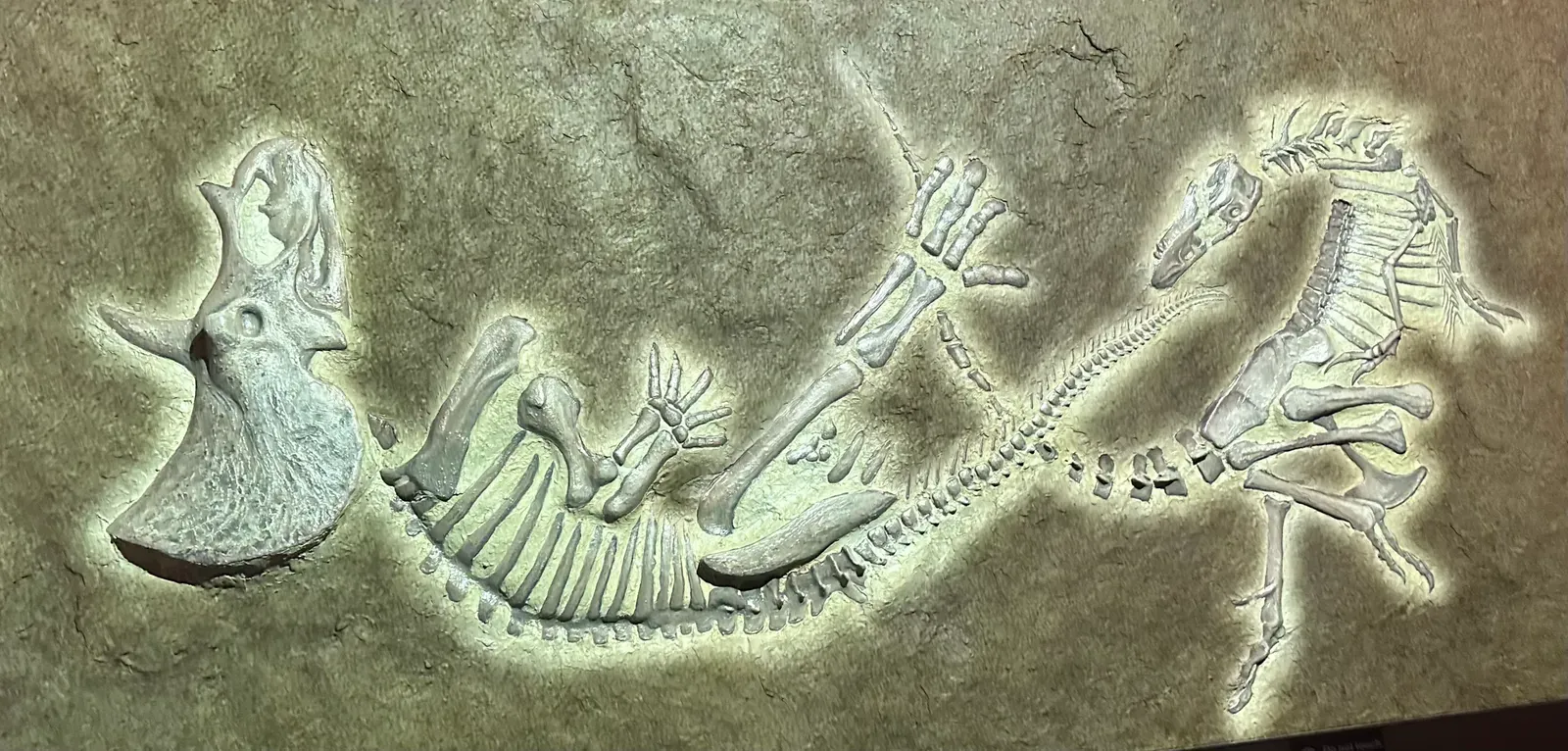
Imagine two dinosaurs locked in prehistoric combat, preserved almost perfectly in Montana rock for 67 million years. That is essentially what researchers discovered with the now-famous “Dueling Dinosaurs” fossil, and the revelations it holds are nothing short of seismic. The fossil, part of the legendary specimen unearthed in Montana, contains two dinosaurs locked in prehistoric combat: a Triceratops and a small-bodied tyrannosaur – and that tyrannosaur is now confirmed to be a fully grown Nanotyrannus lancensis, not a teenage T. rex, as many scientists once believed.
Since the predatory creature was first named in 1988, paleontologists had argued over whether medium-sized tyrannosaur fossils found in the same rocks as the iconic Tyrannosaurus rex were juvenile T. rex or a unique and distinct predator. In recent years, the bulk of the evidence appeared to favor the juvenile T. rex hypothesis. That consensus has now been overturned. Using growth rings, spinal fusion data, and developmental anatomy, researchers demonstrated that the specimen was around 20 years old and physically mature when it died – with skeletal features including larger forelimbs, more teeth, and fewer tail vertebrae that are biologically incompatible with T. rex.
2. T. Rex Was Not the Lone Predator We Thought It Was
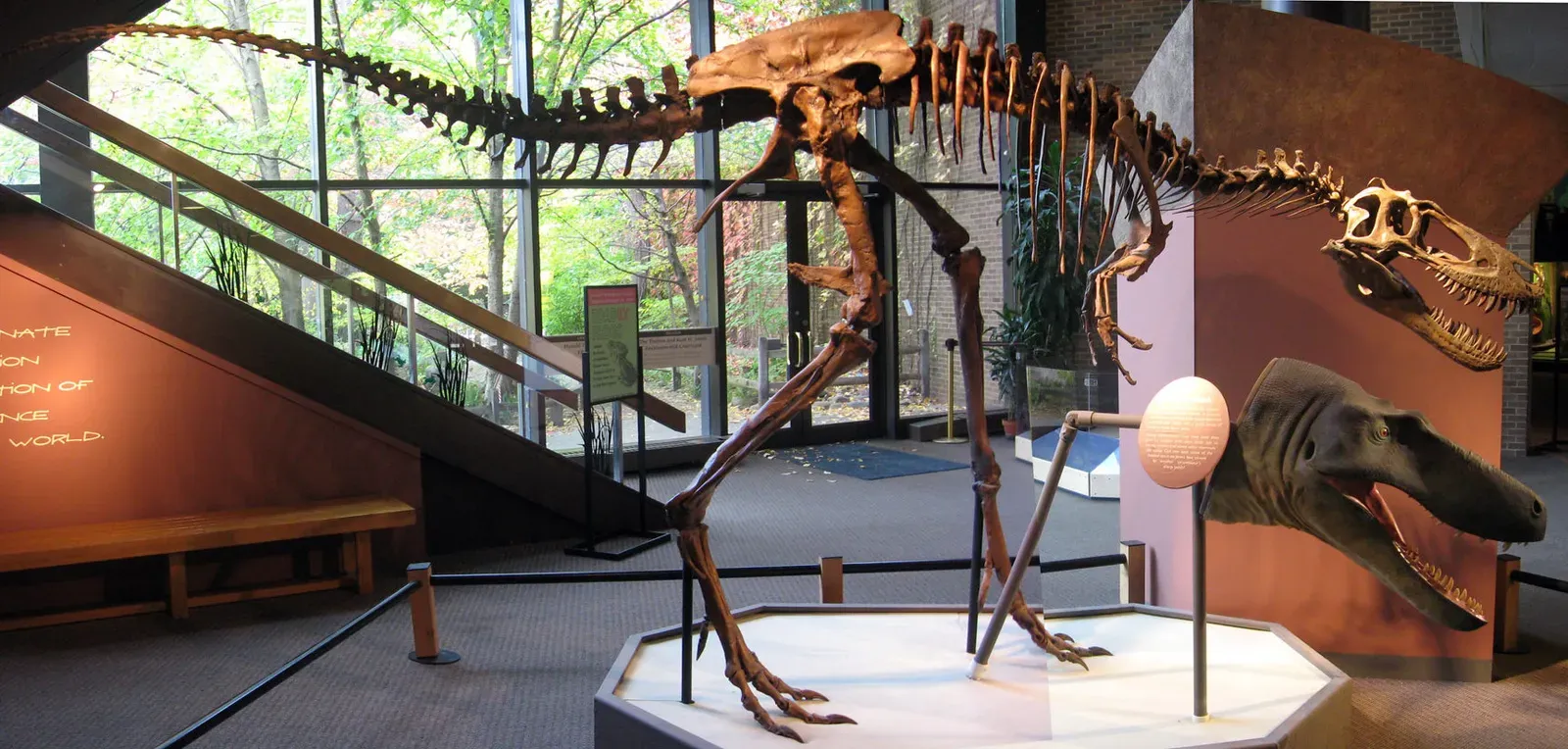
Here is a thought that might genuinely rearrange your mental picture of the Cretaceous: T. rex did not rule alone. The confirmation of Nanotyrannus as a legitimate species blew open everything we thought we knew about predator dynamics in the final chapter of the dinosaur age. This discovery completely reframes the idea that T. rex was the lone predator of its time, challenging long-held assumptions about late Cretaceous ecosystem dynamics – and we now know multiple tyrannosaur species coexisted in the last million years before the asteroid impact, suggesting a richer, more competitive ecosystem than previously imagined.
The implications go even further than a single species designation. Because tyrannosaurs are often known from incomplete skeletons and interpreted through growth models, this finding forces a major recalibration of how T. rex ontogeny is reconstructed, how many tyrannosaur species co-existed, and how they partitioned ecological niches – establishing Nanotyrannus as a separate adult predator expands our understanding of dinosaur diversity at the end of the Mesozoic. Think of it like finding out the “king of the jungle” had a rival cousin living right next door the entire time.
3. Blood Vessels Preserved Inside a T. Rex Bone Rewrite Fossilization Science
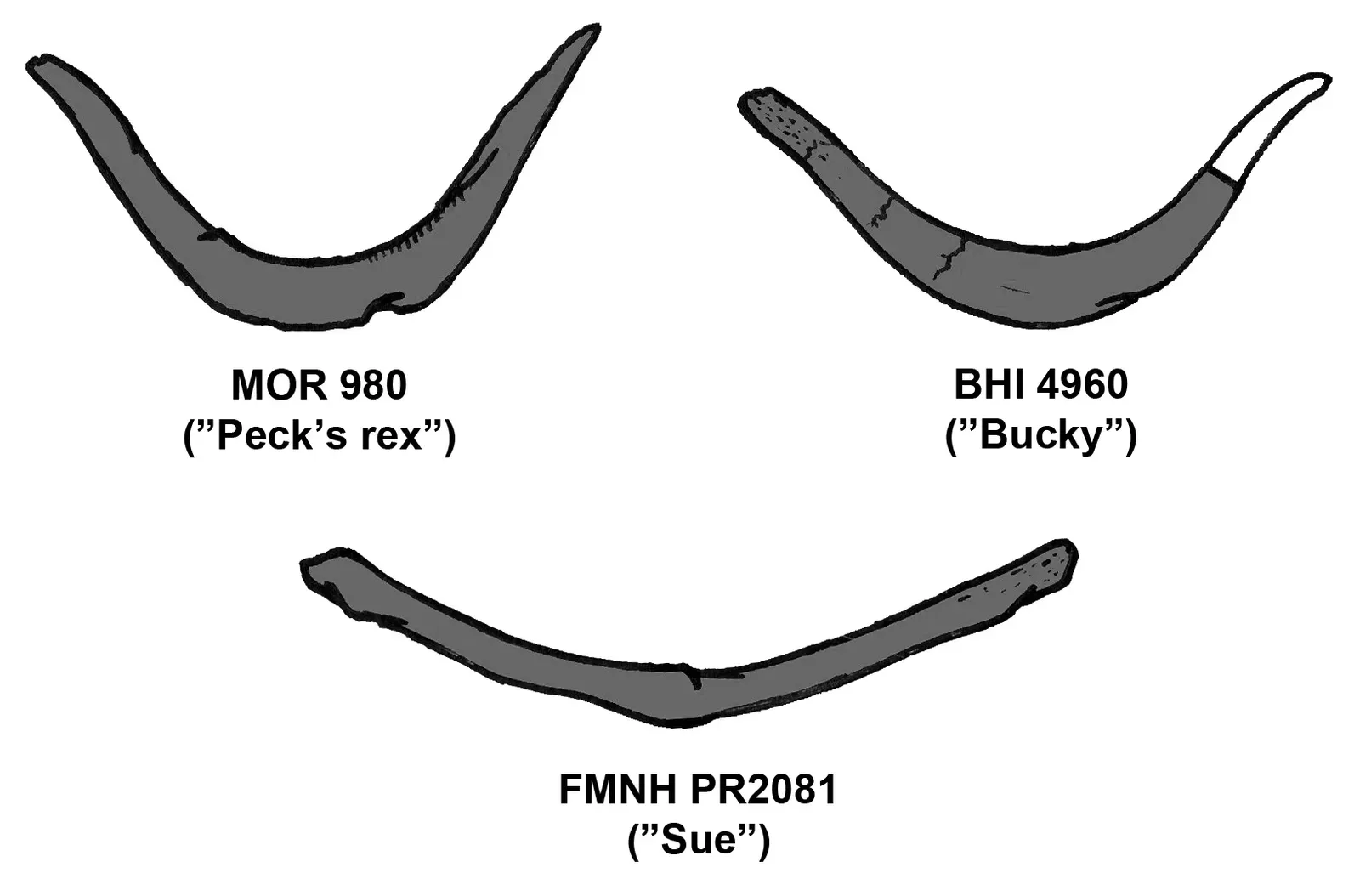
Honestly, this one still feels like science fiction, even years after the initial discovery. The idea that soft, flexible tissue could survive inside a dinosaur bone for tens of millions of years contradicts almost everything textbooks teach about fossilization. Back in 2005, Mary Schweitzer, then a brand-new professor at NC State University, became the first person to find still-soft and flexible tissues in a dinosaur bone – the 68-million-year-old leg of a Tyrannosaurus rex – and recent findings published by Schweitzer and other NC State researchers provide further evidence for the preservation of soft tissues and structures through deep time.
Interestingly, researchers also found that soft tissue preservation does not seem to depend upon the species, age, or burial environment of the fossils in question – and, as Schweitzer noted, it seems as though the preservation of vessels through deep time may not be that uncommon. More recently, scientists announced the discovery of damaged hemoglobin in the hollow, blood vessel-like structures of dinosaur fossils, using a novel technique they hope may put an enduring controversy to rest. The field of paleontology may never look at a dusty fossil the same way again.
4. Lokiceratops: Montana’s New Horned Monster With Blades Inspired by Norse Mythology
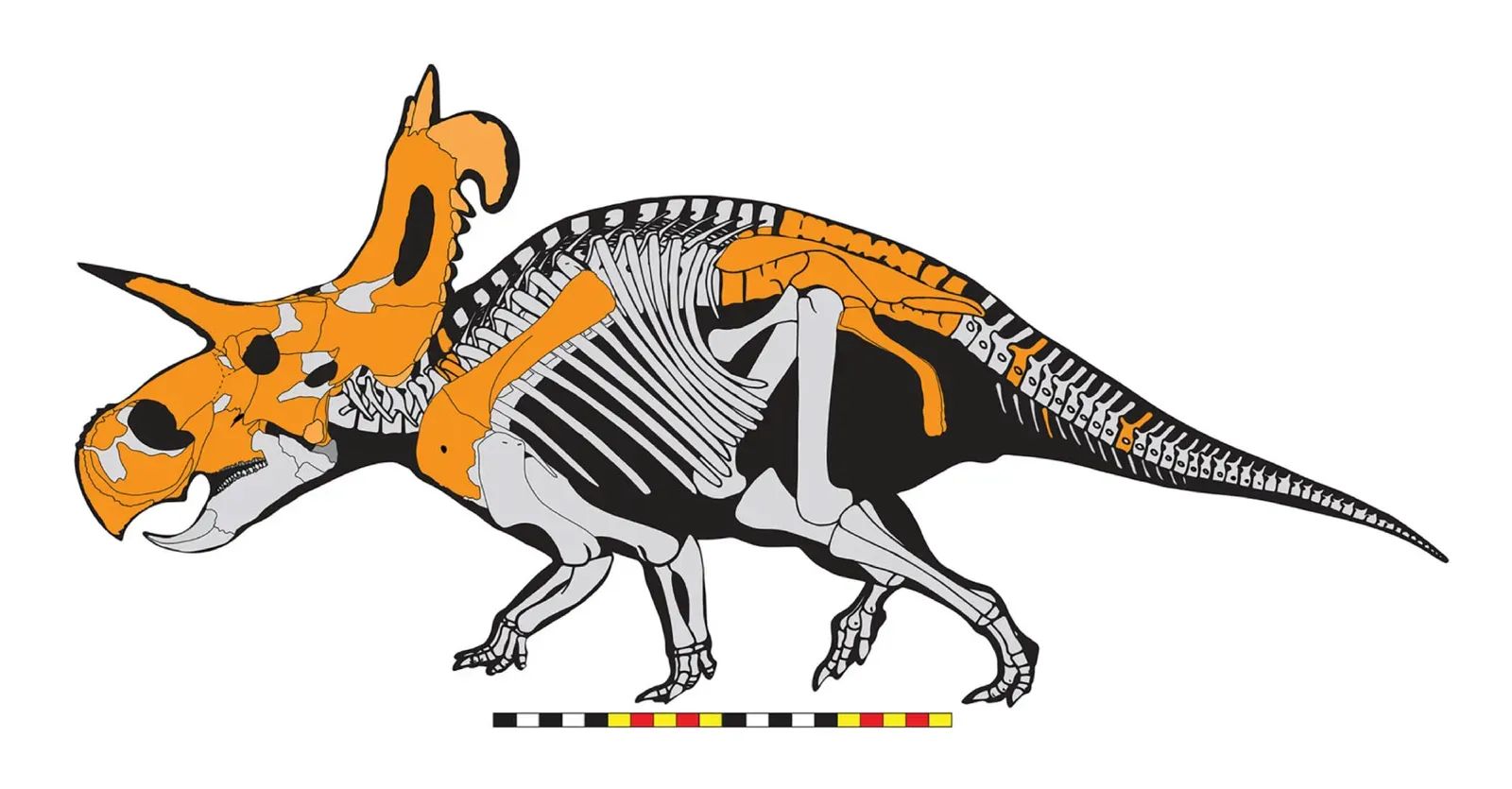
The badlands of northern Montana seem almost unfairly generous when it comes to dinosaurs. Case in point: Lokiceratops rangiformis, a freshly named horned dinosaur that reads more like something out of a fantasy novel than a scientific paper. A new, giant-horned species of dinosaur was discovered that researchers described as the “largest and most ornate” of its kind ever found – with fossils including a skull and a partial skeleton unearthed on private land in Kennedy Coulee, in the badlands of northern Montana near the U.S.-Canada border.
Estimated to be 22 feet long and weigh 11,000 pounds, Lokiceratops is the largest dinosaur from the group of horned dinosaurs called centrosaurines ever found in North America – and it has the largest frill horns ever seen on a horned dinosaur while lacking the nose horn that is characteristic among its kin. What is perhaps equally stunning is the diversity surrounding the find. Lokiceratops was excavated from the same rock layer as four other dinosaur species, indicating that five different dinosaurs lived side by side 78 million years ago in the swamps and coastal plains of North America – a level of diversity described as unheard of, similar to what you would see on the plains of East Africa today.
5. New Mexico Reveals Dinosaurs Were Thriving Right Before the Asteroid Hit
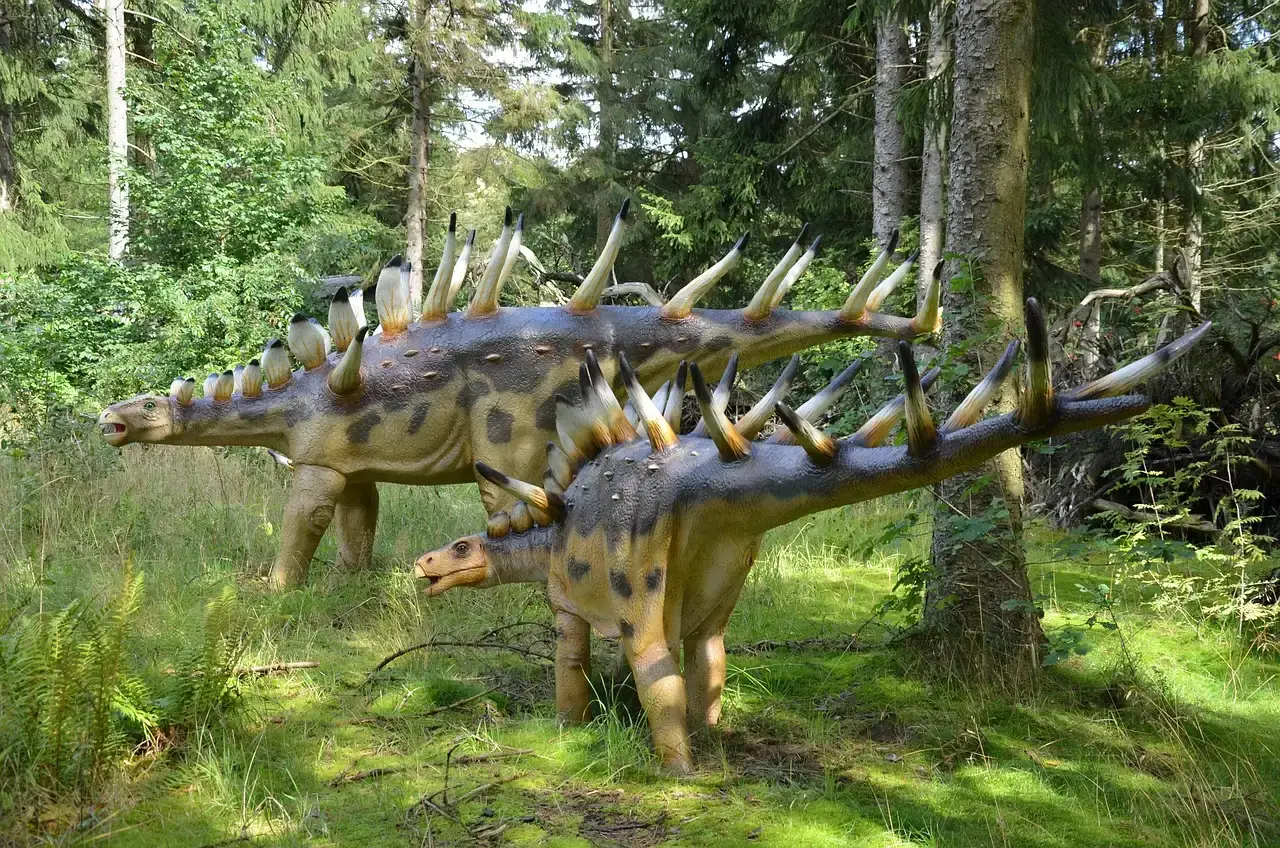
For years, many scientists accepted a rather gloomy narrative: that dinosaurs were already in slow decline well before the famous asteroid impact 66 million years ago. The American Southwest is now pushing back hard on that story. A growing body of research is demonstrating that the world was still in a roaring age of dinosaurs ahead of the sudden mass extinction – and a Science study reported in October 2025 found that an array of dinosaurs in New Mexico lived within 400,000 years of the impact and were not millions of years older, as previously reported.
There had been a long debate over whether dinosaurs were slowly going extinct prior to the asteroid, or if the impact singularly did them in – and new finds in New Mexico reveal a species-rich and diverse dinosaur ecosystem thriving literally just before the impact, with research across other North American sites suggesting the dinosaurs might have kept going if not for catastrophic intervention. It is a bit like learning that the party was still going strong right until the lights went out. The story of the dinosaur’s end was far more sudden than many researchers suspected.
6. Brontotholus Harmoni: Montana’s New “Thunder Dome” Dinosaur
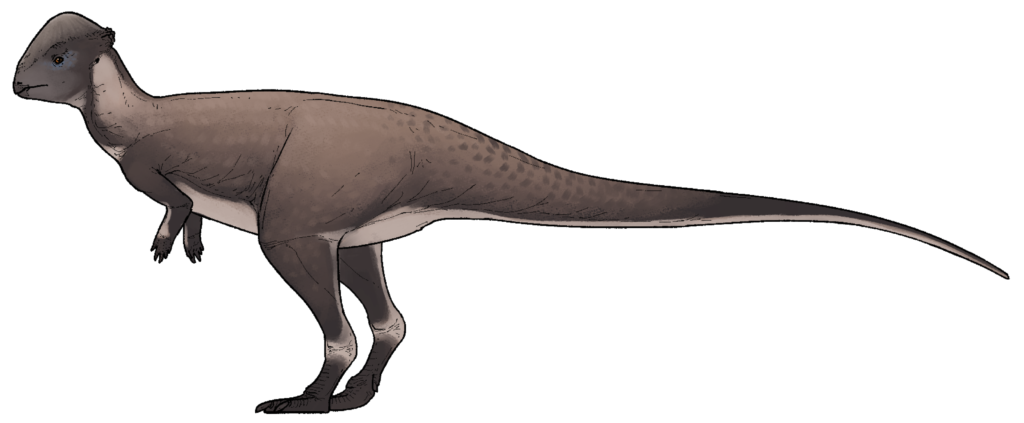
Montana keeps producing. In October 2025, paleontologists officially announced yet another brand-new species from one of the most storied fossil formations in the American West. Paleontologists described a new genus and species of pachycephalosaurid dinosaur from five fossil specimens found in the Late Cretaceous Two Medicine Formation of Montana – a new species that lived in North America during the Late Cretaceous about 75 million years ago, dubbed Brontotholus harmoni, which was approximately 10 feet long and belongs to a family of bipedal, dome-headed dinosaurs.
The Brontotholus harmoni discovery challenges previous assumptions about the evolutionary relationships among pachycephalosaurid species – many had believed that Stegoceras and Pachycephalosaurus were key ancestors in the development of later species, but phylogenetic analysis suggests otherwise, placing Brontotholus outside the traditional evolutionary chain and showing that larger dome-headed dinosaurs existed much earlier than previously understood. During the Late Cretaceous, the Western Interior Seaway covered much of the continent, and its shifting shoreline likely isolated dinosaur populations while reconnecting others when land bridges reappeared – creating repeated opportunities for species to evolve in place.
7. The Morrison Formation’s “Mysterious Runner”: Enigmacursor From the Western US
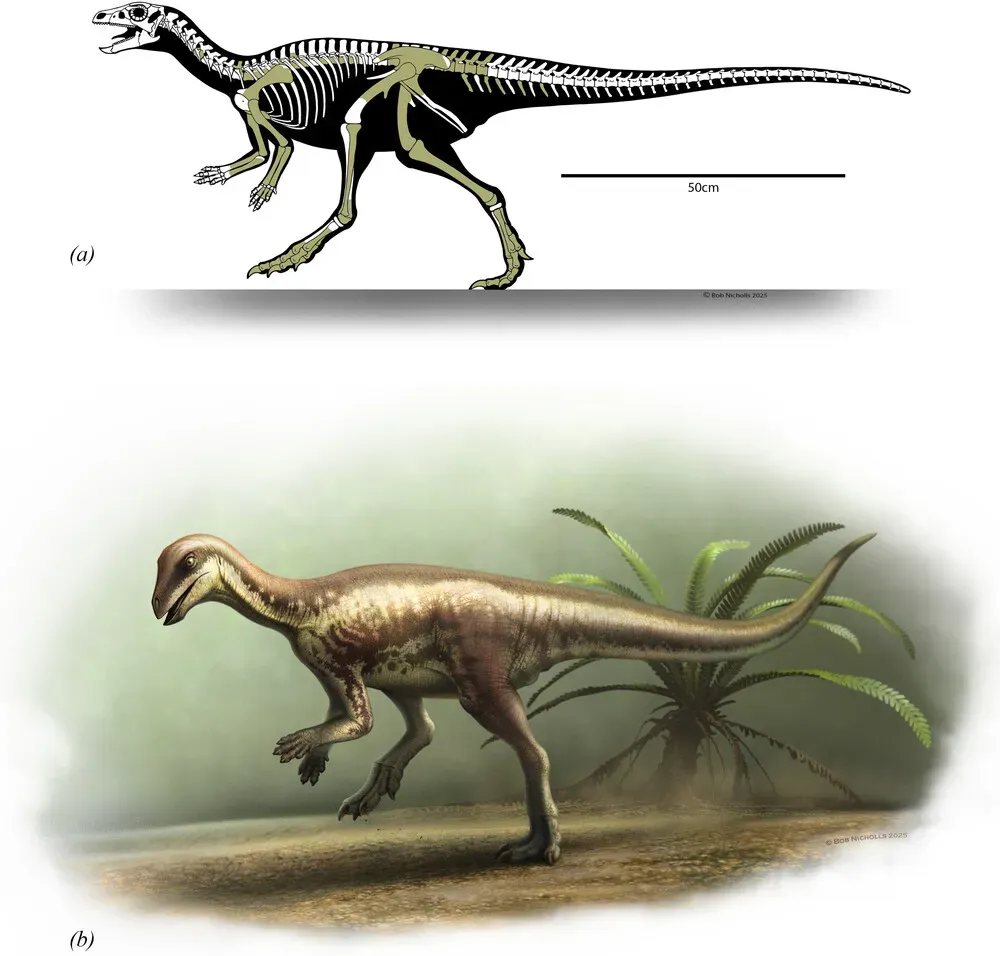
The Morrison Formation in the western United States is famous – it gave the world Allosaurus, Stegosaurus, and a whole gallery of Jurassic giants. Yet it turns out we were missing someone. A small, swift little dinosaur had been hiding in plain sight in that rock for over 150 million years. The Morrison Formation has produced some of the most famous dinosaurs in the world, but not all of its species are as well known, with many smaller herbivorous dinosaurs having been historically overlooked – and researchers have now named a new species of these little herbivores, calling it Enigmacursor mollyborthwickae.
The story of Enigmacursor begins during the closing years of the Late Jurassic between 152 and 145 million years ago, when the Morrison Formation was a vast network of rivers and floodplains across large parts of the western United States – with huge long-necked herbivores like Diplodocus roaming the landscape while carnivorous theropods like Ceratosaurus stalked the riverside, and Enigmacursor tried to keep out of their way. Its long legs would have allowed this small herbivore to dart away from danger, inspiring its name – Enigmacursor means “mysterious runner.” It is a reminder that even the most famous fossil sites in the world still have secrets buried inside them.
8. Dinosaur Eggs as Geological Clocks: A Dating Revolution Born in the US
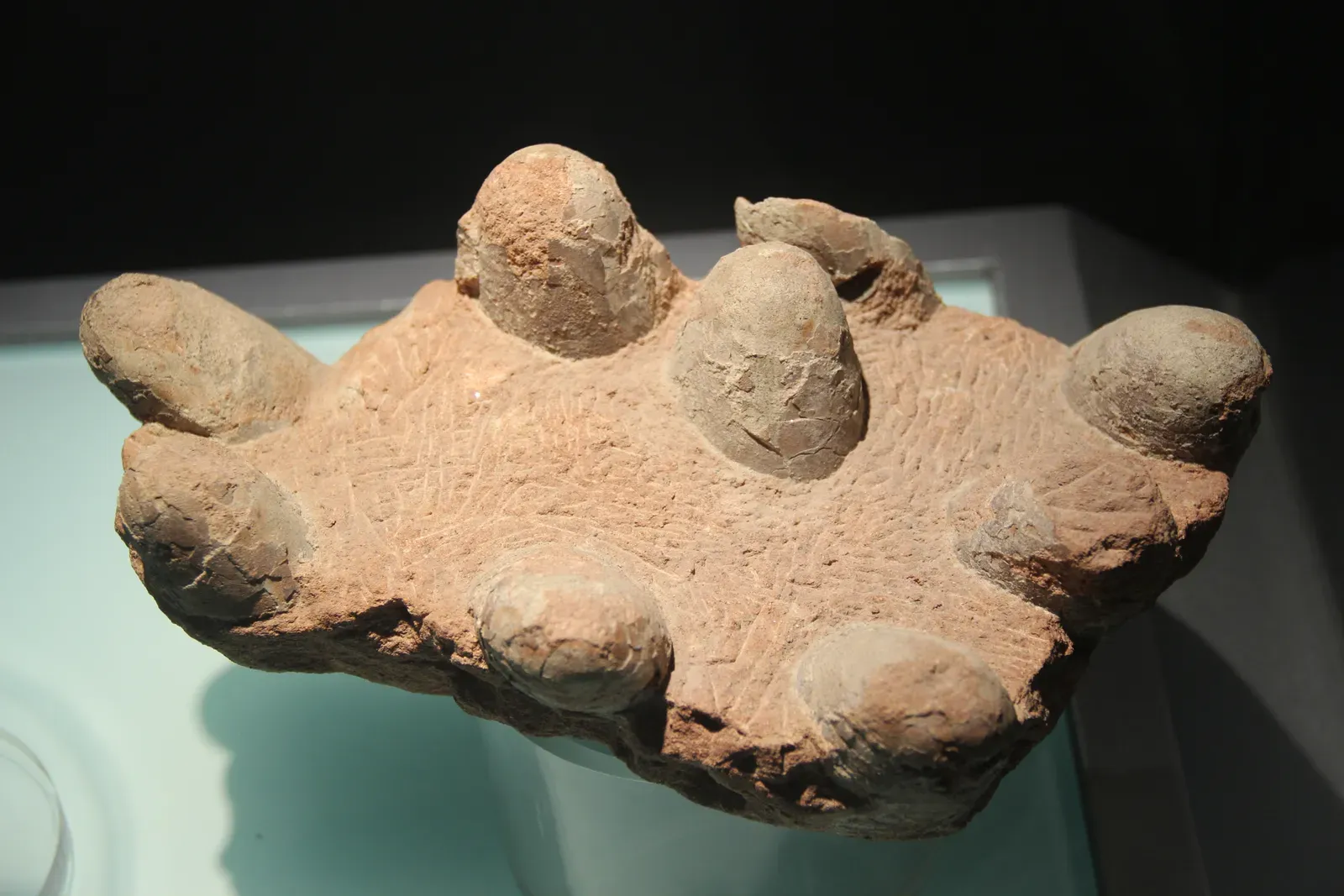
Dating dinosaur fossils has always been tricky business, particularly in rock layers that lack volcanic ash, which scientists typically use as a kind of prehistoric timestamp. A new technique developed and explored by American researchers is now changing that reality in a big way. Paleontologists now hypothesize that dinosaur eggs can be used as dating tools, since other radioactive isotopes in the eggshell itself seem to be datable in the same way as volcanic ash – meaning even a tiny, broken fragment of fossil eggshell could allow researchers to calculate the age of deposits where ash is absent.
One team dated minerals preserved within the space inside a fossil dinosaur eggshell to get a direct age, while another analyzed radioactive isotopes preserved within the eggshell itself – and such techniques will allow paleontologists to determine more accurate dates for fossil sites with preserved eggshell, which is essential to working out which dinosaur species lived together and how dinosaurs evolved over time. Think of it like suddenly being handed a calendar for a world that never left written records. The practical applications across US fossil sites alone could be transformative.
9. T. Rex Giants Still Waiting to Be Found: Models Suggest Even Bigger Individuals Exist
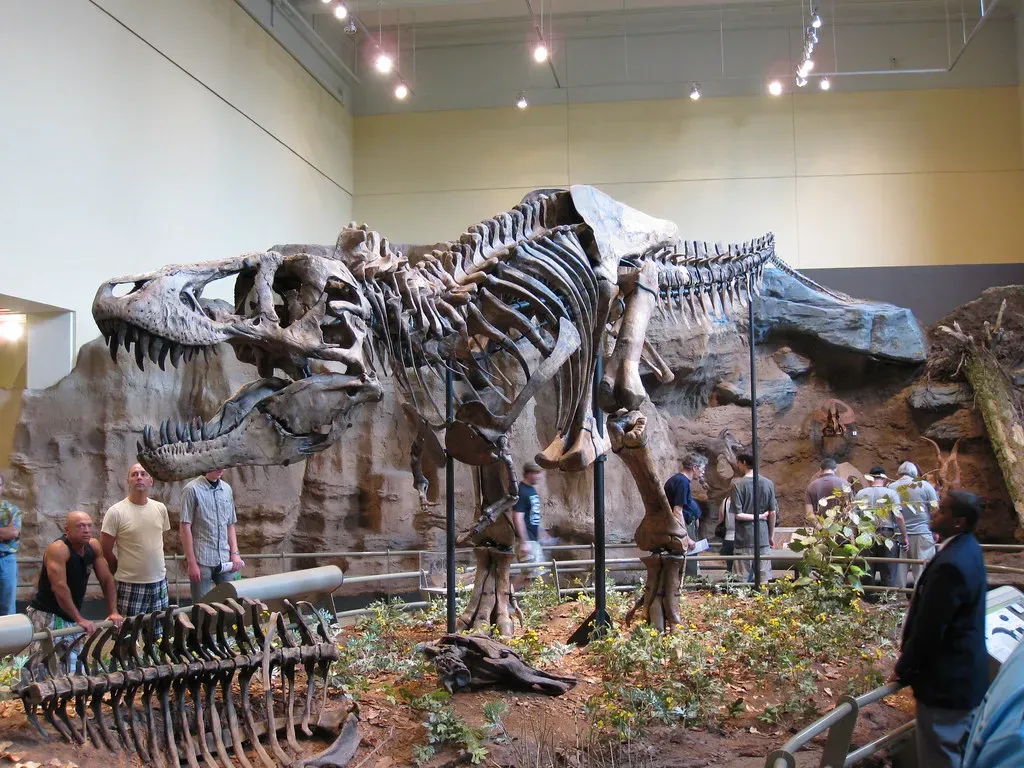
You might think that after more than a century of hunting, paleontologists would have found the biggest T. rex by now. It turns out, probably not even close. A fascinating modeling study used the biology of modern animals to show us just how much we may still be missing. Paleontologists have found some big T. rex specimens about 40 feet long and estimated at about nine tons – but by modeling a virtual T. rex population using data from modern alligators, a new study anticipates that some T. rex were likely up to 70 percent more massive than any found so far, though these giants were very rare and may take hundreds if not thousands of years to uncover at the current rate of fossil searches.
I think this is one of the most quietly astonishing findings in recent paleontology. The largest thing we have ever found might not even be close to the real maximum. While the study focused primarily on T. rex, the same principles hold for dinosaurs in general – experts have certainly found some big dinosaurs, but the most exceptional giants have not yet been found. Somewhere out in the badlands of Montana or South Dakota, there may be a T. rex skeleton that would make even “Sue” at Chicago’s Field Museum look modest. That is both thrilling and genuinely humbling.
10. UT Austin Researchers Help Crack Open New Lineage Connections Between North America and Asia
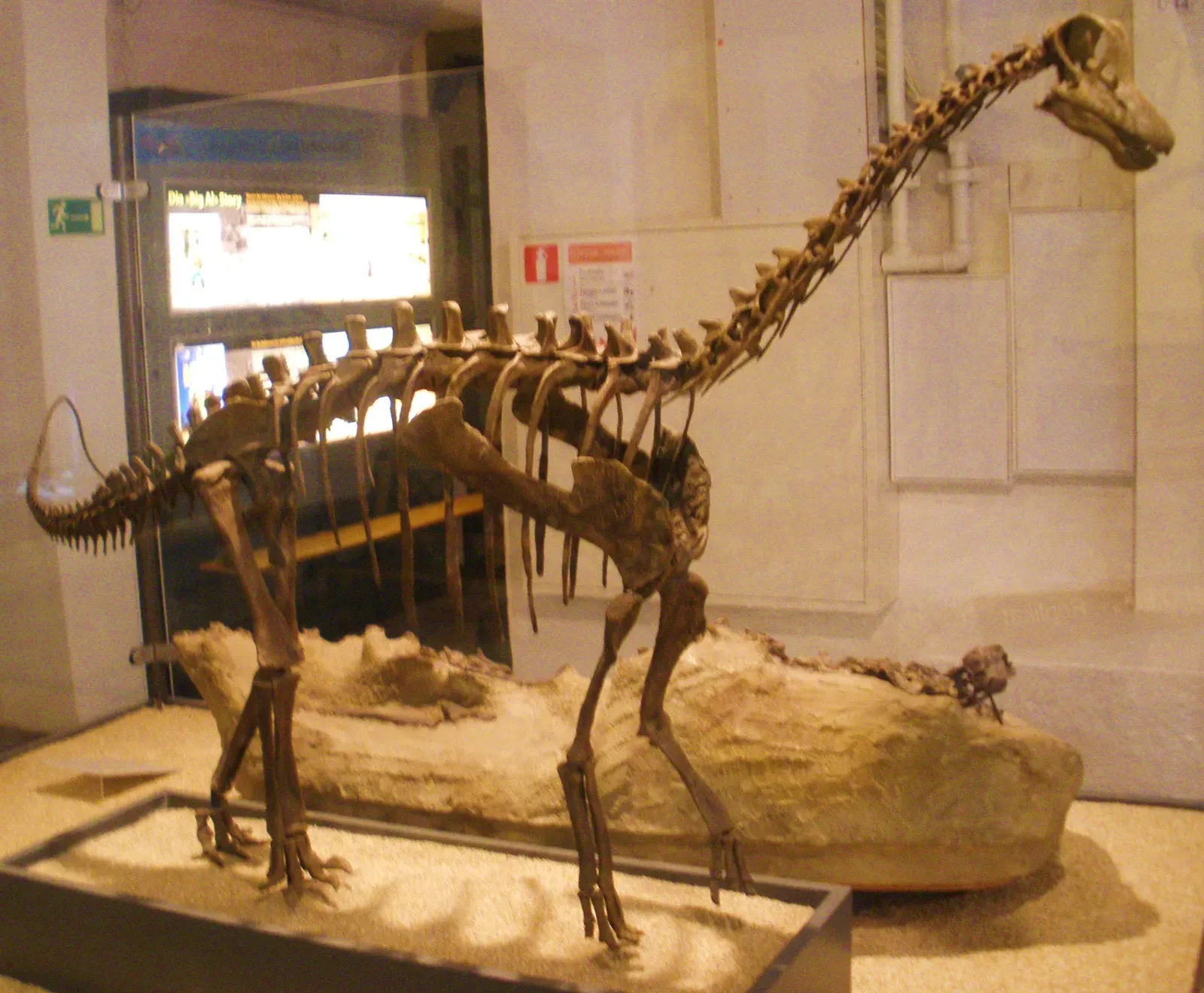
You might not immediately think of Texas as a hotbed of paleontological breakthroughs, but researchers at the University of Texas at Austin have been quietly doing some of the most exciting connective work in the field. The discovery of Doolysaurus, a tiny, possibly fuzzy baby dinosaur found in South Korea with deep ties to North America, was largely pieced together with the help of UT Austin’s Jackson School of Geosciences. Around a hundred million years ago, a small, possibly fuzzy baby dinosaur about two years old died amid the harsh Cretaceous landscape – and that little dinosaur is now the center of an exciting new discovery involving researchers from the University of Texas at Austin, being hailed as a new species called Doolysaurus.
In the Korean Peninsula, researchers have a chance to sample Far East Asian dinosaurs from a key mid-Cretaceous time interval – a time period of great exchange between what is now Eurasia and North America – and what is remarkable about the new species is that it samples part of a lineage with representatives both in North America and Asia, filling in another piece of that story. It is a perfect example of how a discovery made on the other side of the world can anchor itself directly to American science and reshape our understanding of prehistoric migration routes that once linked continents we now think of as entirely separate worlds.
Conclusion: The Ground Beneath Our Feet Is Still Telling Its Story
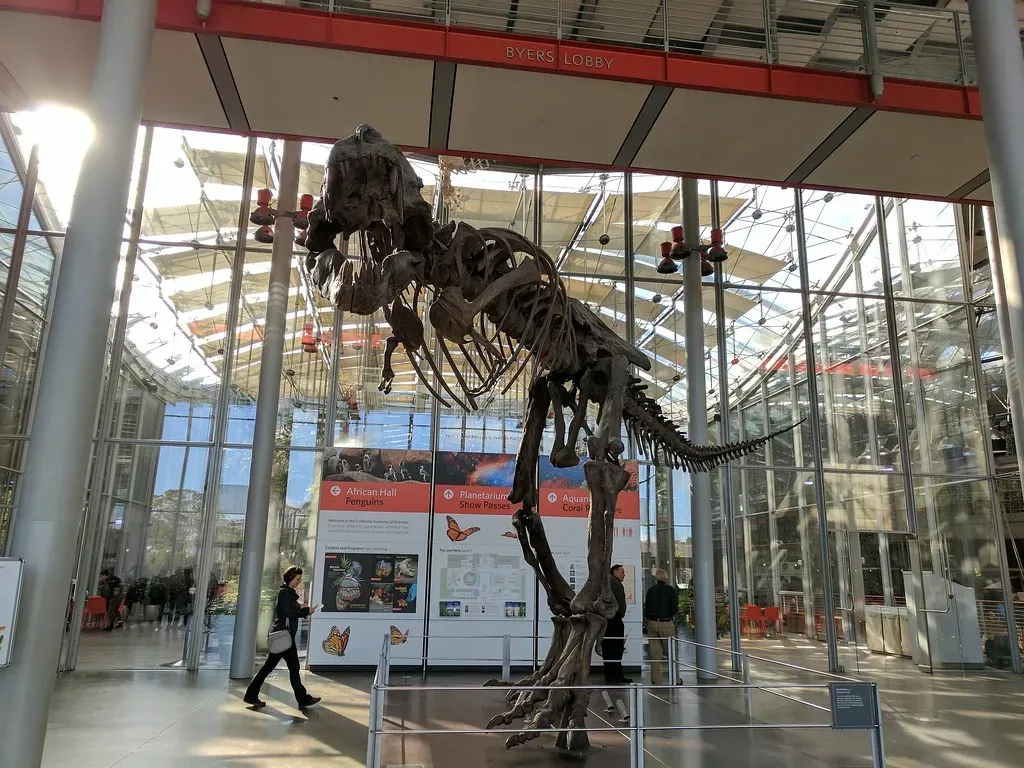
What stands out across all of these discoveries is a single, persistent truth: the fossil record is nowhere near finished. Every time paleontologists think they have a solid framework for understanding how dinosaurs lived, competed, evolved, and died, the earth produces something that forces a rethink. The United States, from its vast Montana badlands to the sun-baked plains of New Mexico, remains one of the most productive and revelatory fossil grounds anywhere on the planet.
The coming years are almost certain to bring more surprises. New dating techniques, molecular analysis of preserved tissues, and increasingly sophisticated imaging tools mean that even fossils sitting in museum drawers for decades may yet have secrets left to tell. The age of discovery in paleontology is not ending – if anything, it is accelerating. The next mind-blowing find could be sitting just beneath the surface, waiting for the right person, the right question, and the right moment to emerge.
What discovery surprised you most? Drop your thoughts in the comments – the debate among dinosaur fans is often just as lively as anything happening in the field.