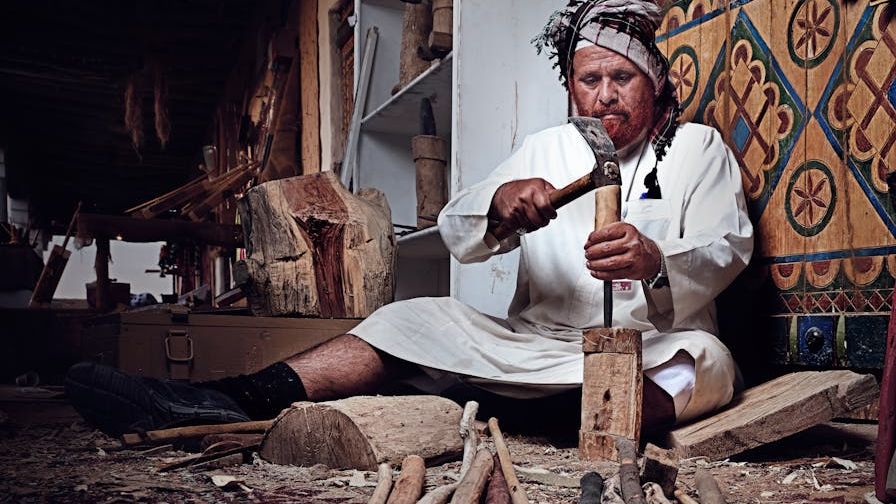
You probably think of your skills as something you built through practice, school, or work. But if you zoom out far enough, the story of skill is as epic as any myth: it stretches from stone tools and campfire lessons all the way to your fingers scrolling this article. When you look at it this way, every talent you have sits on top of thousands of years of human trial and error, brilliant ideas, and painful mistakes.
In ancient societies, skills were not just “things people could do.” They were survival codes, status symbols, and sometimes even sacred duties. The theories below do not try to romanticize the past, but they do help you see how abilities evolved from simple survival tricks into complex crafts, arts, and professions. As you read, you might recognize echoes of your own learning journey hiding in the lives of people who lived thousands of years ago.
1. The Survival Pressure Theory: Skill as a Response to Harsh Environments
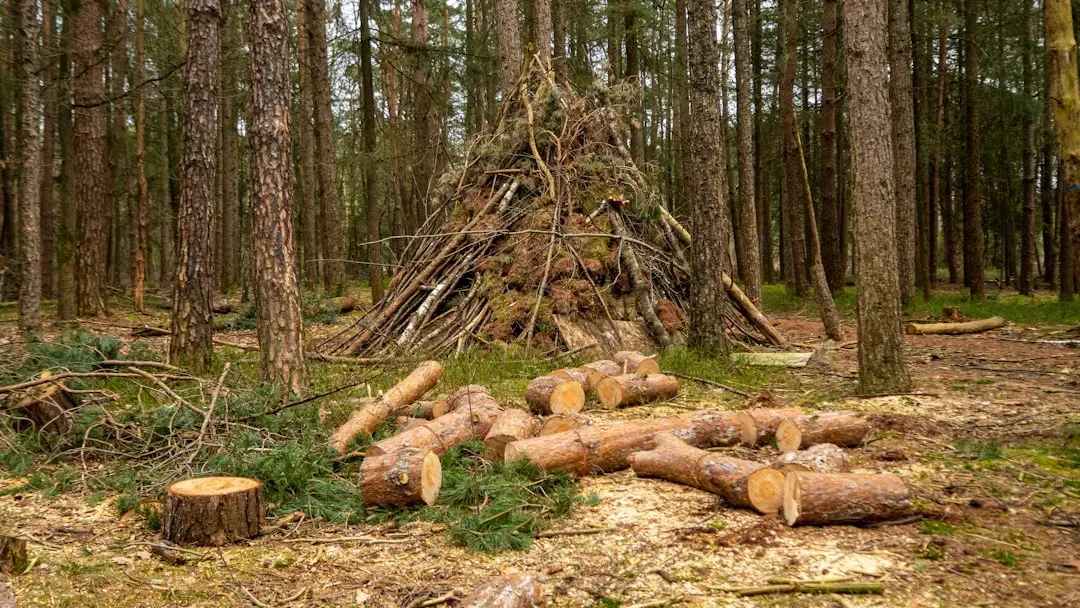
If you imagine yourself in a world without supermarkets, electricity, or even stable shelter, your idea of “useful skills” changes instantly. In many ancient environments, you either learned to adapt quickly or you did not survive long enough to pass on your genes or your knowledge. This theory argues that intense environmental pressures, like extreme cold, dangerous animals, and scarce food, forced early humans to rapidly improve crucial abilities such as hunting, toolmaking, shelter-building, and fire management.
You can see evidence of this when you compare different regions: in colder climates, you find highly developed clothing and shelter techniques very early on, while in river valleys you see rapid advances in irrigation and farming. In your own life, you experience a soft version of this: when circumstances get tough, you often learn faster, focus harder, and innovate more creatively. Ancient people lived inside that pressure almost constantly, and it likely accelerated the evolution of practical skill far more than comfort ever could.
2. The Apprenticeship Lineage Theory: Skill as an Inherited Craft
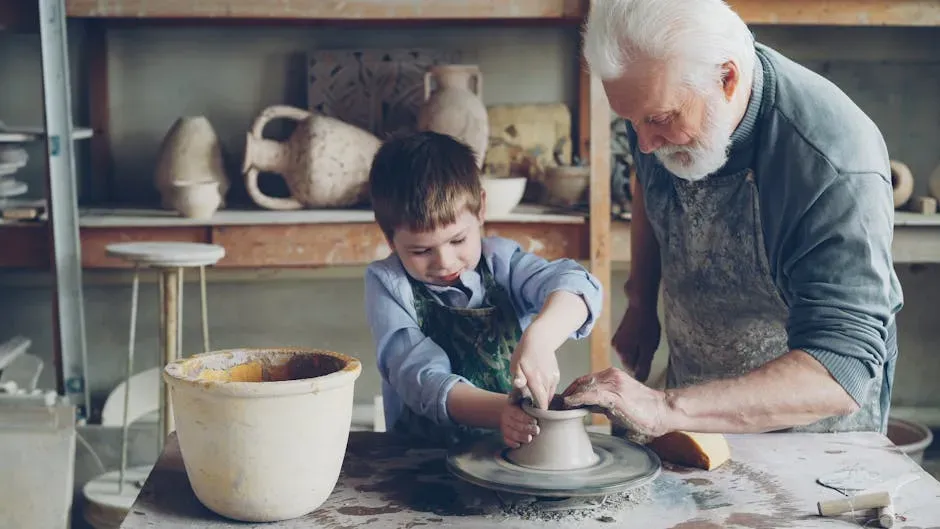
Picture yourself growing up in a small village where everyone already expects who you’ll become: if your parents are potters, you learn clay; if they are metalworkers, you learn fire and ore. In many ancient societies, this is exactly how it worked. Skills were passed down like heirlooms, not just through formal “training,” but through living side by side, day after day, watching, imitating, and eventually mastering. This theory suggests that organized lineages of artisans, healers, and builders were powerful engines for skill evolution.
You can see traces of this in historical records of guilds, family workshops, and named craft traditions that stayed in the same clan for generations. The magic here is repetition with refinement: each generation did not just copy; they adapted, tweaked, and improved. When you learn from a mentor or experienced colleague today, you are stepping into that same ancient pattern – you inherit not only their knowledge, but also the invisible layer of refinements made by countless people before them.
3. The Ritual and Religion Theory: Sacred Duties as Skill Accelerators
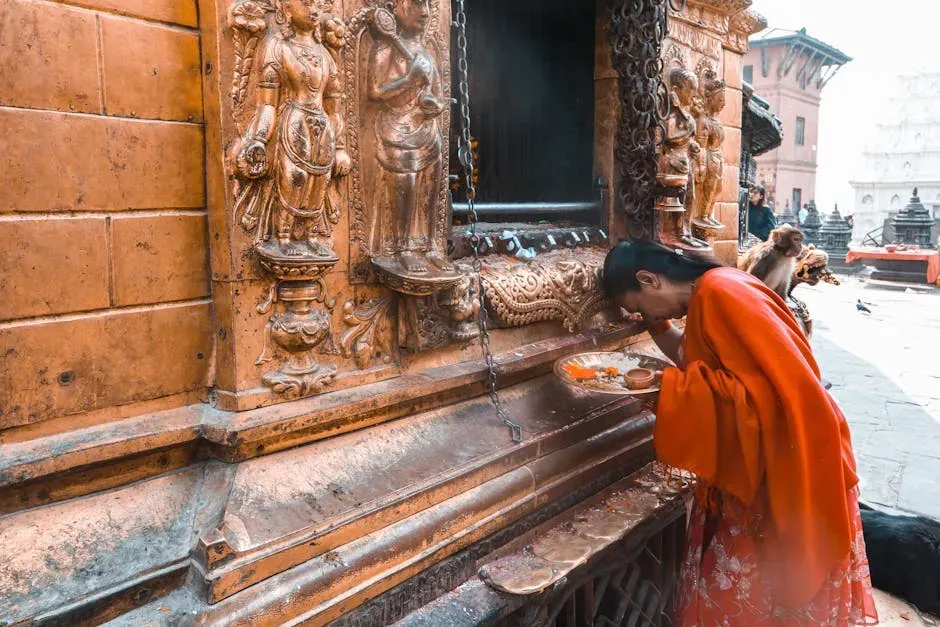
You might not normally connect religion with technical skill, but in many ancient societies the two were completely intertwined. Priests, shamans, temple builders, and ceremonial performers needed precise knowledge of architecture, astronomy, music, and even early forms of chemistry to do their work. This theory proposes that because rituals were considered sacred and non-negotiable, they created a strong incentive to perfect certain skills and keep them consistent over generations.
Think about how building a massive temple or aligning a monument with the solstice sunrise required careful observation, geometric thinking, and coordinated labor. When you make something “for the gods,” failure becomes unthinkable, and that pushes you to higher standards. In your world, you see a lighter version of this whenever something is tied to deep meaning: a wedding ceremony, a national holiday, a memorial. People rehearse more, prepare more, and care more – just as ancient specialists did when sacred duty demanded mastery.
4. The Trade Network Theory: Skills Evolving Alongside Long-Distance Exchange
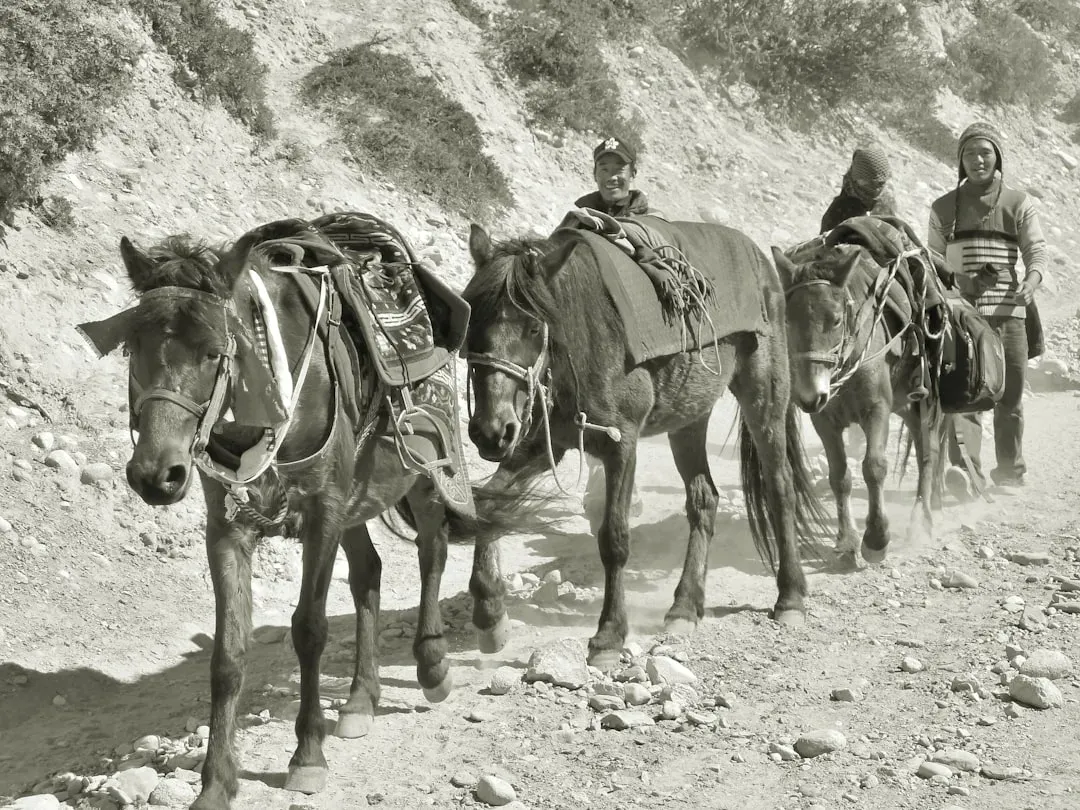
Imagine you master a local craft, like weaving or metalworking, and then traders from far away arrive with strange materials and unfamiliar designs. Suddenly, your skill is not just about serving your village; it is about matching or exceeding what comes from distant lands. This theory argues that as trade routes expanded, skills evolved rapidly because artisans, farmers, and builders were exposed to new tools, techniques, and ideas carried across mountains, deserts, and seas.
You can think of ancient trade routes as the original internet for skills: instead of videos and tutorials, there were travelers, merchants, and migrating specialists. When a potter in one region saw a stronger or more beautiful ceramic from another, it created both curiosity and competition. The same thing happens to you today when you see someone online doing your craft at a higher level – you feel the urge to experiment, to upgrade, and eventually to raise your own standards.
5. The War and Conflict Theory: Battle as an Uncomfortable Catalyst for Skill
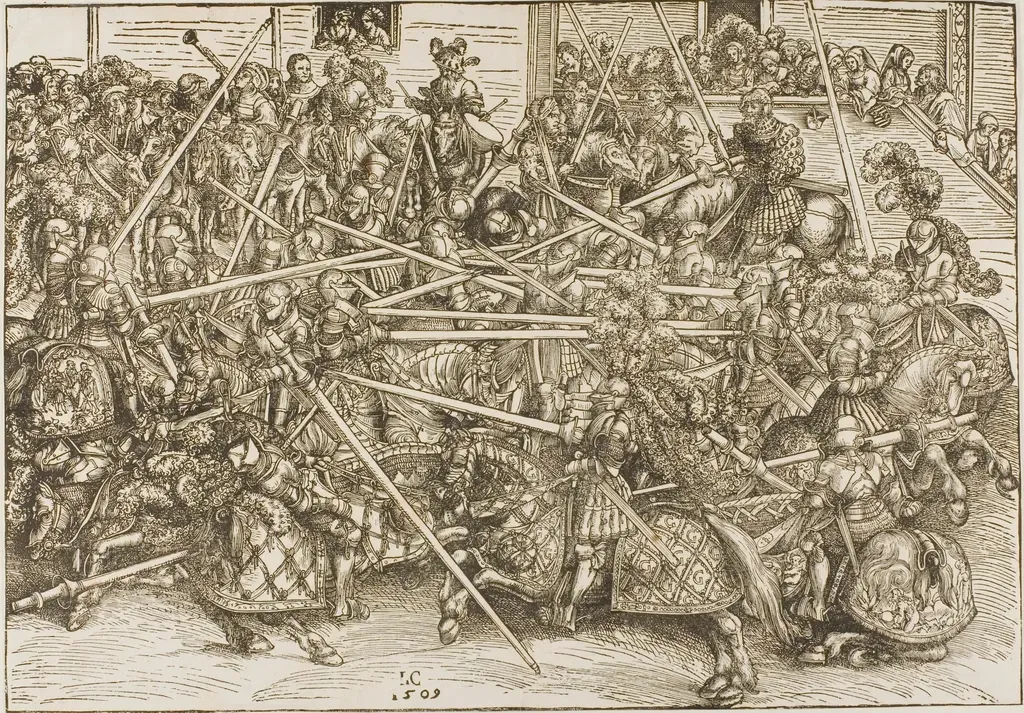
You might wish it were not true, but conflict has often pushed humans to develop skills faster than peace alone. In ancient times, defending your territory or seeking new land forced people to innovate in weaponry, fortifications, logistics, and even medicine. This theory suggests that the constant risk of invasion, raids, or internal strife turned entire regions into high-pressure laboratories where new techniques in metalworking, strategy, and coordination evolved quickly.
When you look at early swords, armor, fortified walls, and organized formations, you are seeing more than violence; you are seeing concentrated problem-solving. Every defeat taught painful lessons that survivors tried not to repeat. You experience a small-scale version whenever competition in your field tightens – a rival company, a tough market, or new technology. You push yourself harder, learn faster, and adapt more aggressively, much like ancient societies did when survival depended on outperforming their enemies.
6. The Agricultural Revolution Theory: How Farming Transformed Human Skill
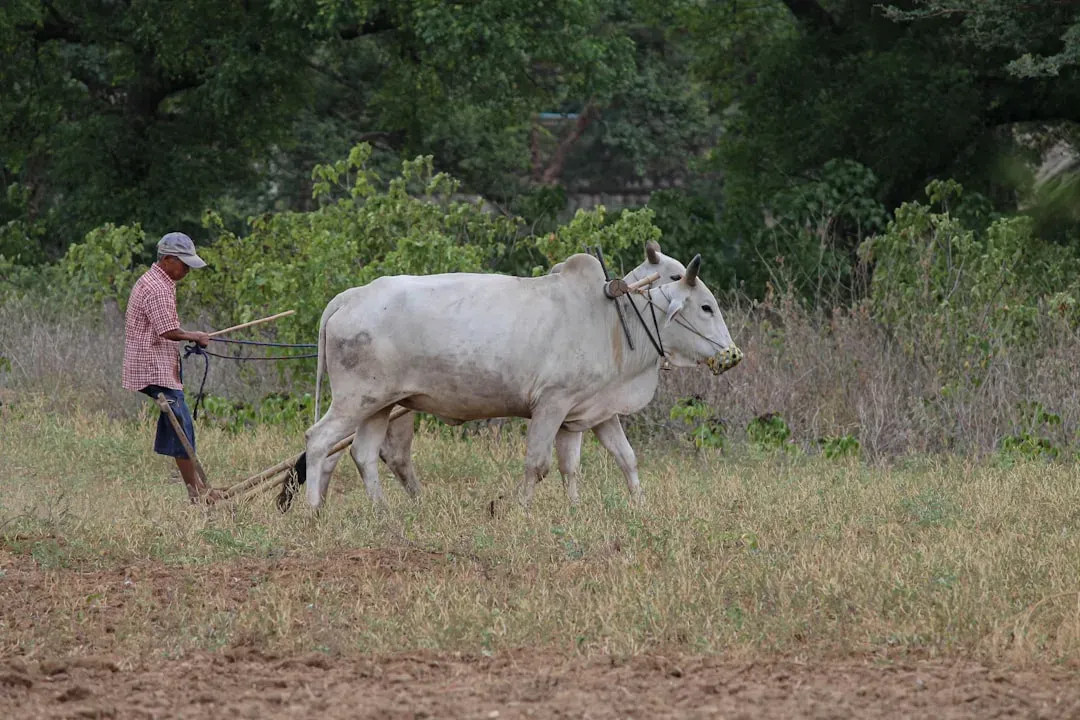
Picture yourself in a world before farming, where your main skills include tracking animals, knowing edible plants, and moving with the seasons. Then imagine the massive shift when people begin to settle, plant crops, and domesticate animals. This theory highlights how agriculture fundamentally reshaped human abilities: you suddenly needed to master planting cycles, soil management, storage, building permanent homes, and organizing large groups around shared land.
Farming also created surplus food, and that surplus changed everything for skill development. When not everyone had to hunt or gather every day, some people could specialize as builders, potters, healers, metalworkers, or scribes. In your life, you see something similar in stable economies that allow people to become designers, engineers, artists, or researchers instead of everyone doing pure survival work. Agriculture did that on a grand scale in the ancient world, turning scattered survival skills into layered, specialized crafts.
7. The Social Status Theory: Skill as a Path to Power and Prestige
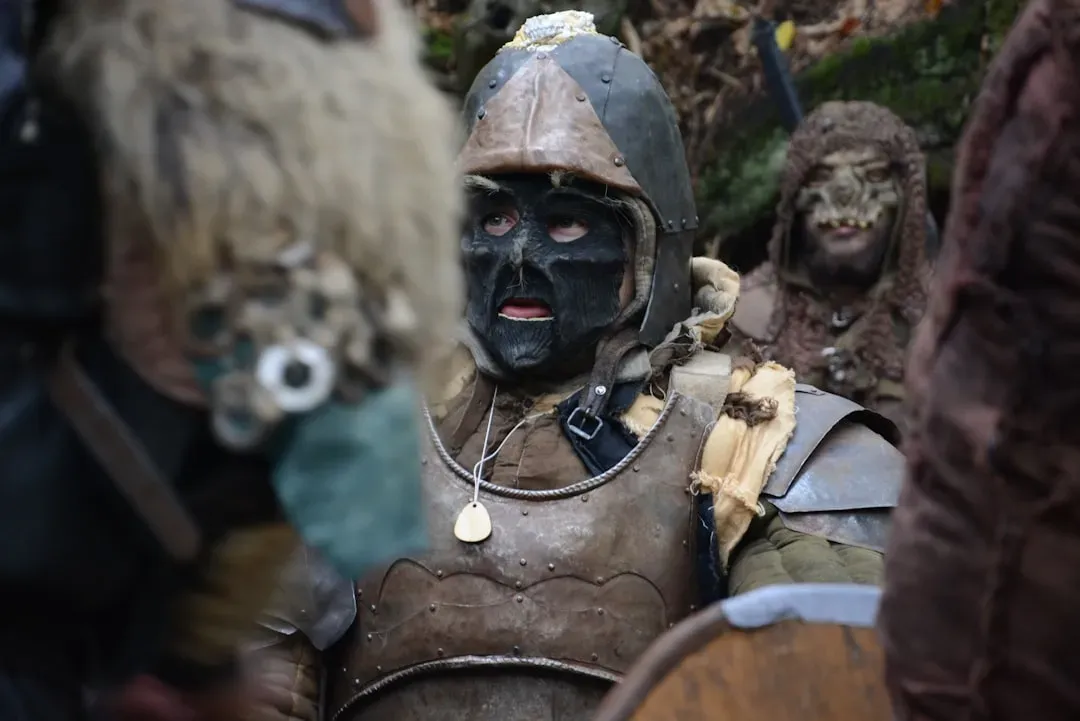
Ask yourself which skills today get the most respect and reward, and you will instantly feel how social status shapes learning. In ancient societies, the same thing happened: some skills were linked with honor, wealth, or influence, and people chased those roles fiercely. This theory says that when a skill became tied to high status – like being a scribe, a healer, a master builder, or a renowned warrior – it attracted more dedication, competition, and refinement.
You can picture ambitious young people in a city of the past doing whatever it took to join an elite craft school, temple staff, or warrior group. Those positions often meant better food, safety, and marriage prospects, so the motivation was intense. You feel a version of this anytime you pick a career based on pay, prestige, or social admiration. The skills that ancient societies most admired tended to evolve the fastest, simply because more people invested their time and effort into perfecting them.
8. The Tool Feedback Loop Theory: How Better Tools Created Better Skills
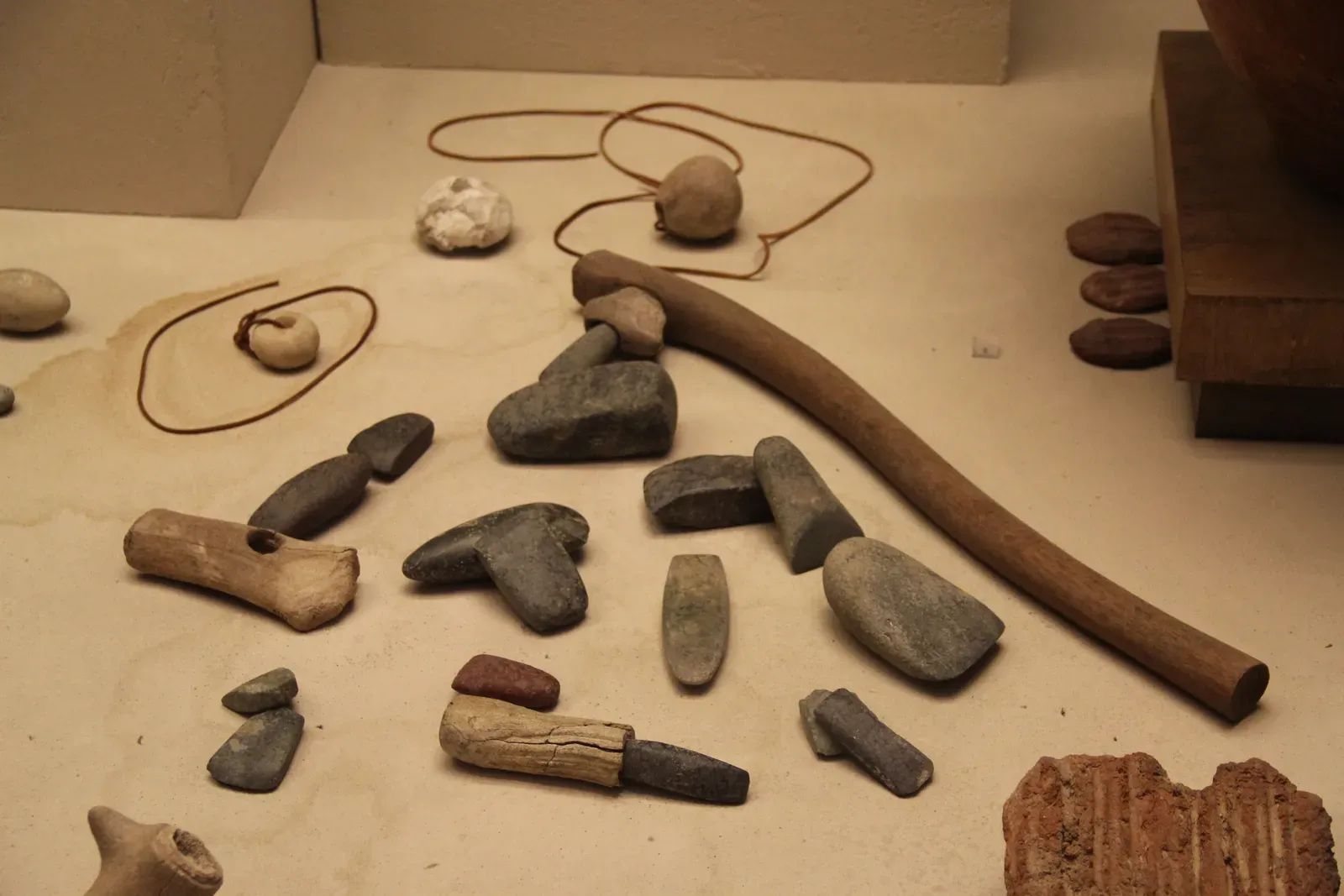
Think about learning to draw only with a stick in the sand versus having fine brushes, ink, and paper. Your potential changes dramatically once your tools improve. This theory focuses on the feedback loop between tools and skills: as ancient people created sharper blades, better plows, sturdier boats, and more precise instruments, those tools unlocked new techniques and forced users to develop more advanced abilities to handle them well.
Once you have a bow that can shoot farther, you need better aim and new hunting strategies. Once you have a boat that can handle deeper waters, you need navigation skills and weather sense. You experience this today whenever software, machines, or devices upgrade what is possible in your job or hobby. Better tools rarely just make things easier; they also raise expectations, expand the range of what you can do, and quietly demand a higher level of skill from you.
9. The Knowledge Storage Theory: Writing and Memory as Skill Multipliers
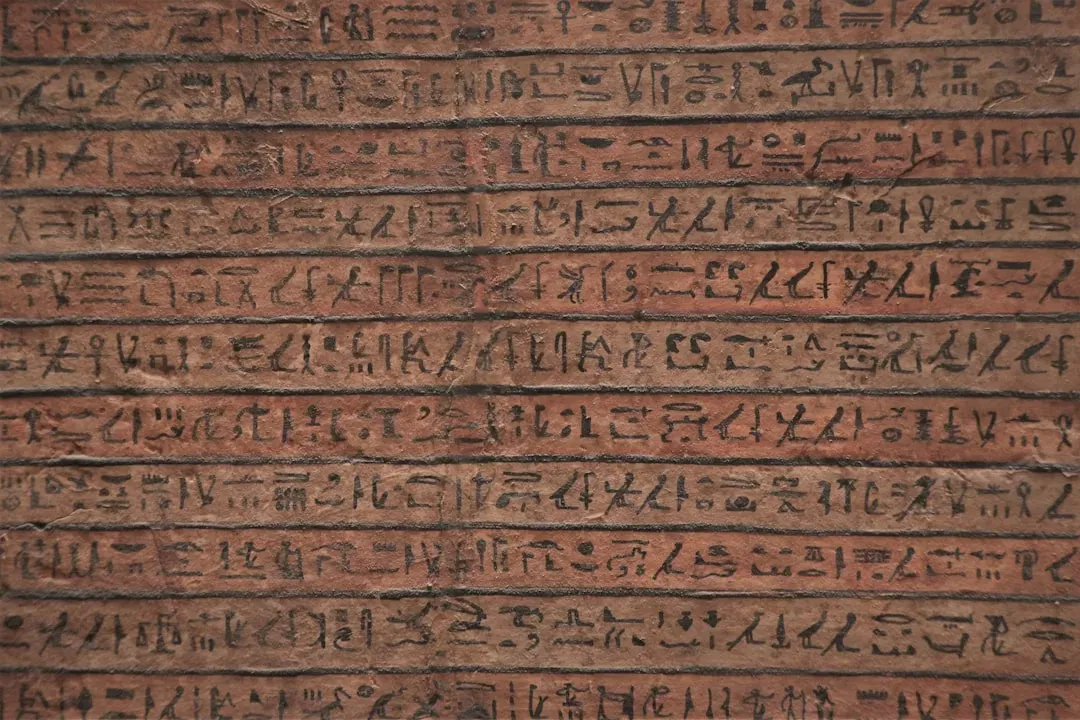
Imagine trying to run a complex project today with no notes, no spreadsheets, no documents – only what people remember. In the earliest societies, that was normal: everything lived in human memory and oral tradition. This theory emphasizes how game-changing it was when people developed reliable ways to store knowledge externally, like early writing systems, tally marks, and symbolic records. Once information could be recorded, skills did not have to restart from scratch with each generation.
You benefit from this every time you search for instructions, read a manual, or follow a recipe. Ancient scribes and record keepers did something similar for their worlds, capturing techniques for farming, construction, trade, and law. That storage meant people could build on what came before rather than constantly reinventing the wheel. It is like stacking bricks instead of laying the same stone over and over; your own learning today stands on the same principle of cumulative, recorded knowledge.
10. The Play and Curiosity Theory: Skill Growing from Experiment and Wonder
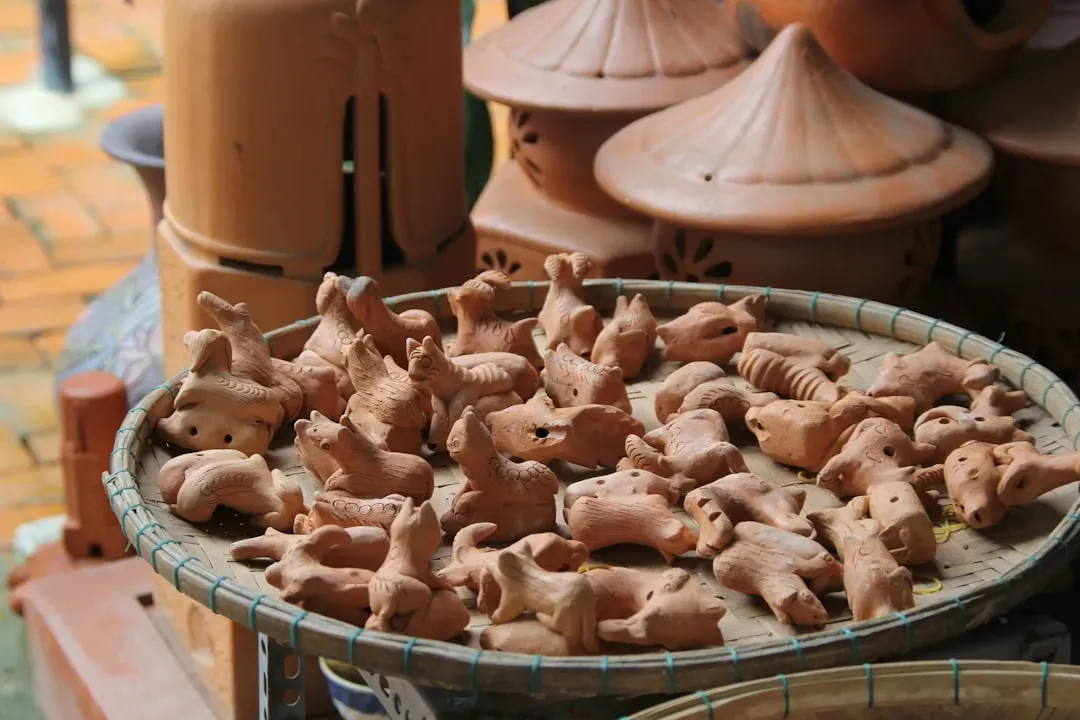
You might assume all ancient skills came from dire necessity, but there is another side to the story: curiosity and play. This theory suggests that humans have always experimented just for the sake of it – trying new ways to shape clay, mix pigments, carve patterns, or play with sound. Over time, those playful explorations turned into real techniques in art, music, design, and even early science. You can imagine someone long ago discovering a new glaze color or musical pattern simply by messing around.
In your own life, some of your most valuable skills probably began as hobbies, side projects, or idle experiments that nobody forced you to do. Ancient people were not that different. When survival pressure eased even slightly, curiosity had room to breathe, and new crafts and arts blossomed out of that space. This playful edge of human nature helped diversify skills beyond what was strictly necessary, shaping cultures rich with style, symbolism, and self-expression.
Conclusion: What Ancient Skills Reveal About Your Own Potential
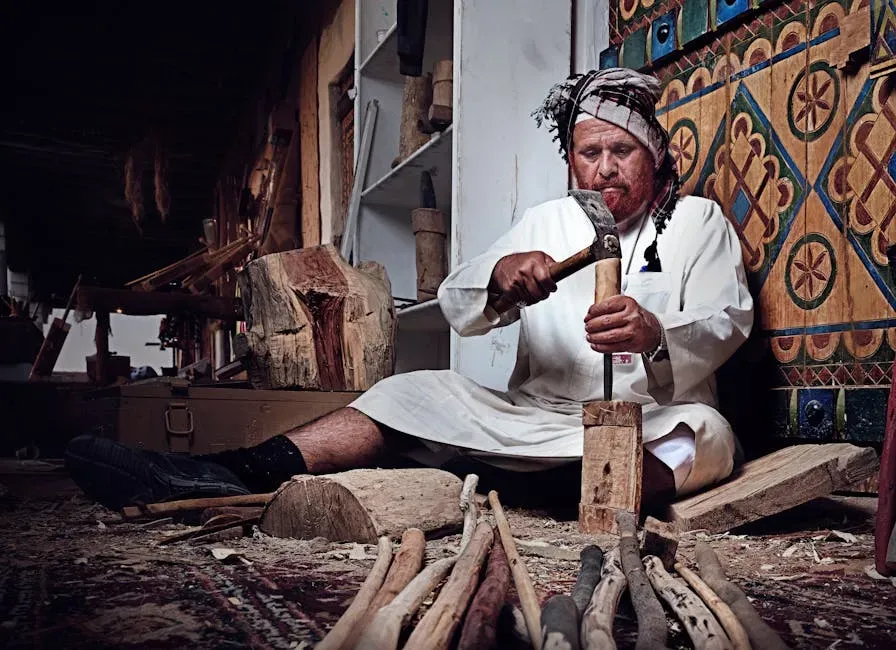
When you look across these theories, you start to see a pattern: skill evolution in ancient societies was never driven by just one force. Survival, status, trade, conflict, tools, farming, religion, memory, and curiosity all pulled together, sometimes in harmony, sometimes in tension. The result was a slow but powerful rise from basic survival tricks to elaborate systems of craft, art, and knowledge – systems that you still benefit from every day, often without realizing it.
If there is a personal takeaway here, it is this: you are shaped by the same forces, just in modern form. Pressure, opportunity, meaning, competition, tools, and curiosity still sculpt your abilities. When you understand how ancient people turned their harsh realities into refined skills, you can see your own challenges differently – as raw material for mastery rather than obstacles to it. Which of these forces is pushing on your skills right now, and how might you use it more deliberately instead of just enduring it?