
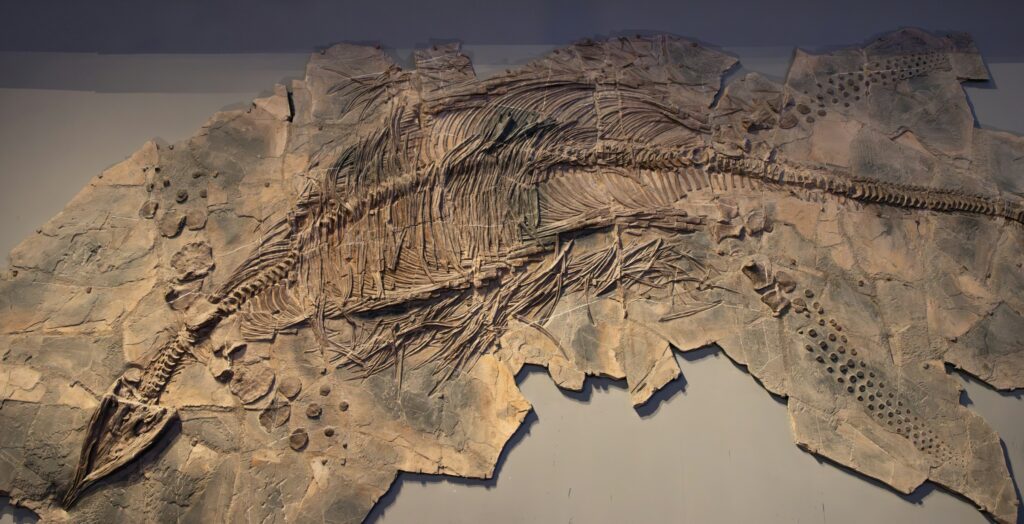
Somewhere right now, a dinosaur skeleton is being dug up in secret, loaded into a crate, and shipped to a private buyer who will never let a scientist near it. That sounds dramatic, almost like the setup to a heist movie, but it is real life for paleontologists trying to understand Earth’s deep past. The same specimens that could answer long‑standing questions about evolution, extinction, and climate are quietly disappearing into living rooms, boardrooms, and vaults.
I remember the first time I realized how bad this problem was: I saw a photo of a nearly complete dinosaur skull in a private auction catalogue, labeled only as “from a private collection, country of origin undisclosed.” It felt like opening a history book and finding half the pages ripped out. Fossil poaching and black market trading are not just legal or ethical annoyances; they are actively erasing data that future generations of scientists will never be able to recover.
The Vanishing Context: Why “Where” Matters More Than “Wow”
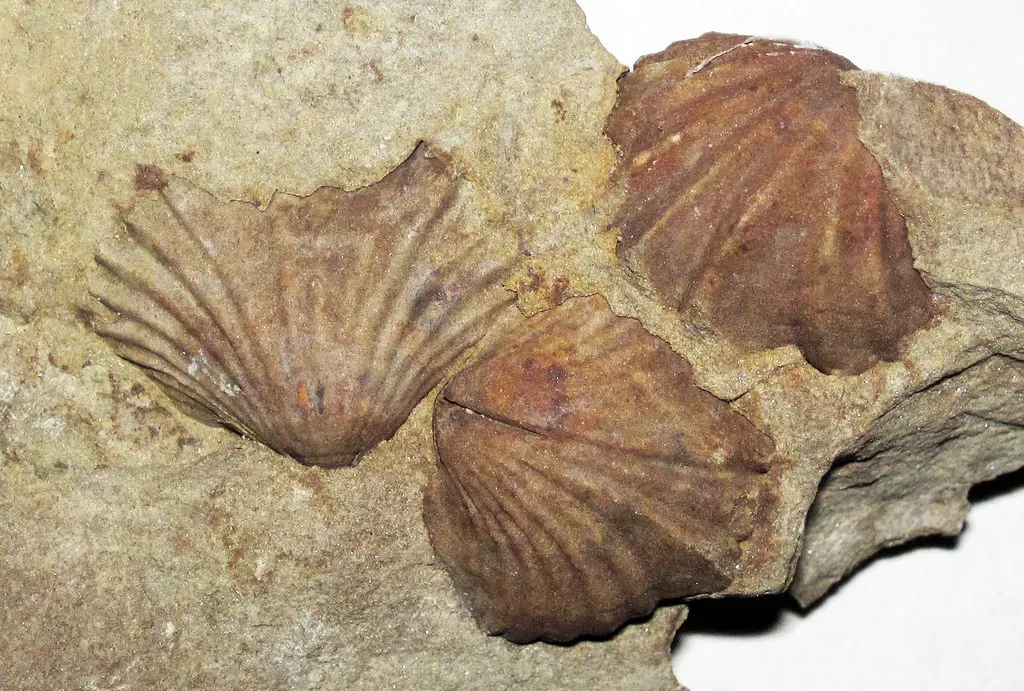
The most shocking damage from fossil poaching is not just that objects are stolen; it is that their scientific context is destroyed. A fossil without its precise location, rock layer, orientation, and surrounding sediments is a bit like a random page torn from a novel: you might admire the words, but you lose the story. When fossils are ripped from the ground in secret, poachers rarely record detailed coordinates, geological formations, or stratigraphic levels, because that takes time and expertise they usually do not have.
For paleontologists, those details are everything. Knowing that a fossil came from a specific layer tells you its age, the environment it lived in, and how it fits into the broader puzzle of evolution and extinction. When a specimen pops up on the black market with a vague description like “Cretaceous dinosaur, Asia,” it is almost useless for research. Once that information is gone, there is no way to go back and reconstruct it perfectly. The damage is permanent, like trying to reassemble shattered glass when half the pieces fell down a drain.
Lost to Living Rooms: How Private Collections Starve Science
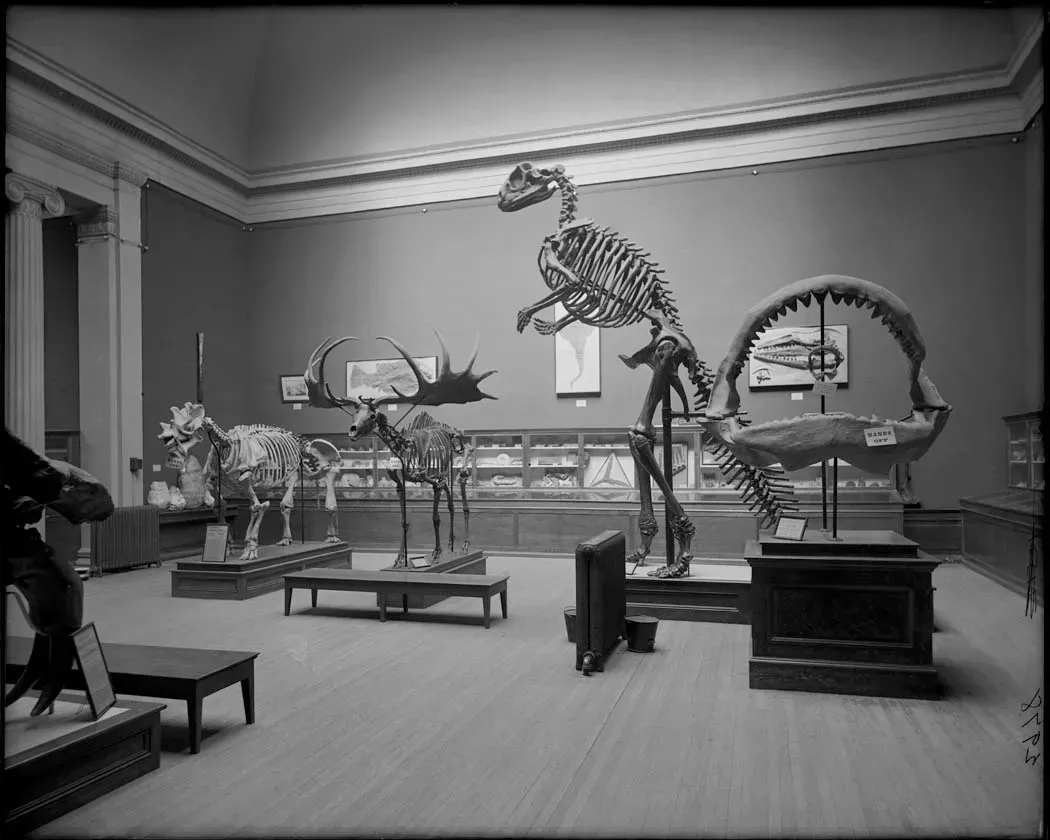
There is a painful irony at the heart of fossil collecting: the more spectacular a specimen is, the more likely it is to end up hidden away. Wealthy buyers may pay massive sums for impressive skeletons or skulls, turning them into status symbols rather than research tools. On the surface, it can look harmless – after all, a fossil on a pedestal in someone’s mansion is not being crushed or weathered away outside. But scientifically, isolation might as well be a form of disappearance.
When a fossil enters a private collection without being described in the scientific literature, it is effectively removed from the global research community. Researchers cannot examine it, reanalyze it with new techniques, or compare it with other finds. Even if an owner says they are open to lending it out, access often depends on personal whims, changing priorities, and inheritance disputes. Science relies on transparency and repeatability; fossils held behind closed doors, traded like artwork, break that chain and create knowledge gaps that can last for decades or longer.
Encouraging Destruction in the Field: When Money Sets the Digging Rules
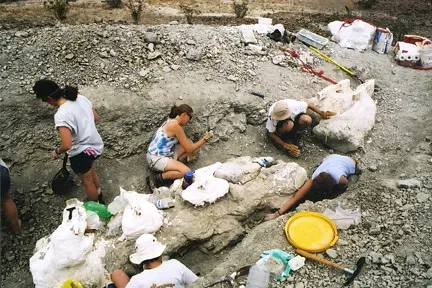
Black market demand does not just pull fossils out of circulation; it also changes how they are excavated in the first place. Poachers are often paid by the piece, not by the quality of preservation, so they focus on what is most visually impressive and easiest to sell. Instead of carefully removing sediment layer by layer, they may use crude tools, rush the process, or break apart surrounding rock just to get at one eye‑catching skull or claw. Subtle but important clues – like tiny bones, plant fossils, or trace fossils such as footprints and burrows – may be destroyed along the way.
This rush for quick profit is the polar opposite of scientific excavation, which is slow, obsessive, and methodical. A proper dig records the position of every bone, every fragment, even every grain of sediment that might matter later. It is like carefully documenting a crime scene instead of just grabbing the most obvious evidence. Once poachers blast through a site, scientists often cannot fix the damage afterward. Even if authorities eventually recover the main fossil, the surrounding context that would have made it truly informative has already been erased for good.
Misinformation and “Frankenstein Fossils”: When Black Market Specimens Lie
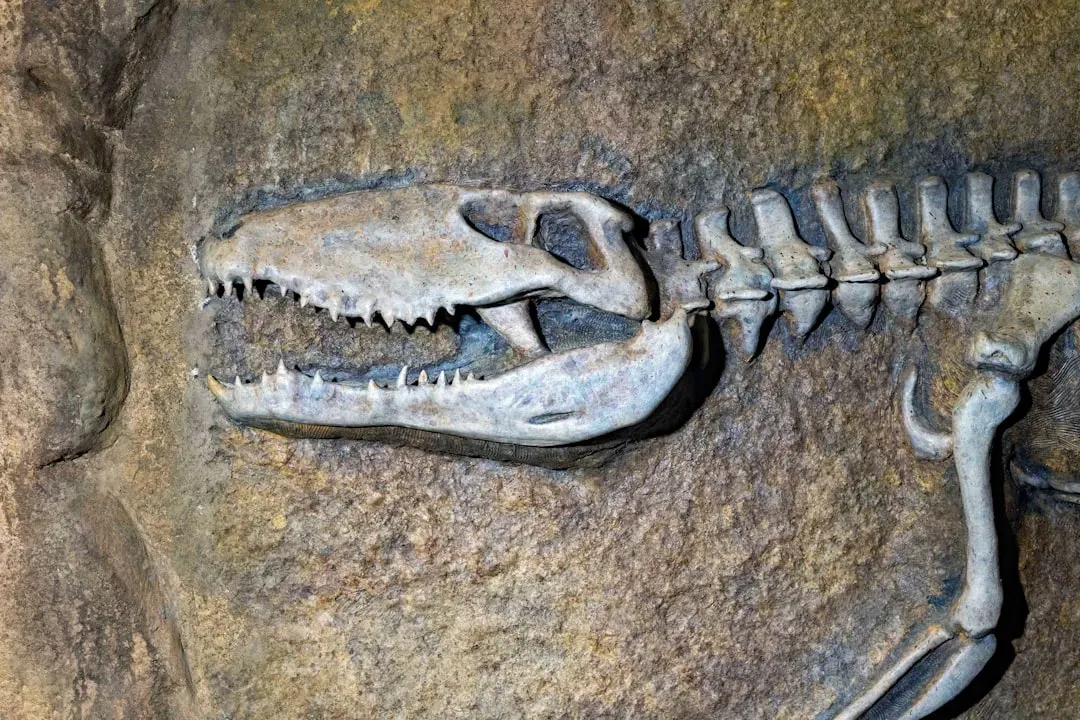
Another quiet disaster of the fossil black market is the rise of heavily altered or composite specimens. To fetch higher prices, some dealers assemble bones from multiple individuals or even multiple species into a single skeleton, patch gaps with resin, or tweak features to make them look more dramatic. To an untrained buyer, it might look like a once‑in‑a‑lifetime discovery. To a scientist, it risks becoming a trap that leads to false conclusions if its history is not carefully unraveled.
These so‑called “Frankenstein fossils” do more than confuse collectors; they contaminate the scientific record when they accidentally slip into research or are used as reference material. A mislabeled or misassembled skeleton can push paleontologists toward the wrong evolutionary relationships, wrong interpretations of anatomy, or imaginary new species that do not actually exist. Cleaning up these mistakes takes years of work, and sometimes the original materials are gone or so heavily modified that the truth can never be fully recovered. In a field that already works with fragmentary evidence, adding deliberate distortion is like throwing smoke bombs into a dimly lit room.
Undermining Local Communities and Source Countries
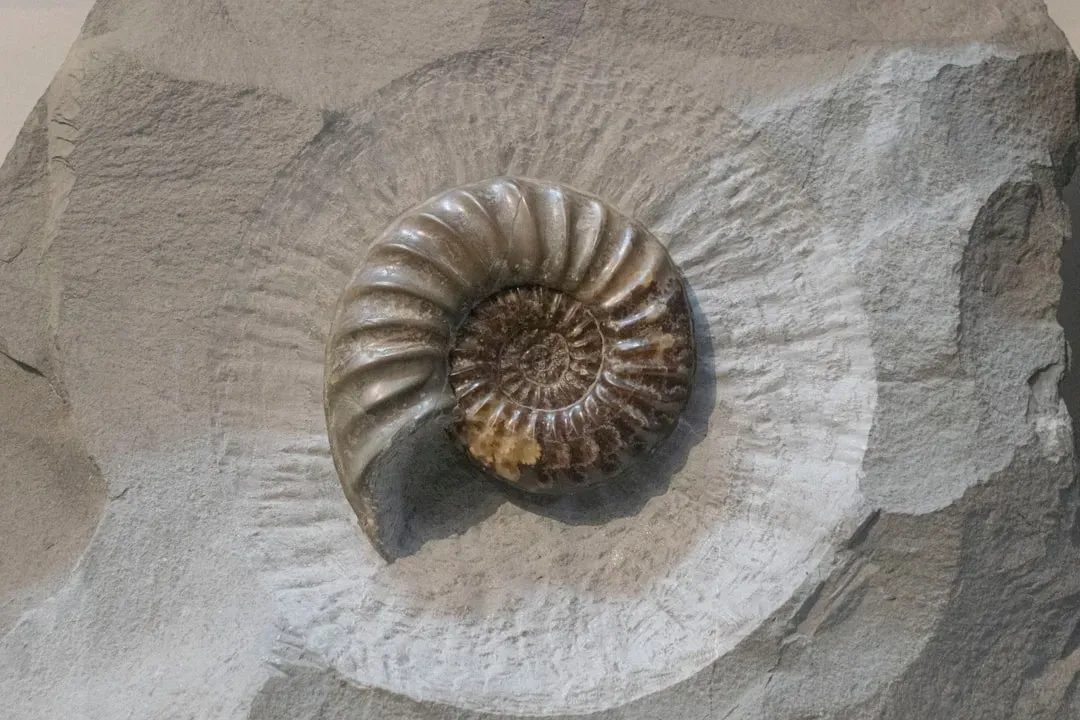
Fossil poaching usually does not happen in a vacuum; it happens in real communities, often in remote or economically stressed regions. Instead of fossils being part of a long‑term plan for local museums, tourism, and education, they get quietly hauled out and sold abroad. That means the country or region where the fossils were found loses cultural heritage, potential scientific partnerships, and future income from visitors who might have come to see important specimens in local institutions.
This dynamic can also deepen mistrust between local people and scientists. When poachers or middlemen show up with cash, but legitimate research projects cannot match those short‑term payments, people are put in a difficult spot. Over time, it may start to feel like outside experts only appear to take things away or impose rules, instead of working together and sharing benefits. That kind of resentment can make it harder for ethical, collaborative research to happen at all, pushing even more activity underground and feeding the very black market that harms everyone.
On top of that, some source countries have laws that declare fossils part of the national heritage, meant to remain in public collections. When fossils cross borders illegally, it can spark diplomatic disputes and long legal battles over repatriation. Meanwhile, the fossils themselves sit in limbo – sometimes in storage rooms, sometimes changing hands multiple times – while scientists and citizens in the country of origin are unable to study or even see them. The longer these conflicts drag on, the more likely it is that important data will be delayed, fragmented, or lost.
Slowing Real Discoveries: How Poaching Distorts What We Think We Know
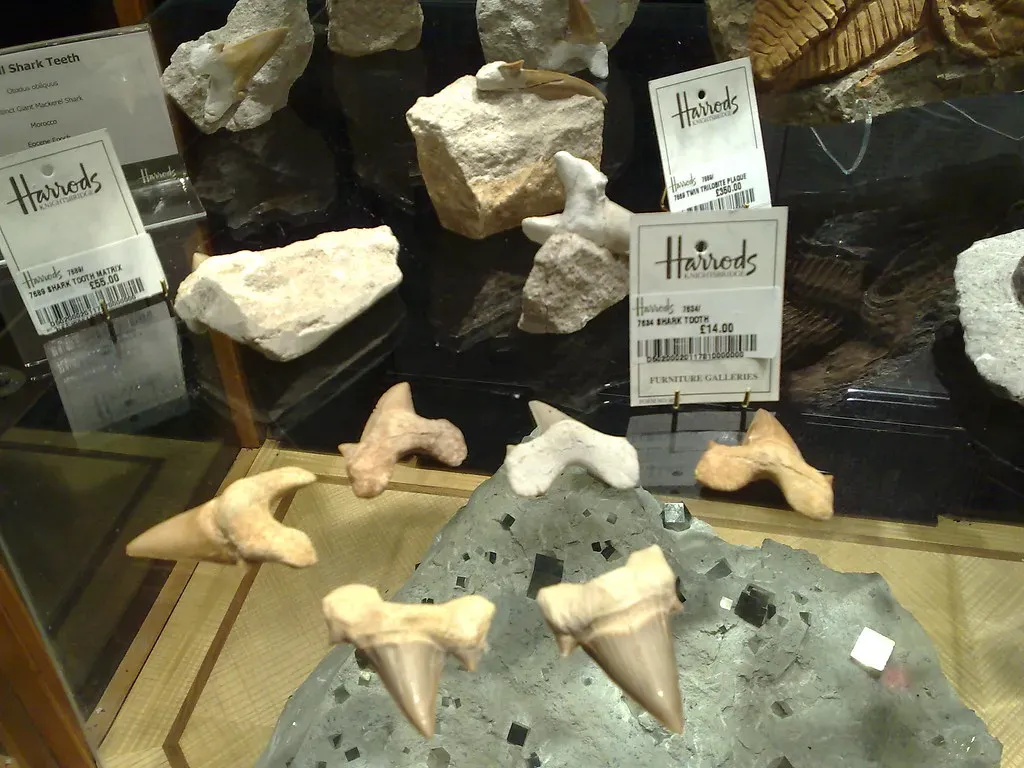
Paleontology is not just about single spectacular fossils; it is about patterns, trends, and big pictures built from many finds over time. Fossil poaching and black market trading quietly warp those patterns. Areas that are heavily targeted by commercial collectors may appear, on paper, to be unusually rich in certain kinds of fossils, simply because more material is leaked into private hands than into museums. Meanwhile, the actual distribution of fossils in the rocks – the real story of ancient ecosystems – remains under‑sampled or misrepresented.
When scientists do not have access to all or even most of the key fossils from a region, their maps of ancient life start to look like a puzzle with large, strategic pieces missing. Interpretations of when certain groups evolved or went extinct, how they migrated, and how they responded to climate shifts can all be skewed. In a way, fossil poaching rigs the dataset, weighting our understanding toward whatever happened to be collected, not what truly existed. That slows progress, fuels unnecessary debates, and sometimes leads to flashy but fragile claims that cannot be properly tested.
Why Laws and Ethics Alone Are Not Enough
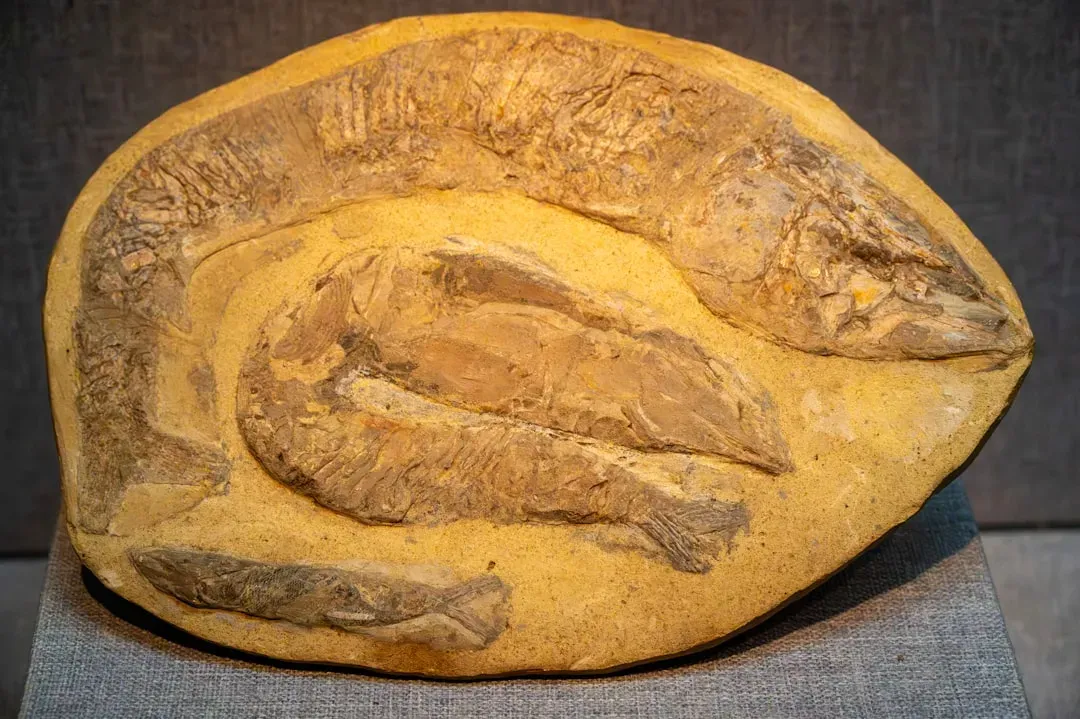
Many countries now have strict laws governing fossil collection, export, and sale, and there have been some high‑profile seizures and returns of illegally traded specimens. But laws on paper do not automatically stop the trade. Enforcement can be patchy, borders are porous, and markets simply shift to new platforms or more discreet networks. If there is strong demand and big money from buyers who want rare fossils no matter the backstory, poachers and dealers will keep looking for ways to supply them.
Ethical guidelines within the scientific community are crucial, but they also have limits. Museums and universities may agree not to work with illegally obtained fossils, yet individual researchers sometimes face real temptations when a rare specimen appears that might answer a long‑standing question. At the same time, hobby collectors who genuinely love fossils may not realize that a seemingly harmless online purchase is part of a larger illegal supply chain. Without broad education and cultural change, rules and statements alone will never fully protect the scientific value of fossils.
Opinionated Conclusion: Fossils Are Not Luxury Goods – They Are Shared Memory
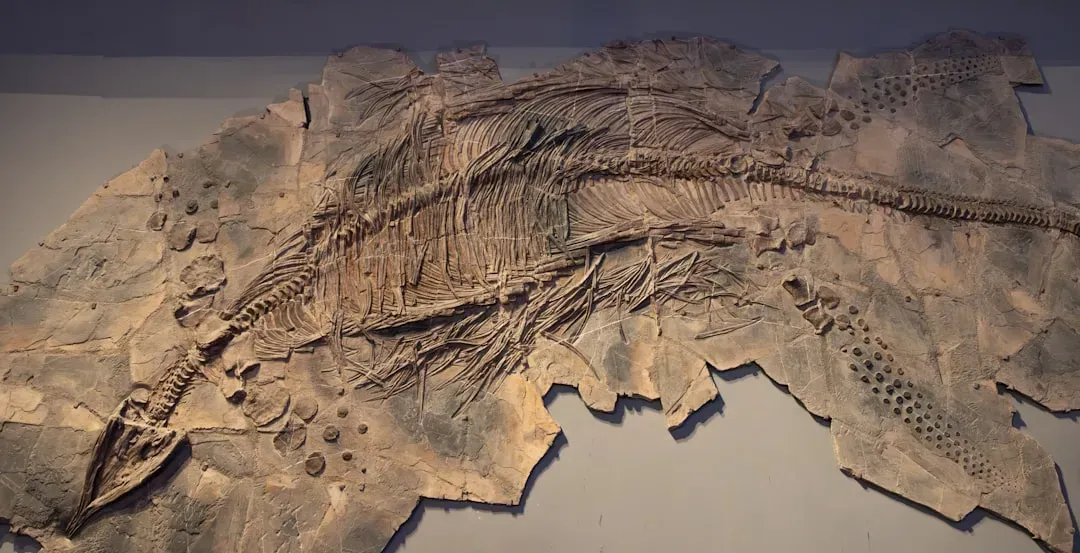
At its core, fossil poaching and black market trading force us to answer a simple but uncomfortable question: do we see fossils as private trophies or as pieces of a shared human archive? In my view, treating fossils like luxury items is a kind of theft from everyone else, not just from scientists. Each specimen locked away without proper documentation is a lost conversation with deep time, a question we no longer get to ask. It is tempting to shrug and think that as long as a fossil is physically safe, the damage is minimal, but in science, secrecy is often just another word for erasure.
If we are serious about understanding Earth’s past – and using that knowledge to navigate our future – then we cannot afford to let the market dictate which fossils matter and who gets to see them. That means supporting local museums, backing ethical research, asking hard questions about the fossils we see for sale, and pushing for transparency from institutions and collectors alike. Fossils are not just stones with cool shapes; they are the last whispers of worlds that no longer exist. The real question is whether we are willing to protect those whispers for everyone, or let them fade into the private echo chamber of the highest bidder. Which side of that line do you want to be on?